# Ar-range: full site content
> Ar-range renders every variant of every product, then powers the configurators, AI search and showroom checkout that turn all that choice into finished orders. One catalog, every channel.
Every public page of the site as Markdown, in the order of /llms.txt: the homepage, documentation, products, solutions, industries, case studies, the blog, then the remaining pages (team, labs, privacy). Each page starts with its title and canonical URL. The same page on its own: request its URL with Accept: text/markdown.
================================================================================
Page: Ar-range, the visual selling layer
URL: https://ar-range.app/
================================================================================
The visual selling layer
# You sell a million combinations. Your buyers see the right one.
Ar-range renders every variant of every product, then powers the configurators, AI search and showroom checkout that turn all that choice into finished orders. One catalog, every channel.
Talk to our team See it live →
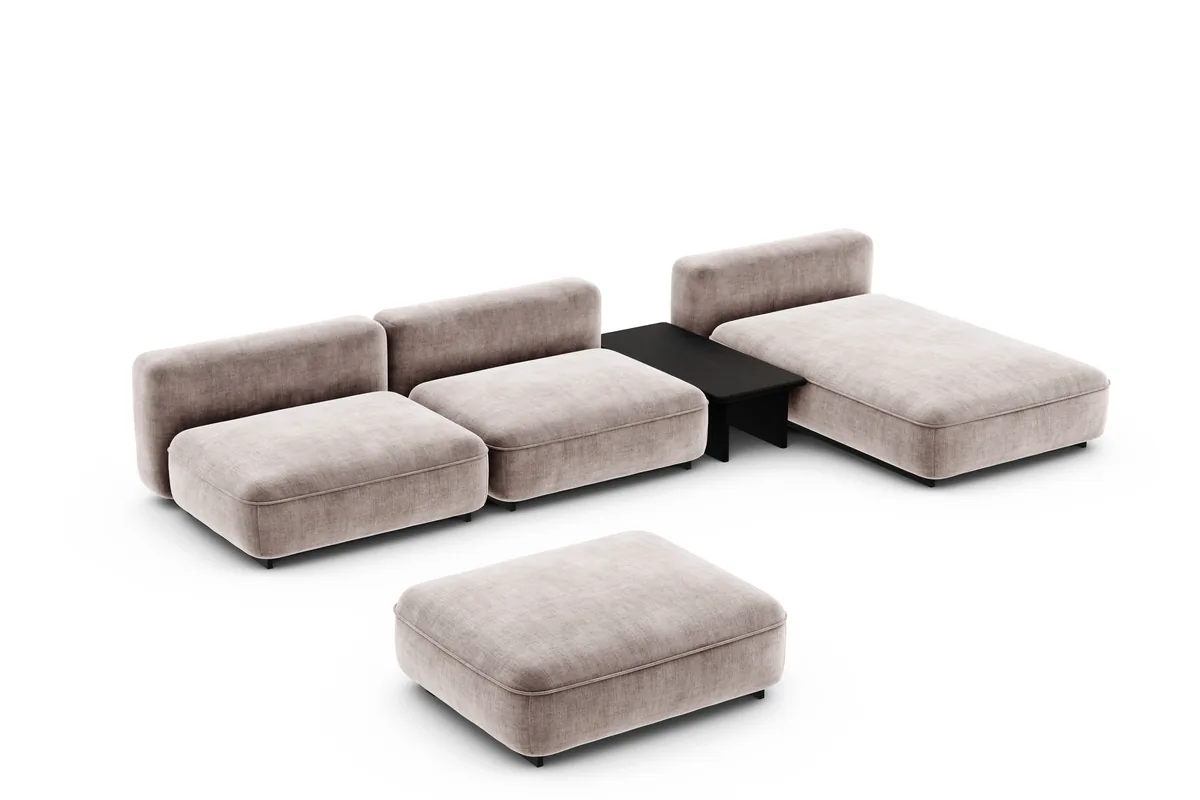
Ar-range renders every sofa in every fabric, and AI search finds the right one from a plain sentence.
You pay to send buyers to a page that can't show them what they came for.
Fabric, size and finish multiply into millions of looks. The page carries a handful.
So the click you bought lands on a grey sofa variant, the showroom quote lands on paper, and the buyer with a specific version in mind quietly leaves.
Every one is a sale you already paid to almost make.
2.2M
product visuals delivered for one bed brand, the full sellable matrix
40+
US showrooms running their custom checkout on our platform
542
fabrics a buyer can find by typing one plain sentence
Most furniture pages show a few photos and let the buyer imagine the rest. But they wanted the fifth fabric, in their size, and it was never on the page. In the showroom the quote goes home as a sheet of codes, the emotion gone by the driveway.
Choice you can't show is choice you don't sell.
How we solve it
## Four products, one engine
Each works alone; together they cover the whole journey, from a buyer's first look to a finished factory order.
The engine
### Content Hub
One record per product: how every variant looks, what it costs, what it's made of. Every place you sell reads that record. We're not a PIM and we don't take your prices; your ERP stays master. The Hub owns the one thing nothing else does: what your customer sees.
✓Rules generate the variants, so nobody hand-builds thousands of combinations
✓Two-way sync with your shop and ERP, conflicts surfaced, not swallowed
✓Edit the record once, and every channel shows the new truth
[Explore Content Hub →](https://ar-range.app/products/content-hub/)
Visuals
### Variant Visuals
Every variant of every product, photographed without a camera: studio shots, 360s and context scenes, prerendered in bulk and served to your product page as fast as any ordinary photo. No render engine on the page, no photoshoot logistics, ever again.
✓One 3D model in, every shot out, same light, same angle, whole catalog
✓A coverage grid proves "every variant" before launch
✓A fabric-line change is a re-render, not a reshoot
[Explore Variant Visuals →](https://ar-range.app/products/variant-visuals/)
Configurator
### Modular Configurator
Drag-and-drop 3D for the buyer who's ready to build: modules snap together like magnets, in real fabrics and real light. It lives at the end of the journey, the showroom floor or the last step online, where "I think I want it" becomes a built, ordered piece.
✓Buyers self-build; your salespeople close instead of clicking
✓Every saved build is a spec-complete, manufacturable order
✓The build follows the buyer from showroom screen to their phone
[Explore Modular Configurator →](https://ar-range.app/products/modular-configurator/)
AI
### AI Product Search & Advisor
Buyers describe what they want the way they'd tell a salesperson: "a durable velvet, not too shiny, good with a cat." The AI understands the sentence, plain math does the ranking, and only real products from your catalog come back, so an invented result is impossible by design.
✓Search in the buyer's own words, in their own language
✓Every result auditable, query by query, no black box
✓The search log reads real demand: what to stock, what to enrich next
[Explore AI Search →](https://ar-range.app/products/ai-search/)
Try it: live
## One model in. Every variant out.
Pick a fabric, a layout, an angle. Every combination is prerendered and served like an ordinary photo, no render engine on the page, no waiting.
Fabric
Layout
Angle
Same light, same angle, whole catalog. A coverage grid proves every variant is there before you launch. Hover the sofa to zoom in.
In production today
## What that looks like in practice
Four real deployments, four different problems. Every number belongs to a client running it right now.
[2.2M visuals, every variant](https://ar-range.app/case-studies/mybed/)
2.2 million product visuals
MyBed, full catalog, shot without a camera
Upholstered beds across dozens of fabric collections, every size, every headboard height, a catalog matrix in the millions no camera could ever shoot. We built the beds as parametric 3D models and rendered the whole matrix with one consistent look, then put every combination live on the product page.
Read the MyBed case study →
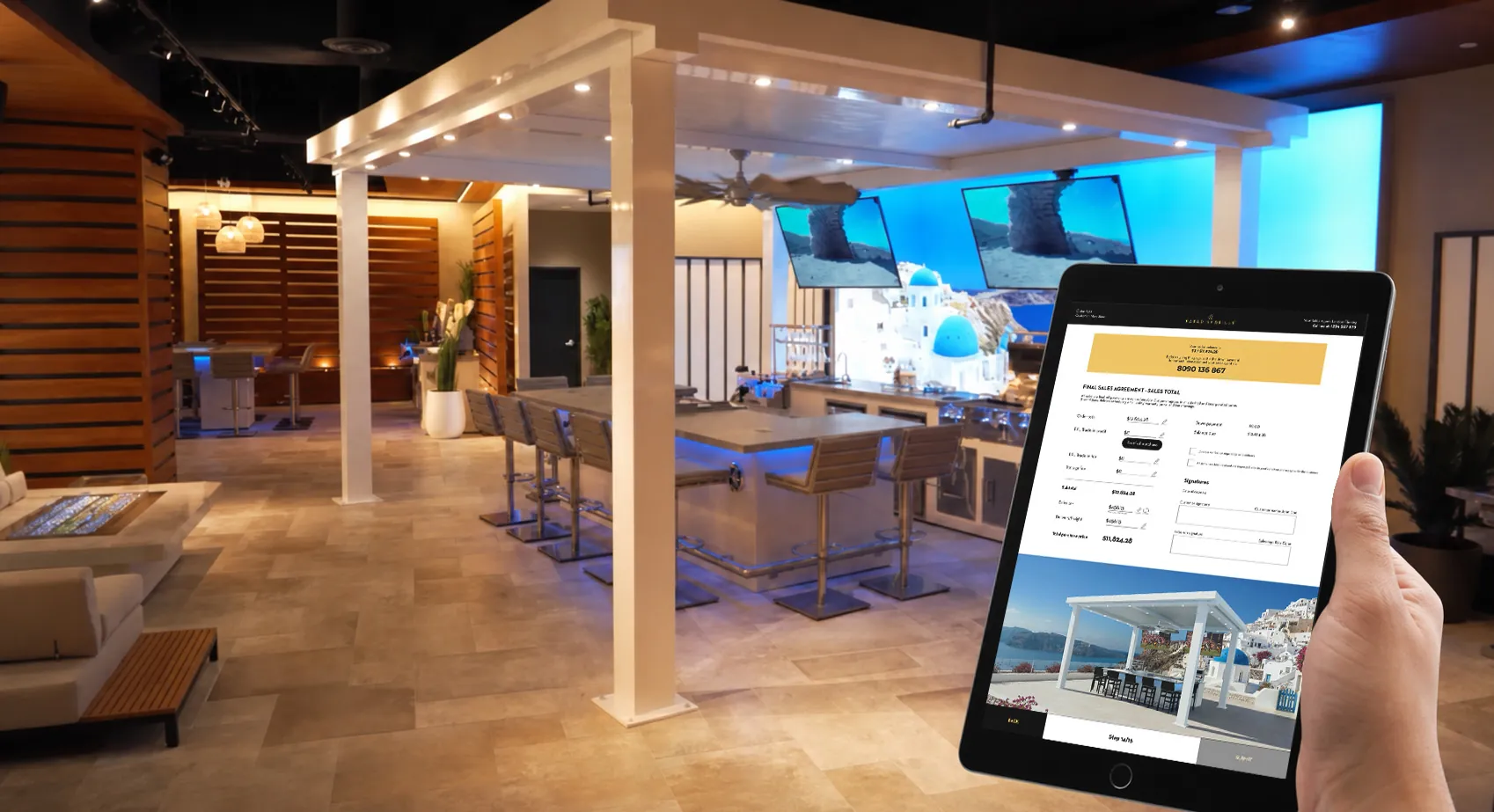
[Showroom POS](https://ar-range.app/case-studies/paradise-grills/)
30 min → 5 min to close
Paradise Grills, 40+ US showrooms, live since April 2024
Custom outdoor kitchens sold across 40+ showrooms, each sale a long paper contract. We built the showroom POS on our catalogue engine: the configurator hands the build to the iPad by QR code, the customer signs and pays in the room or from their own browser, and the order lands in NetSuite. Live since April 2024.
Read the Paradise Grills case study →
[Semantic fabric search](https://ar-range.app/case-studies/mybed-ai-search/)
542 fabrics, one sentence
MyBed, semantic search in plain Polish, live since August 2026
Buyers don't know collection names. They know "soft grey velvet for a hotel." MyBed's full range across 21 collections answers exactly that phrasing every day, in production, and shows the bed in the fabric the buyer asked for, from a matrix of 2.2 million prerendered visuals.
Read the case study →
What clients say
## From the people running these systems
“
Our catalogue has more fabric and size combinations than any studio could photograph. Now every page shows the exact bed in the exact fabric, and when a customer types "soft grey velvet", the right ones come back. The traffic we pay for finally lands on pages that can close.
Dominik Tomaszczyk
Owner, MyBed.pl
“
I am currently very satisfied with the service provided by Ar-range and cannot think of any areas that require improvement. Everything has been handled efficiently and professionally.
Dennis Brown
Chief Business Intelligence Officer, Paradise Grills International
“
Collaboration and communication is very efficient and we have a good working relationship. They provide a high quality of work and are always very responsive to any of our requests. Even last-minute requests are completed within a reasonable time.
Bobby Bala
Founder & CEO, Elite HTS
We work with

Who we build for
## The fit is easy to spot
We're great for some companies and wrong for others. Here's how to tell which one you are.
1
### You build it, and it comes in many versions
Furniture and home-product makers with a real range: fabrics, sizes, finishes, parts. Not shops that just resell. Not cheap mass-market brands.
2
### You have more versions than you can photograph
Maybe thousands of combos no camera could ever cover. Or you keep the range small on purpose, but still want every model to look sharp and match everywhere. Both work, and most tools only handle the first.
3
### You sell in more than one place
Your own store, a showroom, dealers, other countries, or all at once. The more places you sell, the more one clean catalogue helps.
**Product list a mess?** That is usually where the first call goes. We walk through what you actually sell, show you where the range breaks, and work from there. And if we would not make a real difference for you yet, we will say so on that call.
## If they can't see it, they won't buy it. Let's show them.
Leave your details and we arrange a free consultation with the people who have spent years helping brands sell customised products. You bring the catalogue and the questions. We bring what has worked, what has not, and what it would take for you.
**1M** variants from one source
**Same day** price changes live in the shop
**No-code** configurators the client runs

================================================================================
Page: Content Hub documentation | Ar-range
URL: https://ar-range.app/docs/
================================================================================
Documentation
# Find the right guides for your role
Quick answers for the people filling the catalogue, running a project, or wiring Content Hub into a shop: pick your section below.
Content Hub Briefs
## For catalogue editors
The daily work: adding items, filling fields, picking images, keeping variants straight.
Catalogue
### [Add your first item](https://ar-range.app/docs/add-your-first-item/)
Create an item in a group, fill in its fields, and see it in the catalogue.
Read guide →
Catalogue
### [Edit an item](https://ar-range.app/docs/edit-an-item/)
The same form you filled when you created it. Fields commit together when you save, so a half-finished edit is never visible.
Read guide →
Catalogue
### [Point one item at another](https://ar-range.app/docs/relate-items-across-groups/)
Fabrics on a sofa, legs on a table. A relation is a field, and it only offers items from the group you aimed it at.
Read guide →
Catalogue
### [Find anything quickly](https://ar-range.app/docs/search-and-autocomplete/)
Search is scoped to your project and matches names across items, products and models, so you rarely need to remember where something lives.
Read guide →
Variants
### [Work with product groups and variants](https://ar-range.app/docs/product-groups-and-variants/)
A product group holds the options a product varies by. A variant is one valid combination of them.
Read guide →
Media library
### [Upload and organise images](https://ar-range.app/docs/media-library/)
Images live in the project's media library, not on the item. Upload once, use anywhere.
Read guide →
Visuals
### [Layer order and behaviour](https://ar-range.app/docs/layer-order-and-behaviour/)
Layers stack in a set order, each one answering to the parameters you tie it to. Optional layers can drop out; others fall back rather than leave a hole.
Read guide →
Integrations
### [Link a shop product to an item](https://ar-range.app/docs/link-product-to-item/)
One product can carry many items. The link is what lets a shop page show the fabric, the colour and the images that live in Content Hub.
Read guide →
Integrations
### [Edit shop prices](https://ar-range.app/docs/edit-shop-prices/)
Change a product's price, and a variant's price, from Content Hub. The change goes to the shop, so treat it as editing the shop itself.
Read guide →
## For project leads
Setting the shape: item groups, form layouts, models and layers, duplicating a project.
Catalogue
### [Create an item group](https://ar-range.app/docs/create-an-item-group/)
An item group is a shelf plus the shape of what goes on it. Create the group first, then its fields.
Read guide →
Fields & forms
### [Add a field to an item group](https://ar-range.app/docs/add-a-field-to-an-item-group/)
Fields come from the group, not the item. Add one and every item in that group gets it.
Read guide →
Fields & forms
### [Choose a field type](https://ar-range.app/docs/choose-a-field-type/)
Nine types. This is the short version: what each one is for.
Read guide →
Fields & forms
### [Fields that hold several values](https://ar-range.app/docs/fields-with-several-values/)
One sofa, several fabrics, and a price that differs for each pair.
Read guide →
Visuals
### [Add a layer to a model](https://ar-range.app/docs/add-a-layer/)
A layer is one piece of the picture, tied to one parameter. Layer order is the order they are drawn.
Read guide →
Visuals
### [Upload layer images](https://ar-range.app/docs/upload-layer-images/)
A layer needs one image per option of its parameter. Not one per combination.
Read guide →
Visuals
### [Check coverage before you publish](https://ar-range.app/docs/check-layer-coverage/)
Coverage tells you which layer and option pairs have no image yet. A gap is a hole in the render.
Read guide →
## For integrators & admins
The wiring: the API, the Shoper connector, slugs, caching, organisations and access.
Visuals
### [Show a render on your product page](https://ar-range.app/docs/show-a-render-on-your-page/)
A composite render is one image URL. No SDK, no client-side compositing.
Read guide →
Visuals
### [Pick the right identifier in a render URL](https://ar-range.app/docs/render-url-identifiers/)
A one-character prefix decides how each token is looked up, including letting the URL speak your own shop ids.
Read guide →
Visuals
### [Refresh a render after replacing artwork](https://ar-range.app/docs/refresh-a-render/)
Replacing a layer image does not change the URL, so the cached picture stays until you clear it.
Read guide →
## Before you start
The concepts worth having straight before you click anything, including if you are still working out whether Content Hub is for you.
Concepts
### [Why compositing beats rendering everything](https://ar-range.app/docs/why-compositing-costs-less/)
A catalogue's combinations multiply faster than any render farm. Layers are rendered once and assembled on request, and identical results share one cached image.
Read →
Integrations
### [Connect a shop](https://ar-range.app/docs/ecommerce-integrations/)
Content Hub talks to your shop through an integration. Shoper is built in; anything else is a development job, and the shop's own API sets the ceiling.
Read →
Concepts
### [What is a product record?](https://ar-range.app/docs/what-is-a-product-record/)
One row that says how a product looks, what it costs and what it is made of, and that every channel reads instead of keeping its own copy.
Read →
Concepts
### [Variants or configurations, where is the line?](https://ar-range.app/docs/variants-vs-configurations/)
A variant is a thing you could stock. A configuration is a thing you build on demand. Treating one as the other is the most expensive catalogue mistake there is.
Read →
Concepts
### [Do I need a PIM as well as Content Hub?](https://ar-range.app/docs/do-i-need-a-pim/)
Often you already have one and it is not the thing that is failing. The honest answer depends on which half of the problem hurts.
Read →
Concepts
### [How many images does one product variant need?](https://ar-range.app/docs/how-many-images-per-variant/)
Fewer than a photoshoot suggests and more than a catalogue usually has. The number follows from what the buyer is unsure about.
Read →
Concepts
### [Prerendered visuals or a 3D engine on the page?](https://ar-range.app/docs/prerendered-or-3d-engine/)
Two ways to show a configurable product, with different failure modes. Most catalogues need the first and are sold the second.
Read →
Concepts
### [What stays in your ERP?](https://ar-range.app/docs/what-stays-in-your-erp/)
Most of it. The catalogue layer owns what the customer sees; ownership of everything else does not move.
Read →
## Briefs
What we need from you before work starts: files, formats and the checks we run on them. One brief per kind of delivery.
3D models
### [3D models: what to send us](https://ar-range.app/docs/briefs/3d-models/)
For contracts where you supply your own 3D models: the files, formats and checks each model has to pass before we render it or put it in a configurator. When we build the models, you need none of this.
Read brief →
## If they can't see it, they won't buy it. Let's show them.
Leave your details and we arrange a free consultation with the people who have spent years helping brands sell customised products. You bring the catalogue and the questions. We bring what has worked, what has not, and what it would take for you.
**1M** variants from one source
**Same day** price changes live in the shop
**No-code** configurators the client runs

================================================================================
Page: Add a field to an item group | Ar-range
URL: https://ar-range.app/docs/add-a-field-to-an-item-group/
================================================================================
Fields & forms
# Add a field to an item group
Fields come from the group, not the item. Add one and every item in that group gets it.
Updated 27 August 2026
An item form shows whatever fields its **item group** defines. Adding a field to the group adds it to every item in that group at once.
## Add the field
1. Open your project and pick the **item group**.
2. Open its **field settings** and click **Add field**.
3. Give the field a label, choose its [type](https://ar-range.app/docs/choose-a-field-type/), and **Save**.
Existing items keep their values and gain the new field, empty.
A field being added to a group: the name and the type are the only two that decide anything, and the rest of the form follows from the type.
## Before you pick a type
Changing a type later does not carry the values across, so it is worth a moment now. If the values come from a fixed set, a category, a finish family, use **List** rather than **Text**, so they can be filtered later.
## What to reuse
- [Choose a field type](https://ar-range.app/docs/choose-a-field-type/)
- [Fields that hold several values](https://ar-range.app/docs/fields-with-several-values/)
## Troubleshooting
### The new field is empty on every item
That is expected. A new field starts empty everywhere; fill it as you edit each item, or ask an integrator to bulk-fill it through the API.
### I cannot delete a field
You can, but deleting a field deletes its values on every item in the group, and that is not undoable. Export first if the values matter.
[Next **Choose a field type**](https://ar-range.app/docs/choose-a-field-type/)
On this page
1. Add the field
2. Before you pick a type
3. What to reuse
4. Troubleshooting
5. The new field is empty on every item
6. I cannot delete a field
## If they can't see it, they won't buy it. Let's show them.
Leave your details and we arrange a free consultation with the people who have spent years helping brands sell customised products. You bring the catalogue and the questions. We bring what has worked, what has not, and what it would take for you.
**1M** variants from one source
**Same day** price changes live in the shop
**No-code** configurators the client runs

================================================================================
Page: Add a layer to a model | Ar-range
URL: https://ar-range.app/docs/add-a-layer/
================================================================================
Visuals
# Add a layer to a model
A layer is one piece of the picture, tied to one parameter. Layer order is the order they are drawn.
Updated 27 August 2026
A render is a stack. Each **layer** shows one part of the product and is tied to one **parameter**, so the body layer changes when the fabric changes and the legs layer changes when the wood does.
## Add the layer
1. Open the model and go to **Layers**.
2. Click **Add layer**, name it after the part it shows, and tie it to a **parameter**.
3. Drag it into position. Layers are painted **bottom to top**.
The layer list is the render recipe: priority is the order it is painted in, bottom of the stack first.
## Get the order right first
The shadow under the legs has to sit below the legs; the stitching above the fabric. Reordering later does not require re-uploading anything, but it does mean checking the whole stack again, because a layer that moves up starts covering the ones below it.
## What to reuse
- [Upload layer images](https://ar-range.app/docs/upload-layer-images/)
- [Check coverage before you publish](https://ar-range.app/docs/check-layer-coverage/)
## Troubleshooting
### The legs are drawn on top of the fabric
The legs layer is above the body layer. Drag it below and re-check the rest of the stack.
### The layer has no effect on the render
It is probably tied to a parameter nobody is changing, or it has no images yet. Check coverage.
[Next **Upload layer images**](https://ar-range.app/docs/upload-layer-images/)
On this page
1. Add the layer
2. Get the order right first
3. What to reuse
4. Troubleshooting
5. The legs are drawn on top of the fabric
6. The layer has no effect on the render
## If they can't see it, they won't buy it. Let's show them.
Leave your details and we arrange a free consultation with the people who have spent years helping brands sell customised products. You bring the catalogue and the questions. We bring what has worked, what has not, and what it would take for you.
**1M** variants from one source
**Same day** price changes live in the shop
**No-code** configurators the client runs

================================================================================
Page: Add your first item | Ar-range
URL: https://ar-range.app/docs/add-your-first-item/
================================================================================
Catalogue
# Add your first item
Create an item in a group, fill in its fields, and see it in the catalogue.
Updated 27 August 2026
An item is one thing in your catalogue: a sofa, a fabric, a leg. Items live in **item groups**, and the group decides which fields the item has.
## Add the item
1. Open your project and pick the **item group** the item belongs to.
2. Click **New item**.
3. Fill in the fields and click **Save**.
The form you see is the group’s own schema. If a field you expected is missing, it has not been added to the group: see [Create an item group](https://ar-range.app/docs/create-an-item-group/).
A new item form: the built-in fields first, then a card for each section of fields this group defines.
## Fill in what you have
You do not need everything at once. Save an item with a name and come back for the rest , nothing is published to a shop until you say so.
Two fields behave differently from the rest:
- **Image** opens the project’s media library instead of uploading a file onto the item.
- **Item** fields point at something in another group, so the picker only offers items from the group this field is tied to.
## What to reuse
- [Choose a field type](https://ar-range.app/docs/choose-a-field-type/): what each field on the form does.
- [Upload and organise images](https://ar-range.app/docs/media-library/): filling an image field.
## Troubleshooting
### The field I need is not on the form
Fields come from the item group, not the item. Ask whoever set up the group to add it, or add it yourself in the group’s settings: every existing item in that group gets the new field, empty.
### My item does not show up in the shop
Saving an item stores it in Content Hub. Appearing in a shop is a separate step that depends on the integration and its sync: check the item is linked to a product first.
On this page
1. Add the item
2. Fill in what you have
3. What to reuse
4. Troubleshooting
5. The field I need is not on the form
6. My item does not show up in the shop
## If they can't see it, they won't buy it. Let's show them.
Leave your details and we arrange a free consultation with the people who have spent years helping brands sell customised products. You bring the catalogue and the questions. We bring what has worked, what has not, and what it would take for you.
**1M** variants from one source
**Same day** price changes live in the shop
**No-code** configurators the client runs

================================================================================
Page: Check coverage before you publish | Ar-range
URL: https://ar-range.app/docs/check-layer-coverage/
================================================================================
Visuals
# Check coverage before you publish
Coverage tells you which layer and option pairs have no image yet. A gap is a hole in the render.
Updated 27 August 2026
The **coverage** panel checks one thing: does every layer have an image for every option of its parameter?
## Read the panel
1. Open the model and go to **Coverage**.
2. Empty cells are missing images.
3. Fill them, then publish.
Headboard
36/40 4 combinations still have no image
Missing combinations (4)
| Combination | Signature | |
| --- | --- | --- |
| Chenille 05 | fabric-chenille-05 | + |
| Twill 07 | fabric-twill-07 | + |
| Cord 09 | fabric-cord-09 | + |
| Melange 04 | fabric-melange-04 | + |
The badge turns green at 40/40. Until then those four fabrics render without a headboard.
Coverage names the combinations that have no image yet, with the signature the renderer will look for.
A gap does not show up as an error. It shows up when a customer picks that exact combination and gets a render with a piece missing, because the compositor skips any layer it has no image for.
## What to reuse
- [Upload layer images](https://ar-range.app/docs/upload-layer-images/)
- [Add a layer to a model](https://ar-range.app/docs/add-a-layer/)
## Troubleshooting
### Coverage dropped after I added an option
Expected. One new option creates one new gap on every layer tied to that parameter.
### Coverage is full but a render still has a hole
Check you are looking at the right model: coverage is per model, and a configurator can point at more than one.
[Previous **Upload layer images**](https://ar-range.app/docs/upload-layer-images/)
On this page
1. Read the panel
2. What to reuse
3. Troubleshooting
4. Coverage dropped after I added an option
5. Coverage is full but a render still has a hole
## If they can't see it, they won't buy it. Let's show them.
Leave your details and we arrange a free consultation with the people who have spent years helping brands sell customised products. You bring the catalogue and the questions. We bring what has worked, what has not, and what it would take for you.
**1M** variants from one source
**Same day** price changes live in the shop
**No-code** configurators the client runs

================================================================================
Page: Choose a field type | Ar-range
URL: https://ar-range.app/docs/choose-a-field-type/
================================================================================
Fields & forms
# Choose a field type
Nine types. This is the short version: what each one is for.
Updated 27 August 2026
Every field has a type, chosen when the field is added and awkward to change afterwards.
| Type | Use it for |
| --- | --- |
| **Text** | a name, a code, a symbol, one line |
| **Textarea** | a description or a production note |
| **Number** | width, weight, module count |
| **Boolean** | in stock, assembly required |
| **Color** | a frame, leg or stitching colour |
| **Image** | a picture from the project’s media library |
| **List** | a value from a fixed set you define |
| **Item** | a pointer to an item in another group |
| **Product group option** | a pointer to an option in the connected shop |
## Two that behave differently
**Image** does not upload a file onto the item. It picks one from the project’s media library, so the same picture can sit on any number of items.
**Item** points at another record. You set the target group on the field, and the picker then only offers items from that group.
Free text drifts: six months in, one finish is stored four ways and none of them match.
## Text or List?
If the value comes from a fixed set, use **List**. Free text drifts: six months in, the same finish is stored as `oak`, `Oak` and `oak_` (that last one ends in a space) and none of them match each other.
## What to reuse
- [Add a field to an item group](https://ar-range.app/docs/add-a-field-to-an-item-group/)
- [Fields that hold several values](https://ar-range.app/docs/fields-with-several-values/)
## Troubleshooting
### An Item field offers nothing to pick
Either no target group is set on the field, or that group has no items in this project. Relations do not cross projects.
### I changed a type and the values vanished
Types store their values differently, so the field is now reading from an empty place. The old values come back if you restore the previous type.
[Previous **Add a field to an item group**](https://ar-range.app/docs/add-a-field-to-an-item-group/)
On this page
1. Two that behave differently
2. Text or List?
3. What to reuse
4. Troubleshooting
5. An Item field offers nothing to pick
6. I changed a type and the values vanished
## If they can't see it, they won't buy it. Let's show them.
Leave your details and we arrange a free consultation with the people who have spent years helping brands sell customised products. You bring the catalogue and the questions. We bring what has worked, what has not, and what it would take for you.
**1M** variants from one source
**Same day** price changes live in the shop
**No-code** configurators the client runs

================================================================================
Page: Create an item group | Ar-range
URL: https://ar-range.app/docs/create-an-item-group/
================================================================================
Catalogue
# Create an item group
An item group is a shelf plus the shape of what goes on it. Create the group first, then its fields.
Updated 27 August 2026
Everything in the catalogue sits in an **item group**. The group holds the items and defines the fields they have.
## Create it
1. Open the project.
2. Click **New item group** and name it after what it will hold, _Fabrics_, _Legs_, _Sofas_.
3. Save, then [add its fields](https://ar-range.app/docs/add-a-field-to-an-item-group/).
A new item group before it has any fields: the two identifiers, and the switches deciding what its items can hold.
## One group per kind of thing
A group is a shape, not a folder. Fabrics and legs belong in separate groups because they are described by different fields, even if they end up on the same sofa.
Once two kinds of thing share a group, every item carries every field, and half of them stay empty.
## What to reuse
- [Add a field to an item group](https://ar-range.app/docs/add-a-field-to-an-item-group/)
- [Add your first item](https://ar-range.app/docs/add-your-first-item/)
## Troubleshooting
### I cannot see the group in another project
Groups belong to one project. Copying a whole structure into a new project is a separate operation: duplicate the project rather than rebuilding it by hand.
### Two groups hold nearly the same thing
That usually means one field distinguishes them and it should be a **List** field inside a single group instead. Merging is manual, so it is worth deciding early.
On this page
1. Create it
2. One group per kind of thing
3. What to reuse
4. Troubleshooting
5. I cannot see the group in another project
6. Two groups hold nearly the same thing
## If they can't see it, they won't buy it. Let's show them.
Leave your details and we arrange a free consultation with the people who have spent years helping brands sell customised products. You bring the catalogue and the questions. We bring what has worked, what has not, and what it would take for you.
**1M** variants from one source
**Same day** price changes live in the shop
**No-code** configurators the client runs

================================================================================
Page: Do I need a PIM as well as Content Hub? | Ar-range
URL: https://ar-range.app/docs/do-i-need-a-pim/
================================================================================
Concepts
# Do I need a PIM as well as Content Hub?
Often you already have one and it is not the thing that is failing. The honest answer depends on which half of the problem hurts.
Updated 27 August 2026
A **PIM** organises product attributes and pushes them to channels. Content Hub owns the product record, including **what the customer sees**. They overlap, and the overlap is where the confusing sales conversations happen.
## The split that actually holds
| Question | Where it belongs |
| --- | --- |
| What is this product called in six languages? | PIM |
| What is the stock, cost, lead time? | ERP |
| Which options are valid together? | Content Hub |
| What does this exact combination look like? | Content Hub |
| What does the buyer see on the product page? | Content Hub |
## If you already run a PIM
Keep it. The PIM stays master of the attributes it already owns; Content Hub reads them and adds the layer no PIM has: the visual truth of every variant, and the rules that decide which variants exist.
## If you do not
You may not need one. A PIM earns its keep when many channels need many translations of many attributes. If your real problem is _“we cannot show what we sell”_, a PIM will not fix it, and buying one first is a common and expensive detour.
## What to read next
- [What is a product record?](https://ar-range.app/docs/what-is-a-product-record/)
- [What stays in your ERP?](https://ar-range.app/docs/what-stays-in-your-erp/)
On this page
1. The split that actually holds
2. If you already run a PIM
3. If you do not
4. What to read next
## If they can't see it, they won't buy it. Let's show them.
Leave your details and we arrange a free consultation with the people who have spent years helping brands sell customised products. You bring the catalogue and the questions. We bring what has worked, what has not, and what it would take for you.
**1M** variants from one source
**Same day** price changes live in the shop
**No-code** configurators the client runs

================================================================================
Page: Connect a shop | Ar-range
URL: https://ar-range.app/docs/ecommerce-integrations/
================================================================================
Integrations
# Connect a shop
Content Hub talks to your shop through an integration. Shoper is built in; anything else is a development job, and the shop's own API sets the ceiling.
Updated 3 September 2026
An **integration** is the link between one Content Hub project and one shop. It holds the shop’s address and credentials, and it decides what Content Hub can read and write.
## What is available today
**Shoper is the implemented connector.** Products, product groups, options and variants are read from Shoper, and prices and variants can be written back.
Other platforms are possible, but they are **built, not configured**: a new connector means new code on our side, not a setting you switch on. If you are evaluating a platform we have not connected before, treat it as a project with its own scope rather than a checkbox.
Product groups are fetched from the shop rather than typed in, and the counts tell you the sync landed.
## The shop’s API is the ceiling
Whatever we build, a connector can only do what the platform’s API exposes. This is the honest limit and it is worth setting expectations on early:
- If the platform has no endpoint for a field, that field cannot be written from Content Hub.
- If an endpoint exists but is read-only, Content Hub can display the value and not change it.
- If the platform rate-limits writes, bulk operations take longer. Content Hub already handles this for Shoper: it batches requests, respects the shop’s “retry after” instruction and backs off rather than hammering the API.
So “can Content Hub do X with my shop” has two halves: can Content Hub do X at all, and does your platform expose X. The second half is out of our hands.
## Who can set this up
Creating and editing integrations is an **Enterprise** capability. Day-to-day work with the products a shop has already delivered is not: any user in the project can do that.
## What to reuse
- [Link a product to an item](https://ar-range.app/docs/link-product-to-item/)
- [Edit shop prices](https://ar-range.app/docs/edit-shop-prices/)
## Troubleshooting
### A field will not save to the shop
Check whether the platform exposes it for writing at all. A field that Content Hub shows is not automatically a field the shop lets us change.
### Bulk changes are slow
That is the rate limit, not a stall. Content Hub waits the interval the shop asks for and continues; a large batch finishes later rather than failing.
On this page
1. What is available today
2. The shop’s API is the ceiling
3. Who can set this up
4. What to reuse
5. Troubleshooting
6. A field will not save to the shop
7. Bulk changes are slow
## If they can't see it, they won't buy it. Let's show them.
Leave your details and we arrange a free consultation with the people who have spent years helping brands sell customised products. You bring the catalogue and the questions. We bring what has worked, what has not, and what it would take for you.
**1M** variants from one source
**Same day** price changes live in the shop
**No-code** configurators the client runs

================================================================================
Page: Edit an item | Ar-range
URL: https://ar-range.app/docs/edit-an-item/
================================================================================
Catalogue
# Edit an item
The same form you filled when you created it. Fields commit together when you save, so a half-finished edit is never visible.
Updated 3 September 2026
Editing an item is the same form you filled when you created it. What is worth knowing is how saving behaves.
## Saving is per item, not per field
Fields commit together when you save the item, so a half-finished edit is not visible to anyone until you are done. Leaving a field empty is fine; it does not block the save.
Everything destructive sits behind the three dots, so Save is never next to Delete.
## What to reuse
- [Add your first item](https://ar-range.app/docs/add-your-first-item/)
- [Choose a field type](https://ar-range.app/docs/choose-a-field-type/)
## Troubleshooting
### My edit did not appear in the shop
Saving stores the change in Content Hub. Reaching a shop is a separate step that depends on the integration and when it next runs.
On this page
1. Saving is per item, not per field
2. What to reuse
3. Troubleshooting
4. My edit did not appear in the shop
## If they can't see it, they won't buy it. Let's show them.
Leave your details and we arrange a free consultation with the people who have spent years helping brands sell customised products. You bring the catalogue and the questions. We bring what has worked, what has not, and what it would take for you.
**1M** variants from one source
**Same day** price changes live in the shop
**No-code** configurators the client runs

================================================================================
Page: Edit shop prices | Ar-range
URL: https://ar-range.app/docs/edit-shop-prices/
================================================================================
Integrations
# Edit shop prices
Change a product's price, and a variant's price, from Content Hub. The change goes to the shop, so treat it as editing the shop itself.
Updated 3 September 2026
Prices can be edited here rather than in the shop’s own admin, which saves a round trip when you are already working through a catalogue.
## Product and variant are separate edits
**The product price** is the one on the product itself.
**A variant price** belongs to one combination. Editing it changes that combination only, so a sofa in one fabric can cost more than the same sofa in another without touching the rest.
A price is edited in place on its variant row, so a long list stays workable.
## This writes to the live shop
There is no draft step. When the save succeeds, the shop is charging the new price, so the usual care applies: check the figure before saving, and remember that anyone who can open the project can make this change. There is no separate permission for price editing.
If the shop is unreachable or rejects the write, the change stays in Content Hub only, and the shop keeps its old price until the write succeeds.
## Prices between resources
There is a separate mechanism for copying a price **between items** inside Content Hub: a resource group can be set up so that saving an item pushes its price onto the related items in another group. It is useful for keeping a fabric’s price consistent across the resources that reference it.
Worth being precise about what it does: it updates **items in Content Hub**, not the shop. No shop price moves as a result. To change what a customer pays, edit the product or variant.
## What to reuse
- [Link a shop product to an item](https://ar-range.app/docs/link-product-to-item/)
- [Connect a shop](https://ar-range.app/docs/ecommerce-integrations/)
## Troubleshooting
### The price did not change in the shop
Check the integration first. If Content Hub could not reach the shop, it keeps your value locally and the shop is unchanged.
### I changed the item’s price and nothing happened
Item prices and shop prices are independent. Editing an item does not move the product’s price.
On this page
1. Product and variant are separate edits
2. This writes to the live shop
3. Prices between resources
4. What to reuse
5. Troubleshooting
6. The price did not change in the shop
7. I changed the item’s price and nothing happened
## If they can't see it, they won't buy it. Let's show them.
Leave your details and we arrange a free consultation with the people who have spent years helping brands sell customised products. You bring the catalogue and the questions. We bring what has worked, what has not, and what it would take for you.
**1M** variants from one source
**Same day** price changes live in the shop
**No-code** configurators the client runs

================================================================================
Page: Fields that hold several values | Ar-range
URL: https://ar-range.app/docs/fields-with-several-values/
================================================================================
Fields & forms
# Fields that hold several values
One sofa, several fabrics, and a price that differs for each pair.
Updated 27 August 2026
Two switches on a field definition change how many values it takes.
## Allow several values
Turn on **Multiple** and the field accepts more than one value. Depending on the type it becomes a tag input or a set of checkboxes.
Use it for “this sofa is available in these fabrics”.
With Multiple turned on the field holds an ordered list, and that order is the order the API returns.
## Repeat per related item
For **Item** fields there is a second switch: **Repeat per related item**. The field then appears once for each thing it is related to.
This is the answer when a value belongs to a _pair_ rather than to either side of it. A fabric surcharge is usually different for each model, so it cannot live on the fabric and it cannot live on the model: it lives on the combination.
## What to reuse
- [Choose a field type](https://ar-range.app/docs/choose-a-field-type/)
- [Add your first item](https://ar-range.app/docs/add-your-first-item/)
## Troubleshooting
### Repeat per related item is greyed out
It only applies to **Item** fields. On any other type there is nothing to repeat against.
### The form suddenly has forty copies of one field
That is Repeat per related item doing its job, one copy per related item. If forty is too many, the relation is probably too broad; narrow what the item is related to.
On this page
1. Allow several values
2. Repeat per related item
3. What to reuse
4. Troubleshooting
5. Repeat per related item is greyed out
6. The form suddenly has forty copies of one field
## If they can't see it, they won't buy it. Let's show them.
Leave your details and we arrange a free consultation with the people who have spent years helping brands sell customised products. You bring the catalogue and the questions. We bring what has worked, what has not, and what it would take for you.
**1M** variants from one source
**Same day** price changes live in the shop
**No-code** configurators the client runs

================================================================================
Page: How many images does one product variant need? | Ar-range
URL: https://ar-range.app/docs/how-many-images-per-variant/
================================================================================
Concepts
# How many images does one product variant need?
Fewer than a photoshoot suggests and more than a catalogue usually has. The number follows from what the buyer is unsure about.
Updated 27 August 2026
There is no universal number, but there is a rule: **one image per doubt**.
A buyer looking at a configurable product has a short list of uncertainties, and each one needs a picture. Everything past that list is decoration that slows the page down.
## The usual list
- **The whole thing, in the chosen finish.** Non-negotiable. This is the picture that decides.
- **A close-up of the material.** Weave, grain, sheen. The one thing a photograph traditionally fails at and the one thing people ask to touch.
- **In a room.** Scale is impossible to judge from a cut-out.
- **A detail that carries the price.** Stitching, a hinge, an edge profile: whatever justifies costing more than the cheap one.
Four images per variant, times every variant. Which sounds impossible until you notice that they are rendered from one model rather than shot one at a time.
the whole thing
In the chosen finish
The picture that decides. Non-negotiable.
close-up
The material
Weave, grain, sheen: what people ask to touch.
in a room
Scale
Impossible to judge from a cut-out.
detail
What carries the price
Stitching, a hinge, an edge profile.
**One image per doubt.** Four per variant sounds impossible until you notice they are rendered from one model rather than photographed one at a time. Anything past the buyer's short list of uncertainties is decoration that slows the page down.
One image per doubt: the four uncertainties a buyer actually has, and nothing past them.
## Where 360s earn their place
A 360 is worth it when the shape is the product: a sectional, an island, an armchair with a back worth seeing. It is not worth it for a flat-fronted wardrobe, where it costs load time and answers nothing.
## What to read next
- [Variants vs configurations](https://ar-range.app/docs/variants-vs-configurations/)
- [Prerendered visuals or a 3D engine?](https://ar-range.app/docs/prerendered-or-3d-engine/)
On this page
1. The usual list
2. Where 360s earn their place
3. What to read next
## If they can't see it, they won't buy it. Let's show them.
Leave your details and we arrange a free consultation with the people who have spent years helping brands sell customised products. You bring the catalogue and the questions. We bring what has worked, what has not, and what it would take for you.
**1M** variants from one source
**Same day** price changes live in the shop
**No-code** configurators the client runs

================================================================================
Page: Layer order and behaviour | Ar-range
URL: https://ar-range.app/docs/layer-order-and-behaviour/
================================================================================
Visuals
# Layer order and behaviour
Layers stack in a set order, each one answering to the parameters you tie it to. Optional layers can drop out; others fall back rather than leave a hole.
Updated 3 September 2026
A model is a stack of layers, and a render is those layers painted in order. What each layer shows depends on the parameters it listens to.
## Order
Every layer carries a priority, and the stack is painted from the lowest upward. That is the whole rule: to put the frame in front of the fabric, give it a higher priority.
Edit layer
Name
Headboard
Priority
30
Lowest is painted first, so a higher number sits in front.
Optional
Off: if nothing matches, the layer's first image is used, so something is always painted. On: the layer is skipped entirely.
Allow pivot
A parameter value can flip this layer horizontally, so one left armrest covers the right one too.
Related parameters
Fabric
A layer only ever sees the parameters tied to it.
CancelSave
Optional is not about whether the layer matters: it is about whether nothing is a valid answer for it.
## When a layer has no image for the current combination
This is the case worth understanding, because it decides whether a gap becomes a visible hole.
**A normal layer falls back.** If no image matches the selected parameters, the layer’s first image is used, so something is always painted.
**An optional layer is skipped.** No match means the layer simply is not drawn. Use this for parts that genuinely may be absent, an armrest, a headboard, a cushion.
So “optional” is not about whether the layer matters. It is about whether _nothing_ is a valid answer for it.
## Mirrored parts
A layer can be marked as allowing a pivot, and a parameter value can then flip it horizontally or vertically when it is composited. One image of a left armrest covers the right one too, which halves what has to be rendered and keeps the two sides identical by construction.
## What to reuse
- [Add a layer to a model](https://ar-range.app/docs/add-a-layer/)
- [Check coverage before you publish](https://ar-range.app/docs/check-layer-coverage/)
## Troubleshooting
### A layer shows the wrong image
It matched a different combination than you expect. Check which parameters the layer is tied to: a layer only sees the ones related to it.
### Something disappears in one combination
That layer is optional and had no image for the combination. Either add the image or make the layer non-optional so it falls back instead.
On this page
1. Order
2. When a layer has no image for the current combination
3. Mirrored parts
4. What to reuse
5. Troubleshooting
6. A layer shows the wrong image
7. Something disappears in one combination
## If they can't see it, they won't buy it. Let's show them.
Leave your details and we arrange a free consultation with the people who have spent years helping brands sell customised products. You bring the catalogue and the questions. We bring what has worked, what has not, and what it would take for you.
**1M** variants from one source
**Same day** price changes live in the shop
**No-code** configurators the client runs

================================================================================
Page: Link a shop product to an item | Ar-range
URL: https://ar-range.app/docs/link-product-to-item/
================================================================================
Integrations
# Link a shop product to an item
One product can carry many items. The link is what lets a shop page show the fabric, the colour and the images that live in Content Hub.
Updated 3 September 2026
A shop product knows its name, price and options. It does not know what the fabric feels like, which colour family it belongs to or what it looks like rendered. Those live on an **item** in Content Hub. Linking the two is what brings them together.
One product can hold **many items**, which is the point: a sofa product can carry an item per fabric, and each item brings its own attributes and images.
## Two ways to make the link
**From an existing product.** Open the item, choose the product in the Product field, save.
**Create the product from the item.** If the shop has no product yet, the item can create one. An item that already has a product will refuse, so the two never fall out of step.
You can also set the link in bulk when importing items, so a catalogue arrives already linked.
The link is made from the resource: one has no shop product yet, the other already points at one.
## What the link does not do
Linking does **not** keep prices in step. The item’s price seeds the product only at the moment the product is created from it; after that the two prices are independent, and editing one does not move the other. To change what the shop charges, edit the price on the product itself.
## What to reuse
- [Edit shop prices](https://ar-range.app/docs/edit-shop-prices/)
- [Connect a shop](https://ar-range.app/docs/ecommerce-integrations/)
## Troubleshooting
### The product list is empty
Products come from the shop through the integration. If none are listed, the project has not fetched them yet.
### I linked the item but the shop page looks the same
The shop reads the extra data through the configurator endpoint. The link puts the item in that payload; the storefront still has to display it.
On this page
1. Two ways to make the link
2. What the link does not do
3. What to reuse
4. Troubleshooting
5. The product list is empty
6. I linked the item but the shop page looks the same
## If they can't see it, they won't buy it. Let's show them.
Leave your details and we arrange a free consultation with the people who have spent years helping brands sell customised products. You bring the catalogue and the questions. We bring what has worked, what has not, and what it would take for you.
**1M** variants from one source
**Same day** price changes live in the shop
**No-code** configurators the client runs

================================================================================
Page: Upload and organise images | Ar-range
URL: https://ar-range.app/docs/media-library/
================================================================================
Media library
# Upload and organise images
Images live in the project's media library, not on the item. Upload once, use anywhere.
Updated 27 August 2026
Every image used anywhere in a project comes from that project’s **media library**. An image field on an item points at a file there; it does not hold a copy.
## Upload
1. Open the **media library** for your project.
2. Create a folder if you want one, _Fabrics_, _Room scenes_, _Legs_.
3. Drag the files in.
Media library
Upload Search files... All
Folders+
All Unassigned Fabrics Renders Swatches
linen-01.webp
weave-12.webp
weave-78.webp
boucle-03.webp
chenille-05.webp
twill-07.webp
velvet-08.webp
Details
**Filename** linen-01.webp
**Type** image/webp
**Size** 84 kB
**Dimensions** 1200 x 1200
**Date** 12 Aug 2026
Delete file
Selected: 1 file Cancel Choose
The media library opens over the screen you were on: folders on the left, files in the middle, details of the selected file on the right.
## Pick from inside a form
An [image field](https://ar-range.app/docs/choose-a-field-type/) opens the library in a modal. Choose a file and it is linked, not copied, so replacing that file updates every item using it.
## Folders are for finding, not for scoping
Anyone who can reach the project can reach every folder in it. Name folders so you can find things in six months, not to hide anything.
## What to reuse
- [Choose a field type](https://ar-range.app/docs/choose-a-field-type/), how image fields work
- [Upload layer images](https://ar-range.app/docs/upload-layer-images/), the different job renders do
## Troubleshooting
### The file I uploaded is not in the picker
Check which project you uploaded it to. Libraries do not cross projects.
### I deleted a file and an item lost its picture
Items point at library files; deleting the file empties every field that pointed at it. Re-upload and re-pick, or restore from your own backup, the library has no bin.
On this page
1. Upload
2. Pick from inside a form
3. Folders are for finding, not for scoping
4. What to reuse
5. Troubleshooting
6. The file I uploaded is not in the picker
7. I deleted a file and an item lost its picture
## If they can't see it, they won't buy it. Let's show them.
Leave your details and we arrange a free consultation with the people who have spent years helping brands sell customised products. You bring the catalogue and the questions. We bring what has worked, what has not, and what it would take for you.
**1M** variants from one source
**Same day** price changes live in the shop
**No-code** configurators the client runs

================================================================================
Page: Prerendered visuals or a 3D engine on the page? | Ar-range
URL: https://ar-range.app/docs/prerendered-or-3d-engine/
================================================================================
Concepts
# Prerendered visuals or a 3D engine on the page?
Two ways to show a configurable product, with different failure modes. Most catalogues need the first and are sold the second.
Updated 27 August 2026
**Prerendered** means every variant is composed in advance and served as an image. The page loads a picture; there is nothing to run.
**A 3D engine** means the product is assembled in the browser at the moment of viewing, from a model and materials.
## What each is good at
| | Prerendered | 3D engine |
| --- | --- | --- |
| Page speed | as fast as any image | depends on the device |
| Photorealism | as good as your renderer | as good as the browser allows |
| Endless configurations | no | yes |
| Works on an old phone | yes | sometimes |
| Cost per new finish | one render pass | none |
## Choosing
If the range is **variants**, prerender. The list is finite, the images are cacheable, and the buyer gets a photograph-quality picture at photograph speed.
If the range is **configurations**, fitted, parametric, endless, a live engine is the only option, because there is no finite list to render in advance.
Most furniture catalogues are variants and get sold a 3D engine, which is how a product page ends up slower than the competitor’s and no more convincing.
## The third answer
Both, in different places. Prerendered images on the product page, where speed decides whether anyone stays; a live configurator one click deeper, for the person who has already decided to design something.
## What to read next
- [Variants vs configurations](https://ar-range.app/docs/variants-vs-configurations/)
- [How many images per variant?](https://ar-range.app/docs/how-many-images-per-variant/)
On this page
1. What each is good at
2. Choosing
3. The third answer
4. What to read next
## If they can't see it, they won't buy it. Let's show them.
Leave your details and we arrange a free consultation with the people who have spent years helping brands sell customised products. You bring the catalogue and the questions. We bring what has worked, what has not, and what it would take for you.
**1M** variants from one source
**Same day** price changes live in the shop
**No-code** configurators the client runs

================================================================================
Page: Work with product groups and variants | Ar-range
URL: https://ar-range.app/docs/product-groups-and-variants/
================================================================================
Variants
# Work with product groups and variants
A product group holds the options a product varies by. A variant is one valid combination of them.
Updated 27 August 2026
A **product group** carries the options a product varies by: size, colour, finish. A **variant** is one combination of those options with its own price.
## Add a variant
1. Open the product.
2. Click **Add variant**. The modal offers combinations built from the product group’s options.
3. Pick the combination and save.
The modal **blocks a combination that already exists** on that product, so you cannot create the same variant twice.
Add variant
Size
160 x 200
Fabric
Linen 01
Price
1 200.00
**!** A variant with this option combination already exists.
Change an option to continue. Cancel Add
A combination that already exists is refused here, before it can reach the shop.
## Price is edited in place
Variant price is an inline field: change it in the list and it saves without opening anything. If the product is linked to a shop, the new price is pushed on save.
## Creating a product from an item
An item with no product yet has a **Create product** button on its edit screen. One click builds the product from the item’s name and price, attaches its product group, and links the two. Pressing it twice is safe: it reports that a product already exists rather than making a second one.
## What to reuse
- [Add your first item](https://ar-range.app/docs/add-your-first-item/)
- [Edit an item, and see what changed](https://ar-range.app/docs/edit-an-item/)
## Troubleshooting
### The combination I need is not offered
It already exists on this product. Find the existing variant rather than adding a duplicate.
### A variant exists here but not in the shop
Variants without a shop id are local until they are pushed. A push that failed leaves the variant without an id, so it is still local and can be pushed again.
On this page
1. Add a variant
2. Price is edited in place
3. Creating a product from an item
4. What to reuse
5. Troubleshooting
6. The combination I need is not offered
7. A variant exists here but not in the shop
## If they can't see it, they won't buy it. Let's show them.
Leave your details and we arrange a free consultation with the people who have spent years helping brands sell customised products. You bring the catalogue and the questions. We bring what has worked, what has not, and what it would take for you.
**1M** variants from one source
**Same day** price changes live in the shop
**No-code** configurators the client runs

================================================================================
Page: Refresh a render after replacing artwork | Ar-range
URL: https://ar-range.app/docs/refresh-a-render/
================================================================================
Visuals
# Refresh a render after replacing artwork
Replacing a layer image does not change the URL, so the cached picture stays until you clear it.
Updated 27 August 2026
A render URL describes the **configuration**, not the artwork. Replace a layer image and every URL stays exactly the same, which is what makes caching safe, and what makes a stale picture possible.
## Clear it
1. Replace the layer image.
2. Invalidate the cache for that model.
3. The CDN copy expires behind it.
Until then, visitors keep getting the picture that was already composed.
1
Replace the artwork
A new file goes onto the layer image. The URL that asks for the render does not change.
immediate
2
Composed pictures are invalidated
Every cached picture built from that image is dropped. It is rebuilt on the next request for it.
immediate
3
The CDN copy expires
The edge keeps its own copy on its own lifetime. Until it expires, visitors get the old picture.
takes longest
**Only what someone asked for is rebuilt.** A combination nobody has requested since the change was never composed in the first place, so it is current the moment it is first opened.
Two of the three steps are immediate. The edge copy has its own lifetime, which is what you are usually waiting for.
## What to reuse
- [Upload layer images](https://ar-range.app/docs/upload-layer-images/)
- [Show a render on your product page](https://ar-range.app/docs/show-a-render-on-your-page/)
## Troubleshooting
### The old picture is still showing after invalidation
The edge copy has its own lifetime. Check with a cache-busting query string first: if that shows the new artwork, it is the CDN and it will catch up.
### Only some combinations updated
Only the combinations someone has requested since the change were re-composed. The rest compose on first request and will be current.
[Previous **Pick the right identifier in a render URL**](https://ar-range.app/docs/render-url-identifiers/)
On this page
1. Clear it
2. What to reuse
3. Troubleshooting
4. The old picture is still showing after invalidation
5. Only some combinations updated
## If they can't see it, they won't buy it. Let's show them.
Leave your details and we arrange a free consultation with the people who have spent years helping brands sell customised products. You bring the catalogue and the questions. We bring what has worked, what has not, and what it would take for you.
**1M** variants from one source
**Same day** price changes live in the shop
**No-code** configurators the client runs

================================================================================
Page: Point one item at another | Ar-range
URL: https://ar-range.app/docs/relate-items-across-groups/
================================================================================
Catalogue
# Point one item at another
Fabrics on a sofa, legs on a table. A relation is a field, and it only offers items from the group you aimed it at.
Updated 27 August 2026
Items in different groups are connected by an **Item** field. The field is set up on the group; you use it when filling the form.
## Use it
1. Open the item.
2. Find the relation field: it is named for what it links to: _Fabrics_, _Legs_, _Bases_.
3. Pick from the list. It only offers items from the group that field points at.
If the field takes several values, it behaves as a tag input: add as many as apply.
A relation field offers only items from its target group, however you spell the search.
## Why the picker is narrow
That is the point. A field aimed at _Fabrics_ cannot accidentally be filled with a leg. An empty picker usually means the target group has no items yet in this project , relations never cross projects.
## What to reuse
- [Choose a field type](https://ar-range.app/docs/choose-a-field-type/)
- [Fields that hold several values](https://ar-range.app/docs/fields-with-several-values/)
## Troubleshooting
### The item I want is not in the list
It is in a different group from the one this field points at, or in a different project. Check which group the field targets before adding the item somewhere new.
### I need a different price for each pairing
That is a value on the pair, not on either item. It needs the field’s _repeat per related item_ switch: see [fields that hold several values](https://ar-range.app/docs/fields-with-several-values/).
On this page
1. Use it
2. Why the picker is narrow
3. What to reuse
4. Troubleshooting
5. The item I want is not in the list
6. I need a different price for each pairing
## If they can't see it, they won't buy it. Let's show them.
Leave your details and we arrange a free consultation with the people who have spent years helping brands sell customised products. You bring the catalogue and the questions. We bring what has worked, what has not, and what it would take for you.
**1M** variants from one source
**Same day** price changes live in the shop
**No-code** configurators the client runs

================================================================================
Page: Pick the right identifier in a render URL | Ar-range
URL: https://ar-range.app/docs/render-url-identifiers/
================================================================================
Visuals
# Pick the right identifier in a render URL
A one-character prefix decides how each token is looked up, including letting the URL speak your own shop ids.
Updated 27 August 2026
Every token in a render slug carries a prefix that says how to resolve it.
| Prefix | Means | Use it for |
| --- | --- | --- |
| _(none)_ | our internal id | internal tools and debugging |
| `s` | a text slug | anything a person reads or edits |
| `p` | the shop’s internal id | storefront templates |
| `pe` | the shop’s external id | storefronts keyed on an external id |
## Why `p` and `pe` matter
With those, the page hands us **its own** identifiers, a product id, an option id, and gets a render back without ever learning our numbering. No mapping table on your side.
none
/photo/1842__12-97.png
A bare number is read as **our** internal id. Fine inside the platform, meaningless outside it.
p / pe
/photo/p1842__pe12-pe97.png
Your shop's own product and option ids. The page hands us **its** numbering and needs no mapping table.
s
/photo/s-sofa-two-seat__s-fabric-linen01_s-wood-oak.png
Text slugs. Longer, and the only kind that **survives a re-import**.
**Rule of thumb:** if the URL is stored anywhere outside the platform, a CMS, a PIM, a spreadsheet, build it with `s`. Numeric ids are not guaranteed to survive a re-import, and the URL will 404 the day they change.
Three ways to name the same picture, and only one of them survives a re-import.
## Prefer `s` for anything you store
Text slugs survive a re-import; numeric ids are not guaranteed to. If a URL is kept anywhere outside the platform, a CMS, a PIM, a spreadsheet, build it with `s`.
## What to reuse
- [Show a render on your product page](https://ar-range.app/docs/show-a-render-on-your-page/)
## Troubleshooting
### A URL that looks right returns a 404
A bare number is read as our internal id. If you are passing a shop product id, it needs the `p` prefix.
### URLs stopped working after a re-import
They were built with numeric ids. Rebuild them with the `s` prefix.
[Previous **Show a render on your product page**](https://ar-range.app/docs/show-a-render-on-your-page/) [Next **Refresh a render after replacing artwork**](https://ar-range.app/docs/refresh-a-render/)
On this page
1. Why p and pe matter
2. Prefer s for anything you store
3. What to reuse
4. Troubleshooting
5. A URL that looks right returns a 404
6. URLs stopped working after a re-import
## If they can't see it, they won't buy it. Let's show them.
Leave your details and we arrange a free consultation with the people who have spent years helping brands sell customised products. You bring the catalogue and the questions. We bring what has worked, what has not, and what it would take for you.
**1M** variants from one source
**Same day** price changes live in the shop
**No-code** configurators the client runs

================================================================================
Page: Find anything quickly | Ar-range
URL: https://ar-range.app/docs/search-and-autocomplete/
================================================================================
Catalogue
# Find anything quickly
Search is scoped to your project and matches names across items, products and models, so you rarely need to remember where something lives.
Updated 3 September 2026
Most of the day is spent finding a record rather than editing one. Search is built for that, and it is **scoped to the project you are in**.
## Two ways to reach something
**The search box** looks across item groups, items, products and models in the current project. It matches on the **name** only, so type a fragment of the name rather than a code.
Typing several words narrows rather than widens: every word has to appear in the name, in any order. “oak chair” finds _Chair, oak_ and _Oak dining chair_, and not a chair in walnut.
**Autocomplete inside a form** is the same lookup, narrowed to whatever that field accepts. A relation field only offers its target group; a product field only offers products.
Two words narrow rather than widen: both have to appear in the name, so the walnut leg stays out.
## Results are paginated
Long lists load as you scroll rather than all at once, so a group with thousands of items stays usable. Keep typing to narrow instead of scrolling to find.
## What to reuse
- [Point one item at another](https://ar-range.app/docs/relate-items-across-groups/)
- [Add your first item](https://ar-range.app/docs/add-your-first-item/)
## Troubleshooting
### I cannot find an item I know exists
Check which project you are in. Search never crosses projects, which is deliberate, two clients’ catalogues should never be one search away from each other.
### Searching a code returns nothing
Search matches names, and a code usually lives in a field instead. Search for a fragment of the name, then filter within the group on the field that holds the code.
If your team searches by code often, put the code in the name as well, for example _Chair, oak (CH-1042)_. From then on both work.
On this page
1. Two ways to reach something
2. Results are paginated
3. What to reuse
4. Troubleshooting
5. I cannot find an item I know exists
6. Searching a code returns nothing
## If they can't see it, they won't buy it. Let's show them.
Leave your details and we arrange a free consultation with the people who have spent years helping brands sell customised products. You bring the catalogue and the questions. We bring what has worked, what has not, and what it would take for you.
**1M** variants from one source
**Same day** price changes live in the shop
**No-code** configurators the client runs

================================================================================
Page: Show a render on your product page | Ar-range
URL: https://ar-range.app/docs/show-a-render-on-your-page/
================================================================================
Visuals
# Show a render on your product page
A composite render is one image URL. No SDK, no client-side compositing.
Updated 27 August 2026
You request a render the way you request any picture: one `GET`, one image back.
```
/photo/{slug}.png
```
The slug names the model and every chosen option:
```
{model}__{parameter}-{option}_{parameter}-{option}
```
- `__` separates the model from the choices
- `_` separates one choice from the next
- `-` separates a parameter from its option
So a page only has to build a string and drop it into `src`. The whole configuration survives being pasted into an email or a spreadsheet cell.
/photo/demo-sofa__fabric-linen01_wood-oak.png
____ model, then the choices ___ one choice from the next _-_ parameter from its option
 Linen 01, oak
 Bouclé 03, oak
One string decides the whole picture: change the fabric in the slug and the src returns a different render.
## What to reuse
- [Pick the right identifier](https://ar-range.app/docs/render-url-identifiers/): using your own product ids
- [Refresh a render after replacing artwork](https://ar-range.app/docs/refresh-a-render/)
## Troubleshooting
### The URL returns a 404
Usually the identifier rather than the shape of the slug. See [Pick the right identifier](https://ar-range.app/docs/render-url-identifiers/).
### One option renders and its neighbour does not
That is a missing layer image, not a URL problem. Check coverage on the model.
[Next **Pick the right identifier in a render URL**](https://ar-range.app/docs/render-url-identifiers/)
On this page
1. What to reuse
2. Troubleshooting
3. The URL returns a 404
4. One option renders and its neighbour does not
## If they can't see it, they won't buy it. Let's show them.
Leave your details and we arrange a free consultation with the people who have spent years helping brands sell customised products. You bring the catalogue and the questions. We bring what has worked, what has not, and what it would take for you.
**1M** variants from one source
**Same day** price changes live in the shop
**No-code** configurators the client runs

================================================================================
Page: Upload layer images | Ar-range
URL: https://ar-range.app/docs/upload-layer-images/
================================================================================
Visuals
# Upload layer images
A layer needs one image per option of its parameter. Not one per combination.
Updated 27 August 2026
Each **layer image** is one layer shown in one option: the body in grey linen, the legs in natural oak.
## Upload them
1. Open the model, then the **layer**.
2. Upload one image for **each option** of that layer’s parameter.
3. Save.
A layer tied to a fabric parameter with 40 fabrics needs 40 images. A layer tied to 3 woods needs three. You never upload one image per combination, the compositor makes those.
Headboard
36 / 40 images CSV template Override Import CSV Add image
Fabric (40)
Existing images (36)
| Options | File | |
| --- | --- | --- |
| Linen 01 | headboard_linen-01.webp | Edit |
| Weave 12 | headboard_weave-12.webp | Edit |
| Bouclé 03 | headboard_boucle-03.webp | Edit |
| Velvet 08 | headboard_velvet-08.webp | Edit |
One image per fabric. No combinations to multiply out.Close
One image per option, not one per combination: 40 fabrics need 40 images for this layer.
## What to reuse
- [Add a layer to a model](https://ar-range.app/docs/add-a-layer/)
- [Check coverage before you publish](https://ar-range.app/docs/check-layer-coverage/)
## Troubleshooting
### It says the image is a duplicate
That layer and option already have an image, and there can only be one: otherwise the compositor would have no way to choose. Replace the existing one instead of adding a second.
### I added an option and now images are missing
A new option needs a new image on every layer tied to that parameter. Coverage will show you exactly which.
[Previous **Add a layer to a model**](https://ar-range.app/docs/add-a-layer/) [Next **Check coverage before you publish**](https://ar-range.app/docs/check-layer-coverage/)
On this page
1. Upload them
2. What to reuse
3. Troubleshooting
4. It says the image is a duplicate
5. I added an option and now images are missing
## If they can't see it, they won't buy it. Let's show them.
Leave your details and we arrange a free consultation with the people who have spent years helping brands sell customised products. You bring the catalogue and the questions. We bring what has worked, what has not, and what it would take for you.
**1M** variants from one source
**Same day** price changes live in the shop
**No-code** configurators the client runs

================================================================================
Page: Variants or configurations, where is the line? | Ar-range
URL: https://ar-range.app/docs/variants-vs-configurations/
================================================================================
Concepts
# Variants or configurations, where is the line?
A variant is a thing you could stock. A configuration is a thing you build on demand. Treating one as the other is the most expensive catalogue mistake there is.
Updated 27 August 2026
Both words describe “the same product, but different”. They are not the same problem.
**A variant** is a finished thing you could put in a warehouse. A sofa in grey linen with oak legs. There is a finite list of them, and you could, in principle, count them.
**A configuration** is an instruction for building something. A wardrobe 2,340 mm wide with three doors, a sloped top and a hanging rail at 1,100 mm. The list is not finite, and counting it is meaningless.
## How to tell which you have
Ask what happens when the customer changes one thing.
- If it swaps to another item you could have stocked → **variants**.
- If it changes what the workshop cuts → **configurations**.
A range can be both. A bed is usually variants (frame × fabric × size). A fitted wardrobe is configurations. A modular sofa is variants of modules assembled into a configuration, which is why modular ranges are the hardest thing in the catalogue.
The customer changes one thing. What happens?
It swaps to another thing you could have stocked
→ variants
Sofa, grey linen, oak legs
A finished thing. The list is **finite** and you could, in principle, count it.
can be prerendered
It changes what the workshop cuts
→ configurations
Wardrobe, 2 340 mm, 3 doors,
sloped top, rail at 1 100 mm
An instruction for building. The list is **not finite**, so counting it is meaningless.
composed on request
A range can be both. A bed is usually variants (frame x fabric x size), a fitted wardrobe is configurations, and a **modular sofa is variants of modules assembled into a configuration**, which is why modular ranges are the hardest thing in any catalogue.
One question separates them: does the change swap to something stockable, or change what the workshop cuts?
## Why the distinction costs money
Variants can be **prerendered**: every one of them, in advance, served as fast as any photograph. Configurations cannot, because you would be rendering a list that has no end.
Model a configuration problem as variants and the count explodes until nothing finishes. Model a variant problem as configurations and you pay for live rendering you never needed, on a page that is now slower than your competitor’s.
## What to read next
- [How many images does one variant need?](https://ar-range.app/docs/how-many-images-per-variant/)
- [Prerendered visuals or a 3D engine?](https://ar-range.app/docs/prerendered-or-3d-engine/)
On this page
1. How to tell which you have
2. Why the distinction costs money
3. What to read next
## If they can't see it, they won't buy it. Let's show them.
Leave your details and we arrange a free consultation with the people who have spent years helping brands sell customised products. You bring the catalogue and the questions. We bring what has worked, what has not, and what it would take for you.
**1M** variants from one source
**Same day** price changes live in the shop
**No-code** configurators the client runs

================================================================================
Page: What is a product record? | Ar-range
URL: https://ar-range.app/docs/what-is-a-product-record/
================================================================================
Concepts
# What is a product record?
One row that says how a product looks, what it costs and what it is made of, and that every channel reads instead of keeping its own copy.
Updated 27 August 2026
A **product record** is the single description of a product that every place you sell reads from: the storefront, the configurator, the showroom quote, the market-specific page.
It answers three things:
- **How every variant looks.** Not one photo, every finish.
- **What it costs**, or where the price comes from.
- **What it is made of**: materials, dimensions, the options that are valid together.
## Why “one record” is the whole point
Most catalogues are not one record. They are a spreadsheet for production, a CMS for the website, an export for the marketplace, and a folder of renders somebody keeps on a laptop. Each is right on the day it is made and wrong a month later.
The cost is not the duplication. It is that **nobody can say which copy is correct**, so every change has to be made four times and checked five.
Four copies
Production spreadsheet _right on the day it was made_
Website CMS _edited since, by someone else_
Marketplace export _last month's prices_
Renders on a laptop _nobody else can see_
One record
The product record
▼
Storefront
Configurator
Showroom quote
Market page
The cost of the left-hand side is not the duplication. It is that **nobody can say which copy is correct**, so every change has to be made four times and checked five.
The cost of four copies is not the duplication, it is that nobody can say which one is correct.
## What a product record is not
It is not your ERP. Stock, cost and orders stay where they are, the record points at them.
It is not a PIM either, though the two overlap. A PIM organises attributes; a product record also owns **what the customer sees**, which is the part nothing else claims.
## What to read next
- [Variants vs configurations](https://ar-range.app/docs/variants-vs-configurations/)
- [Do I need a PIM as well?](https://ar-range.app/docs/do-i-need-a-pim/)
On this page
1. Why “one record” is the whole point
2. What a product record is not
3. What to read next
## If they can't see it, they won't buy it. Let's show them.
Leave your details and we arrange a free consultation with the people who have spent years helping brands sell customised products. You bring the catalogue and the questions. We bring what has worked, what has not, and what it would take for you.
**1M** variants from one source
**Same day** price changes live in the shop
**No-code** configurators the client runs

================================================================================
Page: What stays in your ERP? | Ar-range
URL: https://ar-range.app/docs/what-stays-in-your-erp/
================================================================================
Concepts
# What stays in your ERP?
Most of it. The catalogue layer owns what the customer sees; ownership of everything else does not move.
Updated 27 August 2026
The first question anyone technical asks is which system is master of what. The answer is narrower than it sounds.
## Ownership, plainly
| | Master |
| --- | --- |
| Stock, cost, lead time | **your ERP** |
| Orders, invoices, production | **your ERP** |
| Customer accounts, checkout | **your shop** |
| Product attributes, translations | **your PIM** , if you have one |
| Which options are valid together | **the catalogue layer** |
| What each combination looks like | **the catalogue layer** |
| What the buyer sees on the page | **the catalogue layer** |
Nothing moves out of the ERP. The catalogue layer reads what it needs and owns only the thing no other system claims: the visual and configurable truth of the product.
## Why that boundary and not another
Because it is the one nobody else wants. Ask an ERP what a sofa looks like in grey linen and it has no opinion. Ask a shop platform whether a corner module can take an armrest on the left and it has no idea. Those questions have to live somewhere, and today they usually live in a person’s head.
## What this means for a migration
You are not replacing anything. You are adding the layer that currently exists as tribal knowledge and a folder of renders, which is why these projects tend to be additive rather than a rip-out, and why they can start on one product range.
## What to read next
- [What is a product record?](https://ar-range.app/docs/what-is-a-product-record/)
- [Do I need a PIM as well?](https://ar-range.app/docs/do-i-need-a-pim/)
On this page
1. Ownership, plainly
2. Why that boundary and not another
3. What this means for a migration
4. What to read next
## If they can't see it, they won't buy it. Let's show them.
Leave your details and we arrange a free consultation with the people who have spent years helping brands sell customised products. You bring the catalogue and the questions. We bring what has worked, what has not, and what it would take for you.
**1M** variants from one source
**Same day** price changes live in the shop
**No-code** configurators the client runs

================================================================================
Page: Why compositing beats rendering everything | Ar-range
URL: https://ar-range.app/docs/why-compositing-costs-less/
================================================================================
Concepts
# Why compositing beats rendering everything
A catalogue's combinations multiply faster than any render farm. Layers are rendered once and assembled on request, and identical results share one cached image.
Updated 3 September 2026
Take a sofa with 40 fabrics, 4 wood finishes, 3 sizes and a left or right chaise. That is 960 pictures. Add one fabric and you have added 24 more. Render them all up front and you pay for every combination nobody looks at, and you pay again the day a material changes.
## What happens instead
Each **layer** is rendered once per option it can show: the body in each fabric, the frame in each wood. A picture of a specific combination is then **assembled on request** from one image per layer.
The arithmetic changes shape. Instead of multiplying options together, you render their sum. In the example above that is 40 + 4 + 3 + 2 images rather than 960, and adding a fabric costs one render instead of twenty-four.
Render every combination
40 x 4 x 3 x 2
960 pictures, most never looked at
**Add one fabric:** 24 more renders.
Render layers, assemble on request
40 + 4 + 3 + 2
49 pictures, combined when asked for
**Add one fabric:** 1 render.
Same sofa either way: 40 fabrics, 4 woods, 3 sizes, left or right chaise. The arithmetic changes shape, from multiplying the options together to **adding them up**. And because the cache key is built from the images actually used, two requests that resolve to the same picture share one cached file.
The same sofa either way: multiplying the options gives 960 pictures, adding them gives 49.
## The same picture is only built once
Assembled images are cached, and the cache key is built from the **images that were actually used**, not from the address that asked for them. Two different requests that resolve to the same visual result therefore share one cached picture.
That matters more than it sounds. A size that does not change the visible upholstery, or an option that only affects a hidden part, does not create a new picture at all: it lands on one that already exists.
## What this costs you instead
Compositing is not free, it moves the cost. You trade render time for **coverage discipline**: every layer needs an image for every option it can show, or a combination somewhere will fall back to the wrong picture. That is the trade, and it is why coverage has its own guide.
## What to reuse
- [Check coverage before you publish](https://ar-range.app/docs/check-layer-coverage/)
- [Layer order and behaviour](https://ar-range.app/docs/layer-order-and-behaviour/)
## Troubleshooting
### A combination renders slowly the first time
It was not in the cache. The next request for the same visual result is served from it.
### I changed an image but the old one still appears
The cached composite is keyed to the files it used. Rebuild it by requesting the picture with caching bypassed, or clear the cache for the model.
On this page
1. What happens instead
2. The same picture is only built once
3. What this costs you instead
4. What to reuse
5. Troubleshooting
6. A combination renders slowly the first time
7. I changed an image but the old one still appears
## If they can't see it, they won't buy it. Let's show them.
Leave your details and we arrange a free consultation with the people who have spent years helping brands sell customised products. You bring the catalogue and the questions. We bring what has worked, what has not, and what it would take for you.
**1M** variants from one source
**Same day** price changes live in the shop
**No-code** configurators the client runs

================================================================================
Page: 3D models: what to send us | Ar-range
URL: https://ar-range.app/docs/briefs/3d-models/
================================================================================
3D models
# 3D models: what to send us
For contracts where you supply your own 3D models: the files, formats and checks each model has to pass before we render it or put it in a configurator. When we build the models, you need none of this.
Updated 16 October 2026
**This brief applies only if your contract has you supplying your own 3D models.** When we build the models, none of what follows is needed from you.
Every finish, size and option in a configurator is rendered from the model’s geometry. A model that is wrong at the start is wrong in every one of those images, so we check each delivery against this brief before any work starts.
The rules are the same for every kind of furniture. What changes is how a product is split into parts, and that is covered per type under Parts, by type of furniture .
**Send one model first.** We check it within two working days and reply with what to fix. Once the first one passes, the rest of the catalogue follows the same rules and goes through quickly.
## The short version
- One file per model, named after the catalogue name, never an export ID.
- Real-world scale, in centimetres, with no scale left on the objects.
- Every part that changes on its own (a front, a leg, a headboard, a shelf) as a separate object.
- **Clean, non-overlapping UVs** on every part.
- **Textures at 4K** (4096 × 4096 px), PBR, seamless where they repeat.
- Every variant built from the same master, so parts that do not change sit in exactly the same place.
- Up to **200,000 to 300,000 triangles** per product.
- A material list with names and codes **as they appear in your shop**.
- Product photos and a dimension drawing for every model.
## File format
| Preferred | `.blend`, or `.fbx` |
| --- | --- |
| From CAD | `.step` / `.stp`, together with an `.fbx` export if you have one |
| Accepted | `.obj` + `.mtl`, `.glb` / `.gltf`, `.max` |
| Not accepted | eDrawings, PDF, screenshots, one merged mesh for the whole product |
- **Units: centimetres, scale 1.0.** A 160 cm bed measures 160 in the file. Object scale is 1, 1, 1 on every object: a scale left on an object is the most common reason a model behaves strangely later.
- **Origin** at floor level, centred on the product. **Z is up**, the front faces the camera (−Y).
- **From CAD:** export at a fine tessellation. Rounded edges and handles saved coarsely come out faceted, and that cannot be fixed on our side. eDrawings files carry no UVs and no editable geometry.
## The first model, and the rest
- **The first product comes complete**: every option in one file. For a bed that is every headboard height, the mattress, bedding and pillows, and every type of leg. It shows us the whole range of options before we plan the rest.
- **Each next product** is a separate file with all of its own options.
- **If you have a scene** with the products in an interior, its lights, cameras and a few finished renders, send it too. It shows the look you expect, and we match it.
## Geometry
- **Quads where possible**, no n-gons on visible surfaces. N-gons break when a part is resized.
- **Closed, solid parts** with real thickness. No single-sided planes for panels, doors or cushions.
- **Normals facing out**, no duplicate vertices, no stray hidden objects.
- **Vertices merged.** Exports often cut the mesh apart at every UV seam; on a render that shows as thin lines across the surface.
- **No hidden inner shells.** A second surface inside a part lets light leak through gaps and doubles the shading.
- **Edges bevelled in the geometry.** No razor-sharp corners on upholstery, worktops or panels; a bevel or a support loop, not a flat 90°.
- **Rounded corners are true arcs.** Check the radius on the original: we have received models whose “round” corner was already an oval.
- Parts that touch do not cut through each other in visible places (mattress into frame, door into carcass, shelf into upright).
- **The back and the underside are modelled and finished.** A 360° view or an angled shot shows them, so no placeholders or open shells.
- **Up to 200,000 to 300,000 triangles per product**, all parts together: enough for smooth curves at a close-up render, nothing more. If you use subdivision, send the simpler base mesh with the modifier left on, not applied.
## Parts, by type of furniture
Split the model the way the product is configured. **Anything that changes on its own is a separate object**: another material, another size, shown or hidden. Anything that never changes can stay joined.
Where a part is split off a smooth surface (a headboard off a bed, a module off a sofa), the cut follows a real seam, such as piping or a panel join, and the shading stays continuous across it. A split in the middle of a curved surface leaves a visible line when the layers are put back together.
### Beds and upholstered furniture
| Object | Why it is separate |
| --- | --- |
| Headboard | Changes with height and fabric |
| Base / frame | Changes with width and fabric |
| Legs, feet | Swapped for other legs, often in other materials |
| Mattress, topper, bedding | Shown or hidden |
| Drawers, storage, buttons, piping | Optional, or a different material |
### Sofas and modular seating
| Object | Why it is separate |
| --- | --- |
| Each module (corner, 1-seat, 2-seat, chaise, end) | Combined in any order |
| Seat cushions, back cushions | Often a different fabric or fill |
| Armrests | Left, right, none, or another shape |
| Legs, plinth | Swapped by option |
Every module has its origin at the same connection point (for example the back left corner at floor level) so modules line up without hand adjustment.
### Cabinets, sideboards and wardrobes
| Object | Why it is separate |
| --- | --- |
| Carcass (body) | Changes with width, height and finish |
| Fronts: each door and drawer front | Change finish independently; doors may open |
| Handles, knobs | Swapped by option, never stretched with the front |
| Worktop, top panel | Often another material |
| Plinth, legs, frame | Swapped by option |
| Internal shelves, rails, dividers | Shown when a door is open |
- Doors: origin on the hinge axis, so a door can be shown open.
- Drawers: the box modelled behind the front, origin so it slides straight out.
- Edge banding modelled, or at least mapped, where it is visible.
### Shelving and racking
| Object | Why it is separate |
| --- | --- |
| Uprights, side panels | Change with height |
| Shelves | Change with width and depth, repeat per level |
| Brackets, connectors, back panels, braces | Optional or another material |
| Drawers, boxes, doors in a bay | Optional inserts |
Send **one of each repeating element**, not a fully assembled rack, with its origin at the point where it connects. We assemble the configurations from those, which keeps every bay identical.
### Names
Name objects in English after what they are (`headboard`, `carcass`, `front_door_left`, `shelf`, `legs`), and the file after the catalogue model (`bed-01.blend`, `cabinet-120.blend`). Each option is its own object named model, part, value: `bed-01_headboard_100`, `bed-01_headboard_120`, `cabinet-120_legs_metal`. A folder of files called `3f2a9c1e-….glb` has to be matched to products by hand, one by one, before work can start.
Name the **material slots** after the surface they cover (`fabric`, `wood_front`, `metal_handle`), so it is clear what is swapped for what. The finishes themselves are named as in your shop: see Materials and finishes .
## Sizes, heights and other variants
- **Every size sold** (width, height, depth, headboard height) is a separate file, or a separate collection in one `.blend`. Name it with the dimension: `bed-01_160x200_h120`, `cabinet-120_w120_h80`.
- **Do not make sizes by scaling the model.** Scaling stretches rounded corners into ovals, thickens panels and stretches handles and fabric with them. Move the geometry: panel thickness, radii and hardware stay the same at every size.
- **All variants come from one master.** A part that does not change between variants (the legs, the base, the carcass) sits at exactly the same position in every file. We render products in layers and combine them; a part that moved by a millimetre shows as a jump when the option changes.
- **Legs and feet** keep their origin at the point that touches the floor, so they can be swapped.
## UV mapping
This is where most deliveries fail, and it cannot be fixed by rendering.
- **Every visible part is unwrapped.** No automatic “smart” projections on upholstery or veneer.
- **No overlaps, no stretching.** A checker texture shows square tiles everywhere on the surface.
- **One UV map that works for every material.** Any fabric or finish from the list goes on the same UVs without changes.
- **One texel density for the whole product.** A 10 cm square of fabric or wood is the same size in the UVs on every part, so the weave or the grain matches across them.
- **Real-world scale.** State in the delivery how many centimetres one UV unit (0 to 1) covers, e.g. 100 cm. We use it to put every material at its true size.
- **Direction consistent with the real product.** Fabric warp runs the same way on every panel (normally vertical on a headboard). Wood grain runs along a shelf, and the way it is cut on a door or drawer front.
- **Seams where the real seams are**: piping, stitching, panel joins, edges, the underside.
- **Islands straight** where the surface is straight, so stripes, weaves and grain do not wobble.
- **Materials read UV coordinates.** No “Generated”, “Object” or procedural mapping: it slides over the surface when the product turns and does not survive export.
## Textures
- **4K: 4096 × 4096 px** for every material. 2K only for parts that never fill the frame (screws, glides, hinges), and say so.
- **PBR set per material**: base colour, normal (OpenGL), roughness; metallic and ambient occlusion where they apply.
- **Formats**: PNG or TIFF, 8 or 16 bit. Base colour in sRGB, the other maps linear. No JPG for normal maps.
- **Fabrics, wood, laminates and anything that repeats: seamless tiles**, with the **physical size of one tile** in centimetres.
- No lighting, shadows or reflections baked into the base colour.
- Procedural materials baked to these textures; we cannot carry them over as they are.
- File names say what they are: `wood-oak-natural_basecolor.png`, `wood-oak-natural_normal.png`.
## Materials and finishes
Every finish you sell (each fabric colour, veneer, laminate, metal) is one material, named **exactly as in your shop**, with its shop code. Send them in one of two ways:
**A. One material file.** A single `.glb` (or `.gltf` with a `textures/` folder) holding every material, each assigned to its own small object (a cube or a plane), with base colour, roughness and normal or bump maps.
**B. A spreadsheet and a texture folder.** One row per material; a column holds either a value or a path to a texture:
| name | shop_code | base_color | roughness | normal_map | bump_map |
| --- | --- | --- | --- | --- | --- |
| Fabric-A_03 | 100103 | `#738C94` | 0.8 | | |
| Fabric-B_05 | 100205 | `/textures/Fabric-B_05_basecolor.png` | `/textures/Fabric-B_05_roughness.png` | `/textures/Fabric-B_05_normal.png` | |
Either way, also send a flat, evenly lit photo or scan of each real sample (fabric swatch, veneer, laminate, metal), so the render matches what your customer orders.
## References to send with the model
- **Product photos**: front, side, back, three-quarter view, and close-ups of stitching, edges, handles, hinges and legs.
- **Dimension drawing** with the overall sizes and every variant.
- **Option list**: which parts change with which option, and which combinations are not sold.
## How to deliver
One folder per model, the same structure every time:
```
bed-01/
bed-01_160x200_h120.blend
textures/
references/
notes.txt units, UV scale (cm per UV unit), anything unusual
```
Send it through a shared link (Box, Google Drive, WeTransfer). We confirm what arrived and reply with the check result for the first model before you prepare the rest.
## What we send back, and why
### The material looks stretched or too large on one part
That part has a different texel density, or its UVs were scaled to fill the square. Unwrap it at the same scale as the rest of the product.
### The pattern or grain runs the wrong way on one panel
The UV direction differs from the other panels. Rotate that UV island so the warp or grain runs the way it does on the real product.
### A size looks wrong at the corners or the handles
The size was made by scaling. Rebuild it by moving the geometry, keeping radii, panel thickness and hardware unchanged.
### A part jumps when an option changes
That part is not in the same position in every variant file. Build all variants from one master and leave unchanged parts where they are.
### Thin lines across a surface on the render
The mesh was cut apart at the UV seams on export, or there are duplicate vertices. Merge them and export again.
### The model arrived as one mesh
We cannot change the legs, the fronts or the material of one part on a single mesh. Split it into the objects listed for its type under Parts, by type of furniture.
On this page
1. The short version
2. File format
3. The first model, and the rest
4. Geometry
5. Parts, by type of furniture
6. Beds and upholstered furniture
7. Sofas and modular seating
8. Cabinets, sideboards and wardrobes
9. Shelving and racking
10. Names
11. Sizes, heights and other variants
12. UV mapping
13. Textures
14. Materials and finishes
15. References to send with the model
16. How to deliver
17. What we send back, and why
18. The material looks stretched or too large on one part
19. The pattern or grain runs the wrong way on one panel
20. A size looks wrong at the corners or the handles
21. A part jumps when an option changes
22. Thin lines across a surface on the render
23. The model arrived as one mesh
## If they can't see it, they won't buy it. Let's show them.
Leave your details and we arrange a free consultation with the people who have spent years helping brands sell customised products. You bring the catalogue and the questions. We bring what has worked, what has not, and what it would take for you.
**1M** variants from one source
**Same day** price changes live in the shop
**No-code** configurators the client runs

================================================================================
Page: Five products, one engine | Ar-range
URL: https://ar-range.app/products/
================================================================================
Products
# Five products, one engine
Each works on its own; together they cover the whole journey, from a buyer's first look to a finished factory order.
Every variant, prerendered
## [Variant Visuals](https://ar-range.app/products/variant-visuals/)
Studio shots, 360s and context scenes prerendered in bulk from one 3D model, so every buyer sees the exact fabric and size they picked, not a grey stand-in.
Explore
The catalog engine
## [Content Hub](https://ar-range.app/products/content-hub/)
One record per product, how every variant looks, what it costs, what it's made of, feeding your storefront, configurator, showroom and every market.
Explore
a 3D product configurator
## [Modular Configurator](https://ar-range.app/products/modular-configurator/)
3D modular configurator for sofas, sectionals and outdoor kitchens: buyers snap modules together and each build leaves as a priced, buildable order.
Explore
Find it in plain words
## [AI Search](https://ar-range.app/products/ai-search/)
Shoppers type what they want the way they'd say it to a salesperson and land on the exact product, out of hundreds, in one step.
Explore
Scanned once, rendered everywhere
## [Fabric Digitization](https://ar-range.app/products/fabric-digitization/)
We turn a physical swatch into a photoreal PBR material: colour, weave, sheen and pile measured, not guessed, then reused across every render and configurator.
Explore
## If they can't see it, they won't buy it. Let's show them.
Leave your details and we arrange a free consultation with the people who have spent years helping brands sell customised products. You bring the catalogue and the questions. We bring what has worked, what has not, and what it would take for you.
**1M** variants from one source
**Same day** price changes live in the shop
**No-code** configurators the client runs

================================================================================
Page: AI Search, Find it in plain words | Ar-range
URL: https://ar-range.app/products/ai-search/
================================================================================
AI Search
# Your customer describes it. The right product comes up.
They type what they want the way they'd say it to a salesperson, and land on the exact product, out of hundreds, in one step. No category tree, no filters, no dead "no results" page.
Talk to our team See how one sentence works →
yourshop.com/search
UNDERSTOOD: grey · velvet feel · cosy · contract-grade · 6 matches from 542
0% 
**Golden 21** grey · velvet
0% 
**Golden 25** dove grey · velvet
0% 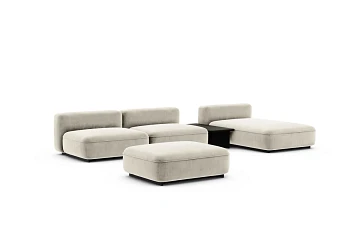
**Golden 03** light grey · velvet
They trusted us

Why it matters
## Your buyer knows what they want. Your catalog makes them hunt for it.
People don't shop by your category tree. They search the way they think: "cosy", "looks like linen", "panels I can fit over tiles". Your filters can't catch that.
And a keyword box misses it too, because the words the buyer uses are nowhere in your product data. AI Search reads the intent behind the sentence, then ranks your real catalog against it.
542
fabrics, found by a sentence
The MyBed catalog: 21 collections, 542 fabrics. Too many to scroll, searchable in one line of plain Polish. A live production figure, checkable.
One engine, two jobs
## It always works the same way. The buyer's problem changes.
The AI understands the question, plain code does the ranking. What differs is whether the buyer needs a finder or an advisor.
### The finder, for big catalogs.
Hundreds or thousands of variants, and the customer can't browse them all. They describe colour, feel and use in their own words, and AI Search returns the few that match. This is the product variant search, live today.
### The complex-catalog advisor.
Not always many products, but each carries consequential differences, and choosing wrong is expensive. Think a wall-panel maker with a different installation technique per range. The understanding-and-ranking engine is here today; the deep advisory layer is what we are building next.
How it works
## What one sentence does.
### It searches the way people talk.
"Soft grey velvet for a hotel" finds the right fabric even when none of those words are in the spec sheet. The model reads intent; the catalog gets ranked against it.
### It can't invent a product.
The AI only ever returns real items from your catalog. A made-up product is impossible by design, because the model picks from your IDs, it doesn't write the answer.
### It says "we don't have that."
Ask for something you don't stock, or try to bait it, and it substitutes honestly or points to a human, instead of forcing a confident wrong match. Most search just returns its least-bad guess.
### Your team tunes it, not a developer.
Add a tag ("this one reads like denim, even though it isn't") and watch the results move. The people who know your catalog improve the search, by editing labels, not code.
Case study · MyBed
“
Our shoppers stopped scrolling and started describing. They type what they picture, and the right fabrics come up.

MyBed.pl
Bed manufacturer · semantic fabric search
Challenge
542 fabrics across 21 collections. Polish shoppers describe colour and feel their own way (“autumn leaves”, “looks like linen”), and a filter UI had no box for any of it.
Solution / Result
- Search understands colour, feel and use, not just keywords: “looks like jeans” works even though no fabric is denim.
- Answers in under 10 seconds, scored on around 50 parameters, technical and abstract.
- A back-office panel shows the most searched phrases and the fabrics returned, so MyBed’s own team can tune the fabric tags.
- The bed appears in the exact fabric the buyer described.
[Read the case study →](https://ar-range.app/case-studies/mybed-ai-search/)
More than a search box
## From a plain search box to one that finds, protects, and learns.
### From filters to a live product advisor.
Stop making buyers tick boxes and guess your categories. They say what they want, and the search advises, the way a good salesperson would. A grid becomes a conversation, and feeling understood is what converts.
### An AI box that can't be hijacked.
We test it hard against prompt-injection, and it holds. Nobody can turn your search into a free chatbot on your AI bill or make it talk off-brand. It answers about your catalog, full stop.
### From vague analytics to your customers' real words.
Every search is logged. Cross-check what buyers searched against what they bought, and you see real demand: what's missing from your range, and what to stock next. A search that found nothing is a gap with a name on it.
What you get
## A search that understands, and keeps its promises.
1
### Find the variant in the buyer's words.
Colour, texture, formality, use. The buyer describes it however they like and gets the matching products ranked, not a dead "no results" page.
2
### Search reads your live catalog.
AI Search pulls the catalog straight from Content Hub (or a partner API). The attributes it matches on are fields you already keep. One source, search is just another reader.
3
### Colour that matches how people describe it.
It computes colour from the real pixels, not an unreliable label, so "olive", "powder pink" and "vivid" land on the right shades, down to the individual fabric.
4
### Tune relevance by editing tags.
Your content team adds the "looks like / feels like" labels the raw spec data never had. Describing a product better is how you improve the search.
5
### Advise on complex products.
For catalogs where the hard part is the fit, not the count, the advisor narrows to the right product and explains why. The finder is live; the deep installation-and-care advisory is in build, and we'll tell you which you're getting.
6
### An advisor that never clocks off.
It knows your whole product line and answers the moment a buyer asks, 3pm or 3am. Late-night browsers get a real conversation instead of a closed shop, so leads keep coming while your team sleeps.
A keyword bar matches words your buyers never use. A raw chatbot will happily invent a product you don't sell. AI Search splits the job: the AI understands the sentence, deterministic code ranks your real catalog.
A search that can't guess wrong, and can't make things up.
Where it fits
## Solutions powered by AI Search
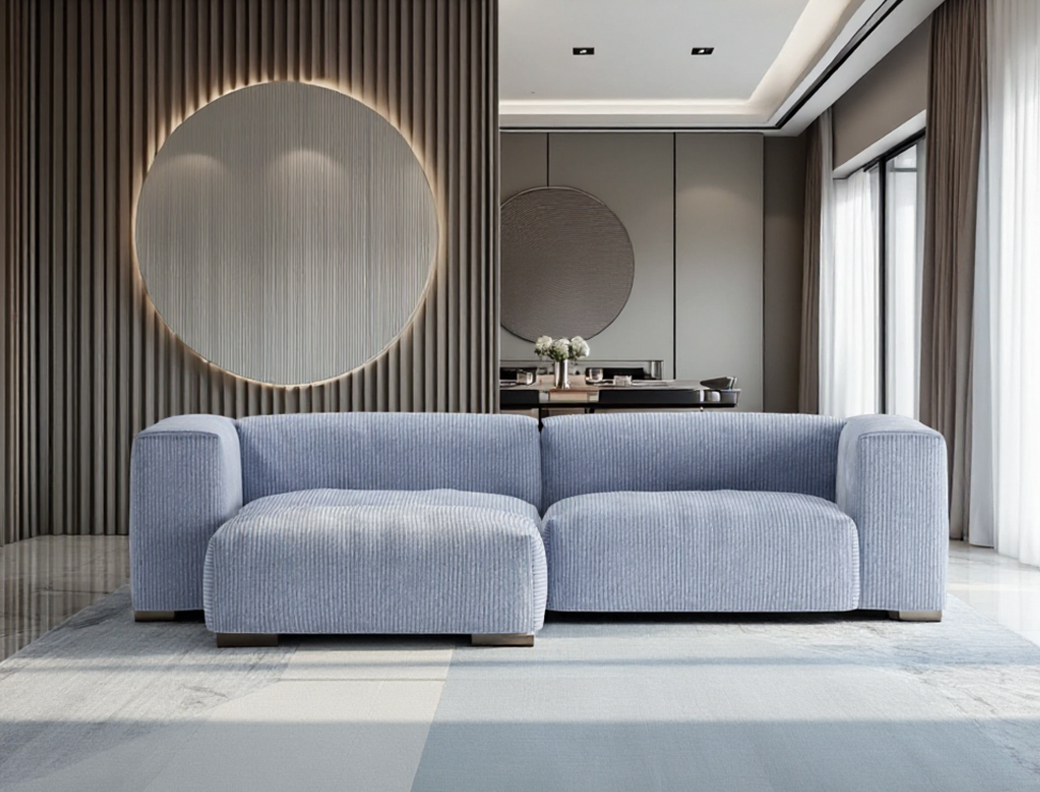
### Help buyers find the right product.
Turn a 500-item grid into a single box the buyer talks to. They describe what they want; the right products come up. Built on the MyBed semantic search.
[Learn more →](https://ar-range.app/solutions/visualize-every-variant/)

### Advise on a complex catalog.
When every product has different specs, fit and use, the buyer needs an advisor, not a search box. The finder is live; the deep advisory is in build.
[Learn more →](https://ar-range.app/solutions/showroom-suite/)
FAQ
## Questions we actually get asked.
Isn't this just a search bar, or ChatGPT bolted onto our site?
No. A keyword bar matches words; your buyers don't use your words. A raw chatbot will happily invent a product you don't sell. AI Search splits the job: the AI only understands the sentence, then deterministic code ranks your real catalog. It can recommend only things you actually stock, and you can see exactly why each result came up.
Will it ever recommend something we don't sell, or make a product up?
It can't. The model picks from your catalog IDs, it never writes the product, so a made-up item is impossible by design. If you don't stock what the buyer asked for, it either suggests the closest real thing and says so, or points them to a person. It does not fake a match.
People will try to break it, or use it as a free ChatGPT. What stops them?
We test the search hard against prompt-injection, and it holds. "Ignore your instructions", abuse and bait questions are caught before any expensive step runs, and the box can only ever talk about your catalog. So nobody can hijack it into a free chatbot running up your AI bill, pull out how it works, or make it say something off-brand about a supplier's product. Your AI spend stays tied to real shopping, not abuse.
Our product data is thin and a bit messy. Will it still work?
Honestly, the data is the ceiling. Raw spec data says what a product is (polypropylene, 300g); buyers search for what it looks and feels like (linen-look, cosy). We fill that gap by writing the missing "looks like / feels like" labels with AI and then having your team review them. If your catalog has some structure to build on, it works well. If it's pure chaos, shaping it is step one, and we tell you that before you commit.
Can our team improve the results, or are we stuck with what ships?
Your team improves it, and that's where the real gains came on MyBed. You add tags in plain language ("this one reads like denim"), and the results shift. No developer, no deploy. The search is quietly authored by whoever knows the catalog best, which should be you.
Can we see what people are actually searching for?
Yes. Every search is logged, and it's the most honest demand data you have. People tell a survey one thing and buy another; the search box shows what they really want. Cross-check searches against checkouts and you see what's converting, what's missing from your range, and what to stock or enrich next. A search that found nothing is a gap with a name on it.
Does it work in Polish, or only English?
The live MyBed build runs entirely in Polish, including the slang and the idioms ("do hotelu" meaning fit for a hotel, versus "jak w hotelu" meaning just the look). The engine isn't tied to a language; the prompts and labels are set up per deployment, in whatever your buyers actually type.
You mention a "product advisor". Can it really advise on installation or complex specs?
Today it finds the right product and explains, in a line or two, why it fits the request. The deeper advisor, the one that walks a buyer through installation, care or compatibility for a complex catalog, is what we're building now. We'll always tell you what's live versus in build, and we won't sell the roadmap as if it shipped.
What does it cost, and how do we start?
Two ways to work together: AI Search as a product on your catalog, or embedded with our team during a build. Which one fits depends on your catalog and your team, and that's the first thing we work out with you. Tell us what your buyers struggle to find, and we'll tell you honestly whether it fits before anyone talks numbers.
From the blog
- [**AI** Where does AI actually help me sell?](https://ar-range.app/blog-posts/category/ai/)
## Tell us what your buyers search for. We'll tell you if it fits.
How big is the catalog, how complex is each product, and what does the buyer struggle to find. That's the conversation, before anyone talks numbers.
**1M** variants from one source
**Same day** price changes live in the shop
**No-code** configurators the client runs

================================================================================
Page: Content Hub, The catalog engine | Ar-range
URL: https://ar-range.app/products/content-hub/
================================================================================
Content Hub
# One record per product, read by every place you sell.
One record per product: how every variant looks, what it costs, what it's made of, feeding every place you sell.
Talk to our team See what one record changes →
The catalog engine under their sales

Why it matters
## Your website is only as honest as your data. Make it honest in one place.
A configurator is only as good as the catalog under it. When the price lives in an ERP export, the photos in a shared drive, and the fabric specs in a supplier PDF, your product page is a guess.
Content Hub puts each product's options, prices, assets and rules into one record that every selling channel reads. That record is the single source your storefront, your configurators and your visuals all run on.
1
record per product, every SKU under it
One record holds a product with its options, prices, assets and rules, and every SKU those combine into. The catalogue grows; the number of places you maintain it stays at one.
What one record makes possible
## The sell is a sales mechanism, not tidy data.
### Every channel sells the same variant.
The buyer configures walnut and bouclé on your site, sees walnut and bouclé in the showroom, and gets walnut and bouclé on the quote. One record; no channel freelances. Confidence is what closes a furniture sale.
### A sale that resumes where it stopped.
Every configuration is a link. The buyer builds at home; your showroom rep opens the exact build and closes from there. No screenshots, no starting over; the buyer who walked out comes back to a sale already half-made.
### Your catalog, shaped in the UI.
Add a "Martindale" field to your fabrics on a Tuesday morning, no developer, no deploy. The form your team fills is what your storefront reads.
### Prices flow both ways.
B2B and B2C price lists pull from your ERP daily; edit a price and the shop reads it. You'll never argue with your own shop about which price was live.
From reconciling to trusting
## If it's in the record, it's on the site.
Retire a colour or change a fabric's price, and the next page load shows the new truth, only where it applies, everywhere it applies. No re-export, no publish day, no version of the catalog that's right in one place and stale in three others.
Talk to our team →

Aria Sofa
Legend · Natural
€1,290€1,190updated
 +4
Case study · MyBed
“
Every price change used to be an export, a paste, and a prayer. Now we edit the record and the shop reads it.

MyBed.pl
Bed manufacturer · catalog + two-way shop sync
Challenge
A bed catalog whose fabric × size × headboard matrix outran the spreadsheets managing it, feeding an e-commerce storefront with paid traffic behind it.
Solution / Result
- Price changes live in the shop the same day, no export round-trips.
- The product page, the configurator and the quote read one record.
- New fabrics go live with their renders, not ahead of them.
[Read the case study →](https://ar-range.app/case-studies/mybed/)
How Content Hub works
## One fabric. Every spec in one record.
Weave, colours, the technical datasheet, the AI-search fields and the docs all live on one product: read by your storefront, quotes and showroom.
1. 01
### One record, every field
Name, price, weave, care notes and copy live on a single fabric: edited once, in the browser.
Fabric record · **Legend**
Unique · Bouclé
Bouclé: structural
Eco-friendlyMattePet-friendlyOEKO-TEX
2. 02
### Every colour, one place
Swatches and their renders sit on the product itself, not scattered across a shared drive.
Swatch per colour · **11**

Every colour photographed and rendered, on the product, not in a shared drive.
3. 03
### The datasheet is built in
Weight, composition, Martindale and pilling travel with the fabric, no separate spec file.
Technical datasheet
Usable width **142 cm**
Weight **650 g/m²**
Composition **80% PES / 20% Acrylic**
Abrasion · Martindale **>100,000**
Pilling **4**
4. 04
### Structured for AI search
Every field is typed and tagged: ready for AI search, filters and your product feeds.
AI Search · structured
structure_type **Bouclé**
durability_index **100,000**
softness · texture **3 / 5 · 5 / 5**
bouclé effecttextured hand-feeldense weaveallergy-friendly
5. 05
### Docs and media, attached
The technical PDF, the product video and the description live on the record too, one link for the whole team.
Attached to the record
Technical datasheet **PDF**
Product video **0:42**
Care guide **PDF**
Description **EN / PL**
hub.ar-range.app/legend
Fabric record · **Legend**
Unique · Bouclé
Bouclé: structural
Eco-friendlyMattePet-friendlyOEKO-TEX
Swatch per colour · **11**

Every colour photographed and rendered, on the product, not in a shared drive.
Technical datasheet
Usable width **142 cm**
Weight **650 g/m²**
Composition **80% PES / 20% Acrylic**
Abrasion · Martindale **>100,000**
Pilling **4**
AI Search · structured
structure_type **Bouclé**
durability_index **100,000**
softness · texture **3 / 5 · 5 / 5**
bouclé effecttextured hand-feeldense weaveallergy-friendly
Attached to the record
Technical datasheet **PDF**
Product video **0:42**
Care guide **PDF**
Description **EN / PL**
What you get
## Every box leads with what you get, not what the tool does.
1
### Change your catalog without waiting on a developer.
A fabrics group can carry the supplier, the grade, the Martindale result and a per-size cover override, added from the admin, live the moment it's saved.
2
### Edit your shop and have it pushed back, both ways.
Two-way sync with Shoper runs in production today: catalog in, price and variant edits back out, conflicts surfaced instead of swallowed. Shopify Plus, Magento and custom storefronts ride the same adapter, scoped per engagement; we tell you which is live rather than claiming "all integrations supported."
3
### Show the exact-variant image from numbers you already have.
Your storefront asks with the product and option IDs it already has and gets the composed image back, under 50 ms for hot images, and never a stale one.
4
### Never commission a render you don't need.
Coverage compares every combination your options imply against the images that exist, shows the gap, and queues the missing ones for upload. A new fabric drop tells the team exactly which renders to commission.
5
### Move your catalog in without a migration project.
Bring the catalog as an export; a thousand items load in one request and every row reports back, imported or failed, nothing silent, nothing doubled.
6
### Settle any "who changed the price" question in seconds.
When the shop showed the wrong price, you know who changed it, what it said before, and when, ninety days back, by default.
Every rival page claims "single source of truth" and shows a dashboard. Nobody shows a record, and nobody names what they don't own. Your ERP stays the master of prices, your CAD owns the geometry.
Content Hub owns the single source of what your customer sees.
Where it fits
## Solutions powered by Content Hub
### [Organize your visual assets.](https://ar-range.app/products/content-hub/)
Every model, fabric, render and photo set in one library per project: folders, search, and "used in N places" on every file, with a picker wherever an image is chosen. The asset chaos you keep postponing, gone.
### [Sell to new markets.](https://ar-range.app/products/content-hub/)
Each market runs as its own project, its own storefront integration, currency and price list, on one engine, run by one team. Add a market without re-platforming the catalog.
From the blog
- [**Diagnosing** Is my configurator working?](https://ar-range.app/blog-posts/category/diagnosing/)
- [**Replacing** How do we switch without losing a quarter?](https://ar-range.app/blog-posts/category/replacing/)
- [**Implementing** What will it take from us?](https://ar-range.app/blog-posts/category/implementing/)
## Tell us what you sell. We'll tell you if it fits.
Not just a data tool: making every place you sell read one honest record, and what that's worth to your margin. Tell us your catalog and your channel mix, and we'll tell you straight.
**1M** variants from one source
**Same day** price changes live in the shop
**No-code** configurators the client runs

================================================================================
Page: Fabric Digitization, Scanned once, rendered everywhere | Ar-range
URL: https://ar-range.app/products/fabric-digitization/
================================================================================
Fabric Digitization
# Your fabrics, scanned once. Rendered everywhere.
We turn a physical swatch into a photoreal PBR material: colour, weave, sheen and pile, measured, not guessed. Every render, configurator and 360 across your catalog then uses the exact same fabric.
Digitize my fabric library See how it works

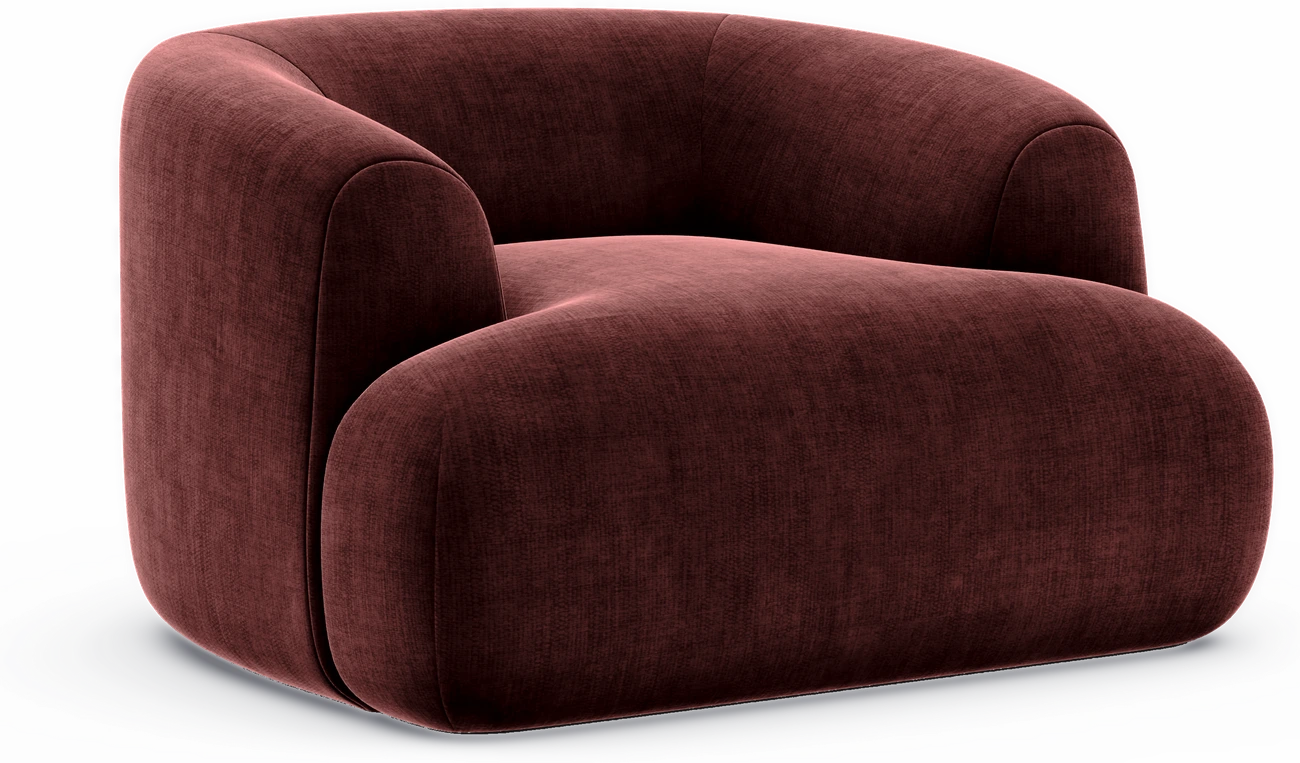 PBR materialHigh Fidelity Model **1 model in** → every variant out
They trusted us

Why it matters
## A wrong fabric is a returned sofa.
The swatch in the buyer's hand and the render on your product page have to match. When the digital fabric is eyeballed from a photo, the colour drifts, the weave flattens, and the piece that arrives is not the piece they chose.
We scan the real material and calibrate it against a reference chart, so the render is the fabric. One measured source feeds visuals, configurator and print alike.
520
fabrics scanned for one bed brand
MyBed's range at launch, around 550 today. Every one measured against a reference chart, so the render is the fabric.
How it works
## Four steps from swatch to catalog.
### Scan the real swatch.
Colour, weave geometry, roughness and sheen captured from the physical material under controlled light, not sampled from a photo.
### Calibrate against a reference.
Every scan is measured against a colour chart, so what renders matches what ships, on any screen and in print.
### Publish as one PBR material.
The fabric becomes a single addressable material in Content Hub, ready for renders, 360s and the live configurator.
### Sync and retire automatically.
Discontinue a weave and its material retires everywhere at once. Your visuals never drift from the fabrics you actually sell.
One source
### Every surface uses the same fabric.
The digitized material feeds Variant Visuals, the Modular Configurator and 360 sets from one record. No per-channel re-tinting, no mismatches between the studio shot and the live build.
✓Photoreal under any light rig
✓Identical across web, print and configurator
✓Versioned, so a re-scan updates every page
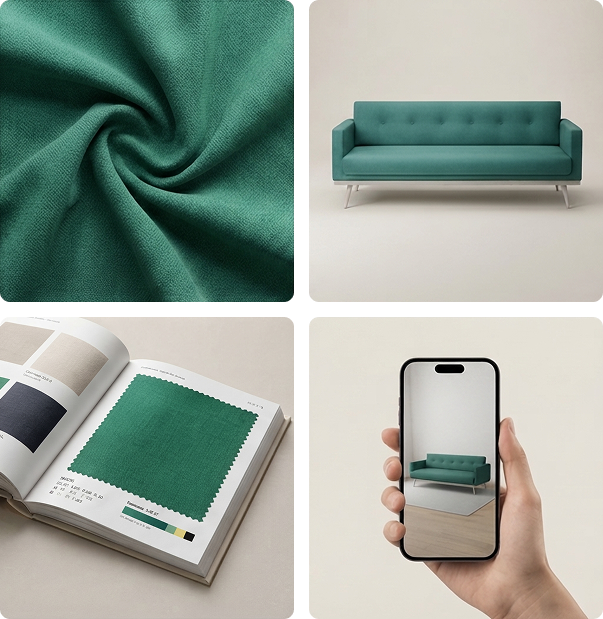 Scan DataWeb RenderPrint ReadyLive Build
Measured
### The colour you scan is the colour they get.
Reference-calibrated capture keeps the digital fabric locked to the physical one, so returns from colour surprise drop and the product page earns trust instead of spending it.
✓Chart-calibrated colour accuracy
✓True weave and pile, not a flat texture
✓Works from a single mailed swatch
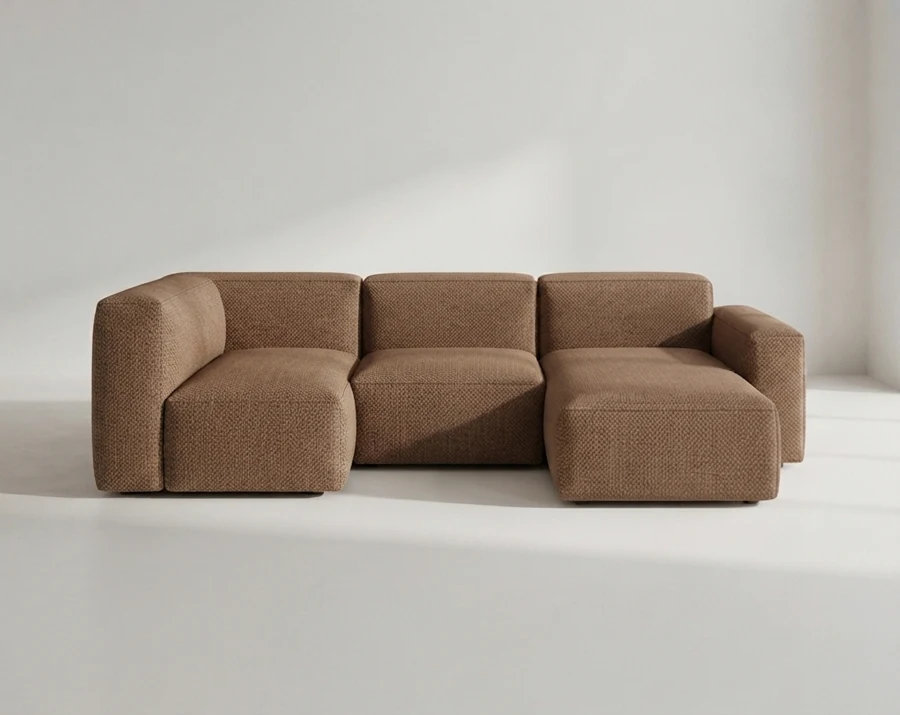 Color CalibratedColour-exact
Refined
### When the supplied textures fall short, we rebuild the material.
Sometimes the job is refinement rather than scanning. Fargotex Golden came with the manufacturer's own textures, and they were not good enough for a close look, so we rebuilt the chenille as one physically accurate material and derived every colourway from it. Pick a colour and an angle.
✓Pile and sheen rebuilt as one material
✓Eight colourways derived from it, three angles each
✓Drops into the same render pipeline as a scanned fabric
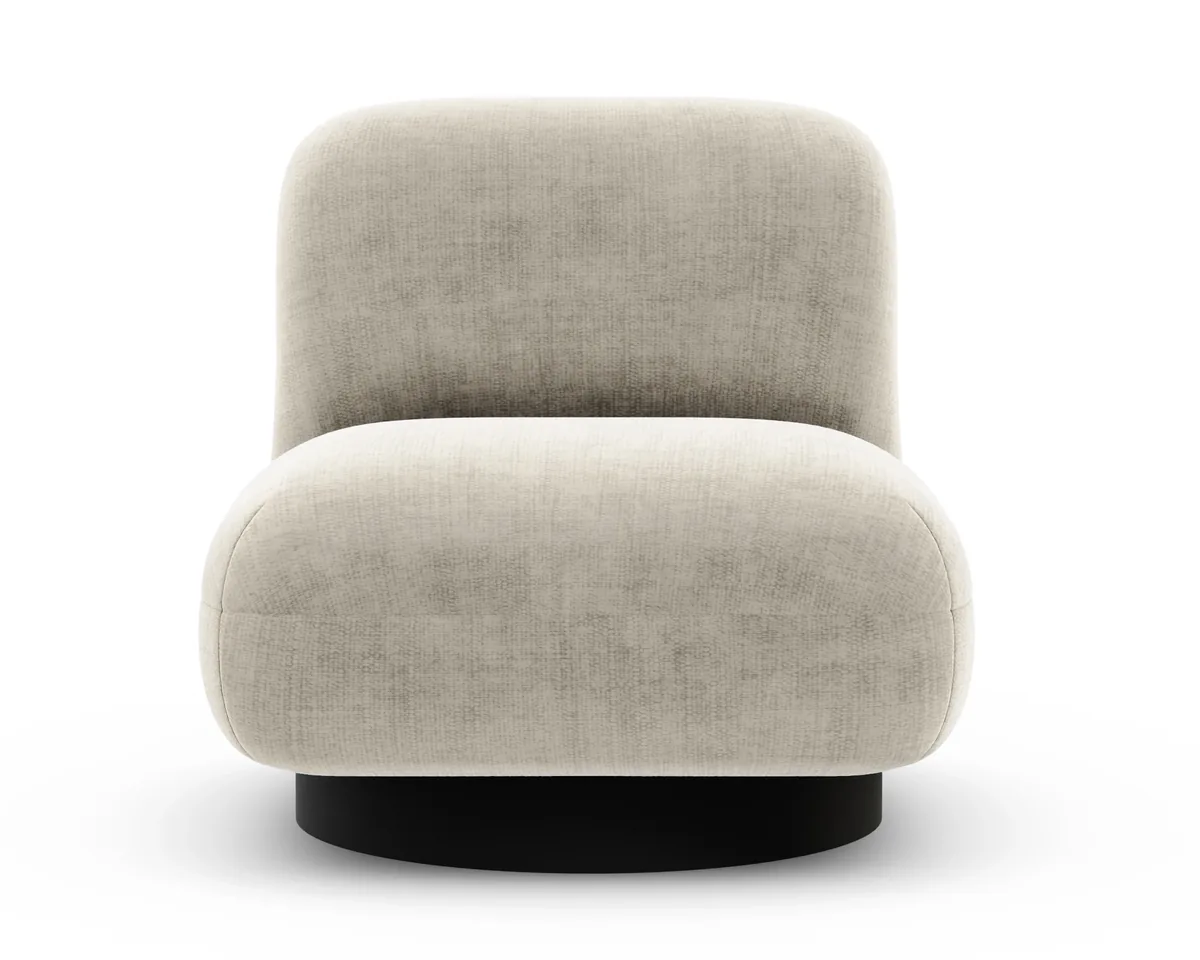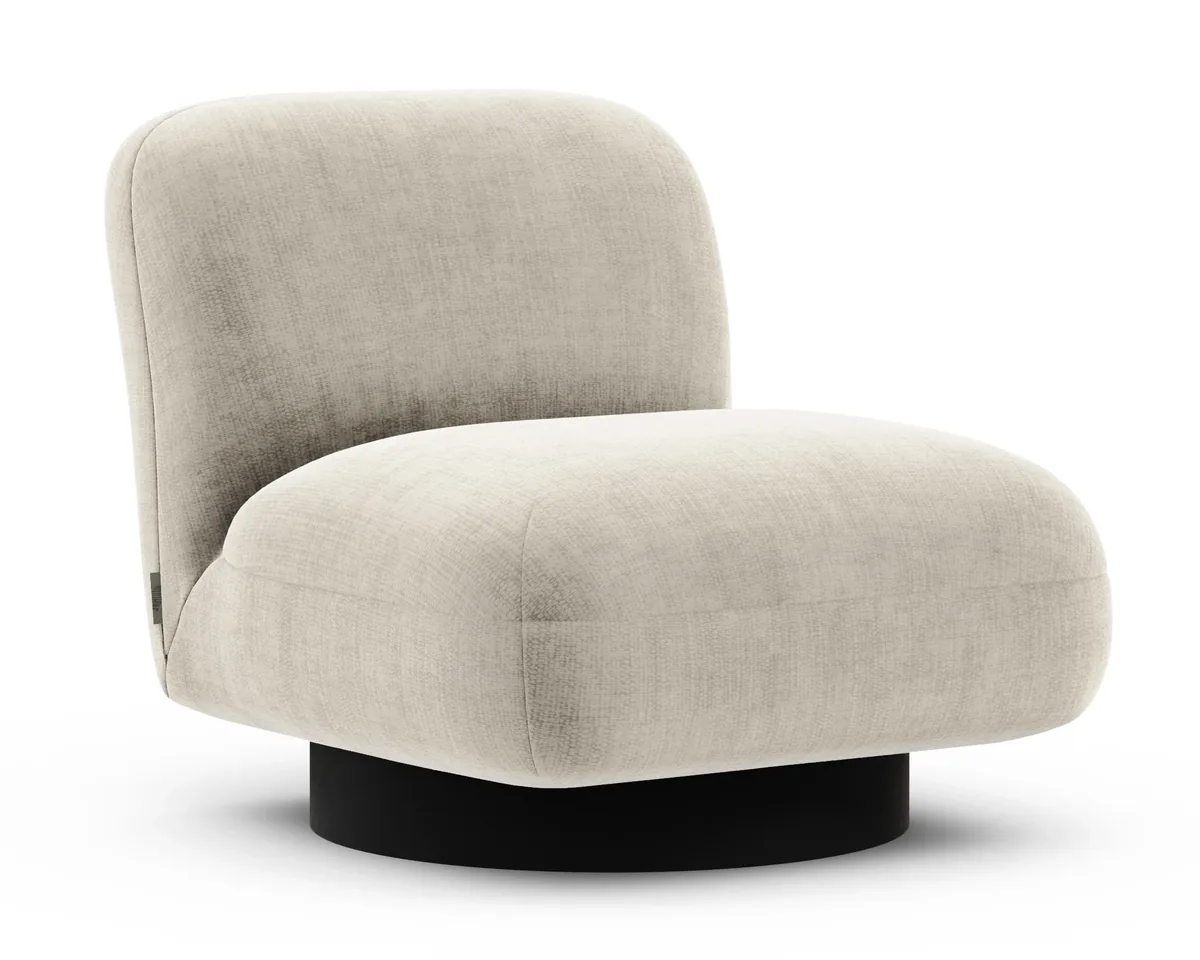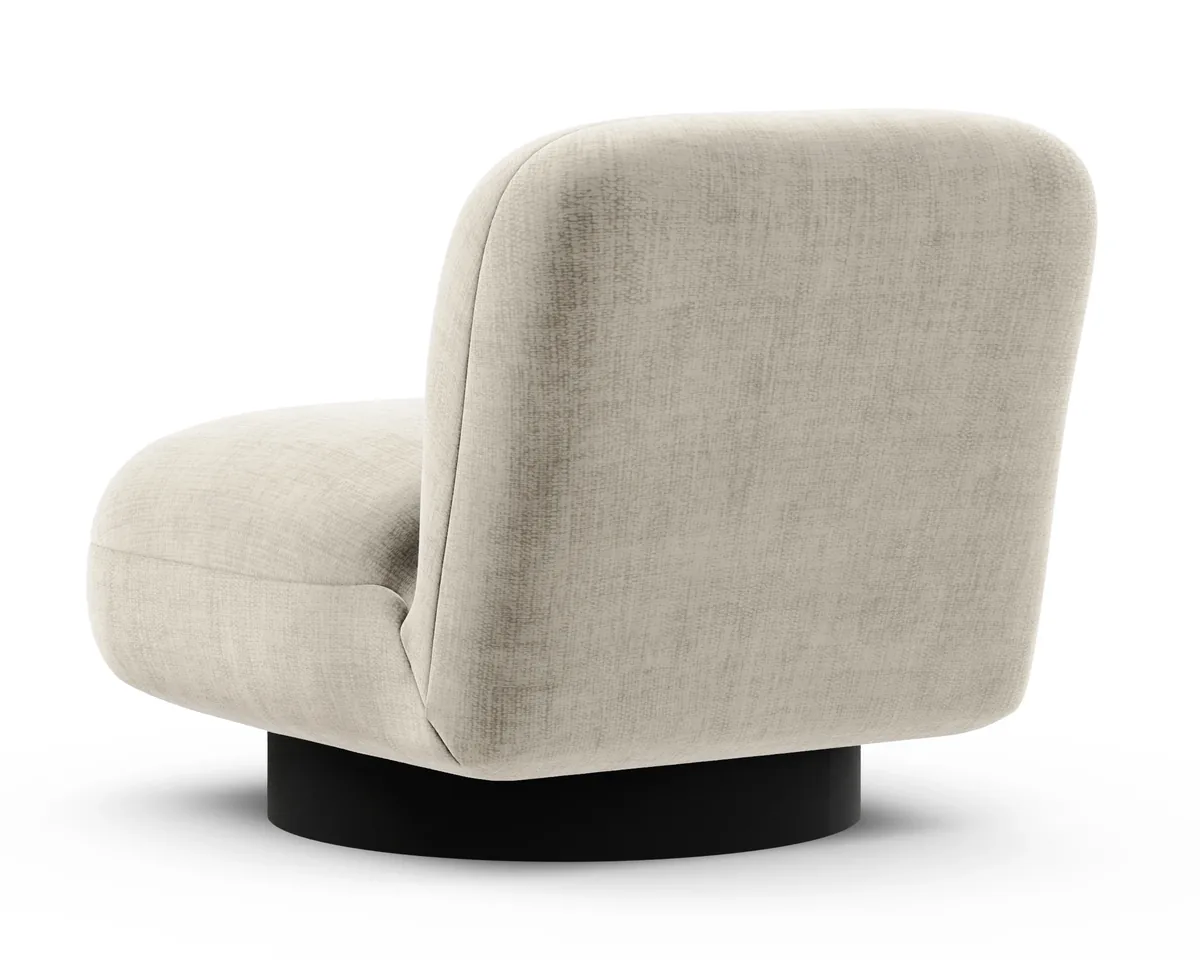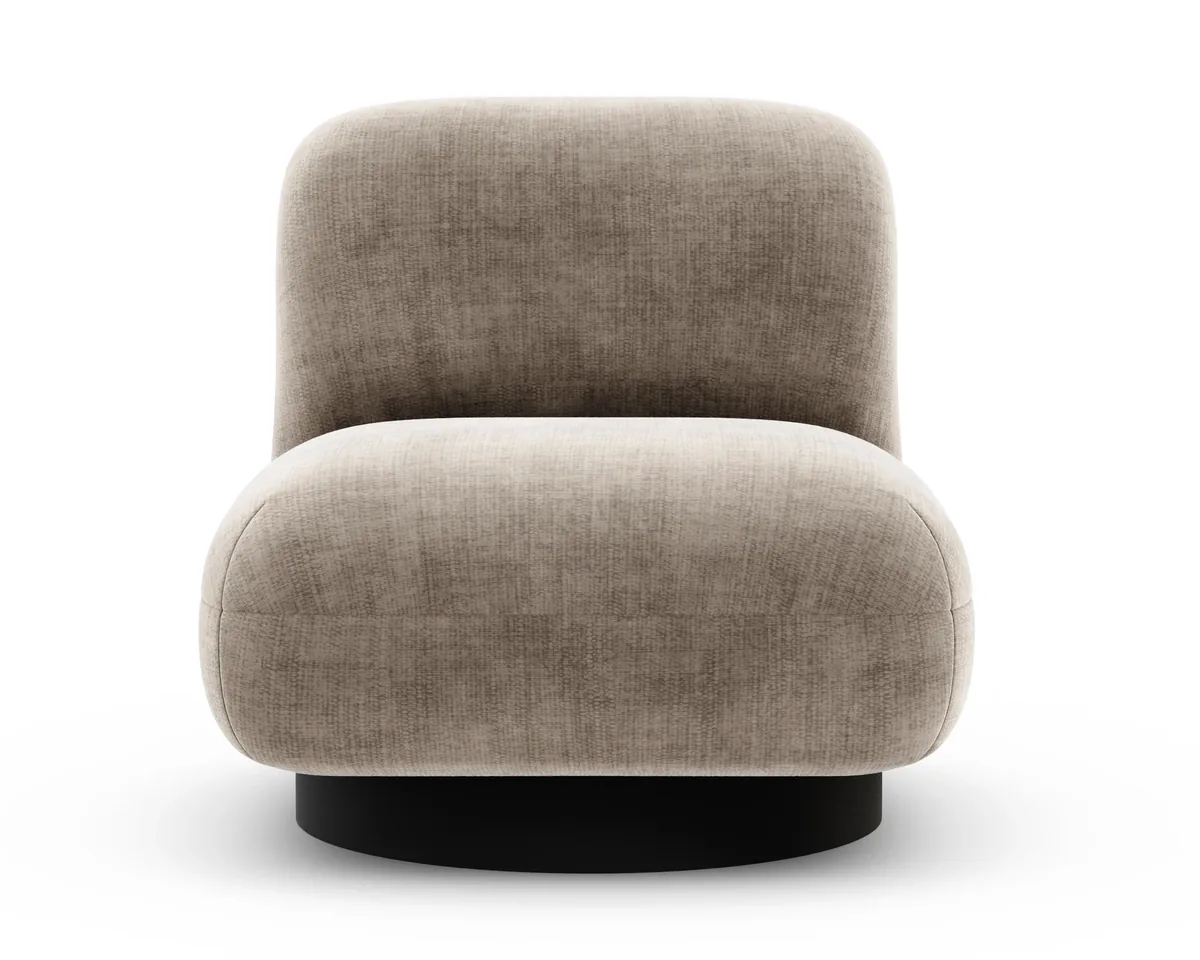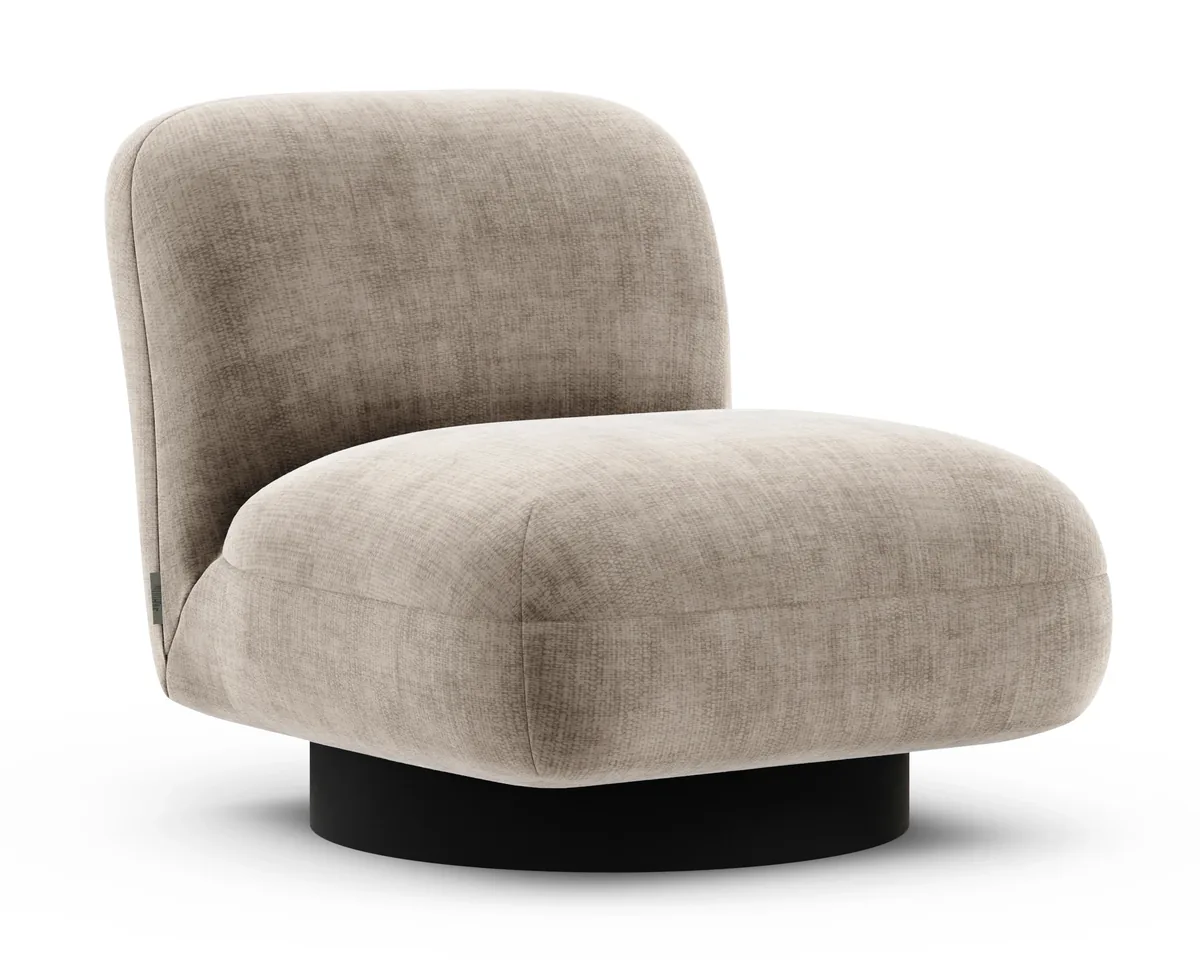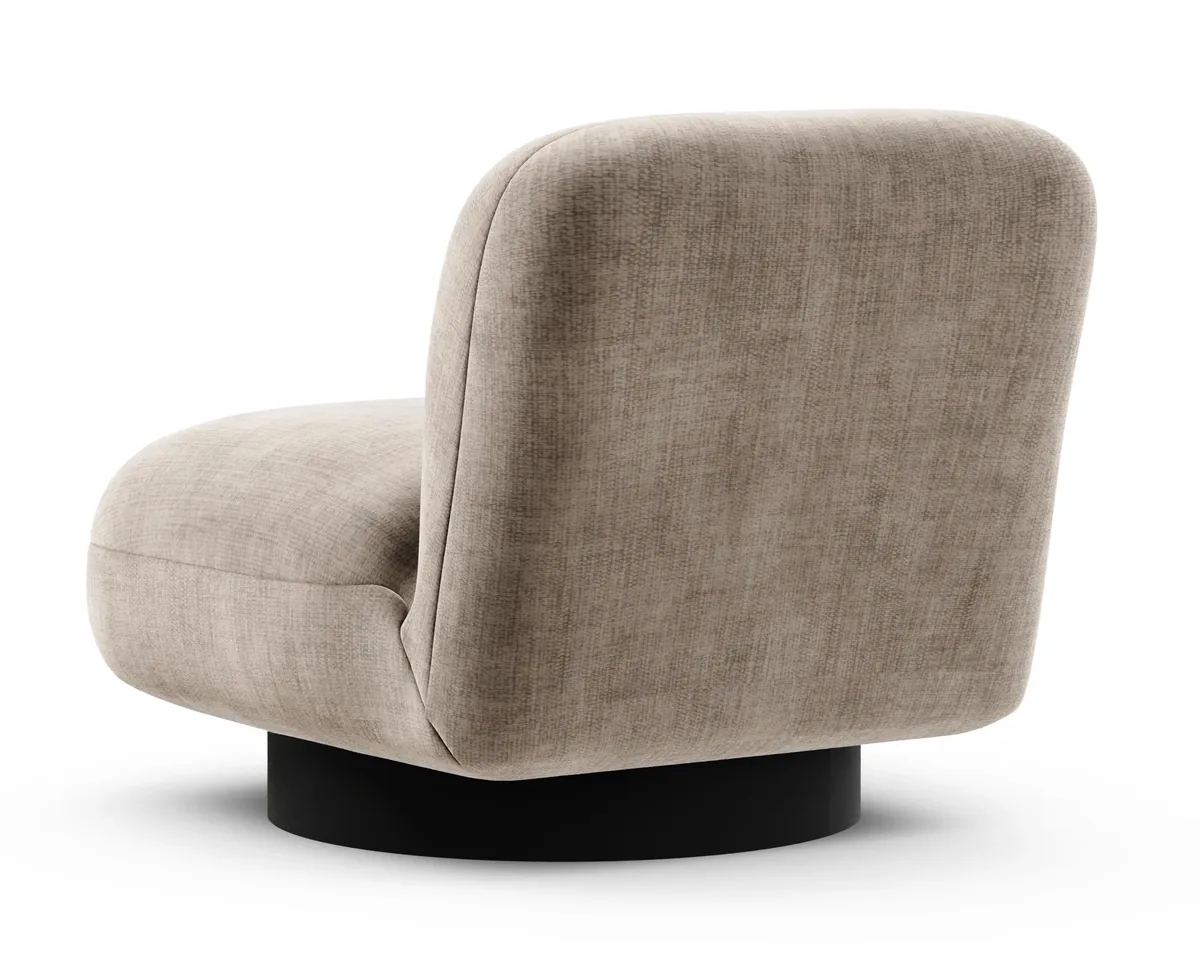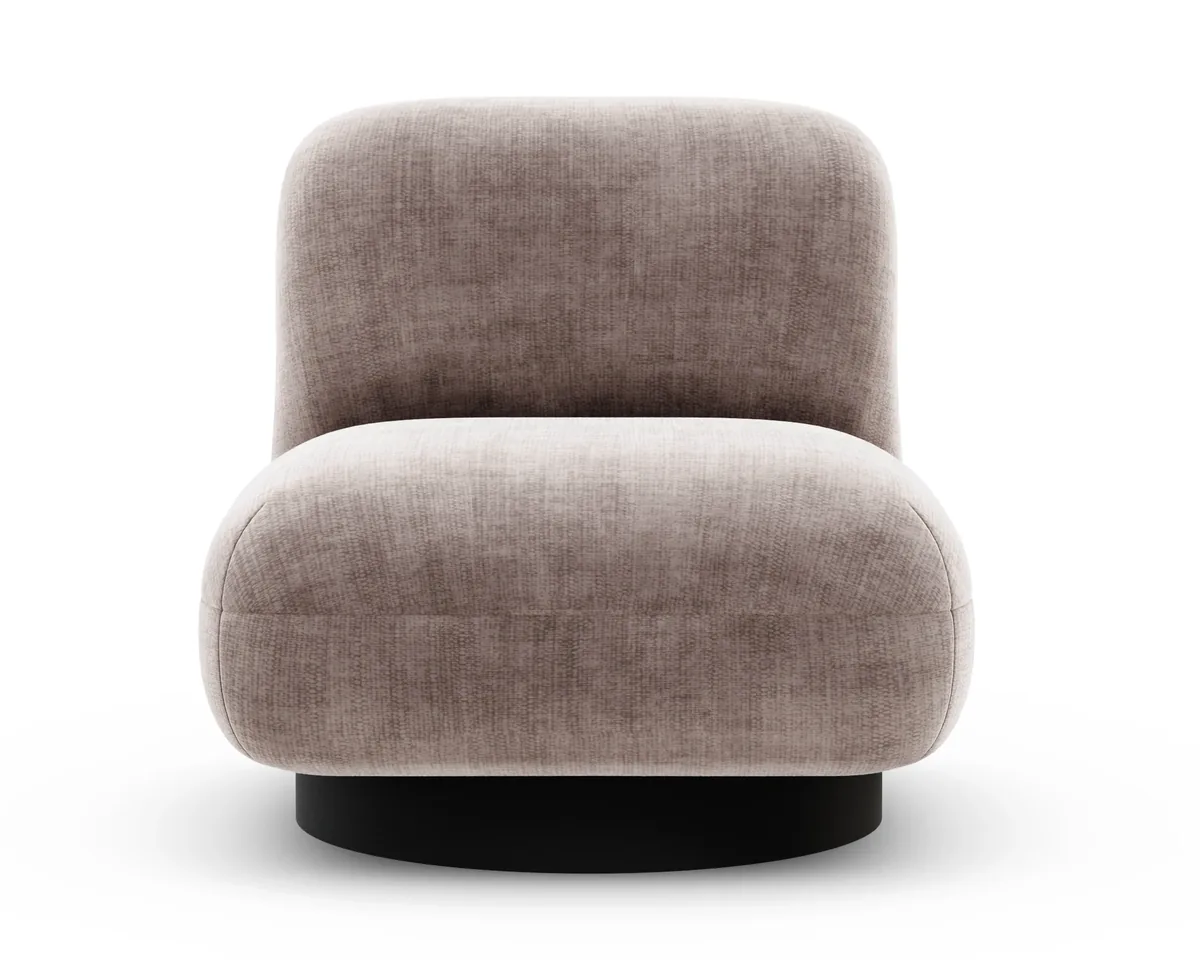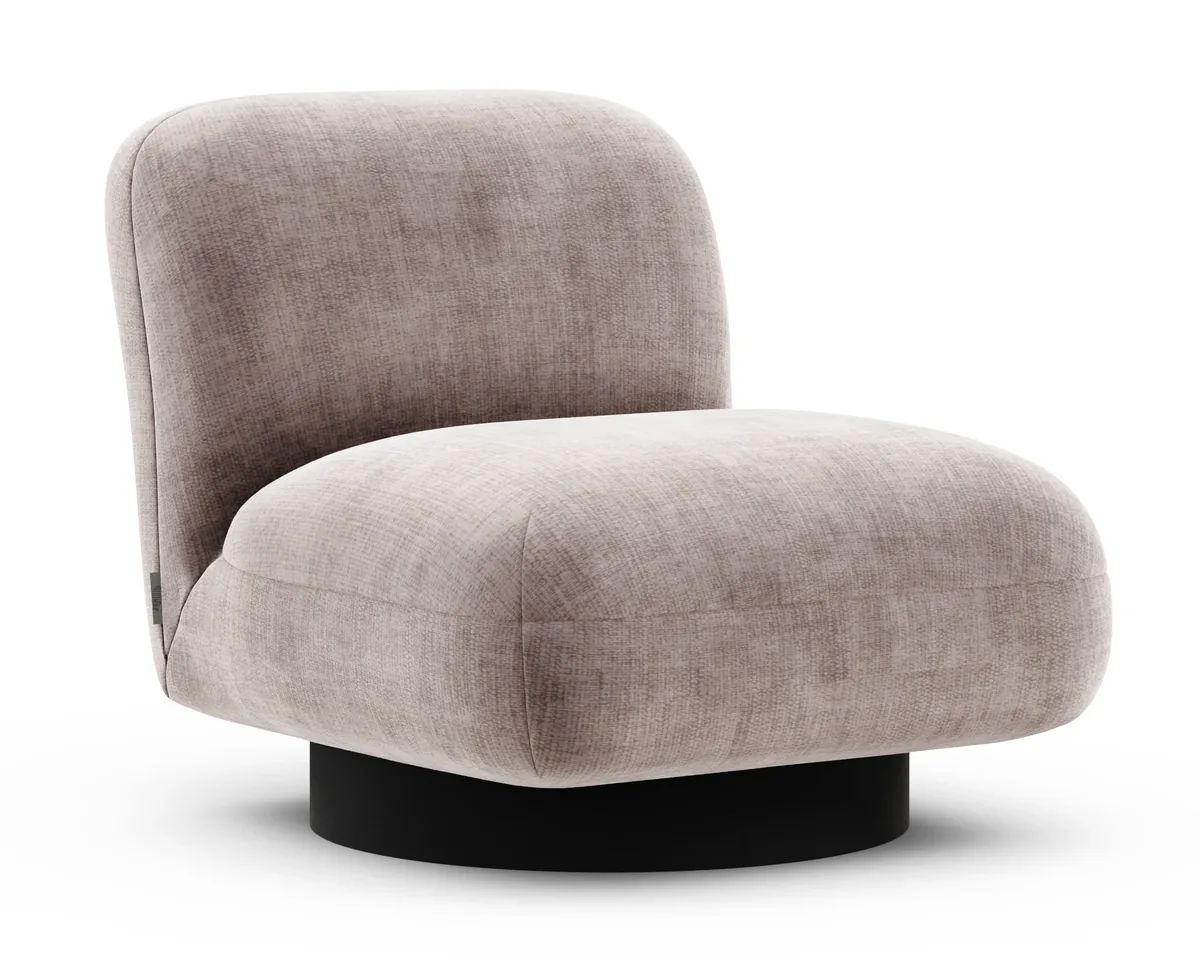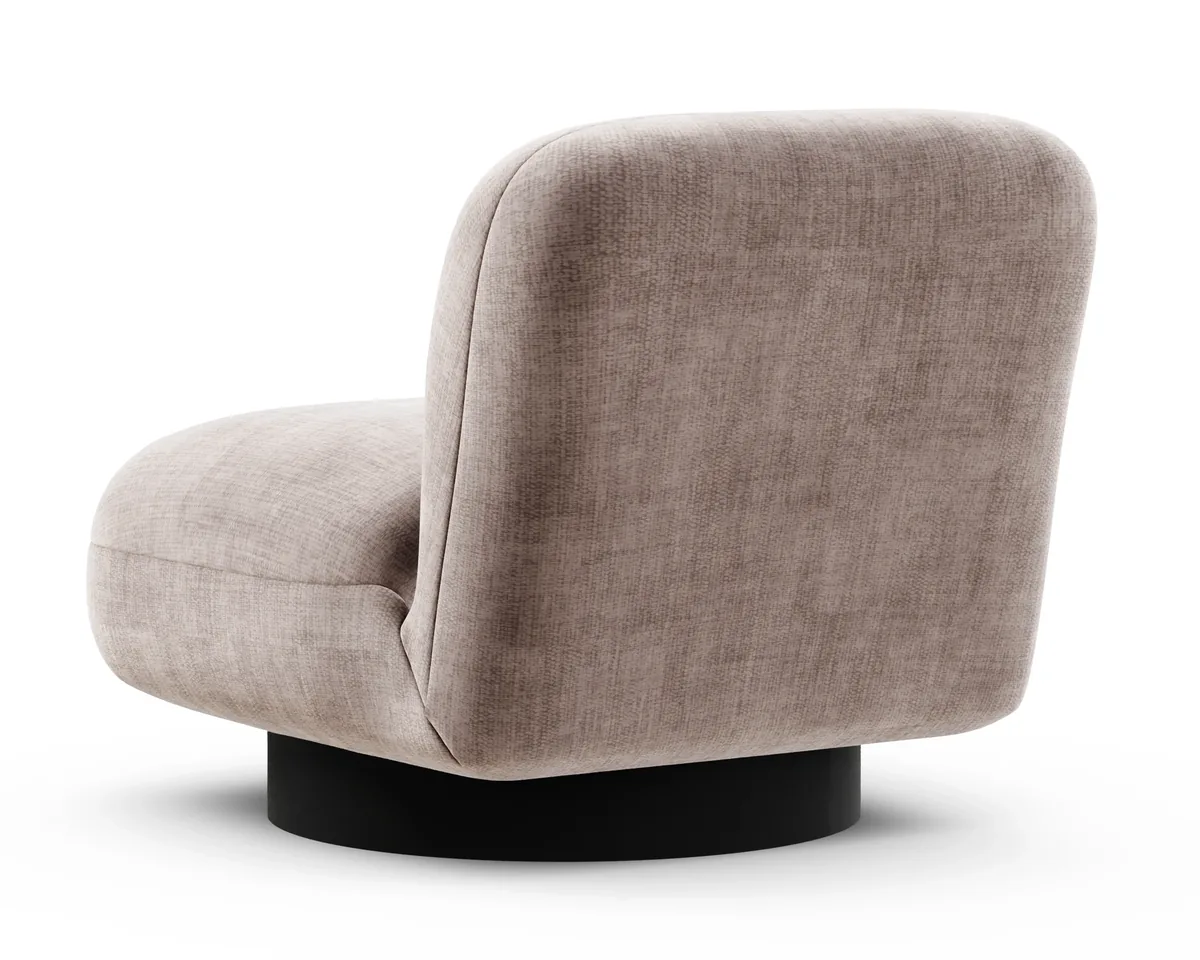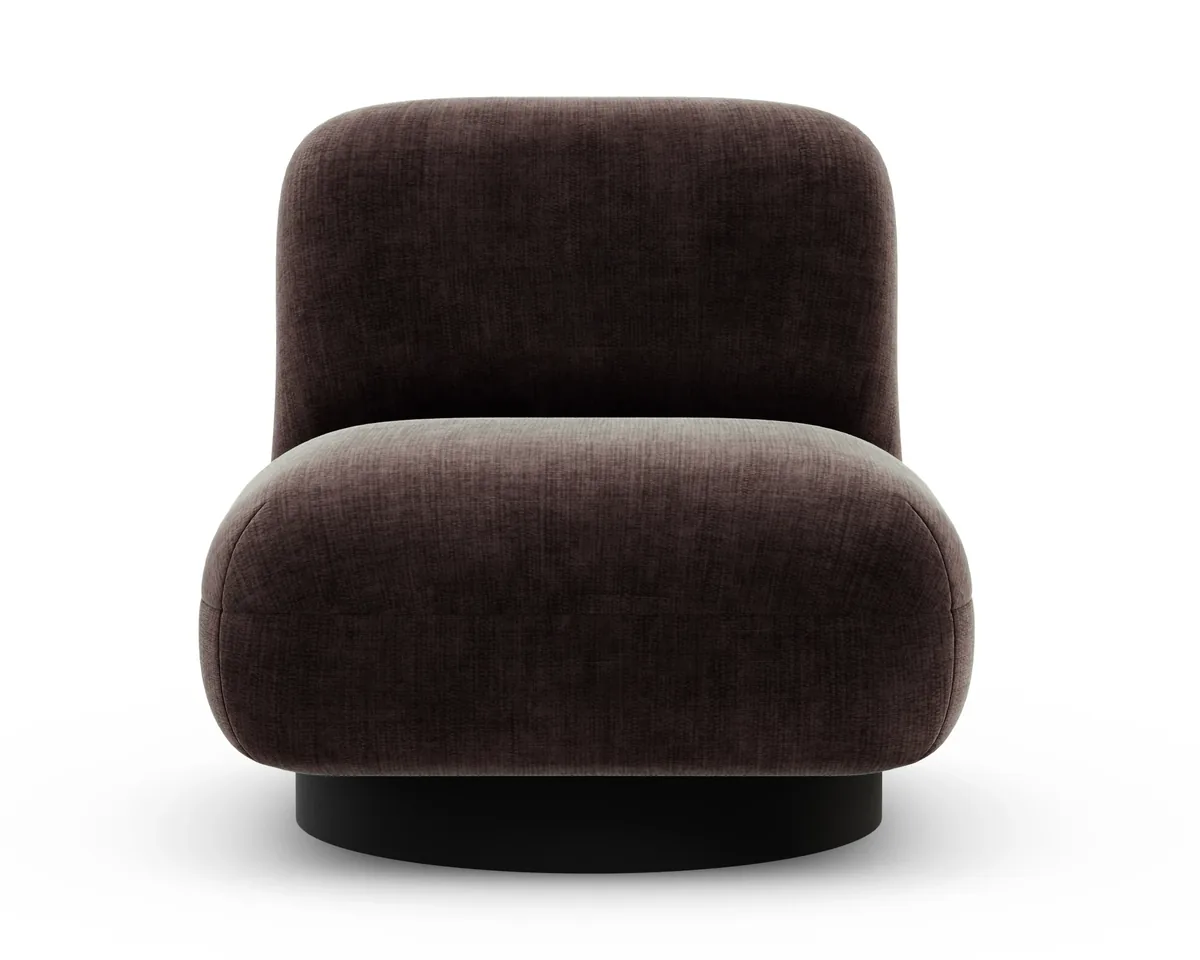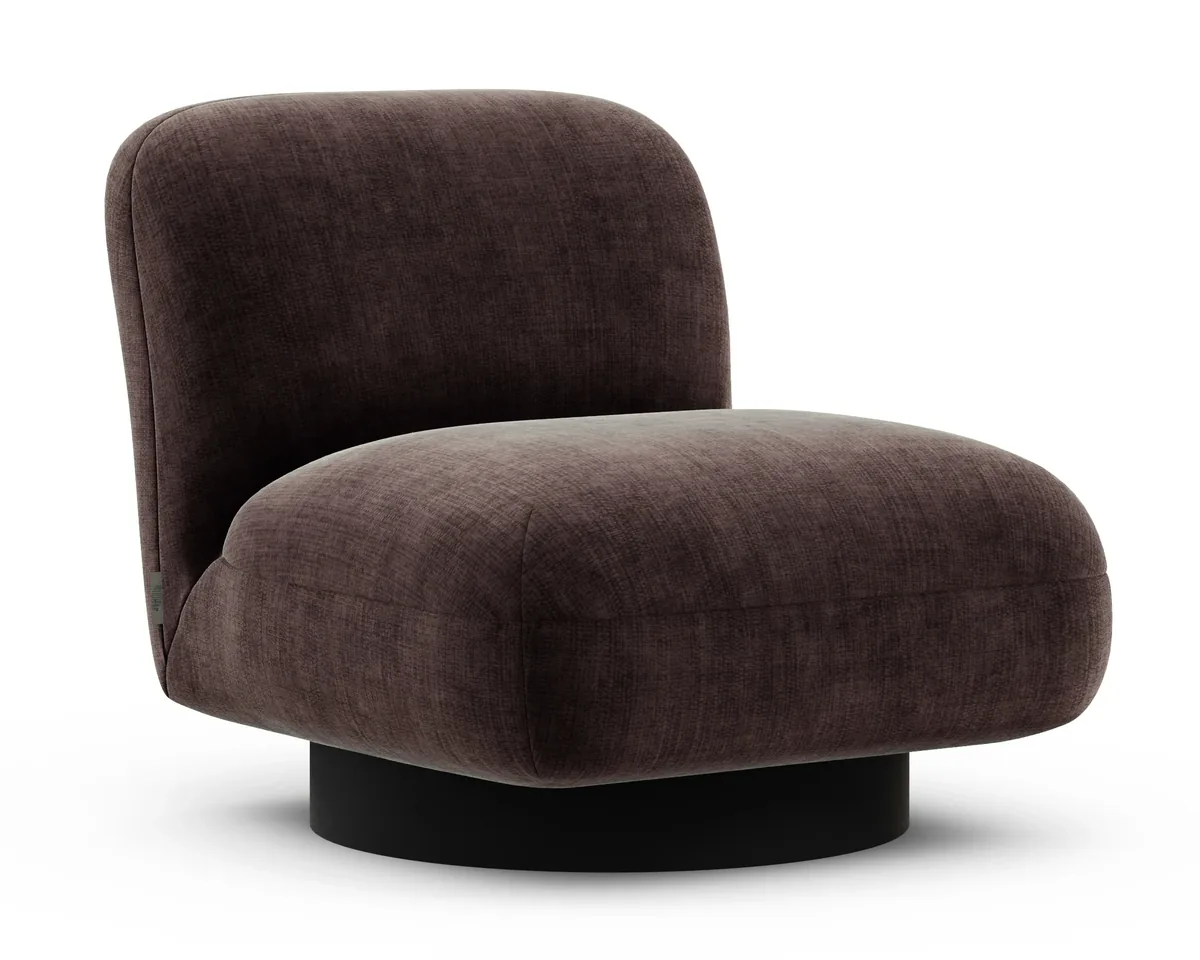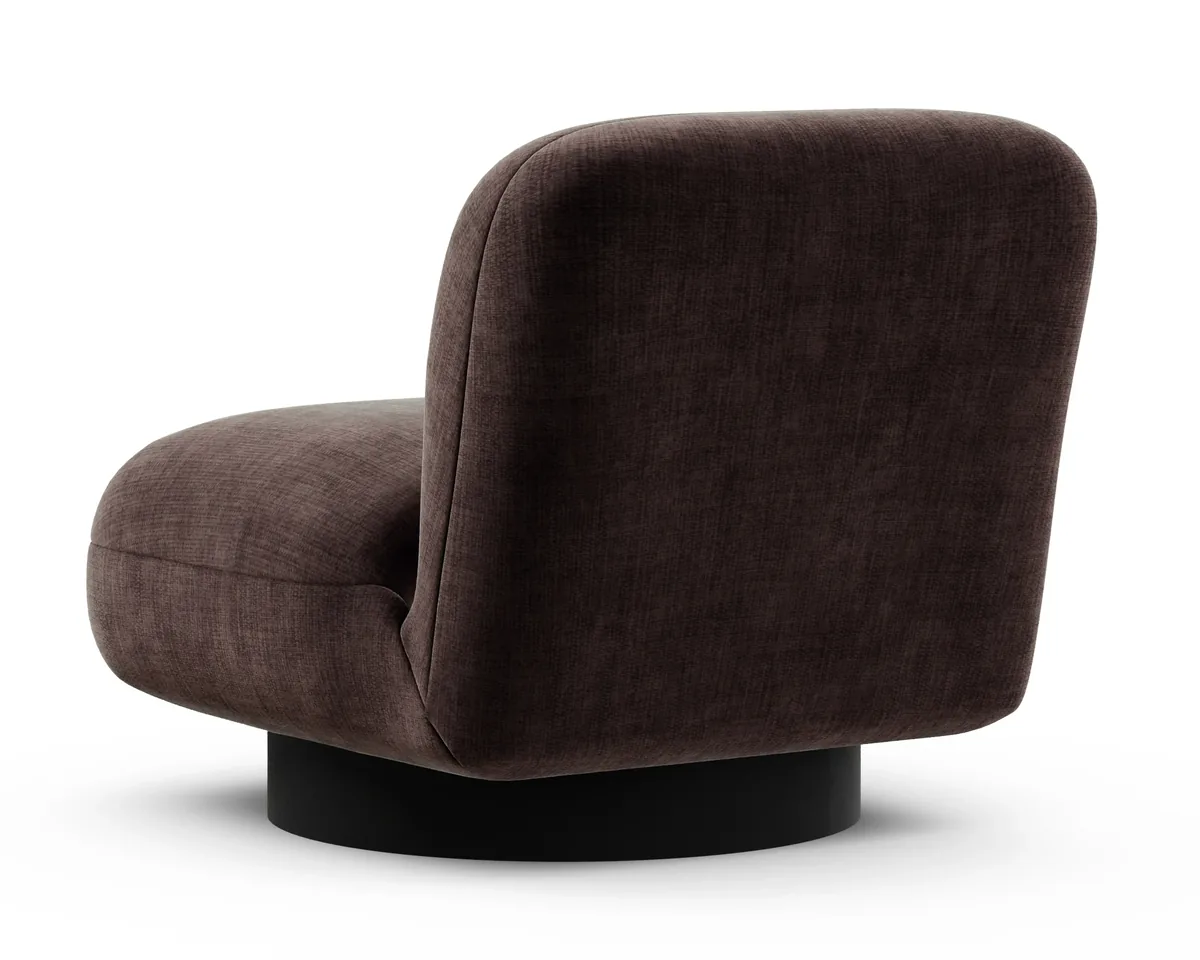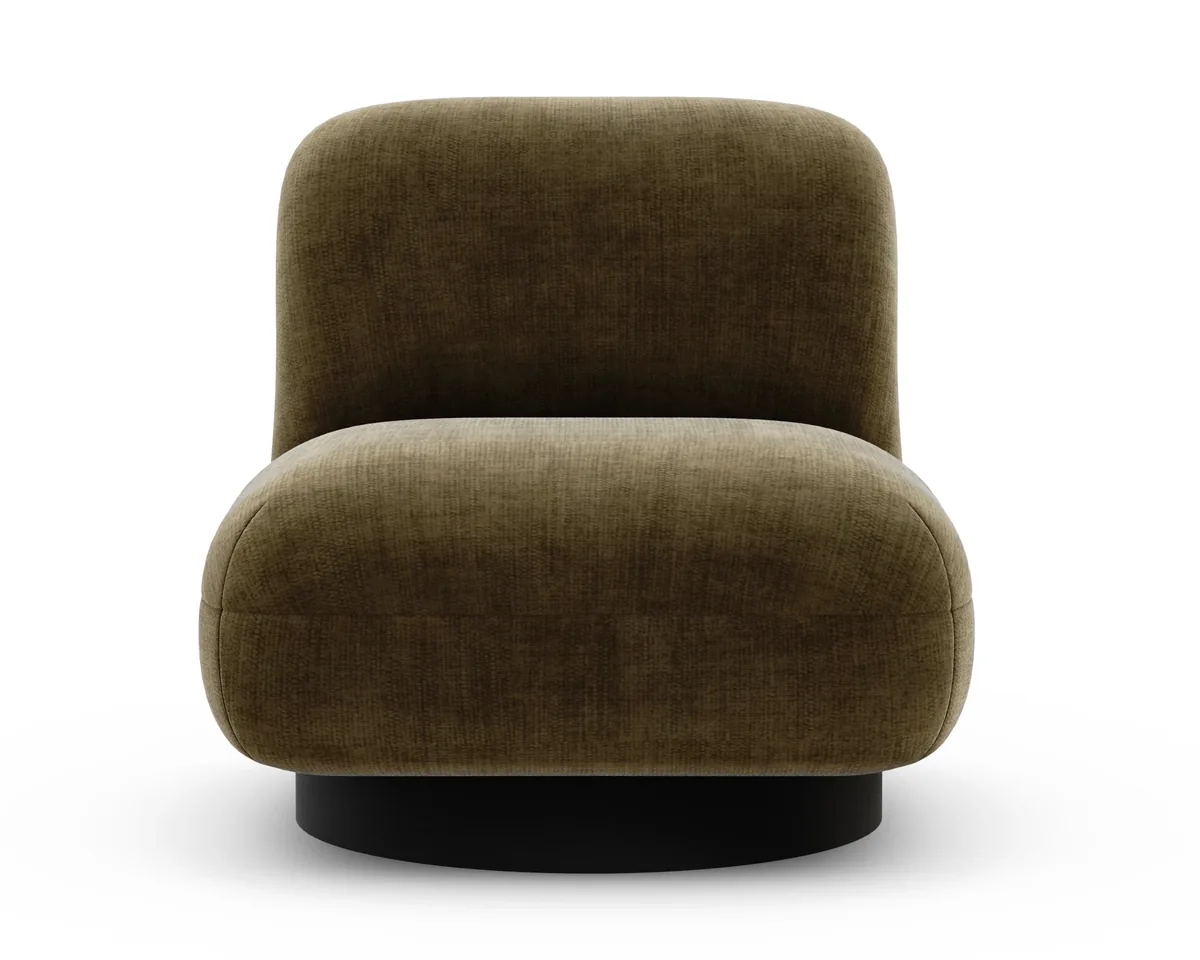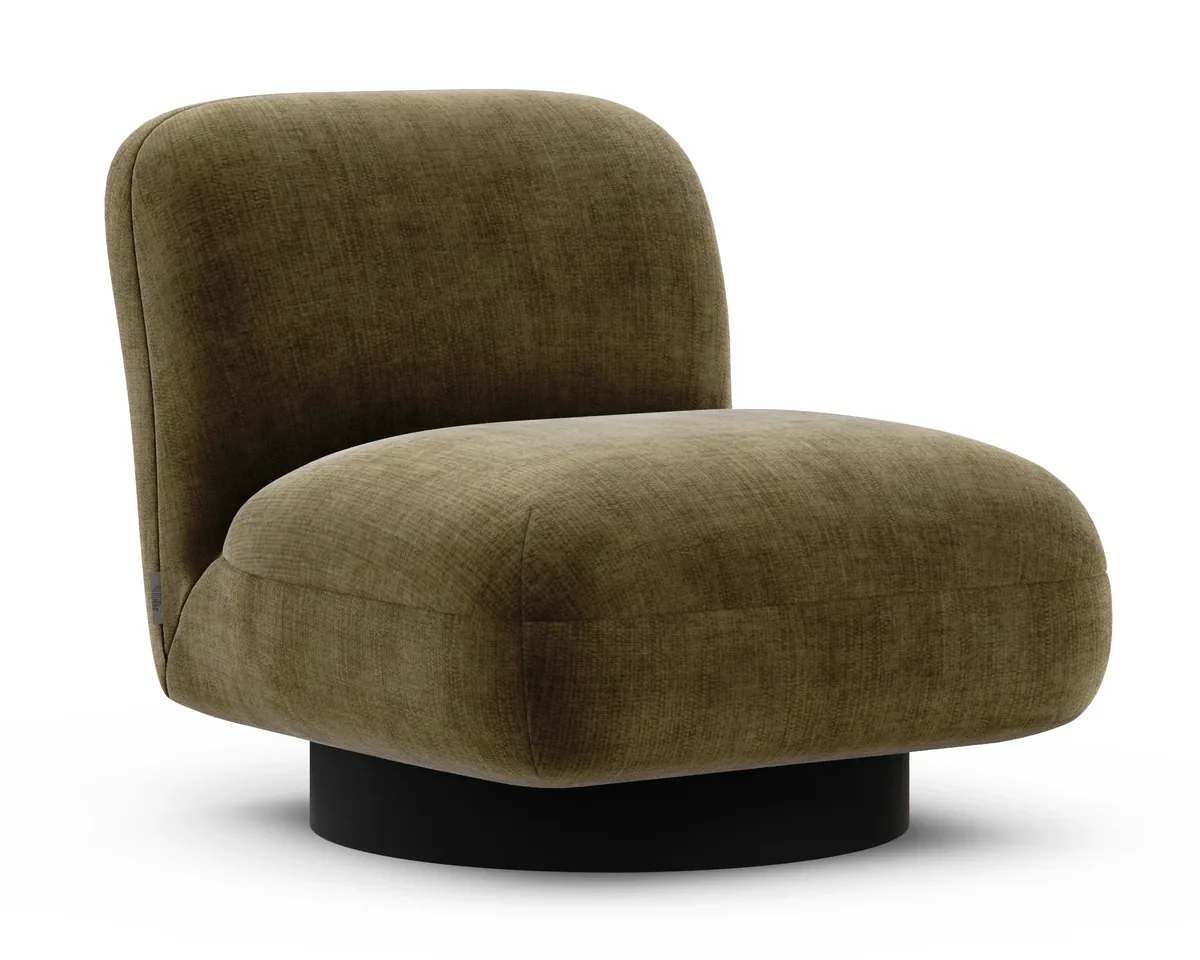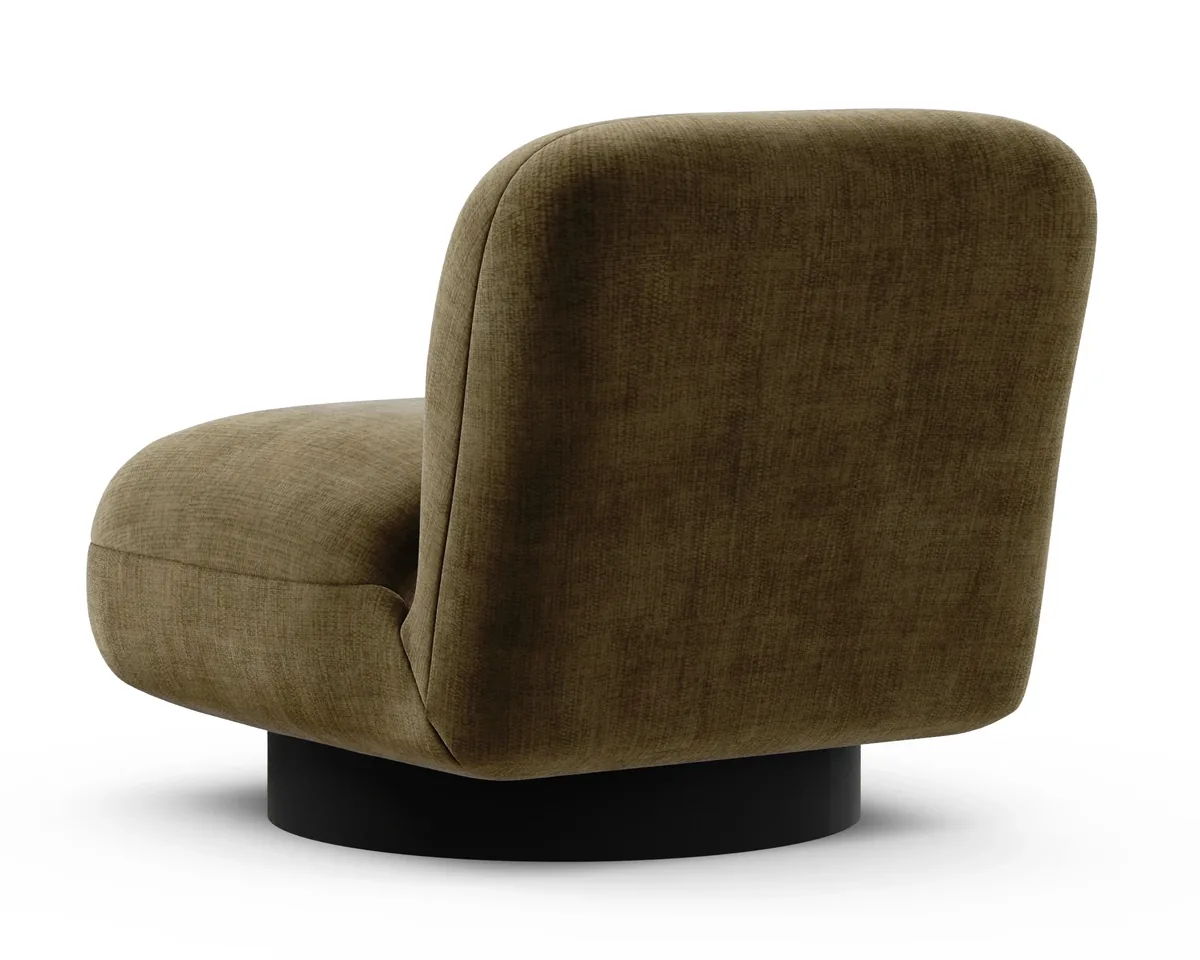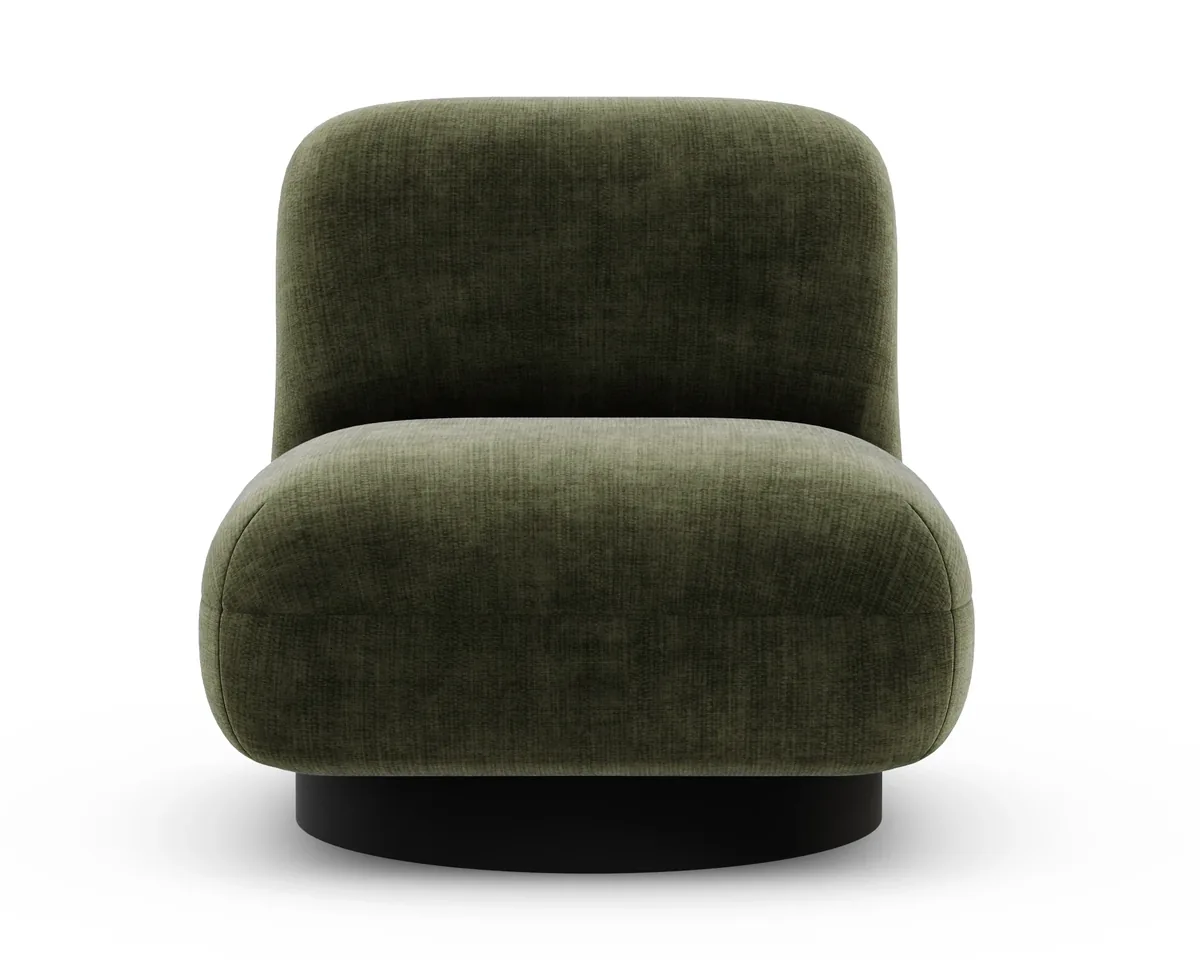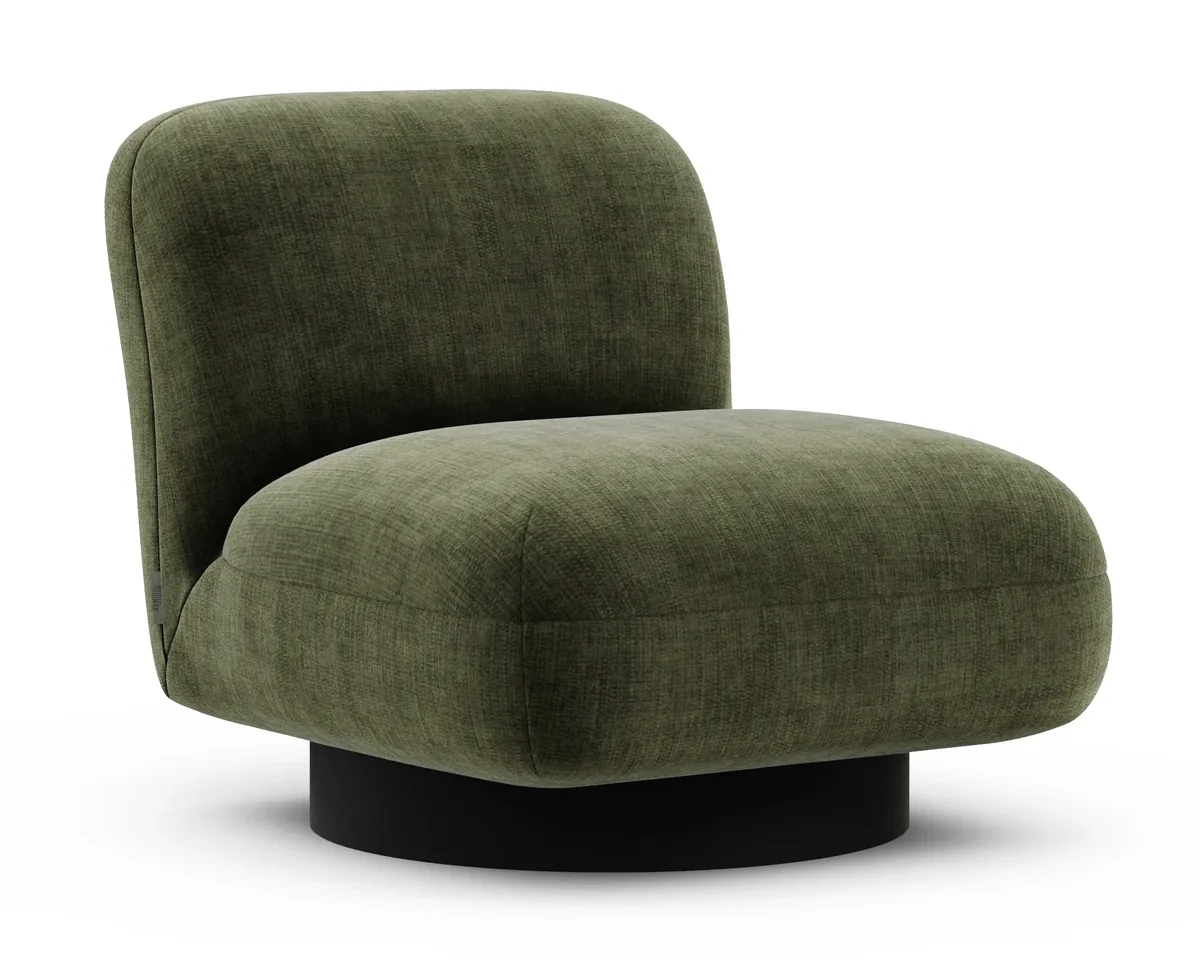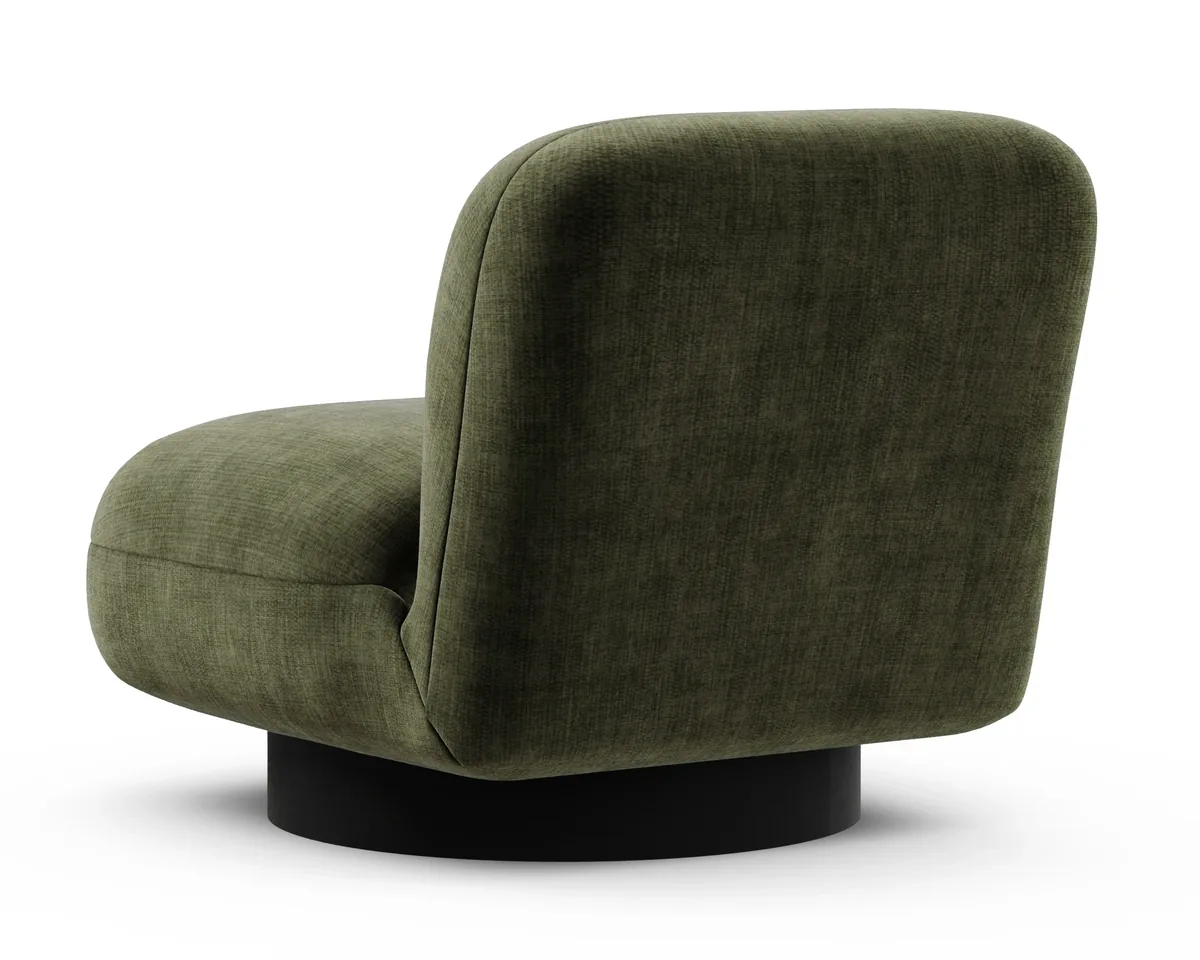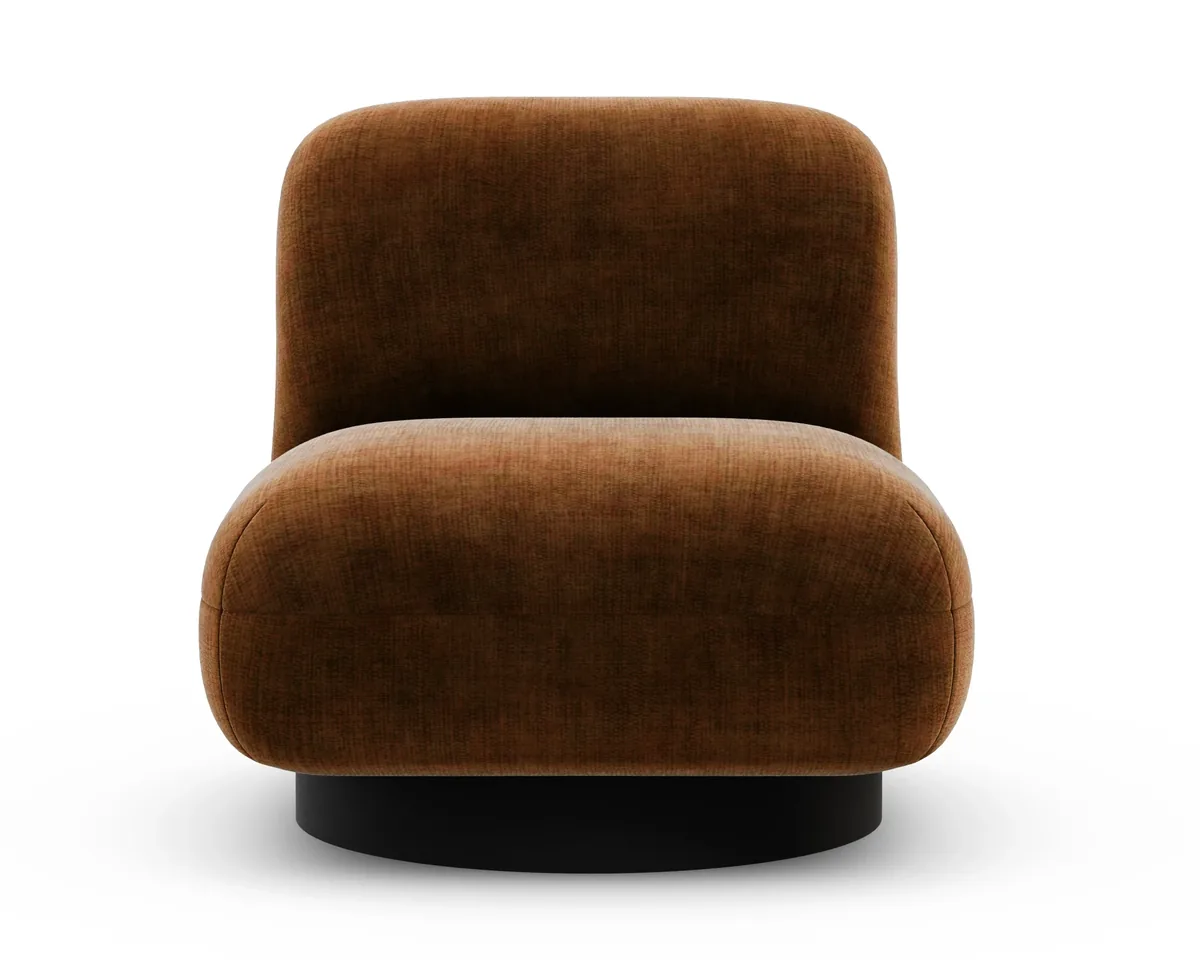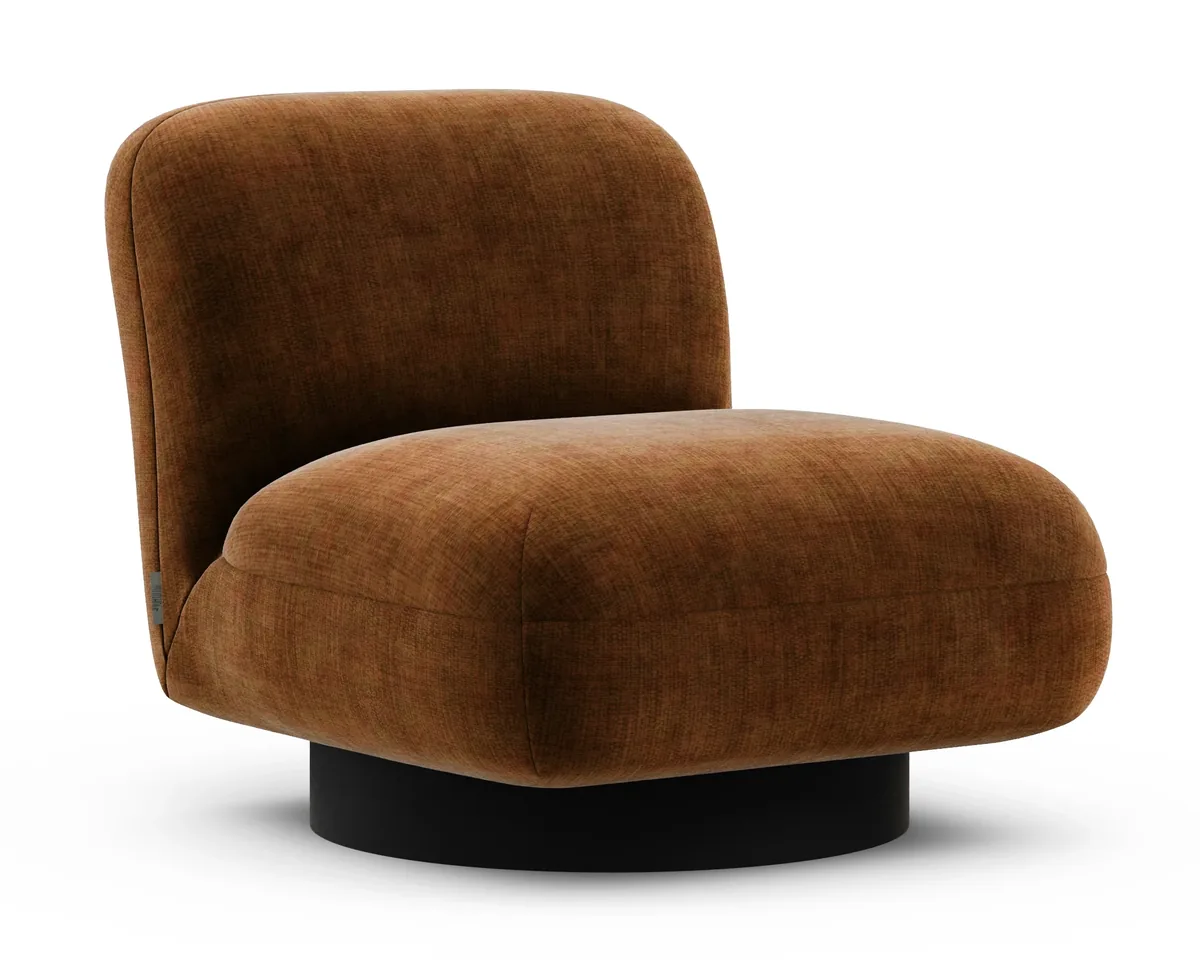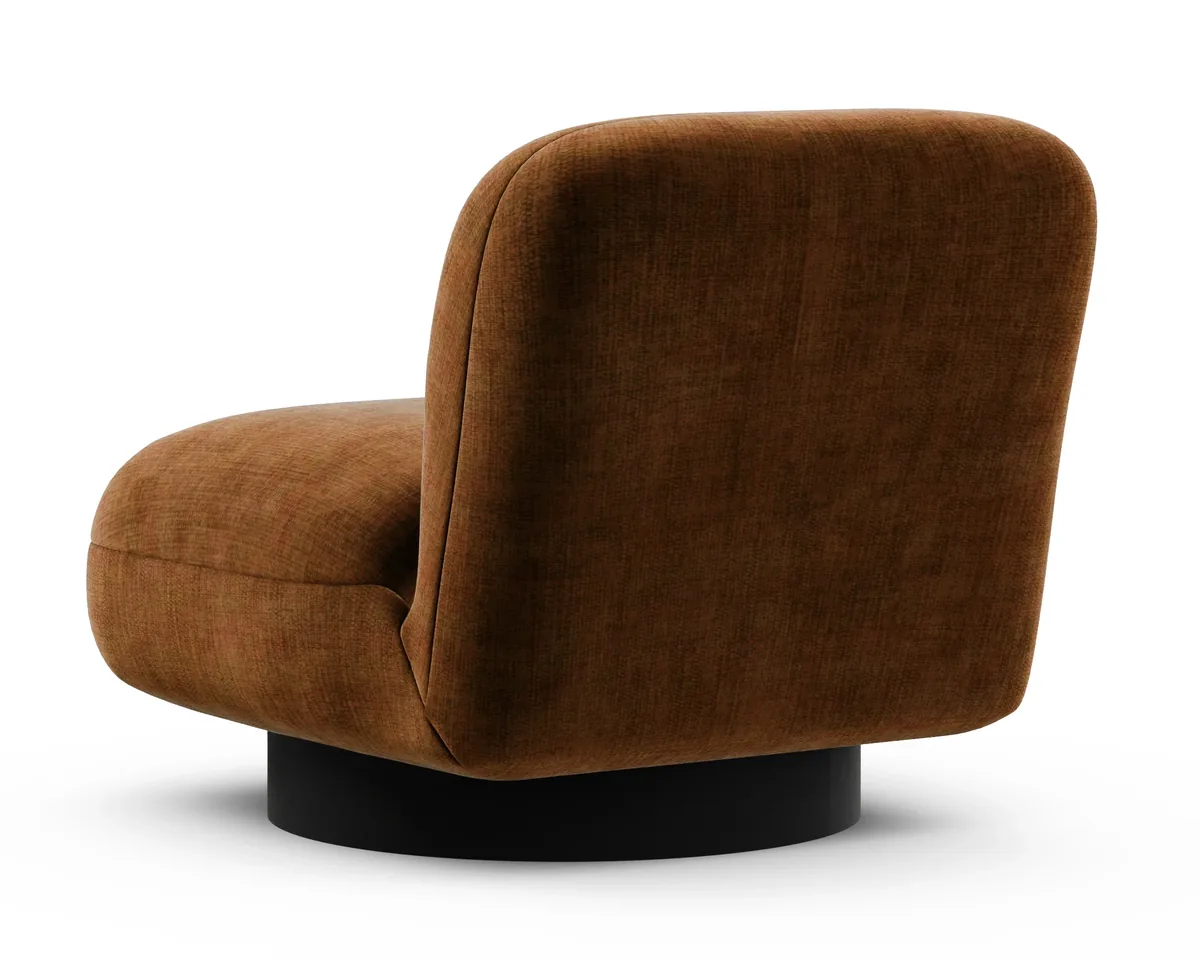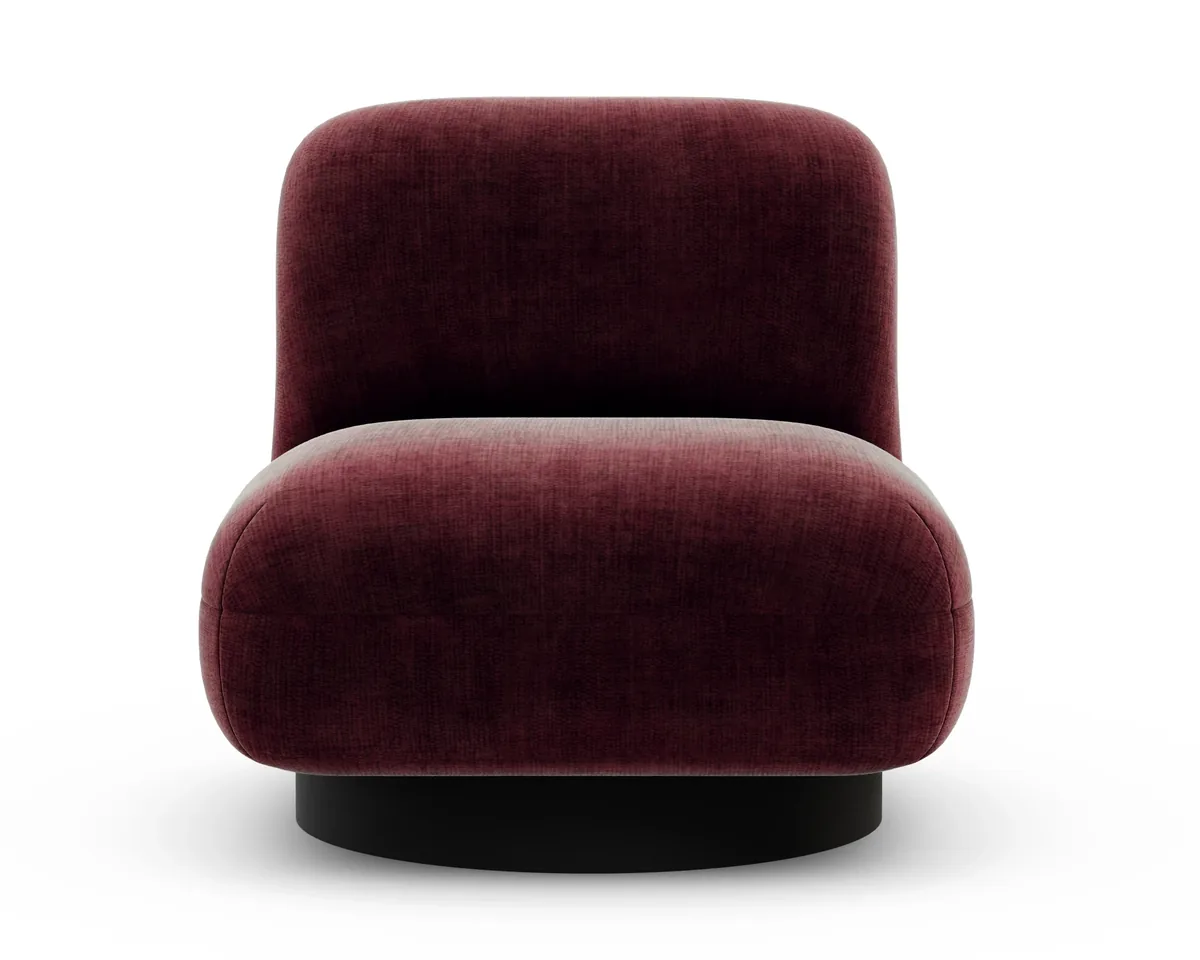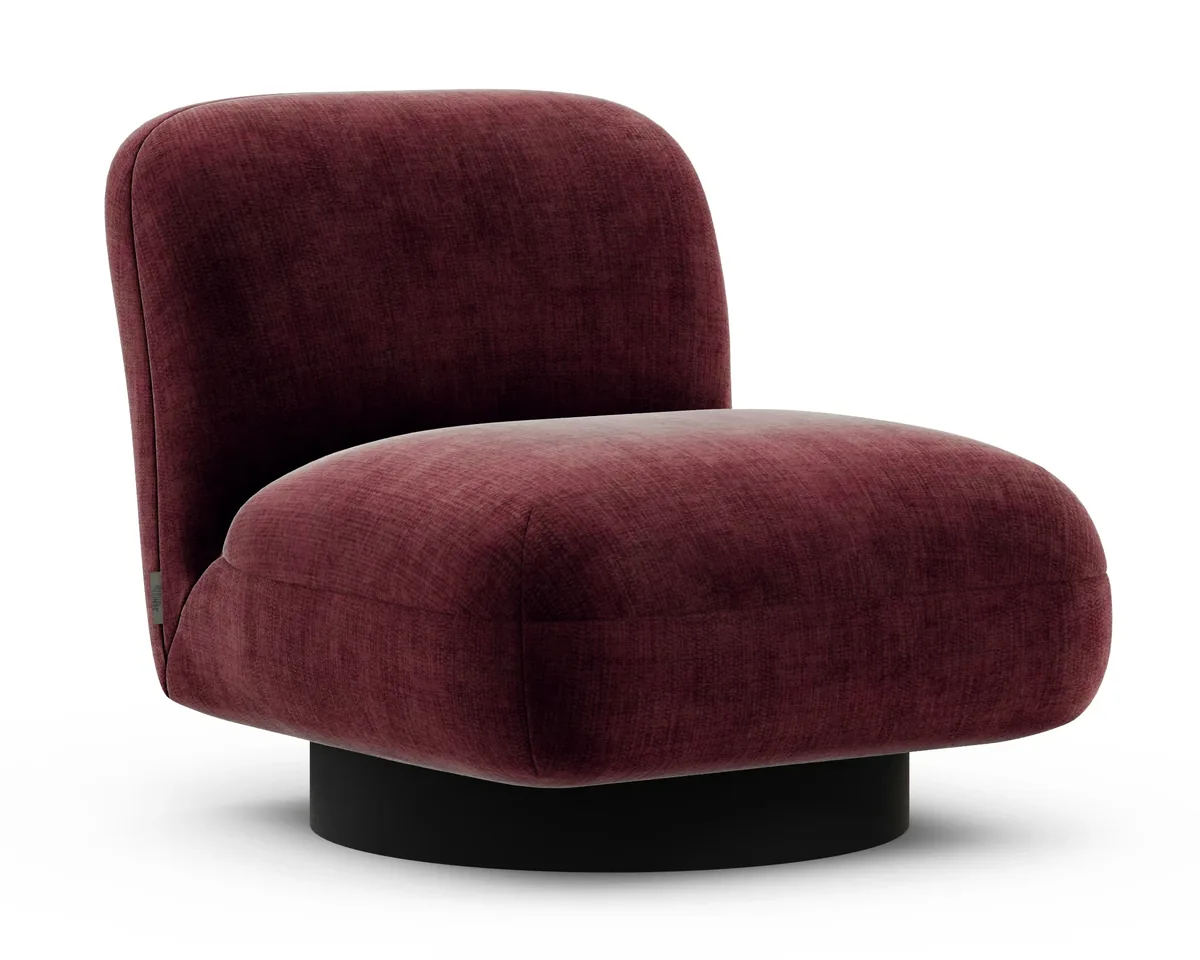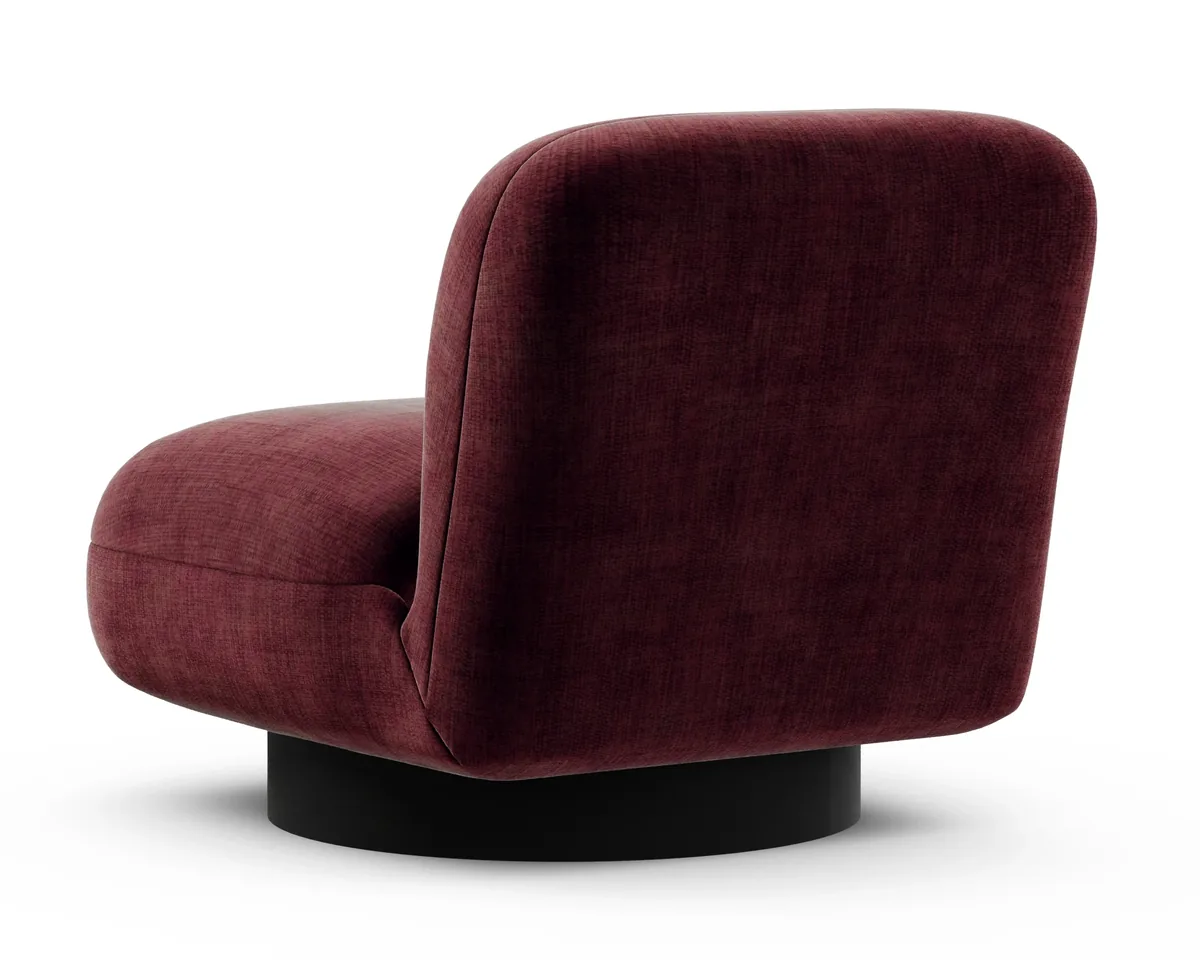
Golden 25rebuilt material
8 colourways · 3 angles
Photography flattens a weave and a phone camera lies about colour. A buyer who cannot trust the fabric on screen will not buy it, or worse, will send it back.
If the swatch and the screen disagree, the screen loses the sale.
What you get
## A fabric library your whole catalog can trust.
1
### One measured source of truth.
Every fabric lives once, calibrated, and every render reads it. No folder of look-alike textures to keep in sync.
2
### Colour that survives the journey.
From your screen to their screen to the printed catalog, the fabric holds, because it is measured, not adjusted by eye.
3
### New lines live in days.
Mail us the swatches; the calibrated materials come back ready for renders, configurator and 360, no photoshoot.
4
### Print and web from one file.
The same material drives web-fast renders and print-grade campaign shots, so nothing drifts between channels.
5
### Retire without residue.
Discontinue a weave and it disappears from every page automatically. Your catalog can never show a fabric you no longer sell.
6
### Start with one collection.
You do not need to digitize everything at once. Begin with your bestsellers and grow the library as you go.
## Ar-range Fabric Digitization drives sales for:
Upholstered furniture & bed brandsMade-to-order & high-variant catalogsTextile-led, design-first collectionsShowroom & dealer-network manufacturers
From the blog
- [**Visuals** Product images at catalogue scale](https://ar-range.app/blog-posts/category/visuals/)
## Send us a swatch. See it rendered.
Mail us one fabric collection and we will digitize a sample and show it on a real render, so you can judge the match before you commit.
**1M** variants from one source
**Same day** price changes live in the shop
**No-code** configurators the client runs

================================================================================
Page: Modular Configurator, a 3D product configurator | Ar-range
URL: https://ar-range.app/products/modular-configurator/
================================================================================
Modular Configurator
# A 3D modular configurator for sofas, sectionals and outdoor kitchens.
The buyer drags modules together, the rules decide what fits, and the piece they build leaves as a priced, manufacturable order, on the showroom screen or online.
Talk to our team Build one now →
They trusted us

Why it matters
## The configurator goes as deep as the buyer does.
Most buyers meet your sofa on Pinterest or Instagram, then check your site. A product page with a few layouts already visualised serves the buyer who wants one as it is, and shows everyone else that the sofa can be made their way.
The full configurator opens for the buyer ready to put in the effort: every module, every fabric, the rules deciding what fits. In the showroom a sales rep drives it beside them, with the real sofa and the swatches within reach, so it can go deeper still.
100,000+ combos
modules, finishes, appliances
Paradise Grills' outdoor kitchens, configured module by module in 40+ US showrooms since April 2024, every build priced as it is made.
Try it: live
## One model in. Every variant out.
Pick a fabric, a layout, an angle. Every combination is prerendered and served like an ordinary photo, no render engine on the page, no waiting.
Fabric

Layout
Angle
Same light, same angle, whole catalog. A coverage grid proves every variant is there before you launch. Hover the sofa to zoom in.
How it works
## A modular sofa configurator that feels like play.
### Drag and drop. That's the whole interface.
The buyer drags modules together and they snap like magnets: compatible pieces pull into place, the wrong ones will not. Corner here, chaise there, ottoman on the end, and a sectional sofa takes shape in a minute. Building a custom sofa feels like play. No manual, no salesperson driving the mouse for them.
### Built for the showroom floor.
Runs on the showroom screen and the buyer's own phone. Your salesperson stops being a human configurator clicking through options. The buyer self-builds, and one person can serve three customers instead of one.
### Looks like the real thing.
Real fabrics, real wood, real light. The buyer trusts what they see enough to commit to a high-ticket piece they cannot touch, which is the entire job at the decision point.
### A manufacturable order, not a screenshot.
Every saved build leaves as a spec-complete order (modules, options, dimensions, price) straight into however you already take orders. The configuration the buyer made is the order the factory gets. We wire up the handoff; it is not an IT project on your end.
Where it fits
## Three rungs to a sale. This is the top one.
Every furniture sale climbs a ladder. First the inspirational shot that stops the scroll. Then the product page, where a handful of clean prerendered variants do the work: fast, always prerendered, never a 3D engine. Then, only if the product justifies it, the configurator: the deep build, on the showroom floor or at the very end of the online path. Ar-range builds the whole ladder. This product is the top rung. Put it where it pays, not everywhere.
See where it fits in your funnel →
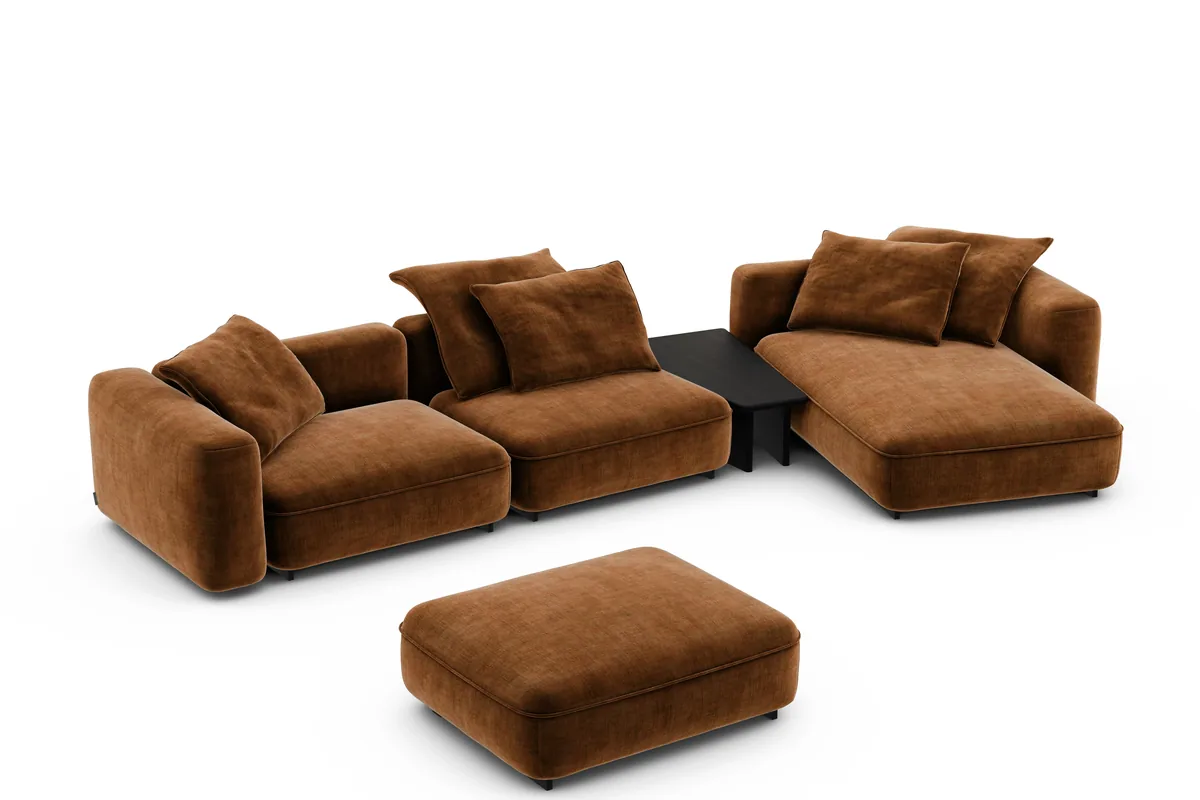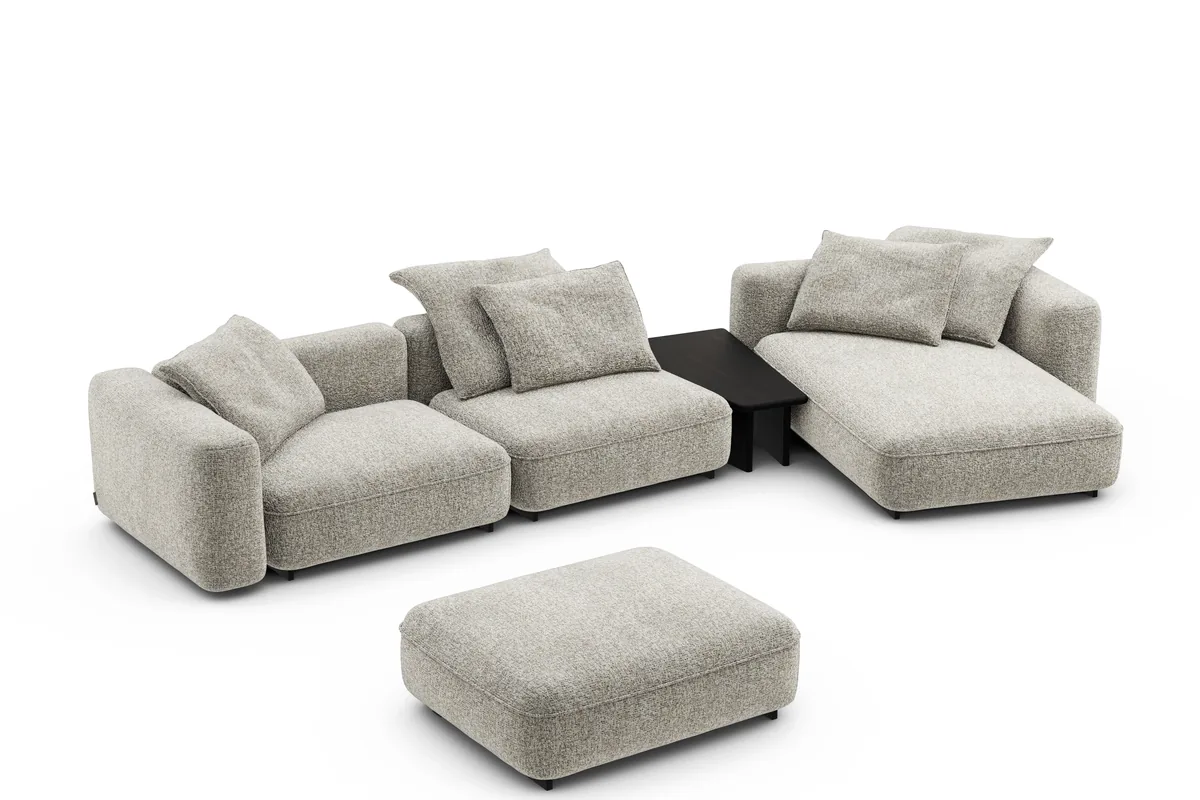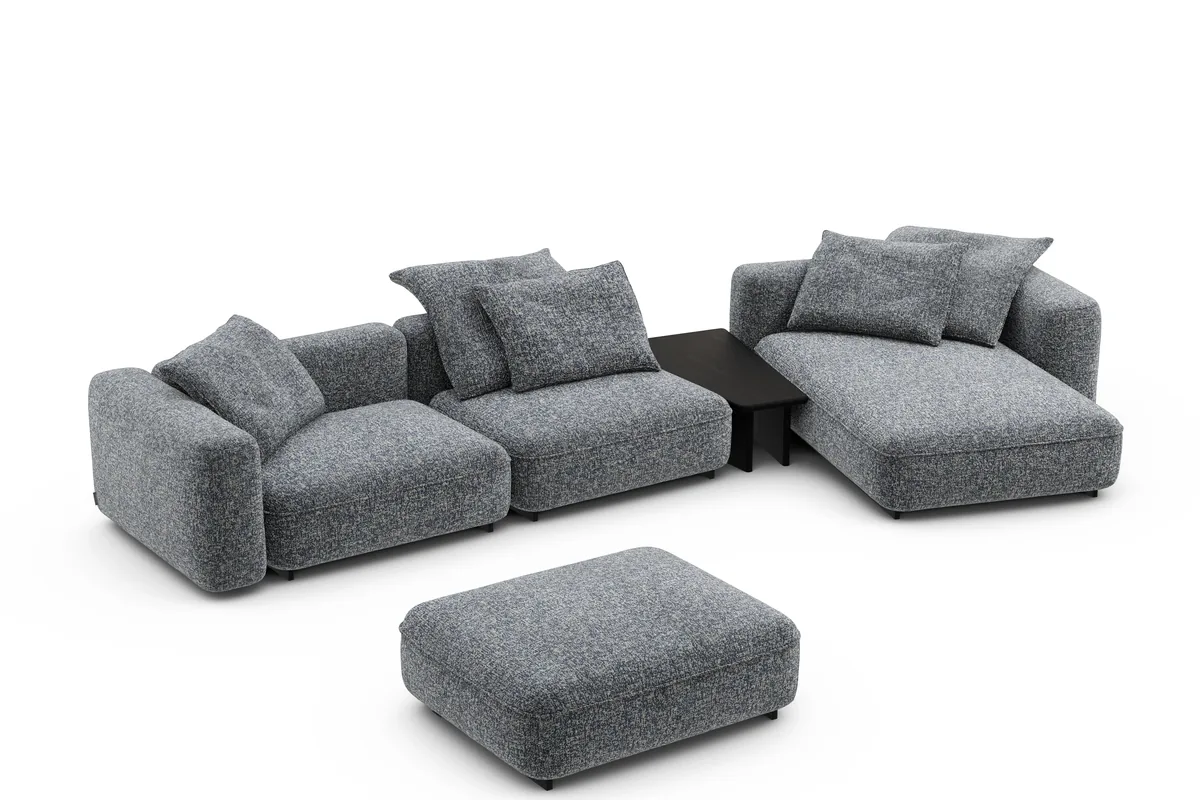
A configurator multiplies the demand you have already built. Size it to each stage: a few visualised options for the first look, the full build for the buyer who puts in the effort, and the deepest version on the showroom floor.
Every stage gets the tool it can use.
Flagship case · Paradise Grills
“
I am currently very satisfied with the service provided by Ar-range and cannot think of any areas that require improvement.

Dennis Brown
Chief Business Intelligence Officer, Paradise Grills International
Challenge
Digitize a complex custom-sales process across 40+ showrooms: order, agreement, payment and fulfillment in one flow.
Result
- Checkout dropped from over 30 minutes of paper to under 5 on an iPad.
- One back office rolls up orders from every location.
[Read the Paradise Grills case study →](https://ar-range.app/case-studies/paradise-grills/)
What you get
## What a 3D furniture configurator changes for your team.
1
### Free your salespeople to close.
The buyer drives the build themselves: drag, snap, done. Your staff stop walking every customer through options and start closing the next sale.
2
### Sell the piece they can't touch.
Real fabric, real wood, real light. Enough confidence for a buyer to commit to a high-ticket piece they have never sat on.
3
### Answer every spec question before it's asked.
Rub count, pet-friendly, easy-clean, composition, dimensions: pulled live from Content Hub, the same source that feeds your website, so the two never drift. One data spine, so each market sees what it cares about.
4
### Never lose a half-finished sale.
The buyer starts on the showroom screen and finishes at home from the same link. The build follows them across devices instead of dying in the car park.
5
### Get an order the factory can build.
Every saved build lands in your CRM, CPQ or ERP as a spec-complete order. No re-keying, no "which fabric did they mean", no errors between the floor and the line.
6
### Keep it yours.
White-label per tenant: your logo, your colours, your subdomain, your hardware. Your catalog and your data stay yours. Optional AI design chat and lifestyle renders can be added on when the product justifies the step, not by default.
Where it fits
## Solutions powered by Ar-range Modular
### [Showroom suite, its home turf.](https://ar-range.app/solutions/showroom-suite/)
The configurator on the floor and in the buyer's hand: remove the consultation bottleneck, enable dealers, close more without adding salespeople. Built for the showroom and pre-sales buyer.
### [E-commerce suite, the build online.](https://ar-range.app/solutions/visualize-every-variant/)
Prerendered variant visuals carry the product page for the first look; the configurator opens for the buyer ready to build their exact piece and order it. Built for the e-commerce-primary buyer.
FAQ
## Questions about the modular configurator.
What is a modular configurator?
A 3D product configurator for products sold as modules. The buyer drags pieces together, the rules you give us decide what fits, and the finished build carries its own price and parts list. We build it for modular sofas and sectionals, and for outdoor kitchen islands.
Where does it run?
In the browser: on the showroom screen, on a tablet, and on the buyer's own phone. A build started in the showroom opens at home from the same link, so the buyer can finish it there.
How many combinations can it handle?
We build the range as models and generate from them, so the count stops mattering. Paradise Grills' outdoor kitchens run past 100,000 combinations of modules, finishes and appliances.
Do we have to replace our website, POS or ERP?
No. The configurator runs on the screens you already have, and every saved build goes into your CRM, CPQ or ERP as a spec-complete order. At Paradise Grills the configurator hands the build to the iPad POS by QR code, and orders sync to NetSuite.
How do we get our modular range in?
You bring your modules, your finishes and the rules for what fits what. We build from your CAD or 3D files. Your range needs some structure (which pieces combine, which fabrics apply) before it can work, and we tell you what that takes before you commit.
What does it cost, and how do we start?
Two ways to work together: as a product your team runs, or embedded with our team during a build. Which fits depends on your range and your team. Tell us what you make, and we'll tell you whether a configurator fits before anyone talks numbers.
From the blog
- [**Diagnosing** Is my configurator working?](https://ar-range.app/blog-posts/category/diagnosing/)
- [**Comparisons** Which vendor?](https://ar-range.app/blog-posts/category/comparisons/)
- [**Replacing** How do we switch without losing a quarter?](https://ar-range.app/blog-posts/category/replacing/)
- [**Costs** What does it actually cost?](https://ar-range.app/blog-posts/category/costs/)
- [**Implementing** What will it take from us?](https://ar-range.app/blog-posts/category/implementing/)
- [**Configurators** What kinds are there, and which fits how you sell?](https://ar-range.app/blog-posts/category/configurators/)
- [**Showroom** Selling in the room, not only online](https://ar-range.app/blog-posts/category/showroom/)
## Tell us what you sell. We'll tell you if a configurator fits.
A few words on the kind of change we mean: not just a digital tool, but how you think about personalizing a product and what that is worth to your sales.
**1M** variants from one source
**Same day** price changes live in the shop
**No-code** configurators the client runs

================================================================================
Page: Variant Visuals, Every variant, prerendered | Ar-range
URL: https://ar-range.app/products/variant-visuals/
================================================================================
Variant Visuals
# Every variant of every product, photographed without a camera.
Studio shots, 360s and context scenes, prerendered in bulk from one 3D model and served straight to your product page. Fabric by fabric, size by size, the buyer sees the exact piece they picked.
Show me my catalog, rendered Try the live switch →
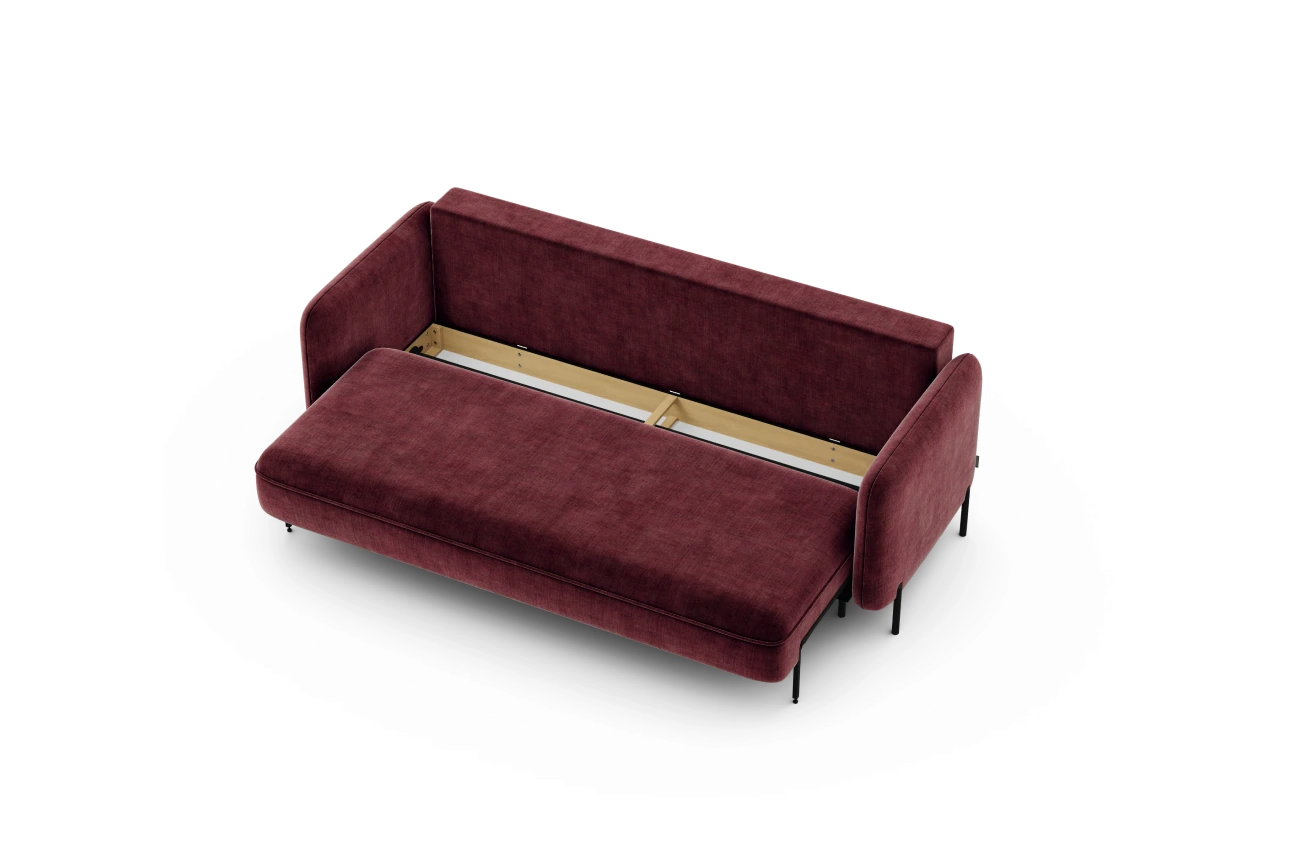
Geometry: High-PolyMaterial: 4K PBRLess Render TimeSource: Single 3D Model
They trusted us

Why it matters
## The piece they're dreaming of is the one they should see.
A buyer who picks oak legs and green velvet should see oak legs and green velvet, not "shown in grey, other fabrics available." On a product page, the variant photo is the product.
Photography cannot keep up with a real catalog: fabric by wood by size turns four photoshoots into four thousand. So most brands show four photos and lose the buyer who wanted the fifth. We render the whole matrix from one model, and your product page shows every piece you actually sell.
0.5 s
Every variant, served like a photo
Variants are rendered once, then served through Cloudflare in about half a second. Your product page never waits on a render engine, because there is not one on it.
How it works
## From one 3D model, the whole catalog.
### One model in. Every shot out.
From a single 3D model: clean studio shots, 360 spins, detail close-ups and context scenes, all with the same light, the same angle, the same floor, across the entire catalog.
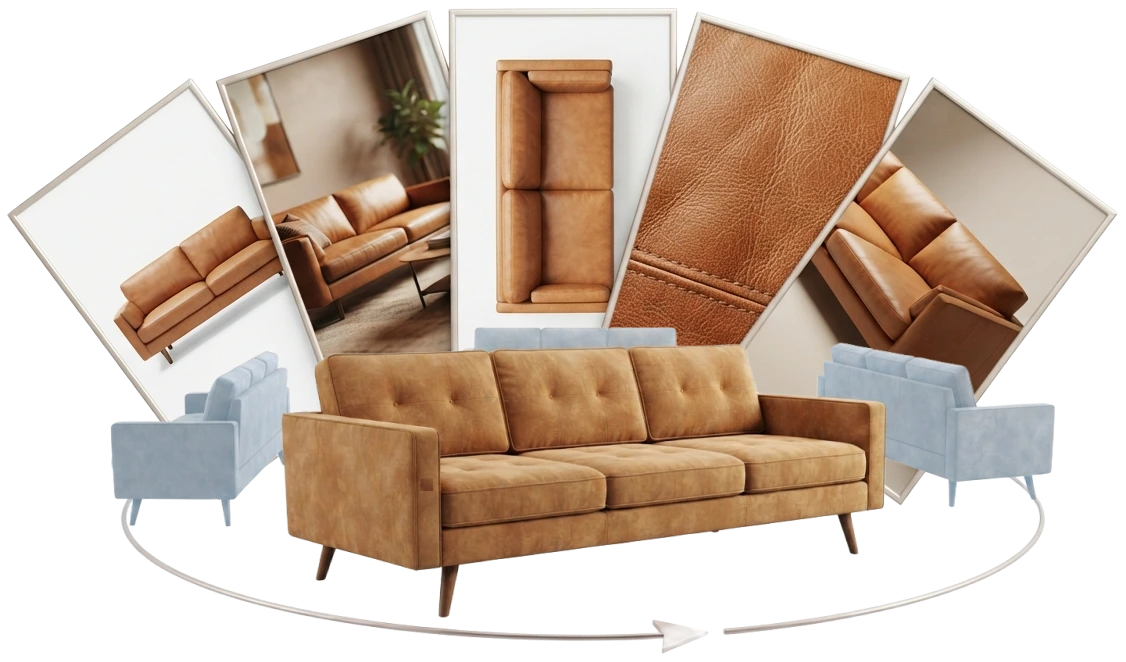
### Every variant is a URL, not a file.
Each variant is an address your storefront calls, with its own product IDs, and the right image comes back instantly. A million-variant catalog with zero image files to organize, sync or lose.
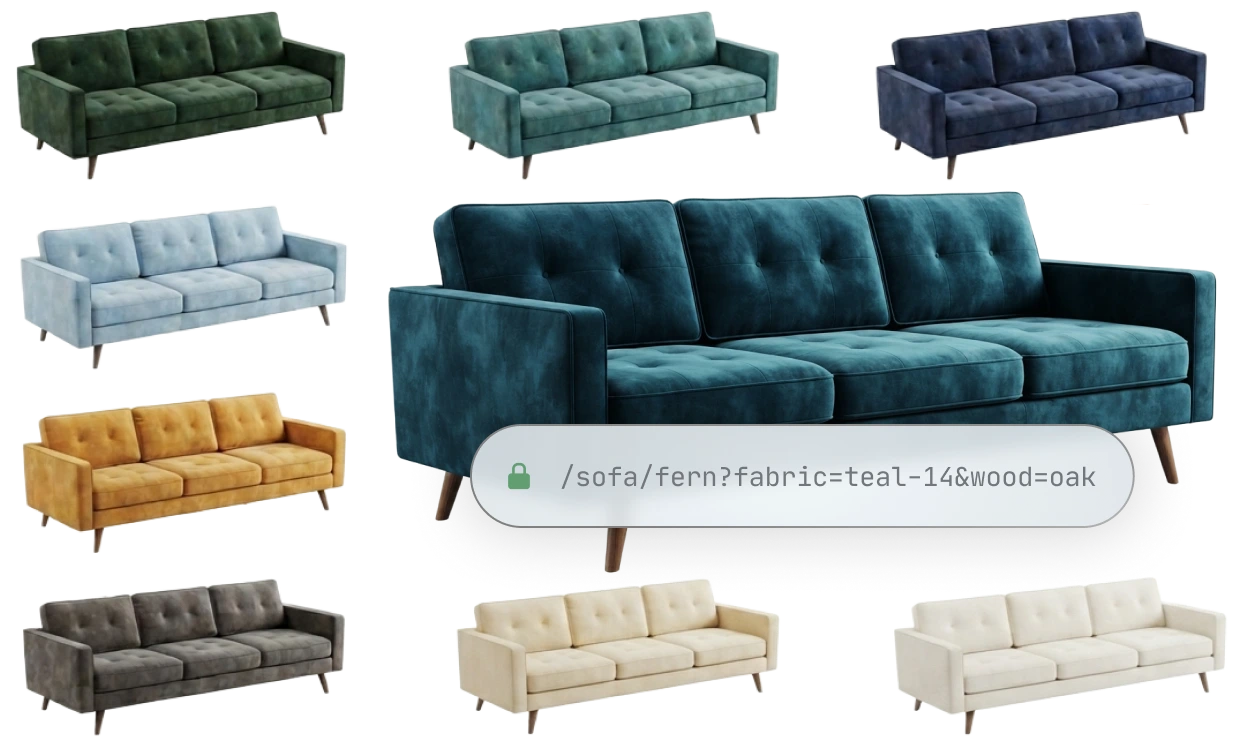
### Wired to your catalog. Both directions.
The render library runs on Ar-range Content Hub. It syncs two-way with your ERP, PIM or shop platform: add a variant, the image exists; retire a fabric, its shots retire with it.
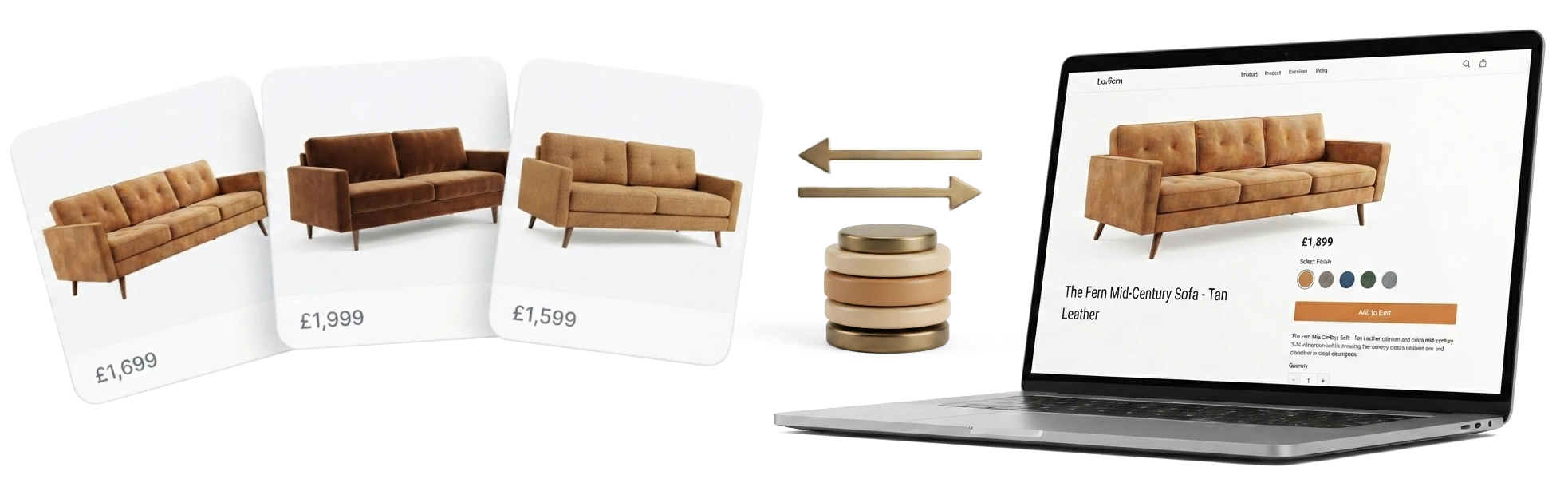
### No photoshoot. No logistics.
No truck to the studio, no prototype builds in every fabric, no reshoot when the supplier changes a weave. One model replaces the whole apparatus.
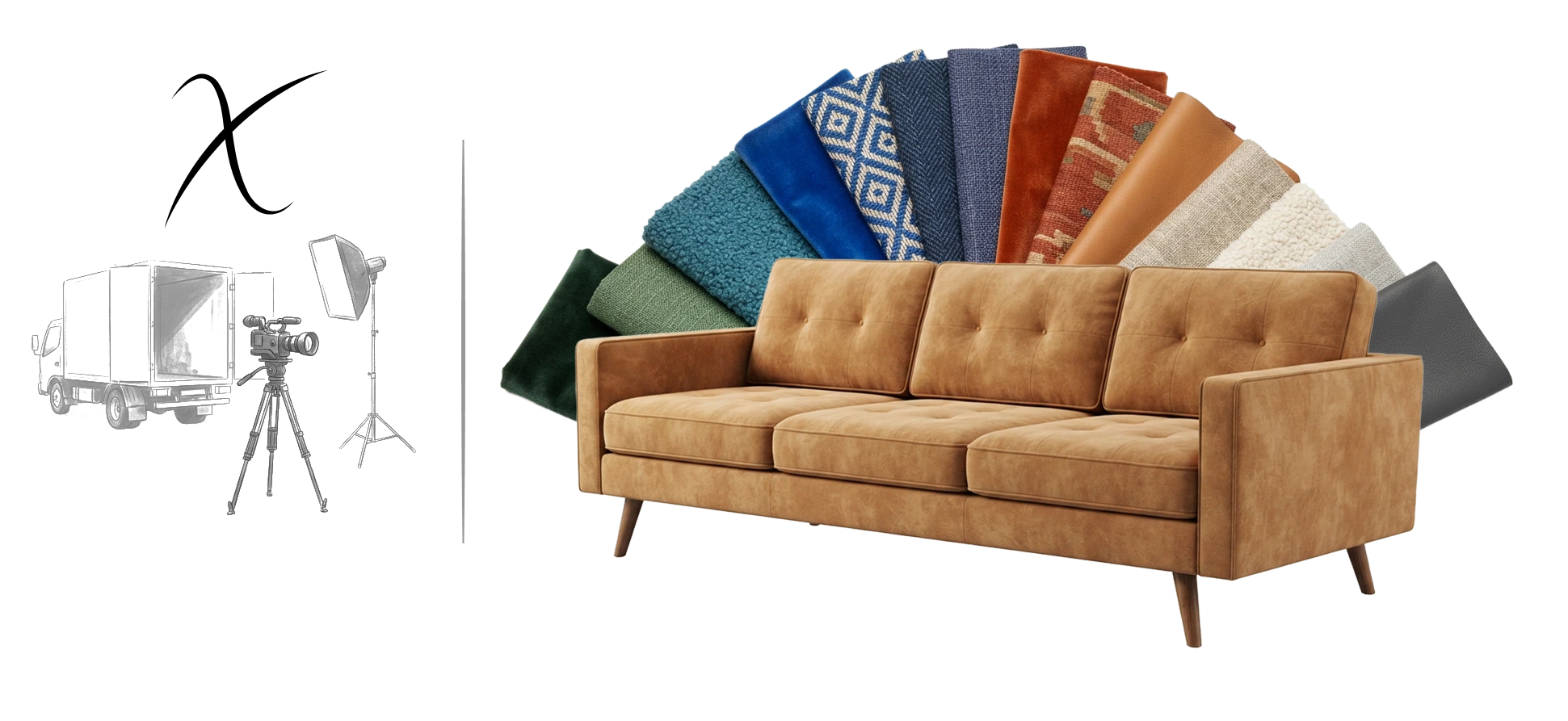
Coverage matrix
## Every combination, on one grid.
Fabric x wood, composited live from separate render layers. Hover a cell to build that exact variant, or watch it cycle.
FabricWood
Emerald Velvet
Slate Linen
Cognac Leather
Mustard Bouclé
Charcoal Tweed
Oak
Walnut
Ash
Mahogany
Any fabric x wood, live
Drag across · tap to pick a combo
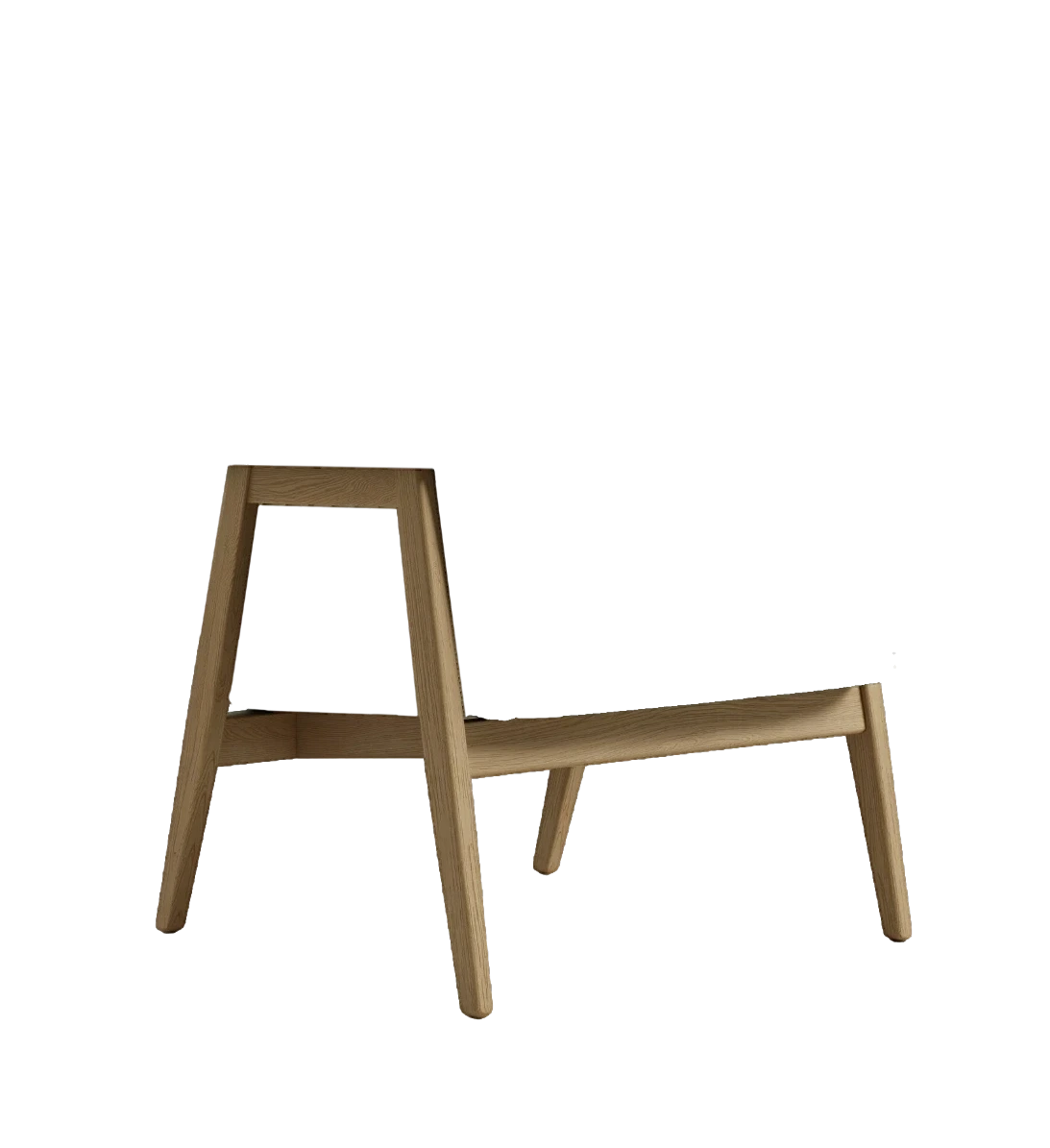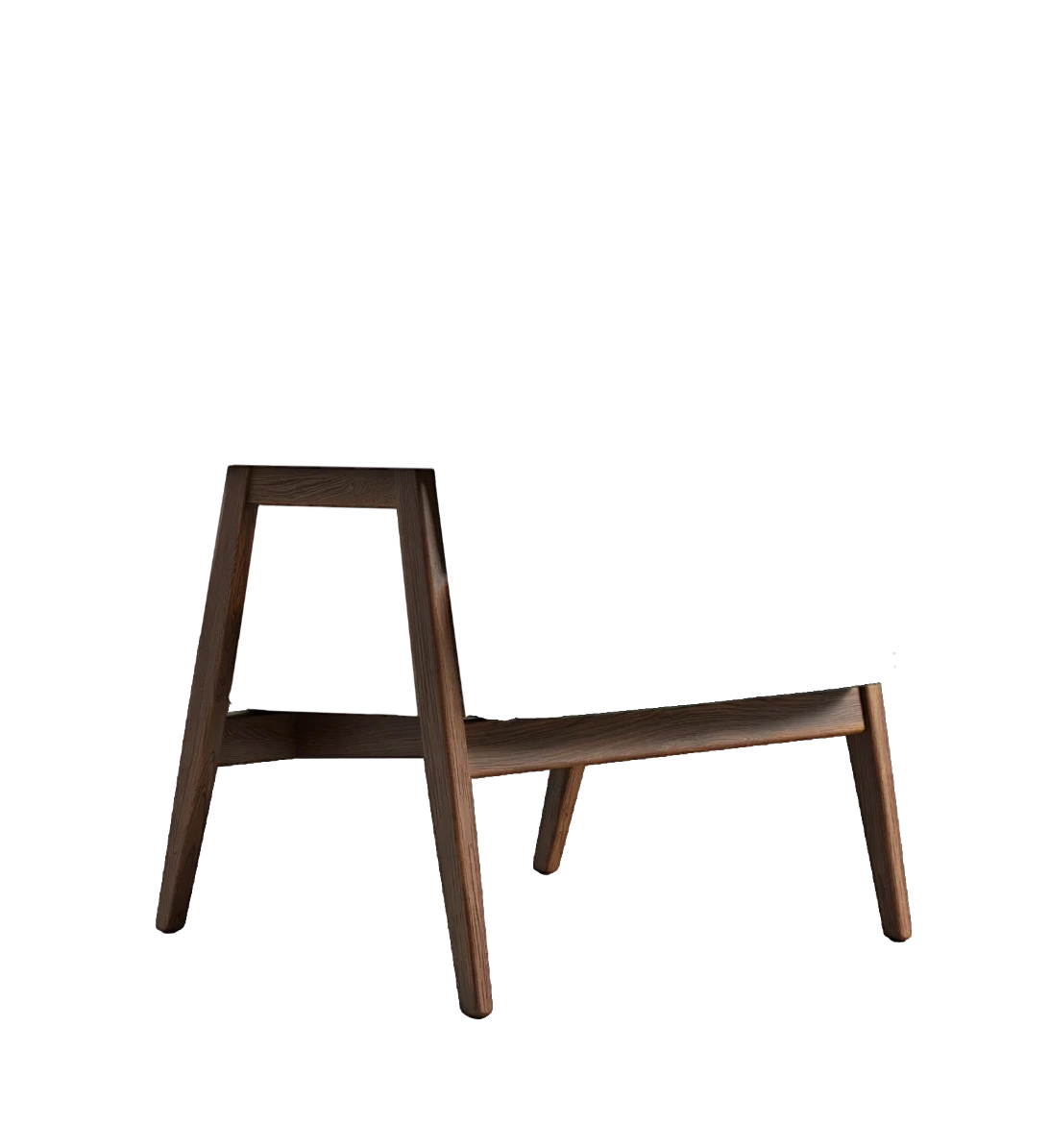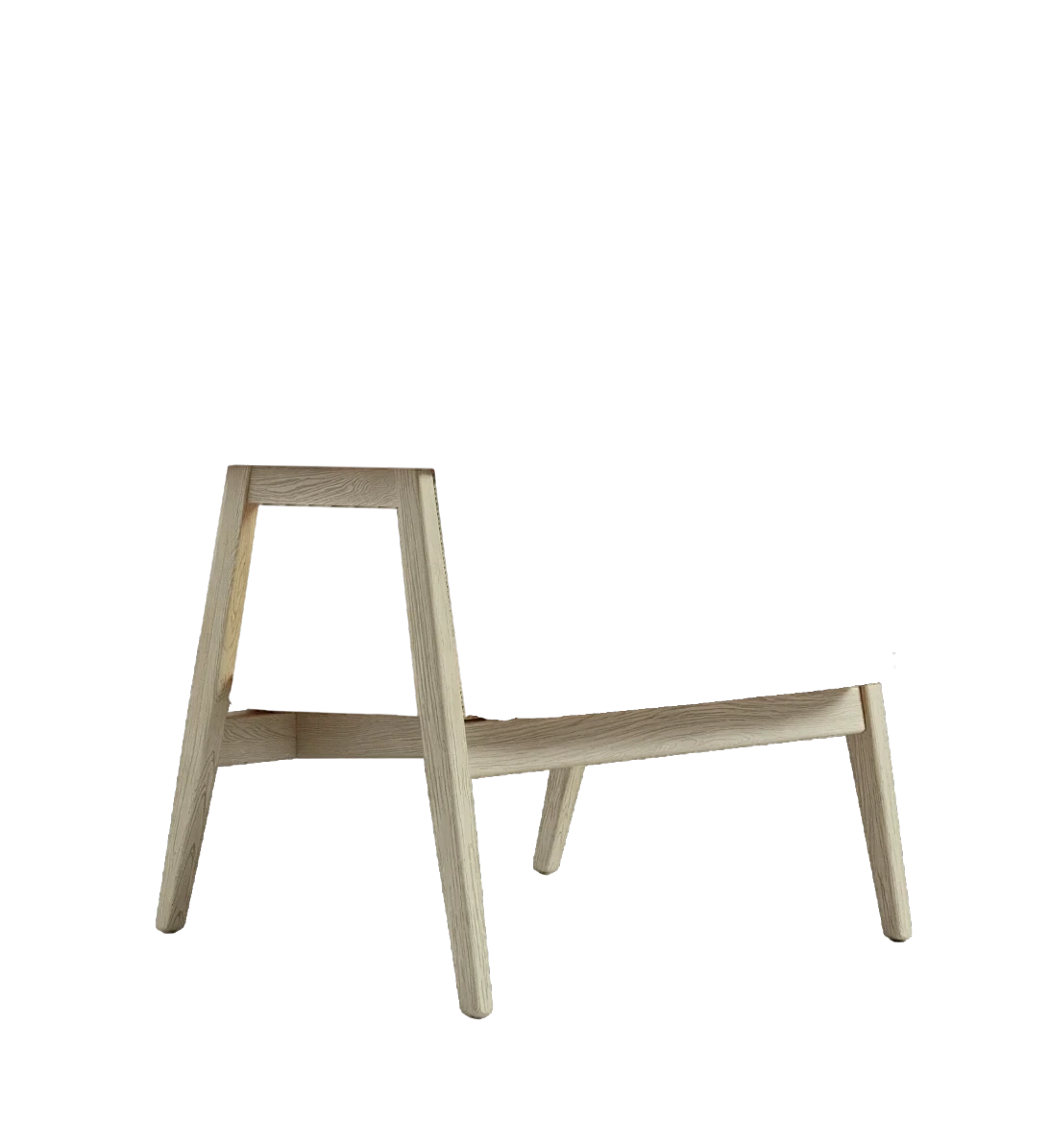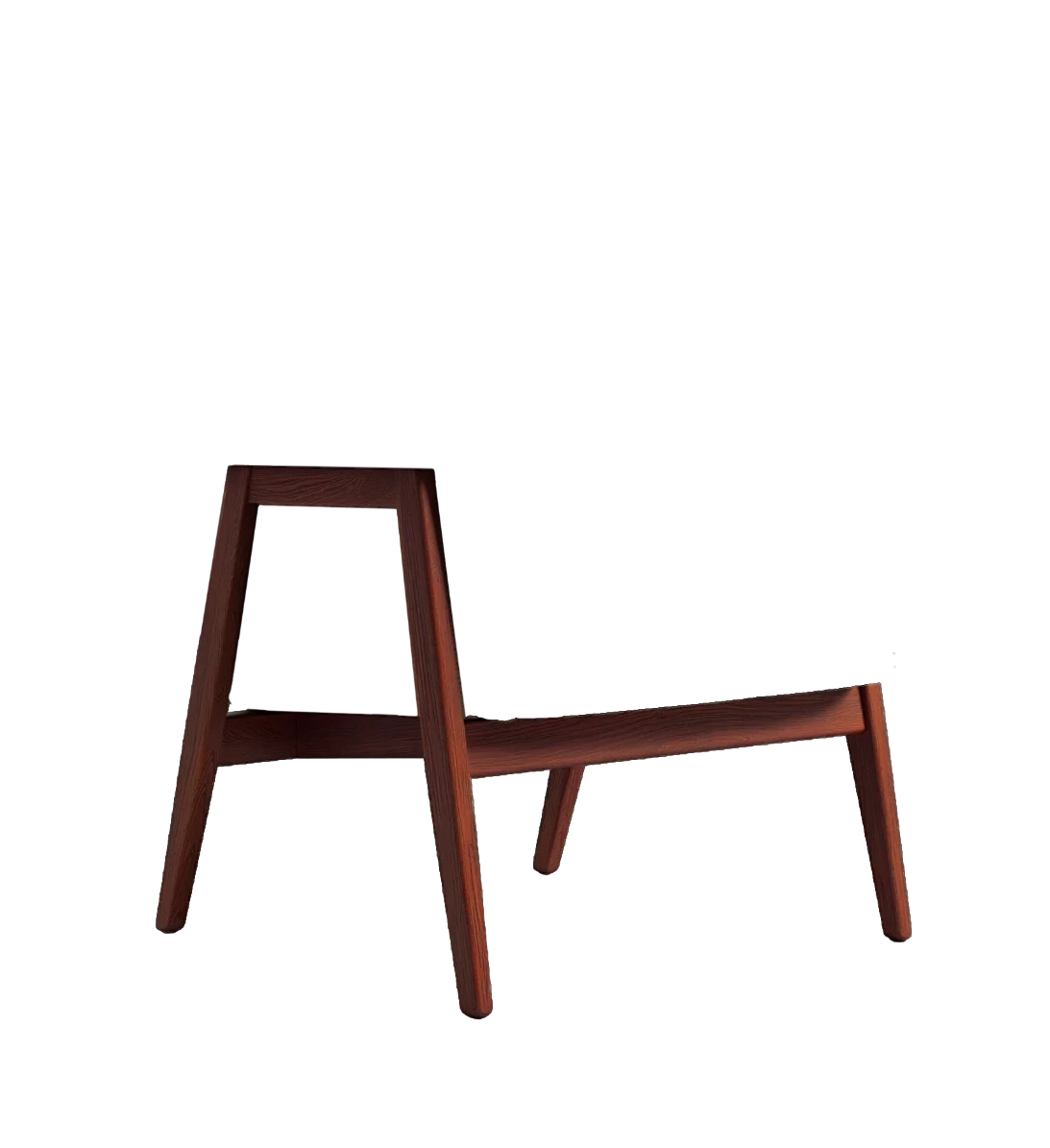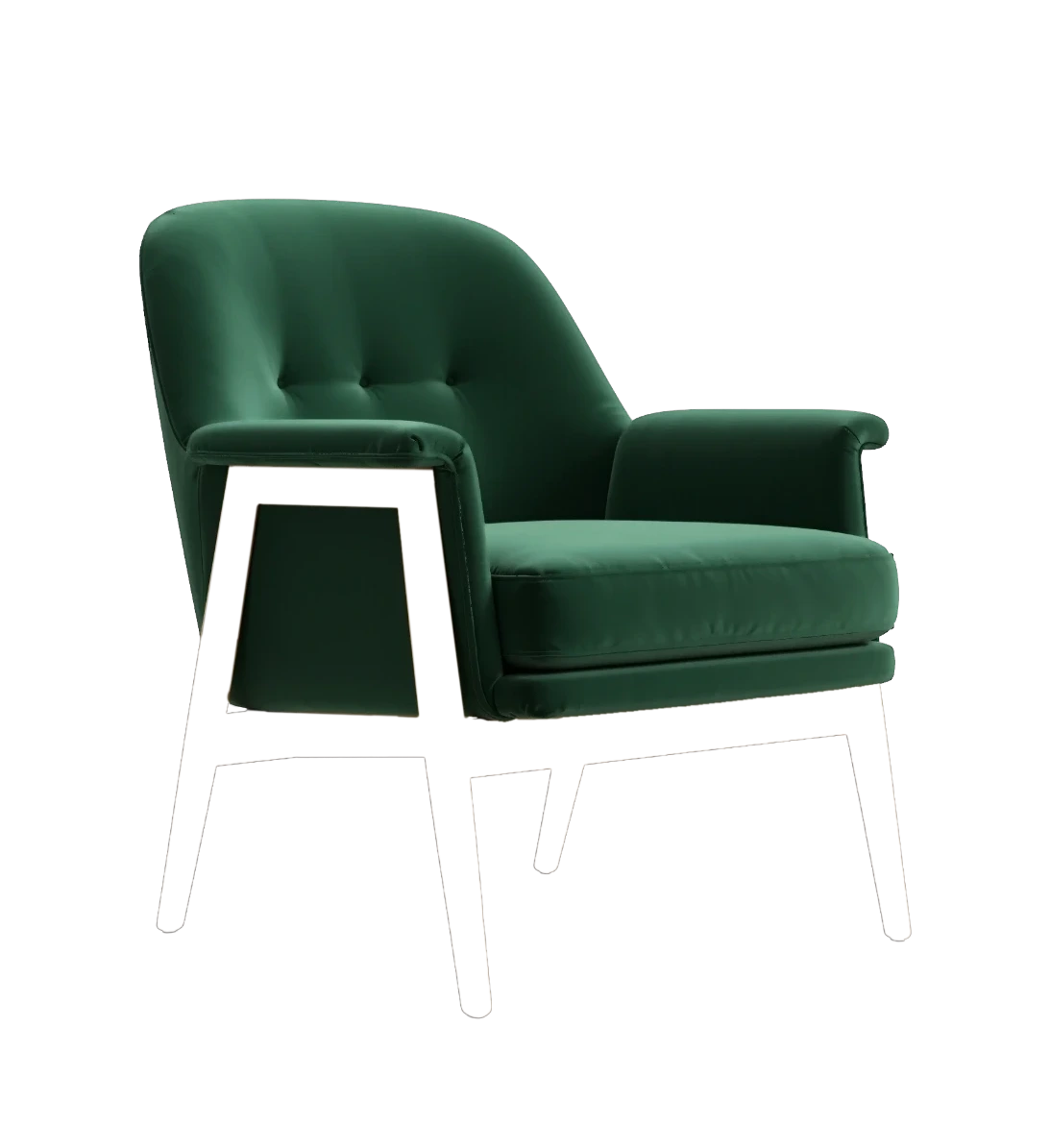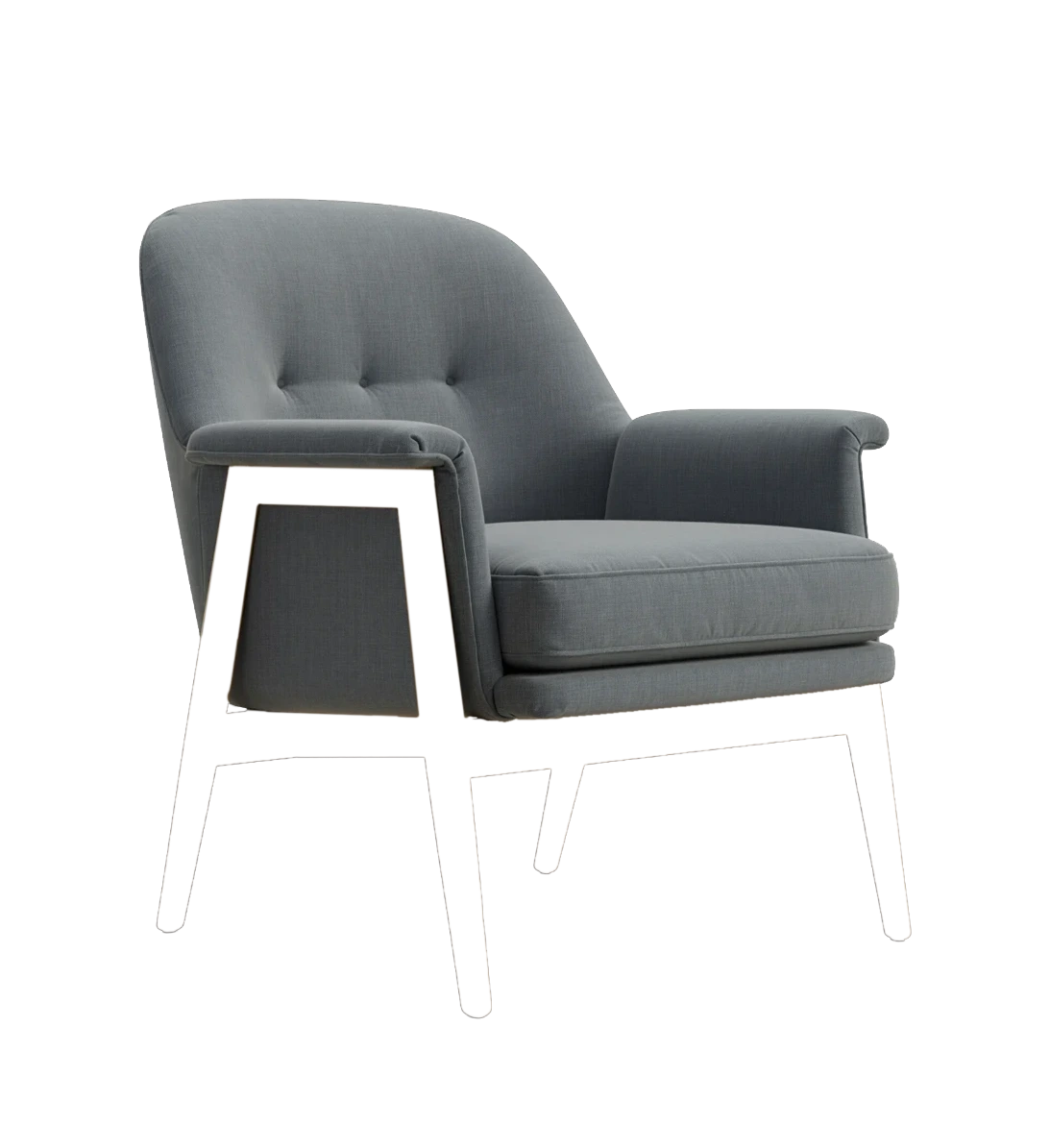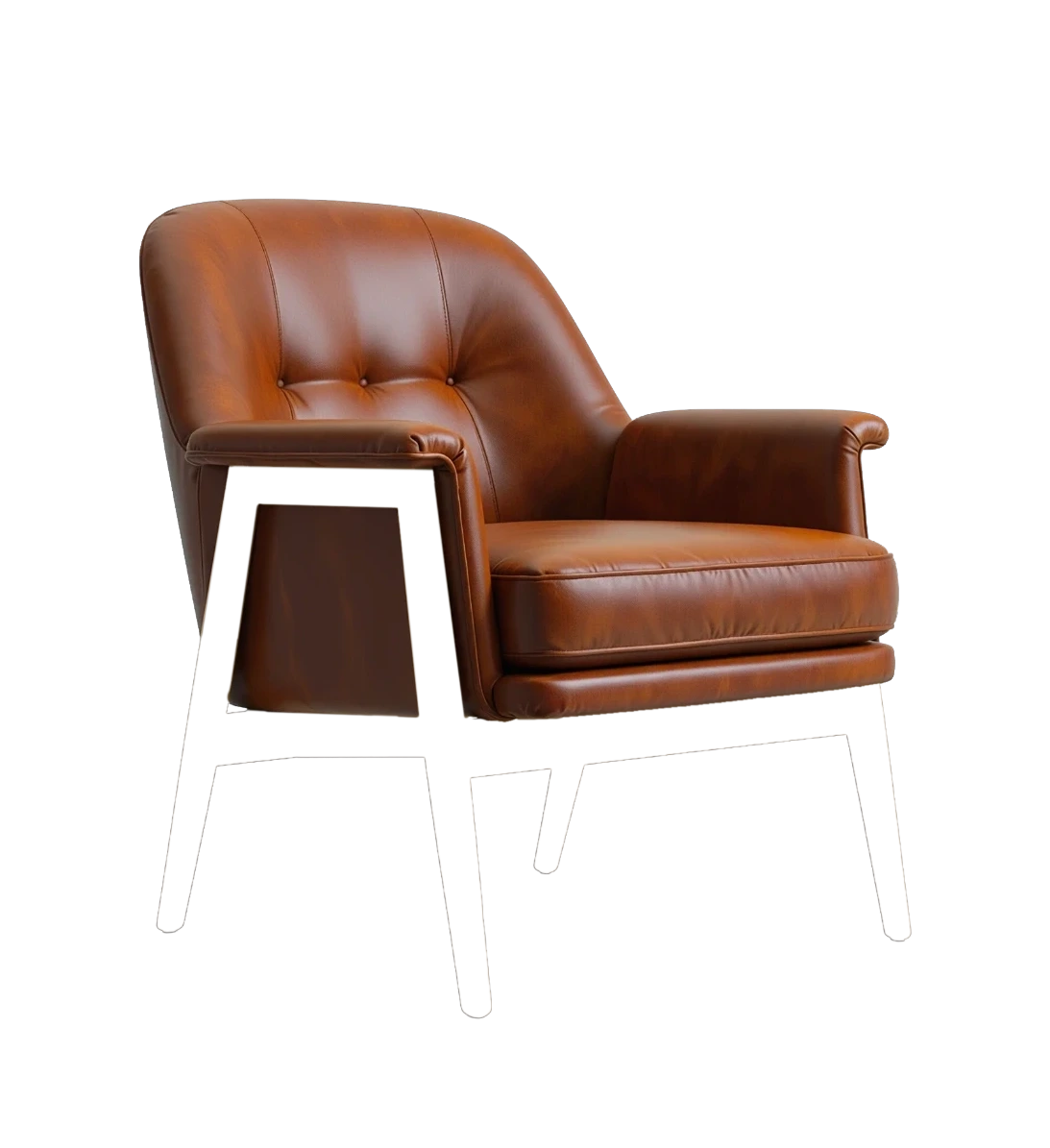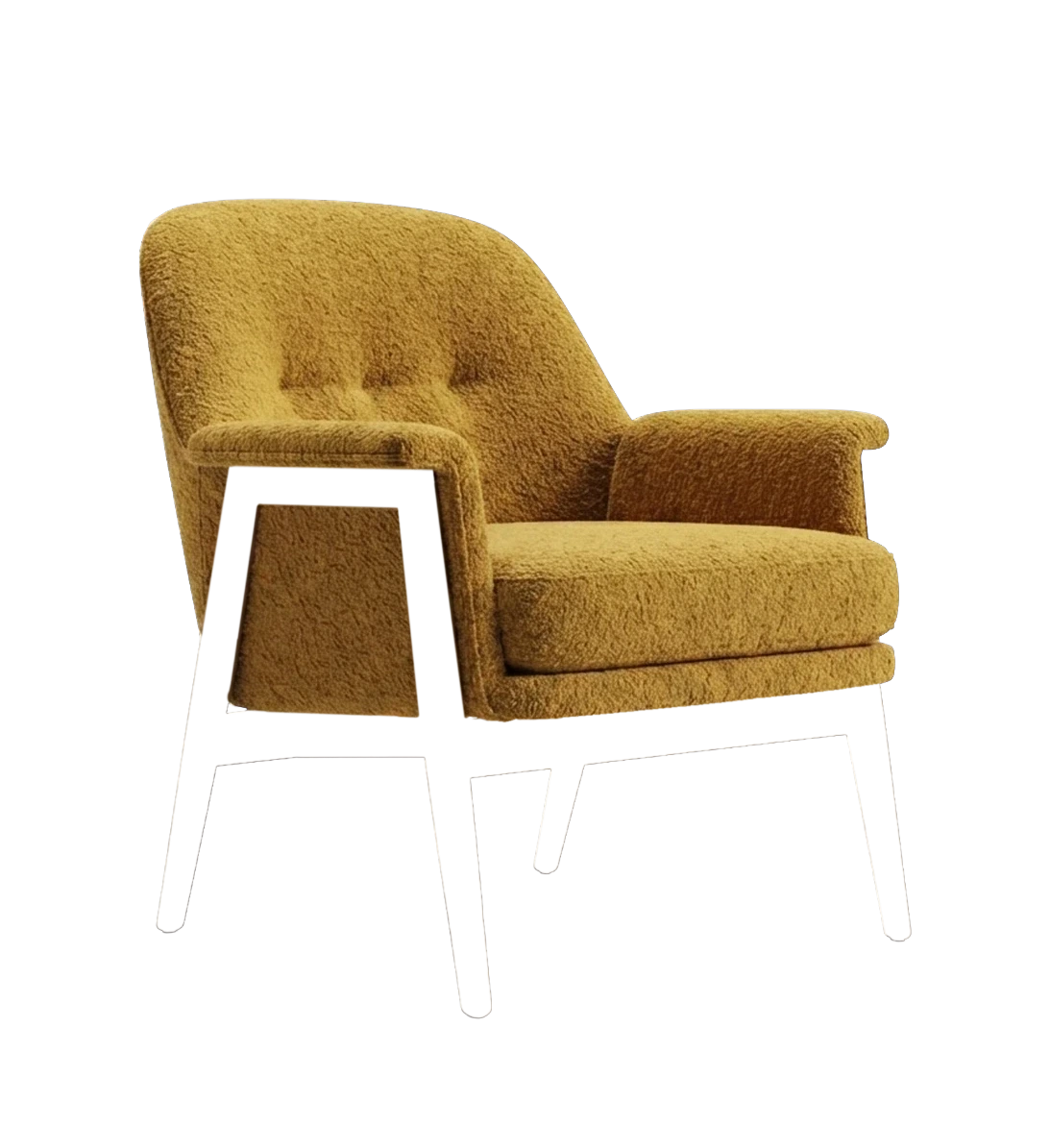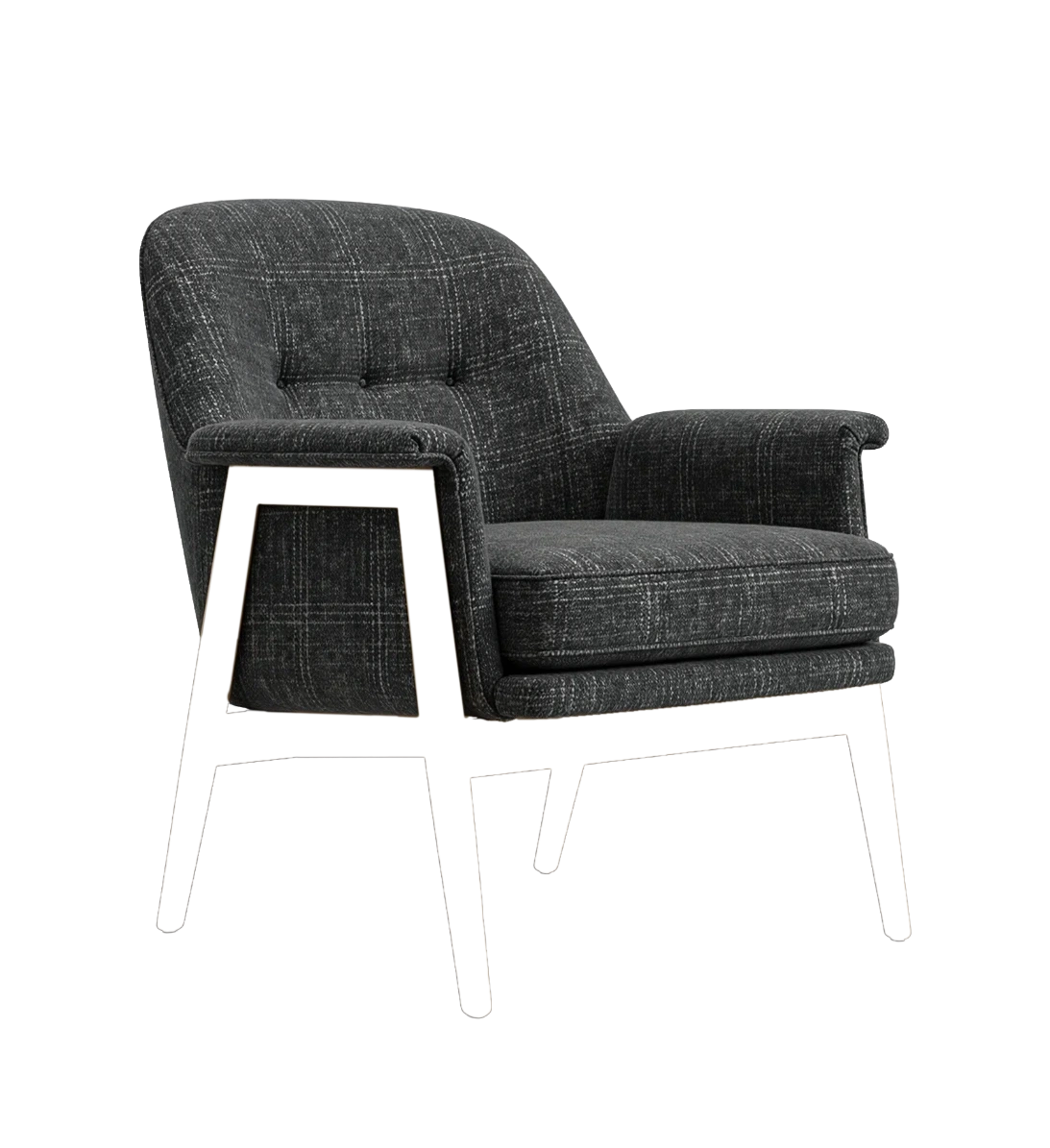
**Oak** · Emerald Velvet
Try it: live
## One model in. Every variant out.
Pick a fabric, a layout, an angle. Every combination is prerendered and served like an ordinary photo, no render engine on the page, no waiting.
Fabric

Layout
Angle
Same light, same angle, whole catalog. A coverage grid proves every variant is there before you launch. Hover the sofa to zoom in.
Every furniture sale climbs a ladder: the context shot that stops the scroll, the product page where clean variants do the selling, and only at the end, the configurator. This is the middle rung, the one every buyer passes through.
Choice you can't show is choice you don't sell.
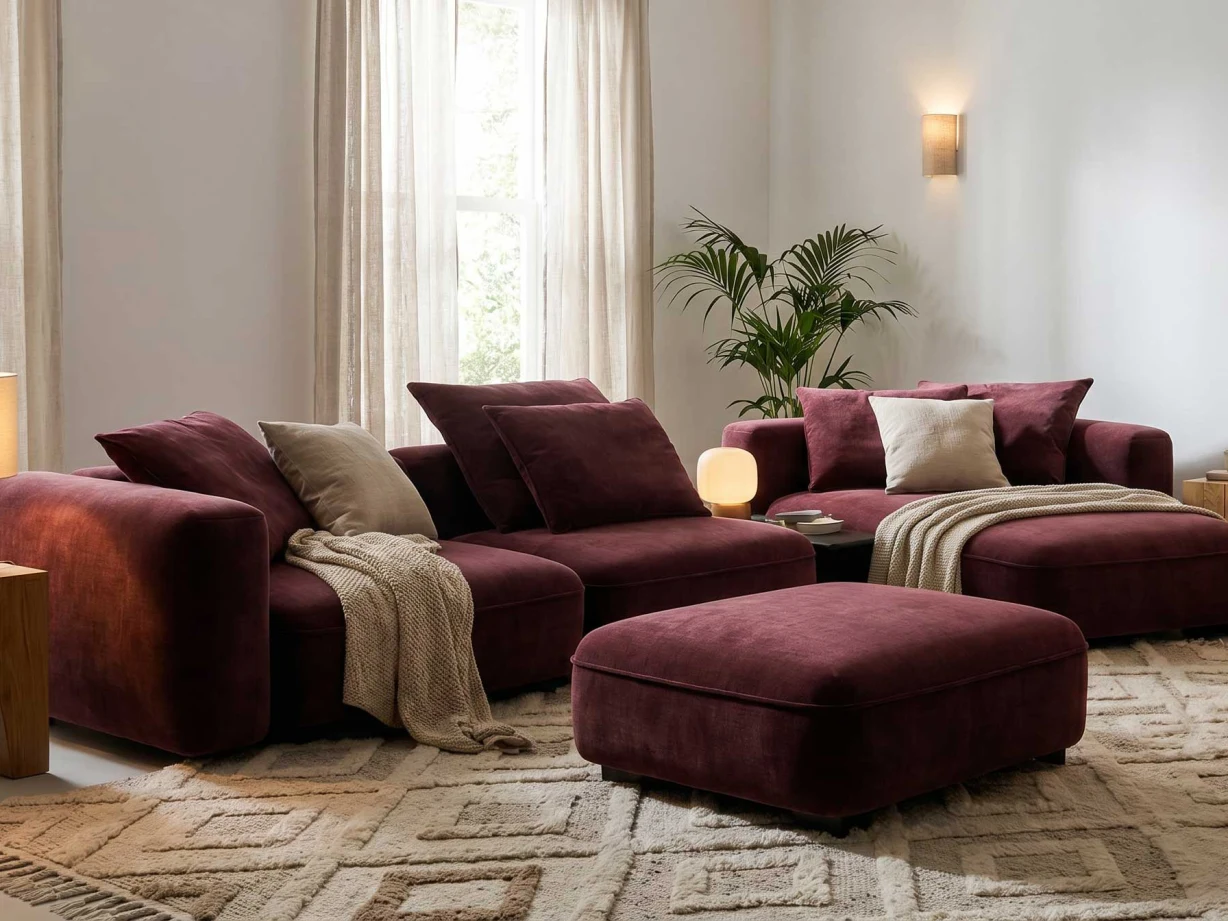
From the product team
“
Our customers can tell a real piece from a cheap render, and so can we. Ar-range got the fabrics right, down to the weave and the sheen we worried no one could reproduce, and they did it across the whole range. We couldn't buy that anywhere else.
Karolina Kasińska-Kowalczyk
Product Manager, Mitto Home
## Ar-range Variant Visuals drives sales for:
Upholstered furniture & bed brands
Made-to-order & high-variant catalogs
Tight, design-led collections
Showroom & dealer-network manufacturers
What you get
## A catalog that shows everything you sell.
1
### Promise "every variant" and deliver it.
Fabric by wood by size by component, computed as a coverage grid. Our tooling shows every missing combination before launch.
2
### Give the whole catalog one on-brand look.
Same light, same angle, same staging on every model and every variant. A deliberately tight catalog gets the wide, uniform visual system it deserves.
3
### Keep the storefront you already run.
A drop-in image API: your storefront asks with the product and option IDs it already uses, the right variant comes back. Shopify, Magento, Shoper, no replatforming.
4
### Change a fabric line without a reshoot.
Swap the texture, the affected variants re-render, and the old images disappear from your pages automatically. A supplier change is an afternoon, not a quarter.
5
### Feed every channel from one source.
Web-fast images for the PDP, print-grade renders for catalogs and campaigns, marketplace-ready packshots, all from the same model and the same catalog data.
6
### Start with the one product you have today.
One product is enough. We build from your CAD or 3D files, or digitize from the physical piece. The system scales up; it does not demand scale to start.
FAQ
## Questions we actually get asked.
Do variant images work on foldable phones like the iPhone Duo?
They are images, so they show in whatever gallery your store already uses, folded or unfolded. What changes is the shape of the screen. Folded, the iPhone Duo is portrait, about 466 by 678 pixels by our estimate, so a wide landscape render sits across it as a strip with space above and below. Unfolded, it is wide, and the same render fills it. If your folded view needs a taller picture, that is another render batch from the same 3D model.
From the blog
- [**Costs** What does it actually cost?](https://ar-range.app/blog-posts/category/costs/)
- [**Visuals** Product images at catalogue scale](https://ar-range.app/blog-posts/category/visuals/)
- [**AI** Where does AI actually help me sell?](https://ar-range.app/blog-posts/category/ai/)
## If they can't see it, they won't buy it. Let's show them.
Leave your details and we arrange a free consultation with the people who have spent years helping brands sell customised products. You bring the catalogue and the questions. We bring what has worked, what has not, and what it would take for you.
**1M** variants from one source
**Same day** price changes live in the shop
**No-code** configurators the client runs

================================================================================
Page: What you are actually trying to fix | Ar-range
URL: https://ar-range.app/solutions/
================================================================================
Solutions
# What you are actually trying to fix
The same engine, pointed at a specific problem: showing every variant, running a showroom, or opening a new market.
The e-commerce floor
## [Visualize Every Variant](https://ar-range.app/solutions/visualize-every-variant/)
Every fabric, wood and size you actually sell, rendered and live on the product page, so buyers see the exact piece they are about to order, not a stand-in.
Explore
The dealer's full deck
## [Showroom Suite](https://ar-range.app/solutions/showroom-suite/)
In the showroom your dealers have everything; at home the buyer has a quote. Turn that quote into a product page for their exact configuration, not a code list.
Explore
Localized product pages
## [Selling Internationally](https://ar-range.app/solutions/selling-internationally/)
Selling the same product abroad is not translation. Run market-specific pages, pricing and imagery from one product record, without a storefront per country.
Explore
Search that understands
## [Help Buyers Find the Right Product](https://ar-range.app/solutions/help-buyers-find-the-right-product/)
Buyers describe what they want the way they would tell a salesperson. Give them a search box that understands the sentence and answers with real products from your catalog, shown in the exact variant.
Explore
One catalog, every country
## [Sell To New Markets](https://ar-range.app/solutions/sell-to-new-markets/)
Buyers in each market decide on different facts. Serve every country from one catalog, with the right facts leading each page, without rebuilding a webshop per country.
Explore
## If they can't see it, they won't buy it. Let's show them.
Leave your details and we arrange a free consultation with the people who have spent years helping brands sell customised products. You bring the catalogue and the questions. We bring what has worked, what has not, and what it would take for you.
**1M** variants from one source
**Same day** price changes live in the shop
**No-code** configurators the client runs

================================================================================
Page: Help Buyers Find the Right Product, Search that understands | Ar-range
URL: https://ar-range.app/solutions/help-buyers-find-the-right-product/
================================================================================
Help buyers find the right product
# They typed "cozy grey velvet". Your store showed them nothing.
Buyers describe what they want the way they'd tell a salesperson. Give them a search box that understands the sentence, and answers with the products you actually sell.
Talk to our team See how buyers would search my catalog →
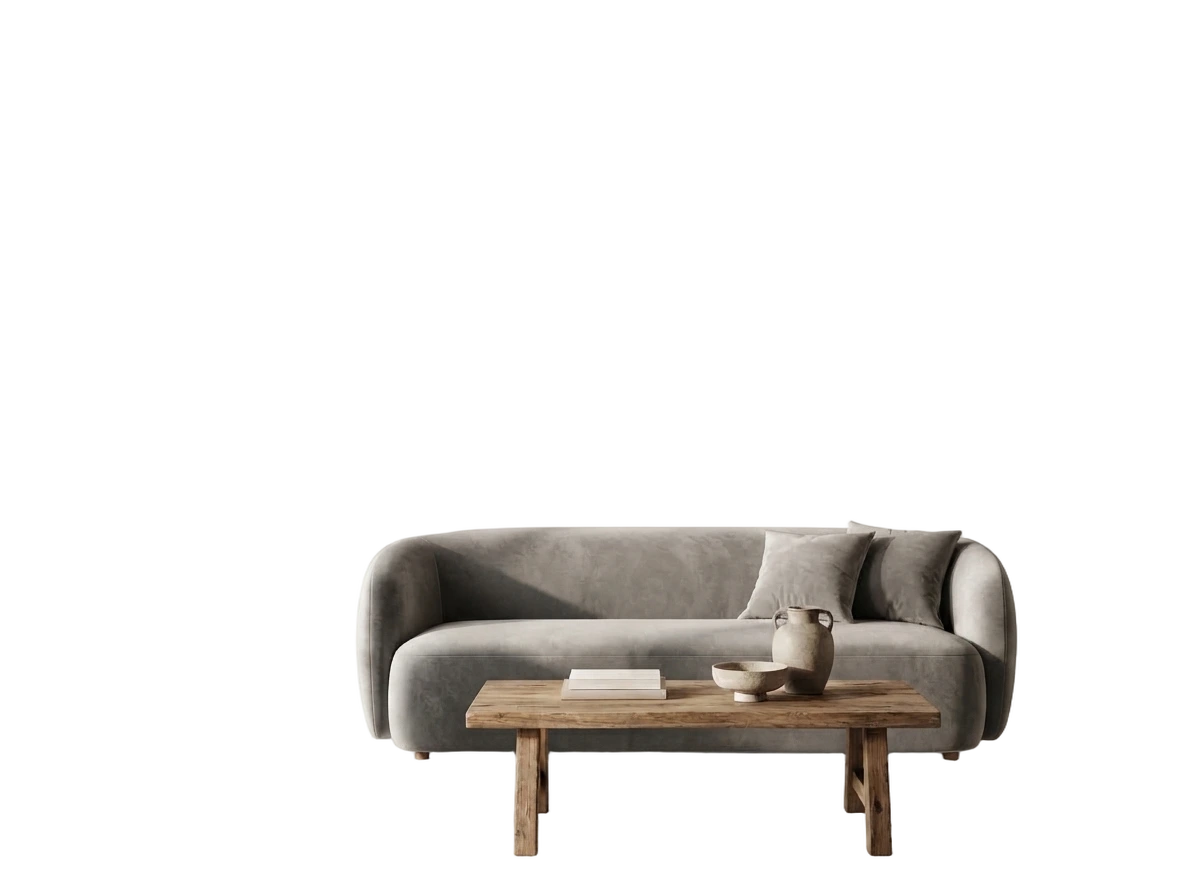
They trusted us

The result, proven
We built this for MyBed: buyers ask for a fabric in their own words and the right ones come back, from a range no filter list could make browsable.
Live in production since August 2026, answering real buyer Polish every day.
542
fabrics, searched in one sentence
MyBed's full range across 21 collections, found by phrases like "soft grey velvet for a hotel". (Source: MyBed deployment.)
Your buyer knows the look they want. "Cozy." "Like linen." "Warm autumn tones." Your filters offer material and price. Your keyword search needs the buyer's words to appear in your product data, and "linen look" is nowhere in "polypropylene, 300 g". So they scroll a grid of hundreds, and most quit before they find it.
Turn "I'll know it when I see it" into a sale.
Put a salesperson's understanding in the search box
## Three things that changes
### Let buyers search the way they talk
Mood, reference, vibe, in their own language.
### Return only real products
The engine picks from your catalog, so an invented result is impossible.
### Show the find on the piece
The exact variant, rendered, before they pay.
What it does
## What a search that understands does for your store
Understand
### The sentence gets understood. The math does the ranking.
The AI reads the buyer's sentence and turns it into a plan: what must be true, what would be nice, which colour, what to sort by. Then plain code scores every item in your catalog against that plan.
No black box. Every result can be traced to the points that put it there, query by query.
[AI Search](https://ar-range.app/products/ai-search/) understands intent, then ranks deterministically: auditable math, never model whim.
[Content Hub](https://ar-range.app/products/content-hub/) is the live catalog it reads: one source of truth, no second copy to drift.
Show
### The buyer sees the exact thing they asked for
Finding is half the sale. A buyer who typed "dark green weave, tall headboard" wants to see that bed, in that fabric.
With the variant matrix prerendered, the exact combination is already an image, so the find appears at page speed.
[Variant Visuals](https://ar-range.app/products/variant-visuals/) prerenders every variant, so there is nothing to render when the buyer arrives.
Learn
### The search log reads demand you can act on
Searched-but-not-found and searched-but-not-bought are gaps with names on them: the fabric everyone asks for and nobody buys, the phrase your catalog has no answer to. Your people tag the catalog and watch results move.
Type the sentence, get the right products, see the exact variant. The buyer who knew what they wanted finally gets to say it.
The search box answers like our best salesperson.
What you get
## 6 things you get
1
### Search in the buyer's own words
Mood, reference, vibe: "cozy", "like linen", "for a hotel", in their language, no collection names needed.
2
### Only real products, ever
The engine picks from your catalog IDs. An invented product is impossible by design.
3
### The find, shown on the piece
Paired with prerendered variant visuals, the buyer sees the exact combination they asked for.
4
### AI spend tied to real shopping
Hostile and off-topic queries are blocked before the expensive model runs, and rate limits cap volume abuse.
5
### Demand data you can act on
Searched-but-not-found and searched-but-not-bought are gaps with names on them.
6
### Ranking levers your team owns
Your people tag the catalog and watch results move; every result is auditable, query by query.
Flagship · case-linked
“
Our customers don't know our collection names. They know 'soft grey velvet'. Now they type that, and the right fabrics come back.
Dominik Tomaszczyk
MyBed.pl
Challenge
Put 542 fabrics across 21 collections within reach of a buyer who searches in plain Polish, on a store where paid traffic was already arriving.
Solution / Results
- Live in production since August 2026, answering real buyer queries every day.
- Understands intent before it ranks: "for a hotel" applies commercial-grade rules; "hotel style" only shapes the look.
- Match quality climbed from 53% to 78% on an eval built from 77 real buyer questions.
Related products
## Products that power this solution
### [AI Search](https://ar-range.app/products/ai-search/)
Understands the buyer's sentence and ranks your live catalog with auditable math.
### [Variant Visuals](https://ar-range.app/products/variant-visuals/)
Prerenders every variant, so the find is shown on the piece at page speed.
Related resources
## Related resources, from the knowledge base
### Why keyword search misses what buyers mean
Semantic search vs keywords, in plain words.
### Enrichment is ranking
Whoever writes your product content is silently tuning your search.
### Bounded AI vs "ask us anything" widgets
Why a search that can only return your catalog is the safe kind.
## This solution drives sales for:
Upholstered beds & fabric-heavy catalogs
Modular sofas & sectionals
High-variant furniture stores
Complex technical catalogs, where we're headed
One honest requirement: a structured catalog.
Thin data searches badly, and enriching it is part of the job.
FAQ
## Questions we actually get asked
We already have filters and a search bar. What does this add?
Filters catch what a buyer can name in your catalog's terms. Most buyers describe a look or a feeling instead, and your filter list has no row for it. This reads the sentence and answers with the products that match it.
Can it embarrass us, invent products, or get talked into nonsense?
It can only return items from your catalog, by ID, so a made-up product is impossible by design. Hostile and off-topic queries are blocked before the expensive model runs.
How much work is this for our team?
You bring the catalog; we wire the engine to it and tune it to your language and range.
Our product data is thin. Will this still work?
Honestly: the data is the ceiling. Supplier specs say what a product is; buyers search for what it looks and feels like. Enriching the catalog is part of the job, and we say so before we start.
What does it cost, and how do we start?
Send us your catalog and twenty real customer questions, the things buyers ask your support or your floor staff. We scope from there.
<10
seconds to an answer in plain language
~50
fabric parameters scored per question
2.2M
prerendered visuals the results show
## Tell us what your buyers type. We'll show you what they should be finding.
Two fields, then it's an email thread with the people who built it. No demo sequence, no drip campaign. We reply by email.
**1M** variants from one source
**Same day** price changes live in the shop
**No-code** configurators the client runs

================================================================================
Page: Sell To New Markets, One catalog, every country | Ar-range
URL: https://ar-range.app/solutions/sell-to-new-markets/
================================================================================
Sell to new markets
# You can ship to five countries. You can only sell in one.
Buyers in each market decide on different facts. Serve every country from one catalog, with the right facts leading each page.
Talk to our team Show me my catalog, per market →
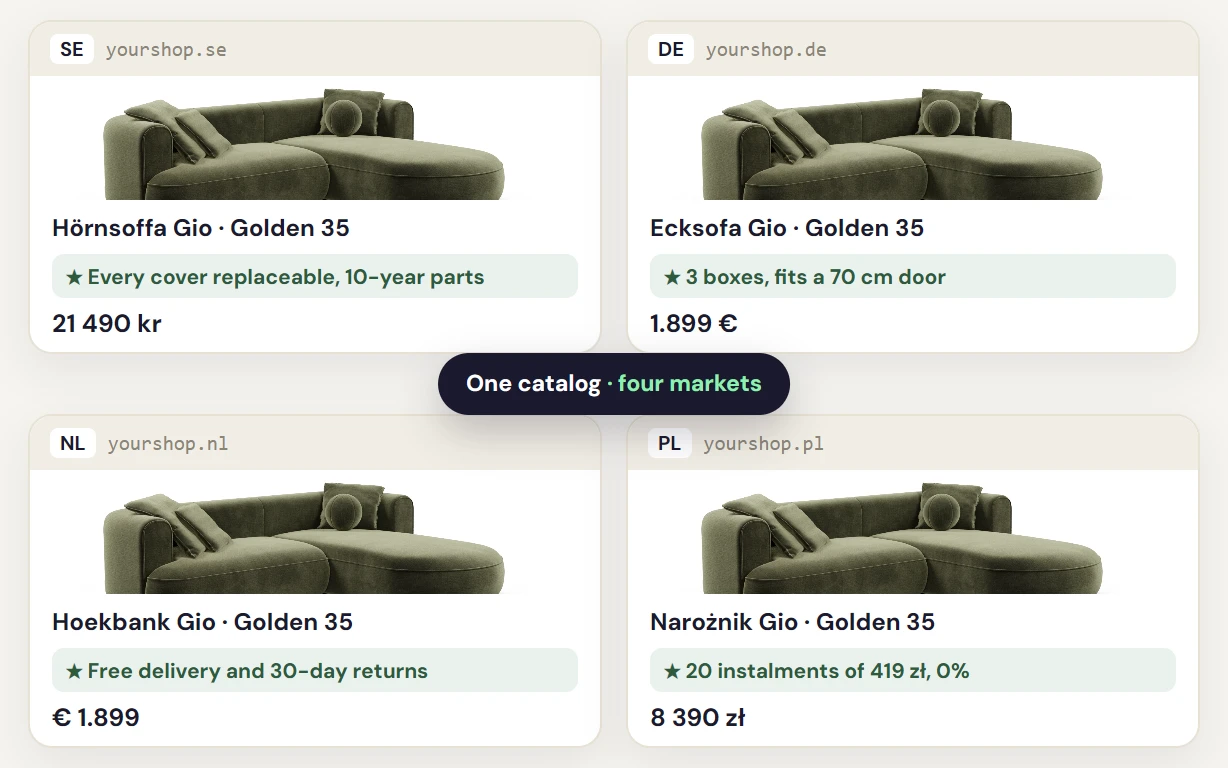
They trusted us

The result, proven
## A bed brand we work with sells into three markets from one catalog.
Poland, Germany and Austria: one brand, one platform, the same configurator on all three storefronts. The German and Austrian pages serve a single German catalog to two markets.
Opening a market was a presentation decision rather than a second shop. Content Hub is multi-tenant and multi-language by construction, so a country storefront is the same mechanism, pointed abroad.
3
market storefronts on one catalog
Poland, Germany and Austria, all live today, all running the same configurator on one shared catalog.
Translate the page, switch the currency, done? In Stockholm they check repairability first. In a Warsaw flat the question is whether it fits up the stairs.
Open the next market without rebuilding the shop.
Keep one catalog. Change what leads the page, per market.
## Three things that changes
### Enter a new market as a presentation decision
Not a rebuild.
### Edit a spec once
Every country page stays correct.
### Lead each page with the fact that sells there
The data does not change. The order does.
What it does
## What one catalog does across your markets
One record
### One catalog. Every market.
Materials, dimensions, package sizes, care, prices and images, entered once as structured data. Every country storefront reads the same record. Content Hub holds the product data once, synced from your ERP or PIM. Variant Visuals renders once, and the same visuals serve every storefront.
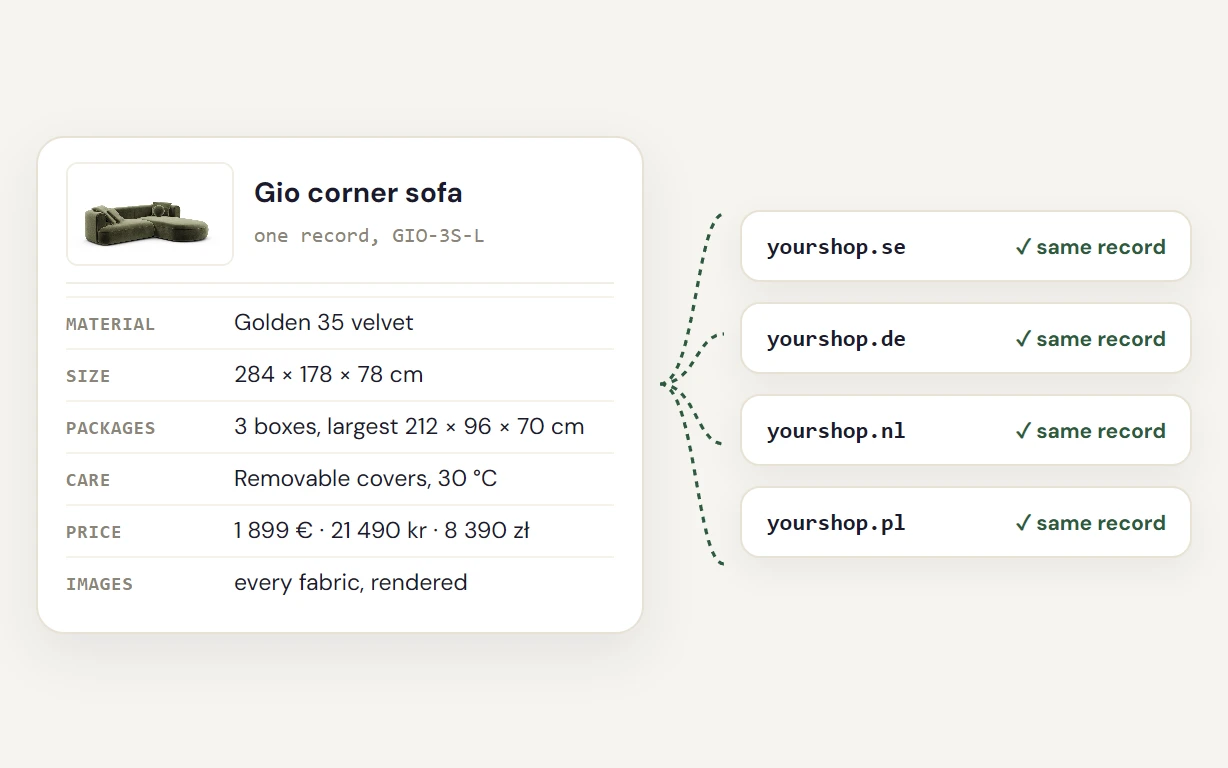
Per market
### Different market, different page.
The data doesn't change. The order does. Repairability leads in Sweden; package-fit leads in apartment cities. Content Hub carries per-market presentation rules: which facts lead, per country. Modular Configurator runs on the same spine, giving a localized configure surface without a second build.
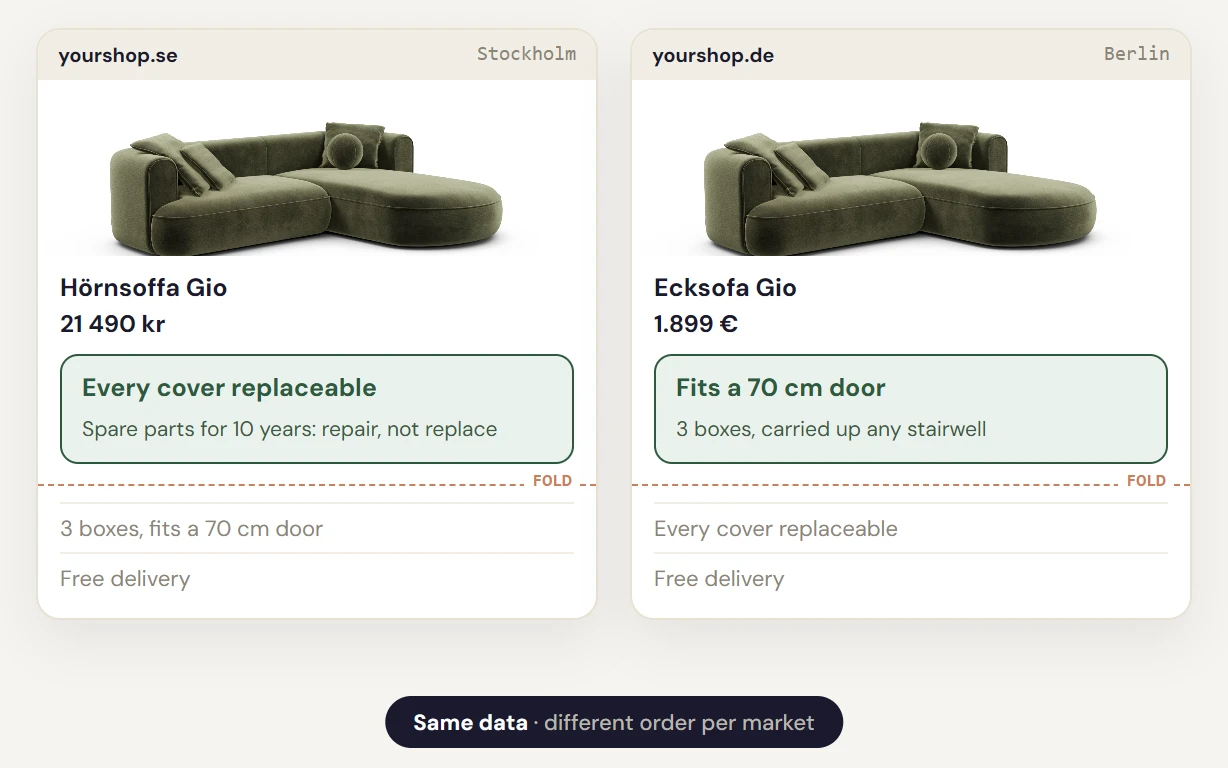
Same catalog, new market rules. Each page leads with what sells there, and a spec change lands everywhere at once.
We opened the German store without rebuilding anything.
What you get
## 6 things you get
1
### One catalog, every market.
Entered once, served everywhere, synced from ERP or PIM.
2
### Per-market page order.
The fact that sells there leads there.
3
### Multi-language, multi-currency built in.
Locale and currency per storefront, not per rebuild.
4
### Keep the stores you run.
A drop-in API per storefront: Shopify, Magento, Shoper, custom.
5
### Specs can't drift.
Edit once; every country page stays correct.
6
### The next market is a decision, not a project.
Presentation rules, not a new webshop.
How it holds up
## Why the next market is a configuration, not a rebuild
### Content Hub is multi-tenant by construction.
Organizations hold projects; every catalog, model and asset is project-scoped. Serving several storefronts from one platform is the shape it already has.
### Locale and currency live on each store integration.
The platform itself runs in two languages today, and one client's German and Austrian storefronts already share a single German catalog. Adding a market configures these; it doesn't rebuild anything.
### The per-market presentation method is worked out.
Which facts lead where, repairability against package-fit against practical value, served through the same API your storefront already calls.
Related products
## Products that power this solution
### [Content Hub](https://ar-range.app/products/content-hub/)
The catalog spine: one source of product truth, presented per market, synced to ERP or PIM and every storefront.
### [Modular Configurator](https://ar-range.app/products/modular-configurator/)
When the product is configurable, the same spine drives a localized configurator surface per market.
Related resources
## Related resources, from the knowledge base
### How Content Hub serves one catalog to many storefronts
The multi-tenant mechanics, plainly.
### Localizing the PDP: which facts lead where
Repairability, package-fit, practical value: matching the fold to the market.
### Multi-language, multi-currency: table stakes vs what actually sells
What localization tools cover, and what they miss.
## This solution drives sales for:
Furniture brands with export demand
High-variant catalogs going cross-border
Brands selling into apartment markets, where package-fit decides
Brands running separate country stores today
FAQ
## Questions we actually get asked
We translated our shop and it didn't sell. Why would this work?
Translation changes the words, not the sale. Buyers in each market decide on different facts, so we change which facts lead the page, not just the language they are written in.
Do we need a separate webshop per country?
No. Keep what you run. Content Hub serves each storefront through the same API, and a country page is a presentation rule, not a build.
What do we need to bring?
Your catalog data: specs, dimensions, package sizes, care and prices per market, and translations if you have them. We structure it from there.
We're only planning one new market, not ten.
One is how it starts. The spine pays off from the first country, and your domestic pages stay correct from the same source.
What does it cost, and how do we start?
Tell us your markets and your store setup. We scope from there: the first market proves it, the next ones reuse the spine.
1 catalog
every market
5 days
to open the latest market
Rules
not rebuild projects
## Tell us which markets you're after. We'll show you the page each one needs.
Your catalog and your target countries. Two fields, and we take the rest to email. No demo booking, no sales sequence. We reply by email.
**1M** variants from one source
**Same day** price changes live in the shop
**No-code** configurators the client runs

================================================================================
Page: Selling Internationally, Localized product pages | Ar-range
URL: https://ar-range.app/solutions/selling-internationally/
================================================================================
Selling internationally
# The same sofa. Different country. Different page.
Selling the same product abroad is not translation. It's selling to different fears, different homes, and different buying signals · from one set of product data.
Talk to our team See how one spine does it →
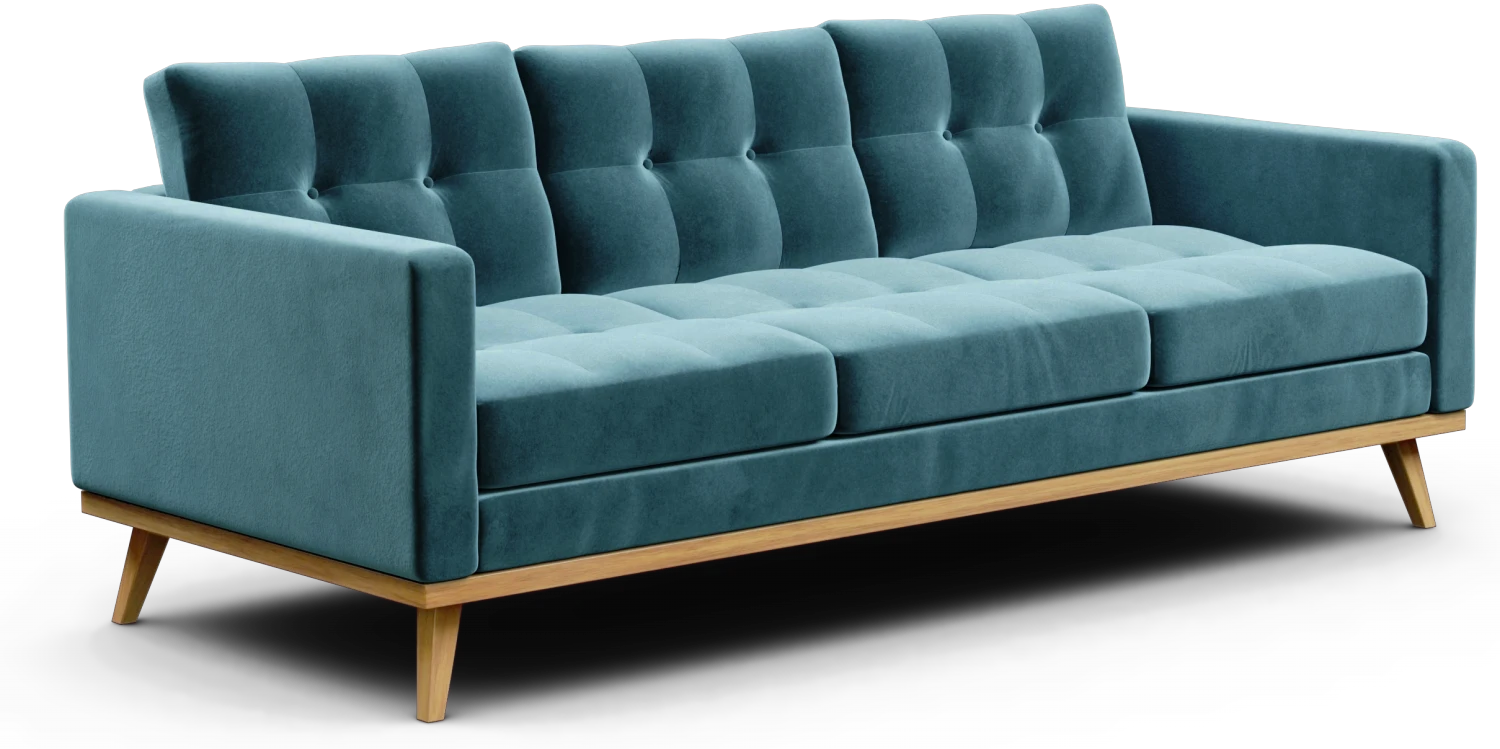
Leads with: repairability & materials12 499 kr
one source
Brands selling across borders with Ar-range

Because selling internationally isn't showing the same information in another language. It's showing the right information, in the right order, to the right person.
Same product. One source of truth. A page that fits the market.
Products that power this solution
## Built on the Ar-range catalog spine.
### Content Hub: the catalog engine.
The catalog and rendering engine that holds the product data once and serves the adapted pages. One spine feeds every market, so which facts lead is a decision, not a rebuild.
[Learn more →](https://ar-range.app/products/content-hub/)
### Modular Configurator: when it's configurable.
When the product is configurable, the same spine drives localized configurator surfaces too · so the buyer configures against the facts that matter in their market.
[Learn more →](https://ar-range.app/products/modular-configurator/)
## For brands selling one catalog across many countries:
Upholstered furniture & bed brandsCross-border e-commerce catalogsMade-to-order & high-variant rangesMulti-market dealer networks
## Stop translating. Start localizing.
One product, every market, one source of truth. Send us your catalog and the countries you sell in · we'll show you the page each market should actually see.
**1M** variants from one source
**Same day** price changes live in the shop
**No-code** configurators the client runs

================================================================================
Page: Showroom Suite, The dealer's full deck | Ar-range
URL: https://ar-range.app/solutions/showroom-suite/
================================================================================
Showroom Suite
# They fell in love in your showroom. They went home with a price list.
In the showroom they have everything. At home they have your quote. Make it a product page for their exact deal, not a code list that starts a price war.
Show me what my buyers should take home See the showroom flow →

They trusted us

The result, proven
## On the floor they have everything. At home they have paper.
On the floor they have the product, the swatches, a rep who answers before they ask. Then they go home to think, holding an A4 sheet of module codes. The emotion is gone. So is your sale.
We built the Showroom Suite for Paradise Grills: one flow from the floor to the back office, across 40+ US showrooms. Won on the floor, decided at home. The suite works both moments.
5 min
to close a custom sale, down from 30+
Paradise Grills digitized checkout across 40+ showrooms: order, agreement, payment and fulfillment, signed and paid in the room or remotely.
The turn
## Send the showroom home with the buyer.
Give the deal its own product page, one they can buy from. Not a PDF, not a code list, not a starting gun for a price war.
1
### Build it with them on the floor.
The exact piece, in 3D and AR, with every option. No stocking every finish to show every finish.
2
### Send it home as a live deal page.
Their build, their price, a buy button, the rep one tap away. The emotion survives the drive home.
3
### Close either way.
POS in the room in minutes, or from the kitchen table. When they are ready to buy, let them.
What it does
## What the Showroom Suite does for your floor.
### The quote goes home as a live page, not a PDF.
At home there's no product, no swatches, no rep. Just your paper against everyone else's price. So don't send paper.
Every deal gets its own product page: the exact build, the price, a buy button, the rep one tap away.
✓Content Hub generates the deal page from the same catalog that priced it.
✓Modular Configurator reopens from the page: change, compare, come back.
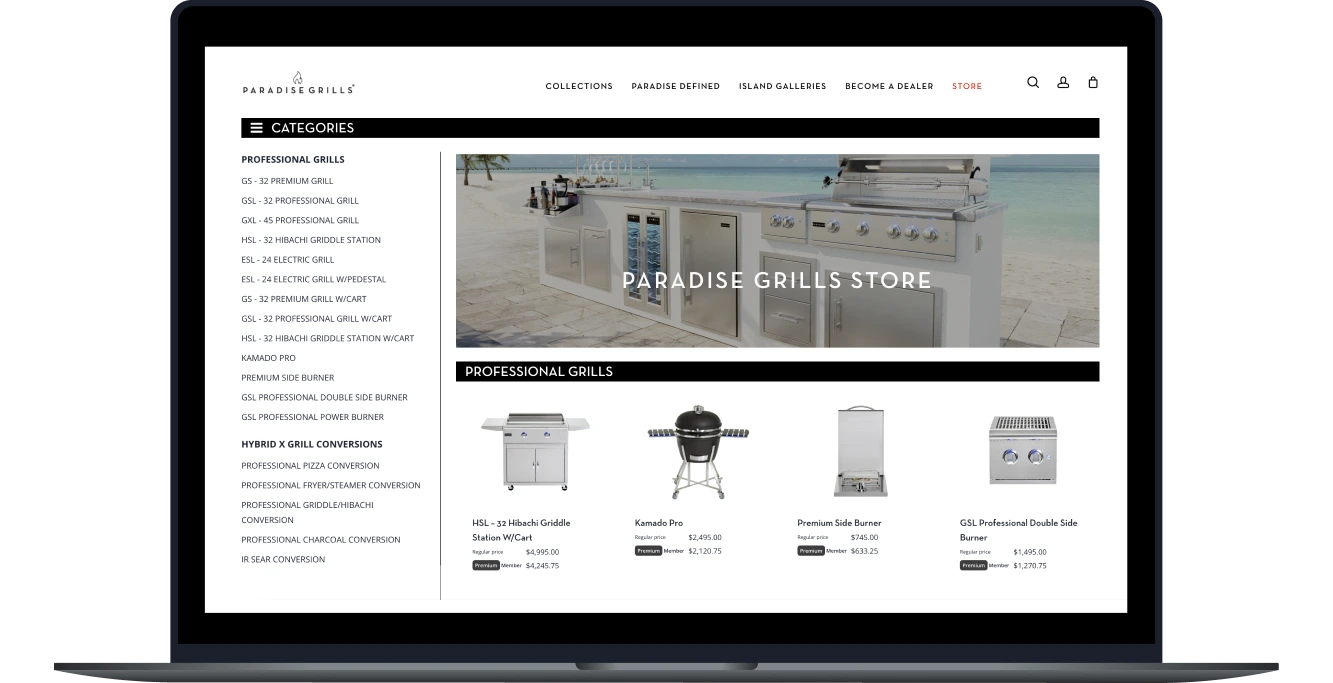
### Show the whole catalog without stocking it.
A showroom can't display every finish and size. The configurator and AR can, on the floor screen and in the buyer's own room.
✓Modular Configurator shows any build in 3D on the floor screen.
✓AR drops the real piece into their space, at true scale, where fit is the last doubt.
### They're ready to buy. Let them.
When it's a yes, POS closes it in 5 minutes: payment, agreement, done. Then they own a sofa they won't see for 8 weeks.
Until the truck arrives, the thing they walked out with is the product. Make it their build, visualized, not a receipt.
✓A QR from the configurator drops the whole build into the order: products, prices, config link.
✓Content Hub keeps prices and specs one source, synced to your ERP.
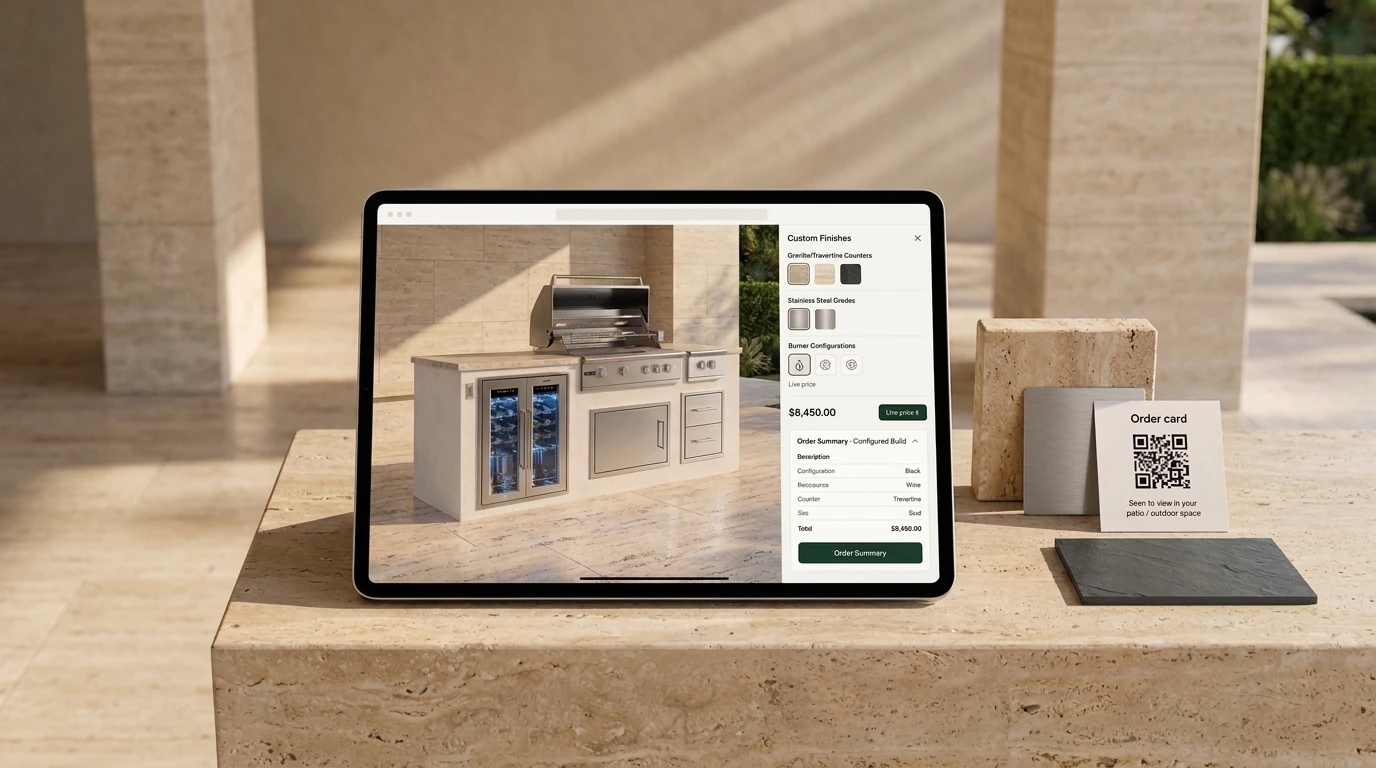
What you get
## Six things you get.
1
### Every deal gets its own product page.
Build, price, buy button. The kitchen-table decision stays on the piece.
2
### One catalog on every screen.
Every finish, size and module, without stocking them.
3
### Close in the room or from home.
POS and paperwork in 5 minutes on the floor; the deal page finishes the rest.
4
### AR for the big pieces.
Real scale in the buyer's space, where fit is the last doubt.
5
### Every showroom, one back office.
Orders, contracts and reporting roll up across locations.
6
### Wired to your ERP.
Prices, specs and orders sync. No double entry.
On the floor you win the buyer with everything you have. Then they drive home to decide, holding an A4 sheet of module codes, and the room you built has vanished.
A deal you can't take home is a deal you'll lose at the kitchen table.
Flagship case · Paradise Grills
“
I am currently very satisfied with the service provided by Ar-range and cannot think of any areas that require improvement.

Dennis Brown
Chief Business Intelligence Officer, Paradise Grills International
Challenge
Digitize a complex custom-sales process across 40+ showrooms: order, agreement, payment and fulfillment in one flow.
Result
- Checkout dropped from over 30 minutes of paper to under 5 on an iPad.
- One back office rolls up orders from every location.
[Read the Paradise Grills case study →](https://ar-range.app/case-studies/paradise-grills/)
Under the hood
## Products that power this solution.
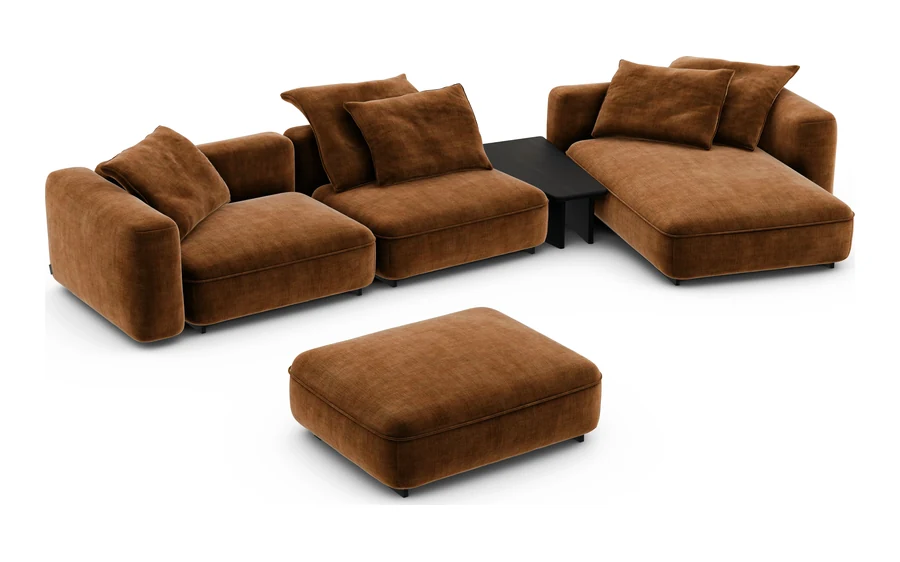
### Modular Configurator
Shows any build in 3D on the floor, with live pricing the salesperson can quote from and a QR that carries the whole build into the order.
[Learn more →](https://ar-range.app/products/modular-configurator/)
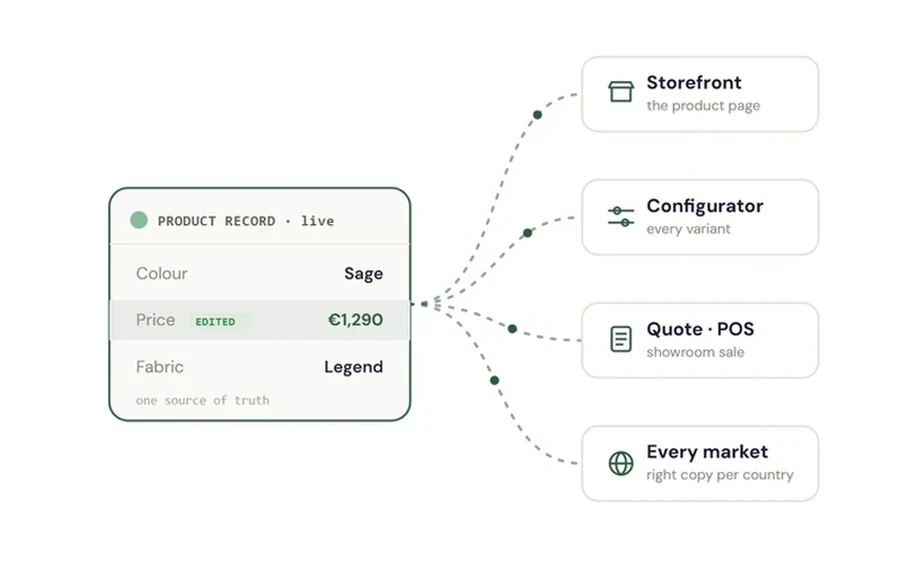
### Content Hub
The catalog and quote engine behind the floor: prices, specs and documents, one source, synced two-way to your ERP. It generates every deal page.
[Learn more →](https://ar-range.app/products/content-hub/)
## Questions we actually get asked.
Our salespeople already close well. Why digitize the floor?
Because most buyers don't close on the floor, they go home to think. The suite arms your reps in the room and keeps selling at the kitchen table: a live deal page instead of a code list, and a 5-minute close for the ones who are ready.
Do we have to replace our POS or systems?
No. We build around what you run and sync to your ERP. Paradise Grills kept their process and payment terminals; we digitized the flow on top.
How much work is this for our team?
You bring what you already run: the catalog, price rules, your agreement templates. We build around them; your reps get a tool, not a migration project.
Will this work across all our showrooms and dealers?
Yes, it's built for multi-location. One back office rolls up orders, contracts and reporting from every showroom, and each floor works the same way.
What does it cost, and how do we start?
Tell us how you sell on the floor today. We scope from there, usually one part first (the configurator or the checkout), then the full flow across locations.
From the blog
- [**Configurators** What kinds are there, and which fits how you sell?](https://ar-range.app/blog-posts/category/configurators/)
- [**Showroom** Selling in the room, not only online](https://ar-range.app/blog-posts/category/showroom/)
## Tell us how your showroom sells. We'll show you what your buyers should take home.
Send how you run the floor today. We'll show you the flow: build it in the room, send it home as a live deal page, close either way.
**1M** variants from one source
**Same day** price changes live in the shop
**No-code** configurators the client runs

================================================================================
Page: Visualize Every Variant, The e-commerce floor | Ar-range
URL: https://ar-range.app/solutions/visualize-every-variant/
================================================================================
Visualize every variant
# They wanted it in green velvet. Your page showed grey.
Every fabric, wood and size you actually sell, rendered and live on the product page. So every buyer sees the exact piece they are about to buy, not "shown in grey, other options available."
Show me my catalog, rendered See it on a live page →
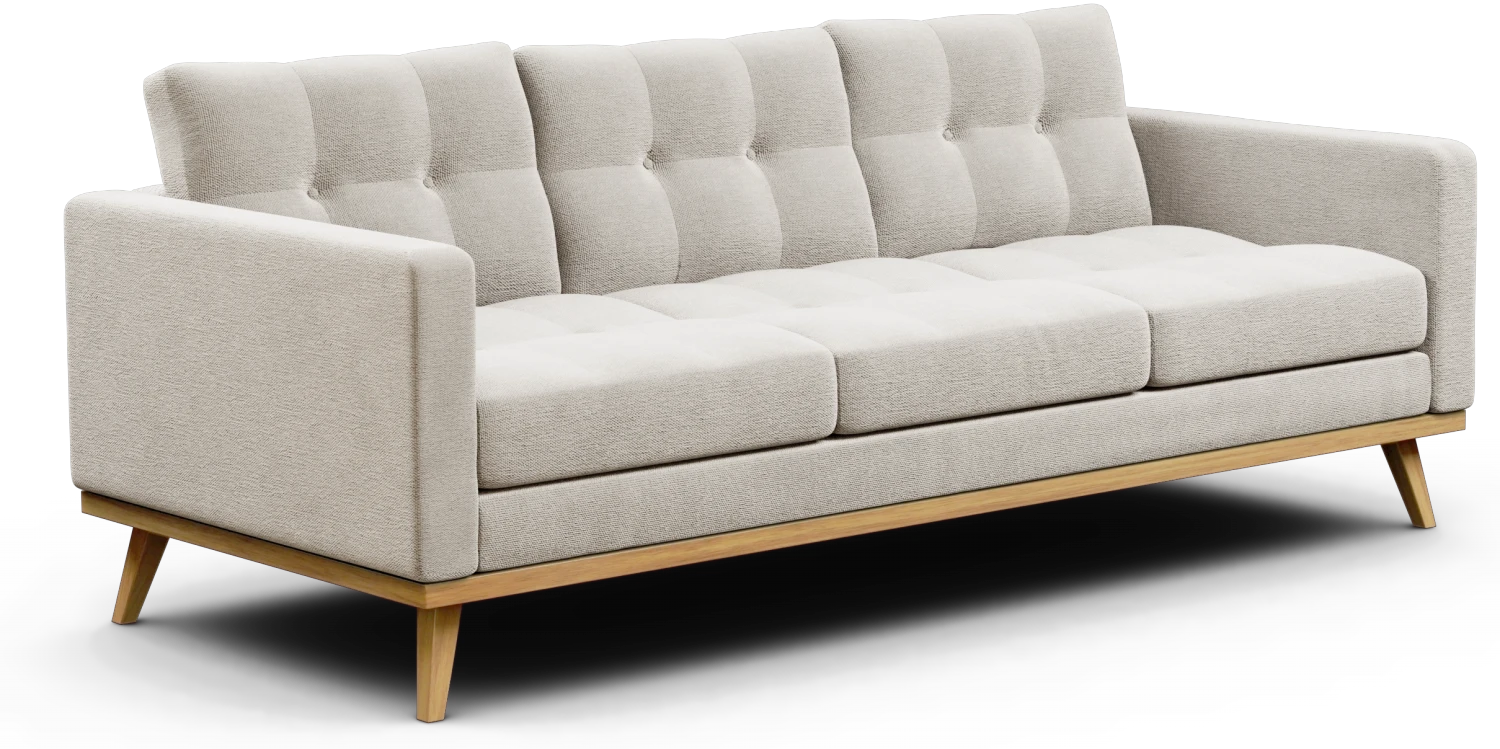
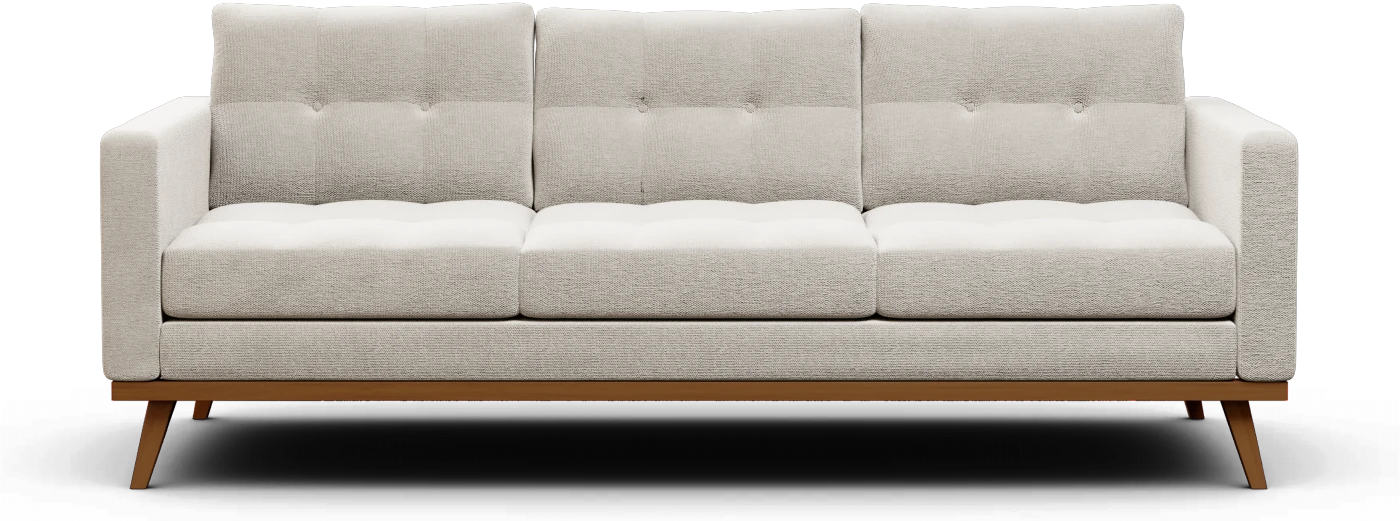
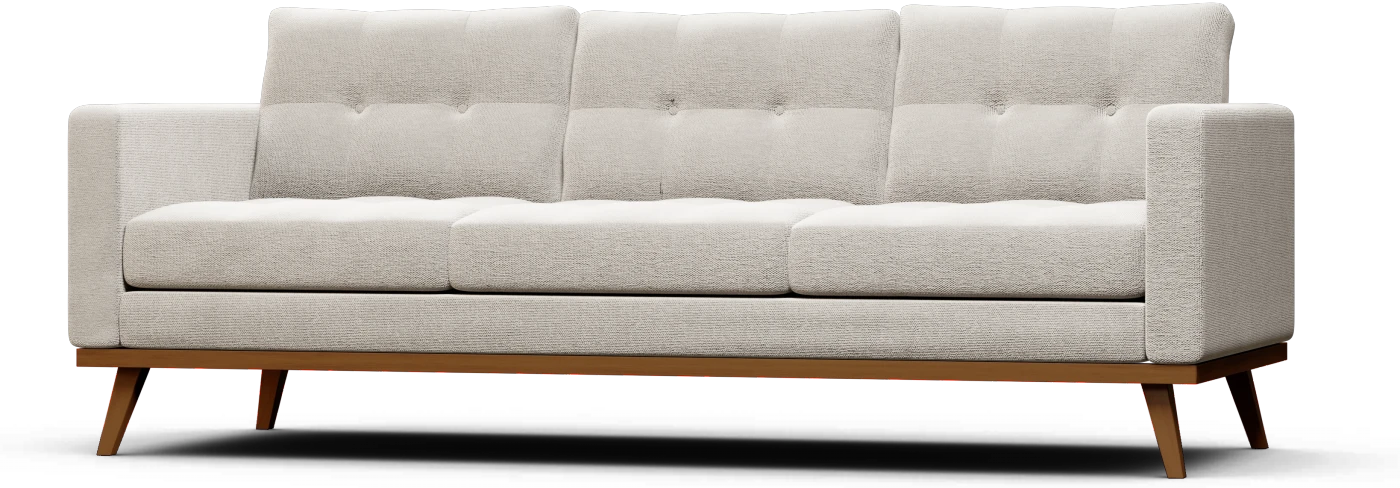
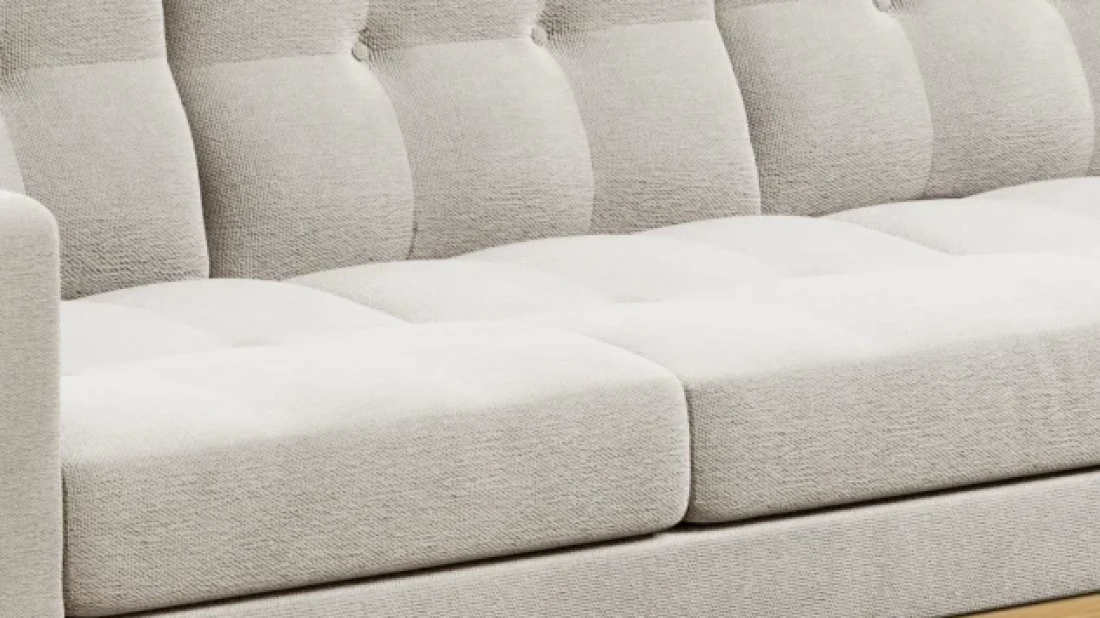
















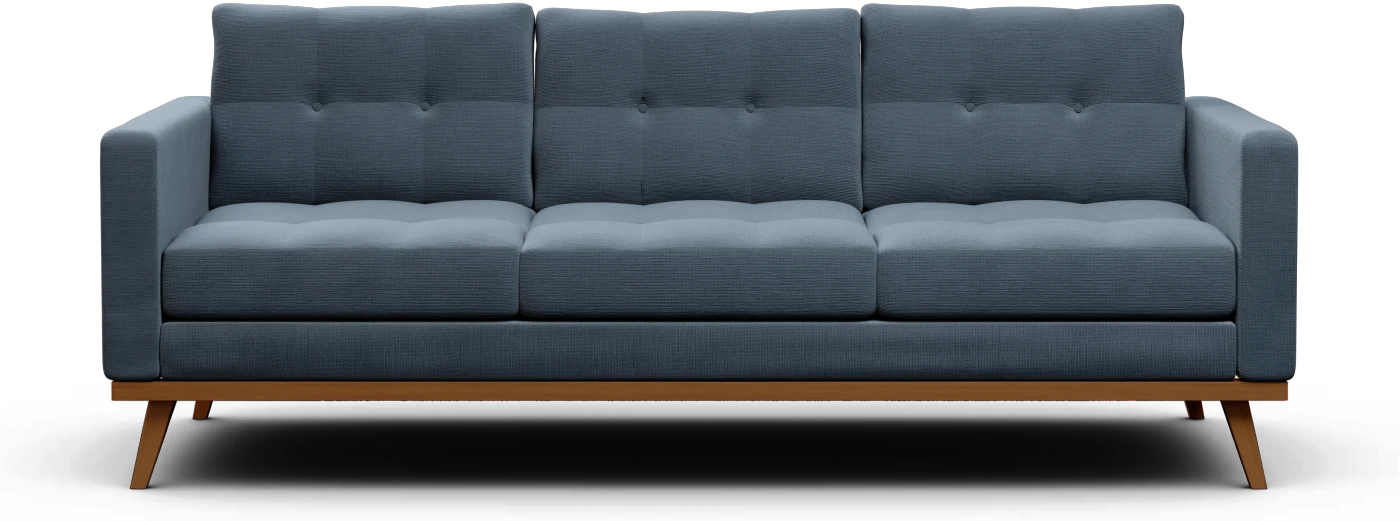
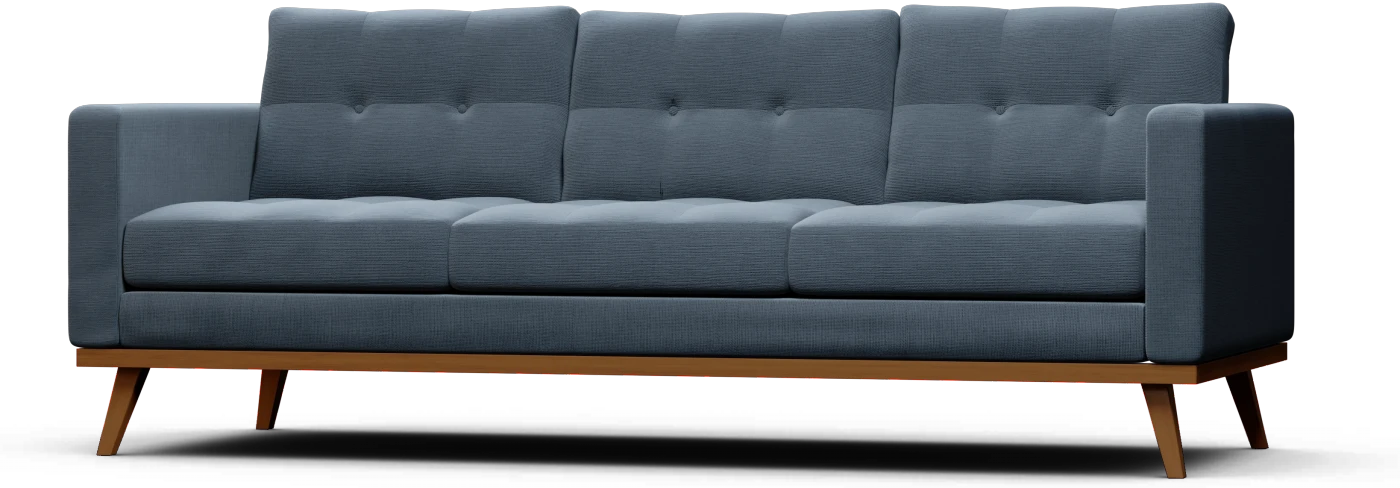
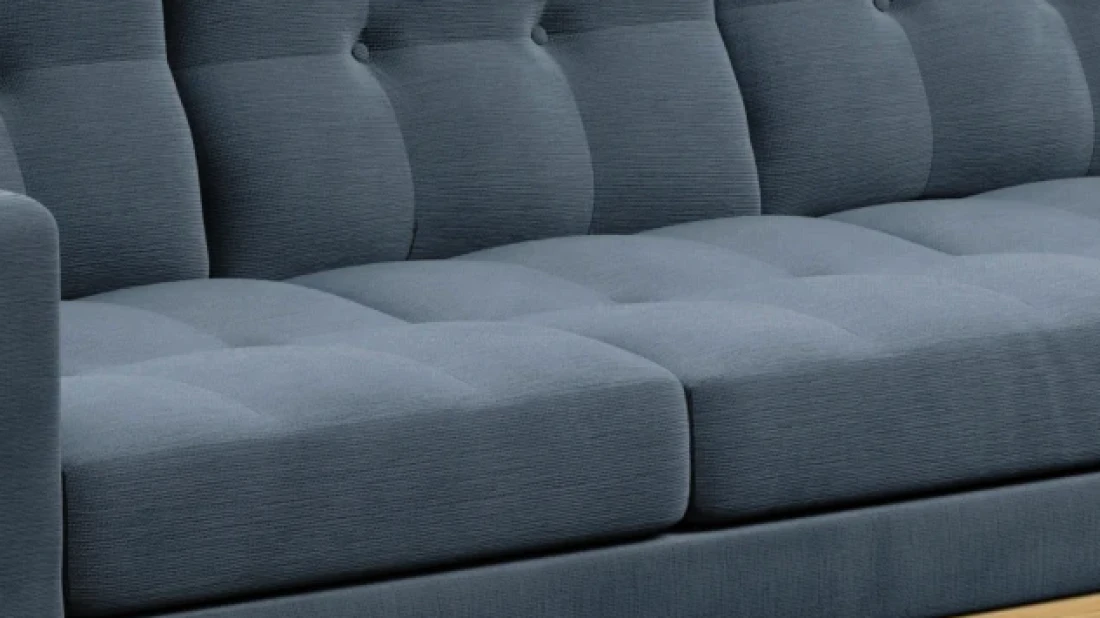
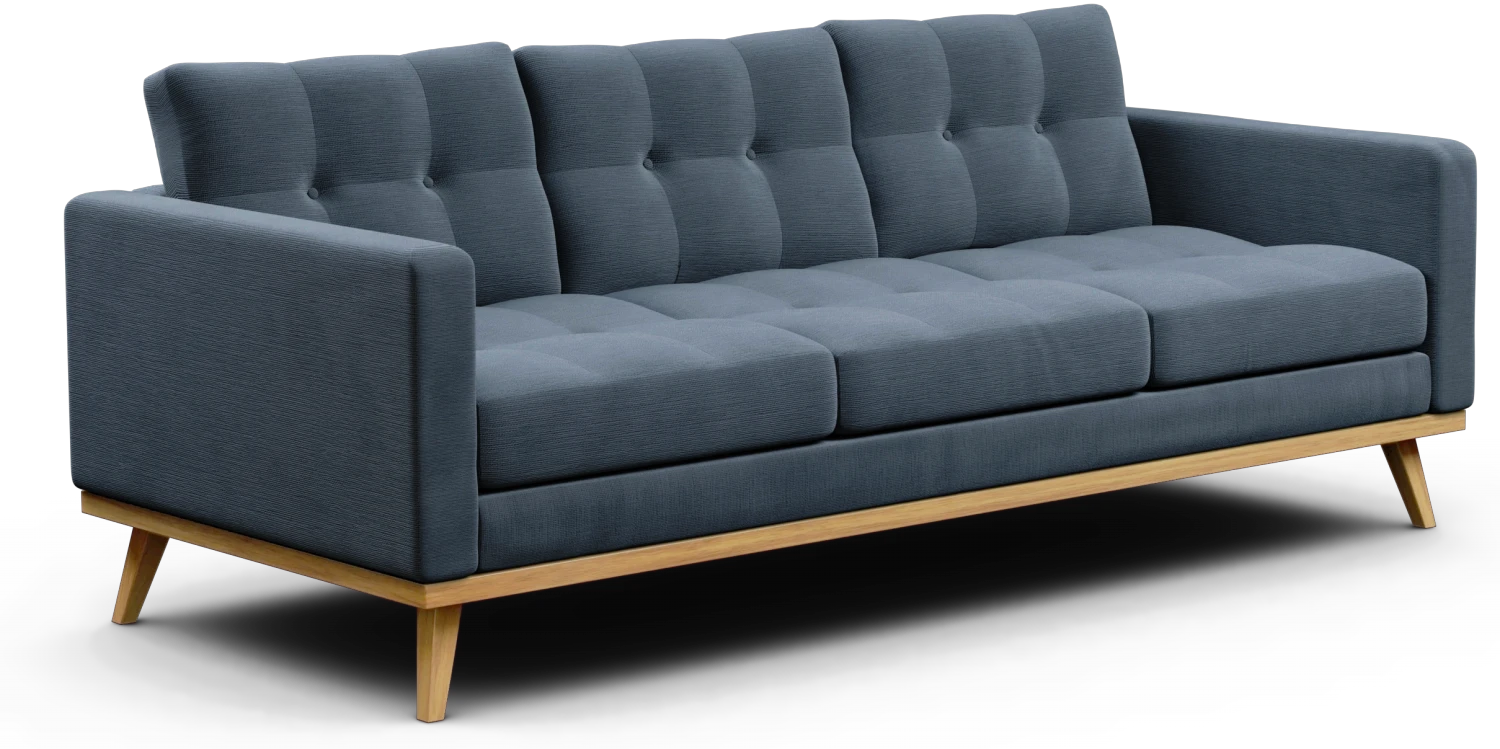
















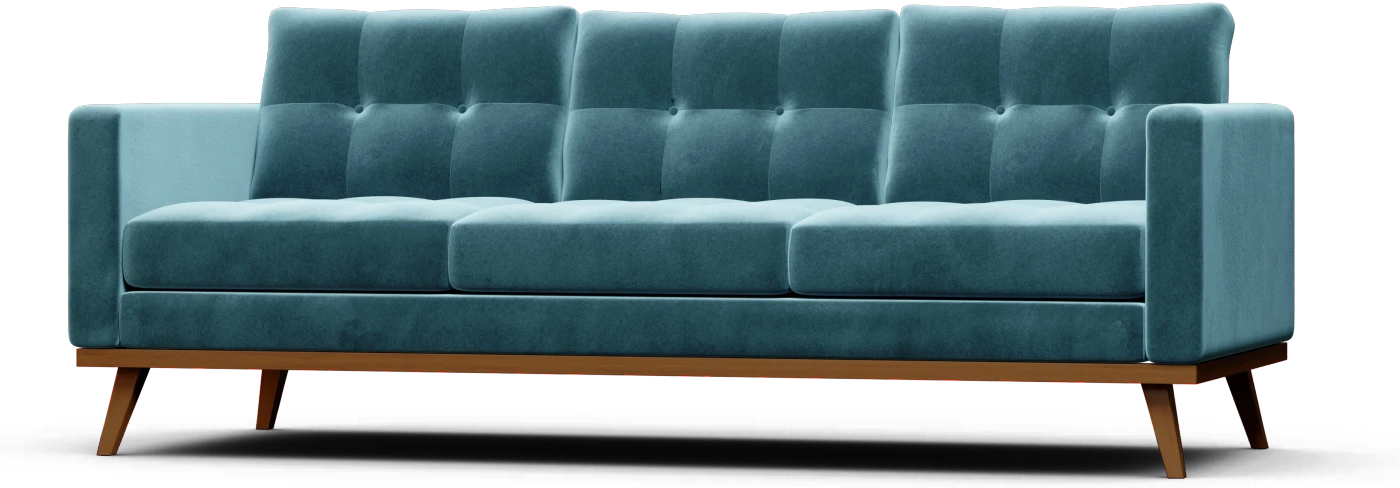
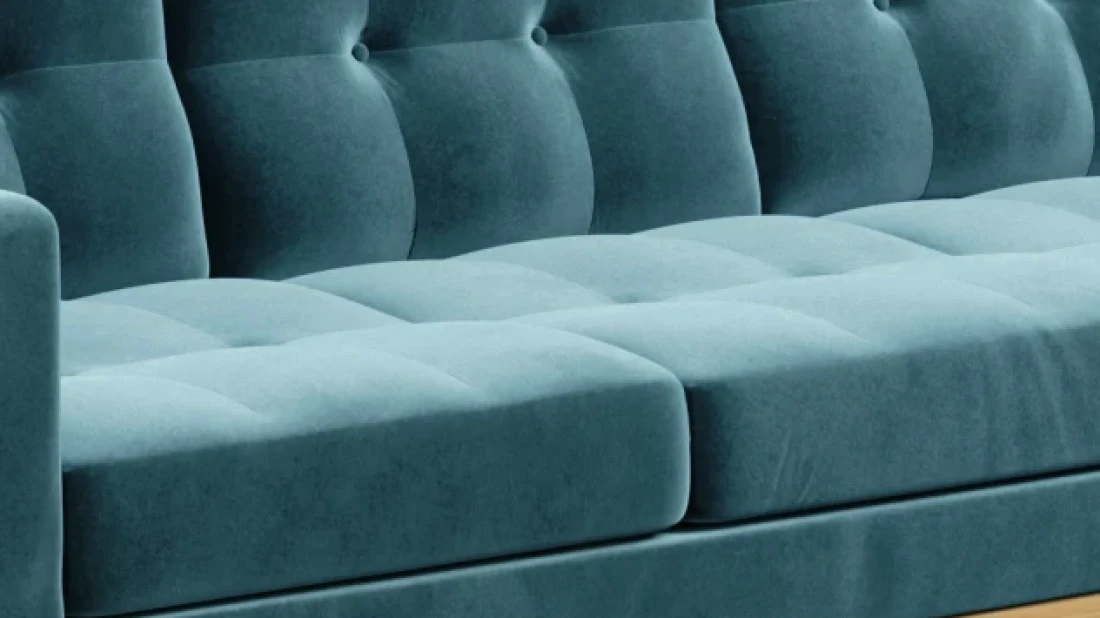

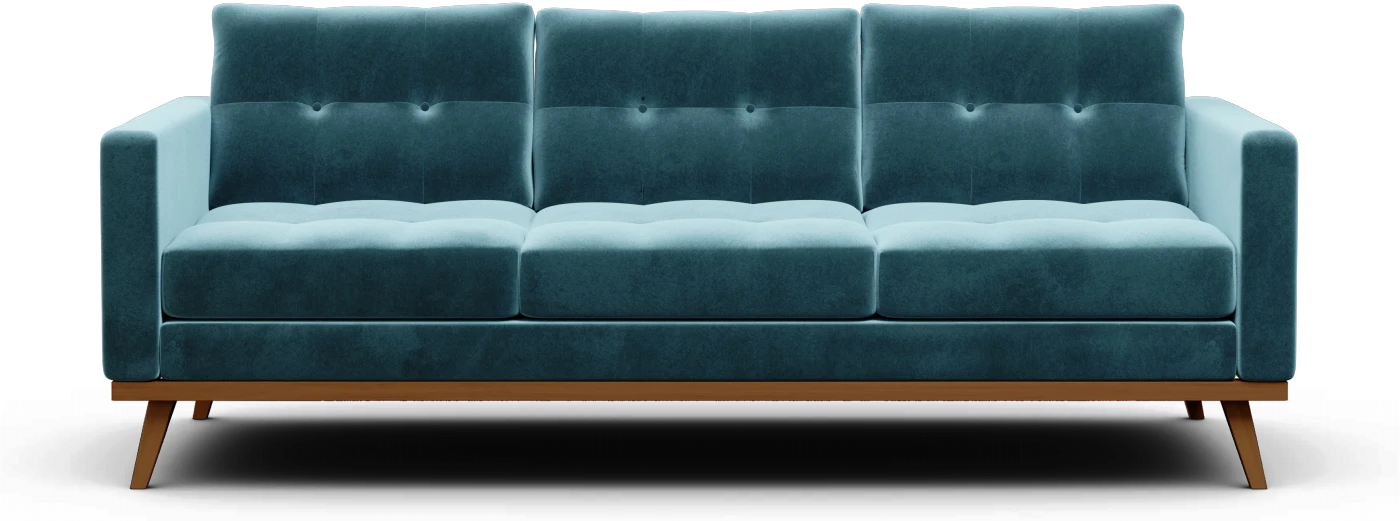
















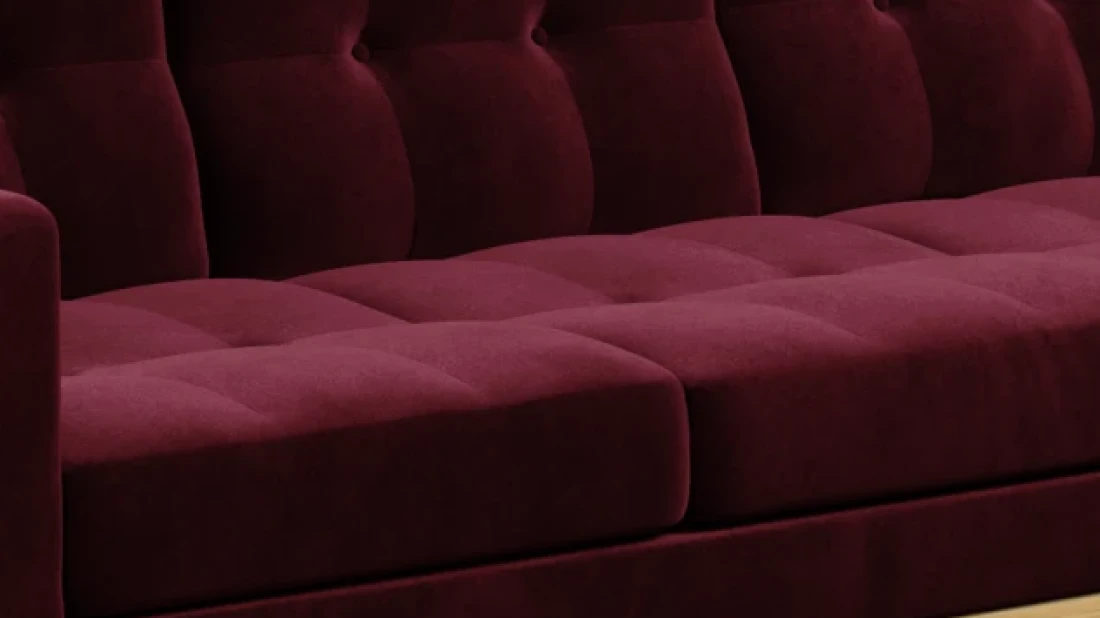
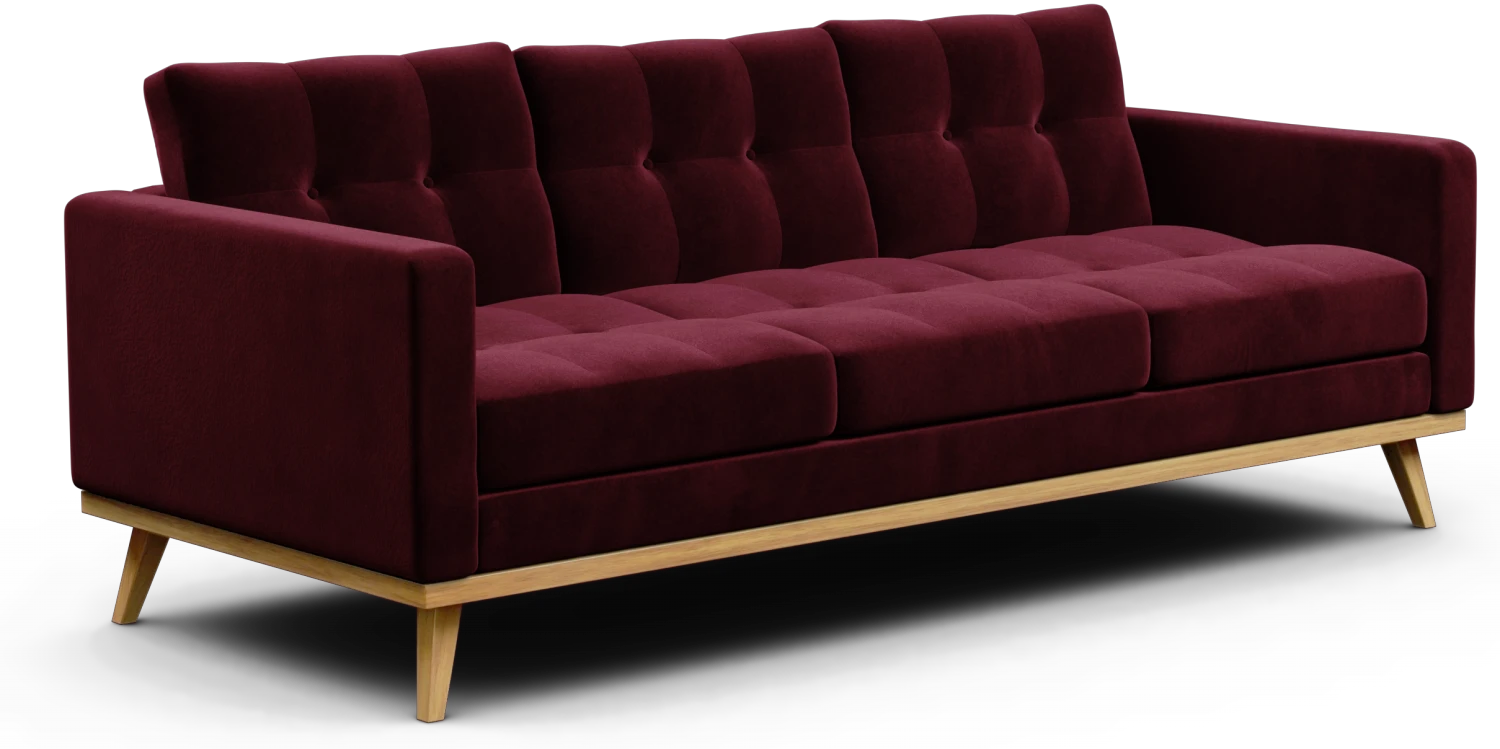
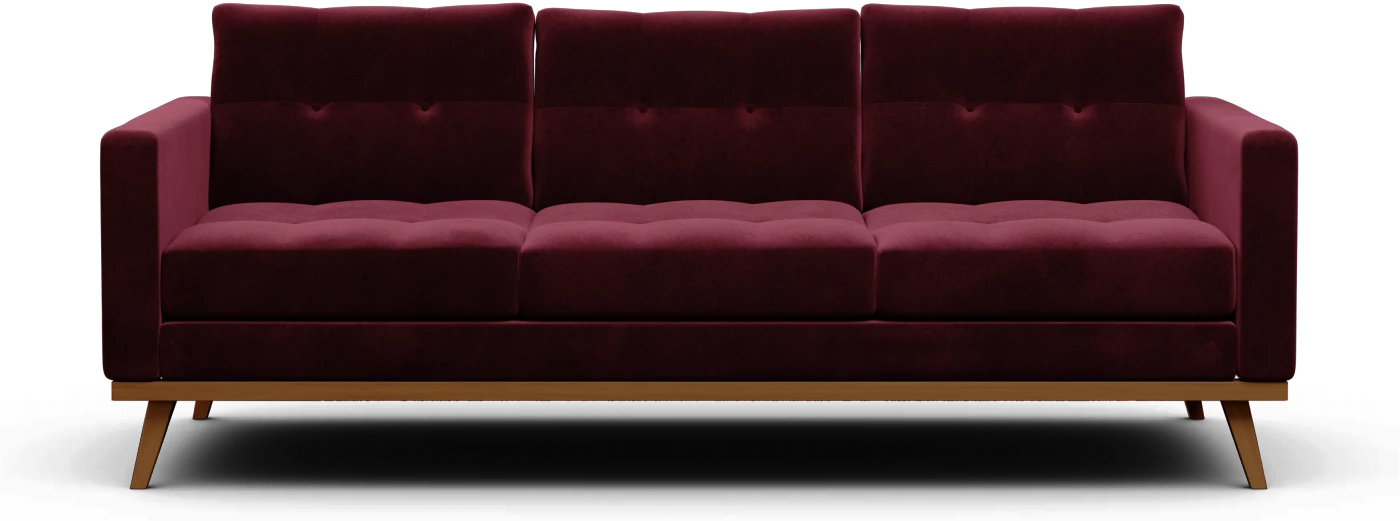
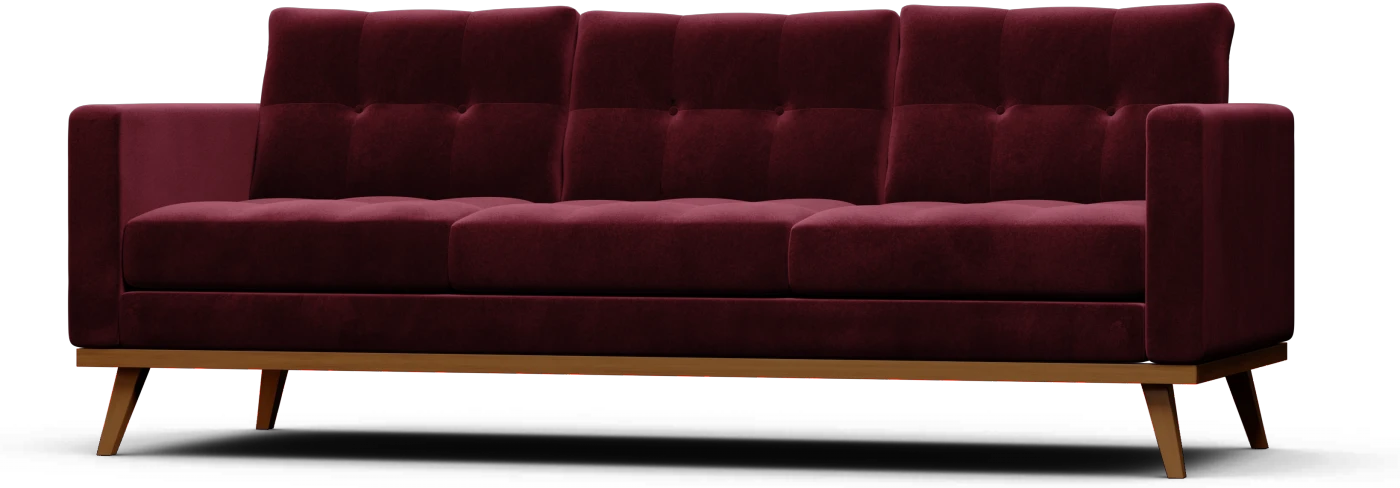
















One 3D model, every fabric, rendered
They trusted us

The result, proven
## What no photoshoot could ever cover: a full catalog, rendered across every configuration, in days.
Rendered once, then served as fast as any ordinary photo. The product page never waits on a render engine, because there isn't one on it.
60,000
Every configuration, shot without a camera
Scandic Sofa's full catalog across 3 angles, in two days. 60+ products, 13 fabrics, 120 colors. (Source: Scandic Sofa case study.)
What it does for your business
## What rendered variants do for your business
### Let buyers explore all visual variants with confidence
Present every combination of your product without manual 3D setup or costly photoshoots.
Customers see every version before they even ask. No wait times, no confusion, no Photoshop mockups.
✓Use 360 Variant Visuals to auto-generate thousands of photoreal variant views from your existing SKUs.
✓Organize and distribute them across your store, CRM and sales decks with Content Hub.
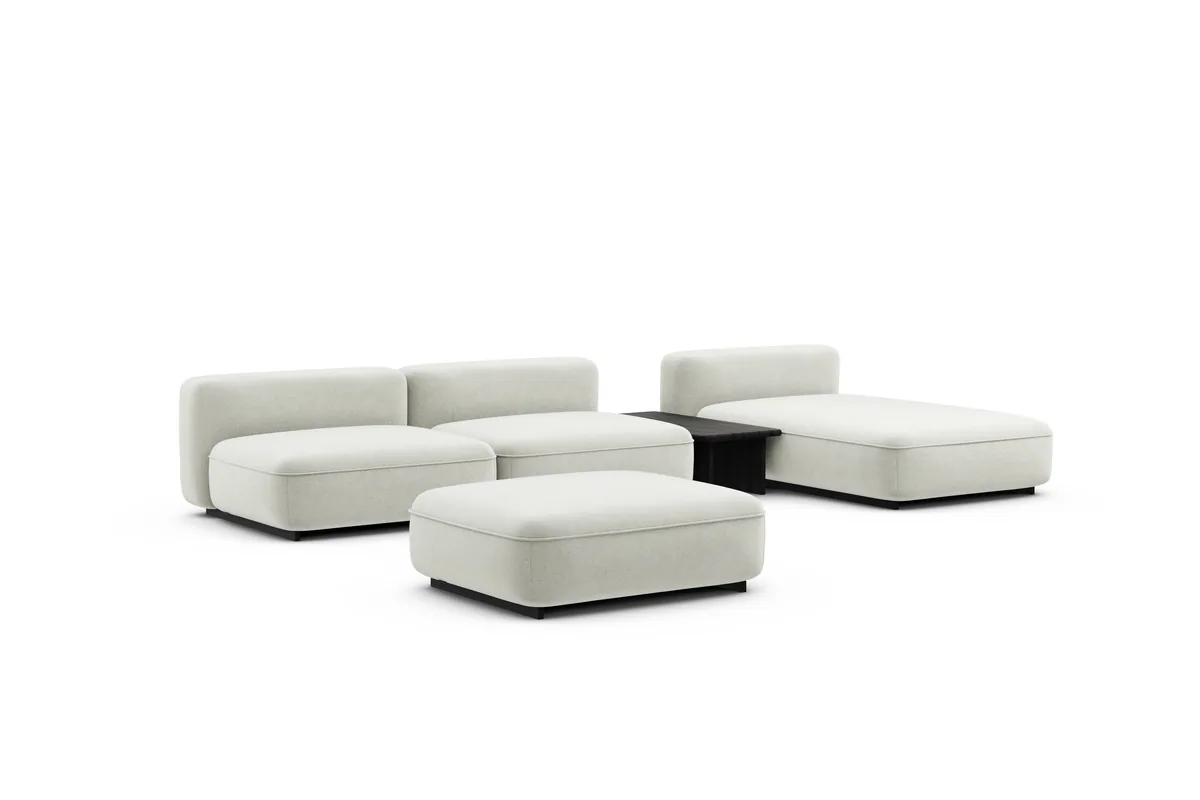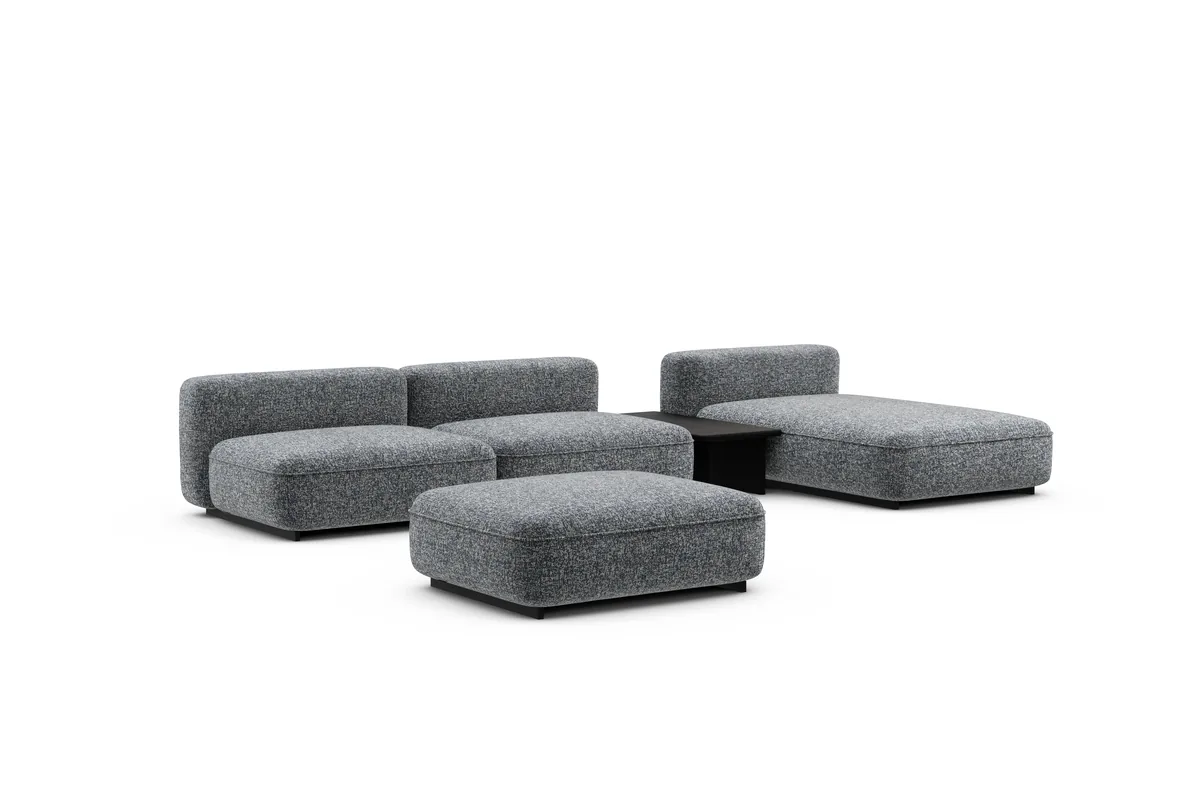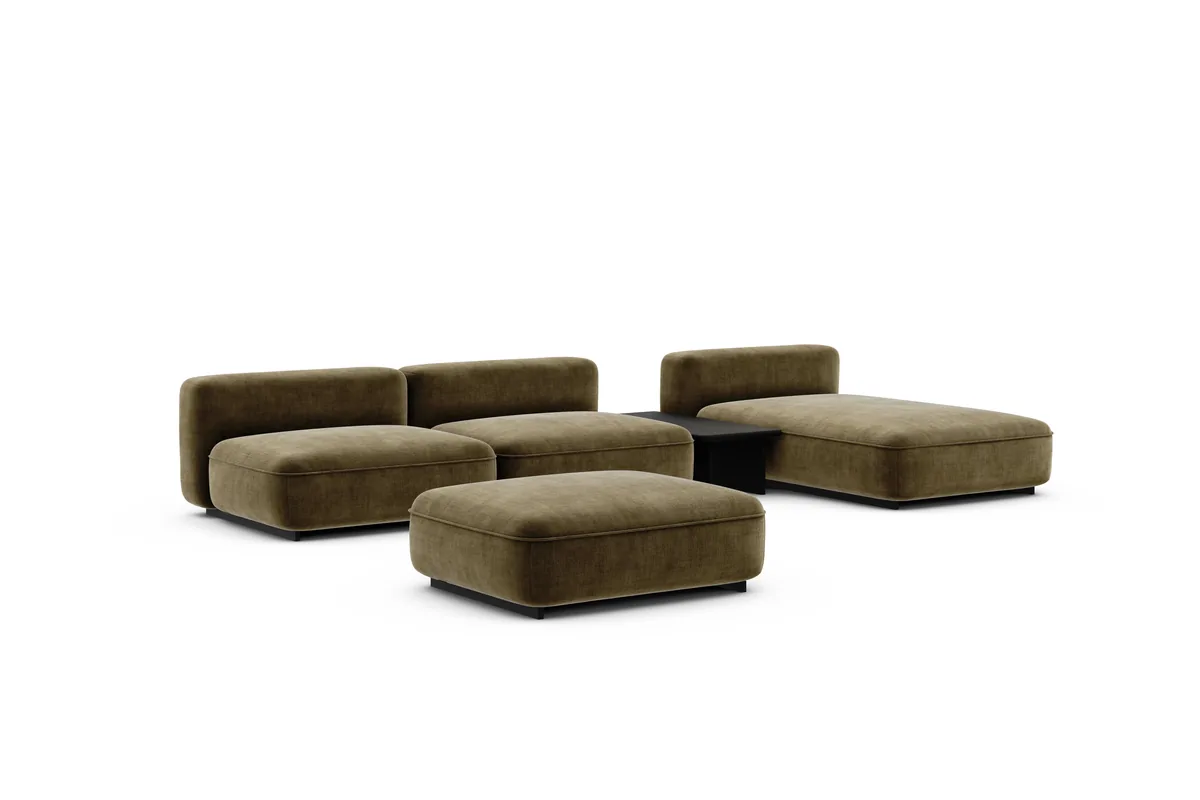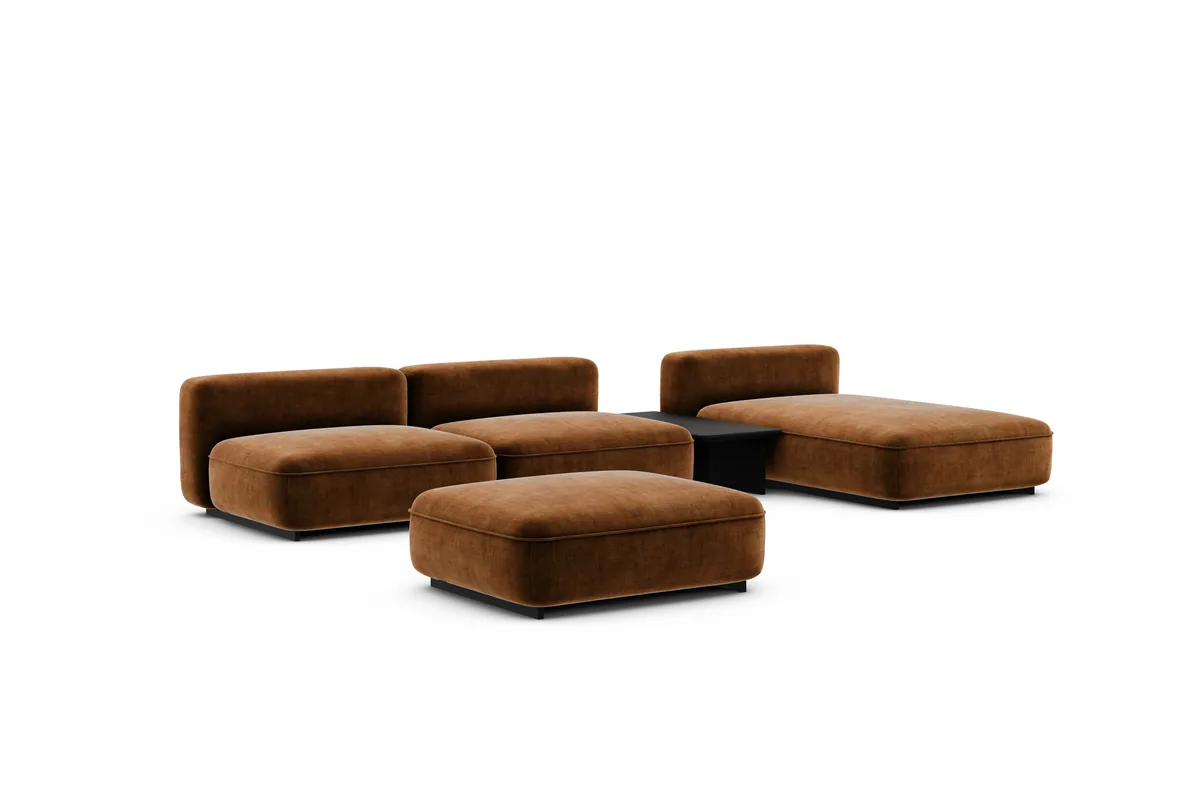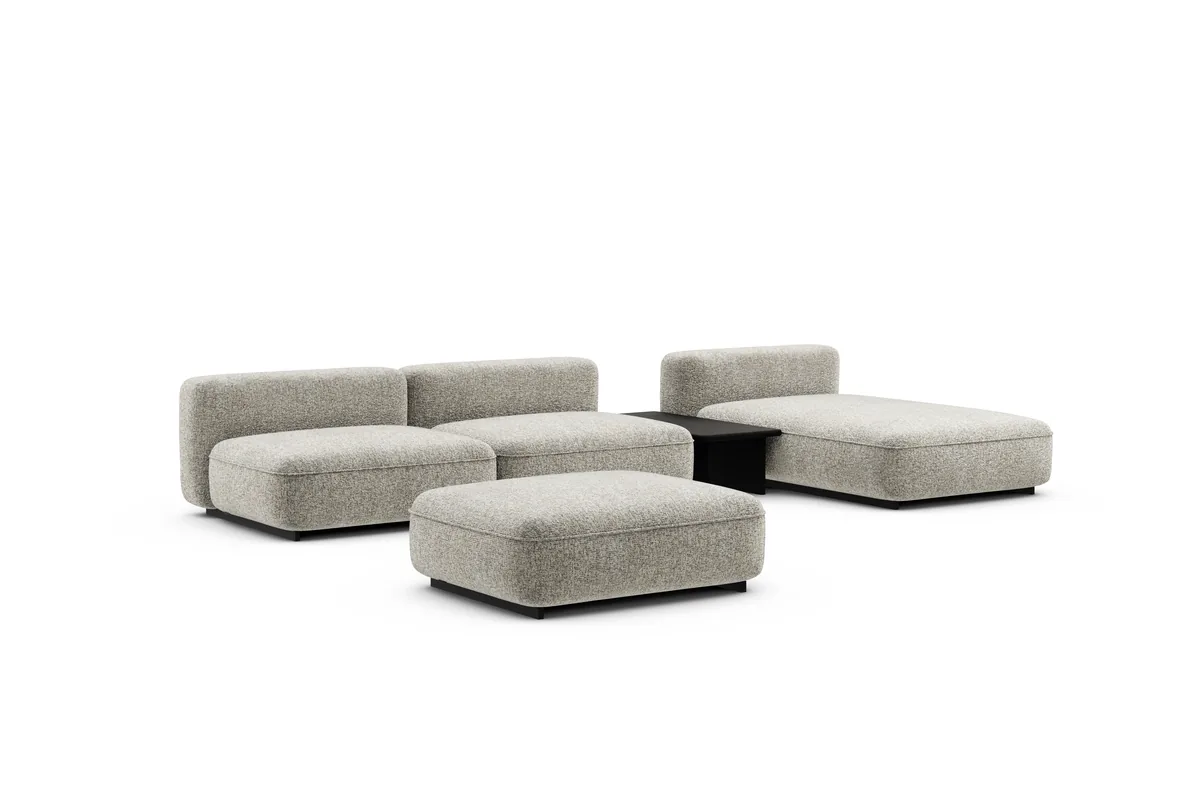
Storm 05 Corbett 78 Golden 34 Golden 56 Corbett 23
 +128 more
### Reduce customer service workload by answering questions visually
You guide buyers to the right choice through visuals, not back-and-forth messages or repetitive calls. You remove friction from every quote.
✓Use the AI Customization Assistant to filter hundreds of options in natural language ("show me beds in light grey with a low headboard").
✓Let your visuals answer questions before they're asked, with searchable, shareable, embeddable content across all channels.
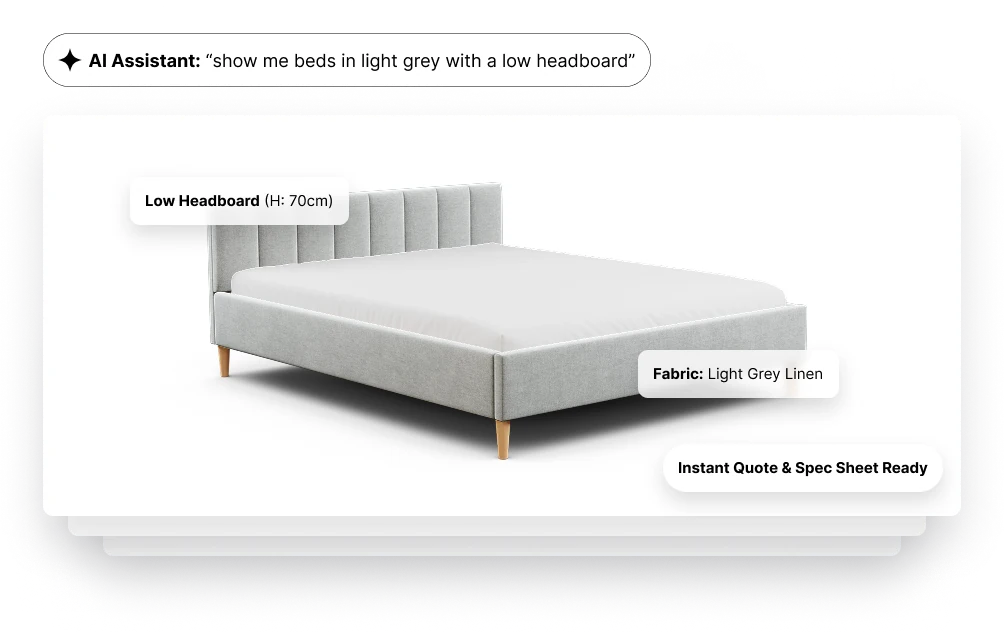
### Speed up quoting and content creation for marketing and sales
You align marketing, sales and production around one truth: the product your customer sees is the product they get. No lighting differences, no surprises.
✓Centralize the visual database with Content Hub, synced to e-commerce, showroom tablets and sample workflows.
✓Link physical samples with digital visuals using QR codes that pull up saved configurations instantly.
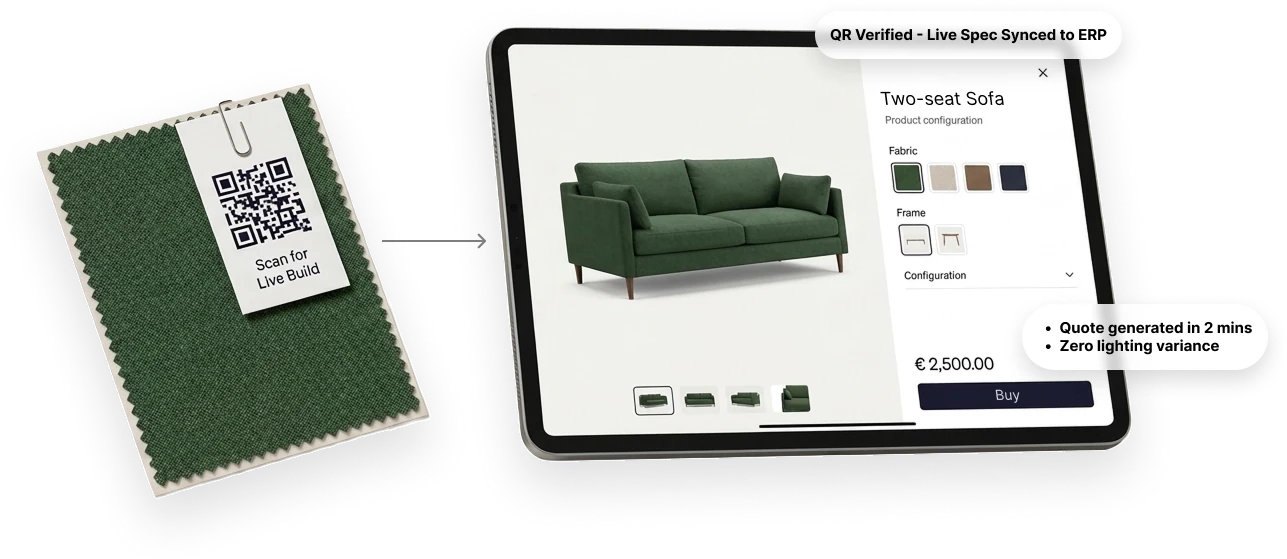
The change, in motion
## Let your product speak for itself.
Let customers see it all. Guide their choice with clarity. Close more sales, effortlessly.
See it on a live product page
What you get
## Six things you get.
1
### Complete and fast, not one or the other.
No render engine sits on your product page, so it loads as fast as any photo while still showing every variant. The 3D engine belongs at the end of the journey, not on the PDP, the position only Ar-range takes.
2
### Promise "every variant" and mean it.
A coverage grid shows every missing combination before launch, so "every variant" is a checked claim, not a hope.
3
### One on-brand look, every channel.
Same light, same angle on every model and option, and the same source feeds web, print and marketplace, so nothing drifts.
4
### Keep the storefront you already run.
A drop-in image API: your shop asks with the IDs it already uses. Shopify, Magento, Shoper, custom, no replatform.
5
### Change a fabric line without a reshoot.
Swap the texture, the affected variants re-render, the old images drop off automatically. A supplier change is an afternoon, not a quarter.
6
### Start with the one product you have today.
You don't need a million-SKU catalog to justify it. The system scales up; it doesn't demand scale to start.
Proof · case-linked · Scandic Sofa
“
Thanks to Ar-range’s efforts, the client saw a higher volume of orders and efficient project management. Their responsiveness and speed made them stand out.

Marta Zgodzinska
E-Commerce Manager, Scandic Sofa
Challenge
Scandic Sofa sells modular sofas in dozens of fabric, colour and leg combinations: a photoshoot for each one was impossible. They needed every variant live on the storefront, fast.
Result
- Over 60,000 images across 3 angles and every configuration, in two days.
- 60+ products, 13 fabrics, 120 colours, 3 leg styles live on the storefront.
- One unified rendering concept, consistent framing and lighting across every category.
[Read the Scandic Sofa case study →](https://ar-range.app/case-studies/mybed/)
The means
## Products that power this solution
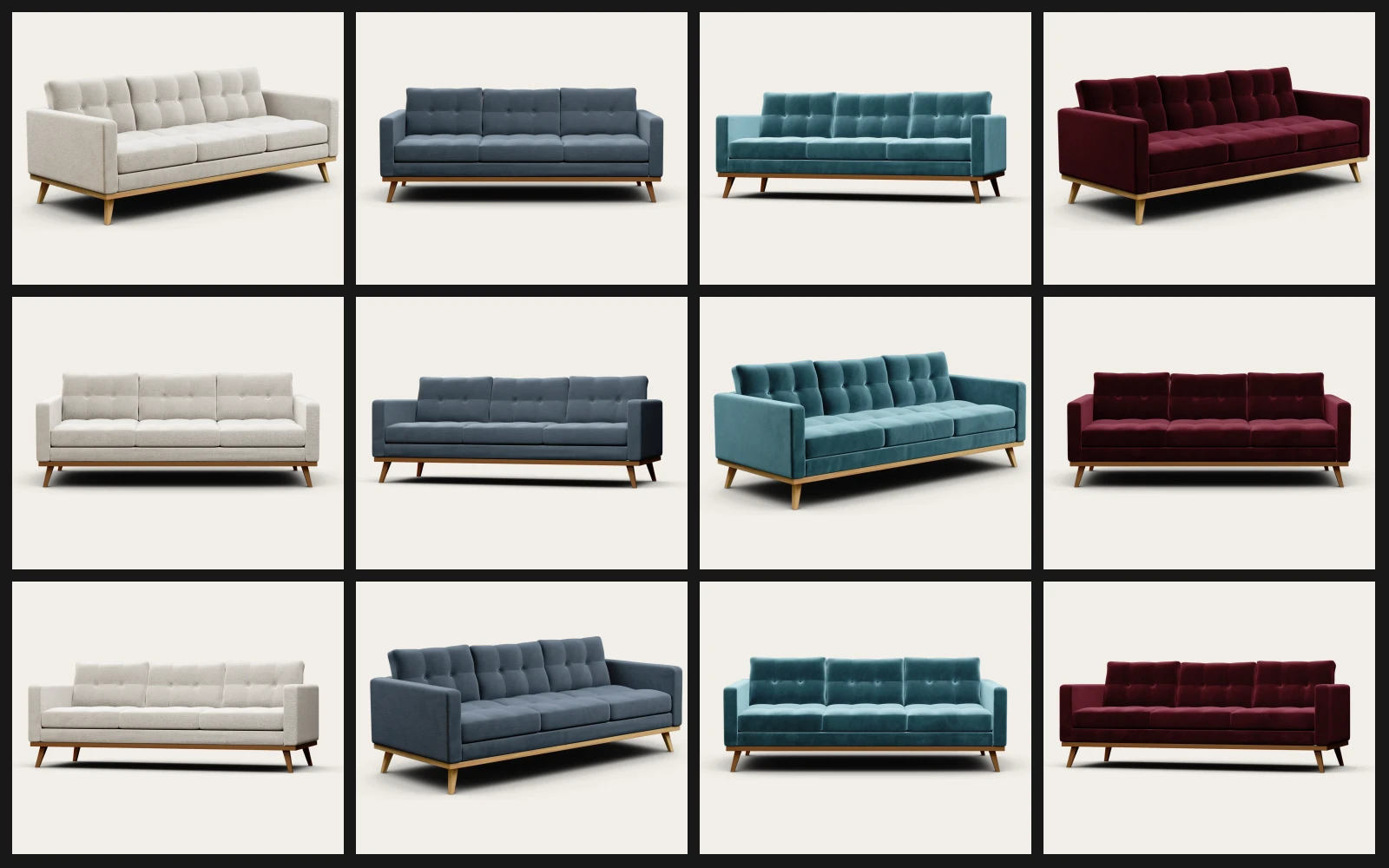
### 360 Variant Visuals
Auto-generate every photoreal variant view from one 3D model, served at page speed.
[Learn more →](https://ar-range.app/products/variant-visuals/)
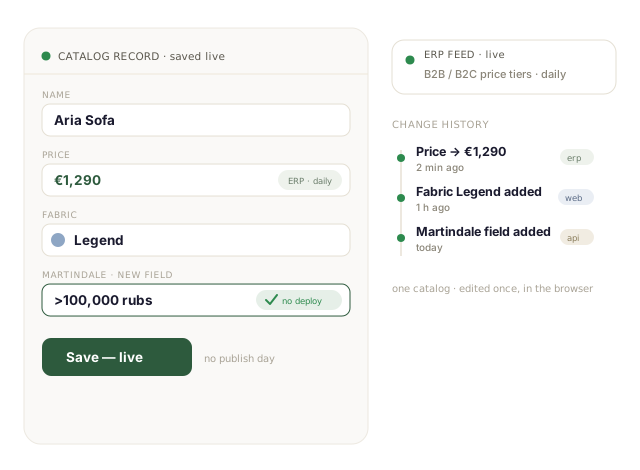
### Content Hub
The catalog spine that holds every variant as data and keeps it in sync, both ways, with your ERP, PIM and shop.
[Learn more →](https://ar-range.app/products/content-hub/)
Related resources
## From the knowledge base
### [Variant Visuals vs Cylindo vs Threekit](https://ar-range.app/solutions/visualize-every-variant/)
How prerendered variants compare to 3D-on-the-PDP.
### [Prepping CAD for bulk variant rendering](https://ar-range.app/solutions/visualize-every-variant/)
What your files need before the matrix renders.
### [The coverage matrix: what "every variant" means](https://ar-range.app/solutions/visualize-every-variant/)
Fabric × wood × size × component, counted honestly.
FAQ
## Questions we actually get asked
We tried a 3D configurator and it killed our page speed. How is this different?
We don't put a render engine on your product page. Every variant is rendered once and served like an ordinary photo, so the page stays fast and still shows every option. A 3D engine, if you want one, goes at the end of the journey, not on the PDP.
Do we have to replace our webshop?
No. It's a drop-in image API. Your storefront asks with the product and option IDs it already uses, Shopify, Magento, Shoper, custom, and the right variant comes back.
How hard is it to get our catalog in?
We build from your CAD or 3D files, or digitize a physical piece. You don't need a million-SKU catalog to start, one product line is enough to prove it.
Does this work for a tight, design-led collection, not just huge catalogs?
Yes. A deliberately small range gets the same uniform, on-brand visual system. Visual discipline is a feature, not a small-catalog consolation.
What does it cost, and how do we start?
Send your catalog and channel mix and we scope from there. Most engagements start with one product line to prove the matrix, then scale across the catalog.
Partnerships and mentions

From the blog
- [**Diagnosing** Is my configurator working?](https://ar-range.app/blog-posts/category/diagnosing/)
- [**Visuals** Product images at catalogue scale](https://ar-range.app/blog-posts/category/visuals/)
## Tell us what you sell. We'll show you the matrix you're missing.
Send your catalog and your channel mix. We'll tell you straight whether prerendered variants are the floor your product pages are missing.
**1M** variants from one source
**Same day** price changes live in the shop
**No-code** configurators the client runs

================================================================================
Page: Built around how your category sells | Ar-range
URL: https://ar-range.app/industries/
================================================================================
Built for
# Built around how your category sells
Configurable, made-to-order categories where the number of variants is the whole problem.
Sectionals that sell
## [Modular Sofas](https://ar-range.app/industries/modular-sofas/)
Corner, chaise, ottoman, a dozen fabrics, three woods. We make every sectional build something a buyer can see and order, online and on the showroom floor.
Explore
Configurators for bed manufacturers
## [Upholstered Beds](https://ar-range.app/industries/upholstered-beds/)
Bed configurators with photo-quality renders for upholstered bed manufacturers, built into the shop you already run. From Poznań, Poland: 120 live on MyBed.pl.
Explore
Configurable by definition
## [Shelving Systems](https://ar-range.app/industries/shelving-systems/)
A shelving system is not a product, it is a grammar: modules, widths, finishes, and the rules for combining them. We make every valid build something a buyer can see and order.
Explore
Configured on the floor, ordered in the room
## [Outdoor Kitchens](https://ar-range.app/industries/outdoor-kitchens/)
An outdoor kitchen is the largest thing most people put in their yard, and every one is built to order. The website is not the shop, it is the reason somebody gets in the car.
Explore
Visual CPQ for made-to-measure
## [Wardrobes & Cabinetry](https://ar-range.app/industries/wardrobes-and-cabinetry/)
Fitted wardrobes are quoted, not picked off a shelf. Visual CPQ turns a measured brief into a picture, a price and an order that production can build.
Explore
Recliners, rows and rooms
## [Home Cinema Seating](https://ar-range.app/industries/home-cinema-seating/)
Home cinema seating comes as one recliner or a whole row, in leathers a showroom cannot stock. Show every layout and finish, so the buyer sees the seating in their own room.
Explore
Builds, quotes and finishes
## [Bicycles & Sports Equipment](https://ar-range.app/industries/bicycles/)
A bike is sold as a build: frame size, colour, groupset, wheels. We render every combination and price it as it is chosen, so the buyer configures the bike they will actually receive.
Explore
Made to the room, priced on the spot
## [Bathroom Cabinets & Vanities](https://ar-range.app/industries/bathroom-cabinets/)
Bathroom furniture is bought to fit a room that already exists. We render and price every width, finish and basin combination, so the customer configures what will actually go in.
Explore
Their artwork on your product, checked before it prints
## [Print Personalisation & Packaging](https://ar-range.app/industries/print-personalisation/)
Custom print is sold one artwork at a time. We put the customer's file on a 3D model of the pouch, box or product, preflight it and send the order to the cart, so the proof by email goes away.
Explore
## If they can't see it, they won't buy it. Let's show them.
Leave your details and we arrange a free consultation with the people who have spent years helping brands sell customised products. You bring the catalogue and the questions. We bring what has worked, what has not, and what it would take for you.
**1M** variants from one source
**Same day** price changes live in the shop
**No-code** configurators the client runs

================================================================================
Page: Bathroom Cabinets & Vanities, Made to the room, priced on the spot | Ar-range
URL: https://ar-range.app/industries/bathroom-cabinets/
================================================================================
Industry · Bathroom Cabinets & Vanities
# The bathroom already exists. The furniture has to fit it.
Width to the centimetre, a basin that suits it, fronts in a finish chosen against the tiles, and a budget decided before any of it. That is four decisions the catalogue cannot show together, and the reason quoting a bathroom takes a morning.
Talk to our team See what changes →
They trusted us

Why bathroom furniture resists a catalogue
## A vanity is sold against a wall you have never seen.
Widths in five steps, two basin types, a dozen front finishes, handles or handleless, wall-hung or floor-standing. The showroom displays four of them, and the other several hundred live in a price list.
So the customer describes their bathroom, someone builds a quote by hand, and a day later a number arrives with no picture attached. Meanwhile the sale is being decided in a shop that answered faster.
1
cabinet range, every combination
The range is modelled once. Widths, fronts, basins and handles are applied to it, so every combination renders from the same source, and a new finish reaches the whole range at once.
In the meeting
a bespoke bathroom is quoted with a picture
0
quotes sent without a picture
One
record behind shop, showroom and quote
What changes for you
## From a price list and a promise to a picture and a price.
### The unit is built to the wall, not picked from a list.
Width, height and depth are inputs. The customer sets the space they have and the model rebuilds, instead of choosing the nearest catalogue size and hoping.
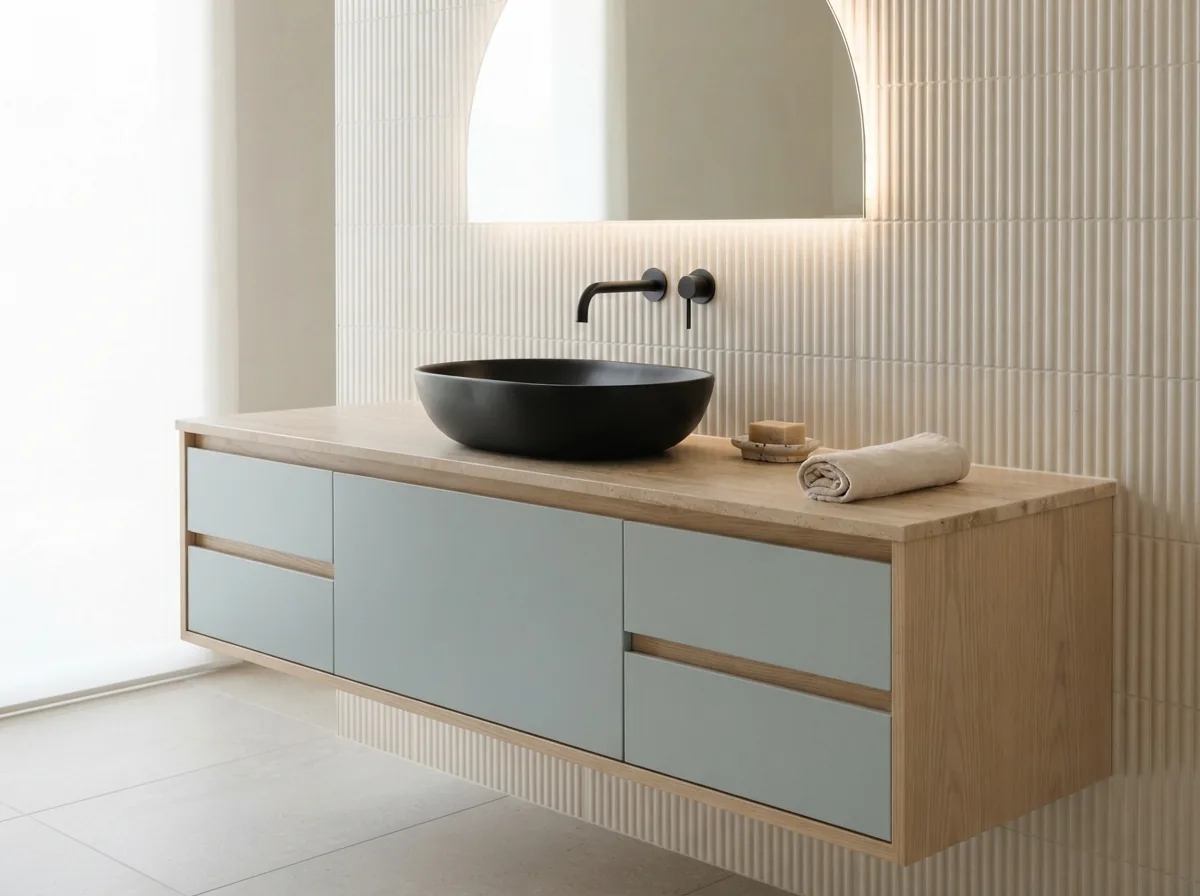
### Fronts and basins are seen together.
The finish that sells a bathroom is the one that works against the tiles and the basin beside it. Rendering the combination is the only way to show that, and photographing every pairing is not possible.
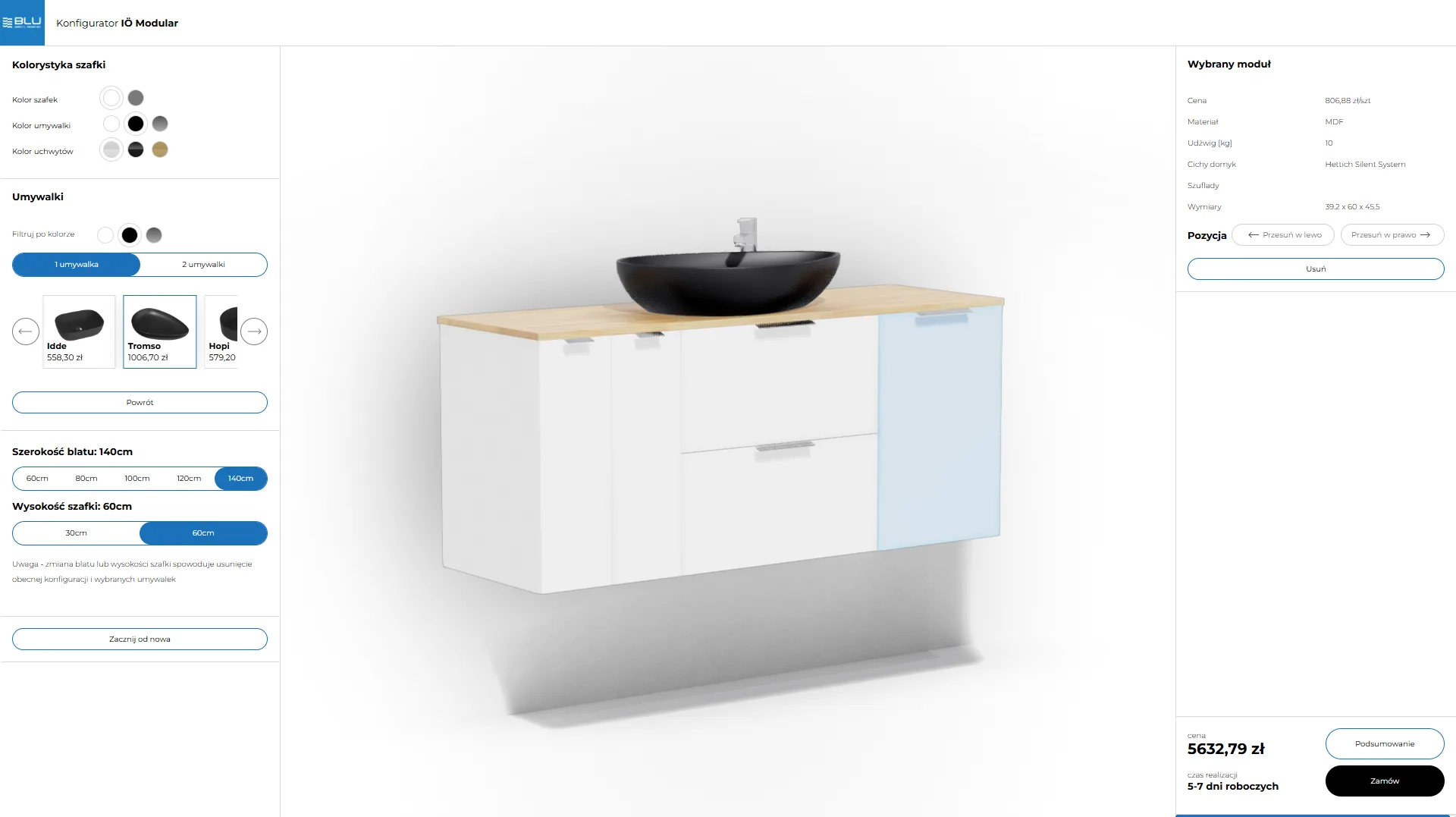
### The quote leaves with the render on it.
Configure, price, quote as one motion. The offer carries visuals of that exact unit, so the customer is comparing their bathroom against a number, not a number against nothing.
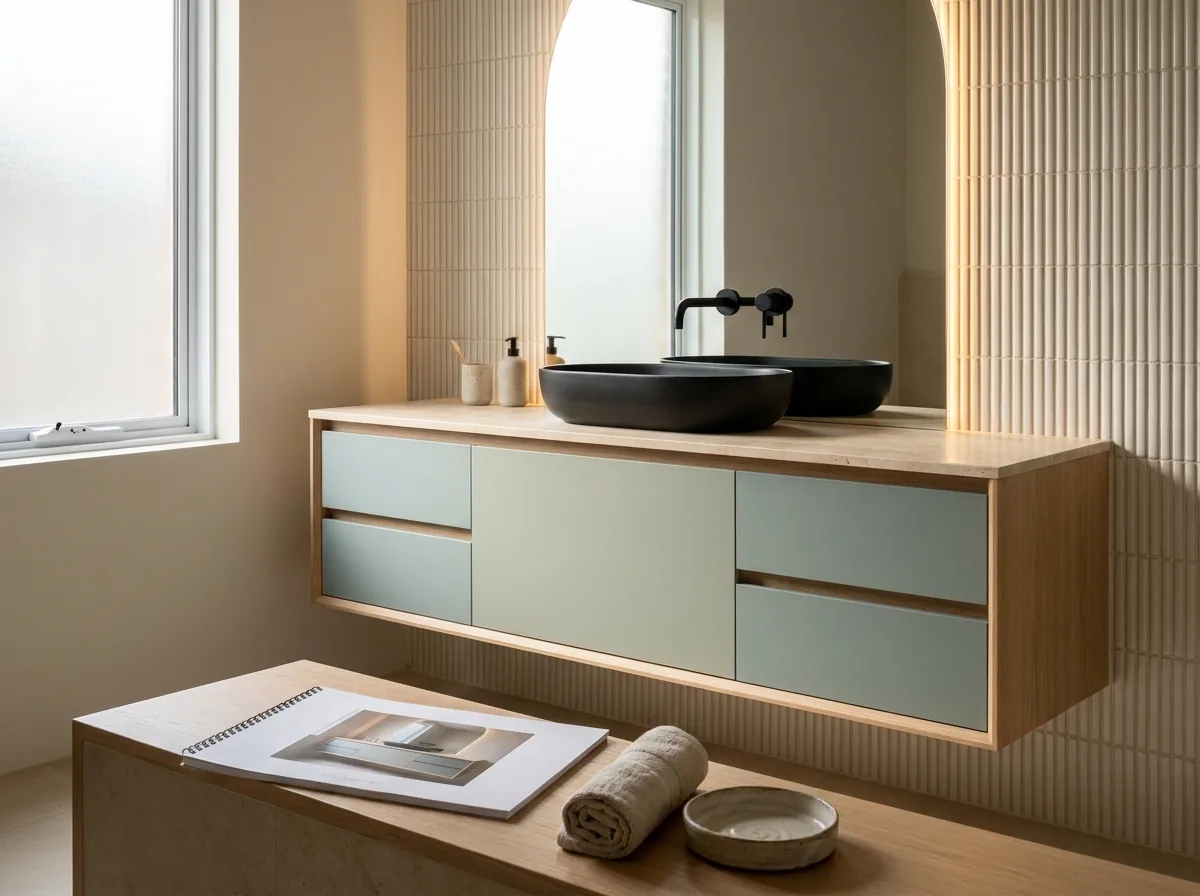
Bathroom furniture is bought once every fifteen years, by someone who has never bought it before and is terrified of getting it wrong.
Showing them the room settles that faster than any price ever will.
How it fits your business
## One catalogue, three places it has to work.
### The showroom
Four units on the floor stop being the range. The screen beside them carries every width and front, configured with the customer standing there.
### The website
Customers design and price at home, then add the configured unit to the cart, no quotation round trip, no waiting for a reply.
### The dealer network
Everyone quotes from the same rules and the same prices, so the number a customer hears does not depend on which branch they walked into.
### Valid combinations only
Which basin fits which top, which widths take two drawers, what a wall-hung unit needs behind it. The rules live in the catalogue, not in a colleague's head.
### A real finish library
Board decors, RAL and HEX, rendered on the actual fronts under the same light, so a specified colour stays a specified colour.
### Into your systems
The configured unit leaves as structured data for e-commerce, POS or CRM, so nothing is retyped between the showroom and the workshop.
FAQ
## Questions bathroom furniture makers actually ask.
Most of our sales go through showrooms and dealers, not our website.
Then it is a tool for the showroom first. The value is that everyone quotes from the same rules and the same prices, and the customer leaves with a picture rather than a promise to email one.
Our units are made to measure. Does a configurator apply?
That is exactly where it applies. Width and depth are inputs rather than a list of finished sizes, so what gets priced is the unit that fits the wall the customer actually has.
How many finishes can it carry?
Board decors from the usual producers plus full RAL and HEX, rendered on the real fronts under the same light. Comparing finishes stops being comparing photographs taken on different days.
Can it stop customers configuring something impossible?
Yes, and it should. Which basin fits which top, which widths take two drawers, what a wall-hung unit needs behind it: those rules sit in the catalogue, so an invalid unit never reaches your workshop.
Can customers buy directly, or only request a quote?
Either. Integrated with the storefront, the configured unit goes into the cart and is paid for; where a person has to be involved, the quote leaves already priced and already rendered.
We already photograph our range.
Keep the photography. Renders cover the combinations it cannot reach, the other several hundred, and they sit beside your hero shots rather than replacing them.
## Sell the vanity that fits their bathroom
Send us one cabinet range and your finish list. You get every width, front and basin combination, rendered and priced as the customer builds it.
**1M** variants from one source
**Same day** price changes live in the shop
**No-code** configurators the client runs

================================================================================
Page: Bicycles & Sports Equipment, Builds, quotes and finishes | Ar-range
URL: https://ar-range.app/industries/bicycles/
================================================================================
Industry · Bicycles & Sports Equipment
# Nobody buys a bike. They buy a build.
Frame size, frame colour, groupset, wheelset, bars, saddle: chosen separately, all visible on the finished bike, all affecting the price. The catalogue shows one build in one colour and asks the customer to imagine the other hundred and nineteen.
Talk to our team See what changes →

They trusted us

Why custom sports gear resists a catalogue
## Six choices, and the photograph can only show one of them.
Five frame sizes, four colours, three groupsets, two wheelsets. That is one product page and a hundred and twenty finished bikes, and a studio can afford to shoot perhaps three of them.
So the customer picks from dropdowns, waits for a quote to come back by email, and finds out what they actually bought when it arrives. Every one of those gaps is somewhere the sale can die.
1
frame model, every build
The frame is modelled once. Sizes, finishes and components are applied to it, so every build in the range renders from the same source, and a new colourway costs a render, not a season.
7,344
builds from one frame
0
emails needed to get a price
1:1
what they configure is what ships
What changes for you
## From one hero shot to the bike they are actually configuring.
### The device updates as they choose.
Body finish, side panels and trim render on the same unit, so a change to one part is seen against everything already chosen, from any angle, at any detail.
### The price moves with it.
Every option carries its price, so the quote is built as the unit is. The customer sees what an upgrade costs at the moment they consider it, instead of waiting a day to find out.
### What is inside stops being a spec line.
The flywheel, the board and the housing are all in the same model. Rendering the build from the real geometry means the picture matches the unit that ships, not a stand-in.
### A new finish is a render, not a season.
Add a material to the set and every panel picks it up at once: no second shoot, no mismatched lighting between last year's photos and this year's.
Proven · case-backed
“
It was very easy to work with them. The project was created on time, professional team. In our case, they succeeded in every step that we ordered.

Aurelijus Jaškulis
COO, Tukas EV
Challenge
A product nobody had seen before, with frame materials, colours and components to choose, sold from a PrestaShop store that could show one photo and a price list.
Solution / Result
- A 3D configurator on the product page: materials, colours and components switched live on the model.
- Prices and materials read from PrestaShop, the finished build written back to its cart.
- Web AR from the same configuration, opened from the browser with nothing to install.
[Read the case study →](https://ar-range.app/case-studies/3d-configurator-for-the-sale-of-a-personalized-energy-storage-bicycle/)
A configured build is a qualified lead. It carries the size, the components and the price the customer already agreed to.
Your sales team stops quoting and starts closing.
Beyond bikes
## The same pipeline, wherever personalisation is the product.
A bike is the hard case: many parts, visible geometry, real price differences. Anything simpler is already covered by the same models, materials and rules.
### Footwear
Colourways, materials and panels on one last, rendered per combination instead of photographed per sample.
### Apparel & kit
Jerseys, hoodies and team kit with placement graphics, club colours and names applied to the same garment model.
### Surfboards & boards
Shapes, dimensions and graphics, where the artwork is the product and no two orders match.
### Golf equipment
Clubs, shafts, grips and bags, where the spec sheet is long and the visual difference is subtle but decisive.
### Accessories
Bottles, helmets, mats and bags: low price, high volume, and impossible to photograph at range.
### Your range
If it is configured before it is made, it can be rendered before it is sold.
Ask us about yours →
How it fits your systems
## The configurator is not an island.
### E-commerce, POS or CRM
The finished build leaves as a structured order (components, price and images) for the system you already run on.
### Stock-aware options
Options are data, not artwork. A groupset that goes out of stock is switched off in the catalogue; nothing is re-rendered and nothing is re-shot.
### Dealers and showrooms
The same configurator on the counter screen. The dealer builds the bike with the customer, from your catalogue and your current availability.
FAQ
## Questions bike and sports brands actually ask.
We sell through dealers, not direct.
Then the configurator is the dealer's tool. They build the bike with the customer at the counter, from your catalogue and your current component availability, and the order leaves with the spec already agreed.
Our component options change with supply.
Options are data, not artwork. A groupset that goes out of stock is switched off in the catalogue; nothing has to be re-rendered or re-shot, and nothing anywhere else changes.
Do you model every component?
Only the ones that change what the bike looks like. A hidden bearing needs no model; a crankset, a wheelset and a bar shape do. That is what keeps the first build affordable.
Does it work on a phone?
Yes. Most configuring happens on phones, so the renders are prepared for mobile weight: that work is the difference between a configurator and a loading spinner.
Can it quote as well as visualise?
That is usually the point. Each option carries its price, so the customer sees the running total as they build, and your team receives a spec that has already been priced and accepted.
We already have photography we are happy with.
Keep it. Renders cover the combinations photography cannot reach, the other hundred and seventeen builds, and sit beside your hero shots rather than replacing them.
## Show the build, and price it as they build it
Send us one frame model and your component list. You get every size, colour and build, rendered, with a quote that updates as the customer chooses.
**1M** variants from one source
**Same day** price changes live in the shop
**No-code** configurators the client runs

================================================================================
Page: Home Cinema Seating, Recliners, rows and rooms | Ar-range
URL: https://ar-range.app/industries/home-cinema-seating/
================================================================================
Industry · Home Cinema Seating
# A recliner is easy to photograph. The row it becomes is not.
One seat or four, a wedge in the middle, a second row behind, in a leather they have to be sure about. Every combination is a different picture, and a showroom floor holds only one of them.
Talk to our team See what changes →
They trusted us

Why seating rows resist a catalogue
## The unit of sale is a layout, and layouts multiply.
Seat count, wedges, consoles, risers, powered or manual, times a leather range that no showroom can stock in full. The catalogue shows one row in one hide and hopes.
Meanwhile the buyer is trying to picture their room, in their leather, and getting no help at all.
1
seat model, every arrangement
One seat, modelled once, arranged into every row you sell and rendered in every finish, the same way a modular sofa range is handled.
What changes for you
## From one showroom row to the arrangement they are actually buying.
### Rows are assembled, not photographed.
Two, three, four seats, wedges and consoles between them, rendered as the arrangement rather than as separate product shots.
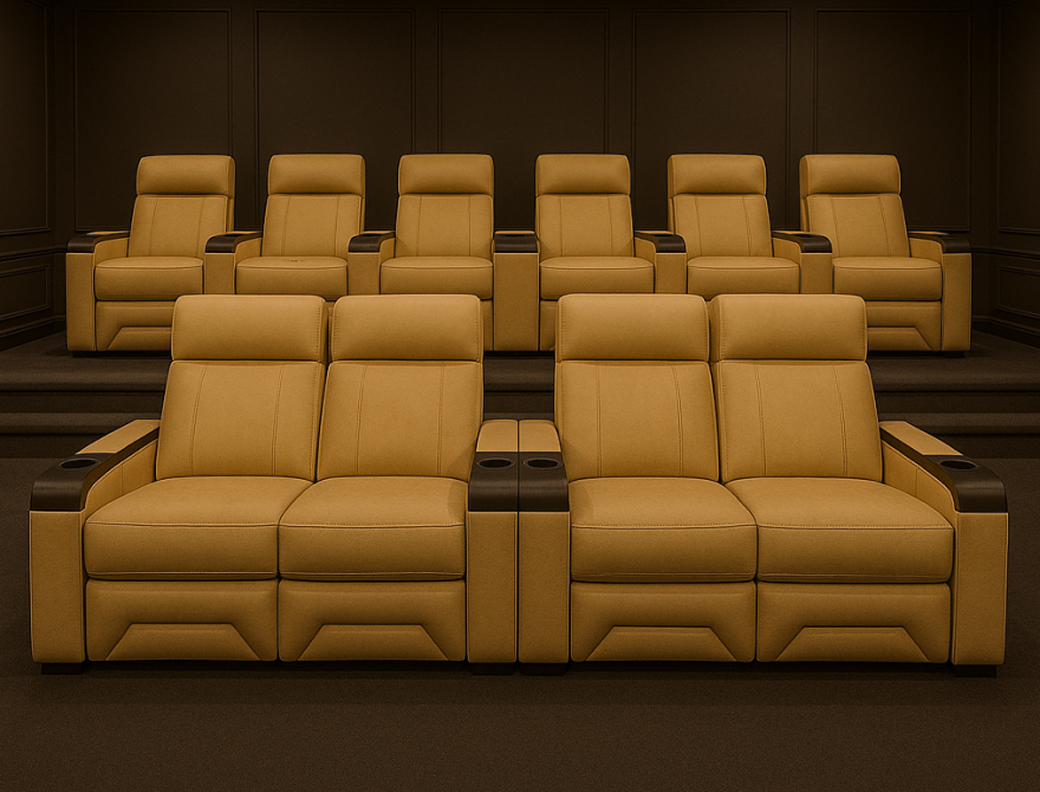
### Leather stops being a swatch square.
Every hide rendered on the seat, in the same light, so a customer can compare finishes rather than compare photographs.
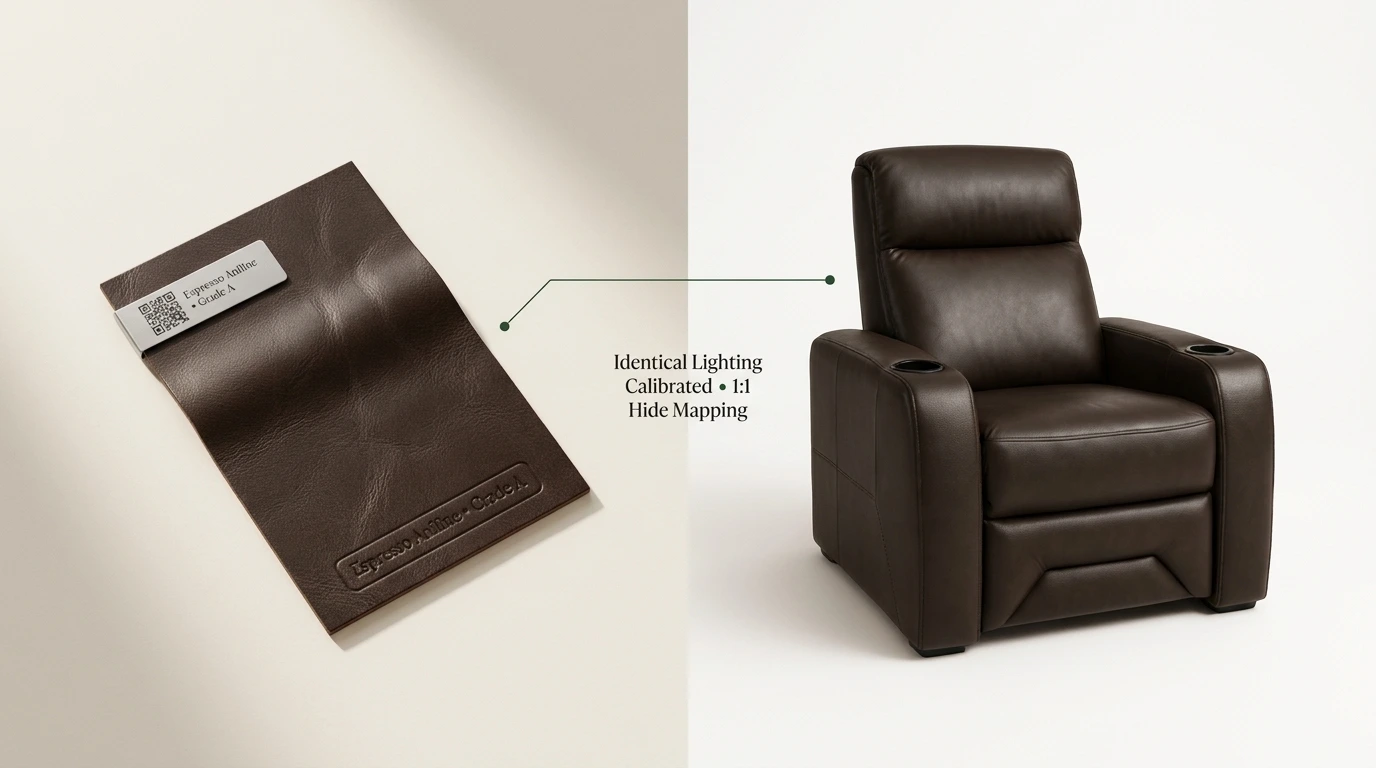
### The room comes into it.
Riser platforms, spacing and screen distance are part of the sale. Showing them is what turns a chair into a cinema.
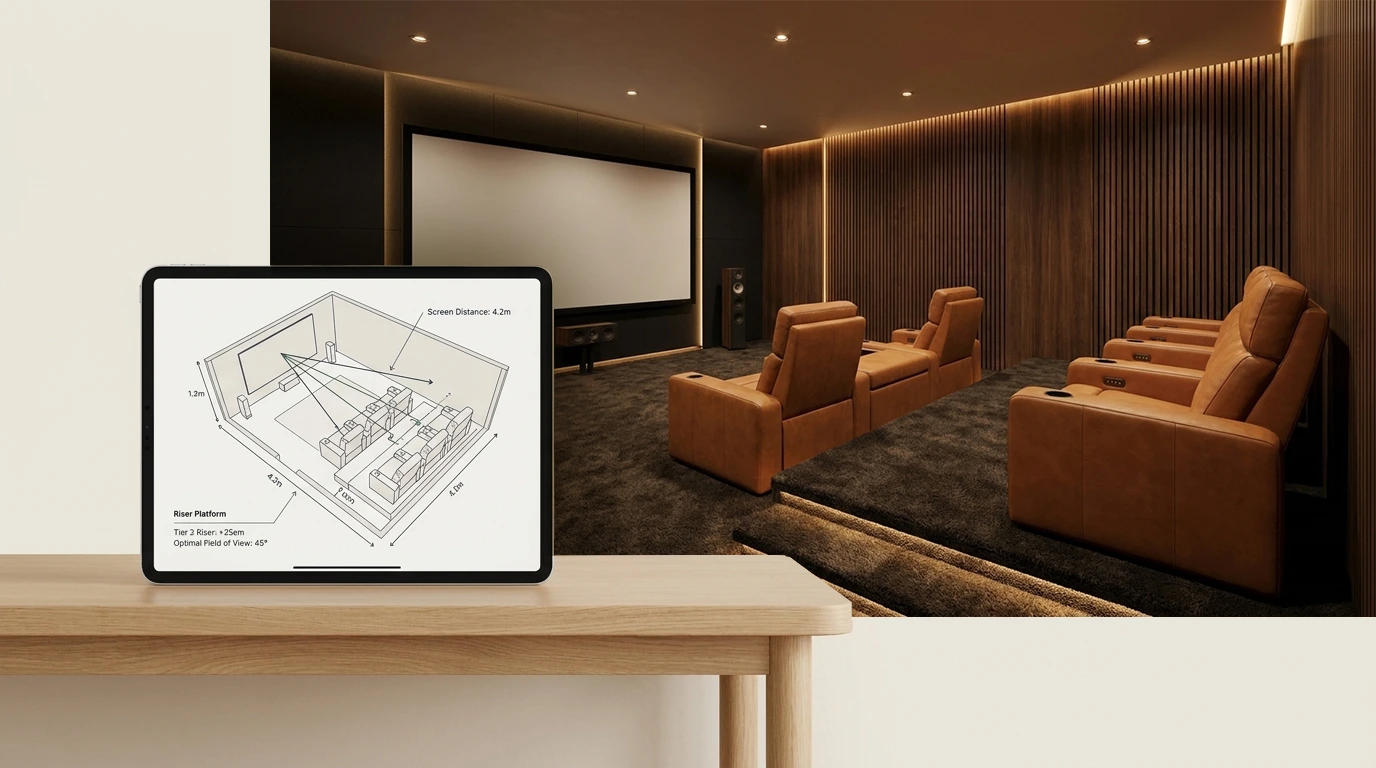
Who is actually selling
## Three rooms, one catalogue.
Cinema seating is sold in a showroom, by an AV integrator, and inside an architect's drawing. Each needs something different from the same product data.
### The showroom screen
Every layout and hide on the TV or tablet in front of the customer, so the two seats on the floor stop being the whole range.
### The integrator's laptop
The row built on site with the client, priced as it is built, the spec leaves agreed rather than promised.
### The architect's model
The configured seat downloadable as a 3D model, so it drops into the project file instead of being redrawn from a PDF.
### Quotes in minutes
Configure, price, quote as one motion. The hours that went into a bespoke quotation go back into selling.
### Specs that write themselves
Dimensions, power, upholstery and options generated from the configuration, so the technical sheet always matches what was sold.
### Seen in the room
An AR preview of the row at full size, where riser height and screen distance stop being abstract numbers.
Case study · Elite HTS
“
Ar-range has demonstrated a high level of efficiency by always delivering a final clean product which offers high functionality and stability, all while providing timely responses and communication at a reasonable price.

Bobby Bala
CEO, Elite HTS
Challenge
Elite HTS builds premium home theatre seating to order and ships across four continents, with no showroom nearby for most buyers. Their models already ran on Sketchfab, but Sketchfab's own API has no way to turn a live configuration into a placeable AR model, then or now.
Solution / Result
- A script that generates an AR-ready model from the exact configuration chosen, in real time.
- Opens on a phone directly, or by QR code from a desktop, at the true scale of the piece.
- The configurator's own interface reworked for touch, on iOS and Android.
- The site later moved to Webflow, where we re-embedded the configurator directly on product pages, part of an ongoing partnership with Elite.
[Read the case study →](https://ar-range.app/case-studies/how-augmented-reality-support-sales-of-custom-hand-crafted-home-theater-seating/)
FAQ
## Questions cinema seating makers actually ask.
Our seats are mostly sold through AV integrators.
Then the configurator is a tool for the integrator. They build the row on site, in front of their client, from your catalogue.
Leather varies between hides. Is a render honest?
A render is a consistent reference, not a promise about one hide. It is more honest than a photograph taken of a single sample under studio lights.
We sell powered mechanisms that have to be demonstrated.
Show them where they matter, in motion on the product page, and let the finish and layout choices happen around them.
Do risers and platforms have to be modelled?
If you sell them, yes; they are part of the arrangement. If you do not, the row renders on the floor and nothing is lost.
Architects ask us for 3D files. Can we give them the configured seat?
Yes, and it is one of the strongest reasons to have the catalogue modelled properly: the configured product downloads as a model that drops into their project, instead of being redrawn from a specification sheet.
How long does a bespoke quote take today?
Usually hours, most of them spent checking that the options chosen actually go together. Configure-price-quote collapses that to minutes because the checking happens while the row is being built.
Our showroom has two seats on the floor. Is that a problem?
It is the problem. Two seats is not a range, the screen beside them can carry every layout and every hide, so the floor space stops deciding what you are able to sell.
## Show the whole row
Send us one seat model and your leather range. You get every row, layout and finish, rendered.
**1M** variants from one source
**Same day** price changes live in the shop
**No-code** configurators the client runs

================================================================================
Page: Modular Sofas, Sectionals that sell | Ar-range
URL: https://ar-range.app/industries/modular-sofas/
================================================================================
Industry · Modular Sofas
# You make modular sofas. The combinations outrun any camera.
Corner, chaise, ottoman, a dozen fabrics, three woods. The range is the product, and showing all of it is the problem. We make every build something a buyer can see, and order, online and on the showroom floor.
Talk to our team See what changes →

every build, one page
Sofa brands trust Ar-range

Why it matters for modular sofa makers
## A modular range is a multiplication problem.
Corner pieces, chaises, ottomans and armrests, times every fabric, times every wood. The catalog runs to thousands of sellable builds, and a camera can shoot maybe a dozen.
So the sofa sells in two places: online, where the product page has to show the buyer's exact build, and in the showroom, where a salesperson used to walk every option by hand. We cover both.
60,000
renders, in two days
Scandic Sofa's full modular range, every combination composed and rendered in a single batch. No studio, no reshoots, no missing builds.
Case study · Hovden
“
Our sofas are too modular to photograph and too considered to sell off a spec sheet. We put Ar-range on the showroom floor, customers build their own piece, and my team closes instead of clicking through options for them.

Showroom lead
Hovden Møbel
Challenge
Modular sofas are too configurable to photograph and too considered to sell off a spec sheet.
Result
- Customers self-build on the floor instead of waiting on a salesperson.
- One salesperson now handles several buyers at once.
- Every build leaves as a spec-complete, manufacturable order.
[Read the Hovden case study →](https://ar-range.app/case-studies/mybed/)
What changes for you
## From a range you can't show to a sofa the buyer builds.
### From a handful of photos to every build, shown.
One 3D model becomes every combination of frame, fabric and wood, prerendered and served straight to the product page. The buyer sees the exact sofa they picked, not "shown in grey, other fabrics available."
✓Variant Visuals · every combination, prerendered for the page.
✓Visualize every variant · the whole catalog, on the page.

### From a salesperson clicking options to the buyer building it.
Drag, snap, done. The buyer assembles their own sofa, and every saved build leaves as a spec-complete order the factory can make. Your team closes instead of walking options by hand.
✓Modular Configurator · the drag-and-drop builder, floor or online.
✓Run showroom sales end-to-end · build, quote and order in one flow.
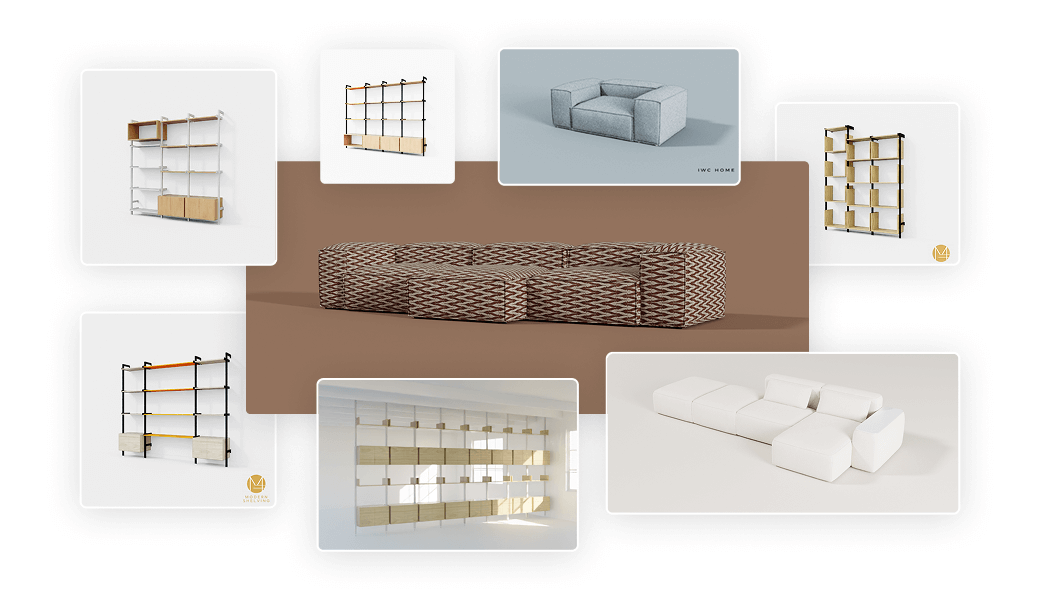
How sofa makers sell
## Two places your buyer decides.
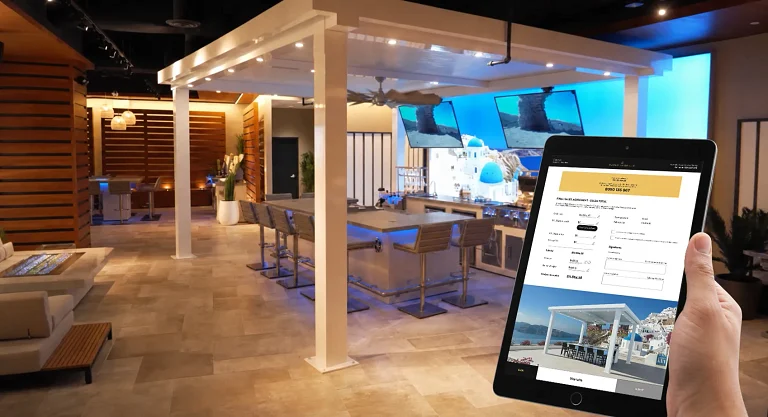
### On the showroom floor
The configurator runs on your showroom screen and the buyer's own phone. They build the sofa in front of you, see it in the room with AR, and the build becomes a ready offer and a spec-complete order on the spot. One salesperson serves several buyers, and nobody re-keys a thing.
[Sell in the room with AR →](https://ar-range.app/solutions/showroom-suite/)

### On your product page
Prerendered variants carry the page, fast and complete, so it shows every build. The configurator waits at the end of the path for the buyer who's ready to commit. Online sofa shoppers who reach a 3D visualiser convert far better (DFS measured +112%).
[Let customers configure & buy →](https://ar-range.app/solutions/visualize-every-variant/)
More sofa work
## Read how it plays out.
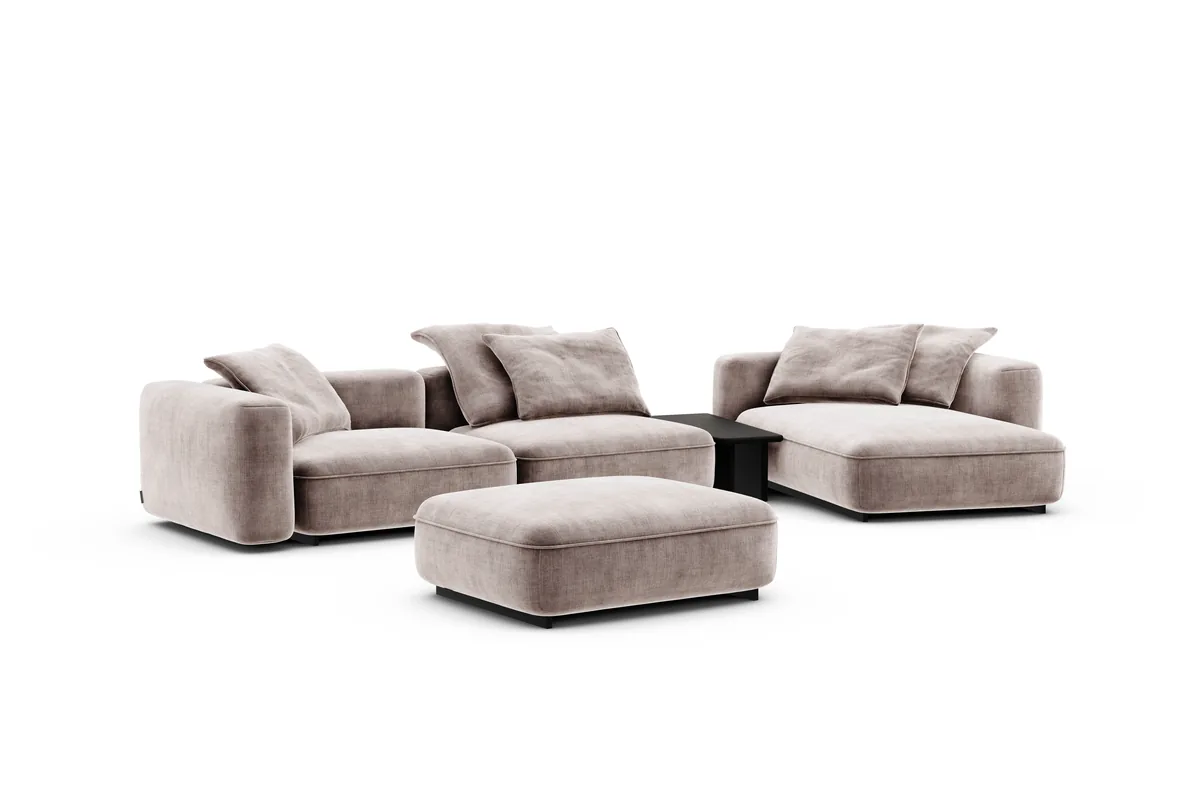
### [Scandic Sofa · Smarter Visual Experience](https://ar-range.app/industries/modular-sofas/)
60,000 renders of a full modular range, in two days.
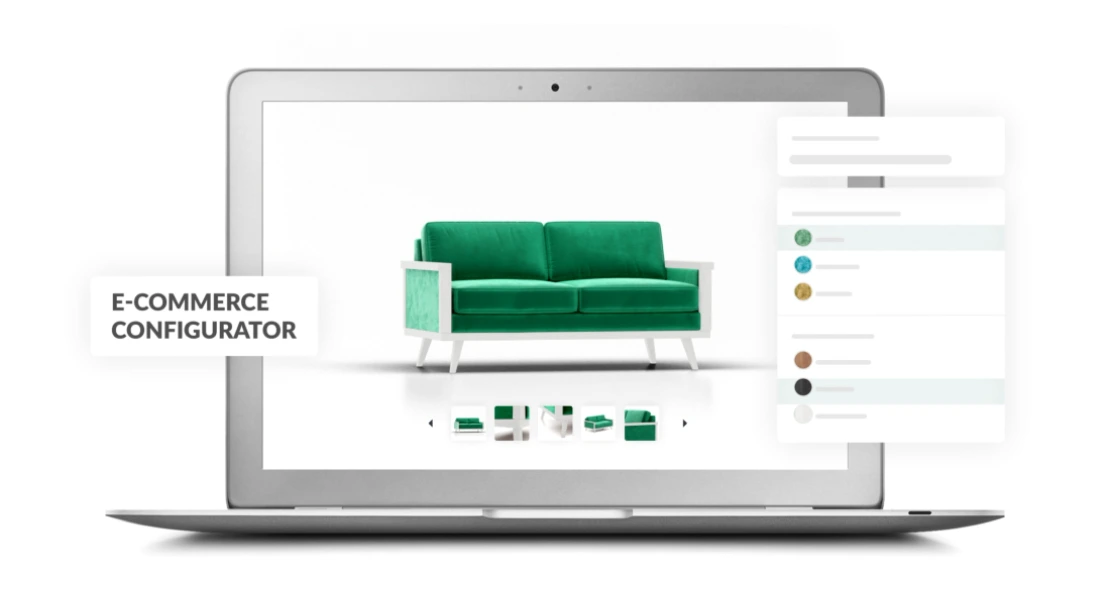
### [Configurator won't fix your sales](https://ar-range.app/industries/modular-sofas/)
Why the build step belongs at the end of the journey.

### [Meble, emocje i konwersja (2025)](https://ar-range.app/industries/modular-sofas/)
How the visual ladder turns browsing into buying.
FAQ
## Questions modular sofa makers actually ask.
We tried a configurator and it didn't lift sales. Why would this be different?
A configurator only pays off where the buyer already wants the sofa: the showroom floor, or the very end of the online path. Bolted onto a cold product page it does nothing. We put it where buyers decide, and we get the catalog right underneath it first. The tool is rarely the problem; its place in the journey is.
Our range is too modular to photograph. Do we have to render every combination by hand?
No. We render the whole matrix from one 3D model: frame by fabric by wood, composed automatically. Coverage tooling shows every missing combination before launch, so "every build" is a checked claim. A new fabric line is a re-render, not a photoshoot.
Do we have to replace our showroom setup or our website?
No. The configurator runs on the screens you already have and on the buyer's phone, and the prerendered variants drop into the storefront you already run. We wire it to how you take orders today; it's not an IT project on your end.
How hard is it to get our modular range in?
You bring your modules, your fabrics, and the rules for what fits what. We build from your CAD or 3D files. The honest part: your range needs some structure (which pieces combine, which fabrics apply) before it can work, and we tell you what that takes before you commit.
What does it cost, and how do we start?
Two ways to work together: as a product your team runs, or embedded with our team during a build. Which fits depends on your range and your team. Tell us what you make, and we'll tell you honestly whether it fits before anyone talks numbers.
## Tell us about your sofa range. We'll tell you if it fits.
Your modules, your fabrics, how you sell. Send it over and we'll tell you straight whether prerendered variants and a configurator are the floor your sales are missing.
**1M** variants from one source
**Same day** price changes live in the shop
**No-code** configurators the client runs

================================================================================
Page: Outdoor Kitchens, Configured on the floor, ordered in the room | Ar-range
URL: https://ar-range.app/industries/outdoor-kitchens/
================================================================================
Outdoor kitchens
# Everybody who walks into your showroom is surprised. That means the page undersold you.
Layouts, appliances, finishes, a hundred thousand ways to build one island. Your website has to be worth a drive across the state, and the room has to close it that day.
Talk to our team See how it works →
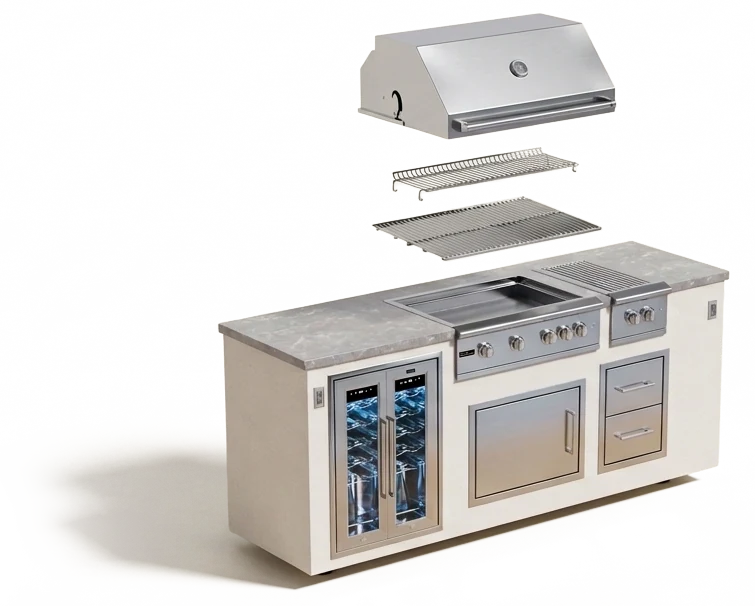
They trusted us

Why it matters for outdoor kitchen makers
## It sells in the room. The website is why they drive there.
An outdoor kitchen is the largest thing most people will ever put in their yard, and every one is built to order. Layout, appliances, finish, doors, lighting. A single island runs to more than a hundred thousand ways to build it.
It sells in the room, because nobody spends this much without standing in front of one. So your website is not the shop. It is the reason somebody gets in the car.
100,000+
ways to build one island
Paradise Grills' configurable range, across every layout, appliance and finish. The count that broke off-the-shelf per-model AR.
Proven · case-backed
“
They did deliver on time and the communication between us is really good. I am currently very satisfied with the service provided by Ar-range and cannot think of any areas that require improvement.
Dennis Brown
CBIO, Paradise Grills International
Challenge
More than 90% of sales close in one of 40+ showrooms, so the website's whole job was to fill them. Buyers kept arriving surprised at how good the product was.
Solution / Results
- The range rebuilt as the places buyers are imagining, not spec shots on a white floor.
- AR generated on the fly from any of 100,000+ configurations, iOS and Android.
- Showroom checkout down from over 30 minutes to 5, across every location.
[Read the Paradise Grills case study →](https://ar-range.app/case-studies/paradise-grills/)
What changes for you
## Sell the destination, then clear everything between them and it.
It is not a commodity
### From selling steel to selling the evening they want to have.
Nobody dreams about a stainless cabinet. They picture a night in their own backyard that feels like somewhere else, and that feeling is what your price is attached to. Sell it as an appliance and you invite a price comparison you will lose.
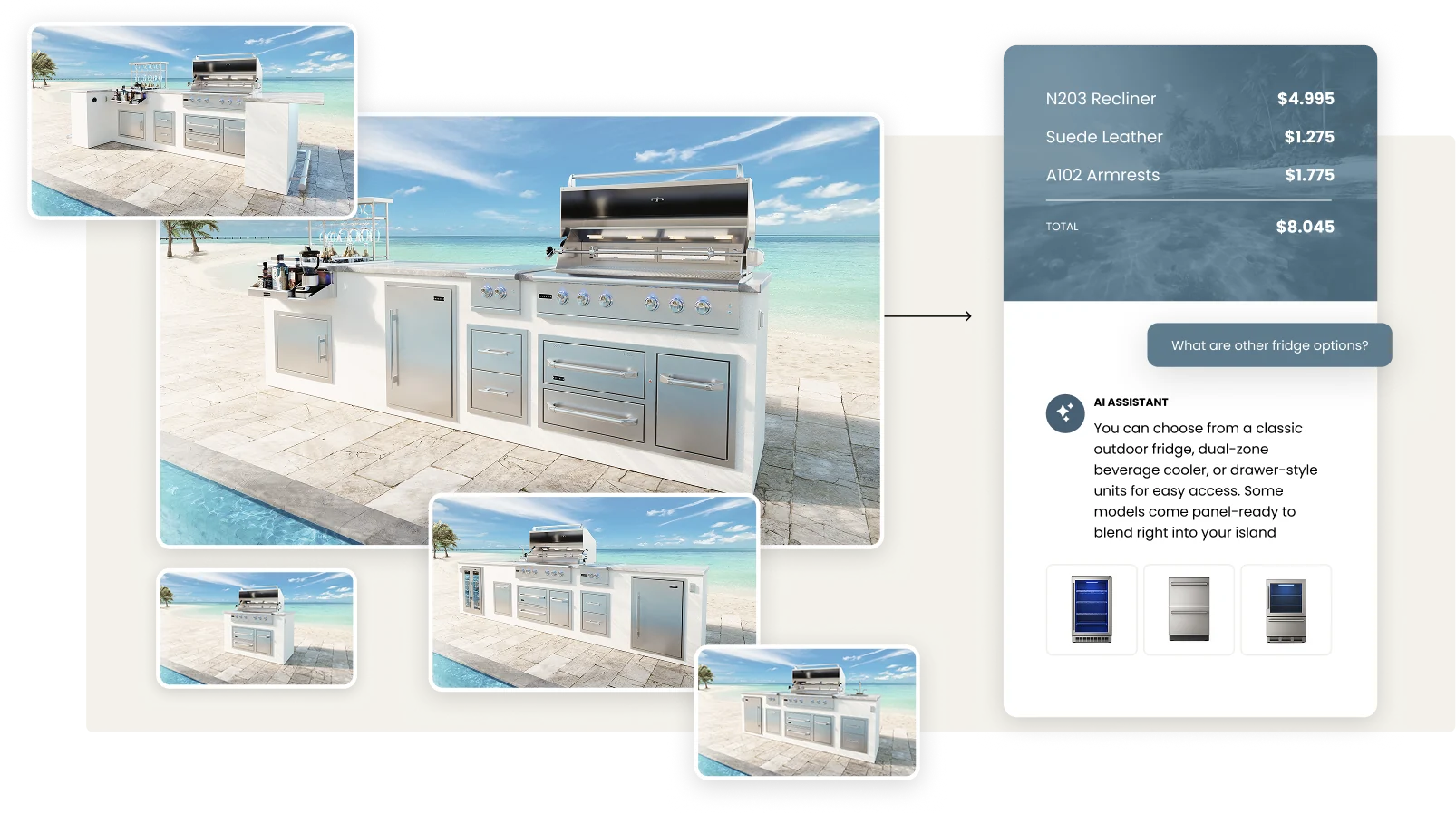
The configurator's real job is the visit
### From a configurator trying to close online to one that gets them through your door.
A configurator will not take twenty thousand dollars off a stranger, and it should not try. Online it qualifies. AR does the rest: seeing the real footprint land in their own yard turns a maybe into a visit. In the room it changes jobs. It gets out of the way and lets your salesperson sell. That is where we take the AR out.
The system is yours
### From renting your sales process to owning it.
Agreement, guarantee, spec sheet, add-ons, tax, payment on the terminal, all generated from the configuration the buyer just approved and shaped around how your people already sell. Half an hour of finishing a sale becomes five minutes, in every showroom you run. And the sales system is yours. Built around your process, on your terms, not a seat licence for somebody else's workflow.

More on outdoor kitchens
## The work behind the claims on this page
### American Technology, European Design
How a product catalog became a passport to Monaco, Mykonos and Portofino.
### POS and document automation
A 30-minute showroom checkout cut to 5, across more than 40 locations.
### AR for 100,000 configurations
AR files generated on the fly for a range no existing platform could handle.
FAQ
## Questions outdoor kitchen makers actually ask
Nearly all our sales close in the showroom. Why would we spend anything on the website?
Because the website decides how many people walk in. Nobody buys a twenty-thousand-dollar island off a page, but they do decide there whether your product is worth giving up a Saturday for. A page that reads like a parts catalog gets fewer of them into the car. We build for the visit, not the cart.
Do we actually need AR, or is it a gimmick?
For most furniture it is a gimmick. We have shipped AR that got under five clicks a month, on small products where nobody worried about fit. Yours is the exception: the thing is huge, it goes in a yard, and "will it fit" is the buyer's real fear, which is the one question AR genuinely answers. The catch is placement. That one is a topic for a conversation.
We have over a hundred thousand configurations. Do you render every one?
We build the range as models and generate from them, so the count stops mattering. We have gone past a hundred thousand configurations, further than the 3D platform underneath could handle, so we wrote our own pipeline: it produces the visual and the AR file for whichever build the customer just made. Adding a finish is a data change, not a project.
Do we have to replace our sales process, or our POS?
No. We build around how your salespeople already sell, not the other way round: your agreement structure, your payment terminals, your tax rules, your loyalty program. The configurator hands the build to the paperwork, and the paperwork looks like the paperwork your team already knows.
12,000+
orders processed by the POS
40+
showrooms running it
5 min
to close, down from 30
## Tell us how you sell. We'll tell you if it fits.
Your range, your showrooms, and what happens after the buyer walks out. Two fields, and we take the rest to email. No demo booking, no sales sequence. We reply by email and take it from there.
**1M** variants from one source
**Same day** price changes live in the shop
**No-code** configurators the client runs

================================================================================
Page: Print Personalisation & Packaging, Their artwork on your product, checked before it prints | Ar-range
URL: https://ar-range.app/industries/print-personalisation/
================================================================================
Industry · Print Personalisation & Packaging
# Every order is a different artwork. Show it on the product before it prints.
A pouch in five materials and two finishes is a catalogue. The same pouch with the customer's own design on it is a proof, a correction and a second proof by email, for every order. The configurator does that round in the browser: the file on the product, checked, priced and in the cart.
Talk to our team See what changes →
They trusted us

Why custom print resists a product page
## The product is the same. The file never is.
Web-to-print shops have had size, material and quantity pickers for years. What they could not do is show the customer's artwork on the finished item, or tell the customer the file is wrong before someone in prepress opens it.
So the order arrives, the file bounces, a proof goes out, a correction comes back, and the press waits. For a shop with no minimum quantity, that round costs more than the bag.
Preflight
before the order exists
The uploaded PDF is checked automatically, by Enfocus in Lprint's case, and the customer sees the result on the spot: a pass with a report, or the error and what to fix. What reaches prepress has already passed.
Any artwork
shown on the product in 3D, front and back
Checked
every file, before it becomes an order
One link
to save a draft, share it and reorder
What changes for you
## From a proof by email to a product the customer signs off on screen.
### The product is built, then the artwork lands on it.
Size, material, finish and add-ons on a 3D model of the real item, then the customer's PDF applied to it: glossy where it is glossy, transparent where it is transparent. The customer is looking at their own product with their own design on it.
### The file is checked before anyone at the shop sees it.
A preflight runs on every upload. The customer gets the pass or the error at once and uploads again; prepress receives files that have already been through the check. The proof round shrinks to the cases that need a person.
### Into the cart, from the shop the customer is already in.
The configurator lives inside the store, on WooCommerce, Shopify, PrestaShop or your own platform, reads the prices from it and hands back the configured order with the artwork attached. A draft can be saved under a link and picked up later, or by the colleague who has to approve it.
Nobody orders ten thousand bags of a design they have only seen flat on their own screen.
Show it on the bag, in their hand, and the order is easier to place than to question.
How it fits your business
## One configurator, four kinds of print.
### Packaging
Pouches, boxes, wraps and labels: the artwork on the die-line, on the 3D item, in the material it will be printed on.
### Apparel
T-shirts, hoodies and caps with the print placed on the garment, in the size and position the customer chooses.
### Promotional items
Mugs, bags and small goods, one artwork across a set, previewed on each before the order is placed.
### Home decor
Posters, cushions and wall art: the customer's photo or design on the piece at true proportions.
### Valid files only
Bleed, resolution, fonts, colour space: the preflight rules you print by, applied to every upload before it becomes an order.
### Into your systems
Configured orders leave as structured data plus the checked file, for the shop, the MIS or the press queue, with nothing retyped.
Proven · case-backed 
Lprint
Custom printed pouches · Kaunas
Challenge
Every order is a different artwork on a different bag. Selling that by email meant a quote, a proof, a corrected file and a second proof before anything could print.
Solution / Result
- A two-step Pouch Builder in the WooCommerce store: material, finish and add-ons on a 3D model, then artwork and quantity.
- The uploaded PDF is applied to the 3D pouch and preflighted by Enfocus, with the report back to the customer before the order exists.
- Web AR of the finished pouch, a draft that can be saved and shared by link, and the configured order straight into the cart.
[Read the case study →](https://ar-range.app/case-studies/how-lprint-helps-customers-create-unique-product-packaging/)
FAQ
## Questions print shops actually ask.
We already have a web-to-print shop. What does this add?
The two things a picker cannot do: show the customer's artwork on the finished product in 3D, and check the file before the order exists. The shop stays; the configurator sits inside it.
How does the file check work?
Every upload runs through a preflight, Enfocus in the Lprint build, against the rules you print by. The customer sees a pass with a report, or the error and what to fix, and uploads again. Prepress gets files that have already passed.
Can it handle our order volumes?
It is built for them. Configuration, preview and preflight happen in the customer's browser, so the work per order on your side falls with every file that passes first time.
Does it integrate with our e-commerce platform?
Yes. WooCommerce for Lprint; Shopify, PrestaShop, Magento and custom stores elsewhere. Prices come from the shop, and the configured order with its checked file goes back into the cart.
What products can be configured?
Anything with a printable surface we can model: packaging first, then apparel, promotional items and decor. If it has a die-line or a print area, it can be shown with the artwork on it.
Do customers need an app for the AR view?
No. The configured item opens in augmented reality from the phone's browser, and a desktop shows a QR code that hands it to the phone.
## Sell print the customer has already seen on the product
Send us one product family and the file spec you print from. You get a configurator that shows the customer's artwork on it, checks the file and hands the order to your shop.
**1M** variants from one source
**Same day** price changes live in the shop
**No-code** configurators the client runs

================================================================================
Page: Shelving Systems, Configurable by definition | Ar-range
URL: https://ar-range.app/industries/shelving-systems/
================================================================================
Industry · Shelving & Storage
# A shelving system is a grammar, not a product.
Modules, widths, depths, finishes and the rules that say which of them go together. The catalogue cannot list the outcomes, because there are more outcomes than there are customers.
Talk to our team See what changes →
They trusted us

Why shelving breaks a normal catalogue
## You sell combinations. Your catalogue sells parts.
A buyer wants a wall two-and-a-half metres wide with two closed modules and oak shelves. Your catalogue has photos of three showroom builds and a table of module codes.
So the conversation moves to email, someone sketches it, and a sale that could have closed itself takes two weeks and a salesperson.
1,000,000+
buildable combinations
Every one of them renders from the same module set. Adding a finish adds a material, not a photoshoot.
What changes for you
## From module codes to a wall the buyer assembles.
### The rules live in the configurator, not in someone's head.
Maximum spans, which modules stack, what needs wall fixing. A buyer cannot build something you would have to phone them about.
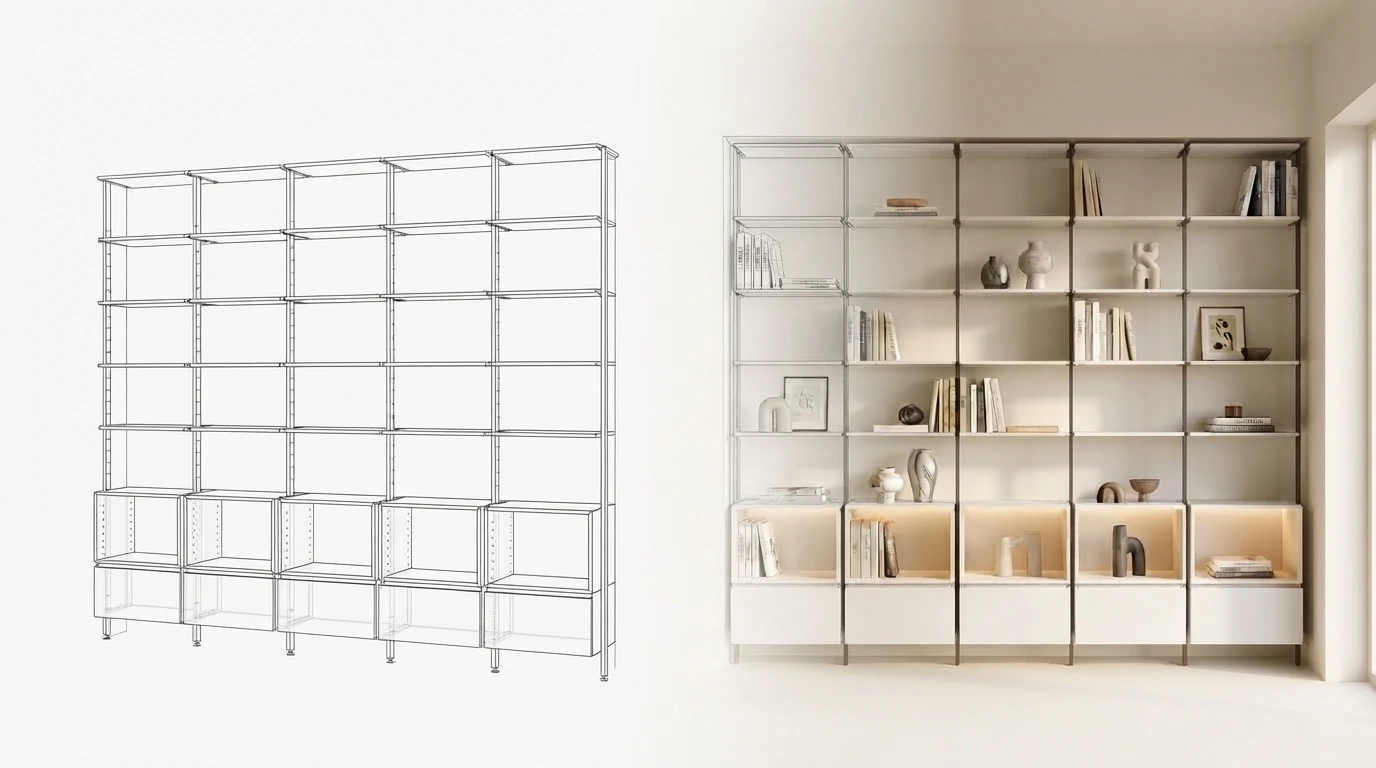
### Every build has a picture and a price.
Not a render queue and a quote request. The buyer sees the wall they described, with the total, while they are still interested.
[Try it yourself →](https://dev.vps.ar-range.app/parametric/)
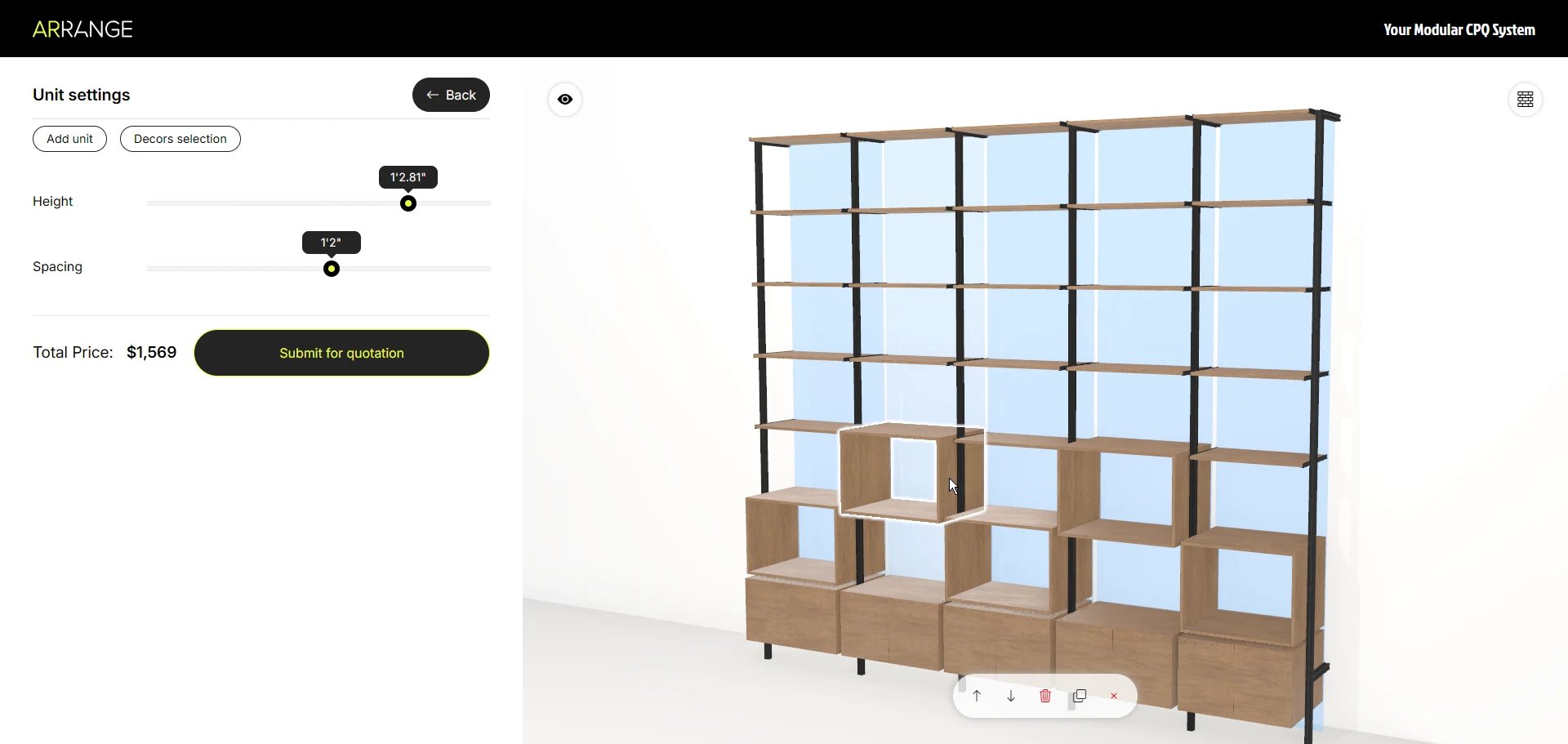
### The order arrives as a parts list, not a drawing.
What the buyer configured is what production receives: module by module, finish by finish, with nothing re-typed on the way.
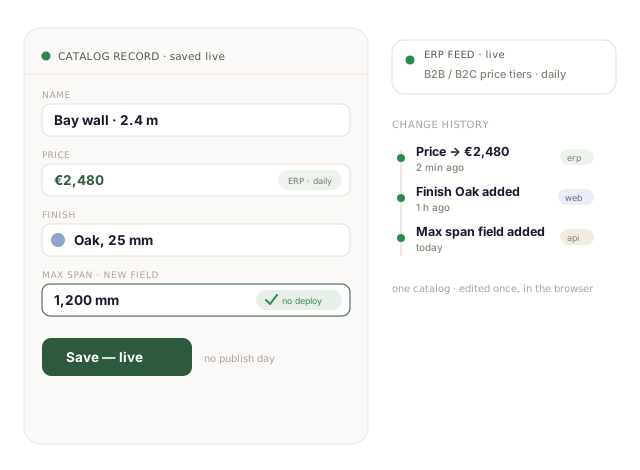
What makes shelving different
## The dimensions are the product.
A sofa comes in sizes. A shelving system comes in whatever fits the wall, which is why it cannot be sold from a fixed catalogue of finished goods.
### [Parametric, not preset](https://dev.vps.ar-range.app/parametric/)
Height, width, bay count and shelf pitch adjust to the wall, and the model rebuilds as they move rather than snapping to the nearest catalogue item.
### A real material library
Over 2,500 decors from the usual board producers, plus full RAL and HEX, so a specified colour is a value rather than an approximation.
### Priced as it is drawn
Every dimension change moves the price with it. A quote for a bespoke run stops being a spreadsheet exercise.
### Retail display too
The same engine covers shop fit-out: bay systems, gondolas and wall runs, where the drawing has to be right before anything is cut.
### Saved and shared
A configuration is a link. Customers save it, email it, and come back to it, and your team can open exactly what they saw.
### Straight to the cart
Integrated with the storefront, the configured run is added and bought without a quotation round trip.
FAQ
## Questions shelving makers actually ask.
Our system has rules a website cannot possibly know.
It can, because the rules are finite. Spans, load, which modules take doors, what must be anchored: they go in once and then hold on every configuration a buyer tries.
Buyers will design something we cannot build.
Not if the rules are in the configurator. An invalid build is not something the buyer has to be told about afterwards; it is something they never manage to make.
We already have a CAD model of every module.
Good: that is the expensive part done. Modules become the model set, and configurations render from them.
Can it price the build too?
Yes, if your pricing is rule-based. The configurator resolves the parts list; the price follows the same rules your quoting does.
Our shelving is made to measure. Does a configurator even apply?
That is precisely where it applies. The configurator is parametric, height, width, bay count and shelf pitch are inputs, not a list of finished sizes, so the thing being priced is the run the customer actually needs.
How many finishes can it carry?
Over 2,500 decors from the usual board producers, with full RAL and HEX on top, and others added on request. A specified colour stays a specified colour rather than becoming 'the closest we photographed'.
Can a customer come back to a design later?
Yes. A configuration is a link they can save, email and reopen, and your team can open the same one, which removes most of the back-and-forth about which version was being discussed.
Does this work for retail display rather than domestic shelving?
It is the same problem: bays, runs and fixings that have to fit a specific space and be right before anything is cut. Shop fit-out is one of the clearest cases for configuring rather than cataloguing.
## Let buyers build the wall they want
Send us your module set and the rules. You get a configurator that only ever produces builds you can actually manufacture.
**1M** variants from one source
**Same day** price changes live in the shop
**No-code** configurators the client runs

================================================================================
Page: Upholstered Beds, Configurators for bed manufacturers | Ar-range
URL: https://ar-range.app/industries/upholstered-beds/
================================================================================
Upholstered beds
# Bed configurators for upholstered bed manufacturers.
The bed your buyer wants is the one you never photographed. We render every base, size, headboard height and fabric, and put it live in the shop you already run: 120 configurators on MyBed.pl today.
Talk to our team See the whole matrix →
Amaris 79 (navy)
They trusted us

What we build
## From your catalogue to a configured bed in the cart
One team does all of it. We are a studio in Poznań, Poland, and work in Polish and English.
### A model of every bed
We build each bed as one parametric model, so every width, base and headboard height comes from the same source.
### Photo-quality renders of every combination
Every fabric on every size and headboard height, rendered in bulk and served as ordinary images, each in under a second. At MyBed that is 2.2 million visuals.
### A configurator for each bed model
Base and width, headboard style and height, side and front panels, fabric, legs, slats and storage, mattress and bedding. Compatibility rules only offer beds you can make, and the price follows every choice.
### Built into the shop you run
MyBed's configurators sit inside its Shoper store and put the configured bed in the native cart. Shopify, Magento and custom stores take the same image API, and we scope the cart connection per store.
### Fabrics your team adds
A new fabric or a whole collection goes live as a re-render. At MyBed, the in-house team adds new fabrics without us.
### Fabric search in plain words
Optional AI search across your fabrics, asked for the way a buyer would ask a salesperson: 542 fabrics in 21 collections at MyBed.
[AI Search](https://ar-range.app/products/ai-search/)
Where to try one
## 120 bed configurators, running in MyBed's own shop
MyBed.pl
### Built by Ar-range for MyBed.pl, one configurator per bed model.
MyBed makes upholstered beds to order and sells them in Poland, Germany and the Czech Republic. Each bed model on mybed.pl has its own configurator: the buyer builds the bed, sees a photo-quality render of that exact build, and adds it to the Shoper cart at the price it came to. The 120 configurators went live between July and the end of August 2026.
[Open it on mybed.pl](https://mybed.pl/pl/p/Konfigurator-3D/364)
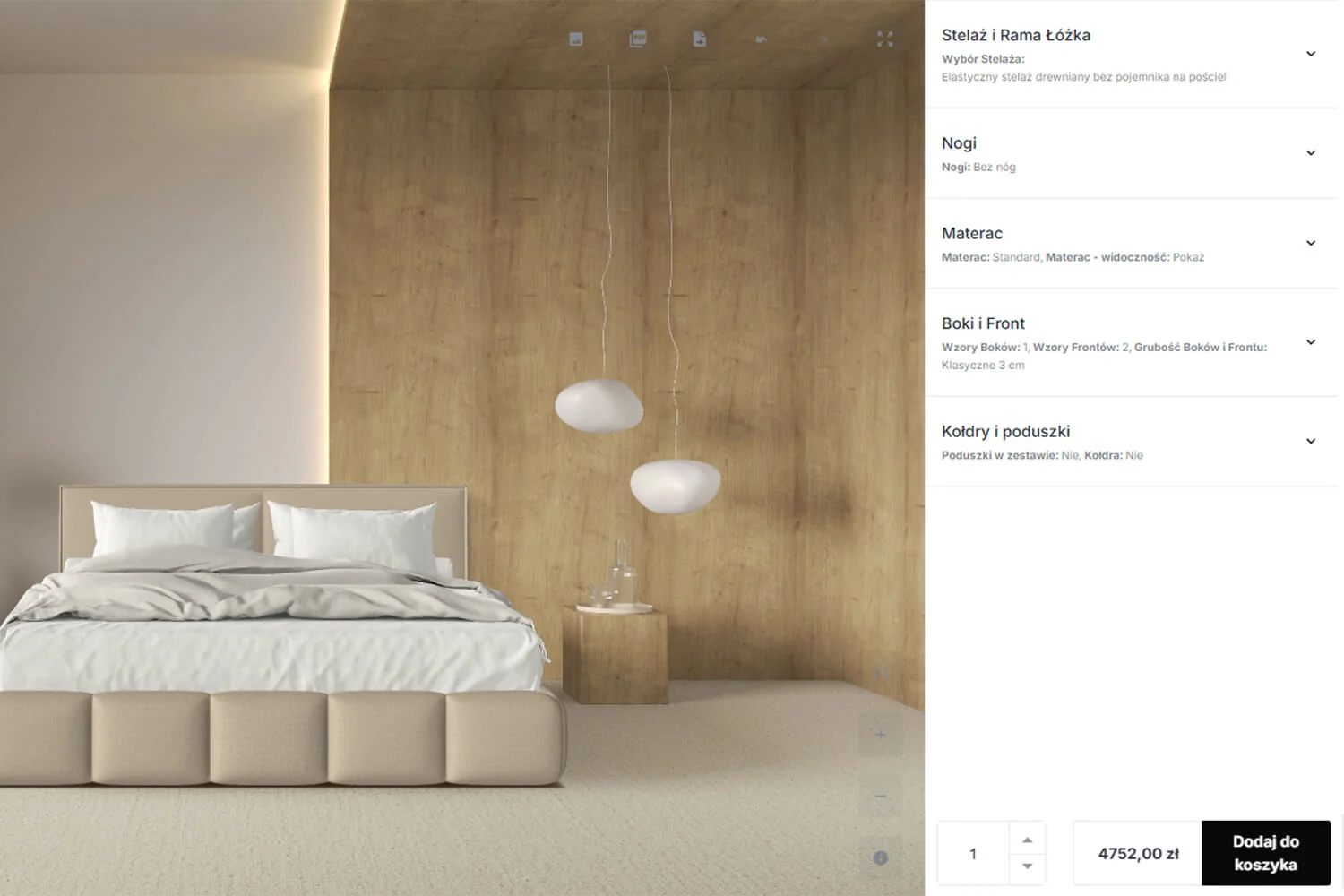
Why it matters for bed makers
## Of all the furniture you can buy, beds are the ones that belong on a screen.
The shape is a known quantity. Your buyer is not wondering what a bed looks like.
What they are actually buying is the choice: base, size, headboard height, hundreds of weaves. That is a matrix in the millions, and a photoshoot covers a rounding error of it.
2.2M
product visuals, no camera
MyBed's full sellable matrix of fabric, size and headboard height, generated from parametric models.
How people buy a bed
## Four stages, and a tool sized to each one.
Each stage reaches fewer buyers, and each of them puts in more effort. So the tool grows deeper as they go, and nobody meets the full configurator before they want it.
1
### Inspiration
Pinterest and Instagram, scrolled at night. The buyer is judging looks and asking one price question: can I afford this at all? What works here is your beds in fabrics and rooms worth saving, rendered from the same models as every other visual.
[Lifestyle or studio shots?](https://ar-range.app/blog-posts/why-lifestyle-images-outperform-silo-shots-for-configurable-goods/)
2
### First check
They land on your site. A product page with a handful of options already visualised serves the buyer who wants a bed as it is, and shows everyone else that personalisation is real. The full option list waits for the next step.
[The four stages in full](https://ar-range.app/blog-posts/furniture-emotion-and-conversion-inside-the-customers-mind-in-2025/)
3
### Effort
For buyers ready to spend an evening on it. Every option opens up: at MyBed, 542 fabrics across 21 collections and millions of combinations. The job now is pinpointing the right one, so this is where AI search earns its place and compatibility rules only let them build a bed you can make.
[The MyBed case study](https://ar-range.app/case-studies/mybed/)
4
### Showroom
For buyers who come in. A sales rep drives the full configurator with them, so it can be deep and complex. 3D view works well here, because the real bed and the swatches are within reach. Hovden's modular sofa configurator works this way, in the stores of its reseller.
[Saved builds in store](https://ar-range.app/blog-posts/showroom-continuity-opening-the-customers-saved-config-in-store/)
Proven · case-backed
“
Our beds come in more combinations than we could ever photograph or explain on a page. Now the customer builds the exact one they want and sees it.
Dominik Tomaszczyk
MyBed.pl
Challenge
Three base types, over 500 fabrics across 21 collections, every size and nine headboard heights, on product pages that could show almost none of it.
Solution / Results
- 2.2 million prerendered visuals, so every pickable combination is live on the page.
- A configurator inside the existing Shoper store, drawing on those renders.
- Every configured bed lands as a spec-complete, manufacturable order.
[Read the MyBed case study →](https://ar-range.app/case-studies/mybed/)
What changes for you
## From a catalogue you cannot show to a bed the buyer builds and buys.
See it
### From a handful of photos to every bed you actually sell.
One parametric model per bed becomes every fabric, every size, every headboard height, prerendered in bulk. The buyer sees the exact bed they picked, in the fabric they picked.
[Close-ups that sell fabric](https://ar-range.app/blog-posts/photoreal-closeups-that-sell-fabrics/)
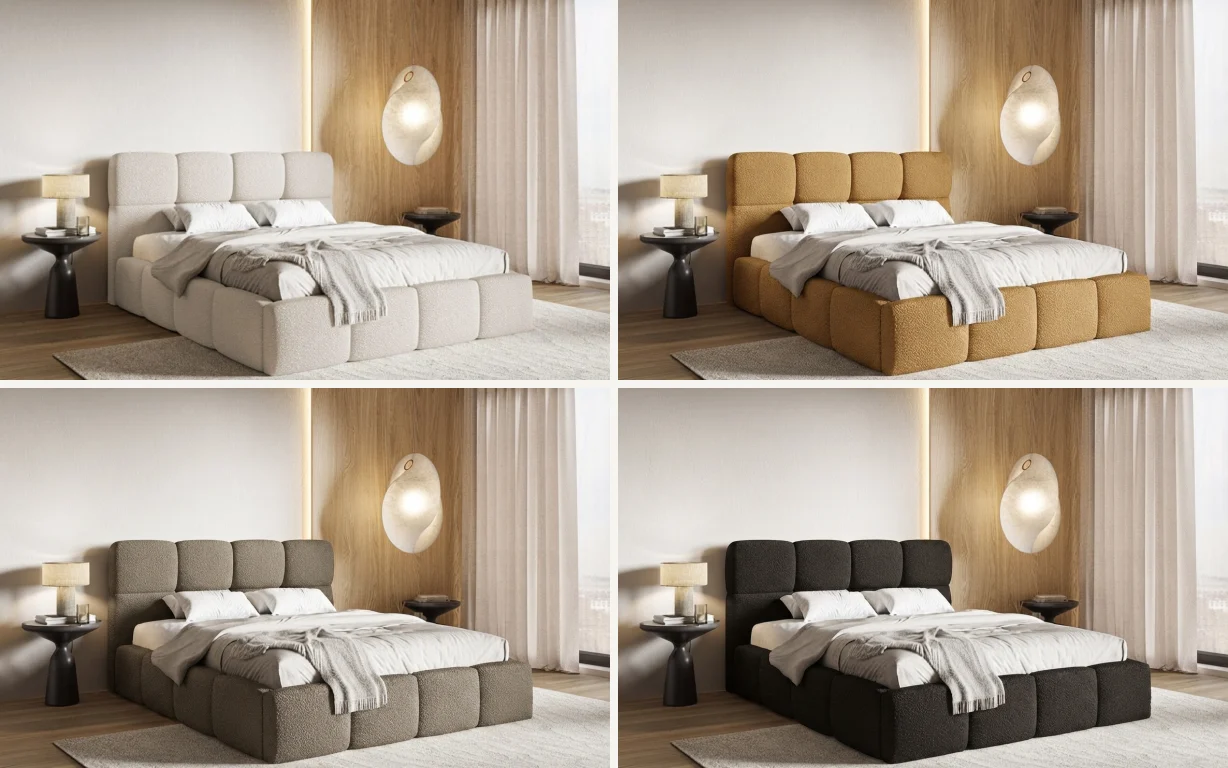
Find the fabric
### From scrolling fabrics to finding the right one.
Buyers describe fabric the way they would tell a salesperson: warm, linen-look, something that survives a dog. None of that is a filter value, so the buyer asks in their own words and the catalogue answers.
[Finding a fabric by describing it](https://ar-range.app/blog-posts/can-customers-find-a-fabric-by-describing-it/)
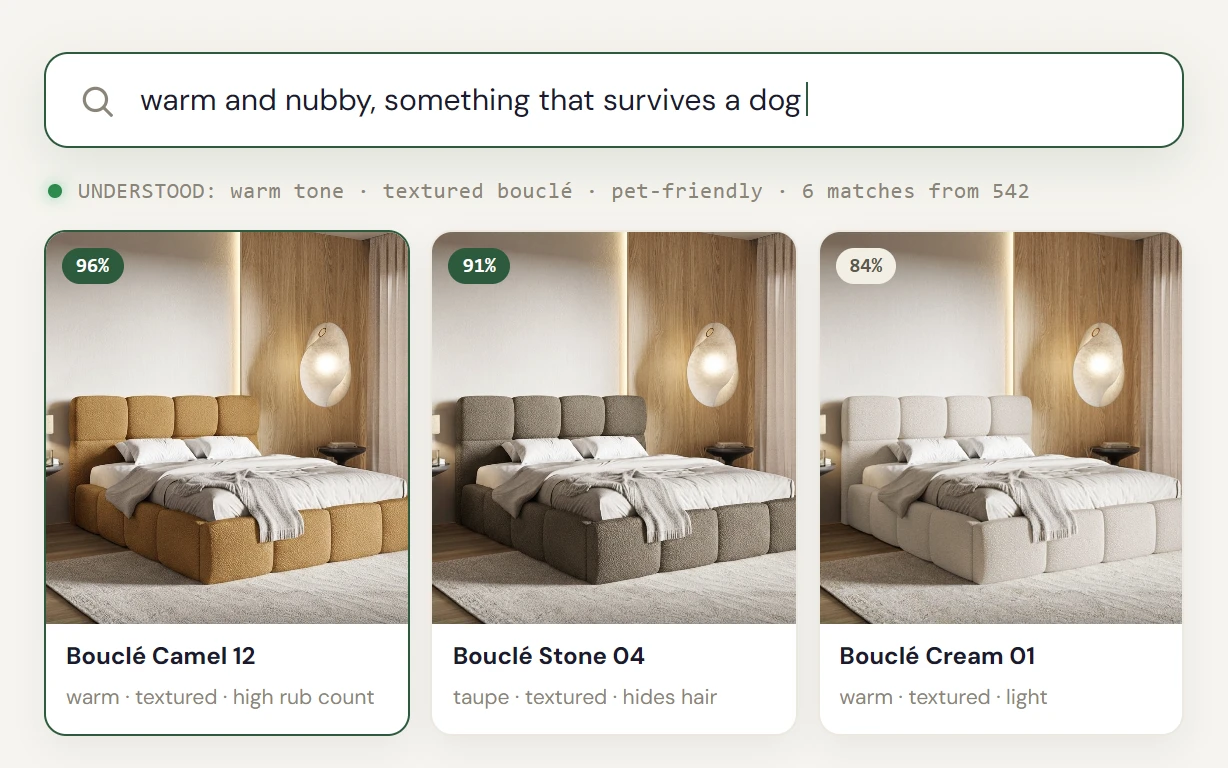
Know it fits
### From dimensions only your upholsterer knows to dimensions on every variant.
You know the numbers belong on the page, and nobody could ever produce them at the scale of your catalogue. Put them in the catalogue once. The shot renders itself on every size and every height, and the configurator draws them live.
[Dimensions on every variant](https://ar-range.app/blog-posts/dimensions-on-every-variant/)
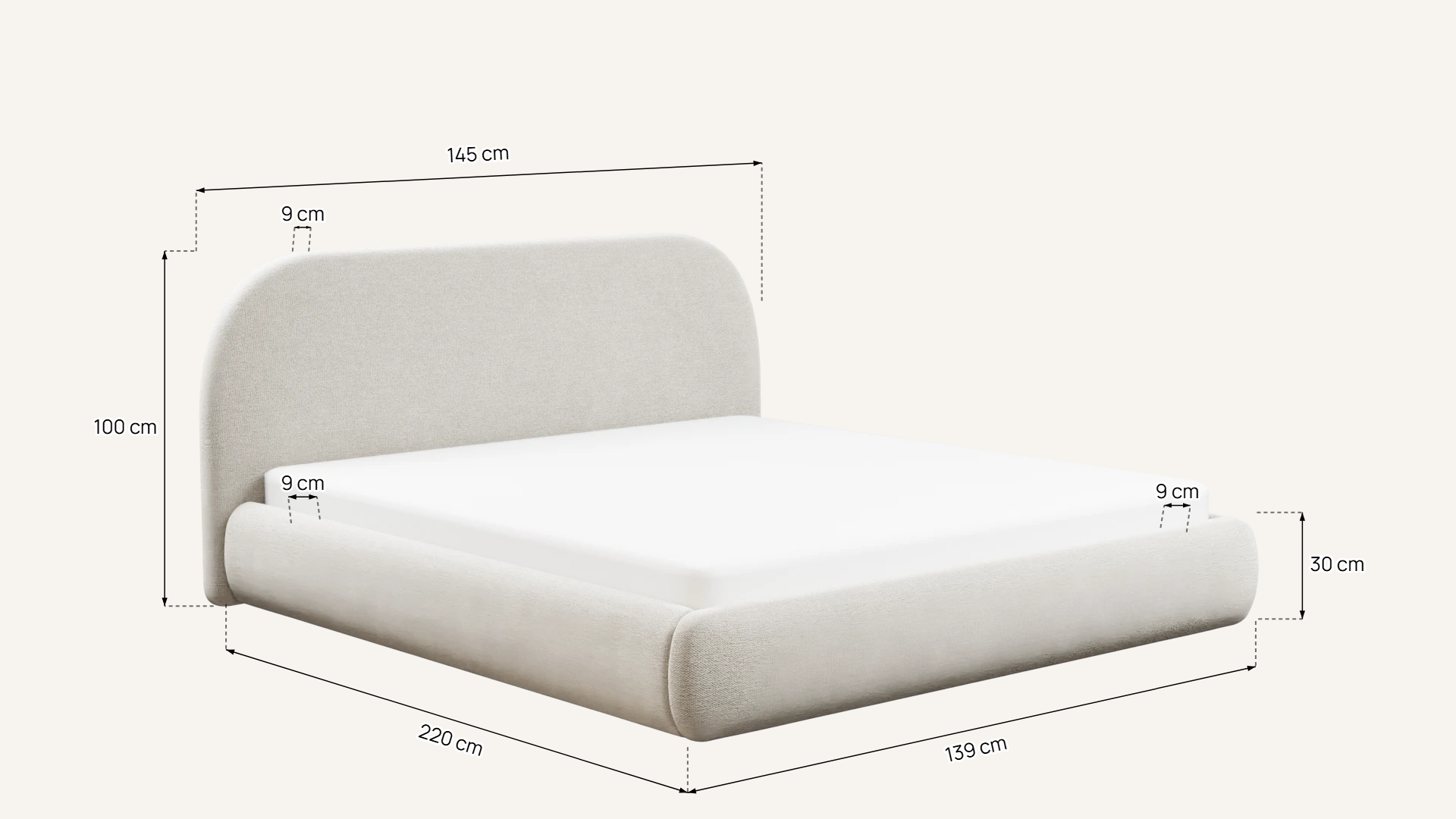
Build and buy
### From a spec sheet to the bed they built, sitting in the cart.
Base, fabric, size, headboard height, mattress, pillows. The buyer builds it and sees it instantly, because the render already exists. Compatibility rules only offer the combinations you can make, and the price follows every choice. What lands on your side is an order you can build, spec-complete, in the cart you already run.
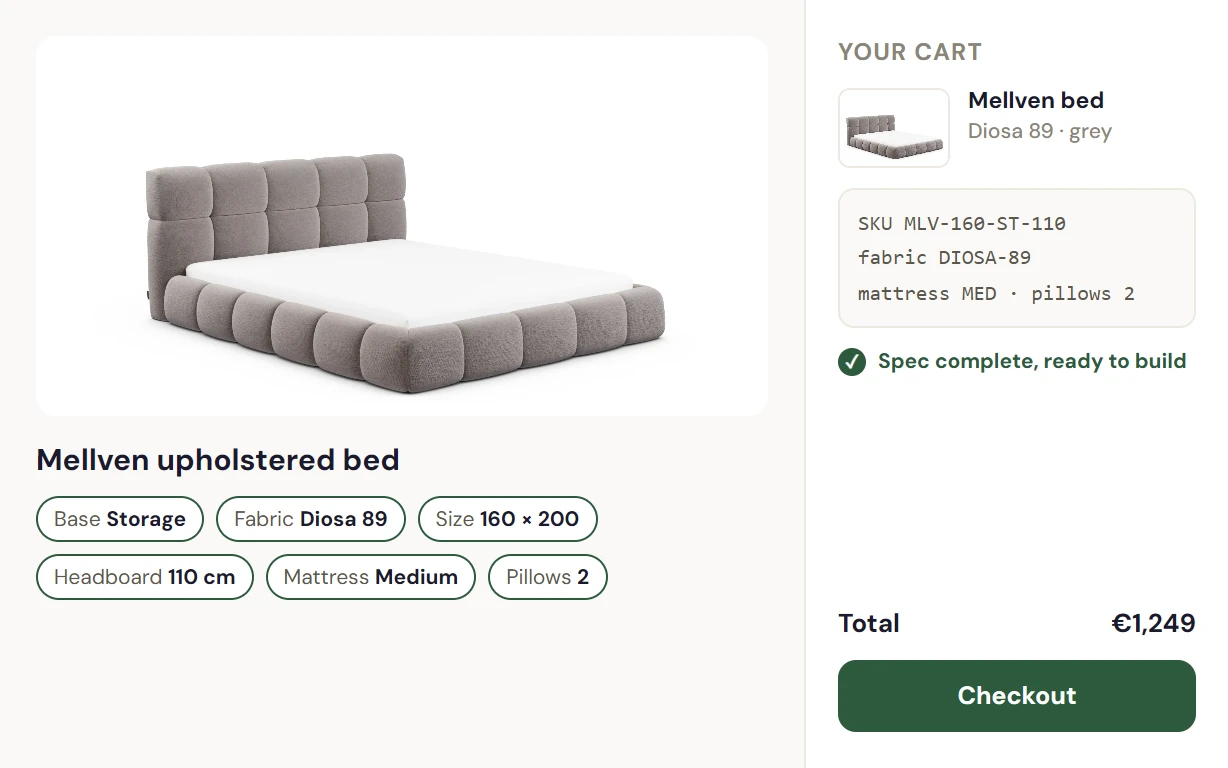
Do it per market
### From one storefront to every market you want to sell into.
One spine holds the beds, the fabrics, the dimensions and the renders, and every storefront reads from it. You edit the bed once and it is right in every country. The next market is a translation job on a catalogue you already have.
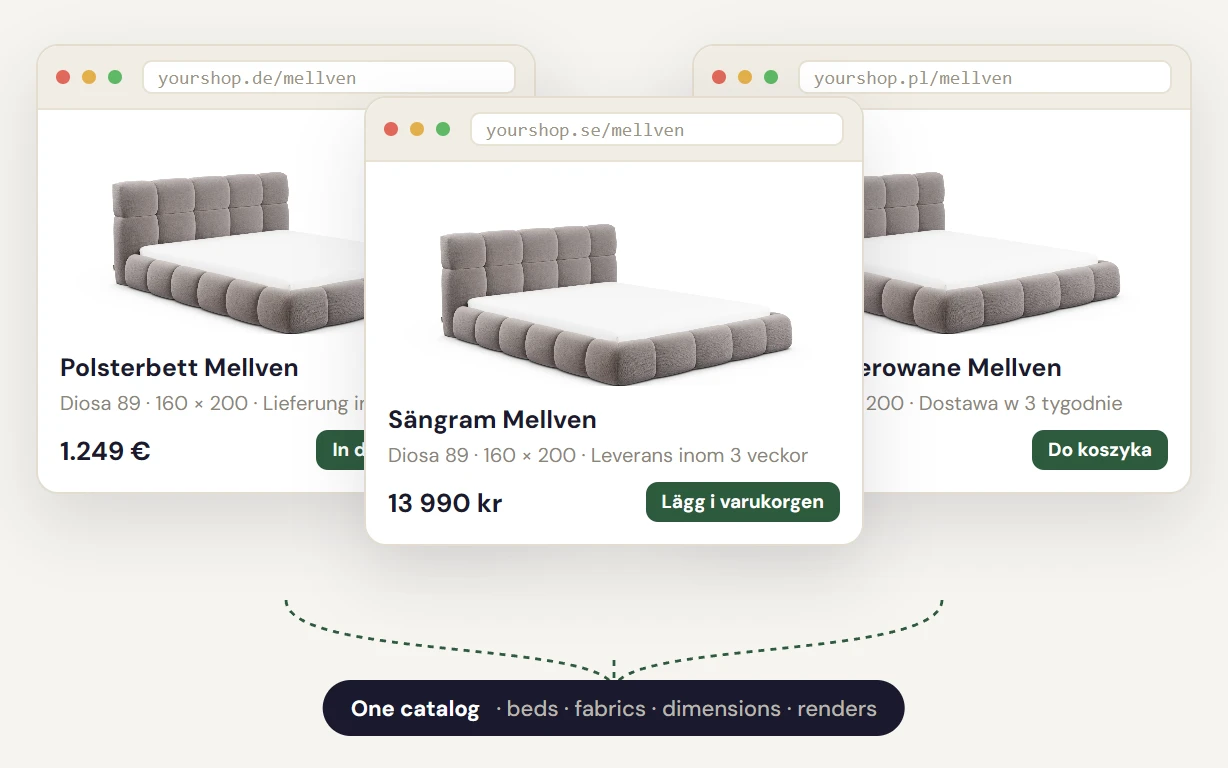
More on beds
## The work behind the claims on this page
### [2.2 million product visuals](https://ar-range.app/case-studies/mybed/)
The full matrix of fabric, size and headboard height, rendered without a camera.
### Refined visuals, close up
54,000 6K images for a sister brand, where the weave had to survive a close look.
[Mitto Home, the sister brand](https://mittohome.pl/)
### [AI Search](https://ar-range.app/products/ai-search/)
The product behind the fabric question your buyer asks in their own words.
From the blog
## Before you choose a bed configurator
### [Two bed brands and the ready-made configurator](https://ar-range.app/blog-posts/two-bed-brands-and-the-ready-made-configurator/)
Both bought the off-the-shelf tool, both came back, and what "ready" turned out to mean on the product page.
### [How to choose the right configurator](https://ar-range.app/blog-posts/how-to-choose-a-right-configurator-for-a-furniture-brand/)
Modular or parametric, lead pre-qualifier or sales configurator, showroom or online.
### [How furniture buyers decide](https://ar-range.app/blog-posts/furniture-emotion-and-conversion-inside-the-customers-mind-in-2025/)
The four stages behind this page, and why every detail that jars at the end is a reason to put the purchase off.
FAQ
## Questions bed makers actually ask
We already put a configurator on the site and it didn't move the numbers. Why would this?
Usually because nobody pinned down what the website's actual problem was. A furniture business can sell very well without a configurator. Take the simplest case: you sell beds in a range of fabrics, and a buyer wants to see bed A in fabric B. A typical 3D configurator takes them off the product page into a separate tool, where they hunt for the fabric, sometimes build the bed again from scratch, and by the end have forgotten what they came to see. The picture they get is not photorealistic either. Then they ask the next question, whether that fabric will last, and the tool has no answer, because to the tool the fabric is only a texture. One bed maker we now work with saw its sales fall when a tool like that replaced a simple fabric picker on the product card. What works is bed A in fabric B on the product page, in a picture true to the weave, with an answer ready when they ask about the fabric.
We carry 500+ fabrics. Do we have to photograph them on every bed?
No, and you could not afford to. We build each bed as a parametric model and generate the matrix from your catalogue data, so nine headboard heights come from one model. Coverage is computed as a grid before anything renders, so "every combination" is a checked claim. A new fabric collection goes live as a re-render. Your own team can add new fabrics without us.
Won't millions of images and a configurator slow our product page down?
They don't, because nothing renders in the browser. The visuals are static images addressed by your own product and option IDs, so the store asks for a picture and gets it in under a second. The configurator draws on the same finished renders. There is no 3D engine sitting on your product page waiting to load.
Do we have to replatform, or rebuild the store?
No. The visuals drop into the storefront you already have, the configurator embeds into your existing template, and the configured bed enters your native cart as a real product, so orders arrive the way they always did. It runs inside Shoper stores today; Shopify, Magento and custom stores take the same image API, and we scope the cart connection per store.
What happens to our images if we stop working with you?
They are yours. Strictly speaking, we render layers (bed frames, headboards, mattresses, contact shadows) and our compositor joins them into the picture the buyer sees. The layers are yours too, so if you would rather build your own way of joining them and leave us, you are free to go.
How long does it take?
A range of 120 bed models, one configurator each, took about two months from start to live, and rendering the full matrix took five days of that. A project starts with one bed, and the rest of the range follows once that one is right.
What does it cost, and how do we start?
The price moves with the number of bed models, the number of fabrics, and how the configurator connects to your cart. There are two ways to work together: as a product your team runs, or with our team embedded through the build. To start, tell us what you make and how you sell it, and we come back with a scoped price.
120
configurators, one per bed model
542
fabrics across 21 collections, searchable in plain language
+15%
online conversion at MyBed.pl
## Tell us what your bed catalogue looks like. We'll tell you if it fits.
Your bases, your fabric collections, how you sell. Two fields, and we take the rest to email. No demo booking, no sales sequence. We reply by email and take it from there.
**1M** variants from one source
**Same day** price changes live in the shop
**No-code** configurators the client runs

================================================================================
Page: Wardrobes & Cabinetry, Visual CPQ for made-to-measure | Ar-range
URL: https://ar-range.app/industries/wardrobes-and-cabinetry/
================================================================================
Industry · Wardrobes & Cabinetry
# Made-to-measure is a quoting problem wearing a furniture costume.
Every wardrobe is a one-off, and every one-off is measured, drawn, priced and re-drawn. The product is fine. The quote is what takes three weeks.
Talk to our team See what changes →
They trusted us

Why CPQ and furniture belong in the same sentence
## You are not selling a product. You are selling a price for a drawing.
Configure, price, quote, CPQ, is a term from software and machinery, and it describes fitted furniture exactly. The configuration is the wardrobe; the price depends on it; the quote is what the customer is actually waiting for.
The difference is that in furniture the customer also has to believe it will look right, which a spreadsheet cannot do and a picture can.
3 weeks
→ same visit
When the configuration produces the picture and the price together, the quote stops being a task somebody does afterwards.
What changes for you
## From a drawing you promise to a wardrobe they can see.
### The measurement drives the render.
Width, height, niche, sloped ceiling. The picture the customer sees is the wardrobe as measured, not a similar one from the brochure.
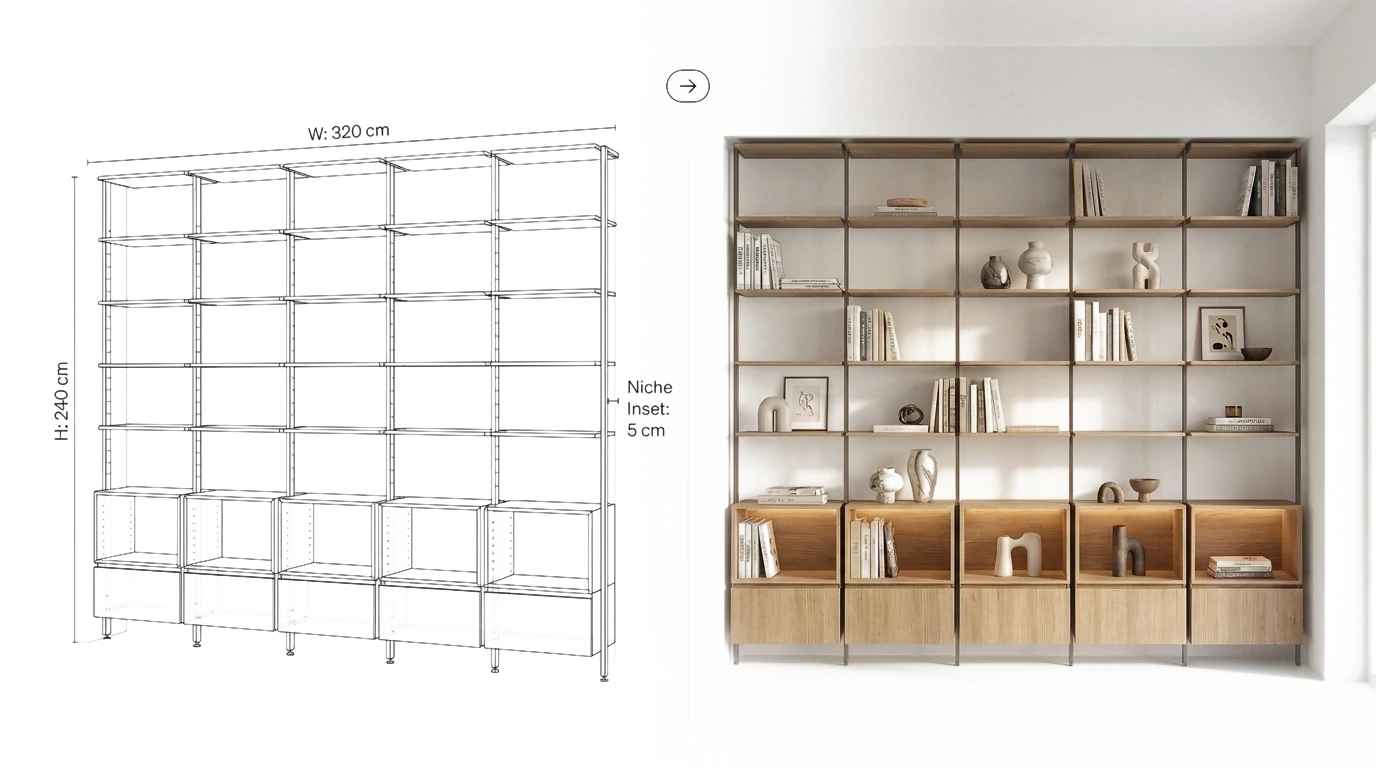
### Finish choices stop being a fan deck.
Every door finish rendered on their wardrobe, in their proportions, instead of a laminate sample held against a wall.
### The quote comes out of the configuration.
Same rules, same numbers, no re-keying. What was priced is what production receives.
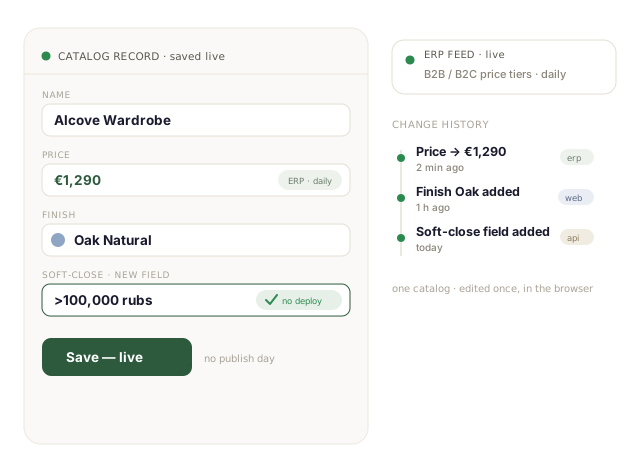
FAQ
## Questions cabinetry makers actually ask.
Every job is bespoke. How can it be configured?
Bespoke usually means parametric, not arbitrary. Widths within a range, a fixed set of doors, known hardware. Parameters and rules cover more of it than most makers expect.
Our pricing depends on material used, not on modules.
Then price on what the configuration resolves to: panel area, edging metres, hardware count. The configurator knows all of it, because it built the thing.
We already use CAD software for production.
It stays. This sits in front of it, for the part of the job that happens while the customer is still in the room.
What about sloped ceilings and awkward walls?
Parameters, like anything else. The constraint is whether your workshop can build it, and that is exactly what the rules encode.
## Quote the wardrobe while they can still see it
Send us how you measure and price. We turn it into a configurator that quotes what you can actually build.
**1M** variants from one source
**Same day** price changes live in the shop
**No-code** configurators the client runs

================================================================================
Page: Case studies | Ar-range
URL: https://ar-range.app/case-studies/
================================================================================
Case studies
# What changed once every variant was on the page
Real catalogues, real numbers, and the pipeline underneath each one.
[2.2M visuals, every variant](https://ar-range.app/case-studies/mybed/)
2.2 million product visuals
MyBed, full catalog, shot without a camera
Upholstered beds across dozens of fabric collections, every size, every headboard height, a catalog matrix in the millions no camera could ever shoot. We built the beds as parametric 3D models and rendered the whole matrix with one consistent look, then put every combination live on the product page.
Read the MyBed case study →

[Showroom POS](https://ar-range.app/case-studies/paradise-grills/)
30 min → 5 min to close
Paradise Grills, 40+ US showrooms, live since April 2024
Custom outdoor kitchens sold across 40+ showrooms, each sale a long paper contract. We built the showroom POS on our catalogue engine: the configurator hands the build to the iPad by QR code, the customer signs and pays in the room or from their own browser, and the order lands in NetSuite. Live since April 2024.
Read the Paradise Grills case study →

[Fabric-true product visuals](https://ar-range.app/case-studies/mitto-home/)
54,000 renders, fabric-true down to the weave
Mitto Home, premium furniture and bedding, ongoing since May 2026
Mitto Home sells on “feel the colour,” premium upholstered furniture bought almost entirely from a screen. We scan every fabric from the physical swatch, rebuild it as a physically accurate material, and render each piece from four angles: 54,000 6K images so far, and counting.
Read the case study →
[Semantic fabric search](https://ar-range.app/case-studies/mybed-ai-search/)
542 fabrics, one sentence
MyBed, semantic search in plain Polish, live since August 2026
Buyers don't know collection names. They know "soft grey velvet for a hotel." MyBed's full range across 21 collections answers exactly that phrasing every day, in production, and shows the bed in the fabric the buyer asked for, from a matrix of 2.2 million prerendered visuals.
Read the case study →
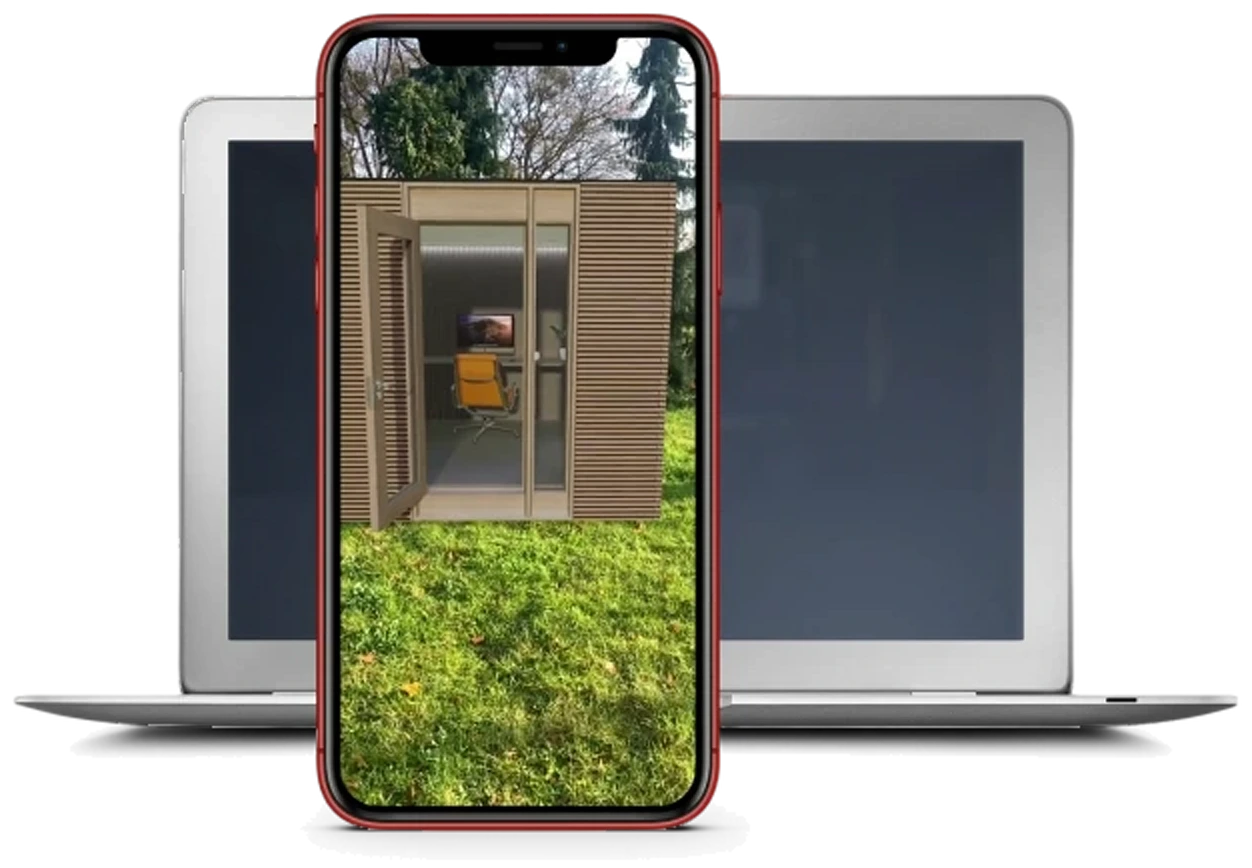
[Web AR viewer](https://ar-range.app/case-studies/garden-houses-in-augmented-reality/)
3 weeks to an AR garden office
Pure Modular, Pure Office at 1:1 scale in the buyer's garden, 2022
A garden office sells on being stood in, and lockdown removed every showroom and site visit at once. We put the building in the customer's own garden instead, at full size, through the phone they already had, with nothing to install. Live in three weeks by building the configurations up to 80% of buyers pick.
Read the case study →
[3D configurator + web AR](https://ar-range.app/case-studies/3d-configurator-for-the-sale-of-a-personalized-energy-storage-bicycle/)
Every build priced live, then placed in AR
Tukas EV, HR Bank energy bike, PrestaShop store, 2023
The HR Bank is an exercise bike that stores the electricity you pedal, and every one is ordered with its own frame material, colour and components. We built the configurator inside Tukas EV's PrestaShop store: the customer switches options on a 3D model, sees the shop's price as they go, and stands the finished bike in their room through the phone in their hand.
Read the Tukas EV case study →
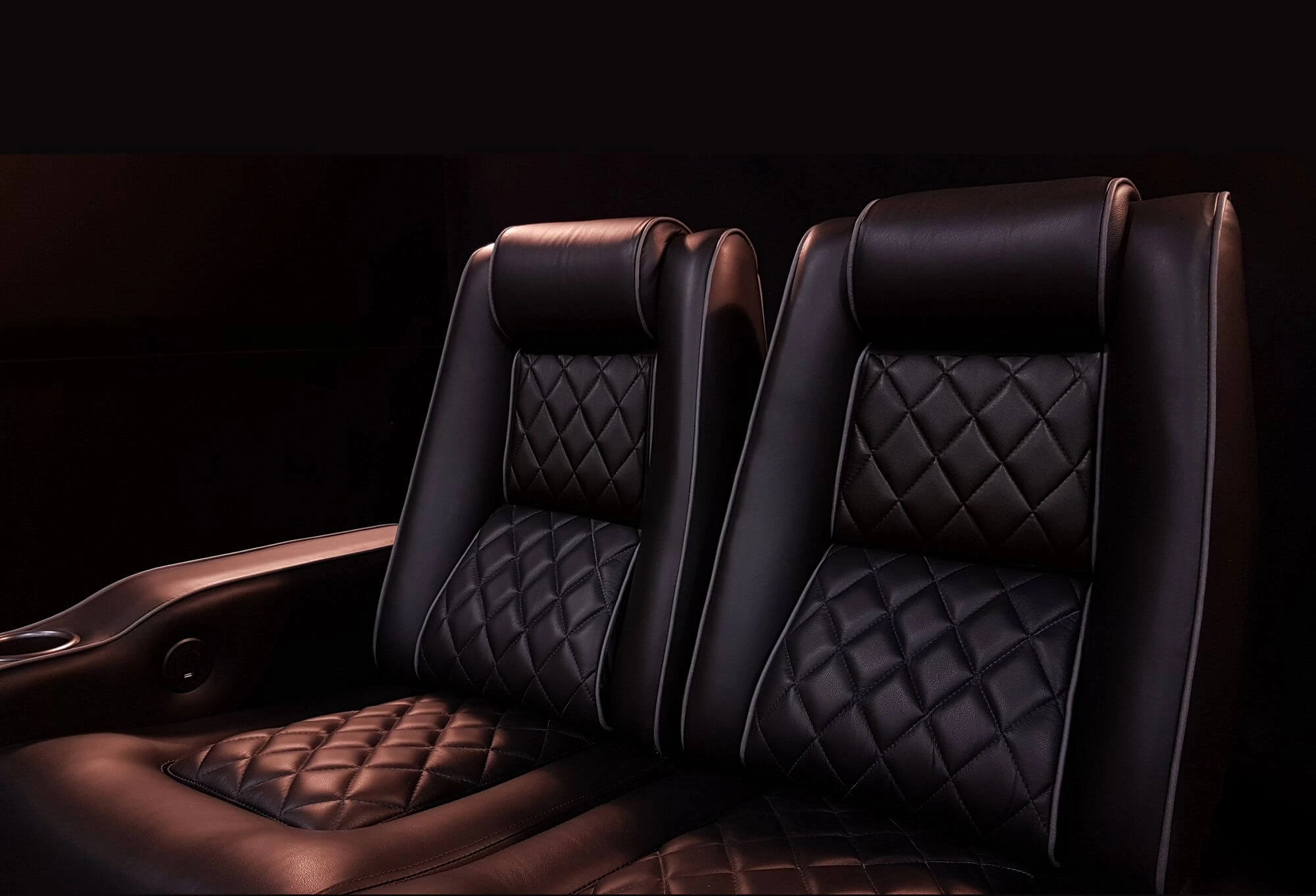
[3D configurator + web AR](https://ar-range.app/case-studies/how-augmented-reality-support-sales-of-custom-hand-crafted-home-theater-seating/)
Every custom configuration, placed in AR in real time
Elite HTS, home theatre seating configurator, since 2022
Elite HTS sells premium home theatre seating built to order, across four continents, with no showroom to visit. We wrote a script that turns any custom configuration into a placeable AR model in real time, something Sketchfab's own API still doesn't do, so a customer can stand their exact chair in their room from a phone, or scan a QR code from a desktop.
Read the Elite HTS case study →
[Packaging configurator](https://ar-range.app/case-studies/how-lprint-helps-customers-create-unique-product-packaging/)
The customer's artwork on the pouch, checked before it prints
Lprint, custom printed pouches, WooCommerce store, 2023
Lprint prints pouches and flexible packaging to order, from a single bag upwards, for craft producers and large brands alike. We built the Pouch Builder inside their WooCommerce store: the customer picks material, finish and add-ons on a 3D pouch, uploads their own artwork and sees it on the bag, has the file preflighted before it becomes an order, and can look at the finished pouch in AR from their phone.
Read the Lprint case study →
## If they can't see it, they won't buy it. Let's show them.
Leave your details and we arrange a free consultation with the people who have spent years helping brands sell customised products. You bring the catalogue and the questions. We bring what has worked, what has not, and what it would take for you.
**1M** variants from one source
**Same day** price changes live in the shop
**No-code** configurators the client runs

================================================================================
Page: An energy-storing exercise bike built to order in 3D, priced live and placed in AR: Tukas EV | Ar-range
URL: https://ar-range.app/case-studies/3d-configurator-for-the-sale-of-a-personalized-energy-storage-bicycle/
================================================================================
Case study · Tukas EV
# Every bike priced live as it is built, then placed in the room.
Tukas EV has built renewable energy devices since 2010. The HR Bank turns a workout into stored electricity, and every one is ordered with its own frame material, colour and components. Ar-range built Tukas EV the configurator that lets a customer choose them, see the price from the shop as they go, and stand the bike in their room through the phone in their hand.
Talk to our team See what we built →
A product nobody has seen before cannot be sold from a photo and a price list.
So the customer builds it, prices it and places it in the room themselves.
What we built
## From a list of options to a bike the customer can see, price and place.
Configure
### The bike changes as they choose.
Frame materials, colours and components are picked one at a time on a 3D model rendered through the Sketchfab API, so every change is seen against everything already chosen, from any angle.
Price
### The price comes from the shop, not a spreadsheet.
The configurator reads materials, products and prices from the PrestaShop store and writes the finished build back to its cart. Materials live as PrestaShop categories, the frame first, then wood, leather or paint beneath it, with colours added by HEX code, so Tukas EV switches an option on or off without touching the 3D.

Place
### Into the room, from the browser.
Once configured, the bike opens in augmented reality at full size. Our script builds a GLB or USDZ file from the exact configuration; a phone shows it in the room straight away, a desktop shows a QR code to scan. No app to install.

Order
### The build goes into the cart as a picture.
A screenshot of the finished configuration is generated and added to the cart with the order, so what was chosen is on record for the customer and for the workshop. Default settings are changed in one place when the range moves on.

In short
Tukas EV
HR Bank · energy-storing exercise bike
The challenge
A product nobody had seen before, with frame materials, colours and components to choose, sold from a PrestaShop store that could show one photo and a price list.
What we delivered
- A 3D configurator on the Sketchfab API: materials, colours and components switched live on the model.
- Two-way PrestaShop integration: materials and prices in, the configured build and its screenshot out to the cart.
- Web AR from the same configuration: GLB or USDZ generated on the fly, QR code on desktop, nothing to install.
- Materials managed as shop categories and HEX codes, so the range is changed without a developer.
FAQ
## What people ask about a configurator like this.
Does the customer need an app for the AR view?
No. On a phone the configured bike opens in augmented reality from the browser. On a desktop the page shows a QR code, and the phone that scans it opens the same configuration in the room.
Who manages the materials and colours?
Tukas EV does, in PrestaShop. Each material is a category under the frame, and each colour is a HEX code. Adding or retiring an option is a shop edit, not a 3D job.
Why the Sketchfab API rather than a custom engine?
The HR Bank is one model with many finishes, and the Sketchfab API renders that smoothly with nothing extra to load. Our work went into the customisation logic, the pricing and the PrestaShop integration.
What does the shop receive?
The order, with the chosen materials and components as PrestaShop products, and a screenshot of the finished configuration added to the cart alongside them.
In their words
“
It was very easy to work with them. The project was created on time, professional team. In our case, they succeeded in every step that we ordered.
Aurelijus Jaškulis
COO, Tukas EV
## Selling something nobody has seen before?
Tell us what it is and what the customer gets to choose. We will tell you straight whether a configurator, AR or both will carry it, and what it takes to hook it into the shop you already run.
**1M** variants from one source
**Same day** price changes live in the shop
**No-code** configurators the client runs

================================================================================
Page: Pure Modular: a garden office at 1:1 in the buyer's garden, in three weeks | Ar-range
URL: https://ar-range.app/case-studies/garden-houses-in-augmented-reality/
================================================================================
Case study · Pure Modular
# A garden office at full size in your own garden, in three weeks.
Pure Modular builds modular garden buildings, office, gym, studio, configured to the buyer. Then lockdown removed every way of showing one. Ar-range built them a web AR viewer that puts the building in the customer's garden instead.
Talk to our team

3
weeks to launch
80%
of buyers covered
1:1
scale in the garden
How it works
## From the product page into the garden.
Scan
### A code on the product page.
The Pure Office page shows a QR code next to the model. Scan it with a phone and the office opens in augmented reality, straight from the browser, with no app to download.
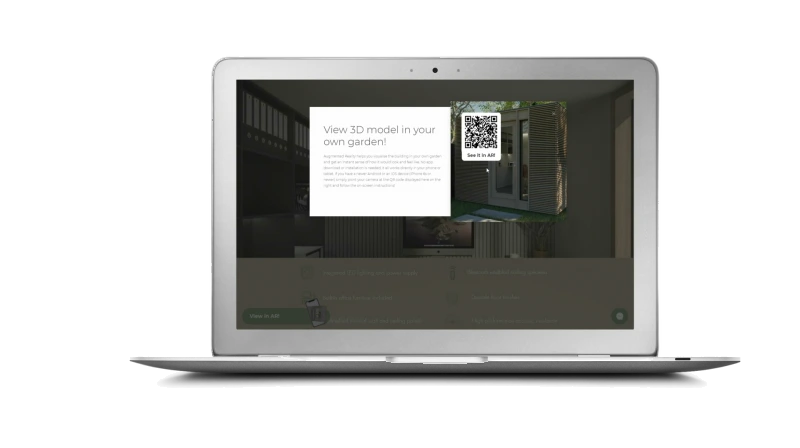
Place
### Point the phone at the lawn.
The phone finds the ground, then the office settles on the grass at full size, exactly where it would stand.
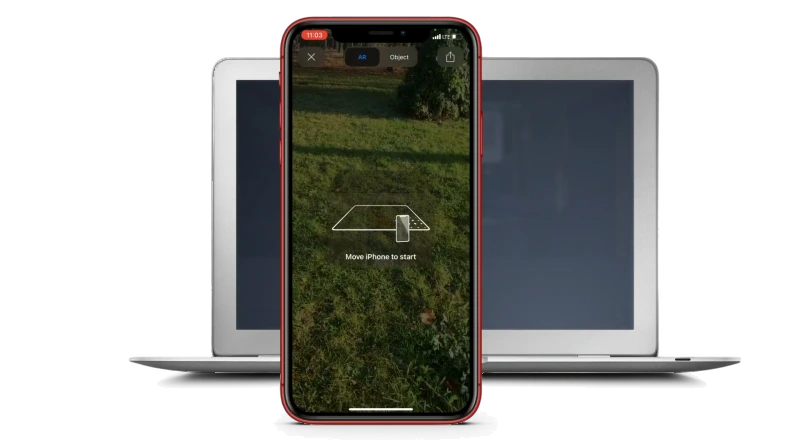
Walk around
### See it from outside, at 1:1.
Photorealistic lighting, textures and colours, so the cladding, the glazing and the proportions read the way they will on delivery day.

Go inside
### Step in and sit at the desk.
The model is complete inside too: walk through the door and see the workspace the way you would use it, before anything is bought.
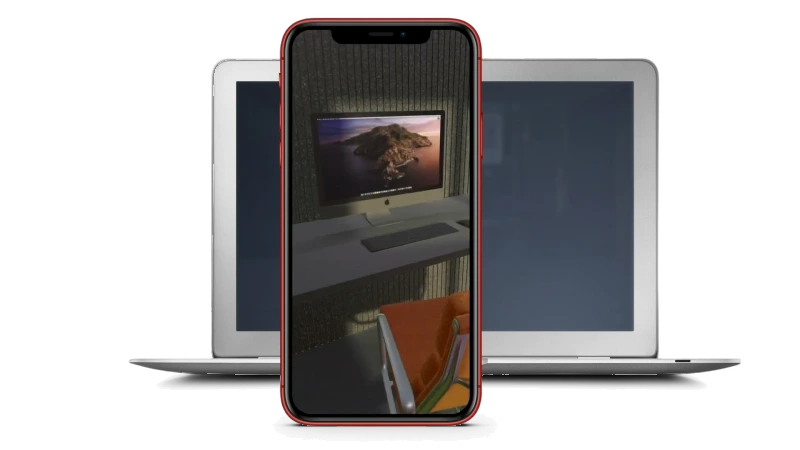
What we built
Pure Modular
Pure Office · modular garden buildings
The constraint that shaped it
Pure Modular was a startup, the market need was immediate, and a full parametric configurator would have taken months and a budget that did not exist. The honest answer was not to build one.
What we did instead
- Modelled Pure Office once, with photorealistic lighting baked for AR.
- Built AR experiences for the configurations that match up to 80% of buyers: cladding in oak, grey and dark wood, with fit-out options.
- Shipped it through the Ar-range widget, so AR opens from the website with nothing to install.
- Cut file weight hard enough to load on a phone without losing the finish quality the product sells on.
FAQ
## What people ask about AR for buildings.
Does the customer need an app?
No. It opens from the product page on the phone they are already holding. That was a hard requirement: an install step loses most of the people you just persuaded to look.
Why not a full configurator?
Because a small number of configurations cover most buyers. Building those first put a working AR experience in front of customers in three weeks; the long tail can follow once it is earning.
Is the scale trustworthy?
It is 1:1 against the real building. That is the point, the question a garden office has to answer is whether it fits, and how it feels to stand in.
Our product is heavier than a shed. Will it load?
That was the hardest part here too. Keeping the finish while cutting file weight enough for mobile took several iterations, and it is the work that decides whether AR is usable or a spinner.
## Selling something too big to bring to the customer?
Tell us what it is and how it varies. We will tell you straight whether AR carries it, and which configurations are worth building first.
**1M** variants from one source
**Same day** price changes live in the shop
**No-code** configurators the client runs

================================================================================
Page: Every custom Elite HTS seat, placed in AR in real time, still beyond Sketchfab's own API | Ar-range
URL: https://ar-range.app/case-studies/how-augmented-reality-support-sales-of-custom-hand-crafted-home-theater-seating/
================================================================================
Case study · Elite HTS
# Every custom Elite HTS seat, placed in the room in real time.
Elite HTS builds premium home theatre seating to order and ships across four continents, with no showroom nearby for most buyers. Their models already ran on Sketchfab, but Sketchfab's own API has no way to generate an AR model from a live configuration, then or now. Ar-range wrote Elite HTS the script that does it: the exact chair, in the exact finish, at full size, from a phone or a QR code.
Talk to our team See what we built →

Sketchfab can render every finish a customer configures.
It still can't turn that configuration into something placeable in a room, on its own.
What we built
## From a configuration on screen to a chair standing in the room.
Generate
### A script that turns a live configuration into AR.
The base configurator already ran on the Sketchfab API when we started: customers could switch fabric, finish and layout on a 3D model. What it couldn't do was turn that exact configuration into a model ready for augmented reality, and Sketchfab's own API still doesn't do this on its own. We wrote the script that closes that gap, generating an AR-ready model from whatever the customer just built.
✓Built from the exact configuration chosen, not a generic model
✓Opens on a phone directly, or by QR code from a desktop
✓Still not something Sketchfab's API does by itself
Place
### Full size, in the room, before it's ordered.
A home theatre chair is large, expensive and hard to send back. Standing the exact configured piece in the room it will actually occupy, at true scale, answers the question a product photo cannot: does this fit, and does it look right here.
✓Rotate and move the placed model freely
✓True to the scale of the physical piece
✓No app to install
Rebuild
### The configurator, reworked for the phone it's used on.
Most of this happens on a phone, not a desktop, so we reworked the configurator's own interface for touch, on both iOS and Android, rather than leaving a desktop layout to be pinched and scrolled.
✓Touch-first controls on iOS and Android
✓Same configuration state carried into the AR view
Case study · Elite HTS
“
Ar-range has demonstrated a high level of efficiency by always delivering a final clean product which offers high functionality and stability, all while providing timely responses and communication at a reasonable price.

Bobby Bala
CEO, Elite HTS
Challenge
Elite HTS builds premium home theatre seating to order and ships across four continents, with no showroom nearby for most buyers. Their models already ran on Sketchfab, but Sketchfab's own API has no way to turn a live configuration into a placeable AR model, then or now.
Solution / Result
- A script that generates an AR-ready model from the exact configuration chosen, in real time.
- Opens on a phone directly, or by QR code from a desktop, at the true scale of the piece.
- The configurator's own interface reworked for touch, on iOS and Android.
- The site later moved to Webflow, where we re-embedded the configurator directly on product pages, part of an ongoing partnership with Elite.
[Read the case study →](https://ar-range.app/case-studies/how-augmented-reality-support-sales-of-custom-hand-crafted-home-theater-seating/)
FAQ
## What people ask about a script like this.
Does the customer need an app to view it in AR?
No. On a phone it opens in augmented reality straight from the browser. On a desktop, the page shows a QR code, and the phone that scans it opens the same configuration in the room.
Can Sketchfab do this on its own?
Not the AR generation, no. Sketchfab renders the configured model; turning that exact configuration into a placeable AR model is the part we built, and it still isn't something their API does by itself, used this way, today.
Does this replace a showroom visit?
We wouldn't claim that, and we'd be cautious of anyone who does: AR rarely moves the needle on its own. What it does is answer the one question a showroom visit answers, whether the piece fits and looks right, for the many buyers across four continents who don't have one nearby.
Is this still running?
Yes, since 2022, and the partnership with Elite HTS continues: we later implemented their Webflow site and re-embedded the configurator directly on each product page instead of a separate subpage.

In their words
“
Ar-range has demonstrated a high level of efficiency by always delivering a final clean product which offers high functionality and stability, all while providing timely responses and communication at a reasonable price.
Bobby Bala
CEO, Elite HTS
## Selling something too big and too personal to ship on approval?
Tell us what it is and how many finishes it comes in. We'll tell you straight whether AR, a configurator, or both will carry it, and what a script like this actually takes to build.
**1M** variants from one source
**Same day** price changes live in the shop
**No-code** configurators the client runs

================================================================================
Page: Custom pouches configured, artwork checked and ordered online: Lprint | Ar-range
URL: https://ar-range.app/case-studies/how-lprint-helps-customers-create-unique-product-packaging/
================================================================================
Case study · Lprint
# The customer's artwork on the pouch, checked before it prints.
Lprint prints pouches and flexible packaging to order, recyclable or compostable, from a single bag to a full run. Every order carries a different artwork, so the shop needed more than a product page. Ar-range built Lprint the Pouch Builder: material, finish and add-ons chosen on a 3D pouch, the customer's own PDF applied to it and preflighted, an AR view from the phone, and the finished order straight into the WooCommerce cart.
Talk to our team See what we built →
A proof by email is a day lost and a file that still might be wrong.
So the file is checked, and the pouch shown, before the order exists.
What we built
## From a quote by email to a pouch the customer builds, checks and orders.
Configure
### The pouch is built on screen, from the samples.
We modelled the pouches from Lprint's physical samples, with the real surfaces: metallic, white and transparent plastic, compostable film and paper, matte or glossy. The customer picks the size in the shop, then material, finish and add-ons such as a zip lock or a euro hole, and the 3D pouch, rendered through Sketchfab, changes as they go.
Upload
### Their artwork lands on the bag.
In the second step the customer downloads the die-line template, uploads the finished PDF and sees it on the 3D pouch, front and back, in the finish they chose. Getting a multi-layer print PDF onto a 3D surface so that both the artwork and the material read correctly was the hardest part of the build.
Check
### The file is preflighted before it is an order.
Every upload goes through Enfocus. The customer gets the result on the spot: a pass with the report, or the error and what to fix, and uploads again. Prepress stops chasing files, and the artwork that reaches the press is the one that passed.
Place and order
### In the room in AR, then into the cart.
One tap shows the configured pouch at full size through the phone camera, with no app to install; on a desktop a QR code hands it to the phone. The customer then adds the configured order to the WooCommerce cart, or saves it as a draft with a link they can return to, change or share.

In short
Lprint
Custom printed pouches · Kaunas
The challenge
Every order is a different artwork on a different bag. Selling that by email meant a quote, a proof, a corrected file and a second proof before anything could print.
What we delivered
- 3D pouches modelled from physical samples, with the real materials and finishes, rendered through Sketchfab.
- A two-step Pouch Builder in the WooCommerce store: material, finish and add-ons, then artwork and quantity.
- The uploaded PDF applied to the 3D pouch and preflighted by Enfocus, with the report back to the customer before the order exists.
- Web AR of the finished pouch, a draft saved and shared by link, and the configured order straight into the cart.
FAQ
## What people ask about a configurator like this.
Does the configurator replace the proof by email?
For the technical check, yes. Enfocus preflights every upload and returns the report to the customer before the order exists, so what reaches prepress has already passed. A person still looks at what a person should look at.
Which shop does it run in?
Lprint's store on WooCommerce. The size is picked on the product page, the Pouch Builder takes over from there, and the configured order comes back into the WooCommerce cart with the artwork attached.
Can the customer come back to an unfinished pouch?
Yes. A configuration can be saved as a draft under its own link, reopened later, changed, or sent to the colleague who has to approve it.
Does the AR view need an app?
No. On a phone the configured pouch opens in augmented reality from the browser. On a desktop the page shows a QR code, and the phone that scans it opens the same pouch.
## Selling print that changes with every order?
Tell us what the customer chooses and what file they bring. We will tell you straight what a configurator with a preflight check would take on the shop you already run.
**1M** variants from one source
**Same day** price changes live in the shop
**No-code** configurators the client runs

================================================================================
Page: 54,000 fabric-true renders for Mitto Home, four angles per piece | Ar-range
URL: https://ar-range.app/case-studies/mitto-home/
================================================================================
Case study · Mitto Home
# 54,000 renders that hold up to a close look, for Mitto Home.
Mitto Home sells on “feel the colour,” but online nobody can feel anything. Ar-range scans every fabric from the physical swatch, rebuilds it as a physically accurate material, and renders each piece from four angles: 54,000 6K images so far, and counting, since May 2026.
Get this for my catalogue See the results →
LIVE · prerenderedserved in 40 ms
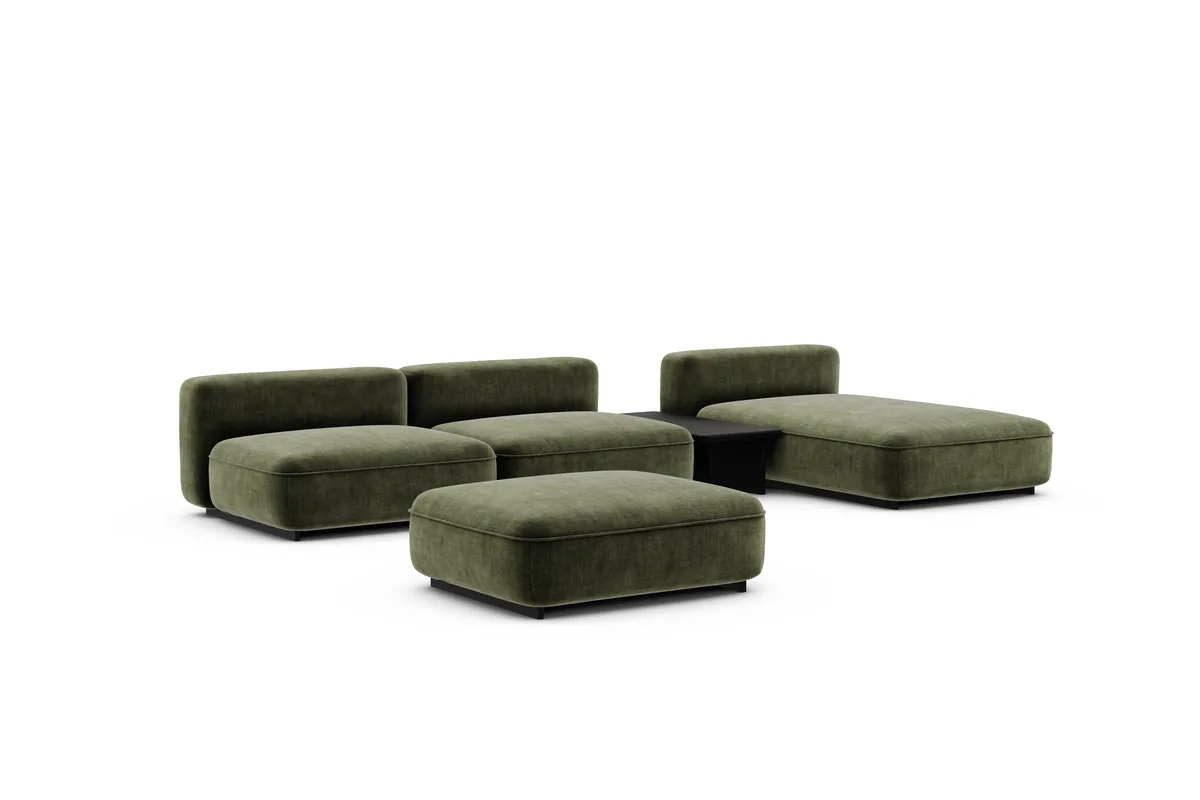
Moodu corner · Set 1 · ¾ viewGolden 35
In production today
## The numbers so far.
13,500
sofa variants visualised so far, every fabric and finish combination shot in full.
4
angles rendered for every variant, so the page shows what a photo can't.
54,000
6K renders delivered in total, and counting since May 2026.
The challenge
## One supplier, wildly different amounts of work.
Mitto Home sells on “feel the colour,” upholstered furniture that is delicate and expensive to buy without touching it. Nobody purchases from a photo alone: the render has to hold attention long enough for a buyer to order a physical swatch and hold it up against their own room. If the visual isn't convincing, the swatch never gets ordered, and nothing downstream, not the fabric catalogue, not an AI-guided swatch finder like the one MyBed runs, gets a chance to do its job.
Not every fabric costs the same to get right, even from one supplier. Some textures scan clean and drop straight into the pipeline: thousands of stunning renders with barely a second look. Others, like Fargotex's Golden chenille and Corbett basketweave, take 20+ hours of hand-tuned shader work before a single render ships. That variance is exactly what makes quoting a new fabric range hard to estimate up front.
2
fabrics that needed a shader built from scratch
Golden's directional chenille sheen and Corbett's salt-and-pepper weave sit in the same Fargotex range as fabrics that scan clean and render the same day.
The solution
## Scan the swatch, rebuild the material, then render at scale.
Scan
### Material scanning on the real swatch.
Every fabric is material-scanned from the physical sample, photographed under light from many directions, then rebuilt as a physically accurate material with procedural texture generation and stochastic tiling, so a headboard-width repeat never reads as an obvious tile.
✓Colour and weave matched against the physical swatch
✓Fargotex Golden's chenille sheen and Corbett's basketweave, down to the yarn
✓Every colourway in a collection inherits the same physically correct behaviour
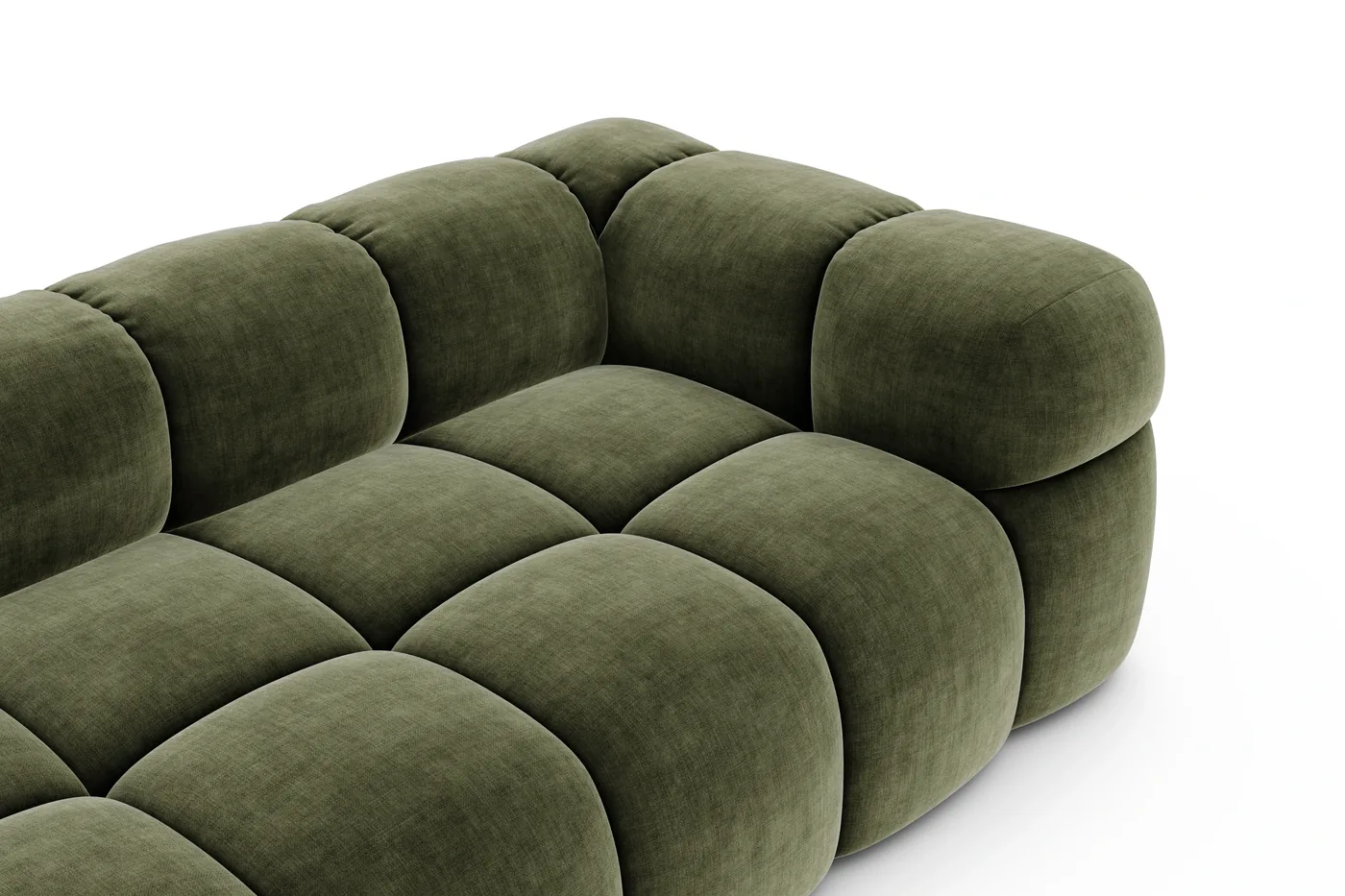
Render
### Four angles, on compute we manage ourselves.
Once a material is locked, the whole range renders through the same pipeline: four angles per fabric and finish, on rented compute with in-house performance management, the same infrastructure behind MyBed's catalogue.
✓13,500 variants visualised, four angles each, 54,000 renders delivered so far
✓Four angles per fabric and finish
✓New fabrics drop into the same pipeline and come out matching
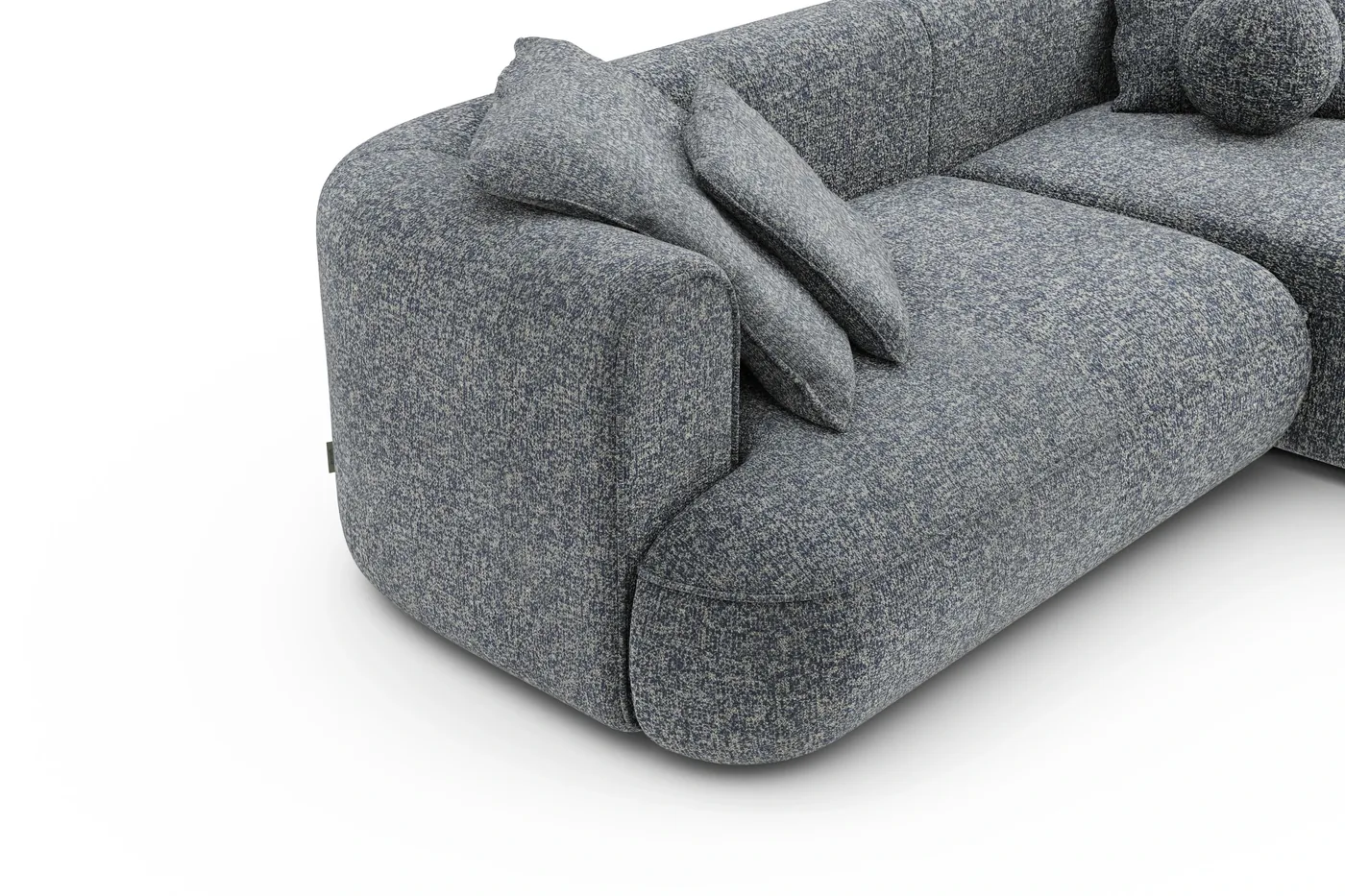

In their words
“
Our customers can tell a real piece from a cheap render, and so can we. Ar-range got the fabrics right, down to the weave and the sheen we worried no one could reproduce, and they did it across the whole range. We couldn't buy that anywhere else.
Karolina Kasińska-Kowalczyk
Product Manager, Mitto Home
## Selling a fabric that has to be felt through a screen?
Tell us the range and how it's made. We'll tell you straight which fabrics render clean and which ones need the real time.
**1M** variants from one source
**Same day** price changes live in the shop
**No-code** configurators the client runs

================================================================================
Page: 542 fabrics found by one plain sentence: semantic search for MyBed.pl | Ar-range
URL: https://ar-range.app/case-studies/mybed-ai-search/
================================================================================
Case study · MyBed AI Search
# 542 fabrics, found by one plain sentence.
Ar-range built MyBed.pl a semantic fabric search. Shoppers describe what they picture, “looks like jeans” or “an elegant fabric that hides stains”, and semantic search answers in under 10 seconds with the right fabrics from 542 across 21 collections, then shows the bed in that exact fabric from 2.2 million prerendered visuals.
Get this for my catalog See the results →

In production today
## What changed in search
542
fabrics across 21 collections, found in plain language, no collection names to know
<10 s
to answer, scoring around 50 fabric parameters, technical and abstract
2.2M
prerendered visuals the result renders from
The challenge
## The words a shopper uses are not the words in the catalogue.
MyBed sells beds in 542 fabrics across 21 collections. Nobody shopping for a bed knows those collection names, and nobody wants to open 21 of them. They know what they picture: something soft and grey, a fabric that will survive a dog, one that looks like linen.
A filter list has no box for any of that. It offers colour groups and collection names, so the shopper either learns the vocabulary of the catalogue or gives up. Most give up, and the store pays for that traffic twice.
21
Collections nobody wants to open one by one
Every collection has its own names and its own logic. The buyer has a sentence.
The solution
## Read the sentence, then let plain code do the ranking.
1
### The model reads, it does not choose.
The AI turns the sentence into a structured plan: what must be true, what would be nice, which colour family, what the fabric is for. It never touches the catalogue, so it cannot invent a product that does not exist.
2
### Plain code scores the catalogue.
Deterministic scoring runs that plan against around 50 parameters per fabric, technical ones like weave and rub count, and abstract ones like cosy or contract-grade. Every result can be traced to the points that put it there.
3
### An answer in under ten seconds.
The shopper types in Polish, the way they would say it to a salesperson, and the matching fabrics come back in under ten seconds, in their own words rather than in collection codes.
4
### The bed, in that exact fabric.
Each result shows the bed in the fabric it names, pulled from the 2.2 million prerendered visuals we built for the catalogue. The find is shown on the product, not on a swatch square.
Case study · MyBed
“
Our shoppers stopped scrolling and started describing. They type what they picture, and the right fabrics come up.

MyBed.pl
Bed manufacturer · semantic fabric search
Challenge
542 fabrics across 21 collections. Polish shoppers describe colour and feel their own way (“autumn leaves”, “looks like linen”), and a filter UI had no box for any of it.
Solution / Result
- Search understands colour, feel and use, not just keywords: “looks like jeans” works even though no fabric is denim.
- Answers in under 10 seconds, scored on around 50 parameters, technical and abstract.
- A back-office panel shows the most searched phrases and the fabrics returned, so MyBed’s own team can tune the fabric tags.
- The bed appears in the exact fabric the buyer described.
Talk to our team →
Semantic search
## Questions we get about search this size
Do buyers need to know collection names?
No. They describe colour, feel and use in their own words; the search maps that to the right fabrics.
Who keeps the results good?
MyBed's own team tunes the fabric tags on the same record that feeds the store, and watches results improve.
How fast is it?
Under 10 seconds per query. Each fabric is scored on around 50 parameters, some technical, some abstract.
Does it understand vague descriptions?
Yes. “Looks like jeans” returns fabrics with that look, even though none of them is denim. That is the difference between semantic search and a keyword filter.
## A catalog too big for a filter UI?
Tell us how many fabrics and collections you carry. We'll tell you straight whether semantic search in your buyers' own words is worth wiring into your store.
**1M** variants from one source
**Same day** price changes live in the shop
**No-code** configurators the client runs

================================================================================
Page: 2.2 million bed visuals for MyBed.pl, 120 configurators, every fabric | Ar-range
URL: https://ar-range.app/case-studies/mybed/
================================================================================
Case study · MyBed.pl
# 2.2 million bed visuals, every fabric, across 120 bed configurators.
MyBed.pl sells beds in 520 fabrics, around 550 today. No studio could photograph that catalogue. Ar-range rendered every finish variant in five days, built a configurator for each of 120 bed models, wired them into the store, and lifted online conversion by around 15 percent.
Get this for my catalog See the results →
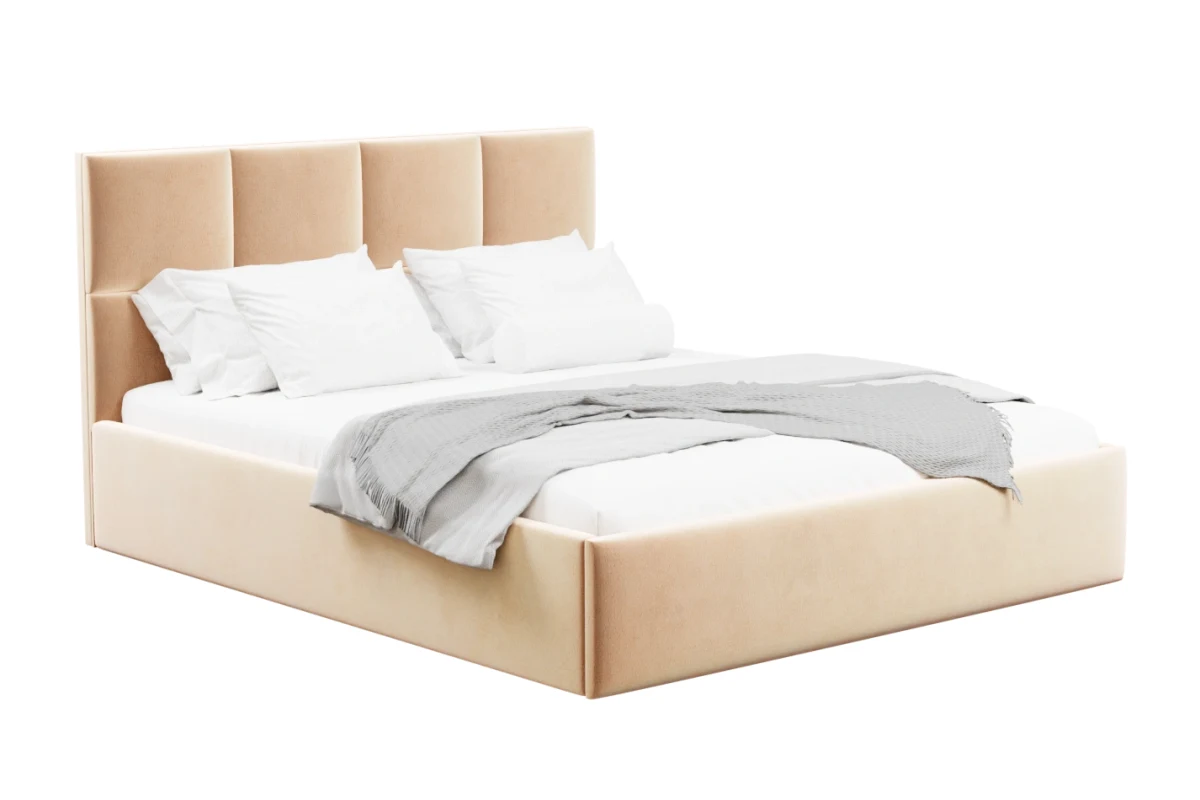
+515 more
The results
## The numbers after launch.
2.2M
Product visuals delivered, every finish variant across the range, rendered in a single five-day run.
+15%
Online store conversion uplift against the period before the configurator, with buyers seeing the exact fabric they chose on the actual bed.
120
Bed configurators, one per model in the range, built between July and the end of August 2026. Every fabric a shopper can pick has its own on-brand visual.
The challenge
## A catalog no camera could keep up with.
MyBed's online customers were not just struggling to pick the right fabric out of 520 available. They also could not imagine how each finish would actually look on the bed they were about to buy.
The store spends real money bringing traffic to those product pages. When a shopper who wants sand-coloured velvet sees a stock photo in grey, the page stops selling.
520
Fabrics, none a camera could cover
Photographing every fabric across every bed and every size was never going to happen with a camera.
The solution
## Render the whole matrix, then wire it to the store.
1
### One model, every finish.
From a single 3D model of each bed, Ar-range rendered all 520 fabrics with the same light, angle and staging. A uniform, on-brand visual system across the whole catalog, not a folder of mismatched photos.
2
### 2.2 million visuals in five days.
The full run of over 2,200,000 photorealistic product visuals was rendered in five days. The project itself took about two months: modelling the beds, building the 120 bed configurators and wiring them into the store, rolled out from July to the end of August 2026.
3
### Synced across the store.
Every fabric variant was wired into the storefront and kept in sync, so the product page always shows the exact bed in the fabric the shopper picked. Each visual is served in about half a second through Cloudflare, so the page never waits on a render engine. Paired with the configurator, choice becomes something they can see.
In their words
“
Ar-range delivered over 2,200,000 product visuals, covering all finish variants. Together with the configurator it raised online store conversion by around 15%.
Dominik Tomaszczyk
Owner, MyBed.pl
## Your catalog could look like this too.
Tell us how many fabrics, beds and sizes you sell. We'll tell you straight whether prerendered variants are the floor your product pages are missing.
**1M** variants from one source
**Same day** price changes live in the shop
**No-code** configurators the client runs

================================================================================
Page: 30 minutes of paper to 5 on an iPad: Paradise Grills showroom POS, 40+ US showrooms | Ar-range
URL: https://ar-range.app/case-studies/paradise-grills/
================================================================================
Case study · Paradise Grills
# From 30 minutes of paper to 5 on an iPad, in every showroom.
Paradise Grills sells configured outdoor kitchens across 40+ US showrooms. Ar-range built them the showroom POS: the rep configures the island, the configurator hands the whole build to the iPad by QR code, the customer signs and pays in the room or later from their own browser, and the order lands in NetSuite.
Get this for my showroom See the results
Live across 40+ showrooms since April 2024

In production today
## What changed on the floor
30 → 5 min
of paperwork per sale, now a few taps on an iPad
40+
US showrooms on one shared back office, and growing
12,000+
orders processed by the POS as of September 2026, every one a database entry synced to NetSuite, no paper contracts
The challenge
## Every sale was a long paper contract.
Custom outdoor kitchens mean hundreds of thousands of module, finish and appliance combinations. A rep would sketch the island, hand-price it on paper, and chase a multi-stage approval before anything reached production. A typical order meant 40 to 50 minutes of actual paper.
Across dozens of showrooms that meant slow closes, pricing mistakes, and no single view of what was actually being sold. Every signed contract was a scan somebody had to find, reconcile and review later.
100,000+ combos
modules, finishes, appliances
A configuration space no printed price list could ever keep current, changing every time a supplier or a season did.
The solution
## One POS, built on the catalog engine.
Configure
### Build the island in 3D, on the showroom screen.
The rep assembles the kitchen with the customer: modules snap together, finishes and appliances swap live, and the price updates as they go. The configurator then generates a QR code; the POS scans it and the whole build, its link and its prices land in a new order.
✓Every valid combination, priced in real time
✓Same catalogue spine as the website
✓QR hand-off from the configurator to the iPad, no re-keying
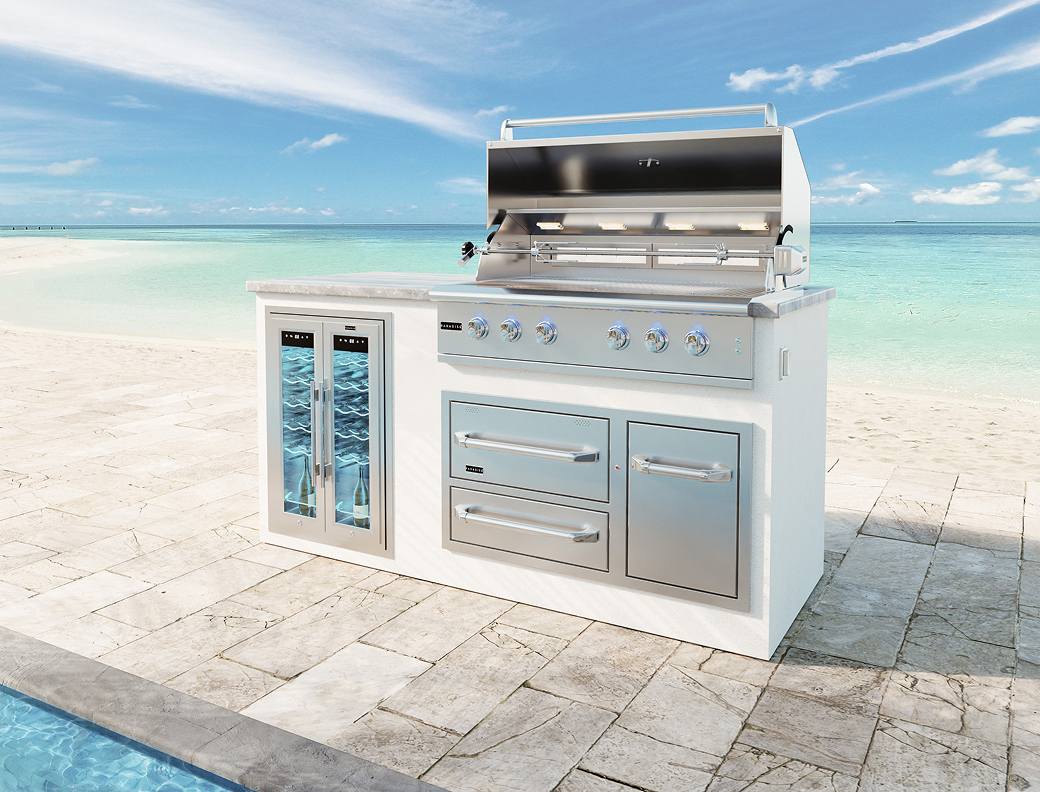
Close
### Sign, pay and send to production, without leaving the room.
The order carries the full spec into the contract. Tax is calculated by Avalara, the customer signs on the iPad and pays through the showroom's own Clover terminal, and the order lands in NetSuite as a sales order with its deposit. When the customer wants to decide at home, the rep sends a remote offer: they sign and pay from their own browser, and the rep is notified at every step.
✓Signed on the iPad, or remotely in the customer's browser
✓Tax from Avalara, card payment through Clover
✓Order, payment and deposit pushed to NetSuite since mid-2025
✓One back office across 40+ showrooms
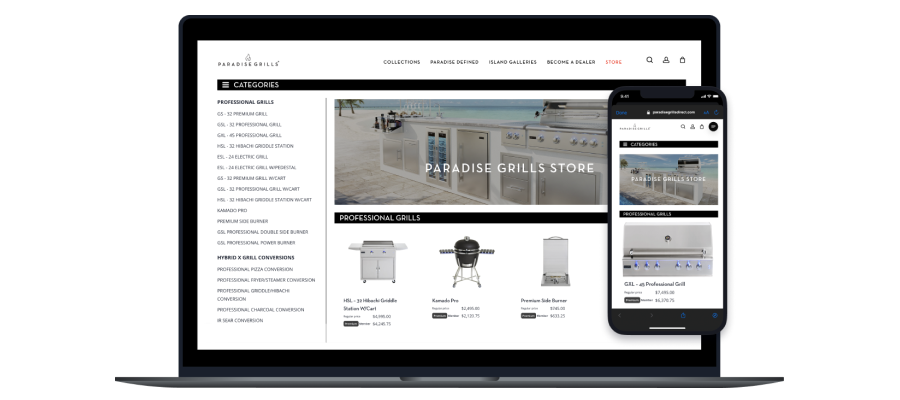
Flagship case · Paradise Grills
“
I am currently very satisfied with the service provided by Ar-range and cannot think of any areas that require improvement.

Dennis Brown
Chief Business Intelligence Officer, Paradise Grills International
Challenge
Digitize a complex custom-sales process across 40+ showrooms: order, agreement, payment and fulfillment in one flow.
Result
- Checkout dropped from over 30 minutes of paper to under 5 on an iPad.
- One back office rolls up orders from every location.
Talk to our team →
In their words
“
Our reps used to spend half an hour on paper before a customer could even say yes. Now they build the kitchen on screen, the price is right, and the order is in production before they leave the showroom.
Showroom operations executive
Paradise Grills
## If they can't see it, they won't buy it. Let's show them.
Leave your details and we arrange a free consultation with the people who have spent years helping brands sell customised products. You bring the catalogue and the questions. We bring what has worked, what has not, and what it would take for you.
**1M** variants from one source
**Same day** price changes live in the shop
**No-code** configurators the client runs

================================================================================
Page: Blog | Ar-range
URL: https://ar-range.app/blog-posts/
================================================================================
Blog
# What we learn building the visual selling layer
Configurators, rendering pipelines, product data: written by the people who ship it.

8 September 2026
### [From dimensions only your upholsterer knows to dimensions on every variant](https://ar-range.app/blog-posts/dimensions-on-every-variant/)
Every brand already has the numbers. Almost none can put the right number on the right variant at the moment a buyer is deciding. The fix is a change of where the measurement lives, not a bigger drawing effort.
7 min read
[**Diagnosing** Is my configurator working?](https://ar-range.app/blog-posts/category/diagnosing/) [**Comparisons** Which vendor?](https://ar-range.app/blog-posts/category/comparisons/) [**Replacing** How do we switch without losing a quarter?](https://ar-range.app/blog-posts/category/replacing/) [**Costs** What does it actually cost?](https://ar-range.app/blog-posts/category/costs/) [**Implementing** What will it take from us?](https://ar-range.app/blog-posts/category/implementing/) [**Configurators** What kinds are there, and which fits how you sell?](https://ar-range.app/blog-posts/category/configurators/) [**Visuals** Product images at catalogue scale](https://ar-range.app/blog-posts/category/visuals/) [**Showroom** Selling in the room, not only online](https://ar-range.app/blog-posts/category/showroom/) [**AI** Where does AI actually help me sell?](https://ar-range.app/blog-posts/category/ai/)
## [Diagnosing](https://ar-range.app/blog-posts/category/diagnosing/)
Symptoms in a sales director's words, the likely cause, and a check you can run in your own analytics.
[See more diagnosing posts (10) →](https://ar-range.app/blog-posts/category/diagnosing/)
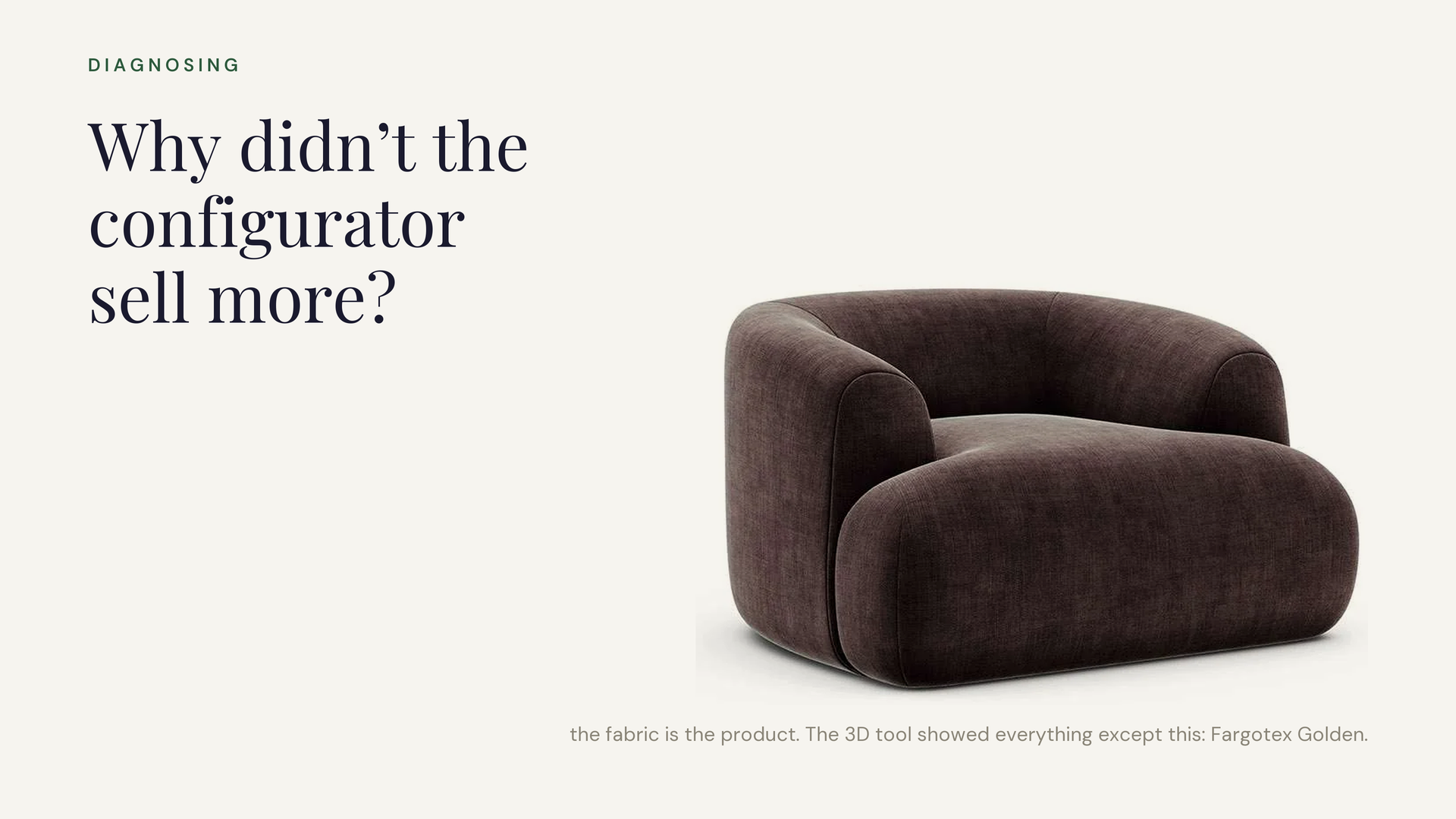
15 September 2026
### [You bought a 3D configurator. Your sales went down. Here's what actually happened.](https://ar-range.app/blog-posts/why-your-3d-configurator-didnt-increase-sales/)
A 3D configurator went live, looked good, and sales didn't move. Usually for three reasons: an unreliable button, a renderer that cannot show the fabric, and five hundred choices with no guidance. What we saw at MyBed, and what we built instead.
8 min read
- [**Does previewing a product in 3D actually reduce returns?** 12 Sept 2026](https://ar-range.app/blog-posts/does-3d-preview-actually-reduce-returns/)
- [**From dimensions only your upholsterer knows to dimensions on every variant** 8 Sept 2026](https://ar-range.app/blog-posts/dimensions-on-every-variant/)
- [**When a furniture product configurator helps, and when it does not** 26 Jan 2026](https://ar-range.app/blog-posts/when-a-furniture-product-configurator-helps-and-when-it-doesnt/)
## [Comparisons](https://ar-range.app/blog-posts/category/comparisons/)
The rubric for judging a vendor, then applied to one vendor at a time on behaviour we verified.
[See more comparisons posts (1) →](https://ar-range.app/blog-posts/category/comparisons/)

27 October 2025
### [How to choose the right configurator for a furniture brand](https://ar-range.app/blog-posts/how-to-choose-a-right-configurator-for-a-furniture-brand/)
Discover the world of furniture configurators, digital tools that allow customers to customize and visualize furnishings before purchase. Learn about the different types, including 3D, modular, and parametric configurators, their technological integration, and strategic roles in sales processes. Understand how these tools enhance ecommerce operations by improving customer engagement, conversion rates, and product personalization while integrating with existing systems like ERP, CRM, and PIM. Explore key considerations and avoid pitfalls when choosing a configurator to streamline the buying process in a hybrid online-offline commerce landscape.
5 min read
## [Replacing](https://ar-range.app/blog-posts/category/replacing/)
What carries over from the platform you have, what does not, and how to switch without a quarter of lost sales.
[See more replacing posts (5) →](https://ar-range.app/blog-posts/category/replacing/)
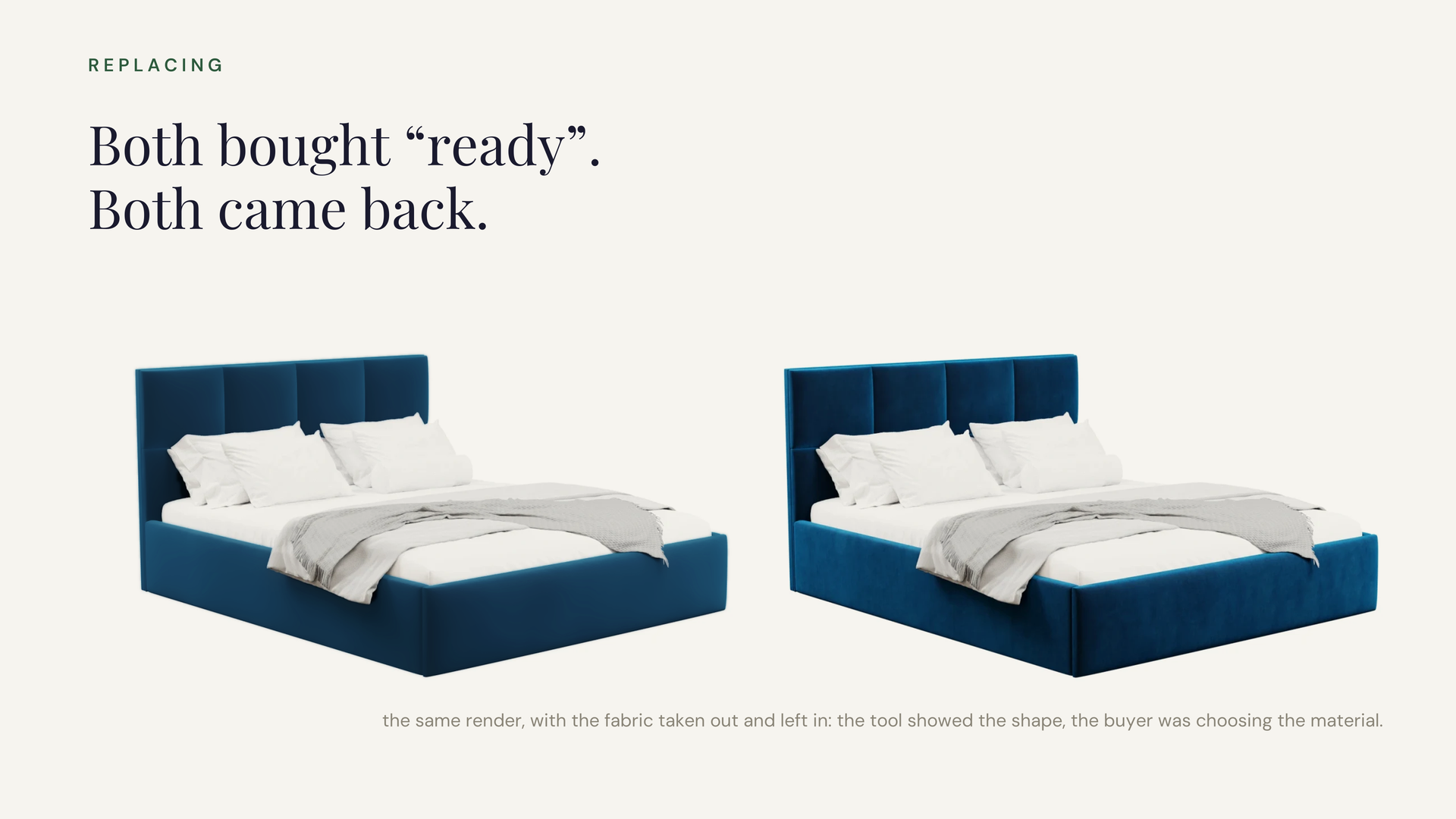
17 September 2026
### [Two bed brands bought the ready-made configurator. Both came back. Here is what 'ready' meant.](https://ar-range.app/blog-posts/two-bed-brands-and-the-ready-made-configurator/)
Two bed brands chose the ready-made 3D configurator: finished software, own interface, upload the models and go. Both came back, one after two years and one after three. What 'ready' meant on the product page, and what carried over.
7 min read
- [**Why the simplest software is the best base for a complex configurator** 21 Feb 2026](https://ar-range.app/blog-posts/from-simple-to-complex-why-simplest-software-solutions-are-the-best-basis-for-complex-configurators/)
- [**3D furniture configurator: what it actually is** 26 Jan 2025](https://ar-range.app/blog-posts/3d-furniture-configurator/)
- [**The five kinds of product customization, and which one you sell** 29 Nov 2024](https://ar-range.app/blog-posts/five-faces-of-product-customization/)
## [Costs](https://ar-range.app/blog-posts/category/costs/)
Models times fabrics times views: what each part costs and which ones move the total.
[See more costs posts (5) →](https://ar-range.app/blog-posts/category/costs/)
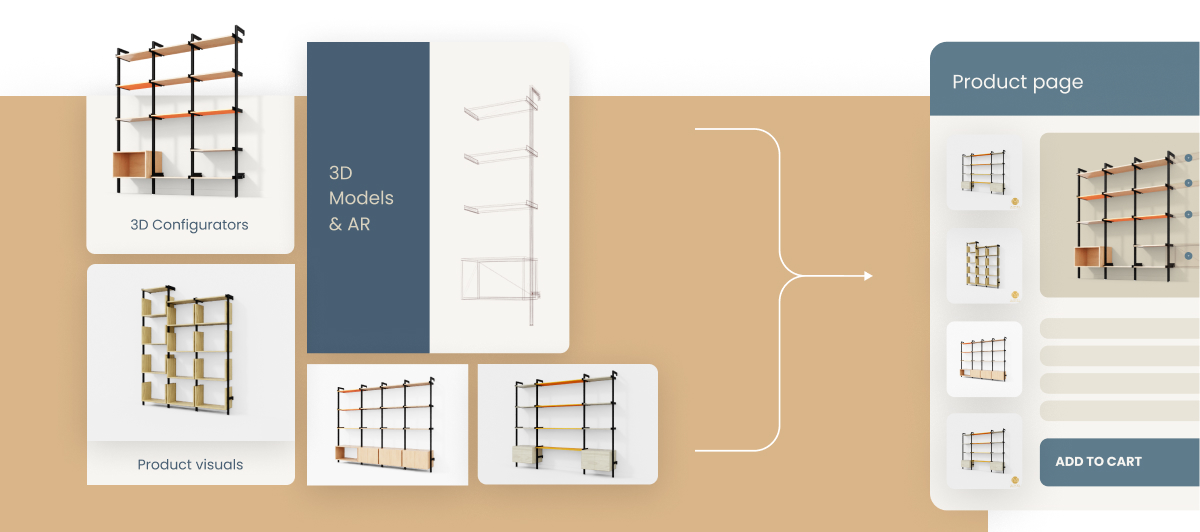
6 October 2025
### [How much does a product configurator cost?](https://ar-range.app/blog-posts/how-much-does-a-product-configurator-cost-in-2026/)
If your business needs a product configurator in 2026, how much should you actually budget? What are the critical factors, from product complexity to AR visualization and system integration, that will affect your price? How does utilizing automation revolutionize the cost structure, making sophisticated 3D and AR experiences accessible while ensuring a definitive return on investment by reducing returns and shortening?
2 min read
- [**What would it cost to rebuild Ar-range’s furniture configurator platform?** 30 Sept 2026](https://ar-range.app/blog-posts/what-it-would-cost-to-rebuild-ar-range-today/)
- [**How much does the cheapest vendor cost?** 5 Jan 2026](https://ar-range.app/blog-posts/how-much-does-the-cheapest-vendor-cost/)
- [**360s that load fast: how many images per 360 do you need?** 28 Oct 2025](https://ar-range.app/blog-posts/360s-that-load-fast-how-many-images-per-360-do-you-need/)
## [Implementing](https://ar-range.app/blog-posts/category/implementing/)
What we need from you, in what order, and how long each step takes when it goes well.
[See more implementing posts (6) →](https://ar-range.app/blog-posts/category/implementing/)

24 January 2026
### [Can I build a product configurator without having 3D models?](https://ar-range.app/blog-posts/can-i-build-a-product-configurator-without-having-3d-models-ad21b/)
Yes, a configurator can run on photos, 2D layers or AI images instead of 3D models. It holds while the catalogue is small and the rules are simple. Past that point the pictures stop agreeing with each other, and the checking costs more than the models would have.
5 min read
- [**What is the downside of Shopify?** 11 Jan 2026](https://ar-range.app/blog-posts/what-is-the-downside-of-shopify/)
- [**Integrating a product configurator with an online store** 25 Jul 2024](https://ar-range.app/blog-posts/integrating-of-a-product-configurator-with-an-online-store/)
- [**What to expect when you implement a product configurator** 8 Aug 2023](https://ar-range.app/blog-posts/what-to-expect-when-implementing-augmented-reality-ar-or-product-configurator/)
## [Configurators](https://ar-range.app/blog-posts/category/configurators/)
Showroom, online, dealer, parametric, modular: which kind fits how you sell.
[See more configurators posts (11) →](https://ar-range.app/blog-posts/category/configurators/)

18 October 2023
### [What is a product configurator? How it works, the types, and examples](https://ar-range.app/blog-posts/what-is-a-product-configurator-how-it-works-types-examples-benefits/)
A product configurator lets a buyer choose size, fabric and options, see the result and the price, and order it. What one is, how it works, the kinds that exist, and examples from furniture brands.
4 min read
- [**What is a parametric configurator?** 30 Oct 2025](https://ar-range.app/blog-posts/what-is-a-parametric-configurator/)
- [**What is parametric design?** 8 Sept 2025](https://ar-range.app/blog-posts/what-is-parametric-design/)
- [**Selling modular sofas with a 3D sofa configurator** 29 Aug 2025](https://ar-range.app/blog-posts/selling-modular-sofas-with-3d-sofa-configurators/)
## [Visuals](https://ar-range.app/blog-posts/category/visuals/)
Renders that pass for photographs, how many images a page needs, and what to show when the buyer cannot touch the fabric.
[See more visuals posts (2) →](https://ar-range.app/blog-posts/category/visuals/)
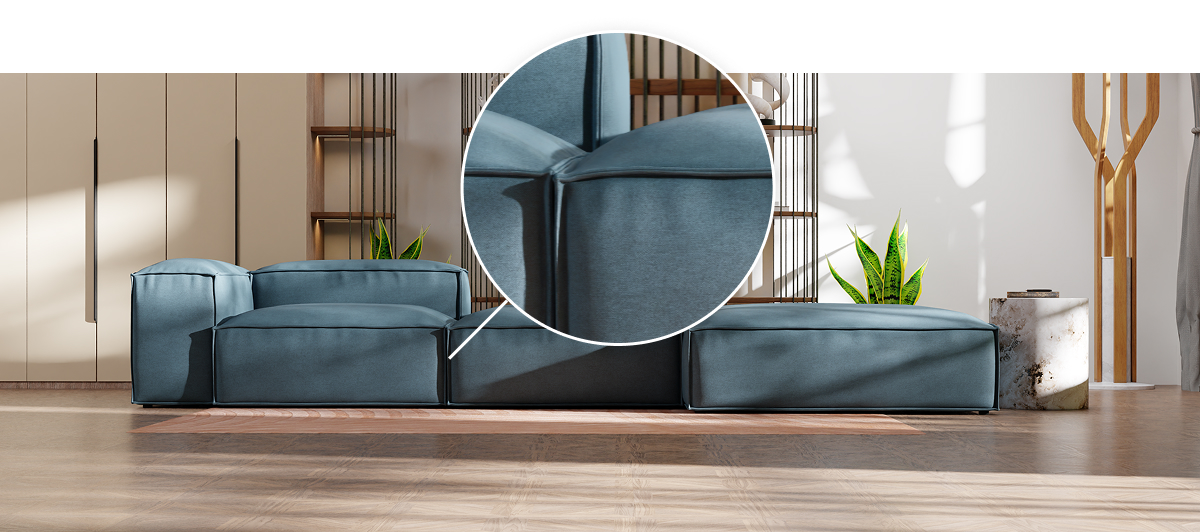
29 September 2025
### [Photoreal close-ups that sell fabrics](https://ar-range.app/blog-posts/photoreal-closeups-that-sell-fabrics/)
This article delves into the importance of fabric closeups in e-commerce, highlighting photorealistic visuals, prerendered variant imagery, and automated mass rendering for enhanced online shopping experiences. Learn how these strategies improve customer trust, decrease return rates, and increase conversions, bridging the gap between digital impressions and physical purchases. Explore the balance between online visuals and in-store swatches, ensuring your e-commerce strategy effectively showcases customizable furniture.
4 min read
- [**5 ways to make furniture renders stand out with automation and AI** 26 Aug 2025](https://ar-range.app/blog-posts/5-ways-for-your-furniture-renders-to-stand-out-using-automation-and-ai/)
## [Showroom](https://ar-range.app/blog-posts/category/showroom/)
Quoting a custom piece in minutes, reopening the online configuration in the store, and follow-up that is not spam.
[See more showroom posts (4) →](https://ar-range.app/blog-posts/category/showroom/)
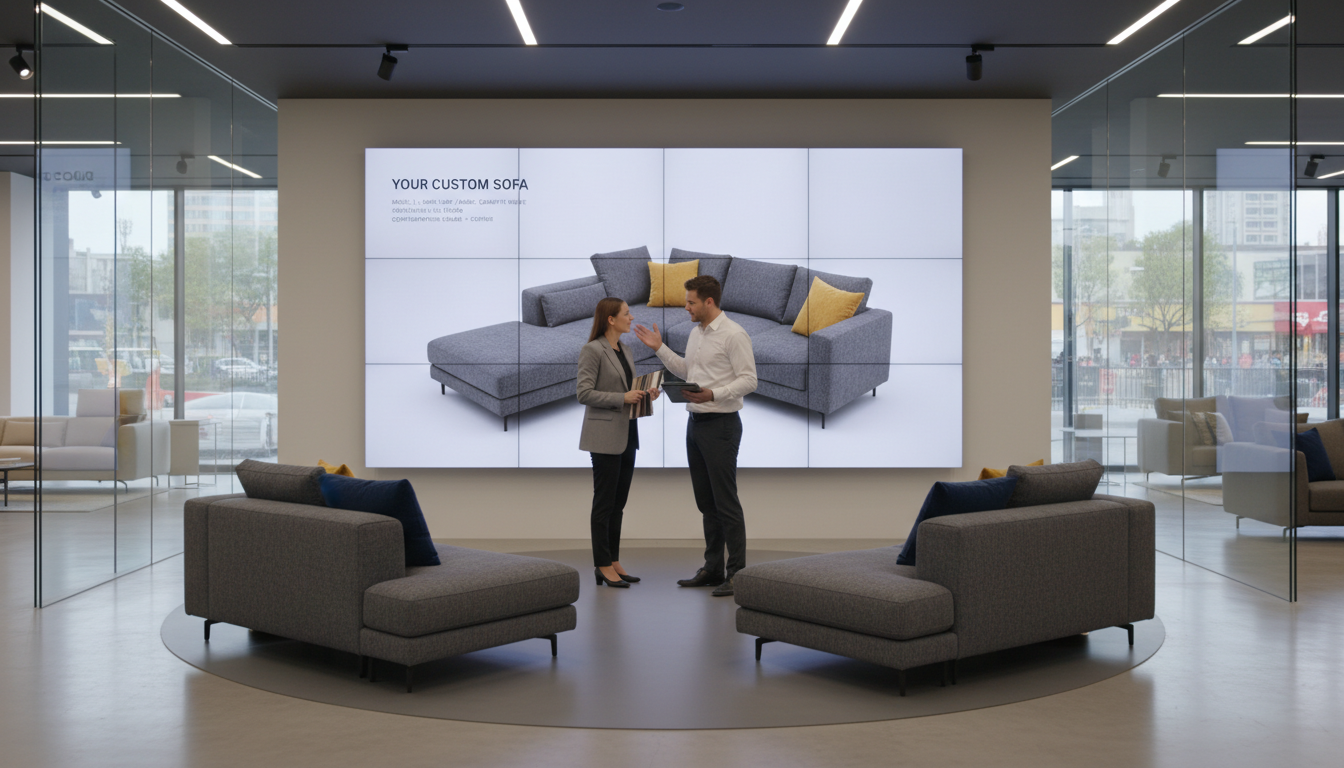
23 October 2025
### [Showroom continuity: opening the customer's saved configuration in store](https://ar-range.app/blog-posts/showroom-continuity-opening-the-customers-saved-config-in-store/)
This article explores the concept of furniture conversion, detailing how to create a seamless transition between online configuration and showroom experiences. It highlights the importance of integrating digital tools such as interactive configurators, augmented reality, and centralized data systems to enhance customer engagement, reduce errors, and achieve higher conversion rates. Practical steps for retailers include mapping customer journeys, implementing configurators, and training staff to create a connected and consistent shopping experience. Learn how these strategies foster emotional investment and trust in the purchasing process.
6 min read
- [**Post-visit follow-ups that don't feel like spam** 10 Nov 2025](https://ar-range.app/blog-posts/post-visit-follow-ups-that-dont-feel-like-spam/)
- [**How to give a customer several options for a custom piece, fast** 10 Oct 2024](https://ar-range.app/blog-posts/how-to-quickly-provide-customers-with-multiple-offering-options-for-a-custom-made-product/)
- [**Prequalify leads with an instant ballpark estimate online** 13 Aug 2024](https://ar-range.app/blog-posts/prequalify-leads-by-instantly-providing-a-ballpark-estimate-online/)
## [AI](https://ar-range.app/blog-posts/category/ai/)
What AI does in a furniture store today, what it costs once someone checks the output, and where the 3D model stays the source of truth.
[See more ai posts (1) →](https://ar-range.app/blog-posts/category/ai/)
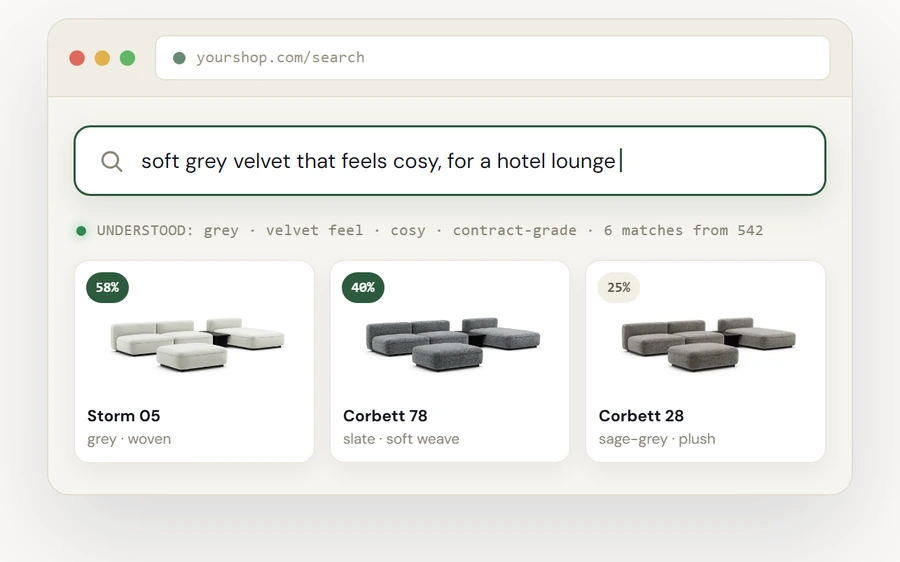
16 September 2026
### [Can customers find a fabric by describing it? What it takes to answer yes.](https://ar-range.app/blog-posts/can-customers-find-a-fabric-by-describing-it/)
A showroom salesperson turns 'soft, autumn colours, survives two cats' into three fabrics. Your website turns it into a filter. What it takes to put that conversation online: structured fabric data, the looks-like and feels-like knowledge, and the words your buyers actually use.
8 min read
More to read
- [Diagnosing](https://ar-range.app/blog-posts/category/diagnosing/)
- [Comparisons](https://ar-range.app/blog-posts/category/comparisons/)
- [Replacing](https://ar-range.app/blog-posts/category/replacing/)
- [Costs](https://ar-range.app/blog-posts/category/costs/)
- [Implementing](https://ar-range.app/blog-posts/category/implementing/)
- [Configurators](https://ar-range.app/blog-posts/category/configurators/)
- [Visuals](https://ar-range.app/blog-posts/category/visuals/)
- [Showroom](https://ar-range.app/blog-posts/category/showroom/)
- [AI](https://ar-range.app/blog-posts/category/ai/)
## If they can't see it, they won't buy it. Let's show them.
Leave your details and we arrange a free consultation with the people who have spent years helping brands sell customised products. You bring the catalogue and the questions. We bring what has worked, what has not, and what it would take for you.
**1M** variants from one source
**Same day** price changes live in the shop
**No-code** configurators the client runs

================================================================================
Page: 360s that load fast: how many images per 360 do you need? | Ar-range
URL: https://ar-range.app/blog-posts/360s-that-load-fast-how-many-images-per-360-do-you-need/
================================================================================
Finding the sweet spot between realism, speed, and cost in 360 product renders.
# 360s that load fast: how many images per 360 do you need?
[**Łukasz Krakowiak** Head of European Sales, Ar-range](https://ar-range.app/meet-us/lukasz/)
28 October 2025
5 min read
Part of [Costs](https://ar-range.app/blog-posts/category/costs/): What does it actually cost?
## Understanding 360 Product Renders
When we talk about **360 product renders**, we’re really talking about balance. A 360 view sits somewhere between a fully interactive 3D configurator and a perfectly lit, static photo. It’s interactive enough to let buyers spin, explore, and trust the product, yet still keeps the realism that comes from pre-rendered visuals.
I often describe it like this: if a 3D configurator is a theater play where everything happens live, a 360 render is a movie - carefully crafted scene by scene. But there’s a catch. Just like a movie needs the right number of frames per second to look smooth, a 360 needs the right number of images per rotation to look real - without making users wait ages for it to load.
That’s the question we’ll explore here: how many images should a 360 product render have to look smooth, feel real, and still load fast
## More Than Just a Number
The first instinct many people have is simple: 360 degrees, 360 images, right I’ve heard that guess dozens of times from brands just getting started. But here’s the truth: that’s huge overkill. In practice, something around **12 to 18 images** usually does the trick.
The right number isn’t just about appearance - it’s also about how our **rendering pipeline** works and how much you pay in **cloud rendering costs**. Each extra image means another render to process and another frame to store and serve. And if you work at scale, with thousands of SKUs and multiple variants, those costs add up fast.
We handle this through [Automated Product Visuals](https://ar-range.app/products/variant-visuals/), which means generating millions of images efficiently, without choking your system or your budget. The pipeline is the same for static visuals or 360 views - only the frame count changes. That’s why deciding on the right number of **angles** becomes more of a strategic than aesthetic decision.
## Industry Insight: Best Practices for Image Count in 360 Renders
So, what are brands actually doing Industry data and our own research show most successful e-commerce stores stick to **18–24 images per full rotation**. This range hits what I call the “perceptual threshold” for motion - the point at which the rotation feels smooth enough that your eye stops noticing jumps between frames.
For simpler furniture pieces, electronics, or decor items with matte finishes, 18–24 images are usually enough. But once you deal with objects that have intricate geometry, reflective surfaces, or fine material details - think **luxury watches, jewelry, or high-gloss tables** - you might want to move up to **24–36 images**. Beyond 36, the benefits drop sharply while file size and load time jump.
In real-world terms:
- Basic items like chairs, ceramics, or lamps look fine at 18 frames.
- Medium-detailed products, such as storage units or textured sofas, benefit from 24.
- Reflective, highly detailed items look best at 24–36.
External sources back this up, too. According to [How 360 view apps are transforming product experiences](https://auglio.com/en/news/article/56-how-360-view-apps-transforming-product-experiences) and [How to Create 360 E-Commerce Product Images - Orangemonkie](https://orangemonkie.com/blogs/photography-and-community/how-to-create-360-e-commerce-product-images), the perceptual gain curve flattens beyond 36 frames. 24 images hit the sweet spot - fluid enough for the customer to “feel” the rotation without overwhelming load times.
## Aligning Rendering Strategy with Business Goals
Now, let’s link this back to what actually matters: conversions and **customer satisfaction**. Every extra image can improve the realism slightly, but if it slows down page load by half a second, you might lose that buyer altogether. What’s the point of a perfect render if your customer bounces before it even loads
Choosing your frame count is part of a broader **rendering strategy** tied to business performance. It’s not just design - it’s economics.
Some companies use **hybrid approaches**, generating fewer static frames and using lightweight interpolation between them. This gives smoother motion without paying for double the rendering time. It’s like using software to “fill in” what your cloud doesn’t render.
I’ve seen brands use A/B experiments here with great effect - one version with 18 images, another with 36, then track which leads to higher engagement. The answer is rarely the same across categories. But testing always beats guessing.
If you’re unclear when to step up from pre-rendered 360s to full configurators, our guide on the Difference Between 3D Configurator and Variant Visuals walks through those tradeoffs in detail.
## Making Informed Decisions for 360 Product Renders
To make your 360 renders effective, follow an **action plan** rooted in both user experience and technical efficiency:
1. **Start with 18–24 frames** for standard products. Test performance.
2. **Add frames** for detailed or reflective items only when you see perceptual benefits.
3. **Monitor load times** and keep total rotation size under control.
4. Use **A/B testing** to see which frame count leads to higher conversions.
5. Consider **hybrid rendering** (interpolation or partial updates) to lower costs.
6. Regularly review your rendering setup - it should evolve with your product line and tech stack.
Most importantly, avoid the common pitfall of treating frame count like a fixed rule. The **right number of images** depends on your product, your audience’s patience, and the platforms you sell on.
At Ar-range, we often guide brands through these tradeoffs. Our rendering pipelines are built to scale - whether you’re producing ten 360 views or ten million - while keeping costs fair and results crisp.
If you’re refining your visual pipeline, start by revisiting your assumption list. You might be surprised how many of them come from tradition rather than data. As I like to say: smooth 360s are not about the number of frames. They’re about smart strategy, fast load times, and visuals that feel effortless for the end user.
For implementation details on integrating these visuals into your digital ecosystem, check our internal resource on How to Build a Product Configurator. It ties neatly into the technical steps needed to scale your rendering strategy - safely and efficiently.
In the end, your visuals tell your story. Just make sure that story loads fast, moves smoothly, and helps people say yes without thinking twice.
On this page
1. Understanding 360 Product Renders
2. More Than Just a Number
3. Industry Insight: Best Practices for Image Count in 360 Renders
4. Aligning Rendering Strategy with Business Goals
5. Making Informed Decisions for 360 Product Renders
## Recent blog posts

[Costs](https://ar-range.app/blog-posts/category/costs/) 30 September 2026
### [What would it cost to rebuild Ar-range’s furniture configurator platform?](https://ar-range.app/blog-posts/what-it-would-cost-to-rebuild-ar-range-today/)
Ar-range was built over seven years, one catalogue at a time. What would the same platform cost as a one-off project today, and what should a manufacturer ask before building its own?
6 min read

[Costs](https://ar-range.app/blog-posts/category/costs/) 5 January 2026
### [How much does the cheapest vendor cost?](https://ar-range.app/blog-posts/how-much-does-the-cheapest-vendor-cost/)
Discover the hidden costs of low-cost 3D furniture configurators and explore the true value of comprehensive integration. Learn how proper integration links design, sales, and production, reducing manual effort and increasing efficiency. Understand the impact on online, showroom, and backend environments and evaluate configurators beyond price, focusing on integration, user experience, scalability, and maintenance. Gain insights on how to optimize your workflow and improve ROI with a robust 3D configurator system.
4 min read
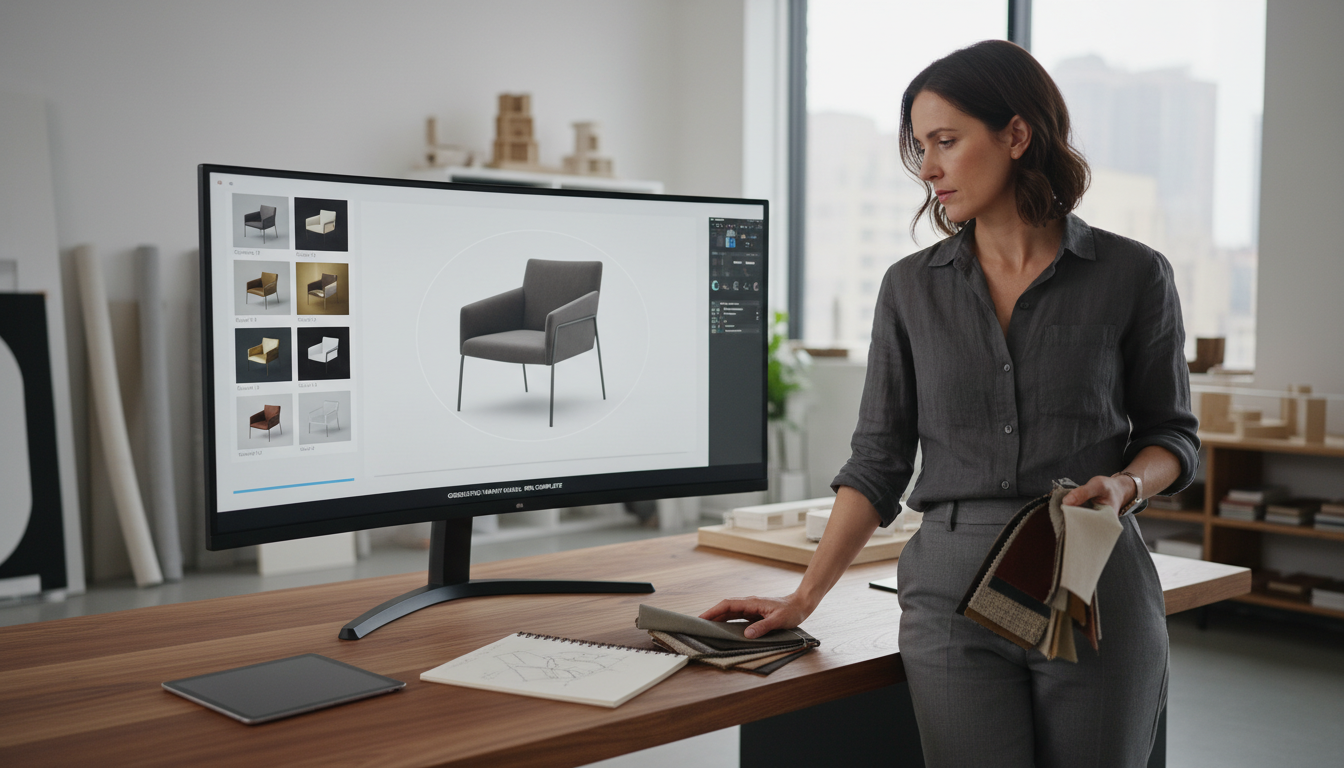
[Costs](https://ar-range.app/blog-posts/category/costs/) 22 October 2025
### [How many images per PDP?](https://ar-range.app/blog-posts/how-many-images-per-pdp/)
Discover the crucial role of product images in e-commerce, especially for high-ticket furniture items. Learn how high-quality, strategic visuals build customer trust, enhance engagement, and drive conversions. Explore the optimal image count, types of images needed, and the impact of interactive visuals like 360-degree views and augmented reality. Understand how automation can simplify image management and support product customization. Avoid common pitfalls by balancing configurator use with compelling imagery, ensuring variant coverage, and continually updating your product display strategy to meet evolving customer expectations.
5 min read
## If they can't see it, they won't buy it. Let's show them.
Leave your details and we arrange a free consultation with the people who have spent years helping brands sell customised products. You bring the catalogue and the questions. We bring what has worked, what has not, and what it would take for you.
**1M** variants from one source
**Same day** price changes live in the shop
**No-code** configurators the client runs

================================================================================
Page: 3D configurator for the sale of custom products | Ar-range
URL: https://ar-range.app/blog-posts/3d-configurator-for-the-sale-of-custom-products/
================================================================================
What a configurator does for a made-to-order sale, in short
# 3D configurator for the sale of custom products
[**Łukasz Krakowiak** Head of European Sales, Ar-range](https://ar-range.app/meet-us/lukasz/)
8 January 2023
Updated 13 September 2026
2 min read
Part of [Configurators](https://ar-range.app/blog-posts/category/configurators/): What kinds are there, and which fits how you sell?
- Configurator
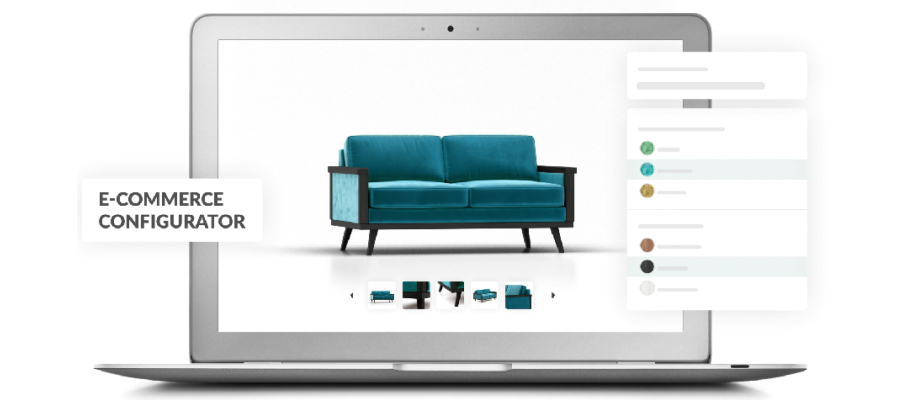
_Updated September 2026. This is the short version. For the full explanation of what a configurator is, the kinds that exist and examples from furniture brands, read [What is a product configurator?](https://ar-range.app/blog-posts/what-is-a-product-configurator-how-it-works-types-examples-benefits/)_
## The problem with selling custom products
A product that is made to order cannot be photographed in every version. A sofa in 300 fabrics, a bed in 20 sizes, a kitchen island with a dozen modules: the buyer has to imagine the one they want, then ask you whether it exists and what it costs. Every one of those questions is an email, a call, or a visit. Many buyers never send the first one.
## What a 3D configurator does about it
A 3D configurator lets the buyer choose the material, colour, size and extras and watch the product change as they choose. The price updates with it. When they are happy, the tool takes them to the cart, a quote, or a summary a salesperson can pick up. Three things happen as a result:
1. **The buyer sees their product before they buy it.** That is the part that used to need an email and a wait.
2. **The order arrives correct.** Only valid combinations can be chosen, so the workshop gets a specification it can build.
3. **The sale can happen without you.** Online, at night, in another country. Or with you, in the showroom, where a salesperson builds it together with the customer.
## What decides the cost
The software is not the expensive part. The cost follows three things: whether you already have good 3D models, how many products and options have to be covered, and what the configurator has to connect to (your shop, your pricing, your production). A brand with clean models and a tidy catalogue pays much less than one starting from photographs. We explain the arithmetic in the [Costs category](https://ar-range.app/blog-posts/category/costs/), and what you need to have ready in [Implementing](https://ar-range.app/blog-posts/category/implementing/).
## Where to see one working
Bathroom brand BLU runs an online configurator for cabinet sets: countertop, sink, cabinet heights, colours and handles, with a running price. Paradise Grills uses one in the showroom for custom outdoor kitchens: the salesperson builds the island with the customer on a tablet, and [an order that used to take thirty minutes of paper now takes about five](https://ar-range.app/case-studies/paradise-grills/).
## Is it worth it for you
It is worth it when your products share a structure and differ in options, and when your buyers hesitate or ask the same questions again and again. It is not worth it when every piece is a one-off with nothing repeatable, or when a few photographs already answer everything. If you are not sure, [this post walks through the checks](https://ar-range.app/blog-posts/when-a-furniture-product-configurator-helps-and-when-it-doesnt/).
On this page
1. The problem with selling custom products
2. What a 3D configurator does about it
3. What decides the cost
4. Where to see one working
5. Is it worth it for you
Mentioned in this post
[**Modular Configurator** a 3D product configurator](https://ar-range.app/products/modular-configurator/) [**Variant Visuals** Every variant, prerendered](https://ar-range.app/products/variant-visuals/)
## Recent blog posts
[Configurators](https://ar-range.app/blog-posts/category/configurators/) 8 September 2025
### [What is parametric design?](https://ar-range.app/blog-posts/what-is-parametric-design/)
This article answers the big questions: How does parametric design work, why is it different from traditional modeling, and what does it mean for industries like furniture, fashion, and urban planning? You’ll learn its principles, the tools behind it, and how brands use configurators to turn complex, customizable products into seamless customer experiences.
5 min read
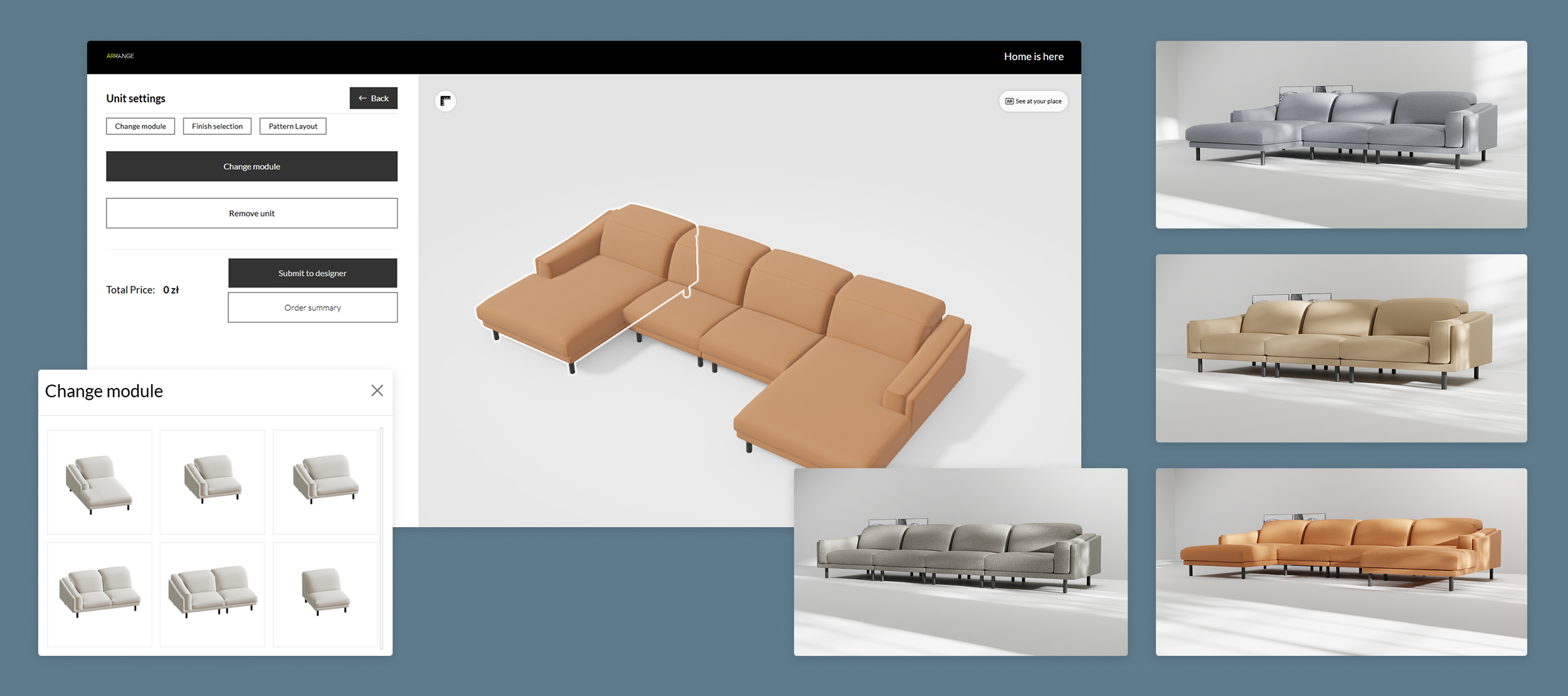
[Configurators](https://ar-range.app/blog-posts/category/configurators/) 29 August 2025
### [Selling modular sofas with a 3D sofa configurator](https://ar-range.app/blog-posts/selling-modular-sofas-with-3d-sofa-configurators/)
How do presets vs. blank-slate tools impact conversions? What ROI can you expect in 2025 from AR, CPQ, and cloud renders? This guide answers the tough questions every sofa brand faces when moving from fabric binders to 3D configuration.
8 min read
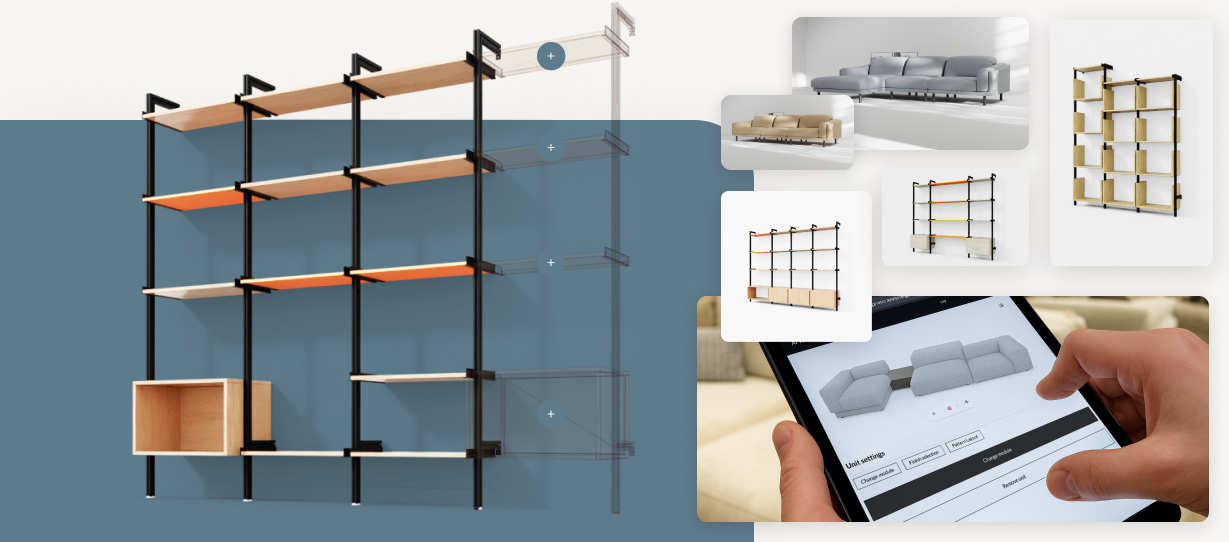
[Configurators](https://ar-range.app/blog-posts/category/configurators/) 7 August 2025
### [Parametric configurator explained: faster quotes, fewer errors](https://ar-range.app/blog-posts/parametric-configurator-explained-faster-quotes-smarter-sales-fewer-errors/)
Discover what a parametric configurator is, how it works, and why it’s changing the way custom products are sold. See how it turns complex, customizable furniture into a seamless buyer experience - with real-time visuals, instant pricing, and logic your production team can trust.
8 min read
## If they can't see it, they won't buy it. Let's show them.
Leave your details and we arrange a free consultation with the people who have spent years helping brands sell customised products. You bring the catalogue and the questions. We bring what has worked, what has not, and what it would take for you.
**1M** variants from one source
**Same day** price changes live in the shop
**No-code** configurators the client runs

================================================================================
Page: 3D furniture configurator: what it actually is | Ar-range
URL: https://ar-range.app/blog-posts/3d-furniture-configurator/
================================================================================
How to implement new technologies for furniture customization
# 3D furniture configurator: what it actually is
26 January 2025
9 min read
Part of [Replacing](https://ar-range.app/blog-posts/category/replacing/): How do we switch without losing a quarter?
- Configurator
- Ecommerce
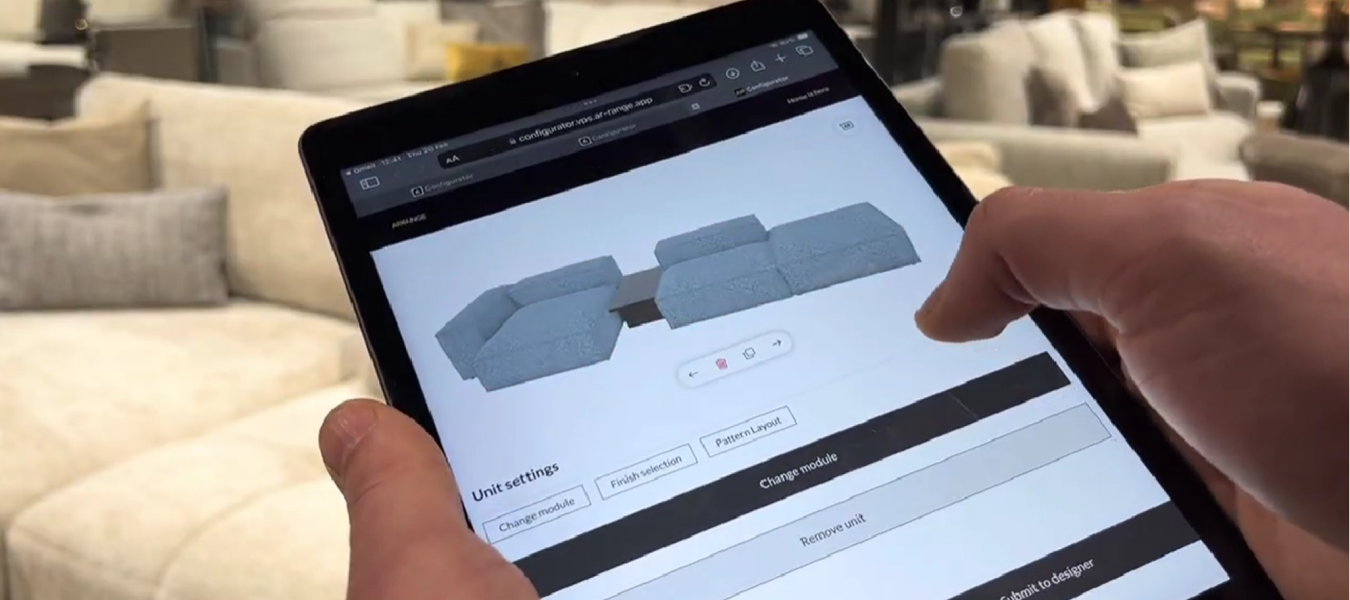
## Mass personalization in 2025
Personalization is no longer a “nice to have”: it’s a buying trigger. Research shows that [42% of buyers](https://straitsresearch.com/report/customized-furniture-market) **specifically choose furniture companies that offer personalization options**. This isn’t just about offering more fabric swatches or letting customers pick a leg finish. It’s about giving them control over dimensions, layouts, and configurations, while ensuring every choice is viable for production.
The brands winning in this space are those that combine parametric 3D configurators **integrated CPQ (Configure, Price, Quote) systems** and production logic. Done right, the system becomes both a sales accelerator and a cost-control tool: guiding customers through customization without creating bottlenecks for your team.
42% of buyers specifically choose furniture companies that offer personalization options ([https://straitsresearch.com/report/customized-furniture-market](https://straitsresearch.com/report/customized-furniture-market))
## What is a furniture configurator in the first place
At its core, a **product configurator** is a system that does two things:
1. **Helps buyers personalize** a product: choosing dimensions, layouts, finishes, and features that match their needs and style.
2. **Automates the personalization process**: applying product logic, updating visuals and pricing in real time, and preparing production-ready data without manual intervention.
When we talk about a furniture 3D configurator, we mean that the product is shown in an interactive, three-dimensional view. Customers can rotate it, zoom in, and see changes instantly as they adjust parameters - whether that’s switching a sofa armrest style or adding extra shelving modules.
Types of Configurators:
- [2D variant selector](https://ar-range.app/products/variant-visuals/) – swaps static images (often millions of them) to show product variants. Example: a sofa configurator that allows to preview hundreds of fabric options.
- [Pre-rendered 360° viewer](https://ar-range.app/products/variant-visuals/) – spins through a photorealistic render of each variant.
- **Full 3D real-time configurator** – updates a 3D model live as options change. Example: a training bike configurator allowing the user to personalize the product options and add to cart
- Parametric configurator – uses rules and logic so parts adapt automatically (change one dimension, related components update). Example: complex shelving system configurators
From a **user’s perspective**, a configurator offers **clarity and confidence**. They see exactly what they’re buying, understand the cost of each choice, and can confirm it fits their needs before committing.
From a **brand’s perspective**, it’s a **sales and operations tool**. It filters out unqualified leads, reduces quoting time from days to minutes, eliminates costly production errors, and creates a consistent buying experience across online, showroom, and dealer channels.
Market Pressure & Why Now
Personalization isn’t just a trend - it’s a competitive filter. **42% of buyers specifically choose furniture companies that offer personalization options**. That’s nearly half of your potential customers making a decision before they even compare quality or price.
At the same time, margins are getting tighter. Raw material costs are rising, production is under pressure to be leaner, and sales teams are dealing with longer customer decision cycles. Add to that the **hybrid buying habits** of today’s shopper: they browse online, visit showrooms, and complete their purchase on whichever channel feels most convenient, and the cracks in traditional sales processes become obvious.
Sofas and modular shelving systems are perfect examples. They have **too many possible combinations** to present with static images alone, but those same combinations are exactly what customers want to control. Without a system to guide and validate choices, you either overwhelm the buyer or overwhelm your team.
What a Modern 3D Configurator Should Really Do
A configurator isn’t there to “look cool” on your website: it’s there to move a customer from interest to purchase with **clarity, speed, and confidence**.
A well-built system should:
- **Guide, not dump** – lead buyers through the customization process step by step, avoiding choice overload.
- **Adapt automatically** – change a parameter (like sofa width or shelving height) and connected parts update instantly, just like in CAD, but customer-friendly.
- **Block errors** – enforce product rules so no invalid combination ever reaches production.
- **Show it as it will be made** – real textures, true dimensions, accurate lighting, not placeholders.
- **Quote instantly** – real-time pricing logic so there’s no “we’ll get back to you.”
- **Deliver a branded offer pack** – high-quality visuals, AR preview, materials list, and next steps in one shareable file.
- **Integrate with your systems** – CRM for lead capture, ERP for production data, e-commerce for checkout.
But most of all: A good furniture configurator gives the buyers clarity and confidence. Surveys show that [80% of buyers feel more confident](https://www.linkedin.com/pulse/how-furniture-product-visualization-boosts-roi-customer-dt4rf/) making purchases when they can trial products virtually in 3D or AR. Being able to visualize products from every angle and adjust details in real-time boosts trust and satisfaction
80% of buyers feel more confident making purchases when they can trial products virtually in 3D or AR (_[https://www.linkedin.com/pulse/how-furniture-product-visualization-boosts-roi-customer-dt4rf/](https://www.linkedin.com/pulse/how-furniture-product-visualization-boosts-roi-customer-dt4rf/))_
From the buyer’s perspective, it feels like **effortless control**: they see their product, understand their options, and know the price without chasing a sales rep. From the brand’s perspective, it’s **automation with purpose**: fewer quoting delays, cleaner orders, and a consistent sales experience across online, showroom, and dealer channels.
## Who It’s For / Who It’s Not For
A furniture configurator is a perfect fit if you:
- Sell **customizable products**: whether modular, made-to-measure, or with a broad range of options (sofas, shelving systems, dining tables, wardrobes, office furniture).
- Want customers to **visualize and personalize** their purchase before committing.
- Need to shorten quoting times and reduce the back-and-forth between sales and production.
- Sell through multiple channels and want the same buying experience **online, in showrooms, and through dealers**.
- Struggle to show every variant with static photography alone.
It’s probably not worth the investment if you:
- Sell **fixed-size, low-variation products** where a simple product page is enough.
- Rarely deal with customization requests or product-specific questions before purchase.
- Have no plans to engage customers online or provide a hybrid buying experience.
If your product range falls into the first category, the right configurator doesn’t just make customization possible - it makes it **easy, fast, and repeatable**, improving both the customer experience and your internal efficiency - specific deployments have seen [100% increases](https://www.vazco.eu/our-work/vetsak) (doubling) in conversion rates, such as Vetsak, a global furniture retailer using real-time 3D customization technology
Specific deployments have seen 100% increases (doubling) in conversion rates (_[https://www.vazco.eu/our-work/vetsak](https://www.vazco.eu/our-work/vetsak))_
## Implementation Checklist
Rolling out a furniture configurator isn’t just about adding a new tool: it’s about **integrating it into your sales process** so it delivers real ROI from day one.
Key considerations before implementing:
1. **Identify your users** – Will the configurator be for showroom staff, distributors, architects, or direct online customers
2. **Define must-have features** – Align sales, marketing, and design teams on what’s essential.
3. **Ensure flexible material database** – So you can quickly add or swap finishes without developer input.
Then:
1. **Start with your top sellers:** Launch with the 20% of products that drive 80% of your sales. This keeps the project manageable and ensures quick wins.
2. **Decide where it lives:** Will it be embedded on individual product pages, placed in a dedicated “Customize Your Furniture” section, or available in-store on tablets and kiosks
3. **Integrate from day one:** Connect it to your **CRM** for lead capture, **ERP** for production logic, and **e-commerce** for checkout. The value comes from automation, not isolated use.
4. **Invest in high-quality visuals:** Use photorealistic textures and lighting (PBR materials) for fabrics, woods, and finishes. The more accurate it looks, the more confident your buyers will be.
5. **Plan for easy updates:** Your material and module libraries should be editable without a full development cycle, so you can add seasonal finishes or new product lines quickly.
6. **Automate the outputs:** Let the configurator handle BOMs, cut lists, 2D/3D exports, and sample requests automatically. This eliminates manual re-entry and reduces errors.
7. **Train your sales team:** Showroom staff should know how to adjust configurations live with customers, generate quotes on the spot, and use the tool to close, not just to “demonstrate.”
For a more in-depth rollout checklist, refer to our [2025 ultimate sofa configuration guide](https://my.flowlance.com/ar-range/2025-ultimate-sofa-guide)!
[https://my.flowlance.com/ar-range/2025-ultimate-sofa-guide](https://my.flowlance.com/ar-range/2025-ultimate-sofa-guide)
## Showroom & Online: one logic, different experiences
The best furniture configurators aren’t just a website feature - they’re a **single system powering every sales channel**.
- **Online:** Customers explore configurations at their own pace, see instant pricing, and save their designs for later. This creates warmer leads before they even speak to a sales rep.
- **Showroom:** Sales staff load saved configurations or start from scratch, tweak layouts live on a tablet or large display, and produce a branded quote before the customer leaves. No more “We’ll email you next week.”
- **Hybrid:** A customer starts customizing at home, visits the showroom to see materials and finishes in person, and finalizes the order without starting over.
- **Dealer/Partner Sales:** Authorized resellers access the same system, ensuring consistent visuals, rules, and pricing across your network.
- **Architect Collaboration:** The configurator can generate and share customized 3D models in formats compatible with architectural software, streamlining inclusion in design projects
One configuration engine means **no matter where the conversation starts, it continues seamlessly** - with identical visuals, rules, and pricing in every channel.
## Mistakes to Avoid
A configurator can be a sales engine, or an expensive gimmick. Avoid these common pitfalls:
- **Making it just a viewer** – Beautiful visuals with no pricing, quoting, or order integration won’t move deals forward.
- **Overcomplicating the UX** – Forcing every user into full customization when many just want a preset starting point will kill engagement.
- **Launching with your entire catalog** – Start with your top sellers to keep timelines short and adoption high.
- **Skipping integration** – If staff still have to re-enter configurations into ERP or quoting tools, you’ve doubled the work.
- **Generic or ugly quotes** – If the PDF or email your configurator generates looks like an afterthought, you’re missing the chance to make it a branded close tool.
- **Not training your team** – Even the best configurator fails if sales staff don’t know how to use it to close deals in real time.
The goal isn’t to “have” a configurator - it’s to **sell more, faster, and with fewer mistakes**. That only happens when the tool is built around your actual sales process.
organizations using 3D product configurators see up to a 60% reduction in time spent on product specification thanks to step-by-step guided customization and smart constraints that filter out incompatible options (_aource: [https://blog.prototechsolutions.com/how-3d-product-configurators-improve-efficiency-in-the-b2b-sales-cycle/](https://blog.prototechsolutions.com/how-3d-product-configurators-improve-efficiency-in-the-b2b-sales-cycle/))_
## ROI Snapshot
Typical results for brands like yours:
- 25–40% faster order turnaround times
- Up to 80% of standard configurations handled without human intervention
- Higher close rates from showroom visits thanks to on-the-spot quoting
- Lower return rates due to clearer pre-sale visualization
The configurator pays for itself by **cutting waste, speeding decisions, and boosting customer confidence** - all without adding headcount.
## Final Word / Call to Action
Whether it’s a modular sofa with dozens of layouts or a shelving system that needs to fit into a very specific wall space, the complexity is the same: **too many possibilities for static images, too much manual work without automation**.
A configurator built the right way turns that complexity into clarity.
- For customers: a smooth, visual, and confident buying experience.
- For your team: fewer bottlenecks, cleaner orders, and faster deals.
If you’re still quoting manually, showing limited variants, or relying on “we’ll get back to you,” you’re losing sales to brands that give buyers instant answers.
**Let’s show you your products live in a configurator before you decide.** You’ll see exactly how it would look, price, and sell - for sofas, shelving, or whatever your customers need to make their space their own.
On this page
1. Mass personalization in 2025
2. What is a furniture configurator in the first place
3. Who It’s For / Who It’s Not For
4. Implementation Checklist
5. Showroom & Online: one logic, different experiences
6. Mistakes to Avoid
7. ROI Snapshot
8. Final Word / Call to Action
## Recent blog posts
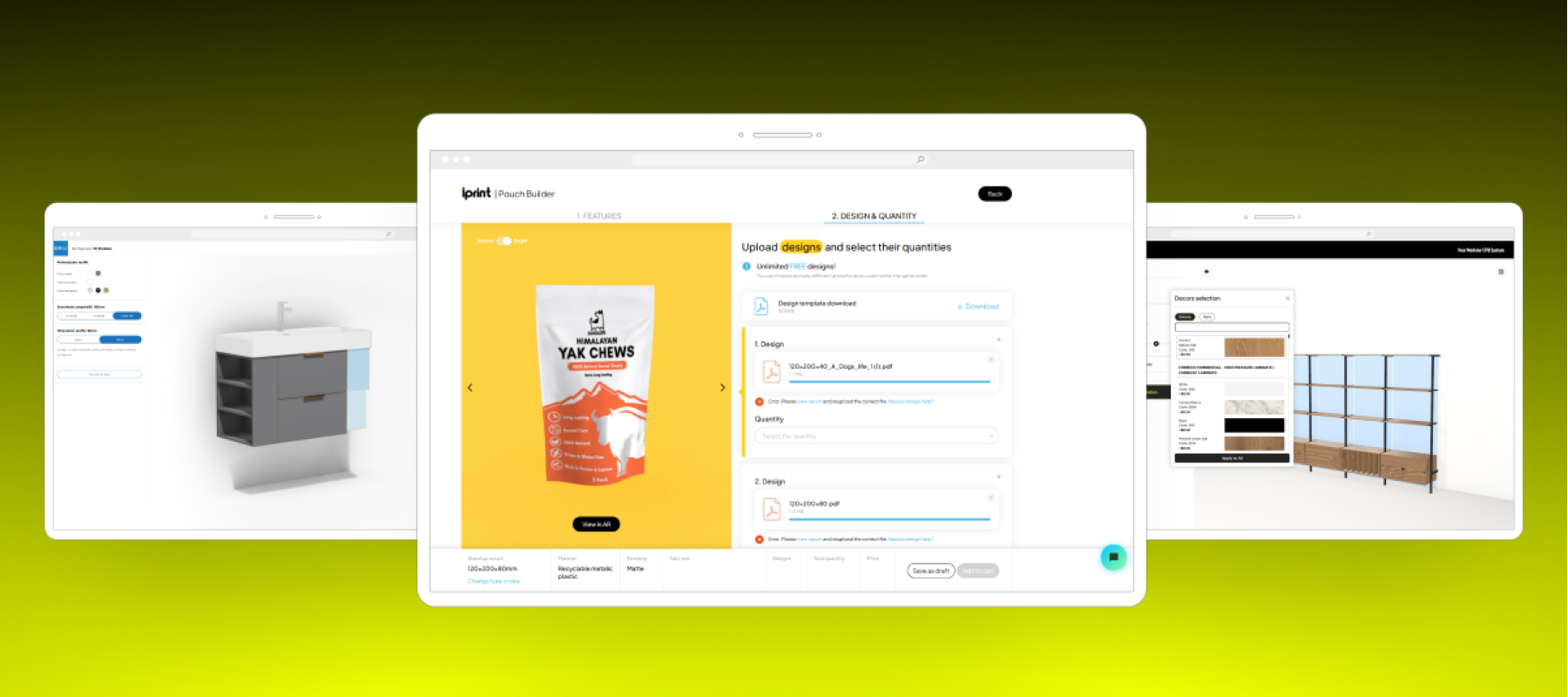
[Replacing](https://ar-range.app/blog-posts/category/replacing/) 29 November 2024
### [The five kinds of product customization, and which one you sell](https://ar-range.app/blog-posts/five-faces-of-product-customization/)
Product customization should enhance the customer experience, not overwhelm it. Offering too many options can complicate decisions and production. Discover ways how to strike the right balance for your bespoke product.
1 min read
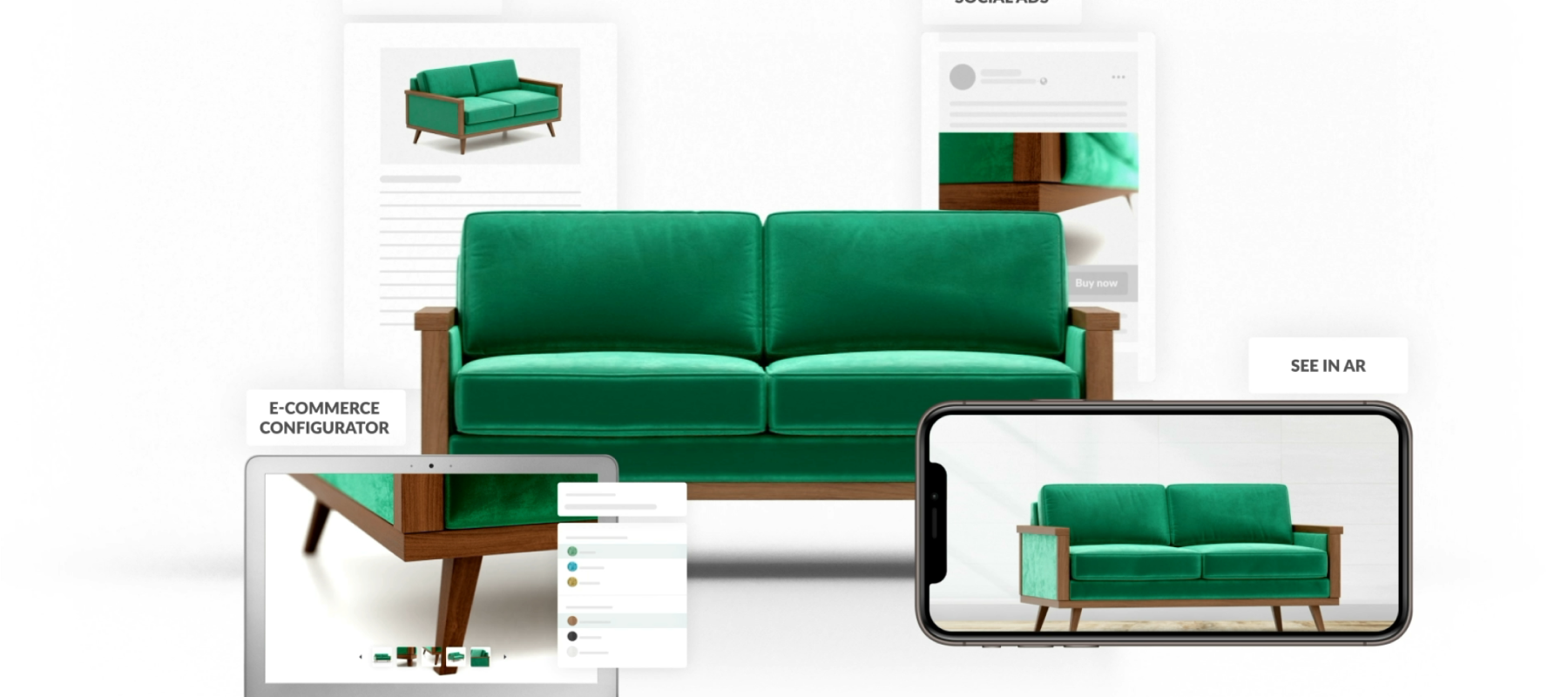
[Replacing](https://ar-range.app/blog-posts/category/replacing/) 2 October 2022
### [The tools that sell furniture online, and which to buy first](https://ar-range.app/blog-posts/best-tools-to-boost-online-furniture-sales/)
The furniture industry has faced many challenges in recent years, prompting companies to undergo deep digital transformations and adapt to a market where online sales play an increasingly important role. Explore opportunities for furniture sales in e-commerce channels.
2 min read

[Replacing](https://ar-range.app/blog-posts/category/replacing/) 17 September 2026
### [Two bed brands bought the ready-made configurator. Both came back. Here is what 'ready' meant.](https://ar-range.app/blog-posts/two-bed-brands-and-the-ready-made-configurator/)
Two bed brands chose the ready-made 3D configurator: finished software, own interface, upload the models and go. Both came back, one after two years and one after three. What 'ready' meant on the product page, and what carried over.
7 min read
## If they can't see it, they won't buy it. Let's show them.
Leave your details and we arrange a free consultation with the people who have spent years helping brands sell customised products. You bring the catalogue and the questions. We bring what has worked, what has not, and what it would take for you.
**1M** variants from one source
**Same day** price changes live in the shop
**No-code** configurators the client runs

================================================================================
Page: 4 examples of 3D configurators in online sales | Ar-range
URL: https://ar-range.app/blog-posts/4-examples-of-using-3d-configurators-in-online-sales/
================================================================================
Transforming sales of a custom product
# 4 examples of 3D configurators in online sales
4 March 2024
4 min read
Part of [Configurators](https://ar-range.app/blog-posts/category/configurators/): What kinds are there, and which fits how you sell?
- Configurator
- Custom software
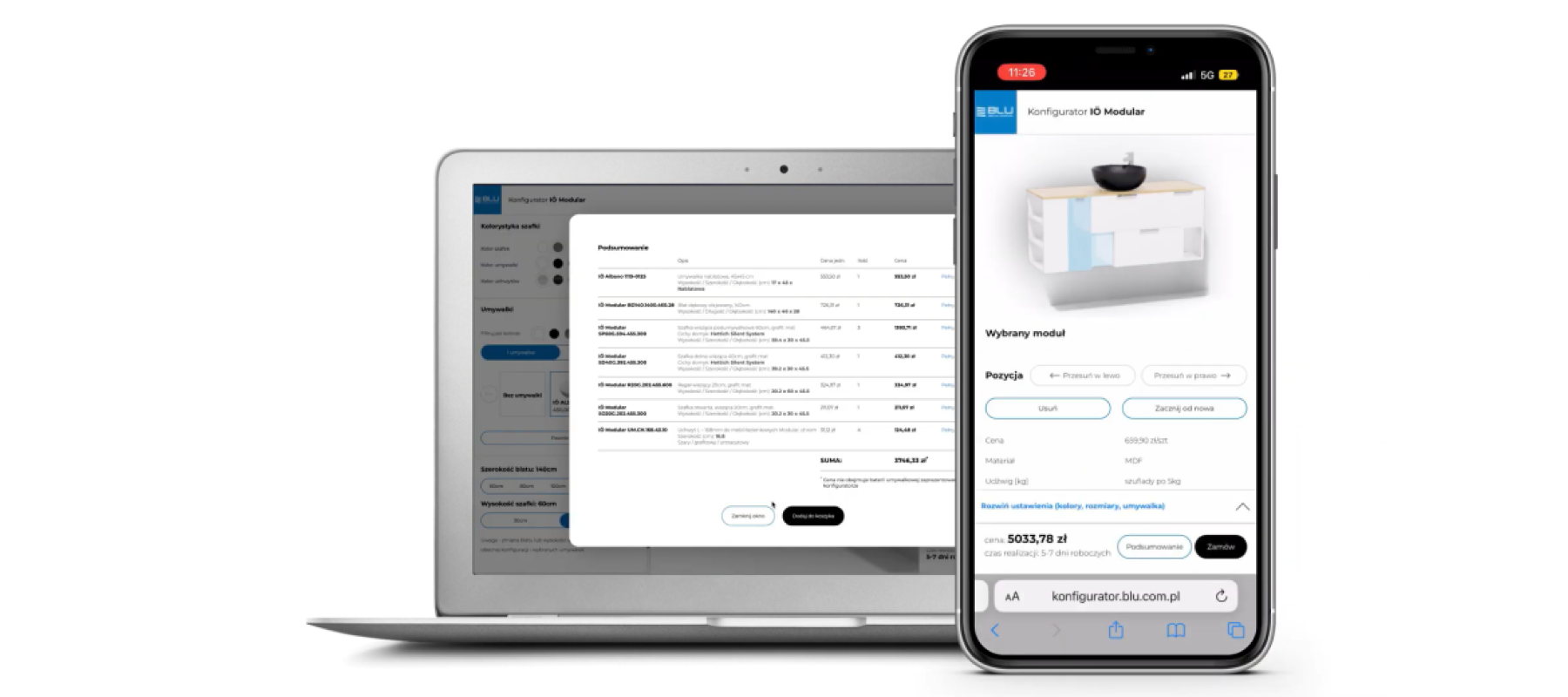
## Energy Storage - Configurator as a Key Sales Tool
HR Bank, by Tukas EV, was created with the aim of satisfying people’s personal needs for energy independence. HR Bank is a mobile device for generating and storing energy with numerous surprising features. It starts with physical activity on a stationary bicycle, providing entertainment or supporting work. The product is entirely composed of components that users select independently from available options such as materials, colors, or battery capacity. Sales built on customer’s individual choices require a tool that enables users to make purchases after experimenting with different product variations, all while providing dynamic 3D visualization. The purchasing process is enhanced by the option to display a personalized product in augmented reality (AR).
[The HR Bank configurator](https://www.tukasev.com/en/home/68-test-hr-bank.html%C2%A0) automates the sale of custom products and allows for easy addition or removal of materials and colors based on availability and popularity. The configurator is integrated with a store built on PrestaShop. To facilitate sales management through the configurator, solutions have been implemented that enable the Tukas team to change material colors, tab names, tooltips, and set the initial configuration through the [PrestaShop](https://pl.prestashop.com/) panel.
## Printing - Visualizing Custom Prints on B2B Packaging
Lprint is a modern printing company that provides packaging with custom prints in both large and small quantities. Their clientele includes small artisan businesses. To meet the ever-changing needs of their customers, the company decided to implement an online configurator designed to streamline the process of selecting and ordering packaging.
Users of the [Lprint configurator](https://configurator.lprint.com/140x210x70/830/lang=en) have the ability to choose the type, size, material, and finish of their packaging. Importantly, they can also upload and preview packaging with their own graphics applied. The configurator is seamlessly integrated with Lprint’s store, which is built on [WooCommerce,](https://wordpress.org) and it utilizes the Enfocus tool to verify the correctness of uploaded graphic design projects for printing. The full build is in [the Lprint case study](https://ar-range.app/case-studies/how-lprint-helps-customers-create-unique-product-packaging/).
## Furniture Industry - 3D Configurator as a Convenient Tool for Custom Furniture Sales
Exclusive Spaces is a team of designers specializing in creating furniture and decorations. The brand offers products that cater to the needs, style, and creative expression of their customers. Thanks to an extensive material database, Exclusive Spaces’ products are available in thousands of variations.
To make the most of this advantage, the Ar-range team has developed a highly versatile 3D configurator. This tool, integrated with their [Shopify](https://www.shopify.com/) -based online store, allows users to configure furniture in all available options and dynamically displays prices, along with the option to add items to the shopping cart.
[The configurator](https://exclusivespaces.shop/collections/furniture/products/siku-sofa) provides a 360-degree view of the product, enabling customers to examine it from every angle. Its high-quality visualization ensures a realistic representation of an extensive material library, including fabrics, wood, rattan, and metals. Customers have the freedom to select size, components, change materials, colors, and more.
This pop-up tool is so versatile that it can be easily implemented for additional products without the need for significant time and resources.
## Furniture Industry - Enhancing Sales of Modular Bathroom Furniture for a Network of Showrooms and an Online Store.
BLU, a network of showrooms, is a market leader in the bathroom equipment industry in Poland. They operate 64 showrooms and an online store using the PrestaShop platform. A challenge in their sales process was the inability to visualize products in different variations in real-time. In physical showrooms, customers could only see sample configurations of modular furniture, which extended the sales process and deterred customers. The BLU brand needed a simple digital tool to enable the configuration of bathroom sets with 3D product visualization.
In response to this need, a 3D modular configurator was developed, transforming an array of individual elements with hundreds of combinations into a unified product. This tool automated online sales and expedited the work of showroom sales representatives.
[The configurator](https://konfigurator.blu.com.pl/blu-configurator/design%C2%A0) seamlessly guides users through the process of creating a bathroom set, starting with the selection of the countertop type, its width, sink, cabinet height, and allowing for any custom arrangement of modular cabinets, colors, and handles. The tool displays the prices of individual elements as well as the total cost of the complete set, along with a separate order summary. The final step involves adding the configured set to the shopping cart.
All presented configurator are [Sketchfab-based](https://sketchfab.com/).
## Solutions involved
- [Modular Configurator](https://ar-range.app/products/modular-configurator/)
On this page
1. Energy Storage - Configurator as a Key Sales Tool
2. Printing - Visualizing Custom Prints on B2B Packaging
3. Furniture Industry - 3D Configurator as a Convenient Tool for Custom Furniture Sales
4. Furniture Industry - Enhancing Sales of Modular Bathroom Furniture for a Network of Showrooms and an Online Store.
5. Solutions involved
## Recent blog posts

[Configurators](https://ar-range.app/blog-posts/category/configurators/) 7 August 2025
### [Parametric configurator explained: faster quotes, fewer errors](https://ar-range.app/blog-posts/parametric-configurator-explained-faster-quotes-smarter-sales-fewer-errors/)
Discover what a parametric configurator is, how it works, and why it’s changing the way custom products are sold. See how it turns complex, customizable furniture into a seamless buyer experience - with real-time visuals, instant pricing, and logic your production team can trust.
8 min read

[Configurators](https://ar-range.app/blog-posts/category/configurators/) 8 September 2025
### [What is parametric design?](https://ar-range.app/blog-posts/what-is-parametric-design/)
This article answers the big questions: How does parametric design work, why is it different from traditional modeling, and what does it mean for industries like furniture, fashion, and urban planning? You’ll learn its principles, the tools behind it, and how brands use configurators to turn complex, customizable products into seamless customer experiences.
5 min read

[Configurators](https://ar-range.app/blog-posts/category/configurators/) 29 August 2025
### [Selling modular sofas with a 3D sofa configurator](https://ar-range.app/blog-posts/selling-modular-sofas-with-3d-sofa-configurators/)
How do presets vs. blank-slate tools impact conversions? What ROI can you expect in 2025 from AR, CPQ, and cloud renders? This guide answers the tough questions every sofa brand faces when moving from fabric binders to 3D configuration.
8 min read
## If they can't see it, they won't buy it. Let's show them.
Leave your details and we arrange a free consultation with the people who have spent years helping brands sell customised products. You bring the catalogue and the questions. We bring what has worked, what has not, and what it would take for you.
**1M** variants from one source
**Same day** price changes live in the shop
**No-code** configurators the client runs

================================================================================
Page: 5 ways to make furniture renders stand out with automation and AI | Ar-range
URL: https://ar-range.app/blog-posts/5-ways-for-your-furniture-renders-to-stand-out-using-automation-and-ai/
================================================================================
How to turn your scattered renders into a brand-wide visual system
# 5 ways to make furniture renders stand out with automation and AI
[**Marcin Stempniewicz** CEO and co-founder, Ar-range](https://ar-range.app/meet-us/marcin/)
26 August 2025
4 min read
Part of [Visuals](https://ar-range.app/blog-posts/category/visuals/): Product images at catalogue scale
- Visualiser
- Configurator
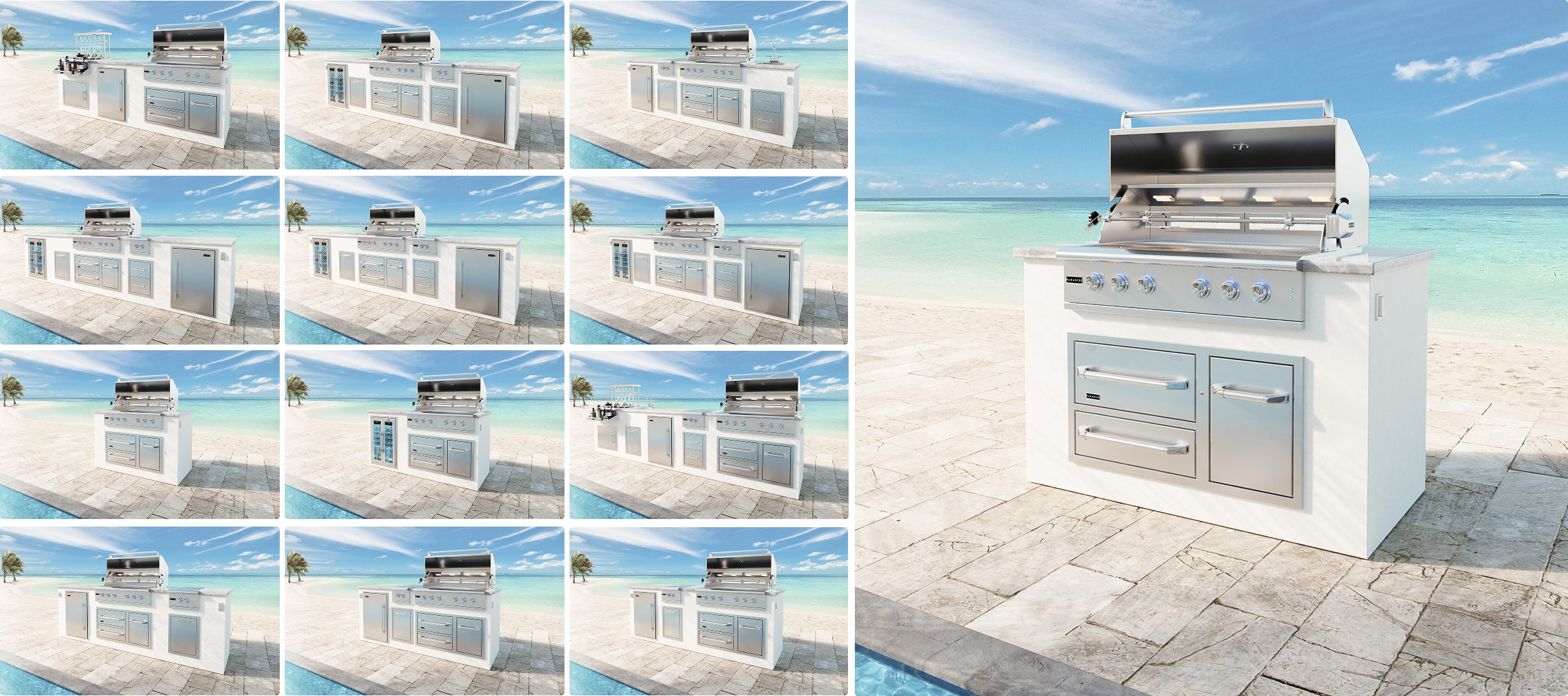
## 1. Automate Rendering & Cover Every Variant
Traditional **furniture rendering services** are slow, expensive, and unscalable. An artist sets up a scene, hits render, waits hours, then repeats for every fabric or finish.
With furniture rendering automation, the model flips. At Ar-range, we don’t hand you another DIY tool - we bring the software and the expertise together as a turnkey service. Whether it’s a single finish library or millions of product variants, we deliver the renders you need at scale. No bottlenecks, no internal chaos - just the job done.
**The advantage:** you can finally render **every SKU**: every fabric, size, finish, and module. No missing colors, no “imagine it in oak.” Just clarity.
And clarity sells:
- **Conversion rates increase 94–200%** with full variant visualization and AR ([Zolak](https://zolak.tech/blog/furniture-retail-software)).
- **Return rates drop 5–30%**, because customers know exactly what they’re buying.
- **Costs fall 6–8x vs traditional photography**, and timelines shrink from weeks to hours
For proof in action, see our case study automating sofa visuals for Scandic Sofa brand
## 2. Leverage AI for Backgrounds & Quick Animations
Automation isn’t the only breakthrough. Today’s AI tools open up new possibilities for **creative, low-cost content generation**.
- **AI-generated backgrounds**: Drop a static render into a “Scandinavian loft” or “urban studio” without a new 3D scene build. Perfect for brainstorming campaigns, drafting brand themes, or producing market-specific ads at speed.
- **Rapid animations**: With AI, static renders can be animated in synthetic environments: camera pans, lighting changes, even looping lifestyle clips. They won’t replace premium production, but they’re **ideal for social media storytelling at 10x lower cost**.
- **Prototyping at scale**: Instead of waiting weeks for a polished marketing scene, you can now **prototype visuals in hours**, then refine only the concepts that resonate.
For inspiration, check our [Automated Visuals Page](https://ar-range.app/products/variant-visuals/).
## 3. Use Room & Interior Scene Libraries for Lifestyle Impact
Variant visuals show both finish options and product context by placing it in uniform scenes.
Flat product cutouts are functional. But customers buy furniture for **real spaces, not white backgrounds**. That’s why brands invest in **photorealistic furniture renderings** built with room and interior libraries.
A **furniture rendering service** like this offers pre-made lifestyle interiors where your products can be placed seamlessly:
- **Cost-effective**: No expensive shoots, no endless set building.
- **Scalable**: Consistent visual style across collections.
- **Versatile**: The same scene supports multiple SKUs for catalogs, ads, and websites.
Combine scene libraries with AI-generated backgrounds (Point 2), and you get both **production-quality lifestyle imagery** and **fast-turnaround concept visuals**.
See also:
- The role of lifestyle images in configurators
- [Best tools to boost online furniture sales](https://ar-range.app/blog-posts/best-tools-to-boost-online-furniture-sales/)
## 4. Highlight Craftsmanship with Close-Up Renders
Product closeups allow you to present intricate details of fabrics and finishes.
If online 3D is about exploration, **photorealistic furniture renderings** are about persuasion. And nothing persuades like detail.
Close-up **3D furniture rendering** shows stitching, fabric weave, leather grain, brushed steel - the micro details customers need to justify premium pricing. These visuals act as a **digital “touch-and-feel” moment**, bridging the showroom and the e-commerce cart.
Learn more:
- Best way to show upholstery texture and stitching
- How configurators justify premium pricing
## 5. Centralize All Assets in a Content Hub
Here’s the hidden trap: once you’ve automated rendering, you’ll generate **tens of thousands of assets** - product renders, 360s, AR files. Without structure, it’s chaos: Dropbox mess, duplicated files, endless re-render requests.
Acentralized content hub solves this by making every asset findable, tagged, and linked to SKUs.
- Marketing grabs campaign visuals instantly.
- Sales can send the exact variant render to a dealer.
- E-commerce syncs visuals directly to product pages.
No duplication. No bottlenecks. Just a **single source of truth for furniture visualization**. See also: [How many images do you need per product variant?](https://ar-range.app/docs/how-many-images-per-variant/)
## Bonus Ways to Stay Ahead
### Educate Buyers: Renders vs Online 3D
Customers often don’t know the difference between pre-rendered visuals vs real-time 3D. Both matter: raytraced renders persuade, while online 3D engages.
### Prepare for AR and Immersive Commerce
AR is no longer optional. Shopify data shows AR doubles furniture conversion rates. The same AI product visualization pipeline can output stills, 360s, and AR models, ensuring your assets are future-proof. See: [Use of AR in furniture e-commerce](https://ar-range.app/blog-posts/use-of-augmented-reality-in-furniture-e-commerce/) and [How to use AR as a sales advantage](https://ar-range.app/blog-posts/how-to-use-augmented-reality-as-an-advantage-in-selling-your-products/).
### Use Configurators as a Content Engine
Ar-range product configurator allows to quickly generate raytraced render using cloud rendering.
This is where Ar-range’s modular and parametric configurators really shine. Beyond guiding the buyer, they can automatically raytrace renders of any configured product directly in the cloud. That means your configurator doubles as a content creation engine.
A modular sofa configurator, for instance, can generate billions of combinations. Every single one can be rendered out as a photorealistic image, 360, or AR mode l - giving you an always-on pipeline of marketing assets. Instead of manually commissioning new shots, your configurator becomes a visual factory that feeds your e-commerce, ads, catalogs, and sales decks with unlimited variant visuals.
## Conclusion
**Furniture renderings** aren’t just visuals. Done right, they’re:
- Automated pipelines that cut costs by up to 70%.
- Variant-rich libraries that keep buyers deciding instead of guessing.
- AI-augmented concepts that slash campaign prototyping costs.
- Lifestyle-ready content that sells aspiration.
- Closeups that prove craftsmanship.
- Centralized assets that future-proof your brand.
And with AR, they bridge the gap between online browsing and showroom confidence.
The brands winning today aren’t the ones with the nicest sofa photos. They’re the ones who turned **furniture rendering** into a **scalable, automated system** - a growth engine for marketing, sales, and customer trust.
On this page
1. 1. Automate Rendering & Cover Every Variant
2. 2. Leverage AI for Backgrounds & Quick Animations
3. 3. Use Room & Interior Scene Libraries for Lifestyle Impact
4. 4. Highlight Craftsmanship with Close-Up Renders
5. 5. Centralize All Assets in a Content Hub
6. Bonus Ways to Stay Ahead
7. Conclusion
## Recent blog posts

[Visuals](https://ar-range.app/blog-posts/category/visuals/) 29 September 2025
### [Photoreal close-ups that sell fabrics](https://ar-range.app/blog-posts/photoreal-closeups-that-sell-fabrics/)
This article delves into the importance of fabric closeups in e-commerce, highlighting photorealistic visuals, prerendered variant imagery, and automated mass rendering for enhanced online shopping experiences. Learn how these strategies improve customer trust, decrease return rates, and increase conversions, bridging the gap between digital impressions and physical purchases. Explore the balance between online visuals and in-store swatches, ensuring your e-commerce strategy effectively showcases customizable furniture.
4 min read
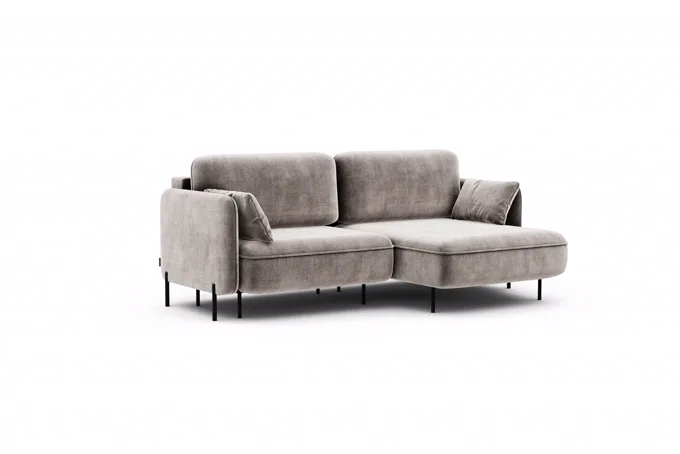
[Diagnosing](https://ar-range.app/blog-posts/category/diagnosing/) 12 September 2026
### [Does previewing a product in 3D actually reduce returns?](https://ar-range.app/blog-posts/does-3d-preview-actually-reduce-returns/)
"3D preview reduces returns" is on almost every configurator vendor's homepage and behind almost none of their case studies. Here is what the claim would take to prove, and the cost we can actually point to instead.
6 min read
[Diagnosing](https://ar-range.app/blog-posts/category/diagnosing/) 9 December 2025
### [Selling the idea of a product, instead of planks and fabric](https://ar-range.app/blog-posts/how-to-use-digital-transformation-to-sell-the-idea-of-product-instead-of-planks-and-fabric/)
Discover why selling furniture is increasingly challenging and how to counter these obstacles with engaging digital tools. Learn why emphasizing emotions over materials boosts sales, how digital configurators enhance customer experience, and why visual continuity is key to preserving excitement post-showroom visit. Explore strategies for successful B2C transitions and maintaining strong furniture margins by selling ideas, not just products.
7 min read
## If they can't see it, they won't buy it. Let's show them.
Leave your details and we arrange a free consultation with the people who have spent years helping brands sell customised products. You bring the catalogue and the questions. We bring what has worked, what has not, and what it would take for you.
**1M** variants from one source
**Same day** price changes live in the shop
**No-code** configurators the client runs

================================================================================
Page: Ar-range at Meble Polska 2025: new technologies in the furniture industry
URL: https://ar-range.app/blog-posts/ar-range-at-meble-polska-2025---new-technologies-in-the-furniture-industry/
================================================================================
What Marcin argued in Poznań, and what the room asked back
# Ar-range at Meble Polska 2025: new technologies in the furniture industry
[**Marcin Stempniewicz** CEO and co-founder, Ar-range](https://ar-range.app/meet-us/marcin/)
3 March 2025
Updated 18 September 2026
3 min read
Part of [Diagnosing](https://ar-range.app/blog-posts/category/diagnosing/): Is my configurator working?

## The talk: new technologies in the furniture industry
As announced in [Interior Daily](https://www.interiordaily.com/article/9698134/exploring-the-impact-of-technology-on-the-furniture-industry-at-meble-polska-2025/) in January, Marcin Stempniewicz, CEO of Ar-range, spoke at Meble Polska on 27 February at 11:15 on whether tools like 3D configurators, AR and AI actually improve results, or only mask deeper problems in a company’s processes and market strategy.
The talk covered three questions: when is the right time to implement a configurator, why is it worth it, and where is the balance between automation and personalisation. The argument was that a configurator is worth building when it removes a measured cost, most often the hours a designer or salesperson spends turning one customer’s wishes into a quote, and not worth building because a competitor has one.
Marcin walked through one implementation from the first brief to the finished integration. It started with the business need written as a question: how long does personalising one order take today, and what should it take? Changes then shipped in short iterations against real orders, and the last step was the software itself and its connection to the manufacturer’s website. The outcomes he showed were measured against that first question: the time per personalised order, the number of enquiries, and how the designers’ hours were spent afterwards.
Four questions came out of it for anyone weighing a configurator:
- How much time does your team spend on product personalisation today, per order?
- What problem should the configurator solve? One problem, stated in a sentence.
- Does offering more options lead to a better sale, or only to a longer decision?
- Do you want software you own, or a licence you renew?
## What the audience asked
Three questions from the floor stayed with us, so here they are with the answers.
**When does automation really pay off?** When the thing you automate is already costing you hours you can count. Take the time one personalised quote takes today, multiply by the quotes you send in a month, and that is the ceiling of what a configurator can give back, before the orders that only happen because the customer could see the piece. If the product has three options and a price list, the arithmetic does not close. If a designer spends the afternoon on a single sofa layout, it closes quickly.
**Can AI support the sale of custom products?** Yes, where it helps a customer find and describe, and no, where it invents. Searching a catalogue of hundreds of fabrics by a spoken description works today and sells in a store. A sofa rendered from a sentence is a demo until the factory can make what the picture shows. The configurator is what keeps the AI honest: it only offers combinations that can be built and priced.
**Does a configurator for glass interior products make sense?** It does, and it is a different configurator. Partitions, shower enclosures and glass doors are defined by dimensions and a few finishes, so the value is a parametric one: the price from the measurements, the production drawing, and a quote the customer can carry away, with the 3D picture in a supporting role. The furniture configurator lives on the visual; the glass one lives on the numbers.
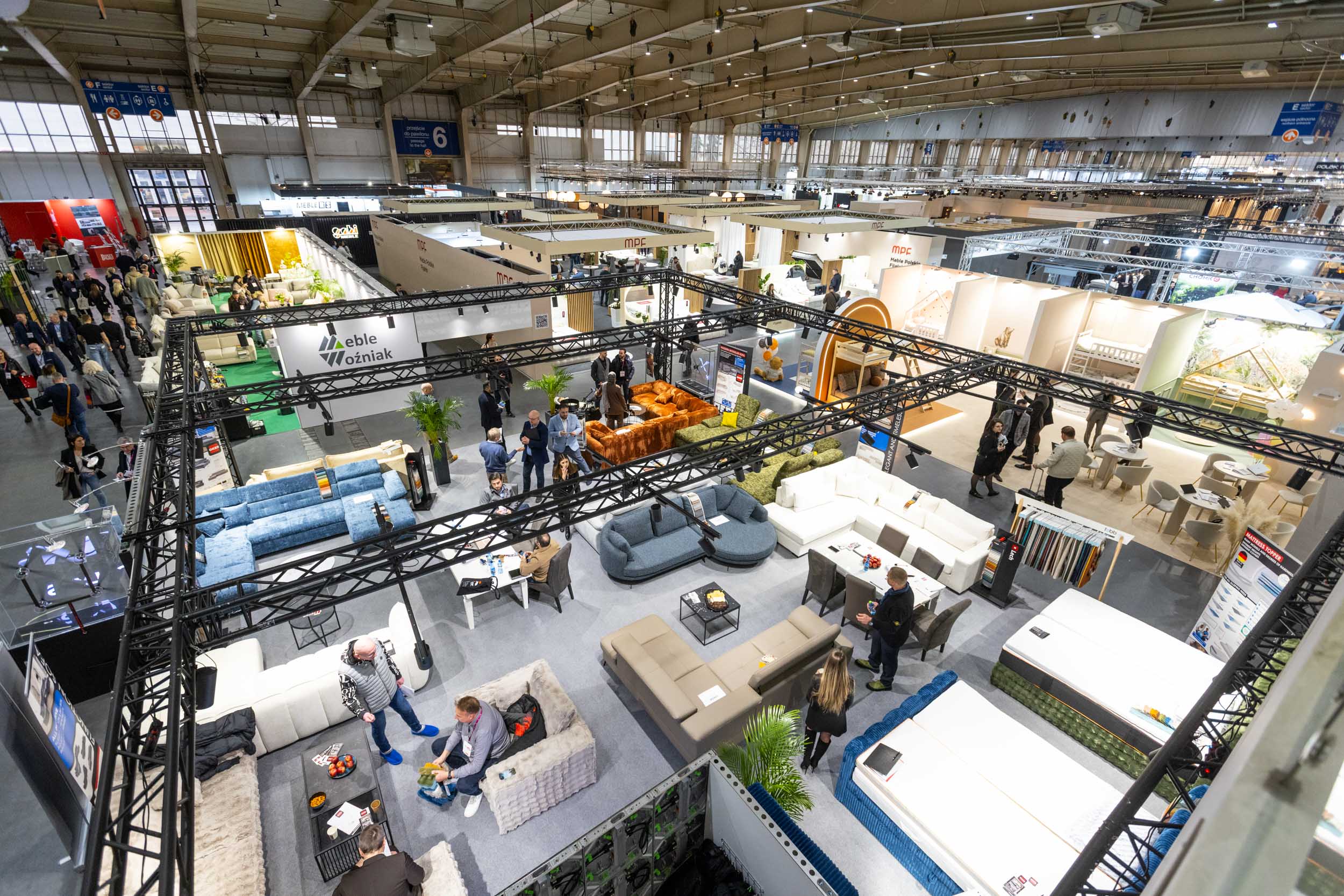 _Photo: Piotr Piosik, Grupa MTP_
## On the fair floor
The conversations we had were with manufacturers from several countries, and two topics kept returning. The first was how to get a showroom and a factory working from the same configuration, so the piece a customer builds in the store is the piece that goes into production. The second was what a configurator costs to keep alive after launch, when the next collection arrives.
The fair itself was large, with exhibitors looking for new markets and new ways to sell, and traditional sales next to digital ones on the same stands. The booths we remember best were Wersal, Forte and Befame.
 _Photo: Piotr Piosik, Grupa MTP_
## Solutions involved
- [Modular Configurator](https://ar-range.app/products/modular-configurator/)
- [Variant Visuals](https://ar-range.app/products/variant-visuals/)
- [Visualize Every Variant](https://ar-range.app/solutions/visualize-every-variant/)
On this page
1. The talk: new technologies in the furniture industry
2. What the audience asked
3. On the fair floor
4. Solutions involved
## Recent blog posts

[Diagnosing](https://ar-range.app/blog-posts/category/diagnosing/) 15 September 2026
### [You bought a 3D configurator. Your sales went down. Here's what actually happened.](https://ar-range.app/blog-posts/why-your-3d-configurator-didnt-increase-sales/)
A 3D configurator went live, looked good, and sales didn't move. Usually for three reasons: an unreliable button, a renderer that cannot show the fabric, and five hundred choices with no guidance. What we saw at MyBed, and what we built instead.
8 min read

[Diagnosing](https://ar-range.app/blog-posts/category/diagnosing/) 12 September 2026
### [Does previewing a product in 3D actually reduce returns?](https://ar-range.app/blog-posts/does-3d-preview-actually-reduce-returns/)
"3D preview reduces returns" is on almost every configurator vendor's homepage and behind almost none of their case studies. Here is what the claim would take to prove, and the cost we can actually point to instead.
6 min read

[Diagnosing](https://ar-range.app/blog-posts/category/diagnosing/) 8 September 2026
### [From dimensions only your upholsterer knows to dimensions on every variant](https://ar-range.app/blog-posts/dimensions-on-every-variant/)
Every brand already has the numbers. Almost none can put the right number on the right variant at the moment a buyer is deciding. The fix is a change of where the measurement lives, not a bigger drawing effort.
7 min read
## If they can't see it, they won't buy it. Let's show them.
Leave your details and we arrange a free consultation with the people who have spent years helping brands sell customised products. You bring the catalogue and the questions. We bring what has worked, what has not, and what it would take for you.
**1M** variants from one source
**Same day** price changes live in the shop
**No-code** configurators the client runs

================================================================================
Page: The tools that sell furniture online, and which to buy first | Ar-range
URL: https://ar-range.app/blog-posts/best-tools-to-boost-online-furniture-sales/
================================================================================
Navigating the Digital Shift
# The tools that sell furniture online, and which to buy first
2 October 2022
2 min read
Part of [Replacing](https://ar-range.app/blog-posts/category/replacing/): How do we switch without losing a quarter?
- Configurator
- AR Viewer
- Ecommerce

## Global development of furniture sales in e-commerce channels
Although 2021 was a strong year for the furniture market in terms of revenue, 2022 proved more challenging, with sales declining and companies forced to make further adjustments. However, looking ahead, forecasts indicate that revenue in the furniture industry will grow, reaching USD 769.59 billion in 2023, with online channels accounting for an increasing share of sales.
According to [Insider Intelligence](https://www.insiderintelligence.com/), global e-commerce sales reached USD [4.213 billion](https://www.insiderintelligence.com/content/worldwide-ecommerce-forecast-update-2022) in 2020, grew to USD 5.545 billion in 2022, and are projected to hit USD 6.169 billion in 2023, making up 22.3% of total retail sales.
The availability of numerous tools for online sales has enabled the rapid development of this channel across all industries. The first step is selecting an e-commerce platform tailored to your needs, such as Open Source (Presta, WooCommerce) or SAAS (Shopify, Shoper). Next, focus on ensuring a convenient shopping experience, including a simple process, multiple payment methods, easy returns, and efficient delivery. It’s also essential to match products to customer expectations and provide the best possible product experience.
## High-Quality Content with 3D Models
Competition in the online retail market is intense, necessitating the selection and continuous improvement of tools to meet today’s buyer demands. Analysts predict that millennials will drive long-term growth in the furniture market as they prepare to buy and furnish their first homes in the coming years. This group has high expectations regarding the quality and flexibility of the entire purchasing process.
One of the key challenges in e-commerce is providing high-quality content. Static photos are no longer sufficient to engage and convince customers to make a purchase. This is especially true for online furniture shopping, where a significant barrier is the inability for customers to see the product in detail “live” from all angles.
This is where tools that utilize 3D content become invaluable. 3D models offer extensive possibilities for marketing and B2B communication.
### With 3D models, you can easily create:
- 360-degree images,
- [product configurators,](https://ar-range.app/products/modular-configurator/)
- [product visualizations,](https://ar-range.app/products/variant-visuals/)
- [animations,](https://ar-range.app/case-studies/paradise-grills/)
- web Augmented Reality (AR).
These tools are crucial for capturing customer attention by providing the best possible substitute for a direct experience with the product.
High-quality 3D content allows customers to view a product from every angle and in all its variants, such as different sizes, materials, or colors. Additionally, product visualization in webAR (which doesn’t require installing a separate app on the phone) enables customers to display the piece of furniture in their home or office, even before making a purchase. This functionality is a game-changer in online shopping, helping customers make quicker purchase decisions. AR services have already become a standard tool used by many companies in the furniture, fashion, industrial, and medical industries. AR product visualization provides a much more accurate representation of how the product looks in reality, including its size and functionality, compared to photos.
All these tools can be integrated into most e-commerce platforms, aiding in the sales process and enhancing the customer’s [shopping experience.](https://www.forbes.com/sites/blakemorgan/2022/12/15/inside-the-shopping-experience-of-the-future/)
## Solutions involved
- [Modular Configurator](https://ar-range.app/products/modular-configurator/)
- [Variant Visuals](https://ar-range.app/products/variant-visuals/)
On this page
1. Global development of furniture sales in e-commerce channels
2. High-Quality Content with 3D Models
3. Solutions involved
## Recent blog posts

[Replacing](https://ar-range.app/blog-posts/category/replacing/) 26 January 2025
### [3D furniture configurator: what it actually is](https://ar-range.app/blog-posts/3d-furniture-configurator/)
How can businesses implement new technologies to enhance furniture customization, reduce costs, and streamline internal processes? Learn how 3D configurators can bridge the gap between customer demands and operational efficiency.
9 min read

[Replacing](https://ar-range.app/blog-posts/category/replacing/) 29 November 2024
### [The five kinds of product customization, and which one you sell](https://ar-range.app/blog-posts/five-faces-of-product-customization/)
Product customization should enhance the customer experience, not overwhelm it. Offering too many options can complicate decisions and production. Discover ways how to strike the right balance for your bespoke product.
1 min read

[Replacing](https://ar-range.app/blog-posts/category/replacing/) 17 September 2026
### [Two bed brands bought the ready-made configurator. Both came back. Here is what 'ready' meant.](https://ar-range.app/blog-posts/two-bed-brands-and-the-ready-made-configurator/)
Two bed brands chose the ready-made 3D configurator: finished software, own interface, upload the models and go. Both came back, one after two years and one after three. What 'ready' meant on the product page, and what carried over.
7 min read
## If they can't see it, they won't buy it. Let's show them.
Leave your details and we arrange a free consultation with the people who have spent years helping brands sell customised products. You bring the catalogue and the questions. We bring what has worked, what has not, and what it would take for you.
**1M** variants from one source
**Same day** price changes live in the shop
**No-code** configurators the client runs

================================================================================
Page: Can customers find a fabric by describing it? What it takes to answer yes. | Ar-range
URL: https://ar-range.app/blog-posts/can-customers-find-a-fabric-by-describing-it/
================================================================================
In the showroom a buyer says 'something soft that survives two cats' and walks out with three swatches. Online they get a filter and order eight. The work that closes that gap is mostly data and listening, and only at the end a search box.
# Can customers find a fabric by describing it? What it takes to answer yes.
[**Marcin Stempniewicz** CEO and co-founder, Ar-range](https://ar-range.app/meet-us/marcin/)
16 September 2026
8 min read
Part of [AI](https://ar-range.app/blog-posts/category/ai/): Where does AI actually help me sell?
- AI
- fabrics
- search

Stand in an upholstery showroom for an afternoon and listen to how people ask for fabric.
Nobody asks for a Martindale rating. They say “something soft, but not the kind that pills”, or “autumn colours, we have a lot of wood in the room”, or “we have two cats, so whatever survives that”. The salesperson listens, walks to the wall, and comes back with three swatches. Usually one of the three goes home.
Now open the same brand’s website. The same buyer is looking at a wall of five hundred swatches, a colour filter with twelve families, a composition filter nobody understands, and a search box that expects the fabric’s name. They scroll for a while, order eight swatches to be safe, and wait a week. Or they leave.
The difference between those two scenes is the whole subject of this post. The salesperson had a conversation. The website has a filter. The question is what it takes to have the conversation online, and the honest answer is that the AI is the smallest part of it.
## What the salesperson actually did
Break the showroom moment down and it is three separate skills.
First, they knew the fabrics: composition, weave, rub count, how each one cleans, which ones pill, which ones are stocked. That is data, and they carry it in their head.
Second, they knew what the fabrics are like. Which chenille reads as cosy, which velvet looks formal, which bouclé is the one people call fluffy, which greens sit with oak. None of that is on a spec sheet. It comes from years of watching people touch things.
Third, they understood the buyer. “Survives two cats” means a tight weave, a high rub count, and easy cleaning. “Autumn colours” means rust, ochre, olive and warm brown, and in a room with a lot of wood it means the muted ones. The buyer’s sentence had none of the catalogue’s words in it, and the salesperson translated anyway.
A search that can do what the salesperson did needs the same three things, in the same order. Most brands try to buy the third and skip the first two.
## The data is what is missing
Here is what we find, nearly every time, when a brand asks us to make its fabrics findable.
The fabric details are somewhere, but they are seldom in the catalogue. They are hardcoded into one page of the store, typed by hand two years ago. Or they live on the mill’s website, and the brand links to it. The Martindale test is sometimes a number and sometimes a string with spaces in it. Grammage is the same story. One collection has a composition field, the next has it in the description, the third has a PDF.
No search of any kind, clever or plain, can work on that. Before anything else, the fabric data has to exist as a structured set: one record per fabric, the same fields on every record, a number where a number belongs. This is unglamorous work and it is the whole foundation. It is also the part of the project that outlives any search tool you put on top, because the same records feed the product page, the swatch order form and the dealer’s price list.
If you take one thing from this post, take this: the first project is your fabric data, and it is almost always the missing piece.
## The knowledge that is on no page
With the data in order, the search can answer technical questions. It still cannot answer “soft”. Softness is not a field.
The second layer is the looks-like and feels-like knowledge, and it has to be taught. Somebody who knows the range writes down, for each fabric, what it reads as and what it feels like in the hand: “this one reads like denim, even though it isn’t”, “warmer than the photo suggests”, “the pile flattens where people sit”. The assistant is trained on that as knowledge it holds, and it never needs to show it on the page.
At MyBed that is 542 fabrics across 21 collections, and the labels were written by the people who sell them, in plain Polish, in an editor. The results move when a label changes. That is the point: the people who know the catalogue improve the search, and no developer is involved.
For a bed brand this is the stage where the buyer has chosen to put in the effort, and it sits beside the other tools on our page about the [upholstered bed configurator](https://ar-range.app/industries/upholstered-beds/).
Given the data and the taught interpretation, the assistant can understand the semantics of a query. “Soft, fluffy, in autumn colours, something that would survive two cats” becomes a ranked shortlist of real fabrics. The buyer’s words never had to appear anywhere in your data. The assistant read the meaning, and ordinary code ranked your real catalogue against it, which is also why it cannot make a fabric up: it picks from what you stock, and when you stock nothing close, it says so or hands over to a person.
## The cashmere problem
The third layer is the one brands forget, and it is where the showroom earns its place in an online project.
When a buyer says “cashmere”, do they mean the fabric structure, a fine soft wool blend, or the colour, that pale warm beige that the paint charts named cashmere? In a showroom the salesperson asks. Online, a search that guesses wrong looks stupid, and a buyer who is shown beige velvet when they wanted soft wool assumes the site does not work.
There are dozens of these. “Linen” is a fibre and a look. “Grey” is fifty things. “Something like our old sofa” is a request nobody can answer without knowing the old sofa. “Modern” and “classic” mean different things in Warsaw and in Oslo. Each one is a semantic trap, and the assistant only handles the ones you found first.
So go and ask. Spend time in the showroom with a notebook, or sit with whoever answers the phone, and collect the sentences. What words do people use for the fabric they want? Where do two people use one word for two things? Where does the salesperson ask a clarifying question, and what is it? That list is the specification for the interpretation layer, and the showroom is the only place it exists. This is where an online search project becomes a showroom project, and why the [posts about selling in the room](https://ar-range.app/blog-posts/category/showroom/) are the neighbours of this one.
## Keep the technology invisible
The practical rule, once all of that is in place: the buyer should never see it.
The temptation is to show off. Chips, sliders, a “mood” filter, an “AI-powered” badge. That replaces one set of filters with a different set of filters, and the buyer is back to guessing your categories. The showroom did not hand them a form.
One box. They type what they would have said to a person. They get a short ranked list of real fabrics, with a line saying why each one matched. If they want to argue with it, they type again. That is the whole interface, and if the finished thing has more than that on the screen, something in the three layers underneath is not doing its job.
## Why this is about the sale
Fabric swatches are the main physical touchpoint of an upholstery brand selling online, and for many brands the only one. A sofa is a picture until the swatch arrives. The fabric is what makes or breaks the piece: it decides how the sofa looks in the room, how it feels, how it ages, and whether the buyer is still happy in a year.
So the better a buyer can pick the fabric, the better the chance the piece fits their life, and the fewer chances there are for the sale to fall over on the way. Eight swatches ordered because the buyer could not narrow is a search that failed, and the buyer doing the salesperson’s job at the kitchen table. Three swatches, one of which goes home, is the showroom conversation, held online.
That is the conclusion, and it is deliberately modest. A search like this leaves your showroom and your photography exactly where they are. It puts the fabric conversation on the website, and it only works if you first write down what your best salesperson knows: the data, and the words your buyers use.
## What to track
We track these at MyBed and it is too early to draw conclusions, so there are no numbers here. If you build a search like this, these are the figures that will tell you whether it did its job:
- **Swatches per order.** The number that should fall. Fewer swatches means the buyer narrowed before ordering.
- **The bought fabric among the ordered swatches.** The share of orders where the fabric that was finally bought was in the swatch pack. Rising means the shortlist was right.
- **Second swatch orders.** A second order means the first pack missed. Falling is the goal.
- **Searches that found nothing.** Each one is a gap with a name on it: a fabric people want and you do not stock, or a word your labels do not yet know.
If you already sell swatches, you can read the first three off your order history today, before any search exists, and you will have your baseline.
## Where to start on Monday
1. **Collect thirty sentences.** From the showroom, the phone, the contact form. Real buyers describing the fabric they want, in their words. Mark every word that could mean two things.
2. **Find your fabric data.** Every place a Martindale number, a composition or a grammage is written down. Count the formats. That count is the size of the first project.
3. **Label twenty fabrics with your best salesperson.** What each one reads like and feels like, in plain language. If they struggle to say it, the search will struggle to know it.
Do those three and you have most of what a search needs, whoever builds it. Skip them and buy the box, and you have a filter with a new name.
---
_Ar-range runs AI Search on catalogues with hundreds of fabrics, pulling the records straight from Content Hub. If your buyers describe fabrics one way and your catalogue answers in another, tell us what they search for and we will tell you honestly whether it fits._
On this page
1. What the salesperson actually did
2. The data is what is missing
3. The knowledge that is on no page
4. The cashmere problem
5. Keep the technology invisible
6. Why this is about the sale
7. What to track
8. Where to start on Monday
Mentioned in this post
[**AI Search** Find it in plain words](https://ar-range.app/products/ai-search/) [**Content Hub** The catalog engine](https://ar-range.app/products/content-hub/)
## Recent blog posts

[Diagnosing](https://ar-range.app/blog-posts/category/diagnosing/) 15 September 2026
### [You bought a 3D configurator. Your sales went down. Here's what actually happened.](https://ar-range.app/blog-posts/why-your-3d-configurator-didnt-increase-sales/)
A 3D configurator went live, looked good, and sales didn't move. Usually for three reasons: an unreliable button, a renderer that cannot show the fabric, and five hundred choices with no guidance. What we saw at MyBed, and what we built instead.
8 min read

[Costs](https://ar-range.app/blog-posts/category/costs/) 30 September 2026
### [What would it cost to rebuild Ar-range’s furniture configurator platform?](https://ar-range.app/blog-posts/what-it-would-cost-to-rebuild-ar-range-today/)
Ar-range was built over seven years, one catalogue at a time. What would the same platform cost as a one-off project today, and what should a manufacturer ask before building its own?
6 min read

[Replacing](https://ar-range.app/blog-posts/category/replacing/) 17 September 2026
### [Two bed brands bought the ready-made configurator. Both came back. Here is what 'ready' meant.](https://ar-range.app/blog-posts/two-bed-brands-and-the-ready-made-configurator/)
Two bed brands chose the ready-made 3D configurator: finished software, own interface, upload the models and go. Both came back, one after two years and one after three. What 'ready' meant on the product page, and what carried over.
7 min read
## If they can't see it, they won't buy it. Let's show them.
Leave your details and we arrange a free consultation with the people who have spent years helping brands sell customised products. You bring the catalogue and the questions. We bring what has worked, what has not, and what it would take for you.
**1M** variants from one source
**Same day** price changes live in the shop
**No-code** configurators the client runs

================================================================================
Page: Can I build a product configurator without having 3D models? | Ar-range
URL: https://ar-range.app/blog-posts/can-i-build-a-product-configurator-without-having-3d-models-ad21b/
================================================================================
Yes, for a while. Here is where it stops working, and why.
# Can I build a product configurator without having 3D models?
[**Łukasz Krakowiak** Head of European Sales, Ar-range](https://ar-range.app/meet-us/lukasz/)
24 January 2026
Updated 13 September 2026
5 min read
Part of [Implementing](https://ar-range.app/blog-posts/category/implementing/): What will it take from us?
- Configurator

## The question behind the question
Every few weeks someone asks me the same thing: can I build a product configurator without 3D models? The thought is natural. 3D sounds expensive. Photos already exist. AI seems to do anything now. So a configurator without 3D feels quick, light and cheap.
What you are really asking is how far you can go before the system cracks.
A configurator without 3D models is one driven by photographs, 2D layers or AI-generated images instead of geometry. It is still a visual configurator. The engine underneath is different, and like any engine it behaves differently once you push it past a certain speed.
The short answer: yes, you can launch one. It will hold as long as your catalogue is small, your rules are simple, and you are ready for a lot of manual correction.
## Why non-3D configurators exist, and what teams underestimate
The argument usually starts the same way. “We already have thousands of product photos.” Or: “AI can generate anything now.” Or the classic: “3D is only for complex furniture.”
The assumption behind all three is that a configurator is a camera. It is not. It is a logic machine that looks like a gallery. The rules decide what can be combined; the picture has to follow the rules. Visuals come second.
Photo-based configurators were where the industry started. One photograph per finish, layers swapped by hand: the Photoshop era of online retail. Some brands built large systems this way. Then the variants grew. Lighting changed between shoots. Angles drifted. Manual checking replaced automation, and one wrong reflection meant reshooting a whole set. What looked simple became chaos. [Our post on the kinds of configurator](https://ar-range.app/blog-posts/what-is-a-product-configurator-how-it-works-types-examples-benefits/) walks the same curve, from a small controllable setup to one nobody can manage.
## Consistency beats realism
When a buyer plays with a configurator, their eye is not chasing realism. It is chasing consistency. Does the colour look the same on the sofa and on the armchair? Does fabric A stay fabric A under different lighting? If yes, trust builds. If not, doubt creeps in.
That is why a configurator that has to scale depends on logical consistency more than on polished visuals. An image-based configurator relies on pictures staying aligned. A 3D one relies on rules. One breaks when people get tired. The other does not.
In our projects the chain is direct: the clearer the visual logic, the fewer support calls, errors and returns. 3D wins on reliability, not on beauty.
## The approaches without 3D, and their limits
### Photo-based and 2D layer configurators
Some brands run well on 2D. Layers stacked with if-then logic: pick a colour, swap a layer; pick a fabric, change a texture. It is clean while the range is small. Cushions, simple tables, decorative pieces.
Stretch it across a modular system, or a product with dozens of parts, and the complexity explodes. Angles stop matching. Shadows stop agreeing. Small fixes pile up every week, and the clever cheap method becomes the expensive one to maintain.
Automation can take over some of the layering and colour logic, which is what [Variant Visuals](https://ar-range.app/products/variant-visuals/) does. But it needs 3D models to do it.
### AI-generated images
AI is the new piece of the puzzle. Teams now try AI-generated configurator images almost as an experiment, and one image at a time the results are impressive. Current image models handle texture and lighting convincingly. The problem starts when you look at ten variations in a row.
Fabric tones shift. The same sofa material looks cooler in one image and warmer in the next. Multiply that by hundreds of products and you have a coordination problem. Human review stops being optional. Every image has to be checked on its own and against the rest of the catalogue, and once you count that work the saving is gone.
I often hear that AI is cheaper. That is half true. For a few hundred images, yes. Past a few thousand it flips. When we rendered [more than two million visuals for MyBed](https://ar-range.app/case-studies/mybed/), each AI image would have cost more than a 3D render once the checking was included. 3D gave predictable timing, uniform lighting and no revision loops.
AI still has a real role. It is good at storytelling: lifestyle scenes, backgrounds for social posts, a product placed in a room. That complements a configurator rather than replacing it.
## When 3D becomes unavoidable
The decision point is not technology. It is scale. Once you manage hundreds of combinations, a visual system built on photos or AI starts to come apart.
What I usually see go wrong:
- The decision is made on the upfront cost alone. The hidden checking work drains the budget later.
- AI replaces the existing visuals instead of complementing them, and consistency goes with it.
- Visual quality becomes a recurring fight instead of a solved problem.
A simpler way to decide. Stay without 3D if speed matters more than scale and every product fits a fixed set of variations. Go to 3D if your brand promises consistent visuals across products, if you sell modular or builder-type collections, or if you expect thousands of combinations or more.
If that is your world, the configurator has to start with geometry. That is what the [Modular Configurator](https://ar-range.app/products/modular-configurator/) is built on: not cinematic realism, but predictable logic, cost control and trust.
Non-3D methods keep their place. They are fine for a first launch, for simple products, for a fast test of a new range. Over the years, though, every brand that grows moves to 3D, not because it is fashionable but because it is stable.
Before you decide, look at your catalogue and ask three things:
- How many variants do you have today?
- How many next year?
- What will inconsistency cost you at that size?
The answer is in predictability, not in pixels.
## What comes next
If the answer is 3D, the next question is what a model costs to prepare and what you already have that can be reused. [The Costs category](https://ar-range.app/blog-posts/category/costs/) puts numbers on that. If you are weighing vendors, [Comparisons](https://ar-range.app/blog-posts/category/comparisons/) is the rubric we use ourselves.
On this page
1. The question behind the question
2. Why non-3D configurators exist, and what teams underestimate
3. Consistency beats realism
4. The approaches without 3D, and their limits
5. When 3D becomes unavoidable
6. What comes next
Mentioned in this post
[**Variant Visuals** Every variant, prerendered](https://ar-range.app/products/variant-visuals/) [**Modular Configurator** a 3D product configurator](https://ar-range.app/products/modular-configurator/) [**Fabric Digitization** Scanned once, rendered everywhere](https://ar-range.app/products/fabric-digitization/)
## Recent blog posts
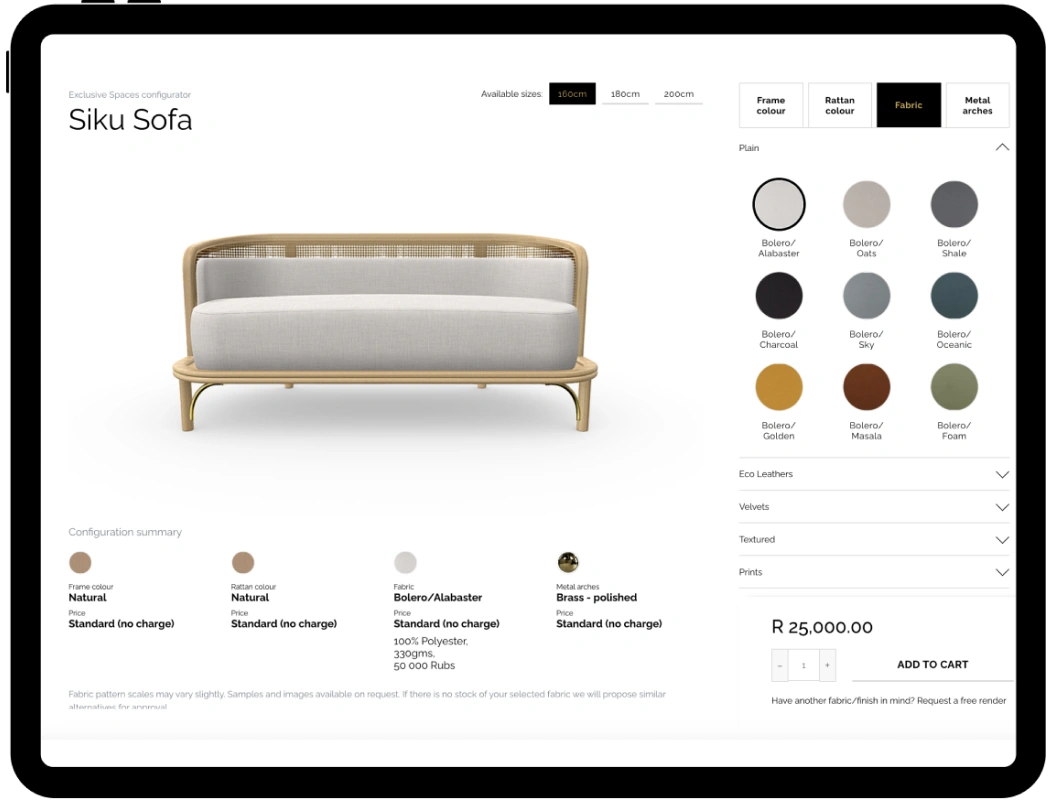
[Implementing](https://ar-range.app/blog-posts/category/implementing/) 25 July 2024
### [Integrating a product configurator with an online store](https://ar-range.app/blog-posts/integrating-of-a-product-configurator-with-an-online-store/)
Customers enjoy having the option to customize products to fit their needs. When planning to implement an online configurator on your website, it's important to ensure that it effectively integrates with other tools you use, especially your online store.
5 min read

[Implementing](https://ar-range.app/blog-posts/category/implementing/) 30 January 2023
### [Product configurator in WordPress: what works and what to expect](https://ar-range.app/blog-posts/product-configurator-in-wordpress/)
Yes, a product configurator runs on WordPress, and there are two ways to do it. Which one you need depends on how many options you sell and whether the buyer has to see them. Where WooCommerce stops, what the configurator adds, and how the two hand the order to each other.
4 min read
[Implementing](https://ar-range.app/blog-posts/category/implementing/) 11 January 2026
### [What is the downside of Shopify?](https://ar-range.app/blog-posts/what-is-the-downside-of-shopify/)
Learn how Shopify's product variant model struggles with complex furniture catalogs, causing performance issues and operational challenges. Explore alternative solutions like parametric configurators to manage product logic outside Shopify, improving system stability and scalability for customizable furniture brands.
3 min read
## If they can't see it, they won't buy it. Let's show them.
Leave your details and we arrange a free consultation with the people who have spent years helping brands sell customised products. You bring the catalogue and the questions. We bring what has worked, what has not, and what it would take for you.
**1M** variants from one source
**Same day** price changes live in the shop
**No-code** configurators the client runs

================================================================================
Page: Shelving system configurators: selling made-to-measure storage online | Ar-range
URL: https://ar-range.app/blog-posts/custom-furniture-on-the-rise-the-role-of-shelving-system-configurators/
================================================================================
Shelving System Customization
# Shelving system configurators: selling made-to-measure storage online
20 November 2024
2 min read
Part of [Configurators](https://ar-range.app/blog-posts/category/configurators/): What kinds are there, and which fits how you sell?
- Configurator
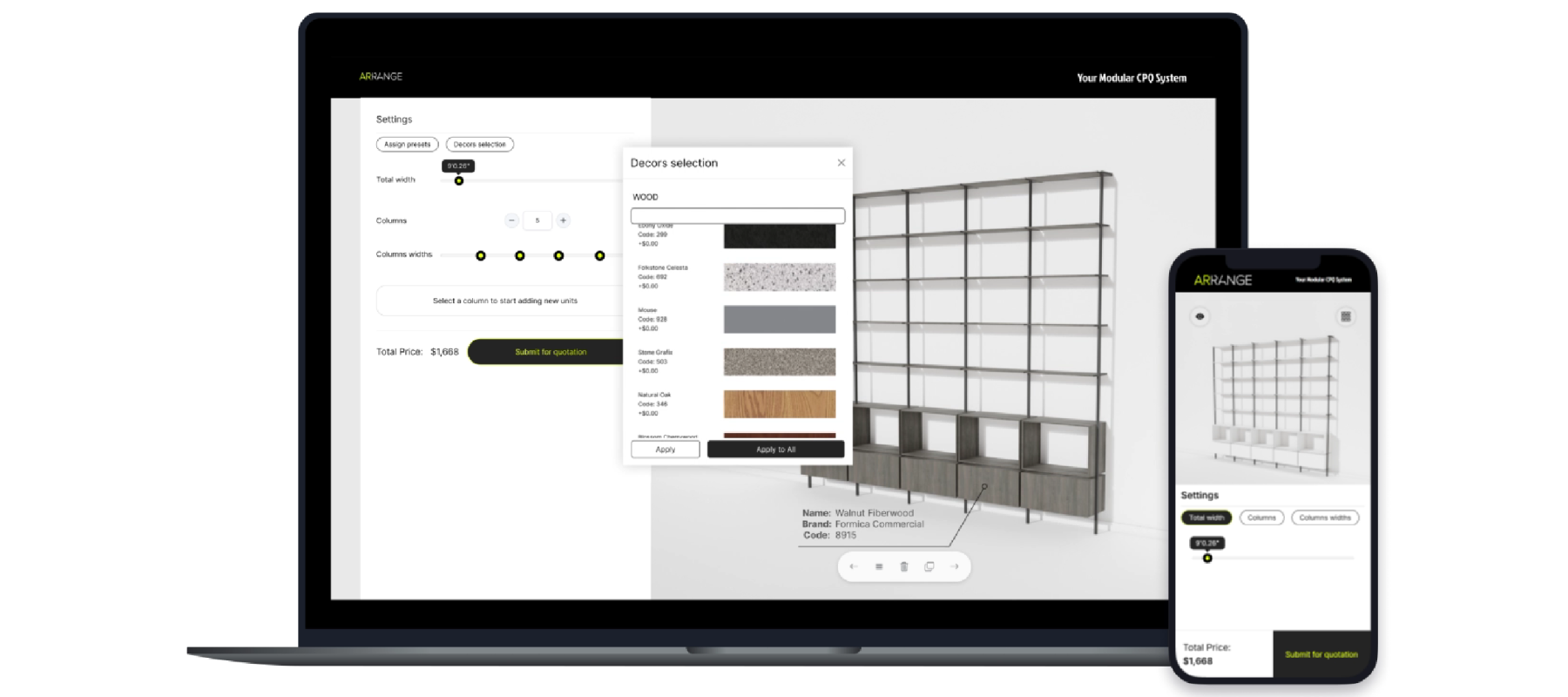
## The rise of shelving system customization
Shelving systems are no longer just functional storage solutions; they have evolved into design statements for homes, offices, and retail spaces. With advancements in digital transformation, e-commerce, and customization tools, bespoke shelving is now more accessible than ever.
## Why 3D Configurators Are Game-Changers for Shelving Systems
To offer nearly limitless design options for shelving systems, companies increasingly adopt 3D configurators, intuitive tools that empower customers to visualize, customize, and modify products in real-time.
## Features of a Shelving System Configurator
A robust **shelving system configurator** enhances the customer journey and simplifies the sales process. Here are some key features:
### 1. Real-Time 3D Visualizations
Instantly generate realistic 3D representations of shelving systems based on customer inputs.
### 2. Comprehensive Offers
Automatically create detailed offers and pricing based on customizations, eliminating manual calculations.
### 3. Extensive Material Library
A database of **materials** from top producers, with options to add custom decors. The configurator supports the **RAL and HEX colour palettes** for precise color matching.*
### 4. Effortless Online Shopping
Integrate with e-commerce platforms to let customers add their personalized products directly to the cart and complete purchases seamlessly.
### 5. Email Configurations
Save and share product configurations via email for easy collaboration or decision-making.
### 6. Augmented Reality (AR)
_Enable customers to visualize shelving systems in their homes or businesses using_ AR technology for a true-to-life experience.
## Applications for Shelving System Configurators
Shelving configurators cater to various use cases, including:
- Custom **bookcases**
- **Room dividers** for open-concept spaces
- **Wall-mounted shelves** for compact storage
- **Hanging shelves** for modern interiors
- Unique **stair shelves**
- **Retail display shelving** for businesses
- Comprehensive **storage systems** for homes and offices
## Benefits of Shelving System Configurators
### For Businesses and Sales Teams
- **Time Savings:** Rapid project design reduces time spent on customization.
- **Improved Customer Communication:** Instant visualizations help clarify customer requirements.
- **Enhanced Sales Opportunities:** Facilitate cross-selling and upselling with tailored recommendations.
- **Error Reduction:** Minimized manual errors enhance professionalism.
- **Cost Efficiency:** Lower onboarding costs for new sales representatives.
### For Customers
- **Convenience:** Configure furniture from the comfort of home without requiring showroom visits.
- **Time Savings:** Modify designs quickly using preset templates.
- **Empowerment:** Directly influence the look and feel of their custom shelving.
## Solutions involved
- [Modular Configurator](https://ar-range.app/products/modular-configurator/)
On this page
1. The rise of shelving system customization
2. Why 3D Configurators Are Game-Changers for Shelving Systems
3. Features of a Shelving System Configurator
4. Applications for Shelving System Configurators
5. Benefits of Shelving System Configurators
6. Solutions involved
## Recent blog posts

[Configurators](https://ar-range.app/blog-posts/category/configurators/) 8 September 2025
### [What is parametric design?](https://ar-range.app/blog-posts/what-is-parametric-design/)
This article answers the big questions: How does parametric design work, why is it different from traditional modeling, and what does it mean for industries like furniture, fashion, and urban planning? You’ll learn its principles, the tools behind it, and how brands use configurators to turn complex, customizable products into seamless customer experiences.
5 min read

[Configurators](https://ar-range.app/blog-posts/category/configurators/) 29 August 2025
### [Selling modular sofas with a 3D sofa configurator](https://ar-range.app/blog-posts/selling-modular-sofas-with-3d-sofa-configurators/)
How do presets vs. blank-slate tools impact conversions? What ROI can you expect in 2025 from AR, CPQ, and cloud renders? This guide answers the tough questions every sofa brand faces when moving from fabric binders to 3D configuration.
8 min read

[Configurators](https://ar-range.app/blog-posts/category/configurators/) 7 August 2025
### [Parametric configurator explained: faster quotes, fewer errors](https://ar-range.app/blog-posts/parametric-configurator-explained-faster-quotes-smarter-sales-fewer-errors/)
Discover what a parametric configurator is, how it works, and why it’s changing the way custom products are sold. See how it turns complex, customizable furniture into a seamless buyer experience - with real-time visuals, instant pricing, and logic your production team can trust.
8 min read
## If they can't see it, they won't buy it. Let's show them.
Leave your details and we arrange a free consultation with the people who have spent years helping brands sell customised products. You bring the catalogue and the questions. We bring what has worked, what has not, and what it would take for you.
**1M** variants from one source
**Same day** price changes live in the shop
**No-code** configurators the client runs

================================================================================
Page: 3D configurator or variant visuals: which one does your catalogue need? | Ar-range
URL: https://ar-range.app/blog-posts/difference-between-a-3d-configurator-and-variant-visuals/
================================================================================
One lets the buyer build the product. The other shows them the one they picked. Most brands need both, in different places.
# 3D configurator or variant visuals: which one does your catalogue need?
[**Marcin Stempniewicz** CEO and co-founder, Ar-range](https://ar-range.app/meet-us/marcin/)
11 September 2026
4 min read

Brands ask us this at the start of almost every project: do we need a 3D configurator, or is a set of variant images enough?
They are not competing answers. They solve different problems, and the deciding question is not budget or ambition. It is whether the **shape** of your product changes when the buyer chooses.
## The short version
- If the buyer’s choices change the **structure**, you need a [configurator](https://ar-range.app/products/modular-configurator/). A corner sofa that grows a chaise, a wardrobe that gains a section, an outdoor kitchen laid out module by module.
- If the buyer’s choices change the **finish**, you need [variant visuals](https://ar-range.app/products/variant-visuals/). The same bed in 542 fabrics, the same sideboard in eight woods, the same chair with four leg options.
- Most catalogues contain both kinds of product, so most brands end up running both.
## What a configurator is for
A configurator assembles the product in front of the buyer and prices it as it goes. That is its real value: not the rotation, the **build**. It belongs where the product is a system rather than an object.
It earns its keep when:
- modules combine in ways a photograph cannot anticipate;
- the price depends on what was chosen, so the quote has to follow the build;
- someone is standing beside the buyer, in a showroom, working through options.
Paradise Grills is the clearest case we have. Their outdoor kitchens are configured on the floor, and the same build feeds the order: the showroom close went from over 30 minutes of paper to under 5 minutes on an iPad, and the POS has processed 12,000+ orders since April 2024.
The cost of a configurator is not the licence. It is the model discipline: every module has to be built to snap to every other module, and every rule has to be written down somewhere a salesperson cannot break by accident.
## What variant visuals are for
Variant visuals are the opposite trade. Every combination is rendered ahead of time, so the product page shows a photograph of the exact piece the buyer picked, and nothing renders in the browser.
They belong where the shape is settled and the choice is the surface. MyBed.pl sells beds in 520 fabrics, around 550 today: no studio could photograph that catalogue, and no buyer wants to rotate a bed. They want to see their fabric on it. We rendered 2.2 million product visuals from parametric models, and each one is served through Cloudflare in about half a second, like any other image on the page.
That is the part brands underestimate. A prerendered visual is not a compromised configurator. On a product page it is the better artefact: it loads at page speed, it is indexable, it goes in an email, a PDF, a marketplace feed and a print catalogue, and it looks the same on a five year old phone as on a workstation.
## Where they differ in practice
| | Configurator | Variant visuals |
| --- | --- | --- |
| The buyer’s job | Build the product | Recognise the product they want |
| Changes | Structure, size, layout, and finish | Finish, fabric, size within one shape |
| On the page | A live 3D scene | An ordinary image |
| Where it belongs | Showroom, late in the journey, complex systems | Product page, catalogue, feeds, email |
| Production cost | Modelling and rules per system | One model, then rendering per variant |
| What it produces | A priced, ordered build | A library of images every channel can use |
## The mistake we see most
A configurator put at the top of the funnel, where a buyer who has not decided anything is asked to assemble a sofa. It does not sell. It filters, and it filters out the people you paid to bring in.
The same brand’s product pages then show one grey photograph and a line of colour dots, which is the point where the buyer who wanted green leaves. That is exactly the wrong way round: the catalogue needed variant visuals, and the configurator belonged at the end, on the showroom floor or at the last step online.
## How the two work together
They share one thing, and it is the thing that makes the pair worth building: the same 3D models and the same product record.
Once a model exists, it can render the variant library and drive the configurator. Once the record exists in [Content Hub](https://ar-range.app/products/content-hub/), the storefront, the configurator, the quote and every market read the same colours, prices and rules. Without that, a brand ends up with two versions of the truth, and they drift within a season.
A workable order of building, in our experience:
1. Model the range properly, once.
2. Render the variants, because the product page is where the money is and it needs pictures now.
3. Add the configurator where the product is genuinely a system, and let it reuse the same models.
4. Keep one record behind both.
## So which one does your catalogue need?
Ask what the buyer is choosing. If they are choosing a **shape**, build the configurator. If they are choosing a **finish**, render the variants. If your range does both, build in that order, and keep one source of truth behind them.
If you want the second opinion on a specific range, tell us what you sell and how it varies, and we will say plainly which half you need.
On this page
1. The short version
2. What a configurator is for
3. What variant visuals are for
4. Where they differ in practice
5. The mistake we see most
6. How the two work together
7. So which one does your catalogue need?
## Recent blog posts

[Costs](https://ar-range.app/blog-posts/category/costs/) 30 September 2026
### [What would it cost to rebuild Ar-range’s furniture configurator platform?](https://ar-range.app/blog-posts/what-it-would-cost-to-rebuild-ar-range-today/)
Ar-range was built over seven years, one catalogue at a time. What would the same platform cost as a one-off project today, and what should a manufacturer ask before building its own?
6 min read

[Replacing](https://ar-range.app/blog-posts/category/replacing/) 17 September 2026
### [Two bed brands bought the ready-made configurator. Both came back. Here is what 'ready' meant.](https://ar-range.app/blog-posts/two-bed-brands-and-the-ready-made-configurator/)
Two bed brands chose the ready-made 3D configurator: finished software, own interface, upload the models and go. Both came back, one after two years and one after three. What 'ready' meant on the product page, and what carried over.
7 min read

[AI](https://ar-range.app/blog-posts/category/ai/) 16 September 2026
### [Can customers find a fabric by describing it? What it takes to answer yes.](https://ar-range.app/blog-posts/can-customers-find-a-fabric-by-describing-it/)
A showroom salesperson turns 'soft, autumn colours, survives two cats' into three fabrics. Your website turns it into a filter. What it takes to put that conversation online: structured fabric data, the looks-like and feels-like knowledge, and the words your buyers actually use.
8 min read
## If they can't see it, they won't buy it. Let's show them.
Leave your details and we arrange a free consultation with the people who have spent years helping brands sell customised products. You bring the catalogue and the questions. We bring what has worked, what has not, and what it would take for you.
**1M** variants from one source
**Same day** price changes live in the shop
**No-code** configurators the client runs

================================================================================
Page: From dimensions only your upholsterer knows to dimensions on every variant | Ar-range
URL: https://ar-range.app/blog-posts/dimensions-on-every-variant/
================================================================================
Product sizes live in four places at once and none of them feeds the product page. Here is why that gap opens, and what closing it across a whole catalog actually takes.
# From dimensions only your upholsterer knows to dimensions on every variant
8 September 2026
7 min read
Part of [Diagnosing](https://ar-range.app/blog-posts/category/diagnosing/): Is my configurator working?
- Configurator
- dimensions
- catalog data
- variant visuals
Bed
Width
Height
**Product dimensions are the most basic number a furniture brand owns, and in most catalogs they live in four places at once: a CAD file, a spec sheet, the storefront, and one person’s memory. That is why sizes show up on a handful of hero products and nowhere else.**
Every brand we talk to already has the numbers. Almost none of them can put the right number on the right variant at the moment a buyer is deciding. This page explains why that gap opens, and what it takes to close it across a whole catalog instead of a top ten.
## Where the numbers actually live
Four homes, all of them real, none of them designed to feed a product page.
| Where the number lives | What it is good for | Why it does not reach the buyer |
| --- | --- | --- |
| **The CAD file** | Production truth, to the millimetre. | Nobody outside engineering opens it, and it changes without telling the storefront. |
| **The spec sheet** | Sales and dealers. | A document, not data. Written once, then aged. |
| **The storefront spec tab** | The one the buyer can actually see. | Typed in by hand, product by product, usually for the base size only. |
| **The product manager’s head** | The fastest answer in the building. | It does not scale past the people who can walk to that desk. |
None of these is wrong on its own. The problem is that there are four of them and no rule about which one wins. Ask three people in the same company for the width of one bed in one size and you can get three answers, with the oldest of them printed in the catalog.
That is the honest starting state. It looks like an easy fix from the outside, which is exactly why it stays broken.
## Why “just add dimensions” never scaled past a few hero products
Adding a dimension drawing to one product is an afternoon. Someone opens the render, traces the width, depth and height, places the arrows, exports, names the file, uploads it.
Now count the catalog. An upholstered bed range multiplies fabric by size by headboard height. A mid-sized bed brand does not have 80 products, it has a matrix that runs into the millions of distinct looks. Every option that changes the footprint changes the numbers on the drawing.
So the work gets done for the ten products that carry the campaign, and the rest of the catalog either shows a size drawn for the base model or shows nothing. Both teach a buyer that the number on the screen might not be the number for the variant they picked.
There is a second failure underneath the first. A hand-drawn dimension image is a picture of a number. It has no idea when the number changed. Six months after a production tweak, the drawing is still confidently wrong, and no process exists to catch it, because the process was one person and an afternoon.
## Dimensions as catalog data, so the shot draws itself
The fix is a change of where the number lives, not a bigger drawing effort.
**One home wins.** The measurement sits in the catalog, on the variant record, synced from your ERP or PIM. [Content Hub](https://ar-range.app/products/content-hub/) is the spine that holds it, alongside the fabric, the size and the price for that same variant.
**The dimension layer is generated, not drawn.** It is produced during rendering, in the same pass that produces the fabric and the headboard height. [Variant Visuals](https://ar-range.app/products/variant-visuals/) renders the arrows and the figures as a layer over the variant image.
**Every variant gets its own numbers.** Each shot reads the record for that exact combination, so the 90, the 140 and the 180 each carry their own width, computed rather than copied.
**Coverage is checked before a single render runs.** The matrix of fabric by size by option is expanded first, so “every variant” is a verified claim instead of a hope.
**Changing a number is one edit.** Update the measurement in the catalog and the affected shots re-render. The stale ones drop off. There is no file to re-trace and no drawing to hunt down.
The practical effect: the number on the image and the number in your ERP cannot drift apart, because they are the same number rendered twice.
This is built and running. A bed brand we work with sells upholstered beds with live, catalog-accurate dimensions on every bed and every size, generated from catalog data rather than drawn by hand.
## The cost you can actually see
Everybody asks whether dimension drawings reduce returns.
We do not publish a return-rate figure for this, because we have not measured one we would stand behind. Treat any vendor who hands you a clean percentage with suspicion, and ask them for the method behind it.
The cost we can see sits earlier than the return. A buyer who cannot answer “will it fit” usually does not order the wrong size. They stop. They open a second tab to go measure the alcove, and most of them do not come back. Nothing in your analytics labels that moment, which is why it survives budget review year after year while returns get a project.
If you buy traffic to those product pages, you pay for the hesitation twice: once to bring the visitor in, and again when the page cannot answer the one question standing between them and the basket.
A generated dimension layer removes that pause across the whole catalog, down to the exact variant in front of the buyer.
## What changes when the configurator draws them live
Configurable products change size while the buyer is building them. A static image cannot follow that.
The [Modular Configurator](https://ar-range.app/products/modular-configurator/) draws width, depth and height live in the 3D scene, out of the box. Add a module and the lines redraw. The figures come from the same catalog records that feed the prerendered shots, so the configurator and the product page agree by construction.
The saved configuration carries those measurements into the order record. The spec that reaches your CRM, CPQ or production floor is the spec the buyer read on screen.
## What you need to start
Less than most people expect. The pipeline reads:
- **Per-variant width, depth and height**, plus any measurement that changes with an option: mattress height, headboard height, clearance under the frame.
- **Which options change the footprint.** Fabric usually does not. Size and headboard height do.
- **Units and a rounding rule**, decided once so every surface states it the same way.
- **Where the numbers live today**, so we can sync from that system instead of retyping the catalog.
If the measurements exist anywhere structured, that is enough to begin. Most of the work is the decision nobody has made yet: which of the four homes becomes the one that wins.
Related: [Content Hub](https://ar-range.app/products/content-hub/), the catalog spine. [Variant Visuals](https://ar-range.app/products/variant-visuals/), the render layer. [Beds](https://ar-range.app/industries/upholstered-beds/), the industry where size is half the decision.
## FAQ
**Why don’t furniture stores show product dimensions on every product?**
Because the numbers are scattered across CAD files, spec sheets, the storefront and people’s memory, and adding a drawing is manual work per variant. Brands do it for a few hero products and stop. It is a data problem wearing the costume of a design task.
**How do I add dimensions to every product variant?**
Store the measurement on the variant record in your catalog, then generate the dimension layer during rendering instead of drawing it. Every variant reads its own numbers, so the whole matrix gets covered in one pass rather than one image at a time.
**Where do product dimensions come from?**
Production truth starts in CAD or the technical spec. For a storefront, the number needs one canonical home the whole catalog reads from, synced from your ERP or PIM. That home is what makes the number reusable across the product page, the configurator, the spec sheet and print.
**How do I show bed dimensions online?**
Put width, depth and height on the image of the exact variant, including headboard height where it changes the footprint. Buyers decide on the image, not in a spec tab three clicks away. For configurable beds, draw the measurements live in the configurator so they follow the build.
**Do dimension drawings reduce returns?**
We have no measured return-rate figure to give you, and we would rather say so. The effect we can point to is earlier in the funnel: the buyer who cannot confirm the size stops before ordering at all. That hesitation is invisible in return statistics.
**Will the images go stale when our sizes change?**
No, if the number is catalog data. Change it once and the affected shots re-render. A hand-drawn dimension image does go stale, and nothing tells you when.
On this page
1. Where the numbers actually live
2. Why “just add dimensions” never scaled past a few hero products
3. Dimensions as catalog data, so the shot draws itself
4. The cost you can actually see
5. What changes when the configurator draws them live
6. What you need to start
7. FAQ
## Recent blog posts

[Diagnosing](https://ar-range.app/blog-posts/category/diagnosing/) 15 September 2026
### [You bought a 3D configurator. Your sales went down. Here's what actually happened.](https://ar-range.app/blog-posts/why-your-3d-configurator-didnt-increase-sales/)
A 3D configurator went live, looked good, and sales didn't move. Usually for three reasons: an unreliable button, a renderer that cannot show the fabric, and five hundred choices with no guidance. What we saw at MyBed, and what we built instead.
8 min read

[Diagnosing](https://ar-range.app/blog-posts/category/diagnosing/) 12 September 2026
### [Does previewing a product in 3D actually reduce returns?](https://ar-range.app/blog-posts/does-3d-preview-actually-reduce-returns/)
"3D preview reduces returns" is on almost every configurator vendor's homepage and behind almost none of their case studies. Here is what the claim would take to prove, and the cost we can actually point to instead.
6 min read
[Diagnosing](https://ar-range.app/blog-posts/category/diagnosing/) 9 December 2025
### [Selling the idea of a product, instead of planks and fabric](https://ar-range.app/blog-posts/how-to-use-digital-transformation-to-sell-the-idea-of-product-instead-of-planks-and-fabric/)
Discover why selling furniture is increasingly challenging and how to counter these obstacles with engaging digital tools. Learn why emphasizing emotions over materials boosts sales, how digital configurators enhance customer experience, and why visual continuity is key to preserving excitement post-showroom visit. Explore strategies for successful B2C transitions and maintaining strong furniture margins by selling ideas, not just products.
7 min read
## If they can't see it, they won't buy it. Let's show them.
Leave your details and we arrange a free consultation with the people who have spent years helping brands sell customised products. You bring the catalogue and the questions. We bring what has worked, what has not, and what it would take for you.
**1M** variants from one source
**Same day** price changes live in the shop
**No-code** configurators the client runs

================================================================================
Page: Does previewing a product in 3D actually reduce returns? | Ar-range
URL: https://ar-range.app/blog-posts/does-3d-preview-actually-reduce-returns/
================================================================================
Every configurator vendor's homepage says the same six words. Here is where that claim comes from, what it actually costs to measure, and what we can show you instead.
# Does previewing a product in 3D actually reduce returns?
[**Marcin Stempniewicz** CEO and co-founder, Ar-range](https://ar-range.app/meet-us/marcin/)
12 September 2026
6 min read
Part of [Diagnosing](https://ar-range.app/blog-posts/category/diagnosing/): Is my configurator working?
- Configurator
- Visualiser
- AR Viewer

**“Previewing a product in 3D, from every angle, reduces returns.” You have read this sentence, or one very close to it, on more configurator and visualisation vendor pages than you can count. We have written versions of it ourselves. Ask any of us for the study behind it and watch what happens.**
Usually, nothing happens. There is no study. There is a case study, which is a different thing wearing the same clothes: one client, one launch, a “returns dropped” line with no baseline period stated, no control group, and no way to know whether the fabric supplier changed at the same time, or the price did, or the checkout flow did. A case study tells you something happened after something else. It does not tell you why.
## Why this is genuinely hard to measure
To prove that 3D preview reduces returns, you would need two otherwise identical stores, same products, same traffic, same season, one showing static photos and one showing full 3D preview, running long enough to collect a meaningful sample of returns, with every other variable held still. Nobody runs that test. Not because the answer would be inconvenient, but because the retailer paying for the site does not want half their customers seeing the worse version on purpose, and no vendor has an incentive to fund a trial that might come back flat.
So the number on the slide is almost always one of three things: an average lifted from an unrelated product category, a customer’s own unverified estimate repeated as a fact, or a genuine before-and-after at one client with no control for anything else that changed in the same window. None of those is a lie exactly. None of them is a measurement either.
We wrote almost the same sentence about a narrower claim, dimension drawings specifically, in [our piece on catalogue-wide dimensions](https://ar-range.app/blog-posts/dimensions-on-every-variant/): we do not publish a return-rate figure for that either, because we have not measured one we would stand behind. The honest version of this post says the same thing about the bigger claim.
## The cost that is actually easy to see
Here is what does not require a controlled study, because you can watch it happen in your own analytics this week: a buyer who cannot tell what they are about to receive does not usually go ahead and order the wrong thing. They stop.
We saw this directly building the fabric visuals for [Mitto Home](https://ar-range.app/case-studies/mitto-home/), a Polish upholstered furniture brand sold almost entirely from a screen. Nobody orders a sofa from a bad photo. The render’s whole job is to hold the buyer’s attention long enough that they order a physical fabric swatch and hold it against their own room, which is the step that actually resolves “will this look right here”, not the return policy. If the render is not convincing, the swatch never gets ordered, and the sale is gone before a return could ever have happened. That drop-off is invisible to a returns report. It shows up nowhere except a lower add-to-basket rate on that one page, which is exactly the metric most stores are not segmenting by image quality.
The same logic runs the other way on [Paradise Grills’ showroom floor](https://ar-range.app/case-studies/paradise-grills/): a rep who can show a customer the exact configuration, priced, on screen, closes in minutes instead of the half hour it used to take on paper. Nobody there is measuring returns either. What changed is the number of conversations that reach a signature at all.
Returns get budget and attention because they are a line on a P&L. Pre-purchase abandonment does not get a line, so it survives every review, year after year, while the industry keeps selling a fix for the number everyone can see and ignoring the one that is actually bigger.
## Where 3D preview probably does touch returns, and where it can make them worse
We are not arguing that visual fidelity has zero relationship to what happens after checkout. There is one place the mechanism is genuinely plausible: a return whose stated reason is “did not look like the picture.” A colour that renders warmer than it ships, a scale nobody could judge from a flat photo, a texture that reads smooth on screen and arrives coarse. An accurate preview should reduce exactly that category of return, because it closes the specific gap that caused it.
But notice the condition doing all the work: accurate. A 3D preview built from an idealised studio light, a slightly-off material, or a scale nobody bothered to calibrate does not close that gap, it moves it. It sets an expectation the physical product then fails to meet, which is a plausible way for a bad 3D preview to increase returns in that same category, not reduce them. Nobody puts that version on a slide.
## The question to ask instead of the return-rate number
The next time a vendor tells you their preview reduces returns, do not ask for the percentage. Ask these three things instead:
1. **Reduces returns compared to what, over what period, with what else held constant?** If the answer is a single client’s before-and-after with no control, you have a case study, not evidence.
2. **Is the material and colour in the preview measured against a physical reference, or eyeballed from a photo?** An unmeasured preview cannot close the gap it claims to close, and may open a new one.
3. **What happens earlier, before checkout, when the preview is bad?** If they cannot answer this, they have not looked at the number that is actually costing you money.
## What we can show you
We do not have a return-rate figure for our own work, and we are not going to invent one to finish this post cleanly. What we can show you is the earlier number: a render that fails to hold attention loses the sale before a return is even possible, and we can point to it in analytics you already have. If you want to see what a fabric preview looks like when it is measured against the physical swatch rather than eyeballed, that is the whole story in [Fabric Digitization](https://ar-range.app/products/fabric-digitization/) and in the [Mitto Home case study](https://ar-range.app/case-studies/mitto-home/).
## FAQ
**Does 3D preview reduce returns?** Nobody has published a controlled study that isolates 3D preview from everything else that changes when a brand adopts it, so treat any specific percentage with suspicion and ask for the method behind it. The plausible mechanism is narrow: an accurate preview can reduce the specific returns caused by a mismatch between what was shown and what arrived. An inaccurate one can make that same category worse.
**What should we measure instead?** Pre-purchase abandonment on the product page, especially any drop after a buyer views a render or configuration but before they add a variant to basket or order a physical sample. That cost is real, present in analytics most stores already have, and invisible in a returns report.
**Is this an argument against 3D preview and configurators?** No. It is an argument against a specific unsourced claim used to sell them. The case for accurate visuals is the one we can actually stand behind: they keep a buyer deciding instead of guessing, and guessing is what ends a sale before it starts.
On this page
1. Why this is genuinely hard to measure
2. The cost that is actually easy to see
3. Where 3D preview probably does touch returns, and where it can make them worse
4. The question to ask instead of the return-rate number
5. What we can show you
6. FAQ
Mentioned in this post
[**Modular Configurator** a 3D product configurator](https://ar-range.app/products/modular-configurator/) [**Variant Visuals** Every variant, prerendered](https://ar-range.app/products/variant-visuals/)
## Recent blog posts
[Diagnosing](https://ar-range.app/blog-posts/category/diagnosing/) 9 December 2025
### [Selling the idea of a product, instead of planks and fabric](https://ar-range.app/blog-posts/how-to-use-digital-transformation-to-sell-the-idea-of-product-instead-of-planks-and-fabric/)
Discover why selling furniture is increasingly challenging and how to counter these obstacles with engaging digital tools. Learn why emphasizing emotions over materials boosts sales, how digital configurators enhance customer experience, and why visual continuity is key to preserving excitement post-showroom visit. Explore strategies for successful B2C transitions and maintaining strong furniture margins by selling ideas, not just products.
7 min read
[Diagnosing](https://ar-range.app/blog-posts/category/diagnosing/) 15 October 2025
### [Furniture, emotion and conversion: what goes on in the buyer's mind](https://ar-range.app/blog-posts/furniture-emotion-and-conversion-inside-the-customers-mind-in-2025/)
Explore pitfalls and opportunities of entering B2C or DTC sales in the furniture industry, especially for brands transitioning from B2B operations. It explores why many such ventures fail, not because of missing technology like configurators, but due to misunderstanding the emotional and non-linear nature of consumer decision-making.
17 min read

[Diagnosing](https://ar-range.app/blog-posts/category/diagnosing/) 15 September 2026
### [You bought a 3D configurator. Your sales went down. Here's what actually happened.](https://ar-range.app/blog-posts/why-your-3d-configurator-didnt-increase-sales/)
A 3D configurator went live, looked good, and sales didn't move. Usually for three reasons: an unreliable button, a renderer that cannot show the fabric, and five hundred choices with no guidance. What we saw at MyBed, and what we built instead.
8 min read
## If they can't see it, they won't buy it. Let's show them.
Leave your details and we arrange a free consultation with the people who have spent years helping brands sell customised products. You bring the catalogue and the questions. We bring what has worked, what has not, and what it would take for you.
**1M** variants from one source
**Same day** price changes live in the shop
**No-code** configurators the client runs

================================================================================
Page: How to show every version of a modular product | Ar-range
URL: https://ar-range.app/blog-posts/easily-visualize-all-kinds-of-modular-products/
================================================================================
3D visualization of all types of modular products
# How to show every version of a modular product
9 September 2024
2 min read
Part of [Configurators](https://ar-range.app/blog-posts/category/configurators/): What kinds are there, and which fits how you sell?
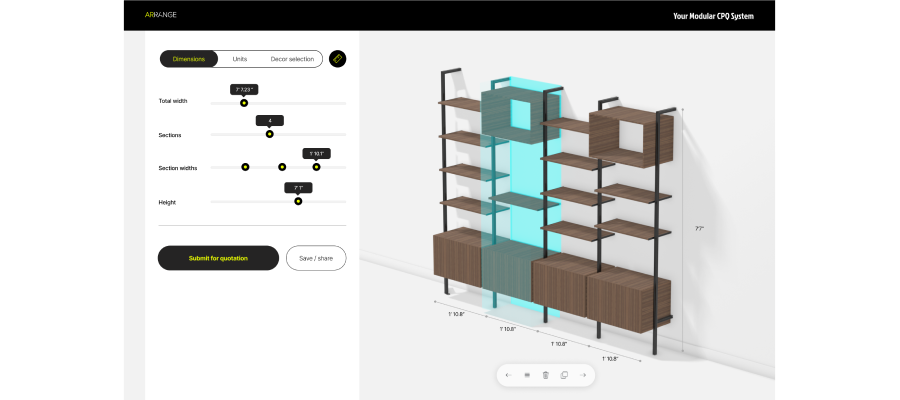
## Visualizing it can take several forms:
### - it can either be a hand drawing, a printout from design software,
### - a 3D render,
### - or, for the fancy ones, an Augmented Reality product preview.
In practice, if you are ordering a custom kitchen anywhere in the US, chances are you will be getting a hand-drawn sketch. Free of charge, of course.
Does that work for the industry so far Yes, it does, especially for the customers, someone is spending quite a few hours designing their new kitchen.
Is it good for the contractor who’s providing the estimate Not really, for the very same reason.
For a long time, there was a belief that products like custom cabinets, shelving systems, closets, etc., are too complex to automate the purchase process, bringing them just a bit closer to off-the-shelf products.
Contractors are well aware that estimating a single piece can take up to 7-8 hours. Not to mention, not every quote converts. This labor needs to be paid for one way or another, so the cost of all the estimates is spread out among those that actually lead to sales.
Again, does this make sense Somehow, yes. Is it optimal for pricing from the customer’s point of view Not really. Paraphrasing Crane’s famous law, there is no such thing as a free quote.
This could be addressed if contractors had a tool where the customer could quickly draft what they’re looking for. And this is exactly what the Ar-range configurator does. Without going into too much detail (this part still needs to be handled by a professional designer), customers can compose a quick setup of their kitchen, shelving system, closet, etc. They can then select from a variety of available decors from a constantly expanding database (manufacturers like Egger, Kronospan, Wilsonart, Formica, etc.). Based on that, the system can not only calculate the price point but also generate a visual representation of the ordered unit.
Let’s not forget, this brings us to the point where the customer sees the product, knows the price (more or less), and can decide if they’re interested in further conversation. No time has been spent so far on the contractor’s end, whereas currently, getting to that point takes 7-8 hours of the contractor’s designer.
## An advantage that can be used in many ways
It can result in more competitive pricing. It may mean that the contractor can offer more consultation time to high-ticket customers who actually expect them to go the extra mile. Finally, it might result in some members of the sales team taking on other duties, as there are substantially fewer repetitive, manual quote-related tasks. Which would be your pick
## Solutions involved
- [Modular Configurator](https://ar-range.app/products/modular-configurator/)
On this page
1. Visualizing it can take several forms:
2. An advantage that can be used in many ways
3. Solutions involved
## Recent blog posts
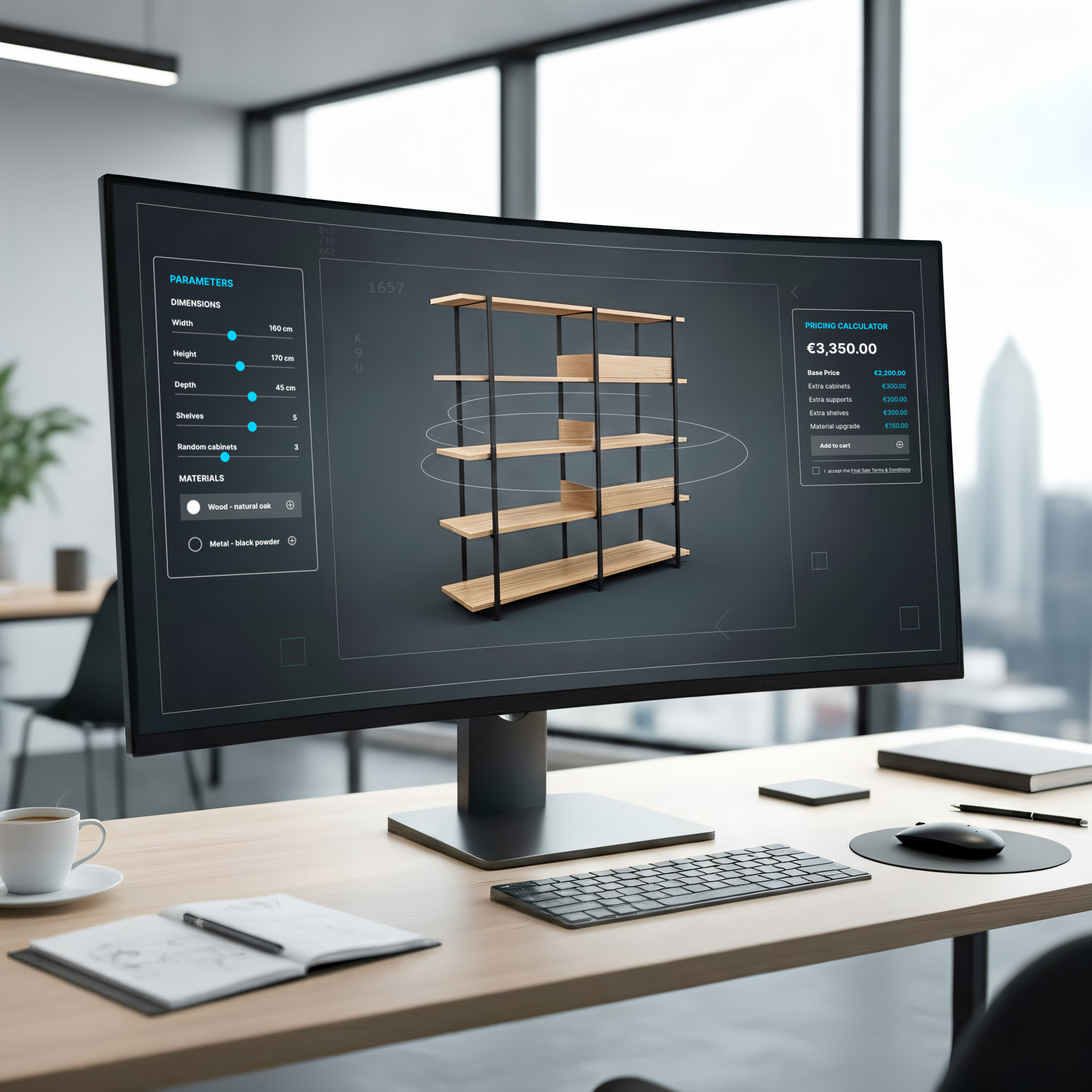
[Configurators](https://ar-range.app/blog-posts/category/configurators/) 30 October 2025
### [What is a parametric configurator?](https://ar-range.app/blog-posts/what-is-a-parametric-configurator/)
Explore how parametric configurators revolutionize modern retail by integrating real-time CAD design, product pricing calculation, and ERP systems. Discover their impact on customer engagement, order accuracy, and production efficiency, turning digital tools into powerful automation hubs. Learn practical steps for implementation and maximize personalization potential in your sales strategy.
5 min read

[Configurators](https://ar-range.app/blog-posts/category/configurators/) 8 September 2025
### [What is parametric design?](https://ar-range.app/blog-posts/what-is-parametric-design/)
This article answers the big questions: How does parametric design work, why is it different from traditional modeling, and what does it mean for industries like furniture, fashion, and urban planning? You’ll learn its principles, the tools behind it, and how brands use configurators to turn complex, customizable products into seamless customer experiences.
5 min read

[Configurators](https://ar-range.app/blog-posts/category/configurators/) 29 August 2025
### [Selling modular sofas with a 3D sofa configurator](https://ar-range.app/blog-posts/selling-modular-sofas-with-3d-sofa-configurators/)
How do presets vs. blank-slate tools impact conversions? What ROI can you expect in 2025 from AR, CPQ, and cloud renders? This guide answers the tough questions every sofa brand faces when moving from fabric binders to 3D configuration.
8 min read
## If they can't see it, they won't buy it. Let's show them.
Leave your details and we arrange a free consultation with the people who have spent years helping brands sell customised products. You bring the catalogue and the questions. We bring what has worked, what has not, and what it would take for you.
**1M** variants from one source
**Same day** price changes live in the shop
**No-code** configurators the client runs

================================================================================
Page: Engage customers and deliver an unmatched shopping experience with AR | Ar-range
URL: https://ar-range.app/blog-posts/engage-customers-and-deliver-an-unmatched-shopping-experience-with-ar/
================================================================================
Elevate your ecommerce strategy
# Engage customers and deliver an unmatched shopping experience with AR
1 February 2023
4 min read
- Configurator
- AR Viewer

## 1. Bring web Augmented Reality to your e-commerce
Do you think an AR experience would be useful to your clients According to Shopify, interactions with products featuring AR content lead to a [94% higher conversion](https://hbr.org/2020/10/how-ar-is-redefining-retail-in-the-pandemic) rate compared to products without AR. Imagine a customer browsing your online store and virtually trying on clothing or seeing how a piece of furniture would look in their living room before purchasing. This level of interactivity can hold a buyer’s attention through the moment they would otherwise close the tab.
Although web AR may seem cutting-edge, implementing it in an online store is simpler than it appears. All you need is a 3D model of the product or a photo of an image or poster. The next step is converting the file to AR formats ([USDZ](https://developer.apple.com/documentation/arkit/arkit_in_ios/usdz_schemas_for_ar) for iOS or GLB for Android) and embedding it on the store’s website as a button or widget. Most importantly, web AR doesn’t require downloading external applications, ensuring a smooth shopping experience. There are also more advanced uses of AR in e-commerce, such as virtual try-ons, animations, or displaying personalized products.
## 2. Attract attention to your store or showroom
In-store customers can use AR to display additional product information, reviews, or other variants. If there’s something missing in your physical store, AR can address it effectively. You can use webAR to highlight specific products, features, or even build brand awareness. For instance, cosmetics brands use AR sampling devices in drugstores to enable customers to virtually try on lipsticks without physically applying the product. A mineral water producer might use AR to showcase the history of the water source and its mineral composition.
To drive foot traffic, you can also add AR to your storefront displays. For example, Harrods used AR in their Christmas windows to add an extra dimension to their storefront, attracting more customers.
## 3. Use AR in your social media strategy
Brands can use AR effects on social media to increase customer interaction, boost product awareness, and generate word-of-mouth. Platforms like Snapchat, TikTok, Instagram, and Facebook offer various AR features, including product visualizations, mini-games, and virtual try-ons. Imagine a customer scrolling through Instagram and virtually trying on a pair of sunglasses or seeing a product in action, this level of engagement can drive sales.
According to Snapchat, over 250 million people engage with AR on the platform daily. Snapchat has broad mobile reach among Gen Z and millennials and is recognized as an AR-friendly platform. On the other hand, Instagram and Facebook cater to a wide range of demographics and offer AR features like Stories, product visualizations, mini-games, image trackers, and virtual try-ons. TikTok, which is rapidly growing, is especially popular among younger users. TikTok’s dedicated AR effects tool, Effect House, allows users and brands to create AR filters, such as face masks, funny distortions, animated backgrounds, and AR games.
For example, [Coca-Cola used AR](https://us.coca-cola.com/cokestudio) on Snapchat to promote its Coke Summer Music events, creating an engaging and interactive experience for users.
## 4. Enhance marketing campaigns with AR
Augmented Reality (AR) is a powerful tool for creating engaging and interactive marketing campaigns. By incorporating AR into your marketing strategy, you can distinguish your product and educate customers about its features in a fun and memorable way. The process is simple, customers scan a product, packaging, or QR code with their smartphone to trigger an AR experience. This opens up a world of possibilities for enhancing the customer experience and showcasing your product in a new and exciting way. For example, AR can reveal additional product features or animations that bring your product to life. By providing a unique and immersive experience, AR can help build brand awareness, increase customer engagement, and ultimately drive sales. So, if you’re looking to stand out in the crowded marketplace, consider incorporating AR into your next marketing campaign.
## 5. Build better relationships with your customers
AR can be used to entertain, enhance, or create a great post-purchase experience for customers. For example, integrating AR into newsletters, post-purchase communication, or holiday messages can make them more engaging and memorable. Here are some examples:
- **Support the post-purchase experience**: Use AR tutorials to guide customers in using a product for the first time, such as setting up an espresso machine, using a washing machine, or assembling furniture. AR and VR have been particularly successful in training and education over the past year.
- **Enhance customer communication and retention**: Imagine sending a newsletter with an AR component that allows customers to visualize a new product in their home, perfectly matching their existing purchase.
In conclusion, AR is an excellent tool for businesses to capture customer attention, provide an outstanding shopping experience, and drive conversions. By using web AR in e-commerce, physical stores, or social media, brands can differentiate themselves from the competition and build stronger relationships with their customers.
## SOLUTIONS INVOLVED:
On this page
1. 1. Bring web Augmented Reality to your e-commerce
2. 2. Attract attention to your store or showroom
3. 3. Use AR in your social media strategy
4. 4. Enhance marketing campaigns with AR
5. 5. Build better relationships with your customers
6. SOLUTIONS INVOLVED:
## Recent blog posts

[Diagnosing](https://ar-range.app/blog-posts/category/diagnosing/) 12 September 2026
### [Does previewing a product in 3D actually reduce returns?](https://ar-range.app/blog-posts/does-3d-preview-actually-reduce-returns/)
"3D preview reduces returns" is on almost every configurator vendor's homepage and behind almost none of their case studies. Here is what the claim would take to prove, and the cost we can actually point to instead.
6 min read
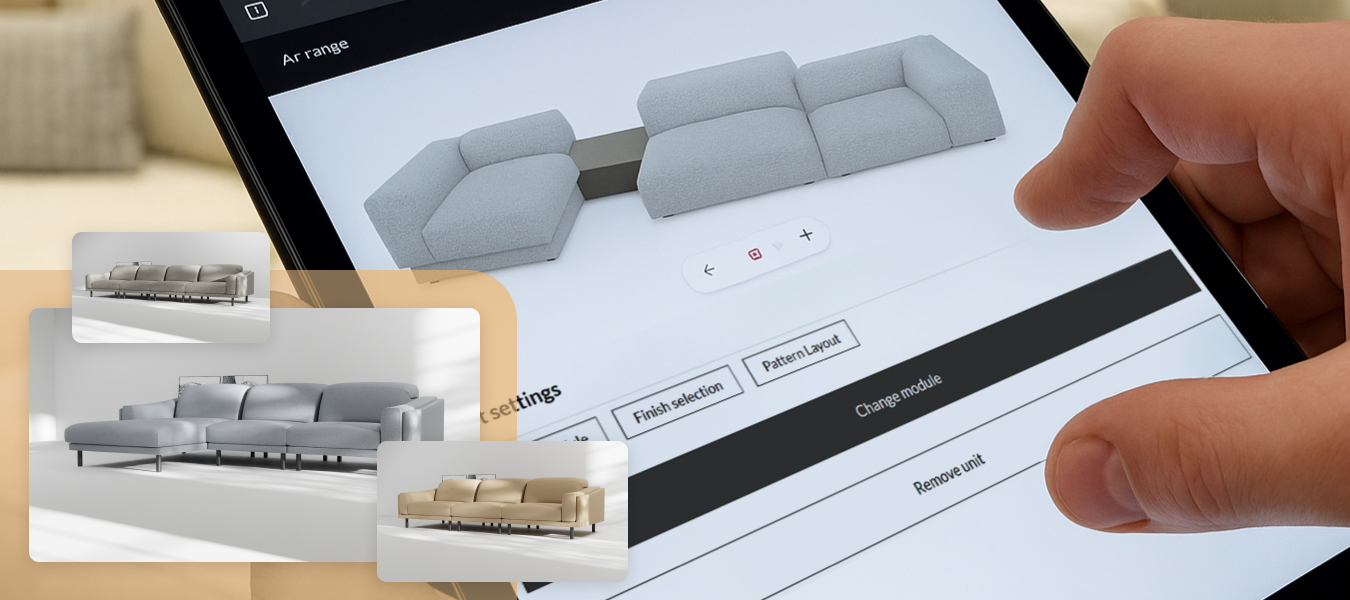
[Configurators](https://ar-range.app/blog-posts/category/configurators/) 24 July 2025
### [Sofa configurator: the complete guide for furniture brands](https://ar-range.app/blog-posts/sofa-configurator-the-ultimate-2025-guide/)
Most furniture brands think adding a 3D sofa configurator to their website will magically boost conversions. But if you’re seeing little change in engagement, sales, or lead quality – it’s not the idea that failed. It’s the execution. Because here’s the hard truth: most configurators are built to “look good” in a marketing meeting, not to actually move products like your 72-inch sofa or customizable 3-piece set.Let’s break down where most companies go wrong – and what your sofa configurator should really be doing if you want it to drive sales.
4 min read
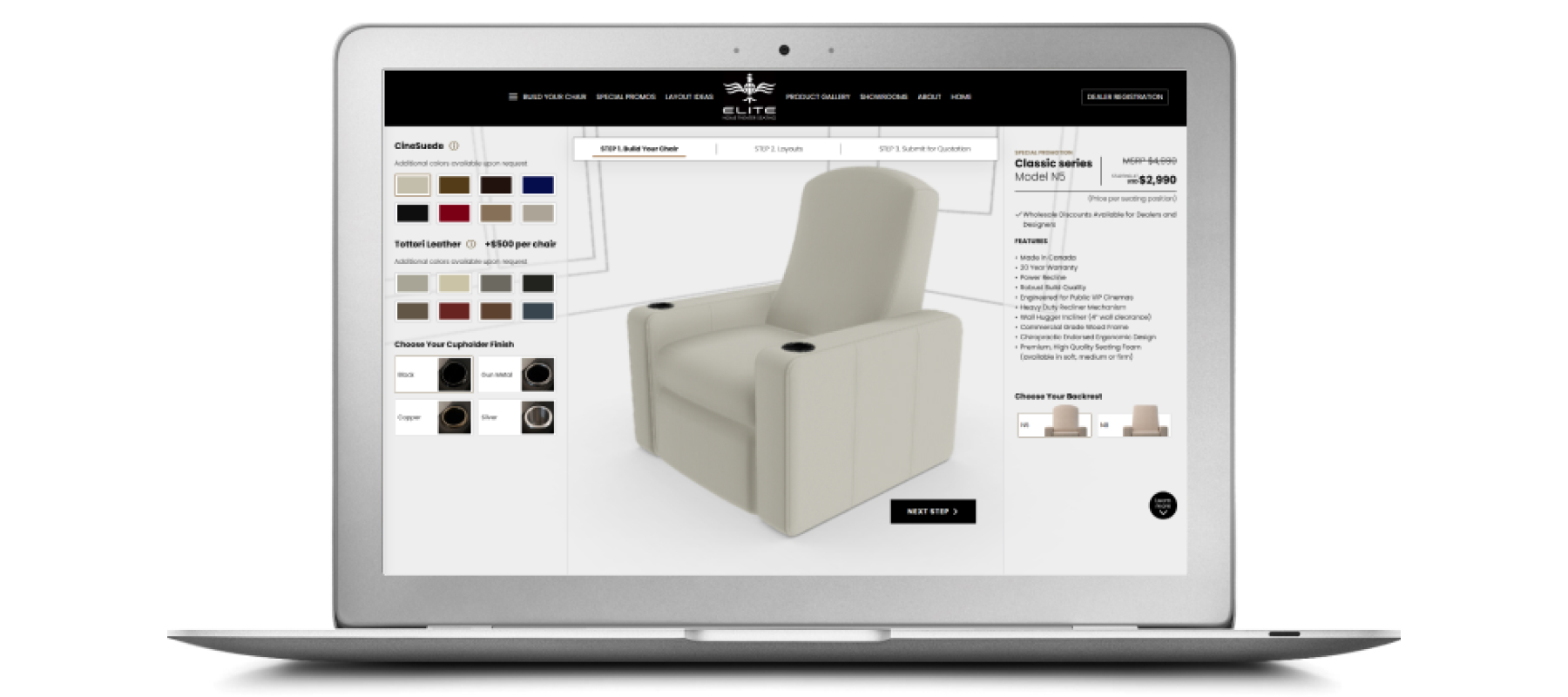
7 November 2023
### [The Power of Web Product 3D Customizers Across Industries](https://ar-range.app/blog-posts/the-power-of-web-product-3d-customizers-across-industries/)
In today's competitive market, the ability to offer personalized products has become a game-changer. With the emergence of web product customizers, businesses across various industries now have a powerful tool to revolutionize their sales strategies. Why are product customizers so useful in selling personalized products in e-commerce?
2 min read
## If they can't see it, they won't buy it. Let's show them.
Leave your details and we arrange a free consultation with the people who have spent years helping brands sell customised products. You bring the catalogue and the questions. We bring what has worked, what has not, and what it would take for you.
**1M** variants from one source
**Same day** price changes live in the shop
**No-code** configurators the client runs

================================================================================
Page: The five kinds of product customization, and which one you sell | Ar-range
URL: https://ar-range.app/blog-posts/five-faces-of-product-customization/
================================================================================
Balancing Flexibility and Simplicity
# The five kinds of product customization, and which one you sell
29 November 2024
1 min read
Part of [Replacing](https://ar-range.app/blog-posts/category/replacing/): How do we switch without losing a quarter?
- Configurator
- Ecommerce

## 1. Pre-designed templates with customizable elements
Example: Offer a selection of pre-designed presets where customers can modify only specific elements like color or fabric. This approach simplifies the decision-making process while still providing a personalized touch. Often used, for example, when configuring cabinets orshelving systems.
## 2. Step-by-Step customization process
Example: Implement a guided customization process where customers make one decision at a time, such as first choosing the bed size, then the frame style, followed by the fabric, and so on. Often used, for example, when configuring [bathroom cabinets](https://konfigurator.blu.com.pl/blu-configurator/table-top) or printing products.
## 3. Limited but Meaningful Options
Example: Provide a curated selection of customization options that are most popular and feasible in production. For instance, offer 5-10 decors or fabric choices that are versatile and high-quality. Often used, for example, when configuring [bikes](https://www.tukasev.com/en/home/68-hr-bank.html), beds,sofas, cabinets, bookcase or TV stand.
## 4. Modular Components
Example: Design sofas with modular components that can be easily swapped or combined. For instance, offer different sections such as chaise lounges, armrests, and modular seats that customers can mix and match. Often used, for example, when configuring modular furnitur e.
## 5. Personalization within set parameters
Example: Allow customers to personalize kitchen or shelving systems within predefined parameters that ensure both functionality and production efficiency. For instance, let customers choose from a selection of cabinet heights, depths, and widths, as well as specific shelving configurations or finishes, while keeping the design options aligned with structural integrity and production capabilities. This ensures a high degree of customization without compromising on design or manufacturing complexity.
All these examples work well with an interactive [3D configurator](https://ar-range.app/products/modular-configurator/) that allows customers to visualize and price changes in real-time. By seeing the impact of their choices immediately, customers can make more informed decisions and feel more confident in their customizations.
On this page
1. 1. Pre-designed templates with customizable elements
2. 2. Step-by-Step customization process
3. 3. Limited but Meaningful Options
4. 4. Modular Components
5. 5. Personalization within set parameters
## Recent blog posts

[Replacing](https://ar-range.app/blog-posts/category/replacing/) 26 January 2025
### [3D furniture configurator: what it actually is](https://ar-range.app/blog-posts/3d-furniture-configurator/)
How can businesses implement new technologies to enhance furniture customization, reduce costs, and streamline internal processes? Learn how 3D configurators can bridge the gap between customer demands and operational efficiency.
9 min read

[Replacing](https://ar-range.app/blog-posts/category/replacing/) 2 October 2022
### [The tools that sell furniture online, and which to buy first](https://ar-range.app/blog-posts/best-tools-to-boost-online-furniture-sales/)
The furniture industry has faced many challenges in recent years, prompting companies to undergo deep digital transformations and adapt to a market where online sales play an increasingly important role. Explore opportunities for furniture sales in e-commerce channels.
2 min read

[Replacing](https://ar-range.app/blog-posts/category/replacing/) 17 September 2026
### [Two bed brands bought the ready-made configurator. Both came back. Here is what 'ready' meant.](https://ar-range.app/blog-posts/two-bed-brands-and-the-ready-made-configurator/)
Two bed brands chose the ready-made 3D configurator: finished software, own interface, upload the models and go. Both came back, one after two years and one after three. What 'ready' meant on the product page, and what carried over.
7 min read
## If they can't see it, they won't buy it. Let's show them.
Leave your details and we arrange a free consultation with the people who have spent years helping brands sell customised products. You bring the catalogue and the questions. We bring what has worked, what has not, and what it would take for you.
**1M** variants from one source
**Same day** price changes live in the shop
**No-code** configurators the client runs

================================================================================
Page: Why the simplest software is the best base for a complex configurator | Ar-range
URL: https://ar-range.app/blog-posts/from-simple-to-complex-why-simplest-software-solutions-are-the-best-basis-for-complex-configurators/
================================================================================
How open-source foundations like three.js build stronger, more independent 3D configurator engines
# Why the simplest software is the best base for a complex configurator
[**Łukasz Krakowiak** Head of European Sales, Ar-range](https://ar-range.app/meet-us/lukasz/)
21 February 2026
5 min read
Part of [Replacing](https://ar-range.app/blog-posts/category/replacing/): How do we switch without losing a quarter?
- Configurator
- Custom software

## Why “more expensive” does not mean “more capable” in a 3d configurator engine
When I speak to new clients, the same question often comes up: “If your 3d configurator engine doesn’t rely on some expensive third‑party rendering license, can it still be enterprise‑grade?” It’s a fair concern. The market is full of vendors who rent a licensed engine, wrap it in a nice interface, and call it their proprietary innovation.
But in practice, the real power of a configurator comes from control, ownership, and structure. When the architecture is clean, predictable, and open, performance scales naturally. When it’s stacked on rental layers, everything slows down under the weight of someone else’s roadmap.
At Ar-range, our configurators are built on open source technology. It’s a deliberate design choice that gives us complete control of the entire architecture and the freedom to improve it every day.
A 3d configurator engine is the invisible layer behind what customers see online. It handles logic, rendering, materials, and real‑time interactions. The rendering part is important, but it’s not where intelligence lives. The configurator’s real brain sits in its product logic and structure. That’s why simple, open foundations always win long‑term.
## The hidden trap of proprietary rendering engines
Some vendors license ready‑made online 3D rendering technology. It helps them go to market faster and sounds professional in a sales deck. The trade‑off comes later.
Every proprietary layer adds dependency. You depend on their bugs, their release schedule, and their license renewal. The deeper your integration, the harder it is to change course. You don’t own the foundation, you rent it.
With open source tools like three.js, it’s the opposite. Three.js is built on WebGL, supported globally, and used by everyone from small studios to major industry players. It’s mature and stable. More importantly, it gives full ownership. You can modify, extend, or rewrite any part. You’re not blocked by a vendor’s limitations.
The difference is strategic. Proprietary software solutions may feel stable up front, but that comfort is temporary. Every update or feature request ties your roadmap to someone else’s priorities. As your products, markets, or data models evolve, dependency turns into a cost multiplier.
For technical details, [100 Three.js Tips That Actually Improve Performance (2026)](https://www.utsubo.com/blog/threejs-best-practices-100-tips) gives a great look at how optimization - like reducing draw calls, using LODs, and managing materials - directly improves performance. No paid license is required for speed. Just good engineering.
## The principle: Simple foundations enable complex configurators
We work with a simple idea: strong configurators are built layer by layer. Each layer has a clear job.
1. Rendering foundation: built on open source standards like three.js.
2. Logic layer: defines product rules, dependencies, pricing, and data.
3. Experience layer: gathers UI, UX, and external integrations.
This is how we build Ar-range configurators. The rendering layer stays lightweight. The complexity lives in the logic and experience layer, where real business value appears.
Keeping the core simple allows deep customization later. It speeds up updates, makes integration easier, and keeps costs transparent. It also makes technical optimization straightforward: fewer draw calls, better geometry merging, smarter texture atlases, accurate frustum culling, and progressive loading - techniques verified by sources like [Building Interactive 3D Product Configurators with Three.js](https://dyadicsolutions.com.tw/en/blog/building-3d-product-configurators).
All our experience shows that the best performance doesn’t come from expensive engines. It comes from thoughtful architecture. And architecture, no matter how complex, always begins with something simple and clear.
If you want to see how this approach translates into real product builders, have a look at our Modular [3D Product Configurator](https://ar-range.app/products/modular-configurator/).
## Hosted vs fully custom: addressing the ownership paradox
Some readers might ask: “If you say you own your platform, why do you charge a monthly fee?” That’s an important question. The answer lies in the two models we offer.
### A. Hosted / Managed Platform
It’s built on open source, maintained by us. We handle hosting, security, updates, and scaling. Clients pay a monthly fee that lowers their upfront risk and gets them an advanced 3d configurator engine without a large capital investment. This model works best for smaller or mid‑size brands. It turns what used to be a $100k problem into a manageable, subscription‑based solution.
### B. Fully Custom / Fully Owned Solution
For larger brands, different rules apply. Complex logic, ERP and CRM integrations, or compliance setups may justify full ownership. In this case, we build on the same open source foundation, but the client owns the implementation. It’s theirs, with zero vendor lock‑in. They can continue development in‑house or with another partner.
During our discovery workshops, we recommend the right path. We back the advice with clear numbers - expected traffic, feature load, and ROI projections. The difference between the two models is about infrastructure, not transparency.
For a deeper look at how we plan these integrations, read our piece on [3D Configurator Integration Strategy](https://ar-range.app/products/content-hub/).
## Common misconceptions about “complex” configurators
### Misconception 1: “If it’s open source, it’s less professional”
The opposite is true. Open source runs most of today’s internet. Professionalism comes from discipline and architecture, not license invoices.
### Misconception 2: “More licenses mean better scalability”
Scalability comes from data structure and logic. Keeping material counts low, managing scene updates, and optimizing state synchronization matter more than the sticker on your software.
### Misconception 3: “Custom engine means risky experimentation”
Ar-range configurators are tested through years of production use. Our engine is modular and stable. Custom here means adaptable, not experimental.
### Misconception 4: “We need proprietary IP to feel secure”
Security comes from ownership and clarity. To see how this thinking plays out in simpler setups, see [Difference Between 3D Configurator and Variant Visuals](https://ar-range.app/blog-posts/difference-between-a-3d-configurator-and-variant-visuals/).
## What foundation do you want your product future built on
Imagine two paths.
Path A: You buy into a licensed engine. It demos well. It feels safe. Then the product evolves, and suddenly updates depend on permissions you don’t control. The cost grows quietly.
Path B: You start simple, with an open‑source three.js base. You build your own logic, UI, and growth strategy on top. Every new feature is fully within reach. Ownership is permanent.
In my view, simplicity wins every time. Not because it’s cheaper, but because it’s sustainable. A clean, open foundation makes it easy to scale, easier to optimize, and impossible to lock down.
At Ar-range, we help teams decide which path fits them best. During discovery, we map product complexity, integration needs, and future growth. Then we recommend a structure backed by data, not trends.
The simplest foundations, built on open source and long‑term discipline, are what make complex configurators work for years, not months.
On this page
1. Why “more expensive” does not mean “more capable” in a 3d configurator engine
2. The hidden trap of proprietary rendering engines
3. The principle: Simple foundations enable complex configurators
4. Hosted vs fully custom: addressing the ownership paradox
5. Common misconceptions about “complex” configurators
6. What foundation do you want your product future built on
Mentioned in this post
[**Modular Configurator** a 3D product configurator](https://ar-range.app/products/modular-configurator/)
## Recent blog posts

[Replacing](https://ar-range.app/blog-posts/category/replacing/) 17 September 2026
### [Two bed brands bought the ready-made configurator. Both came back. Here is what 'ready' meant.](https://ar-range.app/blog-posts/two-bed-brands-and-the-ready-made-configurator/)
Two bed brands chose the ready-made 3D configurator: finished software, own interface, upload the models and go. Both came back, one after two years and one after three. What 'ready' meant on the product page, and what carried over.
7 min read

[Replacing](https://ar-range.app/blog-posts/category/replacing/) 26 January 2025
### [3D furniture configurator: what it actually is](https://ar-range.app/blog-posts/3d-furniture-configurator/)
How can businesses implement new technologies to enhance furniture customization, reduce costs, and streamline internal processes? Learn how 3D configurators can bridge the gap between customer demands and operational efficiency.
9 min read

[Replacing](https://ar-range.app/blog-posts/category/replacing/) 29 November 2024
### [The five kinds of product customization, and which one you sell](https://ar-range.app/blog-posts/five-faces-of-product-customization/)
Product customization should enhance the customer experience, not overwhelm it. Offering too many options can complicate decisions and production. Discover ways how to strike the right balance for your bespoke product.
1 min read
## Want to learn more about online product configuration?
Tell us what you sell and how complex it gets: we will map the architecture that fits, not the one that bills best.
**1M** variants from one source
**Same day** price changes live in the shop
**No-code** configurators the client runs

================================================================================
Page: Furniture, emotion and conversion: what goes on in the buyer's mind | Ar-range
URL: https://ar-range.app/blog-posts/furniture-emotion-and-conversion-inside-the-customers-mind-in-2025/
================================================================================
B2C in Furniture: Navigating the Customer Journey
# Furniture, emotion and conversion: what goes on in the buyer's mind
[**Marcin Stempniewicz** CEO and co-founder, Ar-range](https://ar-range.app/meet-us/marcin/)
15 October 2025
17 min read
Part of [Diagnosing](https://ar-range.app/blog-posts/category/diagnosing/): Is my configurator working?
- Configurator
- Visualiser
- Ecommerce

## The problem
I’ll point out the most frequently recurring mistakes in customer acquisition methods and how to avoid them. I’ll also describe why the experience of companies operating in B2B until now isn’t sufficient to smoothly launch a channel reaching end customers. All this in the context of understanding the Polish customer’s purchasing path. Shall we begin
I like that moment of brief consternation when, in response to: “I need a 3D configurator,” I answer: “OK, but why do you actually think you need one?”
Due to the solutions implemented by our company, I’m most often associated with configurators. It happens that companies see this solution as a cure for all ailments. However, after asking a dozen questions, a picture usually emerges where the lack of this or that technology isn’t the problem. Because the problem lies deeper. Where
## …and its most common symptoms
The most common situation I encounter in the Polish market is as follows:
Brand X sells in B2C. The owner spent the last 30 years working in a B2B model. While things were good, they were good, but then they stopped being good. Price pressure, competition from Ukraine and Turkey, electricity prices, wood prices, rising labor costs – the list could go on. So an idea is born to launch a B2C or DTC brand, because the margin will be higher. It will be, right Add to that a somewhat delayed awareness that it’s worth diversifying the business and building your own channels to reach end customers.
So a brand is created, an online store, maybe even a showroom and… Nothing. Orders appear sporadically. Results don’t compensate for the investment. And the B2C model, which was supposed to be salvation – becomes a source of frustration. And of course, this is generalizing – these are my subjective observations. I also take into account that my view is skewed because naturally, companies that seek help come to us – whether in the form of technology or consultation. If things were good, they wouldn’t be seeking that help. However, the pattern described above repeats too often and too precisely to ignore.
So why is the road to selling to retail customers so difficult, bumpy, and potentially leading to catastrophe Well, not to be so dramatic – potential disappointment
## The B2B thinking trap
Let’s start with a simple fact: in B2B, a customer buys a product, and in B2C, they buy a vision of life with that product. Furniture isn’t just an object. It’s a fragment of lifestyle, an element of aspiration, an expression of taste or status.
In B2B, purchase decisions are based on elements such as:
- Stability of supply and timeliness
- Price (in terms of margin that our buyer can impose when selling further)
- Quality of workmanship
- History of cooperation
- References and portfolio
- Production flexibility
- Quotation process and communication
- And several others
Now let’s look at what our end customer will be guided by. Even before we attempt the daunting task of mapping out the purchase path. Here the situation looks quite different. So what will end customers pay attention to I think each of us already has several types in mind. Let’s try to gather them together. The basic difference is obvious – the customer isn’t buying “for the company,” but for themselves. For their home, for their loved ones. The furniture will accompany the customer in daily life. So how the customer imagines their life translates into their idea of the product they’re seeking.
## What is our customer actually buying?
The purchase is therefore subject not so much to economic calculation, but rather to an assessment of compatibility with a certain vision of oneself and life. Emotions, individual sense of aesthetics, impulses, aspirations, and habits come into play. It’s worth listing the most important:
- **Appearance and style** as an answer to: Does this appeal to me
- **Possibility of personalization** (but within the bounds of reason and the customer’s cognitive capabilities, which I’ll address shortly)
- **Relationship between price and perceived quality.** Note the word ‘PERCEIVED’ – it’s key here
- **Returns.** Will there be a possibility of return if the furniture doesn’t meet expectations And on what terms
- **Purchase experience.** In times when brands fight for customer attention and the possibility of being noticed, even details regarding the online store, for example, can very quickly determine the customer’s move to a competitor’s site
- **Delivery** – How quickly will I receive my order And how much will delivery cost
## The customer needs a path, not a catalogue
The list could go on, but the above covers the most important points. What does this have to do with the titular purchase path Quite a lot, as it turns out. While each of the above points influences the decision to purchase (or abandon it), their impact varies depending on the stage of decision-making the customer is at. It’s our responsibility to guide the customer so that at each stage we provide materials and content that answer the questions the customer is asking (even without realizing it). Without understanding this path and what values are key at each stage, we won’t be able to guide the customer through the purchase. As a result, our sales results will be lower (or dramatically lower) than we would expect.
A glance at the above points also helps understand how dangerous building a B2C/DTC offer can become when strategically we’re accustomed to B2B cooperation. And such scenarios do happen. Last year, I came across a brand that, having built an online store, consciously fulfilled all orders as personalized (there was no standard offer). To the question “Why?” came the answer – “So the customer can’t return it.” An interesting way to build trust.
## Answers to difficult questions: thinking traps
In earlier paragraphs, I mentioned several times the “perceived value” of our product. This is quite an important point that runs through the above non-linear path of our customer and comes down to the question: Will purchasing this product be profitable for me But remember – we’re not in B2B, and our customer isn’t homo economicus.
This term was wonderfully developed by Daniel Kahneman, Nobel Prize laureate in behavioral economics, in the book “Thinking, Fast and Slow.” He points to certain simplifications (heuristics) that we unconsciously use to answer ‘difficult’ questions. For example, Kahneman cites a study in which German students were asked: “How happy have you been lately?” and immediately after: “How many times did you go on a date last month?” The correlation in responses to questions posed this way was close to zero.
But when the order of questions was reversed, the correlation between the number of dates and perceived level of happiness was so high that it couldn’t be ignored.
## What actually happened
Students who had been on dates in the last month recalled pleasant moments and were in a better mood when answering the question about overall happiness. And likewise, those who hadn’t been on dates recalled feelings of loneliness (perhaps rejection). This evoked emotions that fundamentally influenced the answer to the question about overall happiness.
Kahneman draws the conclusion that when we answer a question that requires deeper analysis, we reflexively substitute it with another, simpler one. And so here: the question about overall level of happiness and life satisfaction was unconsciously replaced by respondents with the question: How happy do you feel RIGHT NOW And a ready answer came to that question.
How can we transfer this knowledge to our field Well, similar to Kahneman’s study, our customer also doesn’t make decisions based on cold, calculated analysis of product features and quality-to-price ratio. Instead, often unconsciously, they answer the question: Do I feel good right now, at this moment, about this purchase
## Mind or heart?
This means that the so-called “perceived value” of a product isn’t the sum of its technical features or a list of functions. It’s an impression we build here and now. A set of emotions, feelings, associations, and beliefs that we manage to anchor in the customer’s mind. And here lies the difference between a visit to a showroom and a cold analysis of the offer received there. Between fabric samples and visualization in the chosen fabric. Between conversation with a real person and browsing FAQs.
If during interaction with our offer, the customer feels excitement, aesthetic satisfaction, peace resulting from clear information, they “feel good about this decision.” This feeling will replace the more difficult question: Is this definitely a profitable choice
That’s why all mandatory points, such as aesthetic product presentation, UX of our online store, emotional tone of narrative, social proof, availability, etc., won’t matter much if they aren’t tied into one cohesive purchase journey during which the customer has contact with our brand at every stage. Building value happens ALL THE TIME – from first contact with our product and continues even after making the purchase.
Using an example – even the best showroom won’t help if we don’t ensure that the materials the customer receives at the showroom are an extension of the emotions built by the visit. And that’s why I express justified doubts every time I hear that an offer in the form of an A4 sheet with price and list of modules will be fully sufficient for the customer to return to the showroom and decide to purchase.
## The purchase path isn’t linear
So what is this purchase path (or ‘funnel’) Perhaps let’s say what it isn’t. And it isn’t… a path. At least not in a linear sense. The AIDA model (Attention – Interest – Desire – Action) still haunts marketers. It was designed for newspaper advertisements by Elias Elmo Lewis in 1898, over 120 years ago. It relates to today’s realities as those combustion engines relate to today’s hybrids. The principle is similar, but not quite. In both cases – today it’s a bit more complicated. And while with fast-moving consumer goods one could argue that the above model applies, in the case of furniture – definitely not.
## Obstacle course or opportunity to build value?
So let’s first distinguish our customer’s motivations and how they evolve. Not from the point of view of our actions, but precisely the needs of our future customer. I would indicate 4 stages: inspiration/need, information gathering/education, product viewing/testing, decision/purchase
### 1. Inspiration / Need
At first glance, these are different motivations. But both can equally accompany the first contact with our product. That is – I have a sofa, it’s OK, I even like it, but scrolling through Pinterest in the evening I came across another one that I like better. To such an extent that I’m starting to consider buying it, even though I didn’t feel such a need before. Or the second scenario – I know my sofa already needs replacing, or I simply don’t like it, so naturally I pay attention to possibilities that will appear to me in the depths of the Internet. For simplicity, let’s assume our future customer doesn’t know our brand. At this stage, they know nothing about us or the product. They only know the product caught their attention.
**What the customer pays attention to:** appearance/aesthetics, price (for now only to a limited extent, answering the question: Can I even afford this)
**Touchpoints:** online ads (Google, Facebook, Pinterest, and others), sales showrooms.
### 2. Information gathering / education
At this stage, the customer starts considering options. They may not be planning a purchase yet, treating research as a ‘free time’ activity. They begin to be interested in both the product itself and our brand. They check other customers’ opinions, perhaps visit the showroom and talk to a salesperson. The customer at this stage probably won’t make a purchase yet. A visit to our showroom is simply another point on the educational list. If it’s a customer focused on online, they’ll check our website and possibilities for customizing furniture to individual requirements. This is an interesting moment if we analyze it in terms of furniture personalization (and due to my occupation, I have some professional bias in this direction).
Even if our product is a modular sofa that can be made in any fabric, giving this possibility to the customer at this moment would be a mistake. Remember – the customer is just exploring options. Knowledge and trust that such personalization will be possible at the appropriate stage are sufficient. This will work better than a complicated tool. Aspects such as delivery or financing terms may matter at this stage, but they don’t have to yet. What’s important from the customer’s point of view is the feeling that they understand what the product is and that our brand’s communication (verbal-visual) resonates with them.
**Touchpoints:** website/online store, sales showrooms, all opinion aggregators, our distributors’ stores, ads (remarketing), our social media (including YouTube – sometimes a video presentation of the product will be more important to the customer than technical specifications), newsletter (if it exists), comparison sites/marketplaces, recommendations from friends/family.
**What the customer pays attention to:** social proof (recommendations), price in terms of perceived value. How will I feel if I make this purchase
### 3. Product viewing / testing
At this stage, the customer already has a preliminary opinion about the product. They have the knowledge gathered during the education stage and an opinion on whether the product is attractive. Now they verify it with reality. Most often this will be a showroom visit (but with a different motivation than in point 2 – now the customer comes with a specific purpose, saying: “I’m checking”). Or ordering fabric samples. It can also be (if we offer such a solution) – building their own furniture in our configurator, to obtain its final visualization and receive an offer (at this stage, a configurator covering everything we can offer is justified; it’s worth considering creating a more complex version of the configurator for use only by showroom staff). Remember that product testing can also occur completely outside our purchase funnel. For example, at friends’ who bought our furniture. Did we ensure they would recommend not only our product with a clear conscience, but also the purchase process itself, its delivery, etc.
**Touchpoints:** sales showroom, sampler, product page, configurator, customers who already bought.
**What the customer pays attention to:** Consistency of the message with what they can see/verify. At stages 1 and 2, we had the opportunity to build a certain product value and its perception by the customer. Now this perceived value is subject to verification.
### 4. Purchase
Here the principle works: every detail that doesn’t play out is a pretext to postpone the decision. Everything that doesn’t ‘work’ can lead to the customer fleeing to the competition. And most often these won’t be matters related to the product, but rather such points as: Is the purchase process (cart view) clear Does the online store clearly show financing options Did the visit to our showroom dispel doubts to the same extent as a visit to a competitor’s showroom (the customer won’t tell us this!), is the turnaround time satisfactory
If the Reader is in the group I’m writing about here and conducts B2C/DTC sales, I recommend the following question: When was the last time I visited a competitor’s showroom and compared it with my service When was the last time I did a comparative analysis of purchases in my online store and in competitors’ stores Of course, such an exercise can be delegated (so-called Mystery shopper), but if we’re at the beginning of the journey, we should absolutely do it ourselves.
For one category worked through in full, see [how these four stages shape an upholstered bed configurator](https://ar-range.app/industries/upholstered-beds/).
## So much for theory. What about reality?
And how does it look in practice More complicated than it might seem after reading the above points, because each step can take place at any point of contact with our brand (or many of them), the customer also often goes back, e.g., from the decision stage – even to the inspiration stage (because they found a product they didn’t know before, or generally changes their idea of how to solve their problem, e.g., instead of a sofa bed they start considering a bed).
So again – the key to success will be writing out as many possible customer paths as possible and considering whether gaps arise in our communication. Let’s look at 3 examples. They may sound non-standard, but I’m deliberately embellishing them:
## Potential problems and what to do about them, preferably starting today
### 1. Customer finds our brand through FB ad, lands on our site, and after getting acquainted with the product decides to come to the showroom.
However – horror of horrors – opposite our showroom is a competitor brand’s showroom. Let’s assume the competing brand offers a similar level in the price/quality relationship. The customer also directs their steps there and starts considering buying their product. What can we do not to deliver a customer to the competition at our expense
**Suggestions/examples:** retargeting campaign is mandatory, plus if we obtained the customer’s email address – newsletter. But not the generic one about everything and nothing, but tailored to customers who reached the product testing stage. However, it’s also worth paying attention to details, such as the form of the offer the customer left our showroom with. The customer will remember us better if they feel that coming to the showroom “paid off.” And I don’t mean proposing a discount right away. Rather receiving something that cannot be obtained online. This can be, for example, a well-prepared offer.
What does that mean If our product is a modular sofa, the customer should leave with an offer that contains a visualization of the specific, chosen arrangement in the fabric they selected. Really, it’s 2025 and there are appropriate tools for this. If our competitor across the street acts like most brands in the market, we can be calm. The customer will receive an A4 sheet with price and listed modules. At best with a drawing of the sofa or a generic photo that happened to be on the website.
### 2. Customer got acquainted with products on our website.
Chose a bed. One of 150 in our offer. An order for fabric samples was placed. A few days later, when the customer received the sampler, they try to find that one model that so delighted them. But for some reason they can’t. Frustration grows. After which the customer states – since I already have the sampler and know which fabric I like, I might as well check with the competition.
**Suggestions/examples:** such a situation is surprisingly common and dangerous because it’s difficult for the online store owner to imagine. This is the effect of the so-called curse of knowledge. It’s hard for us to imagine how difficult it can be for a customer who simply doesn’t know our offer to navigate it. We assume that if they find something, they’ll save it. Wrong. Plus simple to fix. First – retargeting. Let’s ensure the customer sees the products they viewed. Second – using very simple automation, we can print on the fabric sampler (e.g., in the form of a sticker) the name of the product the customer viewed last before ordering the sampler. Or even include a QR code linking to that very product. A small detail, yet it specifically allows maintaining continuity of contact with our brand and product.
### 3. Classic example: customer got acquainted with our product online.
The pattern is OK, price initially too. They land in our showroom. Finally confirm (in their mind) that this is it. But they say: “I need to think about it.” After which they search for a cheaper offer in other stores. This is particularly burdensome for showrooms of those brands whose products are also available in online stores.
**Suggestions/examples:** Since we know this is a typical situation, it’s worth addressing it proactively. I work with a monobrand showroom of a premium sofa manufacturer in Poznań. The owner took a very simple strategy – tells the customer straight out that he’s aware of competition’s prices. And that if the customer finds a better price, he’s able to match it. Plus propose specific benefits from buying in this particular showroom – e.g., own transport, ‘white glove delivery’ (delivery with bringing in, assembly, etc.). If you’re in a similar situation, consider what value the customer will derive from buying from you specifically. Nothing comes to mind I don’t believe it, think again. Or write to me on LinkedIn, I’ll prove to you that it’s possible.
## Conclusion
The above examples could be multiplied endlessly, but that’s not the point here. I strongly encourage analyzing several scenarios of possible customer paths. To check whether at each stage of our customer’s purchase path (inspiration, education/comparison, product testing, purchase), we have touchpoints with the brand that respond to their current need.
Additionally, it’s worth performing the aforementioned comparative analysis: how does the purchase process itself fare with us compared to the competition And ultimately, you need to answer the question: If I were a customer, would I want to buy my product, or would the competition tempt me
On this page
1. The problem
2. …and its most common symptoms
3. The B2B thinking trap
4. What is our customer actually buying?
5. The customer needs a path, not a catalogue
6. Answers to difficult questions: thinking traps
7. What actually happened
8. Mind or heart?
9. The purchase path isn’t linear
10. Obstacle course or opportunity to build value?
11. So much for theory. What about reality?
12. Potential problems and what to do about them, preferably starting today
13. Conclusion
## Recent blog posts

[Diagnosing](https://ar-range.app/blog-posts/category/diagnosing/) 12 September 2026
### [Does previewing a product in 3D actually reduce returns?](https://ar-range.app/blog-posts/does-3d-preview-actually-reduce-returns/)
"3D preview reduces returns" is on almost every configurator vendor's homepage and behind almost none of their case studies. Here is what the claim would take to prove, and the cost we can actually point to instead.
6 min read
[Diagnosing](https://ar-range.app/blog-posts/category/diagnosing/) 9 December 2025
### [Selling the idea of a product, instead of planks and fabric](https://ar-range.app/blog-posts/how-to-use-digital-transformation-to-sell-the-idea-of-product-instead-of-planks-and-fabric/)
Discover why selling furniture is increasingly challenging and how to counter these obstacles with engaging digital tools. Learn why emphasizing emotions over materials boosts sales, how digital configurators enhance customer experience, and why visual continuity is key to preserving excitement post-showroom visit. Explore strategies for successful B2C transitions and maintaining strong furniture margins by selling ideas, not just products.
7 min read

[Diagnosing](https://ar-range.app/blog-posts/category/diagnosing/) 15 September 2026
### [You bought a 3D configurator. Your sales went down. Here's what actually happened.](https://ar-range.app/blog-posts/why-your-3d-configurator-didnt-increase-sales/)
A 3D configurator went live, looked good, and sales didn't move. Usually for three reasons: an unreliable button, a renderer that cannot show the fabric, and five hundred choices with no guidance. What we saw at MyBed, and what we built instead.
8 min read
## If they can't see it, they won't buy it. Let's show them.
Leave your details and we arrange a free consultation with the people who have spent years helping brands sell customised products. You bring the catalogue and the questions. We bring what has worked, what has not, and what it would take for you.
**1M** variants from one source
**Same day** price changes live in the shop
**No-code** configurators the client runs

================================================================================
Page: How many images per PDP? | Ar-range
URL: https://ar-range.app/blog-posts/how-many-images-per-pdp/
================================================================================
Finding the perfect balance between quantity and quality in product visuals for furniture PDPs
# How many images per PDP?
[**Łukasz Krakowiak** Head of European Sales, Ar-range](https://ar-range.app/meet-us/lukasz/)
22 October 2025
5 min read
Part of [Costs](https://ar-range.app/blog-posts/category/costs/): What does it actually cost?

## The real power of product images
If you’ve ever tried buying a sofa online, you know the drill: you zoom in, you check a few angles, and then… you hesitate. Because you can’t touch it. You rely completely on what you see. That’s why **product images** are the silent salespeople of every furniture brand.
For high-ticket items like sofas or dining tables, photorealistic images do more than show what’s for sale - they build trust. Even if your website features a product configurator, static visuals still matter. A 3D preview helps customers explore options, but it’s those beautiful, lifelike photos that reassure them the product is real, tangible, and worth the price.
At Ar-range, we often say: a configurator without great imagery is like a GPS without a map. It gives direction, but no sense of place. So let’s unpack how many images you truly need per product page - and what kind of images actually move people from browsing to buying.
## Why image count matters for customer trust and engagement
Here’s what I’ve seen over and over: brands either go too light or too heavy on visuals. Too few, and the shopper doubts what they can’t see. Too many, and they lose focus. The right balance depends on the story your product needs to tell.
Simple items - think a wooden stool or a small lamp - can usually stand on one or two clear images. But with **high-ticket items**, where materials, stitching, and proportions matter, customers expect a fuller visual journey.
This isn’t just about aesthetics. Every image adds data. Each frame, angle, or detail plays a psychological role: confirming scale, proving quality, and reducing risk. When people feel visually informed, they stay longer on the page and engage more deeply. According to [Which PDP Images Improve E-Commerce Experiences - Fabric Inc.](https://fabric.inc/blog/commerce/pdp-images), most high-performing PDPs feature around six images spanning hero shots, close-ups, and lifestyle imagery.
## Crafting your image strategy for high-ticket items
For big purchases, one angle never tells the full story. I recommend planning your **product images** like a mini photoshoot designed to answer unspoken questions:
- **Hero shot** - the main image that introduces the product’s shape and style.
- **Variety of angles** - front, side, three-quarter, and back shots to help users understand form.
- **Close-ups** - details of stitching, joinery, or materials that shout quality.
- **Contextual images** - lifestyle scenes that let users imagine the piece in their homes.
- **Fabric and finish variants** - so buyers can see how each texture changes the product’s character.
From our internal research, stacking around 5–10 high-quality images per product is the sweet spot. Upholstered pieces should always include at least one fabric detail close-up per available material. That means a lot of images - sometimes millions when variants multiply. That’s exactly where our [Automated Product Visuals](https://ar-range.app/products/variant-visuals/) come in. They generate **automated variant visuals**, giving you photoreal shots for every finish without manual rendering.
A great example is our work with Scandic Sofa. The brand offers deeply customizable modular seating - hundreds of combinations, each with unique fabrics. Their challenge wasn’t design; it was scale. How do you show it all without drowning your team in image production Our solution automatically created consistent variant renders so every option looked beautiful and believable. You can read the full story here: A Smarter Visual Experience for a Personalization-Driven Brand.
## Beyond stills: interactive visuals that drive conversions
Most guides treat static pictures as the endgame. But we’ve seen that interactive visuals are what truly change customer behavior. Adding 360-degree views or augmented reality dramatically boosts engagement and **conversion rates**.
Research shows 360-degree views can lift conversions by nearly 49%. Think about it: spinning a product mimics real inspection behavior. It gives freedom. It builds what I call “choice confidence” - the feeling that you’ve explored enough to decide. That’s the heart of trust.
When you replace some overall shots with interactive views, you keep your PDP clean while adding depth. It’s one of the easiest ways to keep people on the page longer instead of opening a competitor’s tab to compare. For more on how AR can amplify this effect, check out our detailed piece on [Use of Augmented Reality in Furniture E-commerce](https://ar-range.app/blog-posts/use-of-augmented-reality-in-furniture-e-commerce/).
## How to decide the right image count
There’s no universal formula for image count. But there are good signals.
- **Low-complexity, lower-ticket items:** 1–3 polished images are enough.
- **Mid-range configurable furniture:** 5–7 including at least one close-up.
- **High-end modular or customizable pieces:** 8–12 total shots, plus a 360-degree or AR option.
The higher the price or emotional importance, the deeper the visual storytelling should run. Customers expect detail proportional to value.
If your furniture line comes with multiple fabrics, colors, or finishes, every variation should get its visual due. And yes, that’s heavy to manage manually. But with CGI-driven automation pipelines like ours, what once took weeks now takes hours. We’ve built systems that auto-render variant sets and synchronize assets across platforms. That’s one of the core capabilities behind our [Automated Product Visuals](https://ar-range.app/products/variant-visuals/) offering - scalable **automated rendering** that helps product teams focus on what matters: designing great products, not managing images.
For upholstered categories, don’t skip those texture details. Fabric close-ups communicate more than color - they’re tiny proof points of craftsmanship. If you want to see how they create emotional impact, I recommend reading [Best Way to Show Upholstery Texture and Stitching](https://ar-range.app/blog-posts/5-ways-for-your-furniture-renders-to-stand-out-using-automation-and-ai/).
## Common pitfalls and what to do instead
I’ve seen brands make the same mistake: they invest in a configurator, then skip imagery thinking it’s redundant. It’s not. Configurators excel at customization, but photos win the first click. Without great hero images, users might not even load the configurator.
Another trap Using the same generic render from catalog to catalog. Repetition looks cheap. Variety builds perceived authenticity.
So if I had to sum it up:
1. Always start with great stills - they anchor your brand quality.
2. Use 360-degree or AR to drive interaction.
3. Ensure variant coverage through automation.
4. Revisit your PDP strategy often - your customers’ visual expectations evolve faster than you think.
When done right, the difference shows up where it matters most: in **customer trust and conversion**. Visuals are not decoration; they’re decision tools. And the smartest brands treat them that way.
As Fixtuur points out in [Choice & Confidence: PDPs That Convert for Furniture e-Commerce](https://www.fixtuur.com/resources/insights/choice-confidence-pdps-that-convert-for-furniture-e-commerce), scalable 3D and CGI visual production is no longer optional. It’s the new baseline of clarity and confidence for modern furniture shopping.
So if you’re wondering how many images you need, think beyond the number. Think about the story you’re trying to tell - and how every frame can make that story feel real.
On this page
1. The real power of product images
2. Why image count matters for customer trust and engagement
3. Crafting your image strategy for high-ticket items
4. Beyond stills: interactive visuals that drive conversions
5. How to decide the right image count
6. Common pitfalls and what to do instead
## Recent blog posts

[Costs](https://ar-range.app/blog-posts/category/costs/) 30 September 2026
### [What would it cost to rebuild Ar-range’s furniture configurator platform?](https://ar-range.app/blog-posts/what-it-would-cost-to-rebuild-ar-range-today/)
Ar-range was built over seven years, one catalogue at a time. What would the same platform cost as a one-off project today, and what should a manufacturer ask before building its own?
6 min read

[Costs](https://ar-range.app/blog-posts/category/costs/) 5 January 2026
### [How much does the cheapest vendor cost?](https://ar-range.app/blog-posts/how-much-does-the-cheapest-vendor-cost/)
Discover the hidden costs of low-cost 3D furniture configurators and explore the true value of comprehensive integration. Learn how proper integration links design, sales, and production, reducing manual effort and increasing efficiency. Understand the impact on online, showroom, and backend environments and evaluate configurators beyond price, focusing on integration, user experience, scalability, and maintenance. Gain insights on how to optimize your workflow and improve ROI with a robust 3D configurator system.
4 min read
[Costs](https://ar-range.app/blog-posts/category/costs/) 28 October 2025
### [360s that load fast: how many images per 360 do you need?](https://ar-range.app/blog-posts/360s-that-load-fast-how-many-images-per-360-do-you-need/)
Discover the balance of 360 product renders - from image count for smooth, realistic views to strategic rendering for optimal load times and costs. Learn best practices, industry standards, and decision-making frameworks that elevate e-commerce experiences while aligning with business goals. Explore techniques like hybrid rendering and A/B testing to enhance customer satisfaction and conversions.
5 min read
## If they can't see it, they won't buy it. Let's show them.
Leave your details and we arrange a free consultation with the people who have spent years helping brands sell customised products. You bring the catalogue and the questions. We bring what has worked, what has not, and what it would take for you.
**1M** variants from one source
**Same day** price changes live in the shop
**No-code** configurators the client runs

================================================================================
Page: How much does a product configurator cost? | Ar-range
URL: https://ar-range.app/blog-posts/how-much-does-a-product-configurator-cost-in-2026/
================================================================================
# How much does a product configurator cost?
[**Łukasz Krakowiak** Head of European Sales, Ar-range](https://ar-range.app/meet-us/lukasz/)
6 October 2025
Updated 2 October 2026
2 min read
Part of [Costs](https://ar-range.app/blog-posts/category/costs/): What does it actually cost?
- Configurator
- Visualiser
- Custom software
- AR

## Key Factors Influencing Product Configurator Costs
### 1. Product Complexity
Configurator development costs correlate strongly with the complexity of your product. Factors include:
- Number of components, variants, and customization options
- Logic-based dependencies (e.g., compatibility rules, nested selections)
More complex configurations require additional development time and testing, increasing costs.
### 2. Visualization Type
The level of visualization sophistication affects pricing significantly:
- **2D visualizers:** Cost-effective but less engaging
- **3D configurators:** Interactive and immersive, offering enhanced user engagement
- **3D + AR solutions:** Cutting-edge, delivering real-world context through augmented reality, but with higher development and hosting expenses
### 3. User Interaction Features
Basic interfaces with simple dropdowns or color pickers are less costly. Advanced features such as:
- Real-time pricing updates
- Animated previews
- Save/share functionality increase complexity and cost.
### 4. Integration Requirements
Integrating your configurator with e-commerce platforms (Shopify, Magento), ERP, CRM, or analytics systems enhances functionality but adds development effort and cost.
### 5. Volume of Variants and Content
Managing a small product range versus thousands of configurations requires different technical approaches. Automation tools can reduce manual content creation costs for large variant sets.
### 6. Hosting and Performance
Ensuring fast load times and seamless performance across devices, including mobile, may require cloud hosting solutions, adding to ongoing expenses.
### 7. Maintenance and Scalability
A scalable configurator that supports easy updates and new product launches reduces long-term costs compared to rebuilding from scratch.
## Typical Pricing Tiers for Product Configurators
For most medium-sized businesses, the Professional tier balances cost and capabilities, delivering strong ROI.
## The Role of Automation in Reducing Costs
Automation platforms such as AR‑Range transform configurator development by:
- Auto-generating high-quality visuals directly from 3D files
- Delivering interactive 3D and AR experiences without requiring app downloads
- Scaling effortlessly to thousands of product variants
- Offering usage-based pricing models to optimize costs
These efficiencies reduce manual labor and accelerate time-to-market.
## Hidden Costs and Risks to Consider
When budgeting for a configurator, watch out for:
- Low-quality 3D assets causing poor user experience
- Unscoped or overly complex product logic leading to development delays
- Missing integration with existing business systems
- Slow load times impacting conversion rates
- Insufficient vendor support causing project overruns
Partnering with AR‑Range ensures performance-optimized delivery, expert support, and scalable automation.
## Is Investing in a Product Configurator Worth It
Absolutely. The benefits extend beyond direct sales increases to:
- Higher conversion rates through interactive, personalized shopping experiences
- Reduced product returns via accurate visualization
- Shorter sales cycles and less manual quoting
- Future-proofing your digital presence with AR technology
## Summary: how much does a product configurator cost in 2026
The cost of a product configurator depends largely on factors like product complexity, feature set, visualization type, and integrations. Here’s a quick overview:
- **Basic configurators** usually start at **€3,000–5,000**, ideal for simple products with minimal customization.
- **Professional solutions** fall between **€7,000 and €18,000**, offering 3D models, AR functionality, and moderate configuration logic, perfect for most mid-sized businesses.
- **Enterprise-level configurators** begin at **€20,000+**, providing advanced features such as photorealistic renders, complex nested logic, and deep system integrations.
Leveraging automation platforms like AR‑Range can dramatically reduce development time and costs by automating 3D content creation and delivering scalable AR experiences. This makes sophisticated configurators more accessible and cost-effective than ever.
Investing in a well-designed product configurator not only enhances customer experience but also accelerates sales, reduces returns, and delivers strong ROI.
On this page
1. Key Factors Influencing Product Configurator Costs
2. Typical Pricing Tiers for Product Configurators
3. The Role of Automation in Reducing Costs
4. Hidden Costs and Risks to Consider
5. Is Investing in a Product Configurator Worth It
6. Summary: how much does a product configurator cost in 2026
## Recent blog posts

[Costs](https://ar-range.app/blog-posts/category/costs/) 30 September 2026
### [What would it cost to rebuild Ar-range’s furniture configurator platform?](https://ar-range.app/blog-posts/what-it-would-cost-to-rebuild-ar-range-today/)
Ar-range was built over seven years, one catalogue at a time. What would the same platform cost as a one-off project today, and what should a manufacturer ask before building its own?
6 min read

[Costs](https://ar-range.app/blog-posts/category/costs/) 5 January 2026
### [How much does the cheapest vendor cost?](https://ar-range.app/blog-posts/how-much-does-the-cheapest-vendor-cost/)
Discover the hidden costs of low-cost 3D furniture configurators and explore the true value of comprehensive integration. Learn how proper integration links design, sales, and production, reducing manual effort and increasing efficiency. Understand the impact on online, showroom, and backend environments and evaluate configurators beyond price, focusing on integration, user experience, scalability, and maintenance. Gain insights on how to optimize your workflow and improve ROI with a robust 3D configurator system.
4 min read
[Costs](https://ar-range.app/blog-posts/category/costs/) 28 October 2025
### [360s that load fast: how many images per 360 do you need?](https://ar-range.app/blog-posts/360s-that-load-fast-how-many-images-per-360-do-you-need/)
Discover the balance of 360 product renders - from image count for smooth, realistic views to strategic rendering for optimal load times and costs. Learn best practices, industry standards, and decision-making frameworks that elevate e-commerce experiences while aligning with business goals. Explore techniques like hybrid rendering and A/B testing to enhance customer satisfaction and conversions.
5 min read
## If they can't see it, they won't buy it. Let's show them.
Leave your details and we arrange a free consultation with the people who have spent years helping brands sell customised products. You bring the catalogue and the questions. We bring what has worked, what has not, and what it would take for you.
**1M** variants from one source
**Same day** price changes live in the shop
**No-code** configurators the client runs

================================================================================
Page: How much does the cheapest vendor cost? | Ar-range
URL: https://ar-range.app/blog-posts/how-much-does-the-cheapest-vendor-cost/
================================================================================
Why the lowest configurator price ends up being the costliest decision in furniture sales.
# How much does the cheapest vendor cost?
[**Łukasz Krakowiak** Head of European Sales, Ar-range](https://ar-range.app/meet-us/lukasz/)
5 January 2026
4 min read
Part of [Costs](https://ar-range.app/blog-posts/category/costs/): What does it actually cost?

## The true cost of 3D furniture configurator integration
Whenever someone asks me, “How much does the cheapest 3D furniture configurator cost?”, I counter with “How much does your most expensive problem cost you and how can we fix that?”. The cheapest price label tells you almost nothing about the real expense. The real cost arrives later - in rework, maintenance, disconnected systems, and delayed deals.
Most cheap configurators stop at visuals. They show a nice chair spinning online, but they don’t sync with your quoting engine, your ERP, or your showroom setup. They look inexpensive, but what you buy is a façade. I’ve watched brands sink more hours into ‘making do’ than they saved on the license price.
The right question isn’t _how cheap_, but _how complete_ the configurator is. A full 3D furniture configurator integration doesn’t just look good. It connects design, sales, and production in one continuous line.
You can see how a proper integration works in our 3D Configurator Integration Strategy, where logic, data, and visuals move together instead of being glued on later.
## The hidden costs behind low-cost configurators
Low-cost configurators often look fine in a demo, but once they land in real workflows, hidden costs surface. Here’s what usually happens:
- **Maintenance costs**: frequent patches, missing asset updates, poor reliability.
- **Scalability limits**: a few products work; a full catalog breaks it.
- **Workflow traps**: no quoting link, no price logic, sales reps typing quotes by hand.
- **Integration gaps**: no ERP or CRM sync, making staff repeat data entry.
- **Longer sales cycles**: customers wait for follow-ups instead of buying on the spot.
I’ve seen furniture brands lose entire weeks because the configurator couldn’t calculate prices correctly, forcing manual checks before sending offers. Cheap configurators shift effort from machine to human hands.
Our internal data confirms what the [TCO framework and deployment types for product configurators](https://www.threekit.com/blog/a-buyers-guide-to-product-configuration-software-for-manufacturers) also show - the upfront license is one line item, but the total cost of ownership (TCO) includes implementation, modeling, integration, training, and inefficiency. When these elements are weak or separate, total cost escalates over time.
## Understanding configurator types and their impact on business success
Furniture companies usually operate three environments: online, showroom, and back office. Each benefits differently from 3D configurators.
**Online configurators** increase conversions, because customers can design furniture from home. But without full integration, the purchase stalls when a sales team must re-enter the specs.
**Showroom configurators** support assisted sales. They create trust when clients see real-time adjustments on big screens. Still, cheap versions often miss the connection between what’s decided in the showroom and what enters the ERP system.
**Fully integrated configurators** close the gap between display and production. They update BOMs, prices, and logistics automatically. That’s the moment when a configurator replaces manual quoting, not just decorates a website.
Cheap configurators rarely survive that shift. They lack data maturity. They leave gaps that humans must fill. The [Typical cost ranges by tier for 3D configurators](https://sketchfab.com/blogs/enterprise/3d-configurator-cost/) report illustrates this three-tier reality well - entry solutions run cheap but cap functionality, mid-tier brings rule engines and connectors, while custom high-tier builds unlock deep integration and reuse value.
## Key factors beyond price: what to consider when choosing a configurator
Whenever I evaluate a configurator vendor, I look past price sheets. The key factors are:
- **Integration**: does it connect with ERP, CRM, and e-commerce properly
- **User experience**: can both buyers and staff use it intuitively
- **Scalability**: will it handle portfolio growth without full rework
- **Maintenance**: who updates rules or assets when the portfolio changes
Integration is usually the breaking point. Brands who pick configurators without deep backend links face “manual drag”. They have nice 3D models but broken process flow. That’s when people start building Excel bridges, and sales momentum vanishes.
At Ar-range we built our [Custom 3D Product Configurator](https://ar-range.app/products/modular-configurator/) around these pain points. It takes care of heavy parts - data logic, pricing, and live integrations - so the sales team doesn’t need to double-handle a single variant.
Scalability often looks like an abstract metric. But it simply means this: how much work does it take to add your next ten products In cheap setups, that’s another full round of modeling and coding. In a robust system, it’s hours, not weeks.
For deeper reasoning, see Why Configurator The Real Business Benefits of a 3D Configurator. It reveals how good configurators reduce quoting friction and improve decision speed. Those outcomes define real ROI.
## Rethinking cost and value in configurator selection
At the end of the day, cost isn’t the price on the invoice. It’s the total energy your company spends to make a sale. Every manual quote, mispriced item, or wrong specification feeds the hidden bill.
Value arrives when the configurator replaces those leaks. When customers can self-serve online, when sales teams quote instantly, when production runs without translation errors. That’s 3D furniture configurator integration at work.
Here’s what I ask clients before any vendor decision:
- What tasks will this configurator truly remove from your workflow
- Who still needs to fill in gaps if you pick the cheapest one
- How many days of delay, correction, or confusion will that add each month
The answer often flips the decision. The lowest license quote might look good today, but it’s a slow debt that grows quietly. The better question isn’t _Who’s cheapest?_ It’s _What still leaks time and margin if we go cheap?_
If you start there, the math becomes clear, and the choice takes care of itself.
On this page
1. The true cost of 3D furniture configurator integration
2. The hidden costs behind low-cost configurators
3. Understanding configurator types and their impact on business success
4. Key factors beyond price: what to consider when choosing a configurator
5. Rethinking cost and value in configurator selection
## Recent blog posts

[Costs](https://ar-range.app/blog-posts/category/costs/) 30 September 2026
### [What would it cost to rebuild Ar-range’s furniture configurator platform?](https://ar-range.app/blog-posts/what-it-would-cost-to-rebuild-ar-range-today/)
Ar-range was built over seven years, one catalogue at a time. What would the same platform cost as a one-off project today, and what should a manufacturer ask before building its own?
6 min read
[Costs](https://ar-range.app/blog-posts/category/costs/) 28 October 2025
### [360s that load fast: how many images per 360 do you need?](https://ar-range.app/blog-posts/360s-that-load-fast-how-many-images-per-360-do-you-need/)
Discover the balance of 360 product renders - from image count for smooth, realistic views to strategic rendering for optimal load times and costs. Learn best practices, industry standards, and decision-making frameworks that elevate e-commerce experiences while aligning with business goals. Explore techniques like hybrid rendering and A/B testing to enhance customer satisfaction and conversions.
5 min read

[Costs](https://ar-range.app/blog-posts/category/costs/) 22 October 2025
### [How many images per PDP?](https://ar-range.app/blog-posts/how-many-images-per-pdp/)
Discover the crucial role of product images in e-commerce, especially for high-ticket furniture items. Learn how high-quality, strategic visuals build customer trust, enhance engagement, and drive conversions. Explore the optimal image count, types of images needed, and the impact of interactive visuals like 360-degree views and augmented reality. Understand how automation can simplify image management and support product customization. Avoid common pitfalls by balancing configurator use with compelling imagery, ensuring variant coverage, and continually updating your product display strategy to meet evolving customer expectations.
5 min read
## If they can't see it, they won't buy it. Let's show them.
Leave your details and we arrange a free consultation with the people who have spent years helping brands sell customised products. You bring the catalogue and the questions. We bring what has worked, what has not, and what it would take for you.
**1M** variants from one source
**Same day** price changes live in the shop
**No-code** configurators the client runs

================================================================================
Page: How to choose the right configurator for a furniture brand | Ar-range
URL: https://ar-range.app/blog-posts/how-to-choose-a-right-configurator-for-a-furniture-brand/
================================================================================
A hands-on guide to understanding configurator types, use cases, and buying decisions for modern furniture ecommerce.
# How to choose the right configurator for a furniture brand
[**Łukasz Krakowiak** Head of European Sales, Ar-range](https://ar-range.app/meet-us/lukasz/)
27 October 2025
5 min read
Part of [Comparisons](https://ar-range.app/blog-posts/category/comparisons/): Which vendor?

## Understanding furniture configurators
A **furniture configurator** is like a digital showroom assistant. It lets a customer mix and match finishes, dimensions, and modules until the piece feels like it’s theirs. In essence, a **product configurator** is a digital tool that helps people visualize and customize a product before buying it online.
But not all configurators are the same. Some are simple - they rely on pre-rendered variant visuals, showing how a sofa or a bed looks in each available finish. Think of it as a carousel of ready-made photos directly on your ecommerce product page. That works perfectly when your customization options are limited to fabrics, legs, and colors. No extra complexity for the buyer, and no massive tech stack on your end.
Other times, you need something more interactive. That’s when 3D configurators come in. Here’s where I often point people to our own explainer on the difference between 3D configurators and variant visuals. Sometimes a hybrid approach is best: combining the speed of pre-rendered visuals with the flexibility of 3D logic.
Whether you’re selling sofas or shelving, the right configurator fits both your business process and how your customers prefer to explore.
## Types of 3D furniture configurators
When we talk about **3D furniture configurators**, we usually mean one of two kinds: modular or parametric. Each serves a very different purpose.
### Modular configurators
A **sofa configurator** is the poster child here. The user builds from modules - straight, corner, chaise, or pouf - linking them like digital Lego blocks. The system knows which modules fit together and instantly updates visuals and pricing. The customer can sit with their tablet and design their living room centerpiece in minutes.
### Parametric configurators
Parametric configurators are driven by numbers rather than modules. A **shelving configurator**, for instance, allows customers to tweak height, width, and depth values on the fly. The same logic applies to tables, desks, or beds. Each numeric input reshapes the product in real time. Parametric systems are perfect for brands offering made-to-size solutions where visual accuracy meets manufacturing precision.
And here’s something most brands don’t realize - going 3D doesn’t mean compromising on image quality. With tools like our [Custom 3D Product Configurator](https://ar-range.app/products/modular-configurator/), we automate photorealistic (raytraced) renders even for modular or parametric setups. Customers get realism, not compromise.
## Integration and technical capabilities
A great configurator is more than eye candy - it’s part of your technology ecosystem. The best ones plug directly into your ecommerce, ERP, CRM, and PIM systems so everything stays in sync. Pricing updates instantly. Stock availability shows in real time. Orders flow automatically to your production or quoting platforms.
Integration is where many projects struggle, which is why we built a dedicated integration strategy guide to help brands connect all dots smoothly.
Technological capabilities also define whether your configurator fits showroom or online use. In a showroom, a slightly more complex **bed configurator** may make sense - sales consultants can guide the customer. Online, however, simplicity wins. Each additional step a customer has to take increases the chance you lose them.
Our page on the [upholstered bed configurator](https://ar-range.app/industries/upholstered-beds/) follows that split through four stages, from the first product page to the showroom.
Some brands also combine AR (augmented reality) with configurators, letting customers project their chosen design into their own homes. This hybrid approach - merging tactile showroom confidence with digital convenience - often delivers the best results. It expands reach without losing the emotional connection to the product.
## Strategic outputs: lead pre‑qualifier or sales configurator
Before investing, decide what role your **product configurator** should play in your sales process. There are two main types.
**Lead Pre-Qualifier** Imagine you’re selling fully bespoke wardrobes. The buyer enters dimensions, finish preferences, and budget. The configurator shows an estimated look and price - close enough to qualify the lead but not precise enough for checkout. You still send a designer to confirm the final measurements, but you’ve already captured intent and filtered out casual browsers.
**Sales Configurator** In contrast, a **furniture configurator** like the ones on [MyBed.pl](https://ar-range.app/case-studies/mybed/) lets the customer design, price, and order immediately. Each of the 120 bed models has its own configurator, every one of the 520 fabrics is already rendered on that bed, options are validated, and the add-to-cart button is the final step. That kind of configurator becomes part of your ecommerce engine.
To choose between them, look at your product complexity, sales model, and customer expectations. I’ve seen companies struggle when they tried to make a bespoke tool behave like an online store. Clarity on purpose simplifies everything.
For proof of how much performance matters, take a look at [Increase your sales with our 3D furniture configurator in 2023](https://www.roomle.com/en/furniture-configurator). It shows measurable lifts in engagement, conversion, and customer satisfaction across multiple retail contexts.
## Making the right choice: considerations and pitfalls
Selecting the right configurator isn’t about chasing the latest tech trend. It’s about clarity: where the tool lives, how customers use it, and how it fits your operations.
Here are a few points I always tell brand leaders to think about:
- **Deployment mode** – showroom or online (or both) The simpler the journey, the higher the conversion.
- **Integration strength** – the configurator must talk fluently with your ecommerce and backend systems.
- **Ease of use** – a configurator that feels like work will never sell furniture.
- **Visual quality** – clean, accurate visuals increase trust and reduce returns.
Common pitfalls Complex user interfaces, unsynced pricing data, and lack of clear ownership between marketing and production teams. Most guides say any configurator can work anywhere, but in practice it only works when it’s tailored to your process.
Finally, measure results. Track conversion rate, average order value, and returns. Treat the configurator like any other profit-driving asset, not just a UX experiment.
And if you’re exploring where to start, check out our [Ultimate 2025 Sofa Configurator Guide](https://my.flowlance.com/ar-range/2025-ultimate-sofa-guide). As much as it mainly focuses on sofas, you’ll find some valuable insight on configurator types in general.
Configurators are no longer just fancy visual tools. They’re decision engines that shape how people buy furniture in the hybrid world of online-offline commerce. Take a critical look at your current systems, find your true goals, and build the experience that makes buying simpler - not more complicated.
On this page
1. Understanding furniture configurators
2. Types of 3D furniture configurators
3. Integration and technical capabilities
4. Strategic outputs: lead pre‑qualifier or sales configurator
5. Making the right choice: considerations and pitfalls
## Recent blog posts

[Costs](https://ar-range.app/blog-posts/category/costs/) 30 September 2026
### [What would it cost to rebuild Ar-range’s furniture configurator platform?](https://ar-range.app/blog-posts/what-it-would-cost-to-rebuild-ar-range-today/)
Ar-range was built over seven years, one catalogue at a time. What would the same platform cost as a one-off project today, and what should a manufacturer ask before building its own?
6 min read

[Replacing](https://ar-range.app/blog-posts/category/replacing/) 17 September 2026
### [Two bed brands bought the ready-made configurator. Both came back. Here is what 'ready' meant.](https://ar-range.app/blog-posts/two-bed-brands-and-the-ready-made-configurator/)
Two bed brands chose the ready-made 3D configurator: finished software, own interface, upload the models and go. Both came back, one after two years and one after three. What 'ready' meant on the product page, and what carried over.
7 min read

[AI](https://ar-range.app/blog-posts/category/ai/) 16 September 2026
### [Can customers find a fabric by describing it? What it takes to answer yes.](https://ar-range.app/blog-posts/can-customers-find-a-fabric-by-describing-it/)
A showroom salesperson turns 'soft, autumn colours, survives two cats' into three fabrics. Your website turns it into a filter. What it takes to put that conversation online: structured fabric data, the looks-like and feels-like knowledge, and the words your buyers actually use.
8 min read
## If they can't see it, they won't buy it. Let's show them.
Leave your details and we arrange a free consultation with the people who have spent years helping brands sell customised products. You bring the catalogue and the questions. We bring what has worked, what has not, and what it would take for you.
**1M** variants from one source
**Same day** price changes live in the shop
**No-code** configurators the client runs

================================================================================
Page: How to give a customer several options for a custom piece, fast | Ar-range
URL: https://ar-range.app/blog-posts/how-to-quickly-provide-customers-with-multiple-offering-options-for-a-custom-made-product/
================================================================================
Offer your customers a variety of pricing and design options instantly
# How to give a customer several options for a custom piece, fast
10 October 2024
1 min read
Part of [Showroom](https://ar-range.app/blog-posts/category/showroom/): Selling in the room, not only online
- Configurator
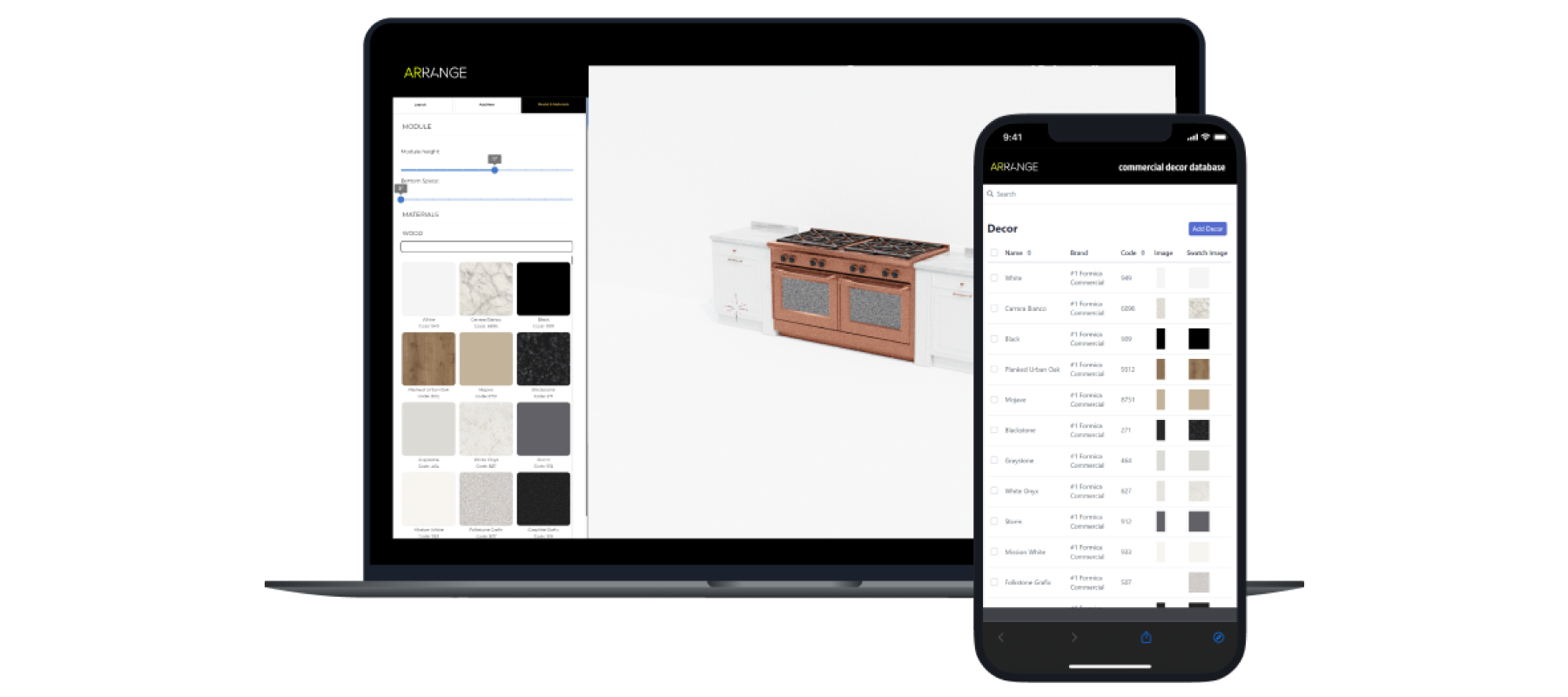
## Challenges in custom design
When discussing a bespoke closet, kitchen, or storage system, it often takes time for both parties to reach an agreement, especially for the customers to make up their minds. And it’s no surprise. Today, the possibilities are endless, with the final setup limited only by imagination. But the downside to this flexibility is that constant changes, comparisons, and the inevitable back-and-forth during the design process can make quoting lengthy and inefficient.
## Streamlining quotation processes
Unfortunately, there’s no magic fix for these challenges. However, you can significantly enhance your sales team’s efficiency by streamlining how you handle quotations. By introducing standardized pricing templates, automating common calculations, and leveraging tools like a [3D configurator,](https://ar-range.app/products/modular-configurator/) you can speed up the process without losing the custom, tailored experience that customers expect.
## Customer empowerment
Even better, you can give the customer more control over the design process, up to a certain point, of course. With tools like theAr-range parametric configurator, you can empower your clients to explore and build their own custom setup online. The configurator allows you to define exactly which types of cabinets, fittings, and decor manufacturers are available, giving your customers a hands-on experience that still fits within your product offering.
## Accurate instant estimates
You can also set up your own pricing rules, so the configurator instantly provides accurate estimates based on their selections. This means fewer revisions, less back-and-forth, and a more engaging experience for your customers.
## Enhanced customer and sales experience
They get to play with options, visualize their choices, and see real-time pricing, while your team can focus on refining and finalizing serious inquiries. In short, the configurator not only enhances the customer experience but also drives efficiency for your sales team, ensuring a smoother, faster process from start to finish.
## Solutions involved
- [Modular Configurator](https://ar-range.app/products/modular-configurator/)
On this page
1. Challenges in custom design
2. Streamlining quotation processes
3. Customer empowerment
4. Accurate instant estimates
5. Enhanced customer and sales experience
6. Solutions involved
## Recent blog posts
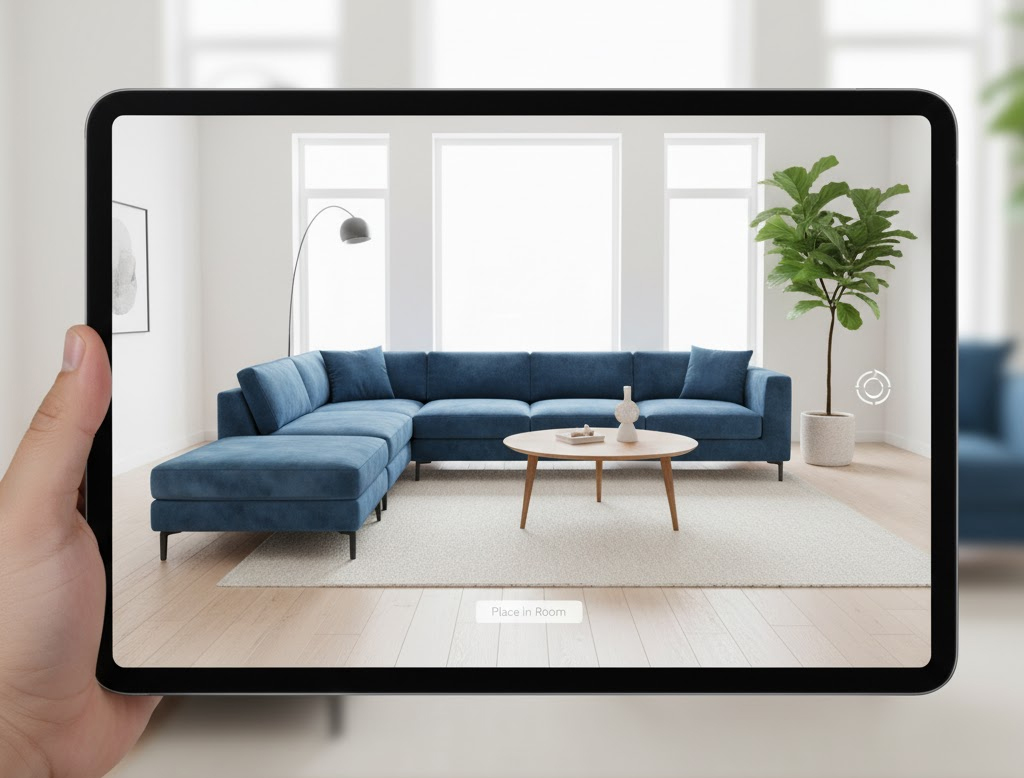
[Showroom](https://ar-range.app/blog-posts/category/showroom/) 10 November 2025
### [Post-visit follow-ups that don't feel like spam](https://ar-range.app/blog-posts/post-visit-follow-ups-that-dont-feel-like-spam/)
Learn effective strategies for improving furniture showroom sales by transforming post-visit follow-ups into engaging, personalized experiences. Discover how using visuals, augmented reality, and tailored communication can bridge the gap between customer curiosity and commitment, reducing showroom bounce rates and enhancing conversion rates.
5 min read

[Showroom](https://ar-range.app/blog-posts/category/showroom/) 23 October 2025
### [Showroom continuity: opening the customer's saved configuration in store](https://ar-range.app/blog-posts/showroom-continuity-opening-the-customers-saved-config-in-store/)
This article explores the concept of furniture conversion, detailing how to create a seamless transition between online configuration and showroom experiences. It highlights the importance of integrating digital tools such as interactive configurators, augmented reality, and centralized data systems to enhance customer engagement, reduce errors, and achieve higher conversion rates. Practical steps for retailers include mapping customer journeys, implementing configurators, and training staff to create a connected and consistent shopping experience. Learn how these strategies foster emotional investment and trust in the purchasing process.
6 min read
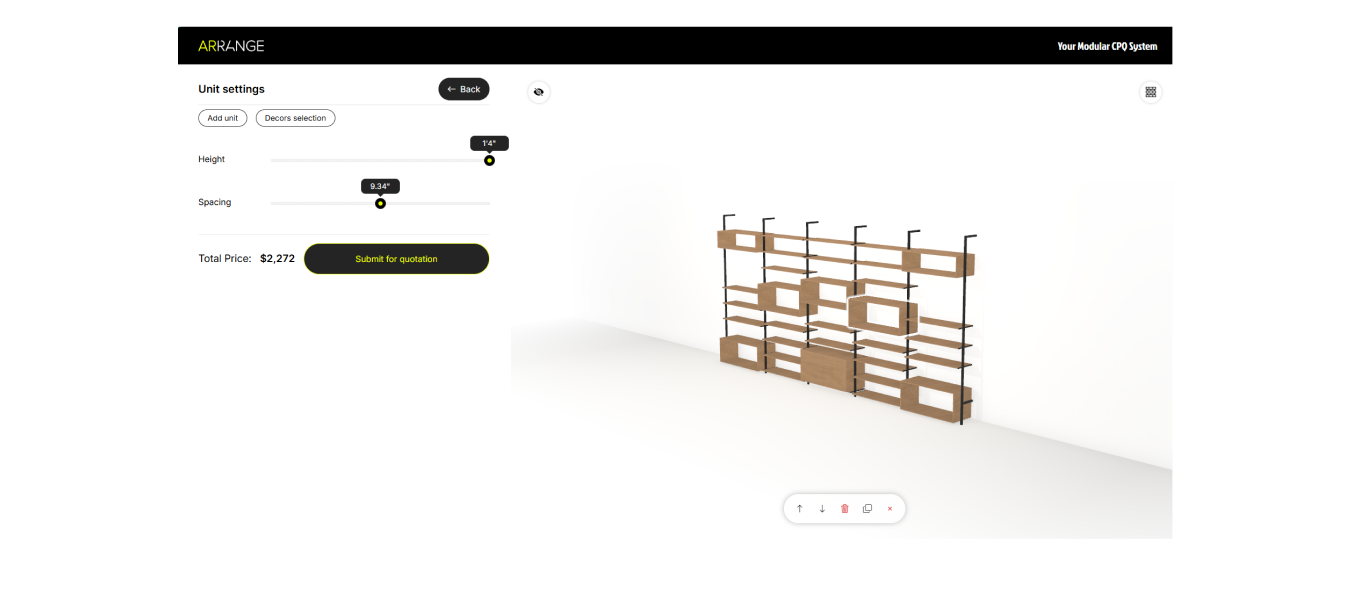
[Showroom](https://ar-range.app/blog-posts/category/showroom/) 13 August 2024
### [Prequalify leads with an instant ballpark estimate online](https://ar-range.app/blog-posts/prequalify-leads-by-instantly-providing-a-ballpark-estimate-online/)
When a new customer approaches with a project request, it often feels like starting with a blank canvas. Gathering detailed requirements and providing accurate quotes can be time-consuming, resulting in significant investment without guaranteed returns. To address these challenges and improve conversion rates, Ar-range has developed a universal parametric configurator that simplifies the quoting process for kitchen cabinets, closets, and shelving systems.
3 min read
## If they can't see it, they won't buy it. Let's show them.
Leave your details and we arrange a free consultation with the people who have spent years helping brands sell customised products. You bring the catalogue and the questions. We bring what has worked, what has not, and what it would take for you.
**1M** variants from one source
**Same day** price changes live in the shop
**No-code** configurators the client runs

================================================================================
Page: How to use augmented reality as an advantage in selling your products? | Ar-range
URL: https://ar-range.app/blog-posts/how-to-use-augmented-reality-as-an-advantage-in-selling-your-products/
================================================================================
What AR is, how it works on a phone, and what it takes to add it to a product page
# How to use augmented reality as an advantage in selling your products?
[**Łukasz Krakowiak** Head of European Sales, Ar-range](https://ar-range.app/meet-us/lukasz/)
5 October 2022
Updated 18 September 2026
3 min read
Part of [Implementing](https://ar-range.app/blog-posts/category/implementing/): What will it take from us?
- AR

_Updated September 2026. This post explains how AR works and what it takes to add it. Whether it will pay off for your products is a different question, and we answer it, with the research and our own numbers, in [Use of augmented reality in furniture e-commerce: where it sells and where nobody taps it](https://ar-range.app/blog-posts/use-of-augmented-reality-in-furniture-e-commerce/). Read that one first if you are deciding whether to buy AR at all._
## What AR is
Augmented reality puts a 3D object on your phone screen, on top of what the camera sees. Point the phone at your living room, and a sofa appears on the floor, at its real size, from whatever angle you walk round to. That is the whole trick: a true-to-scale object in a real space.
## What it does on a furniture product page
AR answers one question: will it fit, and how will it sit in my room. A buyer opens the product page on their phone, taps “View in your room”, and the piece is on their floor. They can walk around it, check it against the wall, the window, the other sofa.
It does that one thing well. It does two other things badly:
- **Fabric.** AR renders in real time on a phone, so the material is a smooth mapped cloth. The strand depth and the light in the pile that sell an upholstered piece are not there. Show fabric in a close-up render, and keep AR for size.
- **Context.** AR puts your product in the buyer’s room, which is often cramped, half-lit and full of other furniture. A curated room shot can sell the piece better than their own living room does.
The newer post above goes into both, with the research behind them.
## Web AR or an app
Web AR opens from the product page in one tap, in the phone’s browser. An app means the app store, a download and a new interface to learn, paid for by a customer who came to buy one sofa.
An app only makes sense when customers come back often enough to spread that cost over many visits. A marketplace can do that. A brand whose customer buys a bed every ten years cannot. For the brands we work with, web AR is the only version worth building, and it is the only one we build.
## Which phones support it
Any iPhone from the last several years, and most Android phones from the same period. The two makers each ship the AR layer in the operating system, so the buyer needs nothing installed. If a phone is too old for it, the page simply shows the product without the AR button.
## What it costs
The AR itself is the cheap part. The cost is the 3D model of the product, and you either have one or you do not.
If you already have models, from your designers, your factory or a previous configurator, AR is an export from them. So are the variant images for every fabric, the close-ups, the 360 spin, the dimension drawing and the configurator scene. One model library feeds all of them, which is why the model is the thing to budget for, and AR is the least of what it produces. [The Costs category](https://ar-range.app/blog-posts/category/costs/) puts numbers on models and renders.
If you do not have models, that is the job, and it is the same job whether you want AR, [variant images](https://ar-range.app/products/variant-visuals/) or a [configurator](https://ar-range.app/products/modular-configurator/). Start there.
## Three questions before you add it
1. **Is the buyer afraid it will not fit?** A big footprint, a fixed alcove, a patio. If yes, AR can pay. If the product is judged on look, feel or price, most visitors will never tap it.
2. **Where does the button sit?** After the buyer has decided, it confirms. Before, it gives them a reason to leave and think. Online and showroom journeys need different answers.
3. **Is the material the decision?** If yes, AR will show it worse than a close-up does. Put the fabric somewhere else on the page.
[The newer post](https://ar-range.app/blog-posts/use-of-augmented-reality-in-furniture-e-commerce/) shows what happened when we put AR on five different products, and which one worked.
On this page
1. What AR is
2. What it does on a furniture product page
3. Web AR or an app
4. Which phones support it
5. What it costs
6. Three questions before you add it
Mentioned in this post
[**Variant Visuals** Every variant, prerendered](https://ar-range.app/products/variant-visuals/) [**Modular Configurator** a 3D product configurator](https://ar-range.app/products/modular-configurator/)
## Recent blog posts

[Implementing](https://ar-range.app/blog-posts/category/implementing/) 25 July 2024
### [Integrating a product configurator with an online store](https://ar-range.app/blog-posts/integrating-of-a-product-configurator-with-an-online-store/)
Customers enjoy having the option to customize products to fit their needs. When planning to implement an online configurator on your website, it's important to ensure that it effectively integrates with other tools you use, especially your online store.
5 min read

[Implementing](https://ar-range.app/blog-posts/category/implementing/) 24 January 2026
### [Can I build a product configurator without having 3D models?](https://ar-range.app/blog-posts/can-i-build-a-product-configurator-without-having-3d-models-ad21b/)
Yes, a configurator can run on photos, 2D layers or AI images instead of 3D models. It holds while the catalogue is small and the rules are simple. Past that point the pictures stop agreeing with each other, and the checking costs more than the models would have.
5 min read
[Implementing](https://ar-range.app/blog-posts/category/implementing/) 11 January 2026
### [What is the downside of Shopify?](https://ar-range.app/blog-posts/what-is-the-downside-of-shopify/)
Learn how Shopify's product variant model struggles with complex furniture catalogs, causing performance issues and operational challenges. Explore alternative solutions like parametric configurators to manage product logic outside Shopify, improving system stability and scalability for customizable furniture brands.
3 min read
## If they can't see it, they won't buy it. Let's show them.
Leave your details and we arrange a free consultation with the people who have spent years helping brands sell customised products. You bring the catalogue and the questions. We bring what has worked, what has not, and what it would take for you.
**1M** variants from one source
**Same day** price changes live in the shop
**No-code** configurators the client runs

================================================================================
Page: Selling the idea of a product, instead of planks and fabric | Ar-range
URL: https://ar-range.app/blog-posts/how-to-use-digital-transformation-to-sell-the-idea-of-product-instead-of-planks-and-fabric/
================================================================================
What does sofa and pasta have in common?
# Selling the idea of a product, instead of planks and fabric
[**Marcin Stempniewicz** CEO and co-founder, Ar-range](https://ar-range.app/meet-us/marcin/)
9 December 2025
7 min read
Part of [Diagnosing](https://ar-range.app/blog-posts/category/diagnosing/): Is my configurator working?
- Configurator
- Visualiser
- Custom software
## You’re not in timber-selling business
If you’ve been wondering **why your B2C strategy fails**, you’re not alone. Most furniture businesses still try to sell what they make - wood, fabric, or metal. But customers don’t buy those things.
Instead, they buy the feeling those materials create.
This notion extends far beyond furniture. As human beings, we’re seldom making fully rational decisions. When making a purchase decision, we’re driven by factors like self-reassurance, the pursuit of a desired social status, and fulfilling a vision of the ‘perfect life’.
Which of those are addressed by your product offer And in what way
## Why so serious
And before you say, “This is not for me, I’m a serious business,” remember: your customer is not.
They don’t care about your factory, your foam density, your production team’s dedication, or how many prototypes you built this year.
They care about themselves, and whether your product helps them feel a little more confident, a little more in control, or a little closer to the life they want.
Building perceived value of your furniture
In a **furniture showroom**, that feeling is easy to spark. People sit, touch, imagine. But the moment they walk out, the emotion begins to fade. Unless you have tools to keep that spark alive, the sale turns into a price comparison exercise. And that’s when your **furniture markup** becomes your biggest enemy.
I’ve watched too many brands lose deals this way. It’s not a lack of skill or design quality. It’s just that they try to sell the product, not the idea.
## The Big Mistake: Emphasizing Materials Over Emotions
In September 2025, we were doing a consulting project for a small furniture manufacturer. The owner of the company seemed tired and overwhelmed. I asked him: How do they price their products The answer: “We just calculate the materials and labor costs and add a fixed margin.” No wonder they were struggling.
When you walk into most showrooms, you’ll find brands showing catalogs, fabric swatches, or price sheets. They promise “top quality” and “fair pricing.” The problem Somebody else can always offer the same thing cheaper. That’s why selling materials kills **furniture margins**.
Customers don’t make decisions by comparing specs. They decide when they _feel_ something - clarity, confidence, excitement. If you lose that, you lose the **showroom closing** moment.
Some brands insist on closing the deal “here and now,” while the customer is still in the showroom. It’s a short-sighted tactic. Yes, it may boost today’s numbers, but it breeds second thoughts, pressure, and the sense of being cornered. And nothing kills the joy of a new purchase faster. In the long run, it hurts the brand more than it helps, because nobody feels good about a product they were pushed into buying.
_Note: If you want to better understand the buyer’s journey in modern furniture sales process (and your showroom’s position in it) - check out_ [Furniture, Emotion, and Conversion: Inside the Customer’s Mind in 2025](https://ar-range.app/blog-posts/furniture-emotion-and-conversion-inside-the-customers-mind-in-2025/) _piece by_ [Marcin Stempniewicz](https://www.linkedin.com/in/marcin-stempniewicz/) _._
## Strugglers vs Winners
In our sector, I usually meet two kinds of furniture makers.
**The Strugglers** are material sellers. They compete on price. They hand customers fabric samples and estimates. They send them home with nothing that keeps the vision alive. They rarely win if someone offers a discount. Worth noting - this doesn’t apply to huge wholesale/B2B businesses. If you’re one of them, this is not for you.
**The Winners**, on the other hand, sell the _idea_. They help customers imagine what their living room will feel like when their product is already there. They don’t need to drop prices because customers understand value through emotion.
## The Showroom Problem: When Emotion Fades After the Door Closes
Imagine a simple story. A customer researches online, clicks through your website, and narrows down a few models. Everything looks similar, so they can’t tell the difference. Then they visit your showroom. Suddenly, excitement hits. They sit on the sofa, visualize it in their home, feel the texture. This is the emotional high point.
Now imagine what happens after they leave. The excitement evaporates. Within hours, they forget how that fabric looked in daylight. All that’s left in their mind is the price tag. And price triggers comparison.
That’s where 90% of furniture companies lose the battle. They let the feeling fade. Without visuals, previews, or personalized quotes, customers have no anchor to keep the memory alive. The emotional “yes” turns into a mathematical “maybe.”
## Extend the excitement beyond the showroom
This is exactly where digital transformation steps in. Tools like showroom configurators allow customers to walk away with a personalized version of the product they’ve just tried - but only if used right.
Digital tools solve one crucial problem: they keep the feeling alive. When someone gets a visual quote, with their chosen colors and setup, the mental image stays clear.
## Find the customer’s “why”…
Just think of it - why did the customer come to your showroom in the first place
I can think of at least three reasons:
- To see if your furniture lives up to the expectations, after reviewing your website
- To explore the personalization options - see individual modules, take a look at the fabric options and so on
- To get reassurance - in other words, to make sure if the choice is right
Assuming your showroom experience fulfilled all the above, what’s your strategy of making sure the effect lasts
## … and then - address it
Let’s simplify the question: what CAN be done for the enchantment effect to last
- The customer needs to walk away with something tangible - making them feel the time to visit your showroom was well spent
- They need to be able to remember what was exactly discussed in terms of personalization. General product images available on your website are no longer good enough at this stage. The buyer needs a reference to the exact configuration that led to ‘this is it’ moment
- The buyer also needs solid proof that the arrangements made in the showroom are exactly what they are looking for.
## Solution
- Never allow the customer to walk out of the showroom without something they can refer to. You can trust your customer’s memory… for about five minutes.
- Whatever they are leaving with, make it underline the actual value proposition you’re trying to sell. Whatever information they walk out with is going to be the foundation of their final decision. Do you want them to base their verdict on price only
- Figure out a way to be able to present every single product variant customers can purchase in a strong, appealing visual way. It’s 2025; it CAN be achieved with automation, without hiring extra staff. We can help you with that.
- Try to understand what drives customers to your showroom. Quality Design Customization possibilities Anything else Then, make sure the offer they walk away with underscores this exact value. Prepare two or more templates, if needed.
- Don’t assume customers would refer to your website when making a final decision, after visiting your showroom. The website is not personal. It’s for the general audience. A buyer who went to your showroom and experienced personal service wants to proceed in their journey, not take a step back to the website that is for everyone.
- Show their version, not stock photos. Generic imagery kills emotion faster than slow service.
- Keep follow-up engaging. Remind them of what they loved emotionally, not what they cost rationally.
## Is it even possible
You might think I’m crazy. After all, I’m advocating delivering a customized product catalogue for each individual customer.
I’m dead serious. If all your product information is in place, it’s only a matter of time to automate it the right way:
- **Product visuals:** Rendering can be automated. We delivered over 2,000,000 visuals for a bed manufacturer so they can present every bed type in every single fabric they offer. We know that their competitors’ customers are referring to their visuals for reassurance when picking fabrics. Figure out the rest.
- **Curated lifestyle visuals** - AI can handle the creation of lifestyle images for each product variant. Even if the customer _wants_ to place it in their home, by providing your showroom staff with a photo
- **Augmented Reality preview** - for double-checking the size
- **Physical Fabric swatches** for touch & feel - when mixed with a photoreal preview of the furniture, they finally do their job the way they were meant to be.
- **Product strengths** - this can be a text template, but fitted out with the automatically generated visuals of the furniture in a specific finish type, selected by the customer.
## Become an outlier among your competitors who are missing out on an obvious opportunity.
Using automation to deliver hyper-personalized content that addresses emotions directly means you have a key to your buyers’ hearts. Imagine your brand is already following the guidelines above. Then, imagine your customers comparing what they got from your showroom, and from five of your competitors’. What do you think, what would the outcome be
On this page
1. You’re not in timber-selling business
2. Why so serious
3. The Big Mistake: Emphasizing Materials Over Emotions
4. Strugglers vs Winners
5. The Showroom Problem: When Emotion Fades After the Door Closes
6. Extend the excitement beyond the showroom
7. Find the customer’s “why”…
8. … and then - address it
9. Solution
10. Is it even possible
11. Become an outlier among your competitors who are missing out on an obvious opportunity.
## Recent blog posts

[Diagnosing](https://ar-range.app/blog-posts/category/diagnosing/) 12 September 2026
### [Does previewing a product in 3D actually reduce returns?](https://ar-range.app/blog-posts/does-3d-preview-actually-reduce-returns/)
"3D preview reduces returns" is on almost every configurator vendor's homepage and behind almost none of their case studies. Here is what the claim would take to prove, and the cost we can actually point to instead.
6 min read

[Diagnosing](https://ar-range.app/blog-posts/category/diagnosing/) 15 October 2025
### [Furniture, emotion and conversion: what goes on in the buyer's mind](https://ar-range.app/blog-posts/furniture-emotion-and-conversion-inside-the-customers-mind-in-2025/)
Explore pitfalls and opportunities of entering B2C or DTC sales in the furniture industry, especially for brands transitioning from B2B operations. It explores why many such ventures fail, not because of missing technology like configurators, but due to misunderstanding the emotional and non-linear nature of consumer decision-making.
17 min read

[Diagnosing](https://ar-range.app/blog-posts/category/diagnosing/) 15 September 2026
### [You bought a 3D configurator. Your sales went down. Here's what actually happened.](https://ar-range.app/blog-posts/why-your-3d-configurator-didnt-increase-sales/)
A 3D configurator went live, looked good, and sales didn't move. Usually for three reasons: an unreliable button, a renderer that cannot show the fabric, and five hundred choices with no guidance. What we saw at MyBed, and what we built instead.
8 min read
## If they can't see it, they won't buy it. Let's show them.
Leave your details and we arrange a free consultation with the people who have spent years helping brands sell customised products. You bring the catalogue and the questions. We bring what has worked, what has not, and what it would take for you.
**1M** variants from one source
**Same day** price changes live in the shop
**No-code** configurators the client runs

================================================================================
Page: In 2023 stay up-to-date with competitive methods for furniture ecommerce | Ar-range
URL: https://ar-range.app/blog-posts/in-2023-stay-up-to-date-with-competitive-methods-for-furniture-ecommerce/
================================================================================
Key strategies for boosting furniture ecommerce in 2023
# In 2023 stay up-to-date with competitive methods for furniture ecommerce
2 February 2023
2 min read
- Configurator
- AR Viewer

## Product configurators, Augmented Reality, and credible payment methods to reduce customer hesitation
Building customer confidence and delivering a great shopping experience is crucial, especially for younger consumers who increasingly demand these features. Here are some strategies that can be effective for furniture e-commerce:
### Use high-quality content:
Furniture is highly visual, so it’s essential to showcase it [from multiple angles](https://ar.scandicsofa.pl/scandicsofa/360/Ginster_3osobowa/).
1. **Solution 1:** Leverage your 3D assets to create product visualizations, such as high-quality renders in diverse room scenes, animations, or 360-degree product views. This enhances the customer experience with unique online product presentations.
2. **Solution 2:** Offer a web-based Augmented Reality tool that allows customers to see how the furniture will look in their own space. This can boost their confidence in making a purchase.
### Implement a product configurator for customization:
The more customization options you offer, the more likely customers are to find something that fits their specific needs and preferences.
1. **Solution:** Use a product configurator to let customers see their customized furniture in real-time as they design it. This interactive experience helps them visualize their creation and makes the process more engaging. Emphasize in your marketing that customers can create truly one-of-a-kind furniture that meets their specific needs and preferences
### Offer credible and flexible payment methods:
Providing payment options that customers trust is critical for reducing hesitation and ensuring secure transactions.
- **Solution:** According to T [he European Ecommerce Report](https://downloads.ctfassets.net/k4kk06v59kf0/62iw0njtcPSCTEb57ZfMQB/a4b3d73953379ce1a8f78bc764beaec6/European_Ecommerce_Report_EN.pdf), 87% of consumers say it’s essential that retailers offer the payment methods they prefer to use when shopping online. To meet this demand, offer popular payment methods, such as Visa and MasterCard debit cards, bank transfers, gift cards, pass-through wallets like Apple Pay and Google Pay, buy now, pay later options like Klarna, and electronic wallets like PayPal.
### Provide fast and reliable shipping
Concerns about delivery speed and reliability are common barriers to online shopping.
- **Solution:** Consider offering multiple shipping options, such as standard, expedited, and same-day delivery, to give customers the flexibility to choose the option that best suits their needs.
## Solutions involved
- [Visualize Every Variant](https://ar-range.app/solutions/visualize-every-variant/)
- [Modular Configurator](https://ar-range.app/products/modular-configurator/)
## Recent blog posts

[Diagnosing](https://ar-range.app/blog-posts/category/diagnosing/) 12 September 2026
### [Does previewing a product in 3D actually reduce returns?](https://ar-range.app/blog-posts/does-3d-preview-actually-reduce-returns/)
"3D preview reduces returns" is on almost every configurator vendor's homepage and behind almost none of their case studies. Here is what the claim would take to prove, and the cost we can actually point to instead.
6 min read

[Configurators](https://ar-range.app/blog-posts/category/configurators/) 24 July 2025
### [Sofa configurator: the complete guide for furniture brands](https://ar-range.app/blog-posts/sofa-configurator-the-ultimate-2025-guide/)
Most furniture brands think adding a 3D sofa configurator to their website will magically boost conversions. But if you’re seeing little change in engagement, sales, or lead quality – it’s not the idea that failed. It’s the execution. Because here’s the hard truth: most configurators are built to “look good” in a marketing meeting, not to actually move products like your 72-inch sofa or customizable 3-piece set.Let’s break down where most companies go wrong – and what your sofa configurator should really be doing if you want it to drive sales.
4 min read

7 November 2023
### [The Power of Web Product 3D Customizers Across Industries](https://ar-range.app/blog-posts/the-power-of-web-product-3d-customizers-across-industries/)
In today's competitive market, the ability to offer personalized products has become a game-changer. With the emergence of web product customizers, businesses across various industries now have a powerful tool to revolutionize their sales strategies. Why are product customizers so useful in selling personalized products in e-commerce?
2 min read
## If they can't see it, they won't buy it. Let's show them.
Leave your details and we arrange a free consultation with the people who have spent years helping brands sell customised products. You bring the catalogue and the questions. We bring what has worked, what has not, and what it would take for you.
**1M** variants from one source
**Same day** price changes live in the shop
**No-code** configurators the client runs

================================================================================
Page: Integrating a product configurator with an online store | Ar-range
URL: https://ar-range.app/blog-posts/integrating-of-a-product-configurator-with-an-online-store/
================================================================================
# Integrating a product configurator with an online store
25 July 2024
5 min read
Part of [Implementing](https://ar-range.app/blog-posts/category/implementing/): What will it take from us?
- Configurator
- AR
- Custom software

## What is an online configurator
A [product configurator](https://ar-range.app/products/modular-configurator/) is a digital tool that allows customers to tailor products to their preferences, simplifying and speeding up the purchasing decision process. Such tools, which enable product personalization and display various options along with pricing or initial offers, are becoming increasingly popular in online sales, particularly in industries like automotive, sports, furniture, construction, and electronics.
## Types of configurators
Product configurators vary depending on their purpose. These can include 3D visualizers that show the product model in minute detail from every angle, simple 2D configurators based on pre-rendered images, or [parametric configurators](https://ar-range.app/products/modular-configurator/) that allow for modifying the size and quantity of components, such as [IKEA’s PAX series configurator](https://www.ikea.com/addon-app/storageone/pax/web/latest/#/). The functionalities and technology used to build configurators depend on factors like the type of product, customer, and purchase journey. After designing a product variant, customers can seamlessly proceed to purchase, receive a preliminary offer, or send a request to the sales team with their chosen specifications.
## Product configurator for WordPress, Shopify, PrestaShop, and other platforms
For businesses operating on ready-made e-commerce solutions, a critical step before implementing a configurator is to preliminarily verify several issues:
- **Compatibility with the e-commerce platform:** Integration of both tools is crucial, so it’s necessary to check the technical requirements of the e-commerce platform in terms of technology.
- **Real-time data synchronization:** Ensuring accurate pricing and product availability requires data synchronization between the configurator and the e-commerce system.
- **Configurator update methods:** Explore the possibilities of managing the configurator’s content from the store’s level. While this option might require custom settings, it’s worth considering to allow the team to independently and conveniently make changes, such as adding new materials, dimensions, or accessories.
- **Utilization of data**: Consider how data from the configurator can be used to analyze customer preferences and behaviors, which can help in developing marketing strategies and product development.
- Consistency in UI and UX: It’s important that the interface and user experience of the configurator are consistent with the overall design of the e-commerce website.
## Other integrations to consider when creating a product configurator
- **Integration with a [POS (Point of Sale) system](https://ar-range.app/case-studies/paradise-grills/):** If you use a POS system, it’s advisable to plan the integration of the configurator with this system so that both the POS and e-commerce platform can accurately record orders from the configurator without any issues.
- AR Functionality: Integrating the configurator with an augmented reality (AR) tool allows customers to visualize products in their own space before making a purchase. This functionality increases user engagement and helps them make informed purchasing decisions.
- **Integration with ERP and CRM Systems**: Automating the flow of order information through integration with ERP (Enterprise Resource Planning) and CRM (Customer Relationship Management) systems streamlines order and production management, eliminating the need for manual data entry.
- **Traffic analysis in the configurator**: Data on traffic within the configurator can provide valuable insights into customer preferences and behaviors. Therefore, it’s important to integrate the configurator with tools for measuring and analyzing user experiences, such as Hotjar, to better understand their needs and optimize the sales process.
## Examples of configurators Integrated with e-commerce platforms
Configurators are widely used across various industries, showcasing the versatility and advanced capabilities of product personalization. Here are three examples of companies from different sectors that have successfully integrated configurators with e-commerce platforms, basing their sales strategies on these integrations:
### Tukas
- **Industry:** Renewable Energy Storage
- **E-commerce Platform:** PrestaShop
[Tukas E.V.](https://www.tukasev.com/en/) developed a product called HR Bank, a stationary bike used for energy storage. A key feature of this product is its complete customization, allowing users to choose the type of batteries, colors, materials, and accessories. To enable online sales, the Arrange team developed and implemented an interactive [3D configurator](https://www.tukasev.com/lt/pagrindinis/68-hr-bank.html) integrated with a PrestaShop-based store. This [configurator](https://ar-range.app/blog-posts/integrating-of-a-product-configurator-with-an-online-store/) allows users to customize the product while offering dynamic visualization, real-time pricing from the store, and the option to add the configured product to the cart.
### Additional integration features with PrestaShop include:
- Managing the display of selected elements and their variants in the configurator, such as the frame, and assigning them to subcategories like wood, leather, and paint. Each subcategory has individual textures, and colors can be added by entering a [HEX code](https://en.wikipedia.org/wiki/Web_colors).
- The ability to generate and add a screenshot of the final product visualization to the cart.
- Easy modification of the default configuration, allowing for quick adjustments to the offering based on current market needs.
### Paradise Grills
- **Industry:** Outdoor Kitchen Islands, Bars, and Grilling Accessories
- **E-commerce Platform:** [WordPress](https://wordpress.org) / WooCommerce
[Paradise Grills,](https://paradisegrillsdirect.com/shop/) the largest American manufacturer of outdoor kitchens, has long been a leader in offering a variety of kitchen islands, pergolas, and grilling accessories, as well as other outdoor recreational products. Traditionally, their sales relied on an extensive network of over 40 showrooms. Both showroom staff and online customers used a [3D configurator](https://paradisegrillsdirect.com/configurator_1/#/) to customize kitchen islands, bars, and accessories to individual needs. After launching their online store, i [ntegrating the POS system with the 3D configurator](https://ar-range.app/case-studies/paradise-grills/) became crucial for visualizing and pricing personalized products. The Arrange team implemented the integration, creating a communication system based on QR codes, enabling seamless data synchronization across different sales channels.
### Exclusive Spaces
- **Industry:** Furniture
- **E-commerce Platform:** [Shopify](https://www.shopify.com)
[Exclusive Spaces](https://exclusivespaces.shop/collections/furniture/products/siku-sofa) is a team of designers specializing in creating furniture, interiors, and decorations. Their clients include both B2B partners and end consumers who shop through an e-commerce site built on Shopify. The brand’s main strengths are quality and flexibility in adapting products to individual interiors. With a wide range of materials and finishes available, Exclusive Spaces offers products in thousands of variants. To fully leverage this potential, the company needed an interactive tool that would enable high-quality visualization of all possible configurations in real-time and allow for purchase. The Arrange team created a [3D configurator](https://ar-range.app/products/modular-configurator/) that opens as a pop-up on individual product pages (PDP). The integration with Shopify allowed the configurator to be placed on product pages and enabled adding selected variants, such as size, frame, backrest, metal arches, and upholstery material, to the cart.
### Conclusion
Integrating a product configurator with an e-commerce platform enhances both customer experience and the operational efficiency of the company. Properly planning the integration of the configurator with other digital tools your team already uses will help streamline the sales process of personalized products. This allows customers to better customize products to their needs while providing the company with a tool that simplifies order and production management, leading to increased customer satisfaction and operational effectiveness.
## Solutions involved
- [Modular Configurator](https://ar-range.app/products/modular-configurator/)
- [Visualize Every Variant](https://ar-range.app/solutions/visualize-every-variant/)
On this page
1. What is an online configurator
2. Types of configurators
3. Product configurator for WordPress, Shopify, PrestaShop, and other platforms
4. Other integrations to consider when creating a product configurator
5. Examples of configurators Integrated with e-commerce platforms
6. Solutions involved
## Recent blog posts

[Implementing](https://ar-range.app/blog-posts/category/implementing/) 24 January 2026
### [Can I build a product configurator without having 3D models?](https://ar-range.app/blog-posts/can-i-build-a-product-configurator-without-having-3d-models-ad21b/)
Yes, a configurator can run on photos, 2D layers or AI images instead of 3D models. It holds while the catalogue is small and the rules are simple. Past that point the pictures stop agreeing with each other, and the checking costs more than the models would have.
5 min read

[Implementing](https://ar-range.app/blog-posts/category/implementing/) 30 January 2023
### [Product configurator in WordPress: what works and what to expect](https://ar-range.app/blog-posts/product-configurator-in-wordpress/)
Yes, a product configurator runs on WordPress, and there are two ways to do it. Which one you need depends on how many options you sell and whether the buyer has to see them. Where WooCommerce stops, what the configurator adds, and how the two hand the order to each other.
4 min read

[Implementing](https://ar-range.app/blog-posts/category/implementing/) 5 October 2022
### [How to use augmented reality as an advantage in selling your products?](https://ar-range.app/blog-posts/how-to-use-augmented-reality-as-an-advantage-in-selling-your-products/)
The plain explainer: what augmented reality does on a phone, what it cannot do, web AR against an app, which phones support it, and what it costs once you have a 3D model. For whether it will pay off for your products, read the newer post it links to.
3 min read
## If they can't see it, they won't buy it. Let's show them.
Leave your details and we arrange a free consultation with the people who have spent years helping brands sell customised products. You bring the catalogue and the questions. We bring what has worked, what has not, and what it would take for you.
**1M** variants from one source
**Same day** price changes live in the shop
**No-code** configurators the client runs

================================================================================
Page: Is Augmented reality good for your industry and business? | Ar-range
URL: https://ar-range.app/blog-posts/is-augmented-reality-good-for-your-industry-and-business/
================================================================================
# Is Augmented reality good for your industry and business?
29 May 2023
2 min read
- AR
- AR Viewer

## Learn about 4 types of Augmented Reality.
Check out this quick guide and decide which one is the best fit for your business and if it can provide your brand with the value you are looking for.
### Projection-based Augmented Reality:
allows you to place an object next to you and your space, move it and walk around it. AR enhanced visualization allows seeing 3D representations of the product, its capabilities and the design. Examples for:
1. Retail and e-commerce - previewing products before purchasing, furniture, toys, houses etc.
2. Architecture and construction - collaborative design reviews with stakeholders, Augmented visualization of design options, proposals and layout.
3. Events and exhibitions - interactive and immersive trade show booths, keynote presentations or augmented product launches.
4. Museum and historical exhibitions - interactive and immersive museum and exhibition displays and tours.
5. Scientific visualization and research - visualization of complex scientific data and simulations or experiments.
### **Location-based augmented reality** :
places 3d content in a specific location in the real world Examples for:
1. [tourism and cultural heritage](https://submergedfoundation.org/exploring-the-depths-using-vr-in-cave-diving/) - virtual and augmented historical site tours, augmented cultural heritage preservation and restoration, virtual and augmented heritage site interpretation.
2. education - virtual and augmented educational field trips, augmented scientific and historical visualization, virtual and augmented language learning, assessment and testing.
3. virtual navigation - user navigation in big stores, shopping malls, museums or airports.
4. gaming - remember Pokemon GO
### Overlay AR:
Augments a physically existing object Examples for:
1. Retail - interactive shopping experiences like augmented product demonstrations and tutorials in-store
2. Advertising and marketing - AR-enhanced print ads, or outdoor advertising
3. Beauty and fashion - virtual product testing and sampling e. g. trying out lipsticks, without the need to physically apply the product, or virtual makeup tutorials and demonstrations.
### Contour-based AR:
overlays digital content on physical objects based on shape recognition. Examples for:
1. Manufacturing - AR-based visual providing workers instructions that improve workforce productivity. AR provides real-time visual guidance on tasks like product assembly, machine operation, and warehouse picking. It replaces 2d manuals with interactive 3d visualizations for step by step guidance, reducing room for interpretation.
2. Education & Healthcare and medical procedures - providing users with a learning experience based on physical objects like for instance interactive and immersive anatomy and biology studies
3. Retail and e-commerce - virtual try-on and fitting of clothing and accessories, interactive product visualization and demonstration, augmented product catalogs and advertisements, immersive product customization, augmented reality product packaging
4. Automotive - virtual try-on and fitting of automotive parts and accessories, vehicle demonstrations, vehicle maintenance and repair guidance, safety features demonstration, vehicle design and prototyping.
## Still not sure how to use AR Ask yourself these 5 questions:
1. In what areas of my organization can I use AR
2. Will the use of AR change communication with users/customers and how
3. Will it have an impact on sales or cost reduction
4. How will AR empower a brand or organization
5. How can I conduct an AR MVP project in my organization
For any more questions contact the Ar-range team!
## Solutions involved
- [Visualize Every Variant](https://ar-range.app/solutions/visualize-every-variant/)
On this page
1. Learn about 4 types of Augmented Reality.
2. Still not sure how to use AR Ask yourself these 5 questions:
3. Solutions involved
## Recent blog posts

[Configurators](https://ar-range.app/blog-posts/category/configurators/) 24 July 2025
### [Sofa configurator: the complete guide for furniture brands](https://ar-range.app/blog-posts/sofa-configurator-the-ultimate-2025-guide/)
Most furniture brands think adding a 3D sofa configurator to their website will magically boost conversions. But if you’re seeing little change in engagement, sales, or lead quality – it’s not the idea that failed. It’s the execution. Because here’s the hard truth: most configurators are built to “look good” in a marketing meeting, not to actually move products like your 72-inch sofa or customizable 3-piece set.Let’s break down where most companies go wrong – and what your sofa configurator should really be doing if you want it to drive sales.
4 min read

[Diagnosing](https://ar-range.app/blog-posts/category/diagnosing/) 12 September 2026
### [Does previewing a product in 3D actually reduce returns?](https://ar-range.app/blog-posts/does-3d-preview-actually-reduce-returns/)
"3D preview reduces returns" is on almost every configurator vendor's homepage and behind almost none of their case studies. Here is what the claim would take to prove, and the cost we can actually point to instead.
6 min read

[Showroom](https://ar-range.app/blog-posts/category/showroom/) 10 November 2025
### [Post-visit follow-ups that don't feel like spam](https://ar-range.app/blog-posts/post-visit-follow-ups-that-dont-feel-like-spam/)
Learn effective strategies for improving furniture showroom sales by transforming post-visit follow-ups into engaging, personalized experiences. Discover how using visuals, augmented reality, and tailored communication can bridge the gap between customer curiosity and commitment, reducing showroom bounce rates and enhancing conversion rates.
5 min read
## If they can't see it, they won't buy it. Let's show them.
Leave your details and we arrange a free consultation with the people who have spent years helping brands sell customised products. You bring the catalogue and the questions. We bring what has worked, what has not, and what it would take for you.
**1M** variants from one source
**Same day** price changes live in the shop
**No-code** configurators the client runs

================================================================================
Page: Parametric configurator explained: faster quotes, fewer errors | Ar-range
URL: https://ar-range.app/blog-posts/parametric-configurator-explained-faster-quotes-smarter-sales-fewer-errors/
================================================================================
Parametric Configurator Explained:
# Parametric configurator explained: faster quotes, fewer errors
[**Marcin Stempniewicz** CEO and co-founder, Ar-range](https://ar-range.app/meet-us/marcin/)
7 August 2025
8 min read
Part of [Configurators](https://ar-range.app/blog-posts/category/configurators/): What kinds are there, and which fits how you sell?
- Configurator
- AR
- Custom software

## **1. What Is Parametric Configuration and How Does It Work?**
To put it simple – parametric configuration is a system that generates 3D product models based on user-defined inputs like width, height, layout, or materials.
Instead of manually designing every product variant, you define the logic once. The configurator automatically generates valid designs from parameters, and every change updates the model and pricing in real time. **Different parts of the product automatically adapt to each other as parameters change, just like CAD modelling, but built for the customer’s buying experience rather than for engineers.**
This means:
- Customers see accurate 3D previews as they configure
- Logic constraints (e.g., spacing, module limits, joinery rules) are enforced
- No invalid combinations or design errors slip through
Parametric configuration isn’t just faster. It’s smarter.
### But let’s Talk About You First
Whether you’re a designer juggling client requests or a brand owner frustrated by slow quoting, production errors, or inconsistent visuals, you’re not alone.
Maybe you’re spending hours building 3D mockups manually. Maybe you’re fielding customer questions your website should already answer. Or perhaps your product is highly customizable, but your sales process doesn’t reflect that flexibility. Sound familiar
That’s where parametric configuration comes in. Not just as a design tool, but as a real-time solution to accelerate quoting, improve visuals, and simplify personalized selling.
Let’s break it down.
## 2. Is Parametric Configuration Right for Your Business
If your product line is:
- Modular (sofas, shelving, wardrobes)
- Made-to-measure (kitchens, closets, tables)
- Layout-dependent (office furniture, custom storage)
…then yes. Parametric configuration is designed for you.
It’s not ideal for:
- Mass-produced, non-configurable products
- One-off artisanal designs with no logical structure
- Single products that come in a variety of finishes (like beds, non-modular sofas - those should be addressed with [Ar-range Variant Visuals](https://ar-range.app/products/variant-visuals/) system)
It shines when there are too many options to manage manually, and when quoting speed, production accuracy, and visual clarity are critical to winning deals.
If you need help deciding what kind of configuration system is right for you, take a look at Difference Between 3D Configurator and Variant Visuals article
## 3. **Will a Parametric Configurator Address 100% of User Questions?**
No tool can replace a great sales process. But a parametric configurator comes close - if it’s designed right.
A well-implemented configurator answers most of the common questions customers have during their decision process:
- “What will it look like in my space?” - Solved with photorealistic visuals and AR preview links.
- “Will this fit?” - Solved with logic-based dimensioning and layout validation.
- “How much will it cost?” - Solved with real-time price updates and clear breakdowns.
- “Can I change my mind later?” - Solved with links to return and edit the configuration.
- “Can I see this fabric in real life?” - Solved with direct links or QR codes to order samples.
- “What’s the next step?” - Solved with simple, branded instructions in the quote itself.
But here’s the key: the quote isn’t just a summary - it’s a sales asset.
That’s why we design every quote to:
- Reinforce your brand and unique value proposition
- Include visuals that truly reflect the configured product
- Link to next actions: order, contact, modify, explore further
If your configurator doesn’t turn curiosity into clarity and momentum, it’s not doing its job.
Automate 80% to better serve the remaining 20%
In most made-to-measure furniture businesses, the majority of inquiries fall into repeatable patterns. With a properly set up parametric configurator, up to 80% of customer needs (layout, size, finishes, pricing) can be addressed instantly, without human involvement.
This frees up your design and sales team to focus where their time really counts: the remaining 20% of high-touch, high-ticket projects.
Think about a modular shelving brand. Many of its customers are happy to configure their shelving system themselves. But some want a custom layout that integrates lighting, architectural details, or storage planning help. Those customers don’t want to be rushed. They want attention. And now, thanks to automation, your team has time to give it to them.
By eliminating back-and-forth quoting for routine orders, you preserve bandwidth for higher-margin work - and improve the quality of service across the board.
## 4. Can a Parametric Configurator Leverage AI to Guide Customers
Yes. And when it does, the experience transforms from self-service to guided selling.
By layering AI on top of your configurator’s rule-based logic, you can:
- **Suggest relevant layouts or modules** based on user input (e.g. wall size, storage type, style)
- **Provide smart defaults** that reduce choice overload
- **Use chat-like interfaces** to guide users through complex setups without clicking through menus
- **Recommend upgrades or add-ons** based on configuration context
This isn’t just about automation, it’s about giving customers clarity and confidence without forcing them to figure everything out alone.
**The result:** faster decisions, fewer abandoned sessions, and a smoother path to purchase.
## Why the Ar-range configurator stands out
**Why choose Ar-range over other 3D configurators?** Most configurators stop at “looking good.” Ours goes further - into quoting, production logic, visual accuracy, and showroom performance.
### Built on furniture logic, not just 3D
Other tools let users drag and drop. We define how your product actually works.
- Rule-based engine enforces spacing, module dependencies, material rules, and weight constraints
- Invalid combinations are blocked at the source -no floating elements, no logic gaps
- Dimensions and relationships update live, maintaining build logic and intent
### Real-time cloud rendering with studio-grade output
Unlike most configurators, we generate photorealistic visuals directly in the browser.
- Cloud-rendered raytraced visuals update as the user configures
- PBR textures reflect real finishes, lighting, stitching, and shadowing
- Every quote includes ready-to-share visuals for approvals or marketing use
We offer visual clarity that makes buyers commit - even before they talk to sales.”
Ar-range configurator’s fabric library
### Fabric and finish library built for browsing
Customers shouldn’t have to guess what “Alpine Beige 201” looks like on their configured piece.
- Interactive swatch library by color group, texture, or collection
- Real-time material previews on the actual configured product
- QR codes or email links tie physical samples back to saved online configurations
Let buyers choose finishes visually - not based on printed codes or guesswork.
From configuration to quote - automatically
Our configurator doesn’t just visualize. It quotes and prepares production data.
- Live pricing updates throughout the configuration process
- Automated generation of BOMs, spec sheets, and cut lists
- Plug-and-play with ERP, CRM, CPQ, and CAD/CAM environments
It’s like having a sales rep with 10+ years of product knowledge.
It also brings the new staff members training time from months to days.
### **Dedicated** Showroom Configurator Mode
This isn’t a web widget dropped into a touchscreen. It’s purpose-built for guided selling.
- Optimized for tablets and large-format displays
- Real-time adjustments to layout, upholstery, or modules while talking to the customer
- One-click export of quote + visuals before the customer even leaves
“No more ‘we’ll email you options next week.’ It happens live, while the buyer is still interested.”
### Omnichannel Logic with Centralized Control
Use the same configuration engine across your entire sales ecosystem.
- Identical logic and visuals across web, showroom, and field sales
- Works seamlessly on mobile, tablet, or desktop
- Customer journeys can begin in one channel and continue in another without friction
## We understand the user journey: from engagement to decision
When a customer configures a product - whether online or in your showroom - something important happens: **they start imagining it in their space**. That’s not browsing. That’s commitment forming.
So we treat configuration as more than a visual tool - it’s the start of the sales process. A well-executed journey removes friction at every step. It informs, reassures, and accelerates.
### And it all leads to one moment that’s often overlooked - the quote.
Your Quote Is a Brand Touchpoint. Make It Count. Most configurators spit out a screenshot and a vague price. Ours delivers a branded, conversion-ready experience.
Every quote we generate includes:
- **A photorealistic visual** - raytraced in the cloud, not just a static screen grab
- **Price breakdown** - clear and editable based on configuration choices
- **Your value proposition** - a reminder of why this product is worth buying from you
- **AR preview** - QR code to view the product in the customer’s space
- **Material sample request** - direct link or QR to order physical swatches
- **Config re-entry link** -so the user can return and update their design anytime
- **Contact details** - not buried in the footer
- **Clear call to action** - with exact steps to place an order, book a showroom visit, or contact sales
This isn’t just a quote. It’s your **best shot at closing the deal**. It needs to look like it.
> “We’re not here to build cool 3D toys. We’re here to kill the PDF quoting mess and make custom furniture sell like stock.”
> [Marcin Stempniewicz, CEO @ Ar-range](https://www.linkedin.com/in/marcin-stempniewicz/)
## Is parametric configurator the right choice for your brand
### A Parametric Configurator is right for you if:
- You sell **modular or made-to-measure** products (e.g., shelving, modular sofas, built-ins, wardrobes).
- Customers often ask “Will it fit?” or “What will it look like in my room?” before ordering.
- Your quoting process takes **more than a few minutes** or requires multiple back-and-forth emails.
- Your product has **rules** (module spacing, max dimensions, finish combinations) that can be automated.
- You want **the same sales experience** in your showroom, online store, and field sales.
### You might not need it if:
- You sell **single, non-configurable** products with only finish or color options
- Your customers always buy from stock with minimal decision time.
In such cases consider investing in [Ar-range Product Variant Visuals](https://ar-range.app/products/variant-visuals/) to present your products in all possible finish options, directly in your e-commerce - as displaying every variant can increase your product page engagement by up to 38%!
## Expected outcome
Take a modular shelving brand as the example.
**Before**: Quoting takes days; customers lose momentum while they wait; sales staff are overwhelmed with routine requests.
**After**: Up to 80% of orders handled self-service online; a priced, validated quote in minutes; the team’s time goes to the projects that need a designer.
## Final Note
Every industry reaches a tipping point. For custom furniture, that moment is now.
If you’re still quoting manually, sending PDFs by email, or fielding the same product questions over and over - your team is working too hard, and your customers aren’t moving fast enough.
A parametric configurator doesn’t just solve this with visuals. It restructures the way your business sells:
- Less time wasted on routine quotes
- Fewer errors flowing into production
- More confident, better-qualified buyers
- And more bandwidth for your team to focus on the projects that actually need them
When done right, a configurator becomes an extension of your brand, your sales team, and your operations, all rolled into one system that works 24/7 and always gets it right.
You don’t need a shiny viewer. You need a quoting engine. A guided sales layer. A buyer journey that mirrors how real people shop for complex, personalized products.
That’s what we build at Ar-range.
If you’re ready to scale personalization without drowning in complexity - let’s talk.
On this page
1. 1. What Is Parametric Configuration and How Does It Work?
2. 2. Is Parametric Configuration Right for Your Business
3. 3. Will a Parametric Configurator Address 100% of User Questions?
4. 4. Can a Parametric Configurator Leverage AI to Guide Customers
5. Why the Ar-range configurator stands out
6. We understand the user journey: from engagement to decision
7. Is parametric configurator the right choice for your brand
8. Expected outcome
9. Final Note
## Recent blog posts

[Configurators](https://ar-range.app/blog-posts/category/configurators/) 29 August 2025
### [Selling modular sofas with a 3D sofa configurator](https://ar-range.app/blog-posts/selling-modular-sofas-with-3d-sofa-configurators/)
How do presets vs. blank-slate tools impact conversions? What ROI can you expect in 2025 from AR, CPQ, and cloud renders? This guide answers the tough questions every sofa brand faces when moving from fabric binders to 3D configuration.
8 min read

[Configurators](https://ar-range.app/blog-posts/category/configurators/) 24 July 2025
### [Sofa configurator: the complete guide for furniture brands](https://ar-range.app/blog-posts/sofa-configurator-the-ultimate-2025-guide/)
Most furniture brands think adding a 3D sofa configurator to their website will magically boost conversions. But if you’re seeing little change in engagement, sales, or lead quality – it’s not the idea that failed. It’s the execution. Because here’s the hard truth: most configurators are built to “look good” in a marketing meeting, not to actually move products like your 72-inch sofa or customizable 3-piece set.Let’s break down where most companies go wrong – and what your sofa configurator should really be doing if you want it to drive sales.
4 min read

[Configurators](https://ar-range.app/blog-posts/category/configurators/) 4 March 2024
### [4 examples of 3D configurators in online sales](https://ar-range.app/blog-posts/4-examples-of-using-3d-configurators-in-online-sales/)
Product configurators can play a crucial role in a company's marketing and sales strategy, aiding in the creation of customized products, increasing customer engagement, and enhancing competitiveness in the market.
4 min read
## If they can't see it, they won't buy it. Let's show them.
Leave your details and we arrange a free consultation with the people who have spent years helping brands sell customised products. You bring the catalogue and the questions. We bring what has worked, what has not, and what it would take for you.
**1M** variants from one source
**Same day** price changes live in the shop
**No-code** configurators the client runs

================================================================================
Page: Photoreal close-ups that sell fabrics | Ar-range
URL: https://ar-range.app/blog-posts/photoreal-closeups-that-sell-fabrics/
================================================================================
How prerendered variant visuals help shoppers feel the fabric before they ever touch it.
# Photoreal close-ups that sell fabrics
[**Łukasz Krakowiak** Head of European Sales, Ar-range](https://ar-range.app/meet-us/lukasz/)
29 September 2025
4 min read
Part of [Visuals](https://ar-range.app/blog-posts/category/visuals/): Product images at catalogue scale

## Understanding the power of fabric close-ups
In furniture e-commerce, every pixel counts. When customers shop for sofas or chairs online, they’re not only choosing a shape – they’re imagining texture, warmth, and feel. That’s why _fabric closeups_ matter so much. These high-detail images show every thread, weave, and reflection on a surface, bringing the sensory world of design into the digital realm.
Fabric closeups with _photorealistic visuals_ give people confidence that what they see online will match what arrives in their living room. In other words, they bridge the gap between the click and the touch. I’ve seen brands transform their _online shopping experience_ simply by adding these detailed shots, because customers finally feel like they can “see” the product.
## The advantage of prerendered variant visuals over 3D configurators
This is where _prerendered variant visuals_ shine. Most brands are familiar with _3D configurators_ – tools that let users spin and explore a product interactively. But here’s the truth: not every shopper wants to tinker with controls or wait for 3D graphics to load. Sometimes, they just want visual certainty.
With variant visuals, images are prerendered in multiple combinations – different fabrics, colors, or legs – and stored as high-quality pictures. The realism is unmatched. Shadows, tiny fiber reflections, subtle fabric direction – all fixed with perfect lighting. And because these visuals are prerendered, pages load fast, keeping attention high and frustration low.
Most guides praise 3D configurators for interactivity, and that’s true for complex designs. But when it comes to realism, simplicity, and conversion-ready visuals, prerendered imagery takes the lead. As detailed in our knowledge base article on 3D Configurators for Furniture Brands Personalization Strategy, the best approach is to balance complexity. Too much interactivity can overwhelm; too little realism can fail to convince.
## Automated mass rendering for fabric visualisation
The real breakthrough, however, is _automated mass rendering_. Instead of manually creating each variant, systems like ours at Ar-range automate the full pipeline. That means _fabric closeups_ can be generated for millions of combinations – colors, stitches, materials – all at consistent quality and lighting.
_Scalability_ becomes a given, not an afterthought. Our [Automated Product Visuals](https://ar-range.app/products/variant-visuals/) solution uses cloud rendering to produce thousands of detailed shots overnight. Every visual goes straight into a brand’s e-commerce system, ready to publish. No endless retouching. No bottlenecks.
This automation creates a “single source of visual truth.” Each furniture piece looks consistent across every channel – web, mobile, print, and even augmented reality. For an example of how this works in practice, look at our case study with Scandic Sofa. The brand moved from manual photo sessions to automated rendering and saw not only production efficiency skyrocket but also higher shopper engagement.
## Enhancing the online shopping experience with photoreal fabric visuals
Now, what do these _photorealistic visuals_ do for the customer They help them decide. When you can zoom in on the weave of a velvet or the matte grain of linen, you develop _trust_. That single emotion cuts through all the noise of online uncertainty. When shoppers believe a brand’s visuals are faithful, return rates drop, and conversion climbs.
It’s not just aesthetics – it’s psychology. High-detail _fabric closeups_ tell the brain, “this is real.” They anchor purchasing _decisions_ in perceived truth. Side-by-side closeups also let users _customize_ confidently, comparing fabrics without needing a showroom visit. External research shows that clarity and structure improve comprehension and intent to buy, as analyzed in [Perplexity Shopping Is Changing the Way We Shop Online](https://www.bigcommerce.com/blog/perplexity-shopping). Data-driven presentation helps build that trust loop.
When I help brands with visual strategy, I always remind them: each image should remove one doubt. Photoreal fabric closeups do exactly that.
## Can online fabric close-ups replace physical swatches?
That’s the big question. Can _online fabric closeups_ take the place of _physical swatches_ in a _showroom_ In my experience, not entirely. You can capture how a fabric looks – the pattern, sheen, and weave – but not how it feels. The _tactile experience_ still matters, especially in premium product categories.
However, online fabric closeups serve a crucial role before the showroom visit. They let shoppers narrow choices and come prepared. Instead of flipping through dozens of swatches, they arrive knowing their top three favorites. That saves time for both customers and sales teams.
An effective hybrid approach combines both. The web inspires; the showroom reassures. It’s how modern customers actually buy – jumping between online and offline, comparing, double-checking, and then deciding. I’ve seen brands forget this transition stage completely – that’s usually when things break down.
For upholstered beds, we set out [which visuals belong at which stage of the purchase](https://ar-range.app/industries/upholstered-beds/).
## Conclusion
The power of _prerendered visuals_ lies in meeting people where they are: online, quick, and curious. With photoreal _fabric closeups_ created through automated rendering, brands can deliver a touch-first experience through a screen. It’s fast, realistic, and beautifully scalable.
To every company selling customizable furniture, I’d ask this: are your visuals making it easy for people to imagine your fabrics in their home If not, maybe it’s time to rethink your _e-commerce strategy_.
Better imagery doesn’t just decorate a product page. It earns _customer engagement_ – and that’s what ultimately sells the sofa.
On this page
1. Understanding the power of fabric close-ups
2. The advantage of prerendered variant visuals over 3D configurators
3. Automated mass rendering for fabric visualisation
4. Enhancing the online shopping experience with photoreal fabric visuals
5. Can online fabric close-ups replace physical swatches?
6. Conclusion
## Recent blog posts

[Visuals](https://ar-range.app/blog-posts/category/visuals/) 26 August 2025
### [5 ways to make furniture renders stand out with automation and AI](https://ar-range.app/blog-posts/5-ways-for-your-furniture-renders-to-stand-out-using-automation-and-ai/)
Turn furniture renderings into a growth engine, not just pretty pictures. Learn how leading brands use automation, AI, and configurators to cut costs, boost conversions, and generate endless marketing assets - from lifestyle scenes to AR models - without drowning in complexity.
4 min read

[Costs](https://ar-range.app/blog-posts/category/costs/) 30 September 2026
### [What would it cost to rebuild Ar-range’s furniture configurator platform?](https://ar-range.app/blog-posts/what-it-would-cost-to-rebuild-ar-range-today/)
Ar-range was built over seven years, one catalogue at a time. What would the same platform cost as a one-off project today, and what should a manufacturer ask before building its own?
6 min read

[Replacing](https://ar-range.app/blog-posts/category/replacing/) 17 September 2026
### [Two bed brands bought the ready-made configurator. Both came back. Here is what 'ready' meant.](https://ar-range.app/blog-posts/two-bed-brands-and-the-ready-made-configurator/)
Two bed brands chose the ready-made 3D configurator: finished software, own interface, upload the models and go. Both came back, one after two years and one after three. What 'ready' meant on the product page, and what carried over.
7 min read
## If they can't see it, they won't buy it. Let's show them.
Leave your details and we arrange a free consultation with the people who have spent years helping brands sell customised products. You bring the catalogue and the questions. We bring what has worked, what has not, and what it would take for you.
**1M** variants from one source
**Same day** price changes live in the shop
**No-code** configurators the client runs

================================================================================
Page: Post-visit follow-ups that don't feel like spam | Ar-range
URL: https://ar-range.app/blog-posts/post-visit-follow-ups-that-dont-feel-like-spam/
================================================================================
Turning showroom browsers into confident buyers through smart, human-centered follow-ups
# Post-visit follow-ups that don't feel like spam
[**Łukasz Krakowiak** Head of European Sales, Ar-range](https://ar-range.app/meet-us/lukasz/)
10 November 2025
5 min read
Part of [Showroom](https://ar-range.app/blog-posts/category/showroom/): Selling in the room, not only online
- Visualiser
- AR Viewer

## Understanding the ‘Post-Visit Follow-Up’ Problem
Walk into any furniture showroom and you’ll see it happen: people wander around, touch fabrics, ask for a quote, and leave. They’re polite. They say, “We’re just looking.” Then they disappear. For every customer who buys on the spot, a dozen walk out still undecided. It’s the showroom version of **ecommerce cart abandonment**, only with more smiles and fewer ‘Add to Cart’ buttons.
When we talk about **Furniture Showroom sales**, the tricky part isn’t always bringing people in - it’s bringing them back. Most sales teams follow up with a generic “Just checking if you’re still interested” email. Customers ignore it because it feels like spam. What’s missing is relevance and emotion. Your follow-up should be a continuation of the showroom story, not a cold call.
I’ve seen showrooms transform their close rates simply by rethinking how they follow up. The trick Make the customer feel like their experience continues after the visit.
## Why Showroom Visitors Disappear
If you run a **furniture showroom**, you already know how this plays out. Customers leave with a quote sheet and a head full of doubts. They don’t know if the sofa fits their living room. They aren’t sure if the fabric they picked works in daylight. So they go home, open Pinterest, and drift away to cheaper online options.
It’s the same psychological pattern as **ecommerce cart abandonment**. Online, the cart is left behind. In-store, it’s the quote. The difference is that ecommerce retailers have learned how to re-engage those shoppers with emails, reminders, and visuals. Showrooms, in many cases, have not.
Most brands don’t lose customers because they’re too expensive. They lose them because they didn’t give enough clarity to make a confident decision. That’s the gap compelling follow-ups can close.
## Using Visuals and AR To Keep the Emotion Alive
This is where technology earns its seat at the table. After the visit, what if your **email followups** included a [photorealistic visual](https://ar-range.app/products/variant-visuals/) of the sofa in the exact fabric the client selected What if they could click a link and see that sofa in their living room through an Augmented Reality Viewer That’s no longer far-fetched. It’s today’s expectation.
These visuals don’t just help customers remember what they saw - they help them _feel_ what they imagined. In our work with Paradise Grills, this kind of visualization changed the game. Their system automatically generates AR views so customers can see their outdoor kitchen right in their backyard. That level of personalization erases doubts and keeps the emotional spark alive. The same approach works for living rooms, bedrooms, and offices. If visitors leave your showroom empty-handed, the follow-up email should bring the product back to life for them - virtually.
## Practical Follow-Up Strategies
Now, let’s get tactical. Here are ways to make follow-ups that work without feeling spammy:
1. **Send a complete visual summary** - Instead of a quote, send a personalized presentation: photoreal images, a 360-degree model, details on fabric and finishes, and that optional AR link. This recap becomes your digital salesperson.
2. **Suggest complementary options** - If a customer loved navy velvet but wasn’t sure, show related fabrics or matching pieces in your next message. Build curiosity, not pressure.
3. **Address price doubts upfront** - Many visitors end up price-shopping online. If you can match prices or offer value perks, say it clearly. Don’t assume they know. Transparency builds trust.
4. **Use smart CRM automation** - Log each visitor’s choices. Automate reminders that feel human. Example: “We noticed you liked the Oslo sectional - would you like to see it in another color in your space?” (See more on this synergy in Sales Strategy: Turning Your Furniture Showroom Into a Smart Selling Engine).
5. **Share success stories** - Customer testimonials, case studies, or visuals can nudge confidence. “Here’s how another customer used this configuration in their apartment” works far better than “Are you still interested?”
6. **Keep timing and tone natural** - Spacing follow-ups matters. Send the first one within 24 hours, the next after a few days, and the final within a week or two. Keep it conversational, not corporate.
A post-visit campaign built around visuals, human tone, and timing converts doubters into buyers. I’ve seen it firsthand.
## Reducing Showroom Bounce Rates
All this effort targets one thing: turning curiosity into commitment. The moment someone leaves your showroom is not the end of the conversation - it’s the midpoint of the [TOFU-MOFU-BOFU funnel model](https://funnel.io/blog/tofu-mofu-bofu). In that middle stage, your content must educate and reassure. By the time the buyer is ready to decide (the BOFU stage), your follow-up should provide the confidence they need - clarity, visuals, and action steps. (Read more about how this helps you sell [furniture with emotions](https://ar-range.app/blog-posts/furniture-emotion-and-conversion-inside-the-customers-mind-in-2025/)).
Every store can boost **Furniture Showroom sales** by tracking which follow-up format works best. Try A/B testing email subject lines, lengths, and visual content. Measure what leads to replies, clicks, or in-store visits. Lower perplexity copy - meaning clear and specific messages - often outperforms more verbose ones, especially near purchase stages. (You can learn more about balancing clarity and conversion in [How to Convert ‘I’m Just Browsing’ into ‘I’m Ready to Buy’ with Follow-Ups](https://ar-range.app/blog-posts/prequalify-leads-by-instantly-providing-a-ballpark-estimate-online/)).
Finally, keep listening. Customer feedback after the purchase is gold. It tells you which parts of the experience eased their doubts and which raised new ones. Then you improve again.
Follow-ups are not about pushing. They’re about _proving_ - showing, not telling, that your furniture fits their home and their life. When done right, they feel less like marketing and more like service. And that’s the kind of sales mindset that turns browsers into buyers.
On this page
1. Understanding the ‘Post-Visit Follow-Up’ Problem
2. Why Showroom Visitors Disappear
3. Using Visuals and AR To Keep the Emotion Alive
4. Practical Follow-Up Strategies
5. Reducing Showroom Bounce Rates
## Recent blog posts

[Showroom](https://ar-range.app/blog-posts/category/showroom/) 23 October 2025
### [Showroom continuity: opening the customer's saved configuration in store](https://ar-range.app/blog-posts/showroom-continuity-opening-the-customers-saved-config-in-store/)
This article explores the concept of furniture conversion, detailing how to create a seamless transition between online configuration and showroom experiences. It highlights the importance of integrating digital tools such as interactive configurators, augmented reality, and centralized data systems to enhance customer engagement, reduce errors, and achieve higher conversion rates. Practical steps for retailers include mapping customer journeys, implementing configurators, and training staff to create a connected and consistent shopping experience. Learn how these strategies foster emotional investment and trust in the purchasing process.
6 min read

[Showroom](https://ar-range.app/blog-posts/category/showroom/) 10 October 2024
### [How to give a customer several options for a custom piece, fast](https://ar-range.app/blog-posts/how-to-quickly-provide-customers-with-multiple-offering-options-for-a-custom-made-product/)
Designing a bespoke closet, kitchen, or storage system can be a complex and time-consuming process, often involving numerous revisions and extensive back-and-forth. However, by streamlining quotation processes and leveraging innovative tools like 3D configurators, you can enhance efficiency while still providing a tailored, engaging customer experience.
1 min read

[Showroom](https://ar-range.app/blog-posts/category/showroom/) 13 August 2024
### [Prequalify leads with an instant ballpark estimate online](https://ar-range.app/blog-posts/prequalify-leads-by-instantly-providing-a-ballpark-estimate-online/)
When a new customer approaches with a project request, it often feels like starting with a blank canvas. Gathering detailed requirements and providing accurate quotes can be time-consuming, resulting in significant investment without guaranteed returns. To address these challenges and improve conversion rates, Ar-range has developed a universal parametric configurator that simplifies the quoting process for kitchen cabinets, closets, and shelving systems.
3 min read
## If they can't see it, they won't buy it. Let's show them.
Leave your details and we arrange a free consultation with the people who have spent years helping brands sell customised products. You bring the catalogue and the questions. We bring what has worked, what has not, and what it would take for you.
**1M** variants from one source
**Same day** price changes live in the shop
**No-code** configurators the client runs

================================================================================
Page: Prequalify leads with an instant ballpark estimate online | Ar-range
URL: https://ar-range.app/blog-posts/prequalify-leads-by-instantly-providing-a-ballpark-estimate-online/
================================================================================
Not every quote turns into an order?
# Prequalify leads with an instant ballpark estimate online
13 August 2024
3 min read
Part of [Showroom](https://ar-range.app/blog-posts/category/showroom/): Selling in the room, not only online

## So, how can you increase conversion rates
There are a variety of ways. Not all of those might apply to your business, but picking at least 3 might be something you want to consider.
### **Charge for Consultations** :
Instead of spending 7-8 hours on free quotes, consider charging a small consultation fee. This helps filter out casual inquiries and signals that your time and expertise are valuable. You can always apply that fee toward the project if they move forward.
### **Simplify the Customer Journey** :
While having a configurator is useful, make sure it provides a guided experience. Too many options can overwhelm customers. Highlight popular or best-selling designs and guide them through the process, making it easy for them to make decisions without feeling overloaded.
### **Offer Tiered Pricing** :
Provide multiple pricing options, basic, mid-range, and premium. This gives potential clients flexibility and helps them see the value in upgrading, rather than feeling they’re forced into an all-or-nothing decision. People often choose the middle option when presented with tiers.
### **Leverage Social Proof** :
Showcase completed projects with testimonials, photos, or even video walkthroughs. Real-life examples help build trust and show prospects what they can expect. People are more likely to invest when they see proof of the value you’re offering.
### **Follow Up Thoughtfully** :
After delivering a quote, don’t leave it there. Follow up with a strategic email sequence that reminds them of your unique value and any time-sensitive offers. Stay in touch without being overly pushy, just keep yourself top of mind.
### **Educate Your Clients** :
Customers may not know the intricacies of cabinetry, but educating them about materials, craftsmanship, and the long-term benefits of custom cabinets helps them understand the value you provide. This can justify higher price points and build confidence in their decision.
### **Use a CRM System** :
Keep track of your leads with a customer relationship management (CRM) tool. This helps you stay organized, follow up at the right time, and manage your client relationships efficiently, so no potential customer falls through the cracks.
### **Offer Financing Options** :
For many customers, cabinetry is a big investment. Offering flexible financing options can help ease the burden of upfront costs and make your services more accessible. This also helps overcome potential price objections.
### **Referral Programs** :
Word-of-mouth referrals are powerful. Encourage satisfied clients to refer others by offering incentives such as discounts or bonuses for successful referrals. Happy customers can be your best advocates, and a referral program gives them extra motivation to spread the word.
### Prequalify leads:
That’s a tricky one. Judging which customers are, in your opinion, ‘likely’ to buy is not only morally questionable, it just doesn’t work. Take car dealerships, for instance. A 20-year-old looking at a new Porsche might come back tomorrow with his parents. A guy in a torn jacket and rubber boots may turn out to be the owner of a 100-hectare farm. And so on.
## Universal parametric configurator
The fairest way to filter out tire-kickers is to provide a preliminary offer in advance, before engaging in time-consuming conversations and negotiations. That’s one of the reasons Ar-range has come up with an easy-to-use, universal parametric configurato r that can easily handle quotes for kitchen cabinets, closets, and shelving systems.
Within a few days, you can set up your very own branded online builder with your own module designs and pricing rules. Customers will be able to quickly draft their own configuration, send the request summary, and, what’s important, instantly get a ballpark figure of the overall cost, allowing them to decide whether they want to pursue the project with you or look elsewhere. It’s a win-win situation. Customers know exactly where they stand in terms of pricing and can experiment on their own. Meanwhile, you save a considerable amount of time while being able to provide up to 30 times more preliminary quotes.
## Solutions involved
- [Modular Configurator](https://ar-range.app/products/modular-configurator/)
On this page
1. So, how can you increase conversion rates
2. Universal parametric configurator
3. Solutions involved
## Recent blog posts

[Showroom](https://ar-range.app/blog-posts/category/showroom/) 10 November 2025
### [Post-visit follow-ups that don't feel like spam](https://ar-range.app/blog-posts/post-visit-follow-ups-that-dont-feel-like-spam/)
Learn effective strategies for improving furniture showroom sales by transforming post-visit follow-ups into engaging, personalized experiences. Discover how using visuals, augmented reality, and tailored communication can bridge the gap between customer curiosity and commitment, reducing showroom bounce rates and enhancing conversion rates.
5 min read

[Showroom](https://ar-range.app/blog-posts/category/showroom/) 23 October 2025
### [Showroom continuity: opening the customer's saved configuration in store](https://ar-range.app/blog-posts/showroom-continuity-opening-the-customers-saved-config-in-store/)
This article explores the concept of furniture conversion, detailing how to create a seamless transition between online configuration and showroom experiences. It highlights the importance of integrating digital tools such as interactive configurators, augmented reality, and centralized data systems to enhance customer engagement, reduce errors, and achieve higher conversion rates. Practical steps for retailers include mapping customer journeys, implementing configurators, and training staff to create a connected and consistent shopping experience. Learn how these strategies foster emotional investment and trust in the purchasing process.
6 min read

[Showroom](https://ar-range.app/blog-posts/category/showroom/) 10 October 2024
### [How to give a customer several options for a custom piece, fast](https://ar-range.app/blog-posts/how-to-quickly-provide-customers-with-multiple-offering-options-for-a-custom-made-product/)
Designing a bespoke closet, kitchen, or storage system can be a complex and time-consuming process, often involving numerous revisions and extensive back-and-forth. However, by streamlining quotation processes and leveraging innovative tools like 3D configurators, you can enhance efficiency while still providing a tailored, engaging customer experience.
1 min read
## If they can't see it, they won't buy it. Let's show them.
Leave your details and we arrange a free consultation with the people who have spent years helping brands sell customised products. You bring the catalogue and the questions. We bring what has worked, what has not, and what it would take for you.
**1M** variants from one source
**Same day** price changes live in the shop
**No-code** configurators the client runs

================================================================================
Page: Product configurator in WordPress: what works and what to expect | Ar-range
URL: https://ar-range.app/blog-posts/product-configurator-in-wordpress/
================================================================================
Where WooCommerce stops and the configurator starts
# Product configurator in WordPress: what works and what to expect
[**Łukasz Krakowiak** Head of European Sales, Ar-range](https://ar-range.app/meet-us/lukasz/)
30 January 2023
Updated 21 September 2026
4 min read
Part of [Implementing](https://ar-range.app/blog-posts/category/implementing/): What will it take from us?
- Configurator
- Ecommerce

## Yes, and there are two ways
A product configurator runs on a WordPress store. The question is which kind.
The first kind is a WooCommerce plugin. It adds option fields to the product page and builds the price from them. It works while the options are a short list, nothing has to be drawn, and no option depends on another.
The second kind is a configurator that runs on the product page but lives outside WooCommerce. The buyer builds the product in it, sees it change as they choose, and when they are done the configurator hands one finished product, with its price and specification, to the WooCommerce cart. This is what you need once fabrics, sizes and rules enter.
Both are real. Most furniture brands start with the first and move to the second when the catalogue grows.
## What WooCommerce does well, and where it stops
WooCommerce is good at the transaction: the cart, the checkout, payment, shipping, the order record. Leave all of that to it.
It is built for simple variants. A variable product carries its variations as a list, and WooCommerce’s own documentation sets the point where that list stops being comfortable: with 30 or fewer variations the option dropdowns load dynamically, above 30 they turn static, and the admin loads variations 50 at a time ([WooCommerce, variation dropdown limits](https://woocommerce.com/document/change-limit-on-number-of-variations-for-dynamic-variable-product-dropdowns/)). There is no hard cap, but a sofa in 40 fabrics, 6 sizes and 3 leg finishes is 720 variations, and a store that tries to hold them as WooCommerce variations gets slow to edit and slow to load. Shopify has the same problem in a different shape; [we wrote about its variant wall here](https://ar-range.app/blog-posts/what-is-the-downside-of-shopify/).
Three things WooCommerce does not do at all:
- **Show the product.** A variation can carry one image. It cannot draw the sofa in the fabric the buyer just picked.
- **Enforce rules.** “This fabric is not available on the corner module” is a rule. WooCommerce variations are a list, and a list cannot say no.
- **Price a combination.** Variation prices are fixed per row. A price that depends on width times fabric grade times an extra has to be calculated somewhere else.
## What the configurator adds
The configurator is where those three live. It draws the product as the buyer chooses, it allows only combinations you can make, and it prices the result as it goes.
The drawing matters more than it looks. In Baymard Institute’s testing of furniture and home decor stores, 79% of participants interacted with the main product image or its thumbnails as their first action on a product page, against 46% on general e-commerce sites ([Baymard, furniture and home decor UX](https://baymard.com/blog/furniture-and-home-decor-ux-research)). Furniture buyers look before they read. A configurator that shows the chosen fabric on the chosen model is answering the first thing they do.
The live price matters for a different reason. Baymard’s cart-abandonment research puts extra costs that appear late as the top reason shoppers give for abandoning a purchase, at 40% ([Baymard, cart abandonment](https://baymard.com/lists/cart-abandonment-rate)). A configurator whose price updates with every choice has no late surprise to spring.
## How the two hand the order to each other
The handoff is one line item. The buyer finishes in the configurator, presses add to cart, and WooCommerce receives a product with the price and the full specification attached: model, size, fabric, every option. Checkout and payment happen in WooCommerce as normal. Your workshop reads the specification from the order.
A saved configuration is the other half. A good configurator writes the state into a link, so the buyer can send it to a partner, come back to it next week, or hand it to a salesperson in the showroom.
[Lprint](https://ar-range.app/case-studies/how-lprint-helps-customers-create-unique-product-packaging/) runs this on WooCommerce for custom packaging. The buyer picks the bag size in the store, then the configurator takes over: material and finish with a live 3D view, then their own artwork uploaded and checked automatically, then quantity. The finished pouch goes to the WooCommerce cart or is saved as a draft link. [The configurator is live](https://configurator.lprint.com/) if you want to see the handoff working.
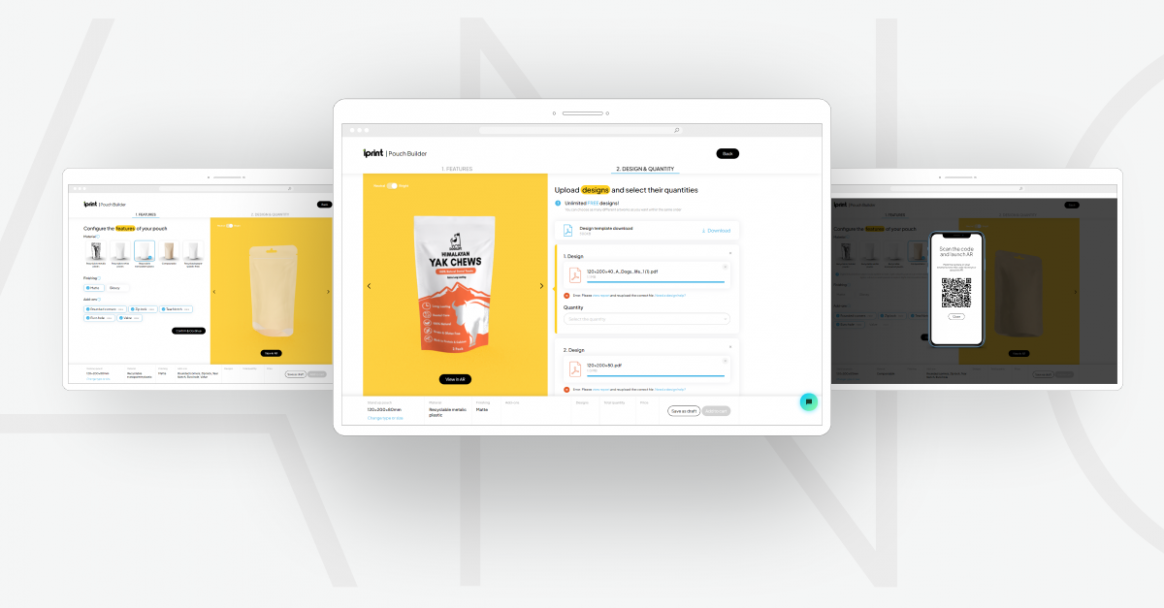
## What to have ready
- **3D models of the products**, or the drawings and photographs to make them from. This is the largest piece of work and the one that pays back everywhere else: the same models give you the variant images and the close-ups. [What happens if you do not have models](https://ar-range.app/blog-posts/can-i-build-a-product-configurator-without-having-3d-models-ad21b/).
- **The option list**, exactly as production knows it: every fabric, size and extra, and which combinations are allowed.
- **The price rules**, written down. Base price, per-option changes, anything that depends on size.
- **Access to the store**: a WooCommerce admin account and, if the theme is custom, the developer who built it.
[The Costs category](https://ar-range.app/blog-posts/category/costs/) puts numbers on the models and the renders.
## Four questions before you choose
1. **How many combinations do you sell?** Under about 30 per product, and none of them drawn, a plugin can do it. Above that, the configurator.
2. **Does the buyer need to see the result?** For a fabric, a finish or a size, yes.
3. **Do options depend on each other?** If any choice rules another out, you need rules, and a plugin has none.
4. **Who owns the embed?** A configurator on your site is a long-term contract: the address it loads from, the way it talks to the cart, the versions. Ask the vendor how they update it without breaking your product pages.
On this page
1. Yes, and there are two ways
2. What WooCommerce does well, and where it stops
3. What the configurator adds
4. How the two hand the order to each other
5. What to have ready
6. Four questions before you choose
Mentioned in this post
[**Modular Configurator** a 3D product configurator](https://ar-range.app/products/modular-configurator/) [**Content Hub** The catalog engine](https://ar-range.app/products/content-hub/)
## Recent blog posts

[Implementing](https://ar-range.app/blog-posts/category/implementing/) 24 January 2026
### [Can I build a product configurator without having 3D models?](https://ar-range.app/blog-posts/can-i-build-a-product-configurator-without-having-3d-models-ad21b/)
Yes, a configurator can run on photos, 2D layers or AI images instead of 3D models. It holds while the catalogue is small and the rules are simple. Past that point the pictures stop agreeing with each other, and the checking costs more than the models would have.
5 min read
[Implementing](https://ar-range.app/blog-posts/category/implementing/) 11 January 2026
### [What is the downside of Shopify?](https://ar-range.app/blog-posts/what-is-the-downside-of-shopify/)
Learn how Shopify's product variant model struggles with complex furniture catalogs, causing performance issues and operational challenges. Explore alternative solutions like parametric configurators to manage product logic outside Shopify, improving system stability and scalability for customizable furniture brands.
3 min read

[Implementing](https://ar-range.app/blog-posts/category/implementing/) 25 July 2024
### [Integrating a product configurator with an online store](https://ar-range.app/blog-posts/integrating-of-a-product-configurator-with-an-online-store/)
Customers enjoy having the option to customize products to fit their needs. When planning to implement an online configurator on your website, it's important to ensure that it effectively integrates with other tools you use, especially your online store.
5 min read
## If they can't see it, they won't buy it. Let's show them.
Leave your details and we arrange a free consultation with the people who have spent years helping brands sell customised products. You bring the catalogue and the questions. We bring what has worked, what has not, and what it would take for you.
**1M** variants from one source
**Same day** price changes live in the shop
**No-code** configurators the client runs

================================================================================
Page: Selling custom-made furniture with a parametric configurator | Ar-range
URL: https://ar-range.app/blog-posts/sale-of-custom-made-furniture-with-a-parametric-configurator/
================================================================================
Get rid of the ‘pen & paper’ way of estimating custom orders
# Selling custom-made furniture with a parametric configurator
9 October 2024
2 min read
Part of [Configurators](https://ar-range.app/blog-posts/category/configurators/): What kinds are there, and which fits how you sell?
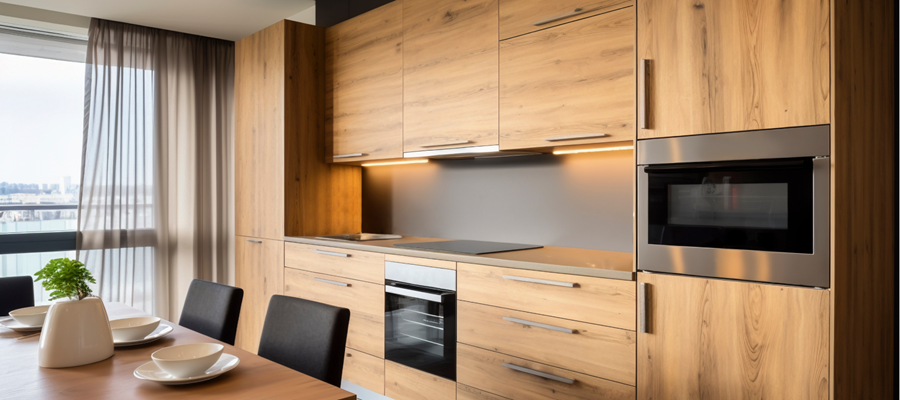
## Is it even possible to automate this process to any extent
The more you excel in designing bespoke furniture units, the better you know that each custom order is different and thus requires an individual approach.
But does it really
If you’re building a custom kitchen, it’s safe to assume that (provided you’re operating in Europe) you’ll be using more or less standard cabinets in one of the commonly used widths (60 / 80 / 100 / 120 cm). The height will also be either 80 or 100 cm. The final cost will greatly depend on both the cabinet’s interior fitout (soft-close drawer runners, tip-on systems, drawer lighting systems, and so on) and the selected decors. But all of these fall under a specific set of rules. When we think about it, it isn’t impossible to automate at least 80% of kitchen cabinet configurations. It just takes time and a bit of knowledge.
### The Cost
Yet, even if you have a broad idea of how to create rules and automations like that, you’d probably be concerned about the cost of such an endeavor. You would be right. Chances are that an upfront investment of tens of thousands of dollars or euros would simply not generate enough ROI.
### The Solution
That’s why we decided to meet the expectations of the cabinetry industry and developed a flexible, parametric online builder. Unlike professional tools like Cabinet Vision, broadly recognized across the industry, this one is not meant to be used by pros. It’s a configurator that your customers can use to draft their ideas and get the first ballpark figure before submitting a request for a detailed quotation.
It displays and estimates custom-made furniture, including cabinets, in real time, adjusting it to the desired specifications. Height, width, choice of modules, decors, fronts, handles, fabrics, or colors, these options are all set in an easy-to-use menu. This tool enables dynamic pricing and visualization of custom-made furniture in just a few minutes, rather than hours.
You don’t need expensive and complicated software to streamline the sale of custom-made furniture. The ready-made system created by the Ar-range team requires only the setting of rules for calculating prices and uploading the module shapes. This simple tool can be used online by your team or clients on a smartphone, tablet, or laptop.
## Configuration and Estimation for Custom Furniture
Whether you are selling custom bookcases, wall storage units, wardrobes, kitchen furniture, sofas, or TV stands, this tool quickly provides customers with multiple quotation variants. The parametric configurator will also help you with the initial service of potential customers and reduce errors in pricing.
## Solutions involved
- [Modular Configurator](https://ar-range.app/products/modular-configurator/)
On this page
1. Is it even possible to automate this process to any extent
2. Configuration and Estimation for Custom Furniture
3. Solutions involved
## Recent blog posts

[Configurators](https://ar-range.app/blog-posts/category/configurators/) 30 October 2025
### [What is a parametric configurator?](https://ar-range.app/blog-posts/what-is-a-parametric-configurator/)
Explore how parametric configurators revolutionize modern retail by integrating real-time CAD design, product pricing calculation, and ERP systems. Discover their impact on customer engagement, order accuracy, and production efficiency, turning digital tools into powerful automation hubs. Learn practical steps for implementation and maximize personalization potential in your sales strategy.
5 min read

[Configurators](https://ar-range.app/blog-posts/category/configurators/) 8 September 2025
### [What is parametric design?](https://ar-range.app/blog-posts/what-is-parametric-design/)
This article answers the big questions: How does parametric design work, why is it different from traditional modeling, and what does it mean for industries like furniture, fashion, and urban planning? You’ll learn its principles, the tools behind it, and how brands use configurators to turn complex, customizable products into seamless customer experiences.
5 min read

[Configurators](https://ar-range.app/blog-posts/category/configurators/) 29 August 2025
### [Selling modular sofas with a 3D sofa configurator](https://ar-range.app/blog-posts/selling-modular-sofas-with-3d-sofa-configurators/)
How do presets vs. blank-slate tools impact conversions? What ROI can you expect in 2025 from AR, CPQ, and cloud renders? This guide answers the tough questions every sofa brand faces when moving from fabric binders to 3D configuration.
8 min read
## If they can't see it, they won't buy it. Let's show them.
Leave your details and we arrange a free consultation with the people who have spent years helping brands sell customised products. You bring the catalogue and the questions. We bring what has worked, what has not, and what it would take for you.
**1M** variants from one source
**Same day** price changes live in the shop
**No-code** configurators the client runs

================================================================================
Page: Selling modular sofas with a 3D sofa configurator | Ar-range
URL: https://ar-range.app/blog-posts/selling-modular-sofas-with-3d-sofa-configurators/
================================================================================
Bridging online inspiration and showroom confidence with 3D, AR, and CPQ.
# Selling modular sofas with a 3D sofa configurator
[**Marcin Stempniewicz** CEO and co-founder, Ar-range](https://ar-range.app/meet-us/marcin/)
29 August 2025
8 min read
Part of [Configurators](https://ar-range.app/blog-posts/category/configurators/): What kinds are there, and which fits how you sell?
- Configurator
- AR
- Visualiser

## 1. Why Modular Sofas Are So Hard to Sell
The math behind modular sofa selling is unforgiving. A single sofa line can generate **tens of thousands of variants**:
15 base frames × 300 fabrics × 10 leg styles = 45,000 possible combinations.
No showroom can display them all.
### The Showroom Gap
This is where deals die. Customers may test 2–3 display models in-store, but then they’re forced to _imagine_ how their preferred fabric, size, or layout will look. Without visualization, personalization quickly shifts from excitement into friction.
### Manual Quoting Bottlenecks
The traditional quoting process-spreadsheets, back-and-forth emails, and product experts checking if a configuration is even manufacturable-can drag on for days. Not to mention the manual quoting process is prone to errors. For today’s customer, that delay is a deal-killer.
By contrast, **CPQ-enabled workflows that include a** [modular sofa configurator](https://ar-range.app/products/modular-configurator/) compress the entire cycle into 10 minutes. They don’t just calculate price - they automatically validate manufacturing feasibility, generate high-end raytraced visuals, produce 3D and AR previews, and compile a transparent pricing breakdown. All of this is packaged into a single, professional document delivered instantly to the client.
### Decision Paralysis
On another hand, even when quoting isn’t the blocker, **endless options without guidance overwhelm buyers.** Studies demonstrated that users entering guided configurator paths convert at rates of over 11%, compared to less than 2% for blank flows ([source](https://marketingexperiments.com/conversion-marketing/configurator-tested)). Without presets, customers face cognitive overload and abandon the process.
🔗 See also: [Knowledge base – how to avoid confusing the user with too many choices](https://ar-range.app/solutions/help-buyers-find-the-right-product/)
## 2. What a 3D Sofa Configurator Really Does
A proper sofa configurator is an **interactive digital platform** that combines real-time 3D visualization with configuration logic, pricing intelligence, and data integration. It allows customers to design their sofa by choosing fabrics, modules, and dimensions while simultaneously validating manufacturability, calculating price, and generating photorealistic visuals. For the retailer, it becomes a **complete sales system**, feeding data into ERP, supporting sales reps in showrooms, and producing marketing-ready assets.
- **Sales Engine** → Built-in CPQ logic delivers instant, accurate quotes. No more waiting days while competitors still juggle spreadsheets.
- **Showroom Companion** → Tablet-ready tools replace fabric binders and paper catalogs, letting sales reps demo real options live with customers.
- **Buyer Guide** → Smart validation rules prevent unbuildable designs, no floating armrests, no impossible module combinations, no errors slipping into production.
- **ERP Connector** → Automatically generates SKUs, BOMs, and production data, feeding clean outputs directly into manufacturing systems without manual re-entry.
- **Content Generator** → Cloud-based rendering produces photorealistic images of every configuration. These visuals double as marketing assets, product detail images, and social content, turning the configurator into a scalable visual content engine.
- **No-Code Setup** → While configurator creation should be left to professionals, modern platforms like Ar-range allow **non-technical staff to manage day-to-day inputs**, uploading new fabrics, updating modules, or triggering bulk renders, without developer intervention.
- **Deployment Flexibility** → A modern configurator must run seamlessly across devices: desktop, laptop, tablet, touchscreen kiosks, and even embedded e-commerce widgets.
🔗 Learn more: [Types of configurator and their role](https://ar-range.app/blog-posts/what-is-a-product-configurator-how-it-works-types-examples-benefits/)
## 3. Business Outcomes That Matter
3D sofa configurators don’t just look impressive - they deliver measurable results across the entire sales pipeline:
- **Conversions**: Retailers report conversion lifts of **30–112%** after adopting 3D tools. Scandic Sofa (PL) reported to have achieved a **+112% increase in conversions** and a **106% revenue per visit boost** after rolling out immersive 3D visualization across 10,000 products.
- **Average Order Value (AOV)**: American Furniture Warehouse saw a **+120% rise in AOV** with its sectional sofa configurator.
- **Returns**: Precise visualization and AR preview features cut return rates by **up to 35%**, while AR-enabled tools consistently reduce furniture returns from **18–30% down to 10–20%**.
- **Quote Speed**: CPQ-enabled configurators reduce quoting from **3–14 days** to **15-30 minutes**
- **Engagement:** interactive 3D and AR experiences keep shoppers engaged up to **3.5x longer** and lead to a **2.2x higher purchase rate** ([source](https://web.archive.org/web/2023/https://arpost.co/2022/06/09/ar-in-e-commerce-avataar-3d-ar-platform/), archived: the original page now returns a server error).
> 💡 _As our CEO wrote for_ [Biznes.Meble](https://biznes.meble.pl/branza/meble-emocje-i-konwersja-jak-mysli-klient-w-2025/) _, customer decisions in 2025 are driven more by clarity and confidence than by variety. Endless options create paralysis, while configurators that simplify choices create momentum_ [source](https://biznes.meble.pl/branza/meble-emocje-i-konwersja-jak-mysli-klient-w-2025/).
🔗 Related reading: [What’s the ROI of a configurator?](https://ar-range.app/blog-posts/how-much-does-a-product-configurator-cost-in-2026/)
## 4. Where Configurators Fit in the Sofa Buyer Journey
Sofa purchases rarely happen in a single channel. Customers move between online research, showroom visits, and back online to finalize decisions. Without a configurator, this journey breaks down.
- **Browse Online**: Shoppers start by exploring layouts, fabrics, and pricing scenarios at home. A 3D configurator gives instant visual feedback, helping them filter options before ever stepping into the showroom.
- **Showroom Validation**: The “sit test” is still critical, but configurators enhance the experience. Sales reps use tablets to show real fabrics, modules, and pricing in real time, instead of leaving customers with fabric binders and guesswork.
- **Finalize Online**: After the showroom, buyers don’t want to start over - they want to continue the journey seamlessly at home. This is where configurators prove their real value. Customers can log back in, see the exact configuration they tested in-store, and refine it further: swap fabrics, adjust modules, or try a different layout.
The difference is that everything is delivered with **automatic precision**:
- A **high-quality estimate** is generated instantly, breaking down price by configuration so the customer knows exactly where their budget stands.
- **Photorealistic visuals**, raytraced renders, 3D views, and AR previews, help buyers share their design with family members, building consensus and excitement instead of confusion.
Typical Ar-range flow: 3d configurator → image rendered in cloud → quotation document with render, AR and price breakdown for the customer
This matters because purchase decisions often stall at home, when partners or families can’t clearly see what’s being discussed. If you hand them a PDF with **realistic visuals and accurate pricing**, the conversation moves forward. If you hand them nothing, the sale risks stalling or being lost.
In short: configurators keep customers **engaged, confident, and moving toward checkout** - even outside your showroom.
**Key point:** Configurators are the **bridge between online inspiration and showroom confidence**. They ensure every step of the buyer journey builds momentum instead of creating friction.
🔗 Related reading: [Configurator in the customer journey](https://ar-range.app/solutions/help-buyers-find-the-right-product/)
## **5. Choosing the Right Configurator (And Avoiding Mistakes)**
Not all configurators solve sofa-selling challenges. Choosing the wrong type risks adding prettier chaos to an already complex sales process.
- **Single-Product Configurator** → Ideal for simple items like chairs, poufs, or ottomans. Not suitable for modular sofas or sectionals.
- **Modular Configurator** ✓ → Handles module logic, rules, and complex pricing. Essential for sectionals and modular seating systems.
- **Parametric Configurator** ✓ → Adjusts geometry in real time (width, depth, height), perfect for made-to-measure sofas.
- **Visual Selector** → Best for products with many predefined variants but no need for complex modular logic. Works perfectly for upholstered beds, wardrobes, or cabinet fronts. For sofas that are not sectional, e.g. fixed 2- or 3-seater models, a Visual Selector with pre-rendered millions of fabric combinations, combined with 360° views and AR previews, delivers excellent results.
**Execution Matters** The tool itself isn’t enough - **UX design makes or breaks adoption.** Customers don’t want to start from a blank slate. Research confirms that configurators offering presets or starting templates convert **10–40% better** than free-form tools.
💡 _As our CEO argued in Biznes.Meble, giving customers total freedom without guidance is a trap. Presets and curated entry points solve decision fatigue, reduce abandonment, and make complex modular or parametric products feel simple_ [source](https://biznes.meble.pl/branza/meble-emocje-i-konwersja-jak-mysli-klient-w-2025/).
2025 Technology Must-Haves
- **Cloud Raytraced Renders** → Auto-generate photorealistic visuals of every configuration. (Ar-range configurators already function as scalable image engines, producing marketing assets alongside sales visuals.)
- **Augmented Reality (AR)** → Now a baseline expectation. AR reduces return rates by **40–64%** and doubles purchase confidence.
- **AI Contextual Previews** → Place configured sofas into lifestyle contexts (modern lofts, family rooms, terraces), turning abstract personalization into emotional buying decisions.
- **Production File Output** → Beyond visuals, configurators should output **manufacturing-ready files** like BOMs, CAD drawings, or CNC/nesting data, ensuring production flows without manual translation.
- **White-Label Branding** → To customers, the configurator must look and feel like part of your own brand, not a third-party plug-in. Full branding control builds trust and continuity.
🔗 Related reading: [What kind of configurator do you need?](https://ar-range.app/blog-posts/how-to-choose-a-right-configurator-for-a-furniture-brand/)
Ar-range - where full modularity meets photorealism and automated 3d assets generation.
## 6. Turning Configurators Into a Competitive Weapon
When implemented correctly, a 3D sofa configurator is not just a visualization tool, it’s a **competitive weapon**.
- **Speed Differentiator** → While many retailers still take 3–14 days to produce a quote, CPQ-enabled configurators deliver a polished package (price, visuals, AR, BOM) in under 30 minutes. In a market where customers hate waiting, speed is your sharpest edge.
- **Content Engine** → Cloud rendering transforms every configuration into a **photorealistic marketing asset**. Instead of investing in thousands of static product photos, retailers can generate 360° views, lifestyle shots, and AR-ready models on demand.
- **Lead Qualifier** → Configurators double as **self-service lead filters**. Budget logic and instant pricing weed out unrealistic buyers before they ever reach sales reps. Preset-driven tools improve completion rates by **10–40%**, which means cleaner lead data.
- **Trust Builder** → Nothing kills hesitation like seeing _your_ sofa in _your_ space. AR reduces returns by **40–64%**, while 80% of consumers say it increases purchase confidence. Combined with photoreal renders, configurators replace “imagination” with certainty.
- **Support & Custom Development** → The difference between success and failure isn’t just the tool, it’s the partner. Professional vendors like Ar-range back configurators with **tailored development, onboarding, and API extensions**. That support is what differentiates leaving it to pros from trying to DIY.
🔗 Related reading: [Sales strategy with showroom configurator](https://ar-range.app/solutions/showroom-suite/)
## 7. The Bottom Line: The 2025 Imperative
Fabric binders, PDF catalogs, and manual quotes are losing strategies. Modern customers expect speed, clarity, and control - and they will buy from the brand that delivers it first.
A **3D sofa configurator** isn’t just a digital extra. It’s the infrastructure that:
- Cuts quote times from days to minutes.
- Shows every variant without overwhelming.
- Reduces returns with AR and photoreal previews.
- Builds trust by turning “imagination” into certainty.
Customers in 2025 demand:
- **Clarity**: _“I know exactly what it looks like.”_
- **Control**: _“I can adjust it instantly.”_
- **Confidence**: _“I won’t regret this purchase.”_
If you’re still selling with samples and spreadsheets, you’re already behind. A 3D configurator isn’t a something nice to have - it’s your **sales engine for 2025 and beyond**.
🔗 Further reading: [Sofa Configurator – The Ultimate 2025 Guide](https://ar-range.app/blog-posts/sofa-configurator-the-ultimate-2025-guide/)
On this page
1. 1. Why Modular Sofas Are So Hard to Sell
2. 2. What a 3D Sofa Configurator Really Does
3. 3. Business Outcomes That Matter
4. 4. Where Configurators Fit in the Sofa Buyer Journey
5. 5. Choosing the Right Configurator (And Avoiding Mistakes)
6. 6. Turning Configurators Into a Competitive Weapon
7. 7. The Bottom Line: The 2025 Imperative
## Recent blog posts

[Configurators](https://ar-range.app/blog-posts/category/configurators/) 24 July 2025
### [Sofa configurator: the complete guide for furniture brands](https://ar-range.app/blog-posts/sofa-configurator-the-ultimate-2025-guide/)
Most furniture brands think adding a 3D sofa configurator to their website will magically boost conversions. But if you’re seeing little change in engagement, sales, or lead quality – it’s not the idea that failed. It’s the execution. Because here’s the hard truth: most configurators are built to “look good” in a marketing meeting, not to actually move products like your 72-inch sofa or customizable 3-piece set.Let’s break down where most companies go wrong – and what your sofa configurator should really be doing if you want it to drive sales.
4 min read

[Configurators](https://ar-range.app/blog-posts/category/configurators/) 8 September 2025
### [What is parametric design?](https://ar-range.app/blog-posts/what-is-parametric-design/)
This article answers the big questions: How does parametric design work, why is it different from traditional modeling, and what does it mean for industries like furniture, fashion, and urban planning? You’ll learn its principles, the tools behind it, and how brands use configurators to turn complex, customizable products into seamless customer experiences.
5 min read

[Configurators](https://ar-range.app/blog-posts/category/configurators/) 7 August 2025
### [Parametric configurator explained: faster quotes, fewer errors](https://ar-range.app/blog-posts/parametric-configurator-explained-faster-quotes-smarter-sales-fewer-errors/)
Discover what a parametric configurator is, how it works, and why it’s changing the way custom products are sold. See how it turns complex, customizable furniture into a seamless buyer experience - with real-time visuals, instant pricing, and logic your production team can trust.
8 min read
## If they can't see it, they won't buy it. Let's show them.
Leave your details and we arrange a free consultation with the people who have spent years helping brands sell customised products. You bring the catalogue and the questions. We bring what has worked, what has not, and what it would take for you.
**1M** variants from one source
**Same day** price changes live in the shop
**No-code** configurators the client runs

================================================================================
Page: Showroom continuity: opening the customer's saved configuration in store | Ar-range
URL: https://ar-range.app/blog-posts/showroom-continuity-opening-the-customers-saved-config-in-store/
================================================================================
How seamless digital-to-showroom experiences drive furniture conversion and trust
# Showroom continuity: opening the customer's saved configuration in store
[**Łukasz Krakowiak** Head of European Sales, Ar-range](https://ar-range.app/meet-us/lukasz/)
23 October 2025
6 min read
Part of [Showroom](https://ar-range.app/blog-posts/category/showroom/): Selling in the room, not only online

## Understanding furniture conversion
Most furniture shoppers start their journey the same way: scrolling through endless sofa designs, fabrics, and color finishes online. But the final decision often happens in the showroom, surrounded by real textures and real dimensions. The challenge By the time they step into the store, most customers have forgotten what they configured online. That’s where many sales opportunities quietly die.
Furniture conversion is about closing that gap. It’s not just about selling a product - it’s about helping a customer finish the journey they began online. When the digital experience continues seamlessly into the showroom, closing the sale becomes natural. That’s what showroom continuity is about.
## The hidden disconnect in the customer journey
Customers don’t buy large furniture impulsively. The path isn’t linear anymore: it goes online, in-store, back online, and maybe back to the showroom again. Traditional showroom systems often treat each of those steps as separate experiences. As a result, the customer ends up restarting their journey each time.
Imagine a buyer who spent an evening perfecting their dream sectional sofa - size, fabric, leg finish, pillows. The next day, in the showroom, the salesperson asks, “Which fabric did you choose online?” Blank stare. That uncertainty leads to hesitation, and hesitation kills conversion.
This disconnect isn’t rare. Many brands still treat their e-commerce site as a catalog and the showroom as a separate world. Without synchronization, even the most inspired shoppers lose momentum. The key is creating one continuous thread across every touchpoint so the customer’s saved choices follow them anywhere.
## Technologies that bridge online and in-store channels
So how do we fix it The most successful furniture retailers use three main technologies: interactive configurators, augmented reality tools, and automated visuals. Each one plays a different role in building confidence and connection.
### Interactive online configurators
An interactive configurator turns browsing into participation. Instead of flipping through static product photos, customers create their furniture piece in real time. Shape, material, dimensions - everything updates instantly. This builds what’s called emotional investment. When someone personally designs a product, they are more likely to buy it.
That’s why our [Custom 3D Product Configurator](https://ar-range.app/products/modular-configurator/) is central to so many brand strategies. It ensures every variation a customer builds online can be recalled later in the showroom. The piece they customized isn’t just a memory - it’s a link waiting to be reopened by the sales rep.
### Augmented reality (AR) integration
AR adds another layer of certainty. When customers see the sofa or dining set placed in their actual living room through their phone screen, they stop guessing about size or fit. This removes friction from the decision-making process. In short, AR eliminates that tiny “what if it doesn’t look right” doubt that stops a purchase.
### Automated visuals with photoreal renders
It’s one thing to click through fabric swatches, another to see exactly how they will look together. Automated, AI-driven visuals produce photorealistic renders for every variant without the manual cost of studio photography. This ensures that whether online or in-store, the customer always sees a trustworthy representation of their final product.
When these visuals sync with a product information system or centralized data model, the same render is visible everywhere - on the website, in the showroom configurator, in the digital quote, and even in after-sales documentation.
## Uniting digital tools and showroom reality
True showroom continuity happens when all these tools talk to each other. Paradise Grills is a perfect example. Their [POS Software and Sale Documents Automation](https://ar-range.app/case-studies/paradise-grills/) connects their online 3D configurator with the in-store POS system. A customer can design an outdoor kitchen at home and walk into the store the next day. The salesperson simply opens their saved configuration on the showroom screen.
For upholstered beds the showroom is the last of four stages, and our [bed configurator page](https://ar-range.app/industries/upholstered-beds/) shows what the buyer should meet before they arrive.
That same design automatically feeds into the quote and even the sales contract. Nothing needs to be re-entered. That’s what reduces errors, speeds up closing, and makes customers feel like the brand truly remembers them.
Centralized data systems are the unsung heroes here. A single source of truth (SSoT) ensures one version of every product’s information flows consistently through all touchpoints. Research backs this up: in the [Furniturebox case study: centralized data enabling global e-commerce](https://pimberly.com/case-studies/complex-data-furniturebox/), the brand saw reduced errors, faster quoting, and higher conversions after implementing such a setup.
If you’re curious about how to apply this thinking to your brand, explore our guide on Sales Strategy with Showroom Configurator. It lays out how retailers can design showrooms that feel connected to the digital experience - not separate from it.
## Avoiding pitfalls and achieving high conversion rates
Most guides will tell you to just “connect your systems.” In reality, this is where many brands hit walls. Integrations that look simple on paper often fail when data versions don’t match. I’ve seen teams launch beautiful showroom apps that display old prices or missing materials simply because their data wasn’t synced right.
The most common pitfalls are:
- Separate databases for showroom POS and online store
- Manual re-entry of configurations or pricing
- Outdated visuals that confuse customers
- Inconsistent product naming and variant data
The solution is adopting a genuine SSoT - one master record accessible through APIs and event-driven updates. With it, every system (online store, in-store configurator, POS, and mobile app) reads from the same live data. The difference in conversion metrics is measurable. Brands implementing this have reported conversion increases of 10–20% and return rate drops of up to 25%.
Data alignment is more than a tech fix. It’s an emotional one. When a customer feels known - when their saved sofa appears within seconds in the store - the sale feels natural. Confidence converts.
If you want to go deeper into how product personalization affects that emotional link, see our Personalization Strategy for Furniture Brands. It shows how to structure configurator complexity so customers stay engaged instead of overwhelmed.
## Practical steps for furniture retailers
We all want higher conversions, but the path there starts with smaller, structured steps. Here’s what works in practice:
1. **Map your customer journey** - Identify where most drop-offs happen between online browsing and in-store consultation.
2. **Implement an online configurator** - Make it visually powerful and emotionally intuitive.
3. **Create real continuity** - Enable the customer’s saved configuration to be recalled in the showroom with just a reference code or scanned QR.
4. **Build around a single source of truth** - Centralize product, pricing, and visual data to ensure every touchpoint shows the exact same content.
5. **Train your sales staff** - Teach them that technology isn’t replacing their role - it’s reinforcing it.
Digital transformation isn’t about flashy tech. It’s about making the customer feel seen every step of the way. When their digital dream couch follows them into the real showroom, the sale isn’t a closing act - it’s a continuation.
That’s real furniture conversion.
On this page
1. Understanding furniture conversion
2. The hidden disconnect in the customer journey
3. Technologies that bridge online and in-store channels
4. Uniting digital tools and showroom reality
5. Avoiding pitfalls and achieving high conversion rates
6. Practical steps for furniture retailers
## Recent blog posts

[Showroom](https://ar-range.app/blog-posts/category/showroom/) 10 November 2025
### [Post-visit follow-ups that don't feel like spam](https://ar-range.app/blog-posts/post-visit-follow-ups-that-dont-feel-like-spam/)
Learn effective strategies for improving furniture showroom sales by transforming post-visit follow-ups into engaging, personalized experiences. Discover how using visuals, augmented reality, and tailored communication can bridge the gap between customer curiosity and commitment, reducing showroom bounce rates and enhancing conversion rates.
5 min read

[Showroom](https://ar-range.app/blog-posts/category/showroom/) 10 October 2024
### [How to give a customer several options for a custom piece, fast](https://ar-range.app/blog-posts/how-to-quickly-provide-customers-with-multiple-offering-options-for-a-custom-made-product/)
Designing a bespoke closet, kitchen, or storage system can be a complex and time-consuming process, often involving numerous revisions and extensive back-and-forth. However, by streamlining quotation processes and leveraging innovative tools like 3D configurators, you can enhance efficiency while still providing a tailored, engaging customer experience.
1 min read

[Showroom](https://ar-range.app/blog-posts/category/showroom/) 13 August 2024
### [Prequalify leads with an instant ballpark estimate online](https://ar-range.app/blog-posts/prequalify-leads-by-instantly-providing-a-ballpark-estimate-online/)
When a new customer approaches with a project request, it often feels like starting with a blank canvas. Gathering detailed requirements and providing accurate quotes can be time-consuming, resulting in significant investment without guaranteed returns. To address these challenges and improve conversion rates, Ar-range has developed a universal parametric configurator that simplifies the quoting process for kitchen cabinets, closets, and shelving systems.
3 min read
## If they can't see it, they won't buy it. Let's show them.
Leave your details and we arrange a free consultation with the people who have spent years helping brands sell customised products. You bring the catalogue and the questions. We bring what has worked, what has not, and what it would take for you.
**1M** variants from one source
**Same day** price changes live in the shop
**No-code** configurators the client runs

================================================================================
Page: Sofa configurator: the complete guide for furniture brands | Ar-range
URL: https://ar-range.app/blog-posts/sofa-configurator-the-ultimate-2025-guide/
================================================================================
# Sofa configurator: the complete guide for furniture brands
24 July 2025
4 min read
Part of [Configurators](https://ar-range.app/blog-posts/category/configurators/): What kinds are there, and which fits how you sell?
- Configurator
- AR
- AR Viewer
- Visualiser
- Ecommerce

## What Is a Sofa Configurator, Really
When done right, a sofa configurator is a tool that lets customers build, price, and visualize their sofa in real time, across all variants, fabrics, and finishes. While many configurators use 3D views, others rely on pre-rendered images or 360° spins. The format is secondary. The goal is clear: help the user select the right piece, get an instant quote, and place an order – without confusion or choice paralysis.
A high-end configurator will allow users to see the sofa in both 3D and in the form of pre-rendered images (both overall shots and closeups) that show all the fabric details. It will also include an AR preview. But what’s most important – it will be integrated with the e-commerce software and CRM/ERP systems.
Think of it like a digital salesperson that never sleeps.
It helps users:
- See if a 4-seat sofa will fit in their room
- Configure modular layouts like a 3-seat + chaise
- Understand size options (how much does a 72-inch sofa differ from an 85-inch one)
- Preview fabrics, legs, or armrest styles
- Compare price differences between variants
- And crucially – save or send a quote instantly (or add directly to the cart)
If yours doesn’t do that, it’s not a configurator. It’s a liability.
A good configurator will allow the users not only to see the sofa in 3d, but also generate photorealistic renders for your website.
## The 3 Levels of Personalization (and Why You Need All of Them)
In 2025, selling customized sofas is no longer only about customization. It’s also about clarity.
Customers are often overwhelmed with countless options:
- Vast fabric selection
- Leg variants
- Multiple layouts for sectional sofas
- Last but not least – some brands make it possible even to personalize the sofa size (width and depth) down to an inch.
Being able to present all of the variants you offer is what customers expect, but it’s not enough anymore. Buyers expect clarity, control, and confidence.
That’s why Ar-range introduced a 3-step personalization process for sofa/furniture brands, based on the current buyer’s intent (derived from the buyer’s journey).
## 3 personalization levels are covered in detail in Ar-range’s latest Ebook: Sofa configuration - 2025 Ultimate Strategy Guide. Click below to download a free copy!
[Get the 2025 Ultimate Sofa Guide](https://my.flowlance.com/ar-range/2025-ultimate-sofa-guide)
## The Mistake: You Built a Viewer, Not a Closer
### Common Sofa Configurator Mistakes
Based on the points above, Ar-range’s strategy team observed a common mistake among sofa brands when it comes to building their configuration process: they build a beautiful 3D experience, but it does nothing to accelerate the sale.
- Instead of bringing clarity, it confuses the customers.
- It’s the only way for the customers to review the upholstery options (no in-store product variants).
- It doesn’t include price logic.
- It’s not connected to the ERP system. If it was, you could use the data from the configurator to optimize the manufacturing process (for instance by introducing nesting software).
- It’s not integrated with CRM.
The last one – lack of CRM connectivity – is a huge mistake. A 3D configurator can become your main lead magnet. Even if a customer doesn’t decide to buy instantly, they have already invested some time and will most likely be willing to leave their contact details if you promise something in return.
A good example is a high-quality render prepared based on their configuration. The sofa configuration system by Ar-range offers that feature out of the box. It can automatically create a photorealistic render of any sofa variant the customer comes up with. Needless to say, this makes Ar-range the best sofa configurator on the market.
Ar-range.app sofa 3d configurator generates photorealistic visuals on the fly, for any variant (even if you offer millions of them!)
### E-commerce Mistakes
On top of that, there are some common mistakes on the e-commerce level as well. As far as those could be skipped just a few years ago, now in 2025, with clarity and AI visual search becoming a megatrend, they need to be addressed right here and now.
- How should buyers navigate 50+ modular options without bouncing
- How do you structure personalization into clear, low-friction phases
- How do AI search, fabric filtering, and ERP logic combine into one seamless sales engine
### Want to know more Download Ar-range’s in-depth guide: “ _Sofa Configuration – 2025 Ultimate Strategy Guide”._
A comprehensive guide about sofa configurators, focusing on how they can enhance customer experience, drive sales, and improve personalization in 2025. It explains the functionality of configurators, common mistakes brands make, and provides actionable checklists for creating an effective personalization system. Key points include:
- Purpose of Sofa Configurators: Helping customers visualize, customize, and purchase sofas effortlessly.
- Levels of Personalization: Basic variant selection, extended fabric options, and full modular customization.
- Common Mistakes: Poor UX, lack of integrations, and ineffective summaries.
- Trends: AI-guided search and conversational browsing are becoming essential.
BONUS:
- Actionable Checklists: For e-commerce UX, 3D configurator functionality, and operational support.
If you’re in the furniture industry or considering adding a configurator to your website, this guide is must-read. It provides practical insights and strategies to improve customer engagement, personalization, and sales conversions.
Get your free copy now!
[Get the 2025 Ultimate Sofa Guide](https://my.flowlance.com/ar-range/2025-ultimate-sofa-guide)
On this page
1. What Is a Sofa Configurator, Really
2. The 3 Levels of Personalization (and Why You Need All of Them)
3. 3 personalization levels are covered in detail in Ar-range’s latest Ebook: Sofa configuration - 2025 Ultimate Strategy Guide. Click below to download a free copy!
4. The Mistake: You Built a Viewer, Not a Closer
## Recent blog posts

[Configurators](https://ar-range.app/blog-posts/category/configurators/) 29 August 2025
### [Selling modular sofas with a 3D sofa configurator](https://ar-range.app/blog-posts/selling-modular-sofas-with-3d-sofa-configurators/)
How do presets vs. blank-slate tools impact conversions? What ROI can you expect in 2025 from AR, CPQ, and cloud renders? This guide answers the tough questions every sofa brand faces when moving from fabric binders to 3D configuration.
8 min read

[Configurators](https://ar-range.app/blog-posts/category/configurators/) 8 September 2025
### [What is parametric design?](https://ar-range.app/blog-posts/what-is-parametric-design/)
This article answers the big questions: How does parametric design work, why is it different from traditional modeling, and what does it mean for industries like furniture, fashion, and urban planning? You’ll learn its principles, the tools behind it, and how brands use configurators to turn complex, customizable products into seamless customer experiences.
5 min read

[Configurators](https://ar-range.app/blog-posts/category/configurators/) 7 August 2025
### [Parametric configurator explained: faster quotes, fewer errors](https://ar-range.app/blog-posts/parametric-configurator-explained-faster-quotes-smarter-sales-fewer-errors/)
Discover what a parametric configurator is, how it works, and why it’s changing the way custom products are sold. See how it turns complex, customizable furniture into a seamless buyer experience - with real-time visuals, instant pricing, and logic your production team can trust.
8 min read
## If they can't see it, they won't buy it. Let's show them.
Leave your details and we arrange a free consultation with the people who have spent years helping brands sell customised products. You bring the catalogue and the questions. We bring what has worked, what has not, and what it would take for you.
**1M** variants from one source
**Same day** price changes live in the shop
**No-code** configurators the client runs

================================================================================
Page: The Power of Web Product 3D Customizers Across Industries | Ar-range
URL: https://ar-range.app/blog-posts/the-power-of-web-product-3d-customizers-across-industries/
================================================================================
Unlocking ecommerce potential with 3D and AR product customizer
# The Power of Web Product 3D Customizers Across Industries
7 November 2023
2 min read
- Configurator
- AR Viewer

## Personalization unleashed: Unlimited Variants
[A web product configurator](https://ar-range.app/products/modular-configurator/) empowers users to personalize products to their exact specifications. Whether it’s color variations, size adjustments, or unique design elements, customers can explore an infinite array of choices, creating an unparalleled sense of ownership over their purchase.
### Real-time 3D Visualization: Heightening Product Quality Perception
One standout feature of these customizers is the provision of high-quality, real-time 3D views. This immersive experience allows customers to visualize the product from every angle, ensuring a deeper understanding of its features and quality before making a purchase.
### Automating Sales Processes: Efficiency and Convenience
Integrating sales automation tools within product customizers streamlines the purchasing journey. From configuration to checkout, the process becomes seamless, enhancing user experience and boosting conversion rates.
### Immersive Shopping with Augmented Reality (AR)
Integrating AR capabilities elevates the shopping experience, allowing customers to visualize the product in their own space. This unique and immersive experience builds confidence in the purchase.
### E-commerce Integration: Adding Ease to the Cart
Allowing customers to add customized products directly to their cart simplifies the buying process. It eliminates unnecessary steps, reducing cart abandonment rates and enhancing overall user satisfaction.
### Boosting Conversion Rates Through Customization
Web 3D product customizers transform the customer experience by creating an interactive and user-friendly platform. This enhanced engagement not only sets businesses apart from competitors but also significantly boosts conversion rates.
## Industries that can benefit from product customizers:
- **Furniture and Interior Design:** Enable users to modify aspects of [furniture pieces](https://ar-range.app/case-studies/) such as sofas, tables, or cabinets, allowing alterations in size, material, finishes, and additional features.
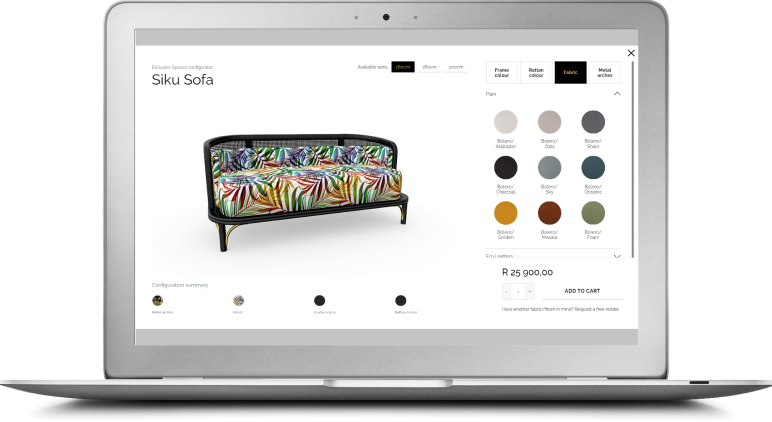 Exclusive Spaces Configurator
**Automotive:** Allow customers to personalize vehicles by choosing paint colors, interior materials, features, and accessories.
**Sports Equipment:** Brands can enable users to customize sports gear like running shoes, bicycles, or sports jerseys, allowing modifications in colors, materials, and specifications.
**Electronics and Gadgets:** Companies can offer customization options for devices like laptops, smartphones, or gaming consoles, allowing users to choose specifications, colors, and accessories.
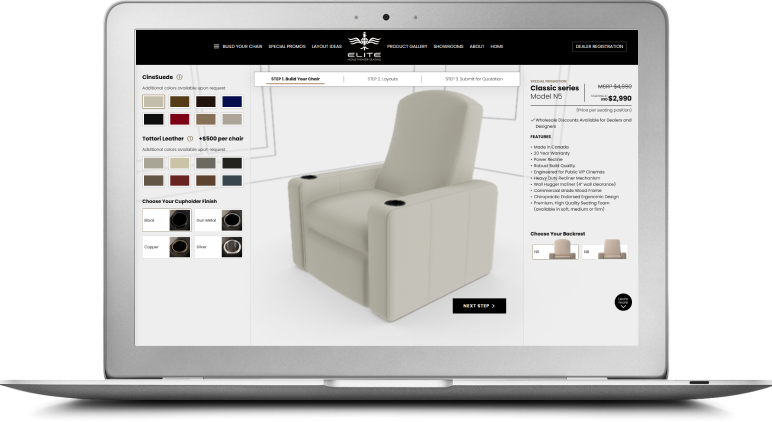 Eliite HTS Customizer
**Home Decor:** Offer customizations for items such as photo frames, wall art, or pillows, where customers can upload images or choose designs, sizes, and materials.
**Printing:** Allow businesses to create custom items like packaging, mugs, or bags.
**Fashion and Apparel:** Offer options for customers to personalize clothing items like shirts, dresses, or shoes with choices in color, fabric, patterns, and even monograms.
According to the [Deloitte Consumer Review](https://www2.deloitte.com/content/dam/Deloitte/ch/Documents/consumer-business/ch-en-consumer-business-made-to-order-consumer-review.pdf) “Made to Order,” consumers are increasingly interested in purchasing personalized products. Embracing customization and delivering personalized experiences that resonate deeply with customers ultimately leads to increased sales and brand loyalty.
## Solutions involved
- [Modular Configurator](https://ar-range.app/products/modular-configurator/)
- [Visualize Every Variant](https://ar-range.app/solutions/visualize-every-variant/)
On this page
1. Personalization unleashed: Unlimited Variants
2. Industries that can benefit from product customizers:
3. Solutions involved
## Recent blog posts

[Diagnosing](https://ar-range.app/blog-posts/category/diagnosing/) 12 September 2026
### [Does previewing a product in 3D actually reduce returns?](https://ar-range.app/blog-posts/does-3d-preview-actually-reduce-returns/)
"3D preview reduces returns" is on almost every configurator vendor's homepage and behind almost none of their case studies. Here is what the claim would take to prove, and the cost we can actually point to instead.
6 min read

[Configurators](https://ar-range.app/blog-posts/category/configurators/) 24 July 2025
### [Sofa configurator: the complete guide for furniture brands](https://ar-range.app/blog-posts/sofa-configurator-the-ultimate-2025-guide/)
Most furniture brands think adding a 3D sofa configurator to their website will magically boost conversions. But if you’re seeing little change in engagement, sales, or lead quality – it’s not the idea that failed. It’s the execution. Because here’s the hard truth: most configurators are built to “look good” in a marketing meeting, not to actually move products like your 72-inch sofa or customizable 3-piece set.Let’s break down where most companies go wrong – and what your sofa configurator should really be doing if you want it to drive sales.
4 min read

2 February 2023
### [In 2023 stay up-to-date with competitive methods for furniture ecommerce](https://ar-range.app/blog-posts/in-2023-stay-up-to-date-with-competitive-methods-for-furniture-ecommerce/)
Retail across all channels is feeling the impact of reduced consumer spending and hesitancy to make purchases. Furniture, often a significant investment, poses additional challenges for online shoppers. While some businesses are pausing investments, others are seizing the opportunity to drive sales by refining processes, utilizing e-commerce tools, and meeting evolving consumer expectations.
2 min read
## If they can't see it, they won't buy it. Let's show them.
Leave your details and we arrange a free consultation with the people who have spent years helping brands sell customised products. You bring the catalogue and the questions. We bring what has worked, what has not, and what it would take for you.
**1M** variants from one source
**Same day** price changes live in the shop
**No-code** configurators the client runs

================================================================================
Page: Transform your personalized bike sales with a bike configurator | Ar-range
URL: https://ar-range.app/blog-posts/transform-your-personalized-bike-sales-with-a-bike-configurator/
================================================================================
# Transform your personalized bike sales with a bike configurator
7 November 2024
2 min read
- Configurator

## Real-Time Bike Visualization
One of the standout features of a Bike Configurator is its ability to provide real-time visualization. Customers can see their custom bikes in 3D before making a purchase. This feature allows them to explore every angle and detail, ensuring the final product meets their expectations and preferences. By visualizing their bike in 3D, customers can make more confident decisions, leading to higher satisfaction and fewer returns. A great example is Tukas EV, whose [HR Bank configurator](https://ar-range.app/case-studies/3d-configurator-for-the-sale-of-a-personalized-energy-storage-bicycle/) lets users build a stationary energy-storing bike in 3D, [live on their site](https://www.tukasev.com/en/home/68-hr-bank.html) and integrated with their PrestaShop store.
## Instant Quotes
The Bike Configurator also automates quotations, providing instant and accurate pricing for customized products. As customers make changes to their bike design, the configurator updates the price in real-time. This transparency helps customers understand how different customization options affect the total cost, enabling them to make informed decisions quickly and efficiently.
## Boost Sales
Offering a highly interactive and personalized shopping experience can significantly boost your sales. Customized options are more appealing to customers, increasing the likelihood of purchase. By allowing customers to design their dream bike, you create a stronger emotional connection to the product, fostering brand loyalty and repeat business.
## Highly Interactive Experience
The interactive nature of the 3D Bike Builder keeps customers engaged and invested in the customization process. This engaging experience accelerates purchasing decisions and reduces cart abandonment rates. Customers enjoy the process of creating something unique and personal, which enhances their overall shopping experience.
## Improvement of E-commerce Experience
Our cutting-edge 3D configurator offers your customers the power to create their perfect sports gear, dramatically enhancing the e-commerce experience. By integrating the configurator into your online store, you provide a dynamic and engaging platform where customers can customize their bikes to their exact specifications. This not only makes the shopping process more enjoyable but also ensures that customers get exactly what they want, leading to higher satisfaction and repeat purchases.
## Easy Integration
Integrating the Bike Configurator with your existing e-commerce, POS, or CRM systems is seamless and straightforward. This easy integration ensures a smooth transition from customization to purchase, enhancing the overall customer experience and operational efficiency. Customers can design their bikes online and proceed to checkout effortlessly, while your sales and inventory systems stay updated in real-time.
## Smooth Inventory Management
Efficient inventory management is crucial for any business. The Bike Configurator links customization options with your inventory data, helping you better anticipate demand and manage stock levels. By understanding which custom options are popular, you can optimize your supply chain, reduce stockouts, and ensure timely delivery of personalized bikes.
## Conclusion
A personalized bike configurator offers numerous benefits that can revolutionize your bike sales. From real-time visualization and instant quotes to boosting sales and providing a highly interactive experience, this 3D configurator is a powerful tool for enhancing customer engagement and operational efficiency. Easy integration with your existing systems, smooth inventory management, and an improved e-commerce experience further streamline the sales process, ensuring a seamless and satisfying customer journey.
## Solutions involved
- [Modular Configurator](https://ar-range.app/products/modular-configurator/)
On this page
1. Real-Time Bike Visualization
2. Instant Quotes
3. Boost Sales
4. Highly Interactive Experience
5. Improvement of E-commerce Experience
6. Easy Integration
7. Smooth Inventory Management
8. Conclusion
9. Solutions involved
## Recent blog posts

[Replacing](https://ar-range.app/blog-posts/category/replacing/) 17 September 2026
### [Two bed brands bought the ready-made configurator. Both came back. Here is what 'ready' meant.](https://ar-range.app/blog-posts/two-bed-brands-and-the-ready-made-configurator/)
Two bed brands chose the ready-made 3D configurator: finished software, own interface, upload the models and go. Both came back, one after two years and one after three. What 'ready' meant on the product page, and what carried over.
7 min read

[Diagnosing](https://ar-range.app/blog-posts/category/diagnosing/) 15 September 2026
### [You bought a 3D configurator. Your sales went down. Here's what actually happened.](https://ar-range.app/blog-posts/why-your-3d-configurator-didnt-increase-sales/)
A 3D configurator went live, looked good, and sales didn't move. Usually for three reasons: an unreliable button, a renderer that cannot show the fabric, and five hundred choices with no guidance. What we saw at MyBed, and what we built instead.
8 min read

[Diagnosing](https://ar-range.app/blog-posts/category/diagnosing/) 12 September 2026
### [Does previewing a product in 3D actually reduce returns?](https://ar-range.app/blog-posts/does-3d-preview-actually-reduce-returns/)
"3D preview reduces returns" is on almost every configurator vendor's homepage and behind almost none of their case studies. Here is what the claim would take to prove, and the cost we can actually point to instead.
6 min read
## If they can't see it, they won't buy it. Let's show them.
Leave your details and we arrange a free consultation with the people who have spent years helping brands sell customised products. You bring the catalogue and the questions. We bring what has worked, what has not, and what it would take for you.
**1M** variants from one source
**Same day** price changes live in the shop
**No-code** configurators the client runs

================================================================================
Page: Two bed brands bought the ready-made configurator. Both came back. Here is what 'ready' meant. | Ar-range
URL: https://ar-range.app/blog-posts/two-bed-brands-and-the-ready-made-configurator/
================================================================================
Three years ago two upholstery brands chose a configurator that was finished, had its own interface, and only needed their models uploaded. One came back after two years, the other after three. What 'ready to go' turned out to mean for the shopper, and what carried over.
# Two bed brands bought the ready-made configurator. Both came back. Here is what 'ready' meant.
[**Marcin Stempniewicz** CEO and co-founder, Ar-range](https://ar-range.app/meet-us/marcin/)
17 September 2026
7 min read
Part of [Replacing](https://ar-range.app/blog-posts/category/replacing/): How do we switch without losing a quarter?
- Configurator
- replacing
- upholstery

Three years ago I lost two deals to the same argument.
Both were bed brands selling upholstered furniture online, with the kind of catalogue that makes a configurator tempting: dozens of models, hundreds of fabrics, legs, headboards, sizes. Both had talked to us. Both chose another provider, and for a reason that was hard to argue with at the time. Their configurator was ready. It had its own interface, its own 3D engine, its own hosted page. You uploaded your models and it went live. We were offering a project. They were offered a product.
One came back after two years. The other came back after three, and we signed the contract this month.
This is the story of those three years, told from the inside, because it is the most common story in upholstered ecommerce and almost nobody tells it in public.
## Why the ready-made tool looked right
Be fair to the decision. Three years ago a finished configurator with a real-time 3D engine was an honest promise. The demo was beautiful. The vendor had other furniture brands as references. The interface existed, the cart connection existed, and the implementation was measured in weeks. Against that, we were describing a render pipeline, a product page that would be rebuilt around the images, and a timeline in months.
If you had asked me then which one carried less risk, I would have struggled to make the case. “Ready to go” is a strong argument when the alternative is “let us build it”.
## What “ready” meant on the product page
Here is what it meant for the person buying a bed. Four scenes, all of them from the two stores as they were.
**The tool sat apart from the store.** It had its own page, its own look, its own way of showing a product. The shopper arrived from a product page they trusted and landed somewhere that felt like another company’s website, because it was. The basket, the price and the delivery time lived on one side of that wall and the configurator on the other.
**The shopper played designer.** Every choice was open and none of it was guided. Hundreds of fabrics in a grid, legs, headboards, sizes, all at once, with no answer to the only question that matters, which is “which one”. A showroom salesperson narrows to three. The tool handed over the whole wall.
**The picture stopped selling the fabric.** A real-time 3D engine renders what it can render in a fraction of a second on a phone. It cannot do chenille, bouclé, or a velvet pile that catches the light, and those are the fabrics that sell an upholstered bed. So the fabric that was doing the persuading in the showroom looked flat online, and the shopper ordered swatches to find out what it really looked like, or left.
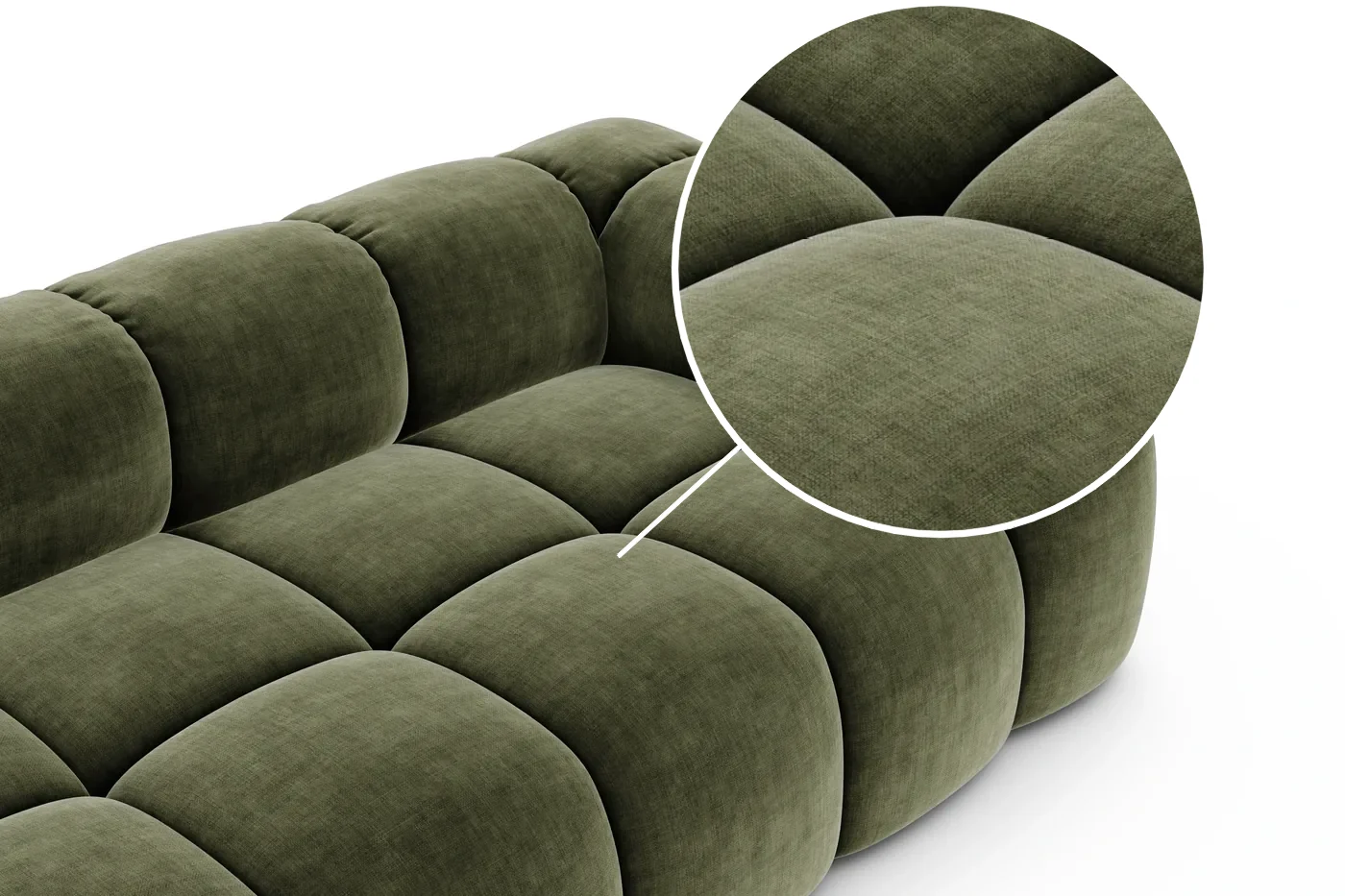
**Nobody knew where “Configure” went.** On a product page, a button that says “Configure” can open a separate 3D tool, or it can scroll to a section further down the same page. The shopper never knows which until they press it, and the two feel completely different. That uncertainty is small and it is on the most important button on the page.
And underneath all four: the tool measured itself, in its own dashboard, disconnected from the store’s analytics. You could see traffic reach the product page. What happened inside the configurator was a separate set of numbers that did not line up with anything else, so nobody could say what the tool was doing to the sale.
None of this was a bug. The software worked exactly as sold. “Ready to go” described the software, and nobody had asked whether the sale was ready.
## The two returns
One of them came back after two years. The tool was live, the catalogue had grown, and sales had not followed. I have written about [what that looked like from their side](https://ar-range.app/blog-posts/why-your-3d-configurator-didnt-increase-sales/), and about the [prerendered variant images and the rebuilt product page](https://ar-range.app/case-studies/mybed/) that replaced it.
The second brand came back after three, and the way it happened is worth a line. I write regularly about why the configurator industry sells what it sells, and I am not gentle about it. Its owner read those posts for three years without reacting to one. Then he wrote. If you are a founder wondering whether to say the uncomfortable thing in public, that is my evidence that the right people are reading.
## What carried over
The fear in every replacement is that the previous investment is lost. Most of it was not.
The 3D models carried over. They were the real asset the brands had paid for, and they became the input to the render pipeline. Two things had to be done to them.

Some needed correcting. They had been optimised for real-time 3D, which means simplified until a phone could draw them sixty times a second, and the simplification had taken details with it: seams, piping, the fold where the fabric meets the frame. At full render quality those details are the picture. The models were rebuilt where the detail was gone.
Some had to be made from nothing. Over the years each brand had introduced new products and had not put them into the configurator, because the return on the tool did not justify the modelling cost. Read that again, because it is the quietest sign that a configurator is failing: the brand stops feeding it. Those products were modelled for the first time during the switch.
The fabrics did not carry over, because there was nothing to carry. In the old tool each fabric was a texture, an image wrapped onto the model, and that was all the tool knew about it. No composition, no rub count, no weight, nothing a shopper could search by or a product page could show. That work was never done, because a ready-made configurator does not need it: it only needs the picture. So building the fabric records, one per fabric with the same fields on every record, was the first job of the switch, and it is [the same job I described yesterday](https://ar-range.app/blog-posts/can-customers-find-a-fabric-by-describing-it/) as the foundation of any fabric search. It should have been done three years earlier. Nothing in the tool had asked for it.
## A note on the showroom
Everything above applies to upholstered furniture sold online. I would change my tune entirely for a showroom.
At Hovden, a showroom brand, we built a real-time configurator a salesperson drives on a screen with the customer beside them, and there it was the right tool. In a showroom the fabric is on the wall, the salesperson does the narrowing, and the real-time engine is drawing on a large screen with a person explaining it. Almost every problem in the four scenes above disappears, because the shopper is never alone with the tool.
So if you sell through showrooms, this is the wrong post for you, and the ready-made tool may be right.
How the online and the showroom tools divide the work for a bed brand is on our [upholstered bed configurator](https://ar-range.app/industries/upholstered-beds/) page.
## The sentence for the third owner
I know someone reading this is about to sign the deal the two brands signed three years ago, for the same reason they did. Here is the one thing I would say across the table.
“Ready to go” describes the software. Ask the vendor to show you what the shopper does on your product page after they press the button, and count how many decisions they are left to make alone. That number is whether the sale is ready, and it is the only number that mattered in the end.
---
_Ar-range replaces configurators for upholstered furniture brands selling online, and keeps the models you already paid for. If you are two years into a tool that has not moved the sales line, we are happy to look at it with you and tell you what would carry over._
On this page
1. Why the ready-made tool looked right
2. What “ready” meant on the product page
3. The two returns
4. What carried over
5. A note on the showroom
6. The sentence for the third owner
Mentioned in this post
[**Modular Configurator** a 3D product configurator](https://ar-range.app/products/modular-configurator/) [**Variant Visuals** Every variant, prerendered](https://ar-range.app/products/variant-visuals/) [**Content Hub** The catalog engine](https://ar-range.app/products/content-hub/)
## Recent blog posts
 Guide
[Replacing](https://ar-range.app/blog-posts/category/replacing/) 21 February 2026
### [Why the simplest software is the best base for a complex configurator](https://ar-range.app/blog-posts/from-simple-to-complex-why-simplest-software-solutions-are-the-best-basis-for-complex-configurators/)
Vendors rent a licensed rendering engine, wrap it in an interface and call it proprietary innovation. Why a cleaner, open foundation outperforms it, and what the ownership paradox really costs.
5 min read

[Replacing](https://ar-range.app/blog-posts/category/replacing/) 26 January 2025
### [3D furniture configurator: what it actually is](https://ar-range.app/blog-posts/3d-furniture-configurator/)
How can businesses implement new technologies to enhance furniture customization, reduce costs, and streamline internal processes? Learn how 3D configurators can bridge the gap between customer demands and operational efficiency.
9 min read

[Replacing](https://ar-range.app/blog-posts/category/replacing/) 29 November 2024
### [The five kinds of product customization, and which one you sell](https://ar-range.app/blog-posts/five-faces-of-product-customization/)
Product customization should enhance the customer experience, not overwhelm it. Offering too many options can complicate decisions and production. Discover ways how to strike the right balance for your bespoke product.
1 min read
## If they can't see it, they won't buy it. Let's show them.
Leave your details and we arrange a free consultation with the people who have spent years helping brands sell customised products. You bring the catalogue and the questions. We bring what has worked, what has not, and what it would take for you.
**1M** variants from one source
**Same day** price changes live in the shop
**No-code** configurators the client runs

================================================================================
Page: Use of augmented reality in furniture e-commerce: where it sells and where nobody taps it | Ar-range
URL: https://ar-range.app/blog-posts/use-of-augmented-reality-in-furniture-e-commerce/
================================================================================
Most furniture shoppers never open AR. Where it still earns its place, and what to build first instead.
# Use of augmented reality in furniture e-commerce: where it sells and where nobody taps it
[**Marcin Stempniewicz** CEO and co-founder, Ar-range](https://ar-range.app/meet-us/marcin/)
5 December 2022
Updated 14 September 2026
9 min read
Part of [Diagnosing](https://ar-range.app/blog-posts/category/diagnosing/): Is my configurator working?
- AR
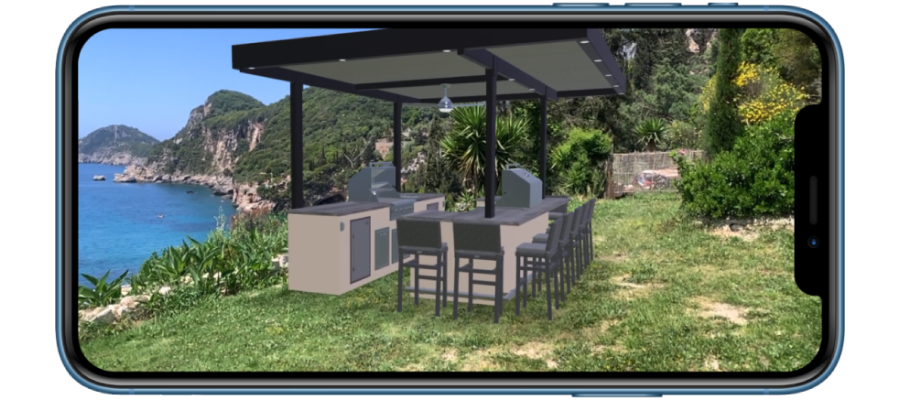
**This page replaces a 2022 version that called AR a must-have tool for the furniture industry. Since then, independent research has measured what furniture shoppers actually do with AR, and our own installs across toys, chairs, sofas and outdoor kitchens showed the same thing.**
**That version was wrong.**
This page is written for brands that make and sell their own furniture. A marketplace or a retailer with returning buyers is a different business, and some of what follows does not apply to it.
## The question AR answers well
AR does one thing better than any photo: it shows how a product sits in the buyer’s actual space. Where the buyer’s real fear is “will it fit”, AR resolves it and helps the sale.
Where the buyer is asking something else, whether the fabric is soft, whether the colour matches the curtains, whether it is good value, AR is a button on the page that nobody presses.
The product decides first. Polish only matters once the product has passed that test.
## Most shoppers never open it
Baymard Institute ran large-scale user tests of “View in Room” on furniture stores in 2024. Sofa and home retailers, web AR, iOS and Android.
87% of shoppers who met the feature did not use it. 79% went straight to the product images. Only 6% went looking for AR on their own. The people who did try it often came away less sure about fit than the photos had left them, and put off the decision.
Their advice to furniture retailers was to deprioritise AR and spend the effort on images with real zoom, scale-reference shots and dimensions on the product. Full findings: [Baymard, Deprioritize “View in Room” AR](https://baymard.com/blog/deprioritize-view-in-room-augmented-reality).
## Our installs said the same
We are not a research lab. We have shipped web AR for furniture brands since 2020, and what follows is what we watched happen, not a study.
On wooden toys, on small chairs and accessories, and on a small furniture range with few options, the AR button sat on the product page month after month and almost nobody opened it. On a sofa brand with fully automated variant images already live, AR was the least-used output of the whole visual system. Every one of those products is judged on look, feel and price. None of them raises the question AR answers.
On outdoor kitchens, large modular islands, it was the opposite. Buyers opened it, and opened it hard.
Low usage is not low value. A feature that 5% of visitors open can be the most valuable thing on the page, if those 5% are about to spend the price of a car on a kitchen island. A feature 30% of visitors open can be worth nothing if it changes no decision. The count that matters is who opens it and what they were about to buy.
## The one that worked had to be turned off
The outdoor kitchen brand sells mostly in showrooms. A customer builds the island with a salesperson, sees it in 3D, and is ready to sign.
Then they see the AR button. They want to go home and check it on their own patio first. A deal that could have closed that afternoon goes home to think about it, and some of those never come back.
We built a showroom version of the configurator with AR removed. Sales moved forward again. The same feature that sells online stalls in the room, because online the buyer is alone and needs the reassurance, and in the room they already have it.
This is our own story, one brand, and we tell it as that. Baymard saw the same shape in testing: AR introducing doubt and delaying the decision. So the question is never “can we add AR”. It is where the button sits in the buyer’s journey. Before the decision, it is an exit. After the decision, it is a confirmation.
## AR also shows their room around your product
A studio shot puts your sofa in a room you chose. AR puts it in a room the customer chose, and most rooms are not studios. They are cramped, half-lit, already full of furniture, and the sofa lands in the middle of it.
A 2023 study in Psychology & Marketing tested exactly this, in two online experiments and a field study with about a thousand participants. Products viewed in AR in a disorganised room were rated lower in quality, and people were less willing to buy them. The messy context made the image harder to process, and that discomfort stuck to the product. [Pfaff and Spann, When reality backfires](https://onlinelibrary.wiley.com/doi/full/10.1002/mar.21874).
This is the part of the showroom story we only understood later. The buyer who went home to check the patio also saw the patio. AR hands the customer control of the context your product is judged in, and the vendor pitch never mentions that you have given it away.
## What AR does to fabric
A photoreal render of bouclé is expensive to make. It needs the strand depth, the way light scatters under the surface, the shadow each loop throws on its neighbour. That is what sells an upholstered sofa online.
AR renders in real time on a phone. It carries the colour and the roughness of the fabric well enough. What it cannot do at that speed is the strand geometry and the light scattering under the surface, so however many hours went into the render, the sofa in your living room shows a smooth mapped cloth. Every angle shows the same cloth.
Baymard saw the buyer’s side of this in testing: participants noticed the fabric in AR did not match the product photos, and trusted the AR less for it. For fabric-led furniture, route the material question to a close-up render or a zoomable 360, and keep AR for the question of size.
## The numbers you will be shown
Every AR vendor’s site carries a conversion figure. Ninety-four percent higher conversion. Two hundred percent uplift. The 2022 version of this page quoted one of them. We took it out.
The trick is the denominator. Those figures count what happened among the people who opened AR, and only interested buyers open an opt-in feature. Measured on an already keen group, any number looks enormous. It says nothing about the visitors who never tapped, and nothing about sales lift on the page as a whole.
When a figure lands, translate it back into plain words: out of everyone who reached the product page, how many paid? If the claimed rate is impossible at that level, it is engagement wearing a conversion label.
The same rule applies to us. We are not going to hand you our tap counts as if they were a study, and we do not publish a return-rate figure for AR, because we have not measured one we would stand behind. The numbers on this page come from a user-research institute and a peer-reviewed journal. Neither sells AR.
## App or browser
Web AR opens from the product page in one tap. An app means the app store, a download, a new interface to learn, all paid by a customer who came to buy a sofa once.
For a single brand, an app only makes sense as a habit builder. Its whole economics rest on the customer coming back: each return visit reuses the install, the friction falls toward zero, and over time opening the app becomes the reflex. Nir Eyal’s _Hooked_ lays out that loop in detail, trigger to action to reward to investment, for anyone who wants the full model.
Buying a sofa from one brand is not a habit. Nobody opens a single manufacturer’s app on a Tuesday to see what is new. The customer buys one bed, uses the tool once, and the entire install cost lands on that single session. Most people faced with that choice simply close the tab.
A marketplace with returning buyers can build the habit and amortise the app. A manufacturer whose customer comes back every ten years cannot. For the brands we work with, web AR is the only version worth building.
## The asset is the 3D model, and AR is one export from it
This is the part of the old page that was right, and it deserved to be the whole article.
Once you have a 3D model of a product, AR is a cheap export. So are the variant images for every fabric, the close-ups, the 360 spin, the dimension drawing, the configurator scene and the swatch on the sample card. One model library feeds all of them.
Brands that buy AR first pay for the model and use it once. Brands that build the model library first get every visual format from it, and switch AR on for the handful of products where the fit question is real.
That is how we build it now. The catalogue and its models sit in one place, [Content Hub](https://ar-range.app/products/content-hub/), and every product, fabric and dimension is a record there. [Variant Visuals](https://ar-range.app/products/variant-visuals/) renders the images for every variant from those records, and the [Modular Configurator](https://ar-range.app/products/modular-configurator/) reads the same models live. AR is a flag on the products that earn it, exported from the model you already paid for.
## Four questions before you buy AR
1. **Is the buyer afraid it will not fit?** A big footprint, a fixed alcove, a patio. If yes, AR can pay. If the product is judged on look, feel or price, expect the Baymard numbers: most visitors never tap it.
2. **Where does the button sit?** After the buyer has decided, it confirms. Before, it gives them a reason to leave. Showroom and online journeys need different answers.
3. **Is the material the decision?** If yes, AR will show it worse than a close-up does. Show the fabric somewhere else.
4. **What does the customer’s room do to the product?** If your buyer’s home is likely to be cramped or cluttered, AR will show your product in it. A curated room shot may sell it better than their own living room does.
If you already have 3D models, you are most of the way there. If you do not, start with the models, because everything on the product page comes from them, and AR is the least of it.
## Match the tool to the question
Every tool on a product page answers one uncertainty. Pick by the question the buyer is actually asking, and most of the time the answer is a good image.
| What the buyer is asking | The tool that answers it |
| --- | --- |
| “Will it fit my patio?” | AR, true to scale, in their space. |
| “Will this sofa work in my room?” | A curated room shot first. AR only if the doubt is size, because their own room can make the sofa look worse. |
| “What does the bouclé actually look like?” | A photoreal close-up with real zoom. Never AR. |
| “Which configuration do I want?” | A configurator that shows the exact build and its price. |
| “What is the difference between these two fabrics?” | Variant images on the same shot, plus a swatch they can order. |
| “How big is it?” | Dimensions on the image of the exact variant. AR to confirm, after they have decided. |
| “Can I see it in every option?” | Variant visuals rendered from one 3D model, every fabric and size covered. |
AR wins one row and a half. Images win the rest. That is the ratio to budget by.
## FAQ
**Does augmented reality increase conversion in furniture e-commerce?** For large products where the buyer’s real fear is fit, it can. For small and look-and-feel products, Baymard’s 2024 tests found 87% of furniture shoppers skip the feature, and our own installs went almost untouched. Vendor conversion figures usually count engagement among people who opened AR, and that is a different number.
**Does AR reduce returns for furniture?** We have no measured figure we would publish. The effect we can point to sits earlier: a buyer who cannot confirm size often stops before ordering at all.
**Can AR make customers less likely to buy?** Yes. A 2023 study in Psychology & Marketing found that products viewed in AR in a disorganised room were rated lower in quality and bought less. AR shows the customer’s room around your product, and you do not control that room.
**Should a furniture brand build an AR app?** Only with returning customers to spread the install cost over. A one-off buyer uses the browser version or nothing.
**Which furniture products are worth AR?** Outdoor kitchens, large modular sofas, wardrobes, anything with a big footprint that has to fit a specific space. Chairs, toys, cushions and accessories are the products where it went unused.
**Is there independent research on AR in furniture e-commerce?** Yes. Baymard Institute’s 2024 user tests on furniture retailers found 87% of shoppers did not use “View in Room” when offered, and recommended prioritising zoomable images, scale references and dimensions over AR.
**Do I need AR if I already have a 3D configurator?** Only for the products that pass the fit question. The configurator already holds the model, so adding AR to those products is a flag, and leaving it off the rest costs nothing.
On this page
1. The question AR answers well
2. Most shoppers never open it
3. Our installs said the same
4. The one that worked had to be turned off
5. AR also shows their room around your product
6. What AR does to fabric
7. The numbers you will be shown
8. App or browser
9. The asset is the 3D model, and AR is one export from it
10. Four questions before you buy AR
11. Match the tool to the question
12. FAQ
Mentioned in this post
[**Content Hub** The catalog engine](https://ar-range.app/products/content-hub/) [**Variant Visuals** Every variant, prerendered](https://ar-range.app/products/variant-visuals/) [**Modular Configurator** a 3D product configurator](https://ar-range.app/products/modular-configurator/)
## Recent blog posts

[Diagnosing](https://ar-range.app/blog-posts/category/diagnosing/) 15 September 2026
### [You bought a 3D configurator. Your sales went down. Here's what actually happened.](https://ar-range.app/blog-posts/why-your-3d-configurator-didnt-increase-sales/)
A 3D configurator went live, looked good, and sales didn't move. Usually for three reasons: an unreliable button, a renderer that cannot show the fabric, and five hundred choices with no guidance. What we saw at MyBed, and what we built instead.
8 min read

[Diagnosing](https://ar-range.app/blog-posts/category/diagnosing/) 12 September 2026
### [Does previewing a product in 3D actually reduce returns?](https://ar-range.app/blog-posts/does-3d-preview-actually-reduce-returns/)
"3D preview reduces returns" is on almost every configurator vendor's homepage and behind almost none of their case studies. Here is what the claim would take to prove, and the cost we can actually point to instead.
6 min read

[Diagnosing](https://ar-range.app/blog-posts/category/diagnosing/) 8 September 2026
### [From dimensions only your upholsterer knows to dimensions on every variant](https://ar-range.app/blog-posts/dimensions-on-every-variant/)
Every brand already has the numbers. Almost none can put the right number on the right variant at the moment a buyer is deciding. The fix is a change of where the measurement lives, not a bigger drawing effort.
7 min read
## If they can't see it, they won't buy it. Let's show them.
Leave your details and we arrange a free consultation with the people who have spent years helping brands sell customised products. You bring the catalogue and the questions. We bring what has worked, what has not, and what it would take for you.
**1M** variants from one source
**Same day** price changes live in the shop
**No-code** configurators the client runs

================================================================================
Page: What Is a home theater configurator - and how can it improve your sales? | Ar-range
URL: https://ar-range.app/blog-posts/what-is-a-home-theater-configurator---and-how-can-it-improve-your-sales/
================================================================================
Advanced product cutomization in the home theatre esating industry
# What Is a home theater configurator - and how can it improve your sales?
4 August 2025
6 min read
- Configurator
- AR
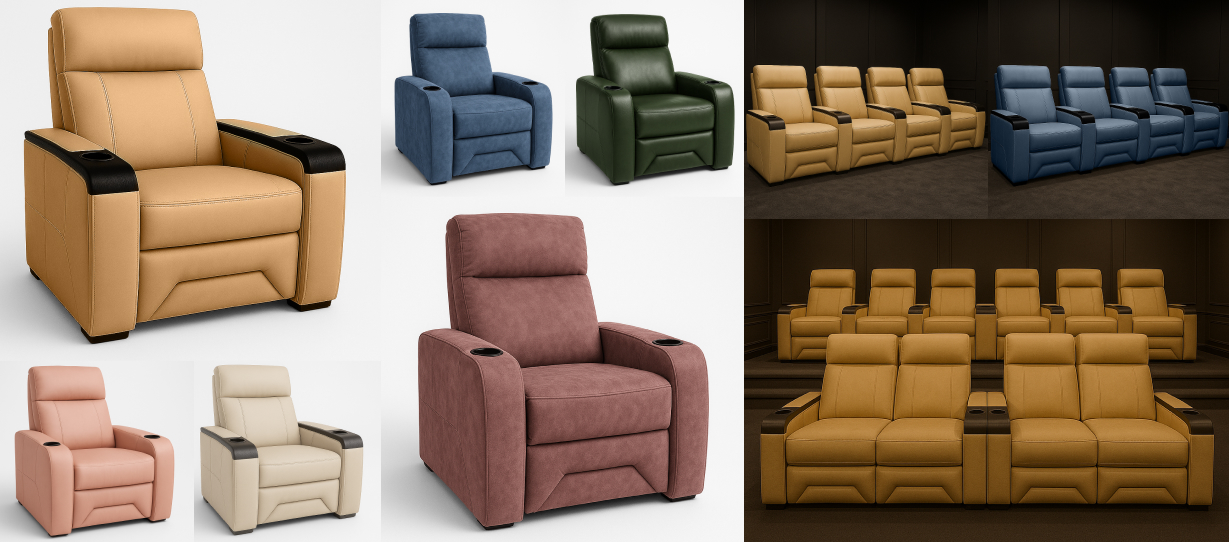
## Why this matters more than ever
You’re dealing with a product that’s:
- **Complex** (recliner modules, accessories, materials, electronics),
- **Custom** (every spec matters),
- **Expensive** (buyers demand perfection),
- And **often sold through third parties** (designers, dealers, showrooms).
A configurator puts _control_, _clarity_, and _speed_ in your sales funnel - so you stop depending on reps and start letting your product sell itself.
Imagine your designer-partner opening a configurator, building a curved 5-seat layout in 2 minutes, selecting dark burgundy Italian leather, adding motorized recline and USB charging - and getting the full quote and specs instantly, ready to share with their client.
Now imagine that same layout flowing straight into your ERP. That’s not a wishlist - it’s a solutions that is well within your grasp. Elite HTS is a prime example of how brands can leverage technology to turn advanced customization into a competitive advantage - transforming complexity into clarity and making the personalization process a powerful sales tool.
## 1. You’re not just selling chairs - You’re selling custom experience
Home theater seats aren’t a single SKU. They’re a matrix:
- Number of seats
- Configuration (straight, curved, tiered)
- Upholstery and finish
- Arm types, accessories (refrigerated cupholders, massage, reading lights)
- Logo embroidery, piping, stitching color
Even the most seasoned salesperson can’t quote all of that on the fly. A configurator **does it in real time**, ensuring:
- No invalid combinations
- Every selection affects price live
- A full BOM (Bill of Materials) is generated instantly
That means **designers don’t need to wait**, and **your sales team doesn’t need to micromanage** every spec sheet.
## 2. Faster quotes. Fewer mistakes. No more email ping-pong.
Quoting by email is slow, error-prone, and draining for your team. Just face it: the more options you offer, the more time quoting takes. And with every revision comes another opportunity for miscommunication. With a configurator:
- Quotes are built live as the user configures
- Customers see the pricing impact of each option
- Specs are precise from the first click
- BOMs are automatically correct - no manual cleanup
**Result?** Sales cycles shrink from weeks to minutes. [Elite HTS](https://www.elitehts.com/build-your-theater-chair) example shows how even highly customized layouts can be finalized quickly and visually - with confidence on both sides.
## 3. Empower designers to close without calling you
Designers are your channel. But you can’t expect them to memorize your product logic or explain add-on pricing from memory. A configurator becomes **their sales assistant**:
- Visual previews for every finish and accessory
- Smart layout rules (no floating armrests or unsupported modules)
- Instant pricing transparency
This doesn’t just speed up sales - it builds trust and makes your brand _easier to recommend_. And when connected to your CRM, you get lead data _before_ the project ever reaches your inbox.
## 4. Your Showrooms Deserve Better Than Binders
Your seating is premium. So why are reps flipping through sample binders and fabric swatches like it’s 2009
Equip your dealers and partners with showroom-ready configurators:
- Touchscreen-enabled
- Preloaded with your SKUs, pricing, and logic
- Quote-ready in under 5 minutes
Clients can sit in the model, and your rep can instantly configure _that exact layout_ in their chosen materials - on the spot. No more “We’ll email something next week.” The deal starts - and finishes - in the showroom.
## 5. From Visualization to production - one seamless flow
This is where most brands stop short. They visualize, but don’t operationalize. A proper configurator goes beyond visuals. It connects directly to:
- **ERP systems** for SKUs, pricing tiers, and stock levels
- **Nesting algorithms** to optimize leather/fabric usage
- **Manufacturing specs** (cut lists, dimensions, wiring plans)
That means:
- You stop over-ordering materials
- You improve yield per hide/roll
- Your production team stops guessing
Every configuration is **buildable by design**, not “estimated in Excel.”
## 6. Build loyalty through speed and transparency
Buyers of high-end theater seating expect a luxury _process_, not just a luxury product.
A configurator helps you:
- Deliver personalized layouts and prices instantly
- Show exactly what the final chair (or full room) will look like
- Set clear expectations on delivery time, cost, and options
No surprises. No backtracking. Just frictionless confidence - for both the buyer and the partner.
## What Tools Will Actually Move the Needle
If you’re serious about transforming how your HTS brand sells - both online and in showrooms - there are a few specific solutions that deliver real, measurable impact:
### 3D Configurator
At the core, a **3D configurator** lets buyers (and designers) build complex seat layouts in real time - with all options visualized instantly. No more guessing what a 4-seat curved row with walnut arms and burgundy suede will look like. You show it, live.
### Automated Quote Generation
As the customer builds, the system calculates pricing dynamically. Each selection updates the total, factoring in leather type, features, layout complexity, and even dealer margins. No more manual quotes. No more back-and-forth.
### AR Preview
With **Augmented Reality**, your client or designer can drop the final configuration into their theater room using their phone or tablet. That means faster decision-making and fewer second-guessing cycles.
### AI Customization Assistant
Guide buyers through the process with an AI that recommends layouts, materials, or popular bundles based on use case (e.g. “build a 3-seat recliner for a narrow room”). This helps eliminate decision fatigue and improves engagement across touchpoints.
AI Cusotmization assistant for recliners
### [Struggling with Visual Consistency We’ve Solved That.](https://ar-range.app/products/variant-visuals/)
Many premium brands fail at one simple thing: _visual consistency_. Their site shows one model in photoreal quality… and five others in grainy mockups or outdated shots. It kills trust. It creates confusion.
With Ar-range’s configurator, you don’t need to manually render every product combo. We generate visuals automatically - for **every valid configuration** - in consistent lighting, angle, and fidelity. That means:
- Every product variant looks premium
- Designers can show options confidently
- Your site and print materials stay visually unified- without a 3-week render queue
## Final word: If your product is complex, your buying experience can’t be
You sell craftsmanship. You obsess over detail. But if your sales process is still manual, slow, and vague - you’re creating friction where you should be building excitement. A home theater configurator doesn’t just “show options.” It sells. It quotes. It connects your entire ecosystem - from the website to the showroom to the workshop.
- More designer buy-in
- More self-qualified leads
- More closed deals - faster
- More clarity across production, logistics, and sales
If you’re serious about modernizing your sales without compromising your product integrity, the next step is choosing the right partner. And not every vendor will understand the complexity of HTS.
**Ar-range does.** We’ve helped premium brands like Elite HTS simplify their high-end customization workflows without sacrificing quality, storytelling, or operational logic. Don’t just take our word for it - our results are backed by **verified reviews from industry leaders** on [Clutch](https://clutch.co/go-to-review/7dcff073-cba9-4fe5-8a8c-6c72c3b849f6/277370).
From dynamic 3D layout builders to real-time quoting engines, from AR previews to ERP-ready outputs - we bring proven solutions backed by experience, and trusted by industry leaders who know what it means to sell a premium product in a demanding market.
**Customization at this level isn’t plug-and-play.** But with the right partner, it _can_ be frictionless.
If you’re ready to turn your HTS configurator into your most powerful salesperson - we’re ready to help.
On this page
1. Why this matters more than ever
2. 1. You’re not just selling chairs - You’re selling custom experience
3. 2. Faster quotes. Fewer mistakes. No more email ping-pong.
4. 3. Empower designers to close without calling you
5. 4. Your Showrooms Deserve Better Than Binders
6. 5. From Visualization to production - one seamless flow
7. 6. Build loyalty through speed and transparency
8. What Tools Will Actually Move the Needle
9. Final word: If your product is complex, your buying experience can’t be
## Recent blog posts

31 October 2025
### [What is Augmented Reality and when NOT to use it?](https://ar-range.app/blog-posts/what-is-augmented-reality/)
Discover how Augmented Reality (AR) transforms e-commerce by enhancing product visualization, especially in furniture retail. Learn about the strategic use of AR to solve buying challenges related to space and scale, and how integrating AR with 3D configurators can drive customer engagement and sales. The article explains the importance of unified systems, avoids common AR pitfalls, and provides actionable insights for deploying AR effectively in your online business.
5 min read

[Costs](https://ar-range.app/blog-posts/category/costs/) 6 October 2025
### [How much does a product configurator cost?](https://ar-range.app/blog-posts/how-much-does-a-product-configurator-cost-in-2026/)
If your business needs a product configurator in 2026, how much should you actually budget? What are the critical factors, from product complexity to AR visualization and system integration, that will affect your price? How does utilizing automation revolutionize the cost structure, making sophisticated 3D and AR experiences accessible while ensuring a definitive return on investment by reducing returns and shortening?
2 min read

[Configurators](https://ar-range.app/blog-posts/category/configurators/) 29 August 2025
### [Selling modular sofas with a 3D sofa configurator](https://ar-range.app/blog-posts/selling-modular-sofas-with-3d-sofa-configurators/)
How do presets vs. blank-slate tools impact conversions? What ROI can you expect in 2025 from AR, CPQ, and cloud renders? This guide answers the tough questions every sofa brand faces when moving from fabric binders to 3D configuration.
8 min read
## If they can't see it, they won't buy it. Let's show them.
Leave your details and we arrange a free consultation with the people who have spent years helping brands sell customised products. You bring the catalogue and the questions. We bring what has worked, what has not, and what it would take for you.
**1M** variants from one source
**Same day** price changes live in the shop
**No-code** configurators the client runs

================================================================================
Page: What is a parametric configurator? | Ar-range
URL: https://ar-range.app/blog-posts/what-is-a-parametric-configurator/
================================================================================
Why it's not just a design tool, but the brain behind modern furniture sales and manufacturing
# What is a parametric configurator?
[**Łukasz Krakowiak** Head of European Sales, Ar-range](https://ar-range.app/meet-us/lukasz/)
30 October 2025
5 min read
Part of [Configurators](https://ar-range.app/blog-posts/category/configurators/): What kinds are there, and which fits how you sell?

## Introduction to the Parametric Configurator
If you’ve ever used an online tool that lets you tweak a sofa’s dimensions, swap fabrics, or instantly see how much your dream layout costs, you’ve already met a **parametric configurator** – even if you didn’t know its name. It’s a customer-friendly CAD design tool and, behind the scenes, a highly advanced **product pricing calculator**.
Think of it like a car’s dashboard. On the surface, you’re simply adjusting sliders, colors, or features. Under the hood, the engine calculates how each change affects geometry, materials, and cost. Every decision you make updates connected data instantly while keeping it all manufacturable. In the furniture world, this kind of system doesn’t just impress customers – it keeps factories running smoothly and effectively bridges design, pricing, and production.
Unlike a static online catalog, a **parametric configurator** reacts in real time. It knows the rules of what can and cannot be built, applies live pricing logic, and prepares complete technical data for manufacturing. When it’s integrated with an ERP system, it connects online sales directly with production lines.
You can also check out [what Parametric Design](https://ar-range.app/blog-posts/what-is-parametric-design/) actually is in the first place
## The Role of Parametric Configurators in Modern Retail
The modern furniture sale rarely happens in one place. Customers drift between online visualization, showrooms, and mobile browsing. A **furniture configurator** acts as the glue between these worlds. When connected properly, what the customer builds on their phone can show up on a tablet in your store. This continuity transforms interest into action, keeping **furniture leads** warm throughout their entire journey.
Yet, many brands struggle with this. They treat their online configurator as an isolated brochure instead of something that can feed live data into ERP and showroom systems. That’s when things usually go wrong. Without proper **ERP integration**, the flow of pricing, stock, and manufacturing data gets interrupted – and the customer ends up waiting for quotes that should have been instant.
I’ve seen retailers fix this simply by connecting their configurator to their backend. Suddenly the time from idea to confirmed order drops from days to hours. Look at our 3D Configurator for Shelving System case study for a working example. It shows how a single digital tool can bridge complex data across e-commerce, showroom tablets, and ERP systems.
## Impact on Customer Decision-Making and Engagement
In an online environment, people buy with their eyes and confidence. That’s why a **parametric configurator** is really a confidence machine – combining automated 3D rendering with rule-based guidance that subtly helps the customer stay within feasible and affordable boundaries. What they see is a beautifully rendered sofa; what’s happening under the surface is precise geometry and bill of materials logic ensuring manufacturability.
We’ve seen brands achieve up to 20% higher conversion rates when using configurators with built-in **product pricing calculator** logic. Why Because customers aren’t stalled by uncertainty. They can instantly see both what’s possible and what it costs.
This transparency builds trust. And trust, in sales, equals action. Customers provide better quality **furniture leads**, retailers capture more accurate orders, and production teams avoid miscommunication.
If you design your configurator well, it effectively becomes a smart assistant for both users and sales reps – a shared visualization workspace rather than a cold checkout form.
## Technological Backbone and Integration Strategies
Every great **parametric configurator** sits on a simple yet powerful foundation: parameters, rules, and connections. Just like in architecture, where dynamic designs adjust to constraints (as explained in [An Introduction to Parametric Design in Architecture - Vectorworks](https://www.vectorworks.net/en-US/newsroom/parametric-design-architecture)), furniture configurators use flexible data structures to modify parts and materials in real time.
Underneath it all, there’s a rule-based engine ensuring no one designs an impossible piece. A **product pricing calculator** service translates those design changes into live cost updates. Then the system pushes data into **ERP integration** points - updating material requirements, sending specifications to CAM systems, and syncing with online shops.
This connected network makes your configurator not just a sales tool, but an automation hub. It’s your bridge between e-commerce pages and CNC machines, between customer creativity and factory precision. In our own Parametric Configuration Engine, we’ve built exactly this chain, where every front-end click echoes through manufacturing and back again.
And when you add AR into the mix, clarity leaps even higher. With tools like our Augmented Reality Viewer, customers can place their configured product in their real space. It’s a simple step that massively increases confidence and reduces returns.
## Practical Applications and Successful Integration
The best implementations start small but think big. Rather than trying to digitize your entire catalog overnight, focus on one configurable product line. Map the customer journey from inspiration to order. Identify what data already exists in your ERP and where manual steps slow things down.
From there, deploy the configurator as the link that fills those gaps. Real success shows in measurable KPIs:
- Shorter quote response times (minutes instead of hours)
- Higher accuracy of orders (near 100% alignment between online specs and workshop results)
- Higher AOV (average order value) because customers explore premium combinations
- Lower return rates, thanks to visual and technical clarity
Good implementations usually follow a framework similar to our Personalization Strategy for Furniture Brands, balancing complexity and guidance to avoid decision fatigue. It’s all about giving freedom with direction.
These strategies not only make buyers happier - they make teams more efficient. Sales reps stop retyping specs, production gets automatic BOMs, and managers finally see sales and factory data living in the same digital flow.
## Conclusion: Overcoming Challenges and Realizing Full Potential
Building a powerful **furniture configurator** isn’t easy. The biggest mistake I see is treating it as a shiny add-on instead of an operational backbone. When the configurator isn’t anchored to the ERP, e-commerce, and manufacturing systems, automation potential is lost.
But when well integrated, a **parametric configurator** becomes more than software - it’s the mind of your entire customization process. It unites customer excitement with production logic and turns digital experiences into deliverable products.
So ask yourself: Are your current tools helping customers dream realistically and order confidently, or are they just digital brochures The difference between the two often defines whether a brand scales personalization profitably or struggles to keep up.
On this page
1. Introduction to the Parametric Configurator
2. The Role of Parametric Configurators in Modern Retail
3. Impact on Customer Decision-Making and Engagement
4. Technological Backbone and Integration Strategies
5. Practical Applications and Successful Integration
6. Conclusion: Overcoming Challenges and Realizing Full Potential
## Recent blog posts

[Configurators](https://ar-range.app/blog-posts/category/configurators/) 8 September 2025
### [What is parametric design?](https://ar-range.app/blog-posts/what-is-parametric-design/)
This article answers the big questions: How does parametric design work, why is it different from traditional modeling, and what does it mean for industries like furniture, fashion, and urban planning? You’ll learn its principles, the tools behind it, and how brands use configurators to turn complex, customizable products into seamless customer experiences.
5 min read

[Configurators](https://ar-range.app/blog-posts/category/configurators/) 29 August 2025
### [Selling modular sofas with a 3D sofa configurator](https://ar-range.app/blog-posts/selling-modular-sofas-with-3d-sofa-configurators/)
How do presets vs. blank-slate tools impact conversions? What ROI can you expect in 2025 from AR, CPQ, and cloud renders? This guide answers the tough questions every sofa brand faces when moving from fabric binders to 3D configuration.
8 min read

[Configurators](https://ar-range.app/blog-posts/category/configurators/) 7 August 2025
### [Parametric configurator explained: faster quotes, fewer errors](https://ar-range.app/blog-posts/parametric-configurator-explained-faster-quotes-smarter-sales-fewer-errors/)
Discover what a parametric configurator is, how it works, and why it’s changing the way custom products are sold. See how it turns complex, customizable furniture into a seamless buyer experience - with real-time visuals, instant pricing, and logic your production team can trust.
8 min read
## If they can't see it, they won't buy it. Let's show them.
Leave your details and we arrange a free consultation with the people who have spent years helping brands sell customised products. You bring the catalogue and the questions. We bring what has worked, what has not, and what it would take for you.
**1M** variants from one source
**Same day** price changes live in the shop
**No-code** configurators the client runs

================================================================================
Page: What is a product configurator? How it works, the types, and examples | Ar-range
URL: https://ar-range.app/blog-posts/what-is-a-product-configurator-how-it-works-types-examples-benefits/
================================================================================
The tool that turns endless email back-and-forth into a customer choosing, seeing and ordering
# What is a product configurator? How it works, the types, and examples
[**Łukasz Krakowiak** Head of European Sales, Ar-range](https://ar-range.app/meet-us/lukasz/)
18 October 2023
Updated 13 September 2026
4 min read
Part of [Configurators](https://ar-range.app/blog-posts/category/configurators/): What kinds are there, and which fits how you sell?
- Configurator

## The question that comes up at every trade fair
At a furniture fair in Poland, a colleague asked the owner of a hardwood furniture company whether they had a configurator. He looked puzzled. “What’s that?”
That is a fair question, and this post answers it plainly: what a product configurator is, how it works, the kinds that exist, and where to see one in action.
## What is a product configurator
A product configurator is a tool that lets a buyer build their own version of a product and see it before they order. It has three parts working together:
1. **A visual layer.** A 3D model or a set of pre-rendered images that updates as the buyer changes an option.
2. **Rules.** What combinations are actually valid, so a buyer cannot pick an oak top with a base that does not come in oak.
3. **Pricing and order.** The choices feed a price and, when it is wired up, a real order that reaches production.
A configurator is not a gallery. It does not replace a salesperson’s judgement, it gives the buyer a way to explore options on their own before that conversation happens, and it gives the salesperson a tool to build the same configuration together in the showroom.
## How a product configurator works
1. **The buyer picks a base product.** A sofa, a bed, a cabinet system.
2. **The configurator presents the options.** Size, upholstery, wood finish, leg style, whatever the catalogue actually offers.
3. **The visual updates as they choose.** Each selection changes what they see, in real time.
4. **Price and availability update with it.** The buyer always knows what the current configuration costs.
5. **They order or save it.** Straight into a cart, or handed to a salesperson to finish in the showroom.
## The types of product configurator
The first choice is not 3D versus something else. It is where the sale happens and who is holding the mouse.
- **Online configurators** run unattended on a product page. The buyer explores alone, at their own pace, usually before they have decided to buy.
- **Showroom configurators** are built by a salesperson with the customer standing next to them, often on a screen embedded in the counter or the till. The salesperson drives, the customer decides.
- **Dealer configurators** quote for a reseller network rather than an end customer, with pricing rules the dealer never sees adjusted underneath.
Within any of those, the way the product is drawn varies:
- **Real-time 3D** renders the model live in the browser as options change. Best where the number of possible combinations is too large to pre-render.
- **Pre-rendered variants** show a photorealistic image for each valid combination, generated in advance. Faster to load, and the right choice when the combination count is large but finite.
- **Parametric configurators** let dimensions themselves change, not just finish, which matters for made-to-measure furniture. See our [explainer on parametric configurators](https://ar-range.app/blog-posts/parametric-configurator-explained-faster-quotes-smarter-sales-fewer-errors/) for how that differs from picking from a fixed list.
- **Modular configurators** let a buyer combine pre-designed modules, such as picking the size, material and finish of each shelf in a shelving system separately.
## Examples from furniture brands
[Paradise Grills](https://ar-range.app/case-studies/paradise-grills/) runs a showroom configurator for custom outdoor kitchen islands: the salesperson builds the island with the customer on an iPad, and what used to take thirty minutes on paper now takes five.
Bathroom brand BLU runs an online modular configurator that walks a buyer through a bathroom set: countertop type and width, sink, cabinet height, then any arrangement of modular cabinets, colours and handles, with a running total as they go.
## What it changes for the business
MyBed.pl rendered every fabric finish across their bed catalogue and built a configurator for each of 120 bed models. Together with the visuals, that lifted online store conversion by around 15%. Paradise Grills cut the time to close a custom order from around thirty minutes of paper forms to about five minutes on the salesperson’s tablet.
## When you do not need one
Not every catalogue benefits. A configurator earns its cost when the product follows a repeatable structure with genuinely different options, and when the sales conversation involves real back-and-forth over combinations and price. It earns nothing when every piece is a true one-off with no reusable base, or when the range is small enough that a handful of photos already answers every question a buyer has. If you are not sure which side you are on, [we cover the checks to run first](https://ar-range.app/blog-posts/when-a-furniture-product-configurator-helps-and-when-it-doesnt/).
## What it costs, and what it takes to set up
Cost depends on how many models, fabrics and views you need covered, not on the configurator software itself. [We break down the arithmetic in Costs](https://ar-range.app/blog-posts/category/costs/). Getting one live depends more on what you already have ready: 3D models, fabric samples, product data. [See what implementation actually takes](https://ar-range.app/blog-posts/category/implementing/).
On this page
1. The question that comes up at every trade fair
2. What is a product configurator
3. How a product configurator works
4. The types of product configurator
5. Examples from furniture brands
6. What it changes for the business
7. When you do not need one
8. What it costs, and what it takes to set up
Mentioned in this post
[**Modular Configurator** a 3D product configurator](https://ar-range.app/products/modular-configurator/) [**Variant Visuals** Every variant, prerendered](https://ar-range.app/products/variant-visuals/)
## Recent blog posts

[Configurators](https://ar-range.app/blog-posts/category/configurators/) 8 September 2025
### [What is parametric design?](https://ar-range.app/blog-posts/what-is-parametric-design/)
This article answers the big questions: How does parametric design work, why is it different from traditional modeling, and what does it mean for industries like furniture, fashion, and urban planning? You’ll learn its principles, the tools behind it, and how brands use configurators to turn complex, customizable products into seamless customer experiences.
5 min read

[Configurators](https://ar-range.app/blog-posts/category/configurators/) 29 August 2025
### [Selling modular sofas with a 3D sofa configurator](https://ar-range.app/blog-posts/selling-modular-sofas-with-3d-sofa-configurators/)
How do presets vs. blank-slate tools impact conversions? What ROI can you expect in 2025 from AR, CPQ, and cloud renders? This guide answers the tough questions every sofa brand faces when moving from fabric binders to 3D configuration.
8 min read

[Configurators](https://ar-range.app/blog-posts/category/configurators/) 7 August 2025
### [Parametric configurator explained: faster quotes, fewer errors](https://ar-range.app/blog-posts/parametric-configurator-explained-faster-quotes-smarter-sales-fewer-errors/)
Discover what a parametric configurator is, how it works, and why it’s changing the way custom products are sold. See how it turns complex, customizable furniture into a seamless buyer experience - with real-time visuals, instant pricing, and logic your production team can trust.
8 min read
## If they can't see it, they won't buy it. Let's show them.
Leave your details and we arrange a free consultation with the people who have spent years helping brands sell customised products. You bring the catalogue and the questions. We bring what has worked, what has not, and what it would take for you.
**1M** variants from one source
**Same day** price changes live in the shop
**No-code** configurators the client runs

================================================================================
Page: What is Augmented Reality and when NOT to use it? | Ar-range
URL: https://ar-range.app/blog-posts/what-is-augmented-reality/
================================================================================
Why the true value of AR lies in how it’s used, not just in showing products
# What is Augmented Reality and when NOT to use it?
[**Łukasz Krakowiak** Head of European Sales, Ar-range](https://ar-range.app/meet-us/lukasz/)
31 October 2025
5 min read
- Configurator
- AR

## Understanding Augmented Reality in E-Commerce
Augmented Reality, or AR, is the technology that overlays digital objects onto the real world through a smartphone, tablet, or headset. In simple terms, it’s like taking a piece of your online store and placing it right on your living room floor. You can move around it, see it to scale, and imagine how it fits into your space. In e-commerce, this tool has changed how people shop, especially for products that depend on seeing size and shape in context.
But here’s the truth I’ve learned after years in this industry: showing a product in AR is not a value on its own. The magic happens only when you use AR strategically - to solve a real buying problem. If a single photo or a spinning 3D model answers the customer’s question, there’s no point adding AR just for the sake of novelty.
The real advantage comes when AR helps buyers visualize scale, space, or unique shapes that are impossible to understand from a flat image. That’s when AR turns from a gimmick into a decision-making tool.
## The Challenges of Using AR in Furniture Retail
Many furniture brands rushed into AR in the early 2020s, thinking it would instantly lift their sales. They created AR views for everything, from chairs to cushions, expecting customers to buy faster. But the data - and the reality - proved it doesn’t work like that.
I’ve seen companies launch AR for fabric-focused furniture, expecting miracles. But fabric intricacies, light play, or texture are better shown through [high-quality automated visuals](https://ar-range.app/products/variant-visuals/) or digital material libraries, not through AR. Where AR shines is with products that depend on understanding **shape and scale**.
Think about modular sofas, large bookcases, or outdoor kitchens. These are hard to imagine based on photos alone. AR shows you how your space will actually look and feel when occupied by that product.
A great example of smart use is the Paradise Grills AR integration for configurator. Customers there can build their dream outdoor kitchen and then preview it **1:1** in their own backyard. This is AR at its best - used to confirm scale, fit, and overall layout before a big purchase.
So, next time you think of launching AR, ask yourself one question: “What does this help the customer decide?” If the answer isn’t clear, AR will only add friction, not value.
## The Role of Unified Systems with AR
The smartest retailers I work with don’t think of AR as a standalone toy. They see it as part of a **unified ecosystem** that includes configurators, sales tools, and e-commerce platforms. When AR integrates with your 3D configurator, it becomes part of a seamless buying flow instead of a disconnected experience.
At Ar-range, we embed features like AR directly inside our parametric and modular configurators. This lets users configure, visualize, and then project their customized product into their room, all within one system. That’s how you bridge the online-offline gap effectively.
Our own Augmented Reality Viewer was designed with this philosophy in mind. Customers shouldn’t have to download a separate app or go through complex steps just to see furniture in their space. The process should feel natural, part of a single journey from inspiration to purchase.
Unified systems also mean that your visuals, AR models, pricing, and configurations come from the same source. No inconsistencies, no broken data flows. That’s what keeps the buying experience trustworthy.
## Harnessing AR for Better Customer Engagement and Sales
When done right, **AR e-commerce** drives measurable results. Studies and market data confirm that in some cases, AR is reported to [boost conversion rates by up to 189%](https://www.singlegrain.com/digital-marketing/ar-experiences-that-boosted-conversion-rates-by-189/). But when you take a look at the case studies present under the link provided, you’ll notice that each of them was backed by a specific marketing strategy.
Here are some practical ways brands use AR to improve the customer journey:
- **Better visualization of complex products.** Buyers can see large or modular pieces in their actual space before ordering.
- **Higher engagement rates.** Customers spend more time interacting with products that let them imagine ownership.
- **Reduced returns.** When customers see real proportions and configurations, the chance of post-sale disappointment drops.
- **Greater confidence in big-ticket purchases.** Seeing is believing, especially for outdoor kitchens, sculptural items, or other space-heavy furniture.
The combination of AR and configurators doesn’t just make shopping fun - it reduces uncertainty. That emotional shift is often what closes the sale.
## Actionable Insights and Common Pitfalls in AR Deployment
Most guides focus on technology. I prefer to focus on purpose. Because if we don’t define what problem AR is meant to solve, the tool becomes noise.
So, here’s what multiple AR implementation (for furniture businesses, mostly) taught us at Ar-range:
- Use AR for decisions that depend on **space, scale, and layout**.
- Avoid AR when your product’s value lies in **fabric, color, or texture** detail - use photorealistic visuals for that.
- Always link your AR viewer with a configurator. Detached AR models have low conversions.
- Keep your visuals consistent across AR, 3D, and photography for trust and clarity.
I’ve seen brands forget this part entirely, ending up with great AR demos but poor sales results. The goal isn’t to wow your audience with technology; it’s to make buying easier.
For teams designing personalization experiences, I recommend reading our article on Personalization Strategy for Furniture Configurators. Or, if you face bridging the online vs offline gap in your process (you sell both online and through showrooms), check out [Showroom Continuity: Opening the Customer’s Saved Config In-Store](https://ar-range.app/blog-posts/showroom-continuity-opening-the-customers-saved-config-in-store/).
Both articles address how the configurators must adapt to different buyer profiles and how AR plays into that personalization journey.
To sum it up: AR is not a magic switch for conversions. Use it when it solves a real challenge - like showing scale or unique forms - and make sure it’s part of a unified flow with your product configurator. Get that formula right, and AR turns into one of the most powerful sales tools in modern e-commerce.
On this page
1. Understanding Augmented Reality in E-Commerce
2. The Challenges of Using AR in Furniture Retail
3. The Role of Unified Systems with AR
4. Harnessing AR for Better Customer Engagement and Sales
5. Actionable Insights and Common Pitfalls in AR Deployment
## Recent blog posts

[Costs](https://ar-range.app/blog-posts/category/costs/) 6 October 2025
### [How much does a product configurator cost?](https://ar-range.app/blog-posts/how-much-does-a-product-configurator-cost-in-2026/)
If your business needs a product configurator in 2026, how much should you actually budget? What are the critical factors, from product complexity to AR visualization and system integration, that will affect your price? How does utilizing automation revolutionize the cost structure, making sophisticated 3D and AR experiences accessible while ensuring a definitive return on investment by reducing returns and shortening?
2 min read

[Configurators](https://ar-range.app/blog-posts/category/configurators/) 29 August 2025
### [Selling modular sofas with a 3D sofa configurator](https://ar-range.app/blog-posts/selling-modular-sofas-with-3d-sofa-configurators/)
How do presets vs. blank-slate tools impact conversions? What ROI can you expect in 2025 from AR, CPQ, and cloud renders? This guide answers the tough questions every sofa brand faces when moving from fabric binders to 3D configuration.
8 min read

[Configurators](https://ar-range.app/blog-posts/category/configurators/) 7 August 2025
### [Parametric configurator explained: faster quotes, fewer errors](https://ar-range.app/blog-posts/parametric-configurator-explained-faster-quotes-smarter-sales-fewer-errors/)
Discover what a parametric configurator is, how it works, and why it’s changing the way custom products are sold. See how it turns complex, customizable furniture into a seamless buyer experience - with real-time visuals, instant pricing, and logic your production team can trust.
8 min read
## If they can't see it, they won't buy it. Let's show them.
Leave your details and we arrange a free consultation with the people who have spent years helping brands sell customised products. You bring the catalogue and the questions. We bring what has worked, what has not, and what it would take for you.
**1M** variants from one source
**Same day** price changes live in the shop
**No-code** configurators the client runs

================================================================================
Page: What is parametric design? | Ar-range
URL: https://ar-range.app/blog-posts/what-is-parametric-design/
================================================================================
# What is parametric design?
[**Marcin Stempniewicz** CEO and co-founder, Ar-range](https://ar-range.app/meet-us/marcin/)
8 September 2025
5 min read
Part of [Configurators](https://ar-range.app/blog-posts/category/configurators/): What kinds are there, and which fits how you sell?
- Configurator
- Visualiser

## Introduction
Imagine a design that can change its shape with a simple slider, instantly adapting to new rules and conditions. This is the power of parametric design. Moving beyond traditional, fixed geometries, parametric design is a revolutionary approach that defines the relationships and rules of a design, allowing for dynamic adaptation and infinite variation. This article will explore the concept of parametric design, its core principles, the tools used to create it, and its transformative impact across various industries.
## Defining Parametric Design
Parametric design is a digital modeling process and a subset of computational design that works on a series of algorithms to modify the shape of model geometry. Unlike traditional design, which is manual and fixed, a parametric model’s form is a result of defined relationships and parameters, not a static object. This dynamic nature is why it is often referred to as feature-based or history-based modeling, as the model incorporates attributes for the real-world behavior of the object and can be changed by adjusting its underlying “history” of rules.
## The Foundational Principles
The power of parametric design is built on three foundational principles:
1. **Parameters:** These are the variables that control the design. A parameter can be anything from a simple dimension like length or width to a more complex variable like an angle, material type, or even an environmental factor like sun exposure. By changing these inputs, the designer can influence the output of the model.
2. **Algorithms and Rules:** At the heart of a parametric model are the logical relationships and constraints that connect the parameters. These rules dictate how the design responds to changes. For a designer, this means engaging in algorithmic thinking, building a complete, sequential, and logical process rather than just seeking a final result.
3. **Iteration and Optimization:** Because a single change can cascade through the entire model, parametric design allows for the quick and efficient exploration of a wide range of design variations. Designers can rapidly test dozens of possibilities to find an optimal solution that best meets a set of criteria, such as structural integrity or material efficiency.
## Key Tools and Software
Designers use a variety of tools to create parametric models, from visual interfaces to custom scripting. Visual programming interfaces like Grasshopper for Rhino and Dynamo for Revit are popular because they allow designers to build complex algorithms using a node-based interface, eliminating the need to write code. For more advanced or customized workflows, designers can use scripting languages like Python to create generative scripts from scratch.
Example of a parametrically designed public bench
## Advantages of Parametric Design
The benefits of parametric design have made it a highly sought-after skill across a range of creative and technical fields.
1. **Complex Geometries and Biomimicry:** Parametric design’s ability to create intricate, curvy, and non-standard forms has enabled designers to study nature for organic forms and create unique, biomimetic designs. Landmark examples in architecture, such as the Heydar Aliyev Centre and the Louvre Abu Dhabi, showcase the fluid and complex shapes made possible by this technology. The use of parametric design is not limited to buildings; it has been used to create products from small items like jewelry to large ones like bridges and automobiles.
2. **Accuracy and Efficiency:** Parametric software can perform design modifications with a high degree of accuracy and minimal human input, significantly reducing human error. A single change in a dimension can modify the subsequent dimensions and possibly the entire model simultaneously, saving a tremendous amount of time compared to manual design.
3. **Time Efficiency:** By automating repetitive tasks through algorithms, parametric design makes the entire workflow more efficient. Any part of the model can be stored with its attributes and re-inserted into other sections, saving both time and the effort of manual rework.
4. **Synergy with Manufacturing:** Parametric models have a stable integration with digital fabrication and manufacturing processes, such as 3D printing and CNC milling. This synergy decreases production time while producing a final product with a high degree of accuracy.
## Applications and Customization
Parametric design has a wide range of applications, but one of its most transformative impacts is in consumer-facing customization.
1. **Architecture and Construction:** Parametric design is used to create complex, non-standard building facades and to optimize structural efficiency and material usage.
Example of parametric interiot design (source: thearchitectsdiary.com)
1. **Fashion Design:** In fashion, parametric design can be used to generate unique patterns and forms for clothing or even create adaptive clothing that responds to the wearer’s body.
2. **Urban Planning:** Parametric design is also used to model responsive city layouts based on environmental or social data, optimizing traffic flow and urban density.
## Product Design and the Sales Process
Parametric design is the key to creating mass-customizable products, allowing brands to offer personalized items at scale. To bring this power to the end consumer, an easy-to-use, online parametric configurator is required. This tool is more than just a customizer; it’s a complete sales system.
 Parametric furniture by HWCD (source: h-w-c-d.com)
1. **The Parametric Product Configurator:** The online configurator is the crucial tool that transfers the power of parametric design to the end customer. As customers interact with the tool and change parameters, the configurator acts as a CPQ (Configure, Price, Quote) system, providing dynamic, real-time pricing and updating the total cost instantly.
2. Advanced configurators, such as the one from Ar-range, can generate stunning **photorealistic renders** on the fly in the cloud, often in a matter of seconds. This gives the customer a stunning, print-quality image of their unique design.
3. Most critically, the system can automatically generate a summary document or email for the customer’s offer. It integrates directly with the manufacturing process by generating production-ready files (e.g., CAD, CAM, or CNC files) from the customer’s final design, which streamlines the entire workflow.
## Limitations and Challenges
Despite its advantages, parametric design presents certain challenges.
1. **Steep Learning Curve:** Parametric software can be daunting to learn and master. It requires a complete upskilling as the approach is mathematical and systemic, unlike more intuitive direct modeling software like SketchUp.
2. **Limited Intuition and Flexibility:** Parametric software is less intuitive because a change in one parameter can affect the entire model in a greater way than expected. This requires considerable planning and attention to detail. Users have less control over free-form, direct design modifications.
## Conclusion
In summary, parametric design is a powerful, algorithmic approach that moves beyond fixed forms to create dynamic, responsive, and optimized designs. It is a tool that allows designers to solve complex problems and create innovative, beautiful products. From architecture to product customization, parametric design isn’t just a new tool; it’s a new way of thinking that is shaping the future of design in every field.
## Solutions involved
- [Modular Configurator](https://ar-range.app/products/modular-configurator/)
On this page
1. Introduction
2. Defining Parametric Design
3. The Foundational Principles
4. Key Tools and Software
5. Advantages of Parametric Design
6. Applications and Customization
7. Product Design and the Sales Process
8. Limitations and Challenges
9. Conclusion
10. Solutions involved
## Recent blog posts

[Configurators](https://ar-range.app/blog-posts/category/configurators/) 29 August 2025
### [Selling modular sofas with a 3D sofa configurator](https://ar-range.app/blog-posts/selling-modular-sofas-with-3d-sofa-configurators/)
How do presets vs. blank-slate tools impact conversions? What ROI can you expect in 2025 from AR, CPQ, and cloud renders? This guide answers the tough questions every sofa brand faces when moving from fabric binders to 3D configuration.
8 min read

[Configurators](https://ar-range.app/blog-posts/category/configurators/) 24 July 2025
### [Sofa configurator: the complete guide for furniture brands](https://ar-range.app/blog-posts/sofa-configurator-the-ultimate-2025-guide/)
Most furniture brands think adding a 3D sofa configurator to their website will magically boost conversions. But if you’re seeing little change in engagement, sales, or lead quality – it’s not the idea that failed. It’s the execution. Because here’s the hard truth: most configurators are built to “look good” in a marketing meeting, not to actually move products like your 72-inch sofa or customizable 3-piece set.Let’s break down where most companies go wrong – and what your sofa configurator should really be doing if you want it to drive sales.
4 min read

[Configurators](https://ar-range.app/blog-posts/category/configurators/) 7 August 2025
### [Parametric configurator explained: faster quotes, fewer errors](https://ar-range.app/blog-posts/parametric-configurator-explained-faster-quotes-smarter-sales-fewer-errors/)
Discover what a parametric configurator is, how it works, and why it’s changing the way custom products are sold. See how it turns complex, customizable furniture into a seamless buyer experience - with real-time visuals, instant pricing, and logic your production team can trust.
8 min read
## If they can't see it, they won't buy it. Let's show them.
Leave your details and we arrange a free consultation with the people who have spent years helping brands sell customised products. You bring the catalogue and the questions. We bring what has worked, what has not, and what it would take for you.
**1M** variants from one source
**Same day** price changes live in the shop
**No-code** configurators the client runs

================================================================================
Page: What is the downside of Shopify? | Ar-range
URL: https://ar-range.app/blog-posts/what-is-the-downside-of-shopify/
================================================================================
A reality check for furniture brands scaling variant-heavy products.
# What is the downside of Shopify?
[**Łukasz Krakowiak** Head of European Sales, Ar-range](https://ar-range.app/meet-us/lukasz/)
11 January 2026
3 min read
Part of [Implementing](https://ar-range.app/blog-posts/category/implementing/): What will it take from us?
- Ecommerce
## Why Shopify Product Variants Still Break Down for Furniture Brands
I often see furniture brands fall into the same trap. They start with a clean Shopify setup-a few sofas, some fabrics, a handful of finishes. Then, they scale. They add “just a few more fabrics,” and suddenly the catalog begins to wobble. Load times spike. Options vanish. The theme breaks.
This isn’t because Shopify performs poorly; it’s because its core architecture was designed for **linear catalogs** (like T-shirts or sneakers), not the **multidimensional complexity** of configurable furniture. Even with Shopify’s 2024/2025 infrastructure updates, the platform’s “Flat Variant Model” creates bottlenecks that can paralyze a growing brand.
### The 250-Variant Wall: Why “More” Isn’t Always “Better”
Shopify recently made headlines by raising its variant limit from 100 to **2,048**. While this looks good on a feature sheet, the practical reality for a furniture brand is much thornier.
- **The Liquid Bottleneck:** Shopify’s native templating language, Liquid, can only “see” the first **250 variants** of a product. If your custom sofa has 500 combinations, any variants beyond the 250th won’t appear in standard dropdowns.
- **The Theme Gap:** To access all 2,048 variants, your store must use the Storefront API and custom JavaScript. Most standard themes aren’t built for this, leading to broken selectors and “ghost” options that customers can’t select.
- **The Media Ceiling:** Shopify limits a single product to **250 media files**. If you offer a modular sectional with 1,000 fabric/leg combinations, you physically cannot upload unique photos for 75% of your inventory.
### The Hidden Cost of “Pseudo-Products” and Workarounds
When furniture brands hit these walls, they usually turn to two common - but fragile- workarounds:
1. **Splitting Products:** Breaking one sofa into five “pseudo-products” based on fabric type. This fragments your SEO, confuses customers who want to compare options in one place, and makes inventory management a nightmare.
2. **Third-Party Option Apps:** These inject code to bypass the 3-option limit. However, they often cause “price lag” (where the price jumps seconds after a selection) and desynchronize your visual assets from the checkout cart.
For non-Plus merchants, the “50,000 Variant Rule” also looms large. Once your total store catalog exceeds 50,000 variants, Shopify throttles your API to **1,000 uploads per day**. For a brand trying to sync a dynamic, high-configuration catalog, this makes bulk updates nearly impossible.
### Platform Reality: Control vs. Convenience
Choosing a platform is rarely about which is “better”; it’s about where you want the complexity to live.
- **Shopify/Shopify Plus:** Prioritizes speed and ease of checkout. It is a world-class “selling machine,” but it struggles to be a “product architect” for furniture.
- **WooCommerce:** Offers a relational data model that handles thousands of attributes more gracefully than Shopify’s flat list, but it requires significant manual maintenance and server optimization.
- **Magento (Adobe Commerce):** Provides total control over complex pricing rules and logic pipelines, but it demands a dedicated technical team and high ownership costs.
### The Solution: Moving Complexity Outside the Core
The most successful furniture brands have realized that the real challenge isn’t choosing a platform-it’s **decoupling product logic from the commerce engine.** This is where a **Parametric Configurator** changes the equation.
Instead of forcing Shopify to manage thousands of variant combinations, a parametric configurator acts as the “brain” outside of Shopify.
- **Infinite Combinations:** You can offer millions of configurations without hitting Shopify’s 2,048 limit because the logic lives externally.
- **Visual Consistency:** Systems like the **Ar-range 3D Product Configurator** generate photorealistic renders on the fly, bypassing Shopify’s 250-image limit.
- **Synchronized Data:** Pricing, dimensions, and restrictions are calculated in the configurator and passed to Shopify only when the “Add to Cart” button is clicked.
By moving the complexity to a dedicated rules engine, Shopify is allowed to do what it does best: handle the transaction.
## Recent blog posts

[Implementing](https://ar-range.app/blog-posts/category/implementing/) 30 January 2023
### [Product configurator in WordPress: what works and what to expect](https://ar-range.app/blog-posts/product-configurator-in-wordpress/)
Yes, a product configurator runs on WordPress, and there are two ways to do it. Which one you need depends on how many options you sell and whether the buyer has to see them. Where WooCommerce stops, what the configurator adds, and how the two hand the order to each other.
4 min read

[Implementing](https://ar-range.app/blog-posts/category/implementing/) 24 January 2026
### [Can I build a product configurator without having 3D models?](https://ar-range.app/blog-posts/can-i-build-a-product-configurator-without-having-3d-models-ad21b/)
Yes, a configurator can run on photos, 2D layers or AI images instead of 3D models. It holds while the catalogue is small and the rules are simple. Past that point the pictures stop agreeing with each other, and the checking costs more than the models would have.
5 min read

[Implementing](https://ar-range.app/blog-posts/category/implementing/) 25 July 2024
### [Integrating a product configurator with an online store](https://ar-range.app/blog-posts/integrating-of-a-product-configurator-with-an-online-store/)
Customers enjoy having the option to customize products to fit their needs. When planning to implement an online configurator on your website, it's important to ensure that it effectively integrates with other tools you use, especially your online store.
5 min read
## If they can't see it, they won't buy it. Let's show them.
Leave your details and we arrange a free consultation with the people who have spent years helping brands sell customised products. You bring the catalogue and the questions. We bring what has worked, what has not, and what it would take for you.
**1M** variants from one source
**Same day** price changes live in the shop
**No-code** configurators the client runs

================================================================================
Page: What would it cost to rebuild Ar-range’s furniture configurator platform?
URL: https://ar-range.app/blog-posts/what-it-would-cost-to-rebuild-ar-range-today/
================================================================================
Ar-range grew over seven years, one live catalogue at a time, and nobody ever wrote a budget for the whole of it. I was curious what the same platform would cost to build today as a one-off venture, and what that price leaves out.
# What would it cost to rebuild Ar-range’s furniture configurator platform?
[**Marcin Stempniewicz** CEO and co-founder, Ar-range](https://ar-range.app/meet-us/marcin/)
30 September 2026
6 min read
Part of [Costs](https://ar-range.app/blog-posts/category/costs/): What does it actually cost?
- Costs
- history
- build vs buy

Ar-range was never planned as a single project. We built it over seven years, on our own account, one live catalogue at a time. Rendering and automation came first. They led to a catalogue engine, and the configurator was built to read from it. Each piece was added when a live catalogue showed us it was missing.
Built that way, the platform never had a budget for the whole of it. So I was curious what it would cost to build Ar-range today, from scratch, as a one-off venture: a production-grade copy built by a software house in Poland, and again by one in New York. The scope covers Content Hub, variant visuals, the modular configurator, AI search, fabric digitisation, AR, showroom tools and integrations. That is the whole platform. A project applying Ar-range to one brand’s catalogue has a different scope and budget.
For a furniture manufacturer considering its own configurator, the same exercise answers a practical question: what would it need to own behind the interface? Product records, valid combinations, material visuals and the connection to the shop all need somewhere to live, and someone responsible for keeping them working.
## The platform, priced as a one-off build
Here is roughly how it breaks down. The ranges are there to discuss scope. No software house has quoted them, they do not record what we spent, and nobody should read them as a minimum budget.
| Component | Poland, software house |
| --- | --- |
| Content Hub, the catalogue engine | EUR 150k to 220k |
| Variant and rules engine | EUR 100k to 160k |
| 3D and automated rendering pipeline | EUR 180k to 300k |
| Modular 3D configurator | EUR 120k to 180k |
| AI search | EUR 50k to 100k |
| Fabric and material digitisation | EUR 60k to 120k |
| AR | EUR 50k to 100k |
| Showroom, POS and deal pages | EUR 70k to 120k |
| ERP, PIM and ecommerce integrations | EUR 80k to 150k |
| Cloud, security, QA, DevOps | EUR 100k to 150k |
| **Total** | **about EUR 960k to 1.6M** |
In New York the same scope comes to roughly USD 2M to 3.5M. Either way it is 18 to 24 months of work, with a team of 8 to 14 people in Poland or 10 to 18 in New York.
The line for cloud, security, QA and DevOps raises a question any real budget has to answer: what belongs to the build, and what continues after launch? Hosting, rendering, support and maintenance carry on long after the last feature ships, and a usable budget separates the two.
## Where the money would go
**The rendering pipeline deserves its own budget.** Getting a scene to render velvet that looks like velvet, at catalogue scale, on a queue that does not fall over, takes work across materials, modelling and software. In our experience, the visual pipeline needs to be proved on the client’s products early. A working interface cannot tell you whether the upholstery will look convincing.
**The product schema, rules engine and compositing pipeline carry much of the accumulated knowledge.** They determine what a brand can sell, which options combine and which images need to exist. The configurator depends on those decisions.
**Prove the catalogue and visual engine before committing to the full interface.** For a platform with this scope, we would start with a representative set of real products, their rules and their hardest materials. That gives the interface something reliable to work with and exposes gaps while the project is still small.
## What a one-off budget leaves out
**A feature list leaves discovery work unresolved.** We started without an investor or a complete specification, and part of the investment went into rewrites and approaches we abandoned. A software house can budget for discovery, prototypes and iteration, but a list of finished features does not tell it how much of that work remains. What we spent over seven years says little about today’s price either.
**The important requirements are often inside the small decisions.** Can the chosen visual approach show chenille at the required fidelity and load quickly on the buyer’s phone? Should two size options share a cached image when they do not change the visible upholstery? Which questions does a buyer ask a salesperson before ordering a bed? A rebuild needs answers to those questions, and a way to test them. We learned ours one live site at a time.
**Headcount does not describe a team’s readiness.** The table assumes a team can be assembled to cover software, 3D and rendering. Our senior developers had been working together since 2007, on banking systems, before the first sofa. The 3D side, modelling, photogrammetry, physically accurate materials and ray-traced rendering, was a practice before it was a business. A new team’s budget needs to account for learning the catalogue and learning to work together. Continuity is cheaper than headcount, and it does not appear in a day rate.
## What this means if you are buying
When you buy an Ar-range implementation, the scope is applying an existing platform to your catalogue: preparing the product data and assets, configuring the experience and connecting it to your shop. What your project produces, your models, your renders, your catalogue records, is yours, and it stays yours.
The [MyBed project](https://ar-range.app/case-studies/mybed/) is the clearest example of what that looks like from the client’s side: 120 bed configurators and 2.2 million visuals, with the rendering done in five days inside a project of about two months. The five days are the visible part. The years underneath them are why five days were enough.
For what a project actually costs, and which parts of your catalogue move the total, [Łukasz has written the arithmetic out](https://ar-range.app/blog-posts/how-much-does-a-product-configurator-cost-in-2026/), and [why the cheapest vendor is rarely the cheapest project](https://ar-range.app/blog-posts/how-much-does-the-cheapest-vendor-cost/).
## What this means if you are thinking of building it yourself
Some brands should. Owning the pipeline can make sense when it supports a lasting business requirement and the manufacturer is prepared to fund a team beyond launch. Before choosing, work through these questions:
- **Which capabilities do you need to own?** A catalogue with fixed fabric and size variants may need a different visual approach from a modular system with many possible layouts. AI search, AR and showroom tools each need their own business case.
- **What can your current systems already do?** Map where product records, rules, prices and assets live, then identify the missing capabilities and the integrations required.
- **Who will maintain the system after launch?** Assign responsibility for catalogue changes, material quality, rendering failures, security updates and changes to the shop or ERP. Include that work in the budget.
- **What would prove the approach works?** Test representative products, difficult materials, invalid combinations and the path from a saved configuration to an order before committing to a full rollout.
Building becomes a stronger option when control over those capabilities is central to the business and there is a team to maintain them. Buying becomes a stronger option when an existing platform meets the requirements and the brand wants to focus its resources on its catalogue and sales. Either decision needs a defined scope and an operating budget.
The table is a starting point for that scope discussion. A credible rebuild budget would follow a tested slice of the catalogue, explicit acceptance criteria and a delivery plan. Seven years of building Ar-range taught us which questions to ask before putting a price beside a feature.
On this page
1. The platform, priced as a one-off build
2. Where the money would go
3. What a one-off budget leaves out
4. What this means if you are buying
5. What this means if you are thinking of building it yourself
Mentioned in this post
[**Content Hub** The catalog engine](https://ar-range.app/products/content-hub/) [**Variant Visuals** Every variant, prerendered](https://ar-range.app/products/variant-visuals/) [**Modular Configurator** a 3D product configurator](https://ar-range.app/products/modular-configurator/) [**AI Search** Find it in plain words](https://ar-range.app/products/ai-search/)
## Recent blog posts

[Costs](https://ar-range.app/blog-posts/category/costs/) 5 January 2026
### [How much does the cheapest vendor cost?](https://ar-range.app/blog-posts/how-much-does-the-cheapest-vendor-cost/)
Discover the hidden costs of low-cost 3D furniture configurators and explore the true value of comprehensive integration. Learn how proper integration links design, sales, and production, reducing manual effort and increasing efficiency. Understand the impact on online, showroom, and backend environments and evaluate configurators beyond price, focusing on integration, user experience, scalability, and maintenance. Gain insights on how to optimize your workflow and improve ROI with a robust 3D configurator system.
4 min read
[Costs](https://ar-range.app/blog-posts/category/costs/) 28 October 2025
### [360s that load fast: how many images per 360 do you need?](https://ar-range.app/blog-posts/360s-that-load-fast-how-many-images-per-360-do-you-need/)
Discover the balance of 360 product renders - from image count for smooth, realistic views to strategic rendering for optimal load times and costs. Learn best practices, industry standards, and decision-making frameworks that elevate e-commerce experiences while aligning with business goals. Explore techniques like hybrid rendering and A/B testing to enhance customer satisfaction and conversions.
5 min read

[Costs](https://ar-range.app/blog-posts/category/costs/) 22 October 2025
### [How many images per PDP?](https://ar-range.app/blog-posts/how-many-images-per-pdp/)
Discover the crucial role of product images in e-commerce, especially for high-ticket furniture items. Learn how high-quality, strategic visuals build customer trust, enhance engagement, and drive conversions. Explore the optimal image count, types of images needed, and the impact of interactive visuals like 360-degree views and augmented reality. Understand how automation can simplify image management and support product customization. Avoid common pitfalls by balancing configurator use with compelling imagery, ensuring variant coverage, and continually updating your product display strategy to meet evolving customer expectations.
5 min read
## If they can't see it, they won't buy it. Let's show them.
Leave your details and we arrange a free consultation with the people who have spent years helping brands sell customised products. You bring the catalogue and the questions. We bring what has worked, what has not, and what it would take for you.
**1M** variants from one source
**Same day** price changes live in the shop
**No-code** configurators the client runs

================================================================================
Page: What to expect when you implement a product configurator | Ar-range
URL: https://ar-range.app/blog-posts/what-to-expect-when-implementing-augmented-reality-ar-or-product-configurator/
================================================================================
Transform your business with cutting-edge sales tools
# What to expect when you implement a product configurator
8 August 2023
2 min read
Part of [Implementing](https://ar-range.app/blog-posts/category/implementing/): What will it take from us?
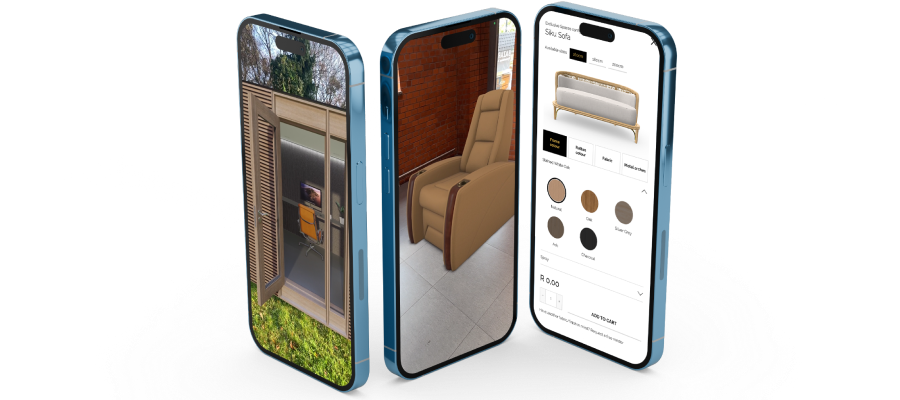
## Augmented Reality (AR)
### Benefits:
1. **Customer engagement:** AR offers an interactive experience that can captivate customers, making them more likely to make quicker and more confident purchasing decisions. [Research](https://www.retailcustomerexperience.com/news/most-consumers-excited-about-ar-product-interaction/) conducted in the USA shows that the vast majority, i.e. 85%, of consumers are interested in AR as a way of interacting with products.
2. **Appeal to younger generations:** Gen Z and Millennials are particularly drawn to AR, making it a powerful tool for reaching these tech-savvy demographics. Gen Z / Millennials are 71% more likely to use AR constantly compared to older generations. (Snap consumer AR [Global Report](https://www2.deloitte.com/content/dam/Deloitte/xe/Documents/About-Deloitte/Snap%20Consumer%20AR_Global%20Report_2021.pdf))
3. **Better product visualization:** AR allows customers to visualize products in their own space, reducing uncertainty and potentially decreasing product returns.
4. **Competitive advantage:** Offering AR can set your business apart by providing a modern and immersive shopping experience.
5. **Cost-effective implementation:** If you already have 3D models, implementing AR on your website can be relatively inexpensive.
### Costs:
1. **3D model creation:** If you don’t have existing 3D models, creating them can be a significant initial cost.
2. **Monthly subscription:** Many AR providers charge monthly fees, similar to other [SaaS platforms](https://technologymagazine.com/articles/top-10-saas-platforms), adding to ongoing costs.
### Ideal Industries:
- Furniture
- Automotive
- Beauty products
- Broad e-commerce sectors
### Considerations:
AR is highly effective for products that benefit from spatial visualization. However, it may not be necessary for low-tech items like books or food products.
## 3D Product Configurators
### Benefits:
1. **Accelerated sales process:** Customers can visualize and customize products in real-time, speeding up decision-making and the overall sales cycle. An example of such a tool implemented on the [Sketchfab](https://sketchfab.com/) platform for [Blu Łazienki](https://konfigurator.blu.com.pl/blu-configurator/table-top).
2. **Increased sales:** Real-time customization tools can drive higher engagement and conversion rates.
3. **Cost reduction:** Configurators save on the costs associated with creating individual visualizations or custom quotes. Just like the configurator implemented for [Exclusive Spaces](https://exclusivespaces.shop/collections/furniture) does.
4. **Enhanced customer satisfaction:** Personalizing the shopping experience leads to higher customer satisfaction and loyalty.
5. **Operational efficiency:** Automating the configuration process reduces errors and streamlines operations.
6. **E-commerce Integration:** Configurators can be integrated with e-commerce platforms or lead generation systems, enhancing overall sales and marketing strategies. Depending on your needs or sales model, the configurator can also generate a preliminary offer in PDF or email format and obtain the contact details of potential customers, as in the case of the [Paradise Grills](https://paradisegrillsdirect.com/configurator_1/#/) configurator.
### Costs:
1. **Initial implementation:** The cost can vary depending on the complexity and number of product variants. Availability of existing [3D models](https://ar-range.app/blog-posts/best-tools-to-boost-online-furniture-sales/) can significantly reduce this cost.
2. **Maintenance:** Maintaining a configurator involves regular updates and server upkeep, typically managed by the developer.
### Ideal industries:
- Furniture
- Automotive
- Construction
- Footwear
### Considerations:
While [product configurators](https://ar-range.app/products/modular-configurator/) can be highly beneficial, the initial investment can be substantial. However, they offer significant ROI through enhanced customer engagement and streamlined operations.
## Conclusion
Both AR and 3D configurators are powerful tools for businesses looking to offer a more personalized and engaging shopping experience. While they require upfront investment and ongoing costs, the potential benefits, such as increased sales, reduced returns, and better customer satisfaction, make them worthwhile considerations for many industries. Before implementation, it’s essential to assess the specific needs of your business and your target market to ensure the technology aligns with your goals.
## Solutions involved
- [Modular Configurator](https://ar-range.app/products/modular-configurator/)
On this page
1. Augmented Reality (AR)
2. 3D Product Configurators
3. Conclusion
4. Solutions involved
## Recent blog posts

[Implementing](https://ar-range.app/blog-posts/category/implementing/) 24 January 2026
### [Can I build a product configurator without having 3D models?](https://ar-range.app/blog-posts/can-i-build-a-product-configurator-without-having-3d-models-ad21b/)
Yes, a configurator can run on photos, 2D layers or AI images instead of 3D models. It holds while the catalogue is small and the rules are simple. Past that point the pictures stop agreeing with each other, and the checking costs more than the models would have.
5 min read
[Implementing](https://ar-range.app/blog-posts/category/implementing/) 11 January 2026
### [What is the downside of Shopify?](https://ar-range.app/blog-posts/what-is-the-downside-of-shopify/)
Learn how Shopify's product variant model struggles with complex furniture catalogs, causing performance issues and operational challenges. Explore alternative solutions like parametric configurators to manage product logic outside Shopify, improving system stability and scalability for customizable furniture brands.
3 min read

[Implementing](https://ar-range.app/blog-posts/category/implementing/) 25 July 2024
### [Integrating a product configurator with an online store](https://ar-range.app/blog-posts/integrating-of-a-product-configurator-with-an-online-store/)
Customers enjoy having the option to customize products to fit their needs. When planning to implement an online configurator on your website, it's important to ensure that it effectively integrates with other tools you use, especially your online store.
5 min read
## If they can't see it, they won't buy it. Let's show them.
Leave your details and we arrange a free consultation with the people who have spent years helping brands sell customised products. You bring the catalogue and the questions. We bring what has worked, what has not, and what it would take for you.
**1M** variants from one source
**Same day** price changes live in the shop
**No-code** configurators the client runs

================================================================================
Page: When a furniture product configurator helps, and when it does not | Ar-range
URL: https://ar-range.app/blog-posts/when-a-furniture-product-configurator-helps-and-when-it-doesnt/
================================================================================
How to tell when configuration adds value - and when it only adds noise.
# When a furniture product configurator helps, and when it does not
[**Łukasz Krakowiak** Head of European Sales, Ar-range](https://ar-range.app/meet-us/lukasz/)
26 January 2026
5 min read
Part of [Diagnosing](https://ar-range.app/blog-posts/category/diagnosing/): Is my configurator working?
## Why conversations alone no longer scale in furniture sales
I often hear brand owners say the same thing: _“Every order is personal. We always talk to the customer anyway.”_ That used to be enough. But lately, something changed. Buyers now expect to understand their options before they ever reach out. They want to see scale, shape, finish, a ballpark price-and most of all, what’s actually possible-right away.
A **furniture product configurator** answers that expectation. It helps when conversation no longer covers all those bases quickly enough. I’ve seen sales teams lose weeks quoting the same table in three sizes and five finishes. That isn’t personal service. That’s repetition.
A configurator is not a digital fad. It’s a response to buying friction. It brings clarity where imagination fails. This article looks at when a **furniture configurator** genuinely helps, and when it adds nothing but complexity to your process. I’m not talking about technical setup. I’m talking about commercial logic and fit-where visual clarity becomes a real sales advantage.
## The real problem: visualization friction, not lack of personalization
In furniture sales, people rarely hesitate because they dislike talking to you. They hesitate because they can’t picture what they’re buying. Size, finish, proportion-all abstract until made visible. Buyers want certainty before committing, especially when price tags stretch into the thousands.
I’ve seen this pattern across dozens of brands. The issue isn’t personalization-it’s **visualization friction**. Sales teams waste time sending the same reference photos or sketching quick drawings to explain small differences. That’s when a **3D furniture configurator** shows its worth. It turns abstract choices into clear, buildable visuals.
Data from our internal research backs that up. When people can explore finishes and dimensions visually, engagement rises sharply. Decision times shrink. Returns drop. The logic is simple: showing creates confidence. And confidence shortens cycles.
When those visuals come directly from production rules, errors disappear before they even start. Each valid combination becomes both a quote and a guarantee that the product can be built exactly as shown.
## Repeatable logic vs. one-off craftsmanship
A **custom furniture configurator** only works when your products follow repeatable rules. Think of shared base frames with variable legs, tops, or finishes. A single sofa design available in multiple fabrics. A cabinet built from fixed modules in different widths. That’s where a configurator thrives-it enforces logic and keeps every combination realistic.
It stops making sense when each piece is a unique artwork. If there are no shared rules, there’s nothing to automate. I’ve seen workshops try to upload one-off designs into configurator software just to look “modern.” It never ends well. Maintenance becomes heavier than just quoting manually.
Configurators support decision-making. They don’t replace design talent or artistic dialogue. Instead of imagining them as design tools, see them as clear, rule-based maps of what’s already possible.
If your offer has too much variability but no structure, you first need structure. Once you have defined options, then configuration can come in. It’s like teaching the system the grammar of your collection before expecting it to form correct sentences.
To understand where your products stand on that scale, read our internal perspective on Personalization Strategy: Three Levels of Furniture Product Personalization. It breaks down how far you can go before technology adds friction instead of clarity.
## When a configurator makes business sense
This is where the logic meets vislas. A **furniture product configurator** creates measurable value when specific conditions are met. I usually look for these signals:
- **Repeatable base logic.** The product has a common structure with changeable parts-same frame, different finishes, sizes, or modules.
- **Defined option sets.** Choices are pre-determined. Customers pick among valid materials, colors, or sizes, not infinite combinations.
- **Long decision cycles.** Each sale involves multiple rounds of clarification or visual reassurance.
- **High visual uncertainty.** Customers need to _see_ proportions to decide confidently.
- **Repetitive quoting.** Sales teams reissue the same configuration and pricing data repeatedly.
When those signs appear, a configurator saves time, reduces miscommunication, and scales without additional staff. Take a look at the [the Havenloft case study](https://visionthree.io/case-studie/havenloft-case-study/) [Paradise Grills case study](https://ar-range.app/case-studies/paradise-grills/). After implementing a real-time configurator with AR visualization, connected with their custom POS system, they saw a massive 15% increase in showroom sales. Customers stopped guessing. They started buying.
Behind any of these cases sits strong **furniture configurator software** tied into pricing and manufacturing logic. Without that alignment, the technology alone doesn’t produce the same impact.
If you’re evaluating your own readiness, ourParametric 3D Product Configurator outlines how visual rules connect to live pricing, ERP, and CRM. It’s the same backbone that makes configuration reliable rather than decorative.
## When a configurator is unnecessary or risky
Not every business needs one. Sometimes, adding a **furniture configurator** serves only to complicate a straightforward process. Here’s when I advise brands to hold off:
- **Every piece is genuinely one-off.** If each product is designed and spec’d from scratch, rules can’t apply.
- **The product is too simple.** When two or three photos already explain all options, new software adds no clarity.
- **Low sales volume or fast quoting already works.** In that case, manual handling may be cheaper and faster.
- **Poor visual quality or missing rules.** Wrong materials, proportions, or impossible combinations erode trust faster than no visuals at all.
Our internal data shows something many overlook: a bad configurator damages credibility. When visuals mislead, returns rise and production waste grows. That’s worse than saying nothing. That’s why any **custom furniture configurator** must be governed by correct product data and realistic visuals.
Businesses without repeatable product structures should first document their internal rules manually. Only then does technology make sense. Until then, even a simple photo gallery serves better.
## Configurators don’t replace sales, but they do remove confusion
In the end, a **furniture product configurator** succeeds when it frees your teams from explaining the same things again and again. It shortens cycles not by forcing self-service, but by making the conversation more concrete.
The failures usually come from imitation. Many brands add a configurator simply because a competitor has one. They forget to check whether they have the product logic to support it. The result is an underused tool that looks advanced but solves no real problem.
The smarter alternative is slower: first, map what’s repeatable in your collection. Then decide what visual clarity would genuinely help customers commit faster. Only then bring in configuration.
So here’s the question I leave brand owners with: Where in your current sales process are you explaining the same thing again and again That’s usually where configuration belongs.
On this page
1. Why conversations alone no longer scale in furniture sales
2. The real problem: visualization friction, not lack of personalization
3. Repeatable logic vs. one-off craftsmanship
4. When a configurator makes business sense
5. When a configurator is unnecessary or risky
6. Configurators don’t replace sales, but they do remove confusion
## Recent blog posts

[Diagnosing](https://ar-range.app/blog-posts/category/diagnosing/) 15 September 2026
### [You bought a 3D configurator. Your sales went down. Here's what actually happened.](https://ar-range.app/blog-posts/why-your-3d-configurator-didnt-increase-sales/)
A 3D configurator went live, looked good, and sales didn't move. Usually for three reasons: an unreliable button, a renderer that cannot show the fabric, and five hundred choices with no guidance. What we saw at MyBed, and what we built instead.
8 min read

[Diagnosing](https://ar-range.app/blog-posts/category/diagnosing/) 12 September 2026
### [Does previewing a product in 3D actually reduce returns?](https://ar-range.app/blog-posts/does-3d-preview-actually-reduce-returns/)
"3D preview reduces returns" is on almost every configurator vendor's homepage and behind almost none of their case studies. Here is what the claim would take to prove, and the cost we can actually point to instead.
6 min read

[Diagnosing](https://ar-range.app/blog-posts/category/diagnosing/) 8 September 2026
### [From dimensions only your upholsterer knows to dimensions on every variant](https://ar-range.app/blog-posts/dimensions-on-every-variant/)
Every brand already has the numbers. Almost none can put the right number on the right variant at the moment a buyer is deciding. The fix is a change of where the measurement lives, not a bigger drawing effort.
7 min read
## If they can't see it, they won't buy it. Let's show them.
Leave your details and we arrange a free consultation with the people who have spent years helping brands sell customised products. You bring the catalogue and the questions. We bring what has worked, what has not, and what it would take for you.
**1M** variants from one source
**Same day** price changes live in the shop
**No-code** configurators the client runs

================================================================================
Page: Why B2B habits fail in B2C furniture: buying a vision not a SKU | Ar-range
URL: https://ar-range.app/blog-posts/why-b2b-habits-fail-in-b2c-furniture-buying-a-vision-not-a-sku-0f0c8/
================================================================================
From selling specifications to selling imagination – why B2C furniture brands must shift from products to emotional experiences.
# Why B2B habits fail in B2C furniture: buying a vision not a SKU
[**Łukasz Krakowiak** Head of European Sales, Ar-range](https://ar-range.app/meet-us/lukasz/)
30 April 2025
Updated 18 September 2026
6 min read
Part of [Diagnosing](https://ar-range.app/blog-posts/category/diagnosing/): Is my configurator working?
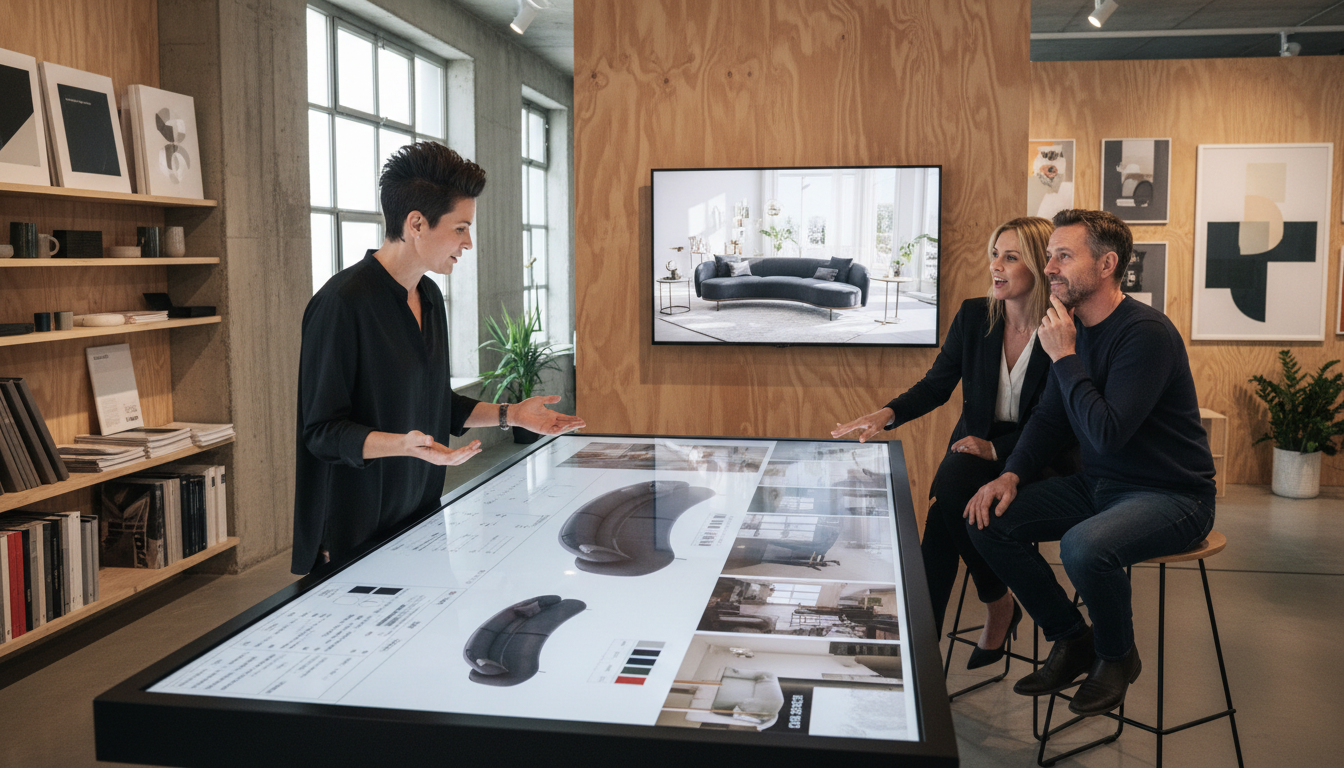
## The B2B to B2C transition in furniture retail
For many B2B furniture makers, moving into B2C furniture feels like switching from chess to poker. In B2B, success comes from logic, specs, and precise configurations. But when the buyer is a homeowner, logic takes a back seat. People don’t buy a SKU - they buy a vision of how their life could look. And that vision is painted by emotion, mood, and story.
I’ve seen manufacturers struggle with this shift. They come from a world where deals are made on spreadsheets and purchase orders. When they move to B2C, they realize customers don’t care about the part numbers. They care about how it feels to sit on that sofa on a Sunday morning, or how a dining table fits into their family’s rituals. That’s the real product they’re buying.
The big mindset change is that personalization and visualization aren’t tech tools - they’re expressions of brand values. If your brand stands for individuality or craftsmanship, that spirit needs to live in every touchpoint, not just in a hidden ‘Configurator’ tab.
## The root challenges of moving to B2C marketing
B2B companies often carry their business logic straight into their B2C websites. The result is usually too functional, too technical, and too product-centric. The focus is on dimensions, specs, and price - while the consumer is still dreaming.
When I walk through these sites, I often see misplaced effort. Tons of variations, options, dropdowns. The belief is: the more options, the better. In reality, that’s paralysis. In B2C furniture, more isn’t more - clarity is. The buyer wants reassurance, not a spreadsheet of possibilities.
Personalization, then, should emerge from a strong **branding strategy**. Instead of showing every possible fabric, show three interiors with distinct moods. Invite the customer to identify with one. That choice sets the foundation for emotional connection - and only then should detailed customization be introduced.
Most guides say “offer powerful configurators early.” But in practice, that’s exactly when customers drop out. They’re not ready yet. They’re exploring who they are, not what they want.
## Emotional engagement and personalization as core values
Personalization is about identity before it is about a configurator. In successful B2C furniture brands it is part of the brand story, and the tools follow from that.
Imagine your website like a conversation. The pages, visuals, and product gallery all speak in the same voice. If your ‘core value’ is living well in small spaces, everything - from AR previews to product imagery - should whisper that message. This is where **visual presentation** and **customization** meet.
## The three levels of personalisation
We work with three levels of personalisation. Each belongs to a different stage of the customer journey, summarised in the section after this one. Most B2B brands go straight to the third level, the configurator, before the first two have built any trust.
**Level one: proof that you personalise.** A limited set of variants, shown on the product page itself. The customer is still exploring, and the goal is to prove that the piece can be made theirs. What it takes: clear UX directly on the product page, [true-to-life visuals of each variant](https://ar-range.app/products/variant-visuals/), and a choice small enough that nobody has to think hard. This is the exploration stage.
**Level two: every variant, for the customer willing to do the thinking.** The first level extended. Some customers want the whole range and are ready to take on the burden of deciding. The goal is to guide them to the few outcomes that suit them, out of millions of combinations. What it takes: an extended product page, or a configurator page similar enough to one; [photoreal visuals of every variant](https://ar-range.app/solutions/visualize-every-variant/); UX designed to guide rather than overwhelm; enough information to explain why this particular piece is right or wrong for this person, and basic rules about what goes with what, both served from a [product content hub](https://ar-range.app/products/content-hub/); and an [AI assistant](https://ar-range.app/products/ai-search/) that turns what a person says, “looks like denim”, into product attributes. [MyBed’s fabric search](https://ar-range.app/case-studies/mybed-ai-search/) is this level at work. This is the consideration stage.
**Level three: full personalisation, the customer wearing the designer’s hat.** Every dimension, module and finish open. Unless a brand chooses this consciously, it belongs in one of two places. In the showroom, as guided selling: the sales rep drives the [configurator](https://ar-range.app/products/modular-configurator/) and the showroom experience covers what a 3D view cannot, the feel of the fabric and the size of the piece in a real room. [Paradise Grills sells its outdoor kitchens this way](https://ar-range.app/case-studies/paradise-grills/). Or online, as a pre-qualifier and a reason to visit: the customer learns roughly what their configuration costs, and comes to the showroom to see it. This is the decision stage. What happens after that visit, when the excitement fades on the way home, is a problem of its own, and we wrote about it in [How customers perceive your product value](https://ar-range.app/blog-posts/how-to-use-digital-transformation-to-sell-the-idea-of-product-instead-of-planks-and-fabric/).
**Who this is for.** Brands that sell their own furniture through their own store, their own showrooms, or both, with a product that comes in variants: upholstered beds and sofas, modular systems, outdoor kitchens, made-to-order pieces. A large marketplace runs a different process and a different economics of the product page, and these levels do not map onto it one to one.
How the visuals themselves differ by their role in the journey is a post of its own: [3D configurator or variant visuals: which one does your catalogue need?](https://ar-range.app/blog-posts/difference-between-a-3d-configurator-and-variant-visuals/)
## The journey the three levels sit on
The levels above only make sense against the customer journey, so here is the short version. The full walk-through, with touchpoints and the scenarios where a sale is lost between them, is in [Furniture, Emotion, and Conversion: Inside the Customer’s Mind in 2025](https://ar-range.app/blog-posts/furniture-emotion-and-conversion-inside-the-customers-mind-in-2025/).
The journey is not linear. It loops and repeats, and any stage can happen online, in a showroom or both. Still, four stages come round in every sale:
- **Inspiration.** The dreaming phase. Lifestyle scenes and the brand story do the work, and the goal is to be remembered when the person is ready. No level of personalisation belongs here yet.
- **Exploration.** Taste gets refined into a shortlist. This is where level one earns its place: a few variants on the product page, true to life, proving the piece can be theirs.
- **Consideration.** Desire gets checked against facts: the fabric in hand, the size in the room, the price. Level two lives here, every variant with the guidance to choose one, and a swatch that matches what was saved online.
- **Decision.** The exact variant, priced and confirmed, in the store or with a rep on a shared screen. Level three, where a brand runs it, belongs to this stage and to the showroom.
The job at every stage is to help the buyer find their right variant among the millions. Done that way, personalisation feels like help rather than a burden.
## The pitfalls, and what B2C success takes
Many furniture brands trip at the same spots. They build a technical configurator before defining their emotional promise. Or they design stunning visuals that don’t connect to showroom reality. Or worse - they treat personalization as a checkbox feature instead of a guiding principle.
When shifting to B2C, you can’t separate technology from story. They move together, and one strengthens the other.
To summarize, successful B2C furniture marketing counts on:
- Selling a vision, not a SKU.
- Seamlessly blending digital and physical experiences.
- Using AR, swatches, and guided configurators at the right journey stage.
- Defining personalization as a brand value, not a widget.
When emotional consistency replaces product complexity, something interesting happens. Customers stop comparing specs - they start imagining themselves living your story. And that’s when they decide to buy.
If you’re serious about moving from B2B logic to B2C storytelling, start with introspection. Ask: what life vision are we really selling Once that’s clear, every visual, tool, and interaction falls into place.
On this page
1. The B2B to B2C transition in furniture retail
2. The root challenges of moving to B2C marketing
3. Emotional engagement and personalization as core values
4. The three levels of personalisation
5. The journey the three levels sit on
6. The pitfalls, and what B2C success takes
## Recent blog posts

[Diagnosing](https://ar-range.app/blog-posts/category/diagnosing/) 15 September 2026
### [You bought a 3D configurator. Your sales went down. Here's what actually happened.](https://ar-range.app/blog-posts/why-your-3d-configurator-didnt-increase-sales/)
A 3D configurator went live, looked good, and sales didn't move. Usually for three reasons: an unreliable button, a renderer that cannot show the fabric, and five hundred choices with no guidance. What we saw at MyBed, and what we built instead.
8 min read

[Diagnosing](https://ar-range.app/blog-posts/category/diagnosing/) 12 September 2026
### [Does previewing a product in 3D actually reduce returns?](https://ar-range.app/blog-posts/does-3d-preview-actually-reduce-returns/)
"3D preview reduces returns" is on almost every configurator vendor's homepage and behind almost none of their case studies. Here is what the claim would take to prove, and the cost we can actually point to instead.
6 min read

[Diagnosing](https://ar-range.app/blog-posts/category/diagnosing/) 8 September 2026
### [From dimensions only your upholsterer knows to dimensions on every variant](https://ar-range.app/blog-posts/dimensions-on-every-variant/)
Every brand already has the numbers. Almost none can put the right number on the right variant at the moment a buyer is deciding. The fix is a change of where the measurement lives, not a bigger drawing effort.
7 min read
## If they can't see it, they won't buy it. Let's show them.
Leave your details and we arrange a free consultation with the people who have spent years helping brands sell customised products. You bring the catalogue and the questions. We bring what has worked, what has not, and what it would take for you.
**1M** variants from one source
**Same day** price changes live in the shop
**No-code** configurators the client runs

================================================================================
Page: Do lifestyle images outperform studio shots for customizable furniture? | Ar-range
URL: https://ar-range.app/blog-posts/why-lifestyle-images-outperform-silo-shots-for-configurable-goods/
================================================================================
How storytelling visuals turn furniture browsing into buying decisions
# Do lifestyle images outperform studio shots for customizable furniture?
[**Łukasz Krakowiak** Head of European Sales, Ar-range](https://ar-range.app/meet-us/lukasz/)
3 November 2025
5 min read
Part of [Diagnosing](https://ar-range.app/blog-posts/category/diagnosing/): Is my configurator working?
## **The impact of visuals in furniture sales**
When you sell furniture online, you aren’t just selling a sofa, a table, or a lamp. You’re selling a feeling – the story of how that piece fits into someone’s home. That’s where **lifestyle product images** come in. In B2C furniture sales, visuals are the silent salespeople. A good image can stop a shopper mid-scroll, spark an idea, or even redefine how they picture their living room.
Lifestyle visuals tap into imagination. Studio shots – or silo images – stripped of context, serve clarity but fall short on emotion. The brands that win, the Boca do Lobos of this world, use images to sell a _vision_ before they sell a _thing_. And in a category where touch, size, and texture matter deeply, that vision is what carries people past hesitation toward commitment.
## The role of lifestyle images: why they outperform silo shots
Most guides will tell you that clean, white-background images are critical for consistency. That’s true. But when selling configurable goods like furniture, they can’t carry the whole conversation. Lifestyle visuals show products in natural surroundings, helping buyers visualize how an armchair fits within a certain aesthetic. They’re not just pictures – they’re emotional shortcuts.
Think of [Boca do Lobo](https://www.bocadolobo.com/en/)’s portfolio. Each room scene tells a story: not just of design, but of personality and aspiration. By placing products in context, they help people connect the dots between brand and identity. That’s something a **packshot** can’t do. And once that emotional connection is made, trust and desire follow.
Lifestyle imagery also improves **consumer perception**. Furniture isn’t a commodity; it’s interpretive. The right visual lets someone imagine how a piece breathes life into their own home. In B2C furniture marketing, this emotional groundwork is the difference between browsing and buying.
## Don’t force customers to do the guesswork
In the past, product photography was laborious. Each variant meant another physically staged photoshoot. Even traditional **product renders** could take hours to set up and adjust lighting, fabric textures, or metal finishes. Scalable Hardly.
But that’s changing. Automated **3D rendering** pipelines can now produce consistent, photorealistic visuals of every variant – hundreds, even millions – in a fraction of the time. For brands like Scandic Sofa, which offers extensive customization options, that’s huge. Their focus on bulk rendering ensures no customer has to guess what “sage velvet” or “midnight blue linen” truly looks like. You can see it instantly, in perfect quality.
That kind of detail educates customers. It’s where precision meets persuasion. Once the lifestyle vision has pulled someone in, detailed renders do the heavy lifting of closing the sale. In our own work with visualization automation tools like [Automated Product Visuals](https://ar-range.app/products/variant-visuals/), we’ve seen this hybrid approach reduce confusion, build confidence, and shorten the buying cycle.
This also ties to the practical distinction between specific steps on the customer’s buyer journey, described in “[Furniture and Emotion](https://ar-range.app/blog-posts/furniture-emotion-and-conversion-inside-the-customers-mind-in-2025/) ” article by Marcin Stempniewicz. Lifestyle images are great for inspiration, while thousands of variant visuals are the perfect tool for the customer to make informed decisions on specific product finishes.
We apply the same stages to [upholstered bed configurators](https://ar-range.app/industries/upholstered-beds/), where each stage gets a tool sized to it.
## Integrating lifestyle and detailed product imagery
Here’s where things get interesting. Some brands treat lifestyle and studio shots as opposites, but they’re really two halves of the same story. During the _inspiration phase_, lifestyle imagery sells a dream. During the _consideration phase_, precise, rendered visuals tell the reality of that dream – showing the tangible fabrics, finishes, and proportions.
I’ve seen too many brands stick to one or the other. That’s when things usually go wrong. Without lifestyle context, you lose emotion; without detailed renderings, you lose credibility.
A blended approach gives customers both: aspiration and assurance. Imagine a virtual showroom where the sofa in your favorite ambiance view can instantly change fabrics, sizes, or legs – all rendered perfectly through automated **product rendering**. Augmented Reality (AR) can then pull that same piece into your own living room, closing the gap between online and real life.
That’s precisely the logic behind Scandic Sofa’s strategy. Their case study shows how combining lifestyle inspiration and automation-driven precision transforms personalization into a guided, effortless experience.
This approach also aligns with our findings on Personalization Strategy, Three Levels of Product Personalization for Furniture. Customers don’t want endless choice – they want guided discovery. Blending aspirational storytelling with educational detail keeps that exploration exciting yet controlled.
## AI: the future of visuals
Ar-range AI generate lifestyle visulas based on product specific finish and color theme.
Visual technology is moving faster than most people think. We’re entering an era where **AI image generation** can merge the artistry of lifestyle with the accuracy of product rendering. Imagine uploading a product model, and the AI builds a new lifestyle image around it – adapting lighting, décor, and textures to match your chosen finish.
You don’t need to know how neural networks work to benefit. It’s like having an infinite digital photo studio that understands your brand aesthetic and scales it instantly.
When we combine that with automated rendering pipelines, the result is a living, breathing ecosystem of visuals that always stay current. The product catalog becomes a visual experience hub, not a static library.
So what’s next AI-driven contextual imagery that evolves with the viewer. Personalized spaces auto-generated to match user taste. Interactive visuals that feel less like browsing and more like imagining your next home.
## Conclusion
In the end, it’s simple. Lifestyle product images inspire. Detailed renders inform. Combined, they turn hesitation into confidence and scrolling into purchase.
The winning strategy for furniture brands Lead with lifestyle storytelling, support with accurate renderings, and enhance the experience with automated, AI-assisted workflows. In 2026 and beyond, guessing how a finish looks is no longer acceptable. Technology has matured. The buyers have too.
The brands that make buying _feel_ real – that’s who people will remember, trust, and buy from again.
On this page
1. The impact of visuals in furniture sales
2. The role of lifestyle images: why they outperform silo shots
3. Don’t force customers to do the guesswork
4. Integrating lifestyle and detailed product imagery
5. AI: the future of visuals
6. Conclusion
## Recent blog posts

[Diagnosing](https://ar-range.app/blog-posts/category/diagnosing/) 15 September 2026
### [You bought a 3D configurator. Your sales went down. Here's what actually happened.](https://ar-range.app/blog-posts/why-your-3d-configurator-didnt-increase-sales/)
A 3D configurator went live, looked good, and sales didn't move. Usually for three reasons: an unreliable button, a renderer that cannot show the fabric, and five hundred choices with no guidance. What we saw at MyBed, and what we built instead.
8 min read

[Diagnosing](https://ar-range.app/blog-posts/category/diagnosing/) 12 September 2026
### [Does previewing a product in 3D actually reduce returns?](https://ar-range.app/blog-posts/does-3d-preview-actually-reduce-returns/)
"3D preview reduces returns" is on almost every configurator vendor's homepage and behind almost none of their case studies. Here is what the claim would take to prove, and the cost we can actually point to instead.
6 min read

[Diagnosing](https://ar-range.app/blog-posts/category/diagnosing/) 8 September 2026
### [From dimensions only your upholsterer knows to dimensions on every variant](https://ar-range.app/blog-posts/dimensions-on-every-variant/)
Every brand already has the numbers. Almost none can put the right number on the right variant at the moment a buyer is deciding. The fix is a change of where the measurement lives, not a bigger drawing effort.
7 min read
## If they can't see it, they won't buy it. Let's show them.
Leave your details and we arrange a free consultation with the people who have spent years helping brands sell customised products. You bring the catalogue and the questions. We bring what has worked, what has not, and what it would take for you.
**1M** variants from one source
**Same day** price changes live in the shop
**No-code** configurators the client runs

================================================================================
Page: You bought a 3D configurator. Your sales went down. Here's what actually happened. | Ar-range
URL: https://ar-range.app/blog-posts/why-your-3d-configurator-didnt-increase-sales/
================================================================================
The demo was impressive, the tool went live, and the sales line didn't move. Three reasons it usually happens, all seen at MyBed before we got involved, and what we built instead.
# You bought a 3D configurator. Your sales went down. Here's what actually happened.
[**Marcin Stempniewicz** CEO and co-founder, Ar-range](https://ar-range.app/meet-us/marcin/)
15 September 2026
8 min read
Part of [Diagnosing](https://ar-range.app/blog-posts/category/diagnosing/): Is my configurator working?
- Configurator
- 3D
- fabrics

You did everything right, on paper.
Your catalogue is genuinely complex: a hundred-odd models, hundreds of fabrics, several leg options, a few headboard heights. Customers kept asking what things looked like in the fabric they were considering, and you never had a good answer. So you bought a 3D configurator. The demo was impressive. The provider told you 3D is the future.
It went live. It looks good. And the sales line didn’t move. Maybe it dipped.
Nobody can tell you why.
## The part that makes it worse
Most brands in this position can’t even diagnose the problem, because the tool is a third-party black box. You can see traffic arriving at the product page. You often cannot see what happens inside the configurator: where people hesitate, what they open and abandon, which fabric they looked at four times before leaving. The one part of the journey that changed is the one part you can’t measure.
So you’re left with a number that went the wrong way and no way to interrogate it.
And then there’s the thing nobody says in the meeting. Someone championed this purchase. In a medium-sized brand, that someone is usually the owner, or one person away from them. There’s no committee to spread the blame across. Which means the project gets defended rather than examined, and the honest post-mortem never happens.
I’m not being smug about this. I spent about four years as the guy saying 3D is the future. It took me a long time, and a fair amount of other people’s money, to work out that the approach was wrong. Admitting you burned cash and have to redo part of the work is genuinely hard. It’s harder when your name is on the decision.
## Where those customers actually went
If sales didn’t rise, the people who didn’t buy from you didn’t evaporate. They went somewhere.
They called a showroom. Or they bought from a competitor with flat photography and a clear dimensions table. That’s the uncomfortable version, and it’s usually the true one.
But there’s a harder question than _where did they go_. It’s _how did they feel about your brand on the way out_. Confused isn’t neutral. A customer who couldn’t work out whether the fabric they clicked was the fabric they’d receive doesn’t leave thinking “nice website.” They leave slightly less sure about you than when they arrived.
## The question worth asking instead
There’s a Jeff Bezos interview where he gets asked what’s going to be on top in five or ten years. His answer was, roughly: how would I know? But I know what _won’t_ change. Customers will always want broader selection, better availability, and better prices. Nobody has ever written in to say they wish delivery were slower or prices higher. So you build on those.
Apply that here and the whole “3D is the future” conversation collapses into something much more useful.
Nobody will ever say: I wish I’d been less certain what I was buying. I wish those dimensions had been vaguer. I wish it had been harder to tell whether this fabric survives a dog.
Buyer doubt is the thing that doesn’t change. WebGL, pre-rendered imagery, AI search, whatever arrives next: those are all just this decade’s answers to permanent questions. Pick the technology that answers them, not the one that’s the future.
## So what went wrong with the configurator
Three things, usually. All three showed up at MyBed, a Polish bed retailer we work with, before we got involved.
**The buyer never knew what they’d get.** The configurator was enabled on some models and not others. Click “configure” on one product and you land in a 3D tool. Click the same button elsewhere and you get a fabric dropdown with no visualisation. The customer isn’t tracking which models are which. They just learn that your buttons are unreliable.
**WebGL physically cannot show what sells upholstery.** This is the big one, and it’s not a criticism of any particular vendor’s craftsmanship. The configurator MyBed had was, technically, well above average. But a real-time 3D renderer in a browser cannot reproduce bouclé, corduroy or chenille: the surface scattering, the loose strands catching light, the depth you only get from ray tracing. With upholstered furniture, the fabric _is_ the product. A tool that renders everything except the thing the customer is buying is going to underperform no matter how well it’s built.
**It handed the buyer a designer’s hat they never asked for.** Frame, headboard, size, legs and five hundred fabrics, all presented as free choice with no guidance. If you have a toddler and a cat and you need something stain-resistant, good luck. The information that would answer your question existed somewhere, but not in the tool you were being asked to make the decision in.
And underneath all three, one framing error: the configurator was treated as the destination. It isn’t. It’s typography. If you notice the typeface while reading a novel, something has gone wrong. A good configurator is one the customer never notices: no separate tool, no learning curve, no redirect to something that looks like a different website.
## A note on the two million variants
MyBed has roughly 2.2 million possible variants. A hundred and twenty models, five hundred-plus fabrics, leg options, headboard heights. That number sounds absurd until you multiply it out, and then it’s simply arithmetic. You can’t negotiate it away.
But here’s the trap. Being able to show two million variants is a capability, not a goal. The goal is getting _one_ customer to the _one_ variant that’s right for them, quickly. Most configurator projects optimise for the first and quietly make the second harder.
## What we did instead
We never seriously considered WebGL for this.
Instead we automated the render generation. We rendered roughly 450,000 ray-traced layers once (bed frames, mattresses, headboards, contact shadows, trim) and uploaded them to our content hub with the rules describing what combines with what. Composited on demand, those layers cover all 2.2 million variants at full ray-traced quality, with the fabric actually looking like the fabric. [More on how that pipeline works →](https://ar-range.app/products/variant-visuals/)
The usual objection to pre-rendered imagery is speed. It isn’t an issue: with the content hub sitting behind Cloudflare, variants resolve in under half a second. That was the one genuine advantage the 3D approach had, and it’s gone. The next step for this client is 360° views through the same server-side process, at the same speed. It costs server space. Server space is cheap relative to what it buys.
## The data under the pixels
The second thing almost every 3D configurator misses is the information beneath what’s being configured.
In a typical setup, a fabric is a texture. You apply it and move on. In our content hub, a fabric is a record: Martindale rating, UV resistance, stain resistance, grammage, composition, alongside frame type, recline mechanism, and technical specification for the rest of the product.
That structure is what made the next part easy. Instead of scrolling five hundred swatches, the customer types what they actually mean. _Something velvet-like, slightly shiny, and stain resistant._ Or _this is going in a hotel lobby_, which quietly becomes a query for commercial-grade fabrics with a high Martindale count. The AI fabric assistant isn’t clever because of the model behind it. It’s clever because someone did the boring work of structuring fabric data first.
## Why we skipped AR, and what we did instead
We’re often asked for augmented reality, usually on the promise that it reduces returns. We’ve [written about AR separately](https://ar-range.app/blog-posts/use-of-augmented-reality-in-furniture-e-commerce/), but the short version: bedrooms in Polish cities are small, AR placement of a large object in a small room is clunky, and the failure mode is a customer who now feels _less_ confident.
The doubt AR is supposed to answer is simpler than AR. People want dimensions. Not just “180 cm wide”, but frame thickness, mattress dimensions, external footprint, headboard height. So we overlay dimensions directly on the image.
Doing that across 2.2 million renders needed automating, which we did at the Blender stage: empty nodes travel with the bed as it scales parametrically, and each render emits its own dimension layer. Every variant arrives with its measurements already on it.
## The metric was never returns
Software vendors sell configurators on return rates. Fewer returns, better margins.
Here’s the thing: a customer with unresolved doubts doesn’t return the bed. They never buy it. There’s no return to reduce, because there was no order. Return rate was never the number that was hurting you. It just happens to be the number that’s easy to put on a slide.
Every decision we made on this project came from one question, asked repeatedly: _what is the customer unsure about right now, and what would resolve it?_ Not: what can we build.
## If you’re in this position
You’re not starting from scratch, and I want to be specific about that rather than reassuring. The 3D models you commissioned are still valuable: they’re the input to a render pipeline. The asset was never the problem. The delivery was.
What needs rethinking is the assumption you were sold: that the configurator is the product. It isn’t. It’s the layer that should disappear, so the customer can get on with choosing a bed.
---
_Ar-range builds product visualisation and configuration for furniture brands with genuinely complex ranges. If your configurator went live and nothing happened, we’re happy to look at it with you and tell you honestly whether we’d make a difference._
On this page
1. The part that makes it worse
2. Where those customers actually went
3. The question worth asking instead
4. So what went wrong with the configurator
5. A note on the two million variants
6. What we did instead
7. The data under the pixels
8. Why we skipped AR, and what we did instead
9. The metric was never returns
10. If you’re in this position
Mentioned in this post
[**Variant Visuals** Every variant, prerendered](https://ar-range.app/products/variant-visuals/) [**Content Hub** The catalog engine](https://ar-range.app/products/content-hub/) [**AI Search** Find it in plain words](https://ar-range.app/products/ai-search/)
## Recent blog posts

[Diagnosing](https://ar-range.app/blog-posts/category/diagnosing/) 12 September 2026
### [Does previewing a product in 3D actually reduce returns?](https://ar-range.app/blog-posts/does-3d-preview-actually-reduce-returns/)
"3D preview reduces returns" is on almost every configurator vendor's homepage and behind almost none of their case studies. Here is what the claim would take to prove, and the cost we can actually point to instead.
6 min read

[Diagnosing](https://ar-range.app/blog-posts/category/diagnosing/) 8 September 2026
### [From dimensions only your upholsterer knows to dimensions on every variant](https://ar-range.app/blog-posts/dimensions-on-every-variant/)
Every brand already has the numbers. Almost none can put the right number on the right variant at the moment a buyer is deciding. The fix is a change of where the measurement lives, not a bigger drawing effort.
7 min read
[Diagnosing](https://ar-range.app/blog-posts/category/diagnosing/) 9 December 2025
### [Selling the idea of a product, instead of planks and fabric](https://ar-range.app/blog-posts/how-to-use-digital-transformation-to-sell-the-idea-of-product-instead-of-planks-and-fabric/)
Discover why selling furniture is increasingly challenging and how to counter these obstacles with engaging digital tools. Learn why emphasizing emotions over materials boosts sales, how digital configurators enhance customer experience, and why visual continuity is key to preserving excitement post-showroom visit. Explore strategies for successful B2C transitions and maintaining strong furniture margins by selling ideas, not just products.
7 min read
## If they can't see it, they won't buy it. Let's show them.
Leave your details and we arrange a free consultation with the people who have spent years helping brands sell customised products. You bring the catalogue and the questions. We bring what has worked, what has not, and what it would take for you.
**1M** variants from one source
**Same day** price changes live in the shop
**No-code** configurators the client runs

================================================================================
Page: AI, Where does AI actually help me sell? | Ar-range
URL: https://ar-range.app/blog-posts/category/ai/
================================================================================
Blog · Where does AI actually help me sell?
# AI
Every furniture brand has sat through an AI demo this year: a sofa rendered from a sentence, an assistant that picks the fabric, a catalogue that describes itself. Some of it sells in a store today and some of it only works in a slide. In these posts we say which is which, from the installs we run and the tests we paid for ourselves, including the ones that lost. We explain the mechanism and the strategy, so it works with whatever tool you already pay for. We put a price on each step, we count the checking that AI output still needs, and we say where the 3D model stays the source of truth.
About
[AI Search](https://ar-range.app/products/ai-search/)
[Variant Visuals](https://ar-range.app/products/variant-visuals/)
Proof
[MyBed.pl: 2.2 million product visuals](https://ar-range.app/case-studies/mybed/)
Questions this category answers
- Can customers find a fabric by describing it, instead of scrolling five hundred swatches?
- Can AI recommend a configuration the way a good showroom salesperson does?
- Can AI generate my product images instead of 3D renders?
- Is AI rendering cheaper than 3D once someone checks every picture?
- Will an AI image keep the same fabric colour across the whole range?
- Should I put a chatbot on my product page?
- Can AI write descriptions for five thousand variants without inventing features?
- Is my catalogue data ready for AI, or is that the real first project?
Start here

16 September 2026
### [Can customers find a fabric by describing it? What it takes to answer yes.](https://ar-range.app/blog-posts/can-customers-find-a-fabric-by-describing-it/)
A showroom salesperson turns 'soft, autumn colours, survives two cats' into three fabrics. Your website turns it into a filter. What it takes to put that conversation online: structured fabric data, the looks-like and feels-like knowledge, and the words your buyers actually use.
8 min read
- [Diagnosing](https://ar-range.app/blog-posts/category/diagnosing/)
- [Comparisons](https://ar-range.app/blog-posts/category/comparisons/)
- [Replacing](https://ar-range.app/blog-posts/category/replacing/)
- [Costs](https://ar-range.app/blog-posts/category/costs/)
- [Implementing](https://ar-range.app/blog-posts/category/implementing/)
- [Configurators](https://ar-range.app/blog-posts/category/configurators/)
- [Visuals](https://ar-range.app/blog-posts/category/visuals/)
- [Showroom](https://ar-range.app/blog-posts/category/showroom/)
- [All categories](https://ar-range.app/blog-posts/)
## If they can't see it, they won't buy it. Let's show them.
Leave your details and we arrange a free consultation with the people who have spent years helping brands sell customised products. You bring the catalogue and the questions. We bring what has worked, what has not, and what it would take for you.
**1M** variants from one source
**Same day** price changes live in the shop
**No-code** configurators the client runs

================================================================================
Page: Comparisons, Which vendor? | Ar-range
URL: https://ar-range.app/blog-posts/category/comparisons/
================================================================================
Blog · Which vendor?
# Comparisons
Every configurator demo looks the same for the first twenty minutes. This is the rubric for the rest: what to check on pricing logic, visuals, integration and the team behind the product. The posts that follow apply it to one vendor at a time, on behaviour we have verified ourselves, so a brand in the US, the Nordics or in Poland can see which platform fits a catalogue like theirs.
About
[Modular Configurator](https://ar-range.app/products/modular-configurator/)
Proof
[MyBed.pl: 2.2 million product visuals](https://ar-range.app/case-studies/mybed/)
Questions this category answers
- Best 3D configurator for furniture brands
- Threekit vs Cylindo vs Ar-range: which is right for a mid-sized manufacturer?
- Mimeeq alternative, pCon alternative, Arlity alternative
- What should I check in a configurator demo before signing?
- Prerendered images or real-time 3D: which one should I buy?
- Is a ten-person vendor safe for a multi-year deployment?
- Which vendors do furniture brands actually use in Poland and the Nordics?
Start here

27 October 2025
### [How to choose the right configurator for a furniture brand](https://ar-range.app/blog-posts/how-to-choose-a-right-configurator-for-a-furniture-brand/)
Discover the world of furniture configurators, digital tools that allow customers to customize and visualize furnishings before purchase. Learn about the different types, including 3D, modular, and parametric configurators, their technological integration, and strategic roles in sales processes. Understand how these tools enhance ecommerce operations by improving customer engagement, conversion rates, and product personalization while integrating with existing systems like ERP, CRM, and PIM. Explore key considerations and avoid pitfalls when choosing a configurator to streamline the buying process in a hybrid online-offline commerce landscape.
5 min read
[Read next **Replacing: How do we switch without losing a quarter? →**](https://ar-range.app/blog-posts/category/replacing/)
- [Diagnosing](https://ar-range.app/blog-posts/category/diagnosing/)
- [Replacing](https://ar-range.app/blog-posts/category/replacing/)
- [Costs](https://ar-range.app/blog-posts/category/costs/)
- [Implementing](https://ar-range.app/blog-posts/category/implementing/)
- [Configurators](https://ar-range.app/blog-posts/category/configurators/)
- [Visuals](https://ar-range.app/blog-posts/category/visuals/)
- [Showroom](https://ar-range.app/blog-posts/category/showroom/)
- [AI](https://ar-range.app/blog-posts/category/ai/)
- [All categories](https://ar-range.app/blog-posts/)
## If they can't see it, they won't buy it. Let's show them.
Leave your details and we arrange a free consultation with the people who have spent years helping brands sell customised products. You bring the catalogue and the questions. We bring what has worked, what has not, and what it would take for you.
**1M** variants from one source
**Same day** price changes live in the shop
**No-code** configurators the client runs

================================================================================
Page: Configurators, What kinds are there, and which fits how you sell? | Ar-range
URL: https://ar-range.app/blog-posts/category/configurators/
================================================================================
Blog · What kinds are there, and which fits how you sell?
# Configurators
Paradise Grills sells the same outdoor kitchens two ways: a page that makes you drive to the showroom, and a configurator the salesperson builds with you once you are there. That is the real question about configurators, not 3D against 2D: where does the sale happen, and who is holding the mouse? These posts explain the kinds, parametric, modular, showroom, online, and which one fits how you sell.
About
[Modular Configurator](https://ar-range.app/products/modular-configurator/)
[Showroom Suite](https://ar-range.app/solutions/showroom-suite/)
Proof
[Paradise Grills: 30 min → 5 min to close](https://ar-range.app/case-studies/paradise-grills/)
Questions this category answers
- Showroom configurator vs online configurator: what is the difference, and do I need both?
- What should a configurator do when a salesperson drives it, versus when a customer is alone on the site?
- Can one product catalogue feed the showroom tool and the website?
- Should a configuration be a link? What can a customer do with it afterwards?
- Do I need a configurator on the site at all if my job is to get people into the showroom?
- Dealer or B2B configurators: quoting for a reseller network instead of an end customer
- What is a product configurator?
- Parametric vs modular vs 3D vs 2D: what is the difference, and which fits a given catalogue?
- How does a sofa configurator work?
- How to build a configurator like the one on a named brand's site
- Can a configurator handle made-to-measure furniture?
- What is CPQ, and is it the same thing as a configurator?
Start here

18 October 2023
### [What is a product configurator? How it works, the types, and examples](https://ar-range.app/blog-posts/what-is-a-product-configurator-how-it-works-types-examples-benefits/)
A product configurator lets a buyer choose size, fabric and options, see the result and the price, and order it. What one is, how it works, the kinds that exist, and examples from furniture brands.
4 min read
More in configurators

30 October 2025
### [What is a parametric configurator?](https://ar-range.app/blog-posts/what-is-a-parametric-configurator/)
Explore how parametric configurators revolutionize modern retail by integrating real-time CAD design, product pricing calculation, and ERP systems. Discover their impact on customer engagement, order accuracy, and production efficiency, turning digital tools into powerful automation hubs. Learn practical steps for implementation and maximize personalization potential in your sales strategy.
5 min read

8 September 2025
### [What is parametric design?](https://ar-range.app/blog-posts/what-is-parametric-design/)
This article answers the big questions: How does parametric design work, why is it different from traditional modeling, and what does it mean for industries like furniture, fashion, and urban planning? You’ll learn its principles, the tools behind it, and how brands use configurators to turn complex, customizable products into seamless customer experiences.
5 min read

29 August 2025
### [Selling modular sofas with a 3D sofa configurator](https://ar-range.app/blog-posts/selling-modular-sofas-with-3d-sofa-configurators/)
How do presets vs. blank-slate tools impact conversions? What ROI can you expect in 2025 from AR, CPQ, and cloud renders? This guide answers the tough questions every sofa brand faces when moving from fabric binders to 3D configuration.
8 min read

7 August 2025
### [Parametric configurator explained: faster quotes, fewer errors](https://ar-range.app/blog-posts/parametric-configurator-explained-faster-quotes-smarter-sales-fewer-errors/)
Discover what a parametric configurator is, how it works, and why it’s changing the way custom products are sold. See how it turns complex, customizable furniture into a seamless buyer experience - with real-time visuals, instant pricing, and logic your production team can trust.
8 min read

24 July 2025
### [Sofa configurator: the complete guide for furniture brands](https://ar-range.app/blog-posts/sofa-configurator-the-ultimate-2025-guide/)
Most furniture brands think adding a 3D sofa configurator to their website will magically boost conversions. But if you’re seeing little change in engagement, sales, or lead quality – it’s not the idea that failed. It’s the execution. Because here’s the hard truth: most configurators are built to “look good” in a marketing meeting, not to actually move products like your 72-inch sofa or customizable 3-piece set.Let’s break down where most companies go wrong – and what your sofa configurator should really be doing if you want it to drive sales.
4 min read

20 November 2024
### [Shelving system configurators: selling made-to-measure storage online](https://ar-range.app/blog-posts/custom-furniture-on-the-rise-the-role-of-shelving-system-configurators/)
Shelving systems are no longer just functional storage solutions; they have evolved into design statements for homes, offices, and retail spaces. With advancements in digital transformation, e-commerce, and customization tools, bespoke shelving is now more accessible than ever.
2 min read

9 October 2024
### [Selling custom-made furniture with a parametric configurator](https://ar-range.app/blog-posts/sale-of-custom-made-furniture-with-a-parametric-configurator/)
For many small and medium-sized companies producing custom furniture, the basic tools for design are often just a piece of paper and a pencil, while pricing is done using a calculator or Excel. Estimating materials for production, labor, and visualizations requires individual involvement each time. Is there a way to facilitate and speed up this process without losing customer trust?
2 min read

9 September 2024
### [How to show every version of a modular product](https://ar-range.app/blog-posts/easily-visualize-all-kinds-of-modular-products/)
For a long time, there was a belief that products like custom cabinets, shelving systems, closets, etc., are too complex to automate the purchase process, bringing them just a bit closer to off-the-shelf products. Does it still work like that?
2 min read

4 March 2024
### [4 examples of 3D configurators in online sales](https://ar-range.app/blog-posts/4-examples-of-using-3d-configurators-in-online-sales/)
Product configurators can play a crucial role in a company's marketing and sales strategy, aiding in the creation of customized products, increasing customer engagement, and enhancing competitiveness in the market.
4 min read

8 January 2023
### [3D configurator for the sale of custom products](https://ar-range.app/blog-posts/3d-configurator-for-the-sale-of-custom-products/)
Selling a product that is made to order is harder than selling one off the shelf. A 3D configurator takes the hard part, showing the buyer their exact version and its price, and does it before anyone has to write an email.
2 min read
[Read next **Visuals: Product images at catalogue scale →**](https://ar-range.app/blog-posts/category/visuals/)
- [Diagnosing](https://ar-range.app/blog-posts/category/diagnosing/)
- [Comparisons](https://ar-range.app/blog-posts/category/comparisons/)
- [Replacing](https://ar-range.app/blog-posts/category/replacing/)
- [Costs](https://ar-range.app/blog-posts/category/costs/)
- [Implementing](https://ar-range.app/blog-posts/category/implementing/)
- [Visuals](https://ar-range.app/blog-posts/category/visuals/)
- [Showroom](https://ar-range.app/blog-posts/category/showroom/)
- [AI](https://ar-range.app/blog-posts/category/ai/)
- [All categories](https://ar-range.app/blog-posts/)
## If they can't see it, they won't buy it. Let's show them.
Leave your details and we arrange a free consultation with the people who have spent years helping brands sell customised products. You bring the catalogue and the questions. We bring what has worked, what has not, and what it would take for you.
**1M** variants from one source
**Same day** price changes live in the shop
**No-code** configurators the client runs

================================================================================
Page: Costs, What does it actually cost? | Ar-range
URL: https://ar-range.app/blog-posts/category/costs/
================================================================================
Blog · What does it actually cost?
# Costs
A configurator quote is arithmetic: models times fabrics times views, plus the renders nobody counted and the fees that appear in year two. These posts put a number on each part, explain why the cheapest vendor is rarely the cheapest project, and show how many extra orders it takes to pay for the whole thing.
About
[Modular Configurator](https://ar-range.app/products/modular-configurator/)
[Variant Visuals](https://ar-range.app/products/variant-visuals/)
Proof
[MyBed.pl: 2.2 million product visuals](https://ar-range.app/case-studies/mybed/)
Questions this category answers
- How much does a product configurator cost?
- Why does the quote depend on models times fabrics times views?
- How much does it cost to render every variant of a sofa?
- Cheapest configurator vendor: what am I actually paying for later?
- Should I pay per render, per month or per project?
- What does a 3D model of one bed or sofa cost to prepare?
- Configurator ROI: how many extra orders pay for it?
Start here

6 October 2025
### [How much does a product configurator cost?](https://ar-range.app/blog-posts/how-much-does-a-product-configurator-cost-in-2026/)
If your business needs a product configurator in 2026, how much should you actually budget? What are the critical factors, from product complexity to AR visualization and system integration, that will affect your price? How does utilizing automation revolutionize the cost structure, making sophisticated 3D and AR experiences accessible while ensuring a definitive return on investment by reducing returns and shortening?
2 min read
More in costs

30 September 2026
### [What would it cost to rebuild Ar-range’s furniture configurator platform?](https://ar-range.app/blog-posts/what-it-would-cost-to-rebuild-ar-range-today/)
Ar-range was built over seven years, one catalogue at a time. What would the same platform cost as a one-off project today, and what should a manufacturer ask before building its own?
6 min read

5 January 2026
### [How much does the cheapest vendor cost?](https://ar-range.app/blog-posts/how-much-does-the-cheapest-vendor-cost/)
Discover the hidden costs of low-cost 3D furniture configurators and explore the true value of comprehensive integration. Learn how proper integration links design, sales, and production, reducing manual effort and increasing efficiency. Understand the impact on online, showroom, and backend environments and evaluate configurators beyond price, focusing on integration, user experience, scalability, and maintenance. Gain insights on how to optimize your workflow and improve ROI with a robust 3D configurator system.
4 min read
28 October 2025
### [360s that load fast: how many images per 360 do you need?](https://ar-range.app/blog-posts/360s-that-load-fast-how-many-images-per-360-do-you-need/)
Discover the balance of 360 product renders - from image count for smooth, realistic views to strategic rendering for optimal load times and costs. Learn best practices, industry standards, and decision-making frameworks that elevate e-commerce experiences while aligning with business goals. Explore techniques like hybrid rendering and A/B testing to enhance customer satisfaction and conversions.
5 min read

22 October 2025
### [How many images per PDP?](https://ar-range.app/blog-posts/how-many-images-per-pdp/)
Discover the crucial role of product images in e-commerce, especially for high-ticket furniture items. Learn how high-quality, strategic visuals build customer trust, enhance engagement, and drive conversions. Explore the optimal image count, types of images needed, and the impact of interactive visuals like 360-degree views and augmented reality. Understand how automation can simplify image management and support product customization. Avoid common pitfalls by balancing configurator use with compelling imagery, ensuring variant coverage, and continually updating your product display strategy to meet evolving customer expectations.
5 min read
[Read next **Implementing: What will it take from us? →**](https://ar-range.app/blog-posts/category/implementing/)
- [Diagnosing](https://ar-range.app/blog-posts/category/diagnosing/)
- [Comparisons](https://ar-range.app/blog-posts/category/comparisons/)
- [Replacing](https://ar-range.app/blog-posts/category/replacing/)
- [Implementing](https://ar-range.app/blog-posts/category/implementing/)
- [Configurators](https://ar-range.app/blog-posts/category/configurators/)
- [Visuals](https://ar-range.app/blog-posts/category/visuals/)
- [Showroom](https://ar-range.app/blog-posts/category/showroom/)
- [AI](https://ar-range.app/blog-posts/category/ai/)
- [All categories](https://ar-range.app/blog-posts/)
## If they can't see it, they won't buy it. Let's show them.
Leave your details and we arrange a free consultation with the people who have spent years helping brands sell customised products. You bring the catalogue and the questions. We bring what has worked, what has not, and what it would take for you.
**1M** variants from one source
**Same day** price changes live in the shop
**No-code** configurators the client runs

================================================================================
Page: Diagnosing, Is my configurator working? | Ar-range
URL: https://ar-range.app/blog-posts/category/diagnosing/
================================================================================
Blog · Is my configurator working?
# Diagnosing
A configurator that is not selling rarely fails loudly. Orders drift, buyers open it and leave, the showroom keeps quoting on paper, and nobody can say whether the tool is the cause or the catalogue behind it. In these posts we name the symptoms the way a sales director sees them, give the likely cause, and end with a check you can run in your own analytics before you blame anything.
About
[Modular Configurator](https://ar-range.app/products/modular-configurator/)
[Content Hub](https://ar-range.app/products/content-hub/)
[Visualize Every Variant](https://ar-range.app/solutions/visualize-every-variant/)
Proof
[MyBed.pl: 2.2 million product visuals](https://ar-range.app/case-studies/mybed/)
Questions this category answers
- Our sales dropped after we added a 3D configurator. Why?
- How do I know if my product configurator is hurting conversion?
- Customers open the configurator and leave without buying. What is wrong?
- Why do buyers still call the showroom instead of ordering online?
- Do I need a configurator, or just better product photos?
- When does a furniture configurator help and when does it get in the way?
- Which numbers should I check in analytics before blaming the tool?
- Does previewing in 3D actually reduce returns?
Start here

15 September 2026
### [You bought a 3D configurator. Your sales went down. Here's what actually happened.](https://ar-range.app/blog-posts/why-your-3d-configurator-didnt-increase-sales/)
A 3D configurator went live, looked good, and sales didn't move. Usually for three reasons: an unreliable button, a renderer that cannot show the fabric, and five hundred choices with no guidance. What we saw at MyBed, and what we built instead.
8 min read
More in diagnosing

12 September 2026
### [Does previewing a product in 3D actually reduce returns?](https://ar-range.app/blog-posts/does-3d-preview-actually-reduce-returns/)
"3D preview reduces returns" is on almost every configurator vendor's homepage and behind almost none of their case studies. Here is what the claim would take to prove, and the cost we can actually point to instead.
6 min read

8 September 2026
### [From dimensions only your upholsterer knows to dimensions on every variant](https://ar-range.app/blog-posts/dimensions-on-every-variant/)
Every brand already has the numbers. Almost none can put the right number on the right variant at the moment a buyer is deciding. The fix is a change of where the measurement lives, not a bigger drawing effort.
7 min read
26 January 2026
### [When a furniture product configurator helps, and when it does not](https://ar-range.app/blog-posts/when-a-furniture-product-configurator-helps-and-when-it-doesnt/)
Explore how furniture product configurators can offer a competitive edge in sales by reducing visualization friction and streamlining decision-making processes. Learn when these tools are effectively implemented for repeatable logic, defined options, and high visual uncertainty, and understand scenarios when they might add unnecessary complexity. This article provides insights into aligning configurator technology with pricing and manufacturing logic, ensuring effective application and tangible benefits.
5 min read
9 December 2025
### [Selling the idea of a product, instead of planks and fabric](https://ar-range.app/blog-posts/how-to-use-digital-transformation-to-sell-the-idea-of-product-instead-of-planks-and-fabric/)
Discover why selling furniture is increasingly challenging and how to counter these obstacles with engaging digital tools. Learn why emphasizing emotions over materials boosts sales, how digital configurators enhance customer experience, and why visual continuity is key to preserving excitement post-showroom visit. Explore strategies for successful B2C transitions and maintaining strong furniture margins by selling ideas, not just products.
7 min read
3 November 2025
### [Do lifestyle images outperform studio shots for customizable furniture?](https://ar-range.app/blog-posts/why-lifestyle-images-outperform-silo-shots-for-configurable-goods/)
Discover how lifestyle product images and automated 3D rendering enhance B2C furniture sales by evoking emotions and aiding decision-making. Learn why combining visual storytelling with AI and AR technologies can improve engagement, boost conversion rates, and streamline production processes. Explore strategies for balancing aspirational imagery with detailed product options to create a seamless buyer's journey in furniture e-commerce.
5 min read

15 October 2025
### [Furniture, emotion and conversion: what goes on in the buyer's mind](https://ar-range.app/blog-posts/furniture-emotion-and-conversion-inside-the-customers-mind-in-2025/)
Explore pitfalls and opportunities of entering B2C or DTC sales in the furniture industry, especially for brands transitioning from B2B operations. It explores why many such ventures fail, not because of missing technology like configurators, but due to misunderstanding the emotional and non-linear nature of consumer decision-making.
17 min read

30 April 2025
### [Why B2B habits fail in B2C furniture: buying a vision not a SKU](https://ar-range.app/blog-posts/why-b2b-habits-fail-in-b2c-furniture-buying-a-vision-not-a-sku-0f0c8/)
Explore the transition from B2B to B2C in furniture retail, focusing on emotional engagement, personalization as brand values, and the customer journey. Learn how to effectively integrate digital tools like AR and configurators at each consumer phase to move from selling SKUs to selling visions, blending digital and physical experiences for successful B2C storytelling.
6 min read

3 March 2025
### [Ar-range at Meble Polska 2025: new technologies in the furniture industry](https://ar-range.app/blog-posts/ar-range-at-meble-polska-2025---new-technologies-in-the-furniture-industry/)
Marcin's talk at Meble Polska 2025 asked when a configurator actually pays off and when it only hides a process problem. The three questions the audience asked, answered, and what we saw on the fair floor.
3 min read

5 December 2022
### [Use of augmented reality in furniture e-commerce: where it sells and where nobody taps it](https://ar-range.app/blog-posts/use-of-augmented-reality-in-furniture-e-commerce/)
Most furniture shoppers never open AR. Independent research says so and our own installs said the same. Where AR still earns its place, and what to build first instead.
9 min read
[Read next **Comparisons: Which vendor? →**](https://ar-range.app/blog-posts/category/comparisons/)
- [Comparisons](https://ar-range.app/blog-posts/category/comparisons/)
- [Replacing](https://ar-range.app/blog-posts/category/replacing/)
- [Costs](https://ar-range.app/blog-posts/category/costs/)
- [Implementing](https://ar-range.app/blog-posts/category/implementing/)
- [Configurators](https://ar-range.app/blog-posts/category/configurators/)
- [Visuals](https://ar-range.app/blog-posts/category/visuals/)
- [Showroom](https://ar-range.app/blog-posts/category/showroom/)
- [AI](https://ar-range.app/blog-posts/category/ai/)
- [All categories](https://ar-range.app/blog-posts/)
## If they can't see it, they won't buy it. Let's show them.
Leave your details and we arrange a free consultation with the people who have spent years helping brands sell customised products. You bring the catalogue and the questions. We bring what has worked, what has not, and what it would take for you.
**1M** variants from one source
**Same day** price changes live in the shop
**No-code** configurators the client runs

================================================================================
Page: Implementing, What will it take from us? | Ar-range
URL: https://ar-range.app/blog-posts/category/implementing/
================================================================================
Blog · What will it take from us?
# Implementing
After the contract the work moves to your side: 3D models or the drawings to make them, fabric samples, product data, and a shop or ERP to plug into. These posts say what we need, in what order, how long each step takes when it goes well, and what happens when you add a new collection next year.
About
[Content Hub](https://ar-range.app/products/content-hub/)
[Modular Configurator](https://ar-range.app/products/modular-configurator/)
Proof
[MyBed.pl: 2.2 million product visuals](https://ar-range.app/case-studies/mybed/)
Questions this category answers
- What do we need to send you to start: models, fabrics, product data?
- Can I build a configurator without 3D models?
- How long does implementation take, step by step?
- Does it work with Shopify, WooCommerce, Shoper, WordPress, Magento?
- How does it connect to our ERP, NetSuite or a PIM?
- Who on our side has to be involved, and for how many hours?
- What happens when we add a new collection or fabric next year?
Start here

24 January 2026
### [Can I build a product configurator without having 3D models?](https://ar-range.app/blog-posts/can-i-build-a-product-configurator-without-having-3d-models-ad21b/)
Yes, a configurator can run on photos, 2D layers or AI images instead of 3D models. It holds while the catalogue is small and the rules are simple. Past that point the pictures stop agreeing with each other, and the checking costs more than the models would have.
5 min read
More in implementing
11 January 2026
### [What is the downside of Shopify?](https://ar-range.app/blog-posts/what-is-the-downside-of-shopify/)
Learn how Shopify's product variant model struggles with complex furniture catalogs, causing performance issues and operational challenges. Explore alternative solutions like parametric configurators to manage product logic outside Shopify, improving system stability and scalability for customizable furniture brands.
3 min read

25 July 2024
### [Integrating a product configurator with an online store](https://ar-range.app/blog-posts/integrating-of-a-product-configurator-with-an-online-store/)
Customers enjoy having the option to customize products to fit their needs. When planning to implement an online configurator on your website, it's important to ensure that it effectively integrates with other tools you use, especially your online store.
5 min read

8 August 2023
### [What to expect when you implement a product configurator](https://ar-range.app/blog-posts/what-to-expect-when-implementing-augmented-reality-ar-or-product-configurator/)
Implementing augmented reality (AR) and product configurators can significantly enhance your business, particularly in industries where visualizing products is crucial. Here’s what to expect when integrating these technologies.
2 min read

30 January 2023
### [Product configurator in WordPress: what works and what to expect](https://ar-range.app/blog-posts/product-configurator-in-wordpress/)
Yes, a product configurator runs on WordPress, and there are two ways to do it. Which one you need depends on how many options you sell and whether the buyer has to see them. Where WooCommerce stops, what the configurator adds, and how the two hand the order to each other.
4 min read

5 October 2022
### [How to use augmented reality as an advantage in selling your products?](https://ar-range.app/blog-posts/how-to-use-augmented-reality-as-an-advantage-in-selling-your-products/)
The plain explainer: what augmented reality does on a phone, what it cannot do, web AR against an app, which phones support it, and what it costs once you have a 3D model. For whether it will pay off for your products, read the newer post it links to.
3 min read
[Read next **Configurators: What kinds are there, and which fits how you sell? →**](https://ar-range.app/blog-posts/category/configurators/)
- [Diagnosing](https://ar-range.app/blog-posts/category/diagnosing/)
- [Comparisons](https://ar-range.app/blog-posts/category/comparisons/)
- [Replacing](https://ar-range.app/blog-posts/category/replacing/)
- [Costs](https://ar-range.app/blog-posts/category/costs/)
- [Configurators](https://ar-range.app/blog-posts/category/configurators/)
- [Visuals](https://ar-range.app/blog-posts/category/visuals/)
- [Showroom](https://ar-range.app/blog-posts/category/showroom/)
- [AI](https://ar-range.app/blog-posts/category/ai/)
- [All categories](https://ar-range.app/blog-posts/)
## If they can't see it, they won't buy it. Let's show them.
Leave your details and we arrange a free consultation with the people who have spent years helping brands sell customised products. You bring the catalogue and the questions. We bring what has worked, what has not, and what it would take for you.
**1M** variants from one source
**Same day** price changes live in the shop
**No-code** configurators the client runs

================================================================================
Page: Replacing, How do we switch without losing a quarter? | Ar-range
URL: https://ar-range.app/blog-posts/category/replacing/
================================================================================
Blog · How do we switch without losing a quarter?
# Replacing
The second configurator is harder to buy than the first, because now you know what it costs to get it wrong. These posts are for brands already on a platform that has stopped working for them: what carries over (your 3D models, your fabric scans, your product data), what does not, and how to run the switch without a quarter in which nothing sells.
About
[Modular Configurator](https://ar-range.app/products/modular-configurator/)
[Content Hub](https://ar-range.app/products/content-hub/)
Proof
[MyBed.pl: 2.2 million product visuals](https://ar-range.app/case-studies/mybed/)
Questions this category answers
- How to migrate from one product configurator to another
- We already paid for a configurator once. What carries over if we switch?
- Can we reuse our 3D models and fabric scans from the previous vendor?
- How long does it take to replace a configurator, and can the old one stay live meanwhile?
- Our configurator vendor is unresponsive. What are our options?
- Switching from the vendor we have to another platform: what breaks?
Start here

17 September 2026
### [Two bed brands bought the ready-made configurator. Both came back. Here is what 'ready' meant.](https://ar-range.app/blog-posts/two-bed-brands-and-the-ready-made-configurator/)
Two bed brands chose the ready-made 3D configurator: finished software, own interface, upload the models and go. Both came back, one after two years and one after three. What 'ready' meant on the product page, and what carried over.
7 min read
More in replacing
 Guide
21 February 2026
### [Why the simplest software is the best base for a complex configurator](https://ar-range.app/blog-posts/from-simple-to-complex-why-simplest-software-solutions-are-the-best-basis-for-complex-configurators/)
Vendors rent a licensed rendering engine, wrap it in an interface and call it proprietary innovation. Why a cleaner, open foundation outperforms it, and what the ownership paradox really costs.
5 min read

26 January 2025
### [3D furniture configurator: what it actually is](https://ar-range.app/blog-posts/3d-furniture-configurator/)
How can businesses implement new technologies to enhance furniture customization, reduce costs, and streamline internal processes? Learn how 3D configurators can bridge the gap between customer demands and operational efficiency.
9 min read

29 November 2024
### [The five kinds of product customization, and which one you sell](https://ar-range.app/blog-posts/five-faces-of-product-customization/)
Product customization should enhance the customer experience, not overwhelm it. Offering too many options can complicate decisions and production. Discover ways how to strike the right balance for your bespoke product.
1 min read

2 October 2022
### [The tools that sell furniture online, and which to buy first](https://ar-range.app/blog-posts/best-tools-to-boost-online-furniture-sales/)
The furniture industry has faced many challenges in recent years, prompting companies to undergo deep digital transformations and adapt to a market where online sales play an increasingly important role. Explore opportunities for furniture sales in e-commerce channels.
2 min read
[Read next **Costs: What does it actually cost? →**](https://ar-range.app/blog-posts/category/costs/)
- [Diagnosing](https://ar-range.app/blog-posts/category/diagnosing/)
- [Comparisons](https://ar-range.app/blog-posts/category/comparisons/)
- [Costs](https://ar-range.app/blog-posts/category/costs/)
- [Implementing](https://ar-range.app/blog-posts/category/implementing/)
- [Configurators](https://ar-range.app/blog-posts/category/configurators/)
- [Visuals](https://ar-range.app/blog-posts/category/visuals/)
- [Showroom](https://ar-range.app/blog-posts/category/showroom/)
- [AI](https://ar-range.app/blog-posts/category/ai/)
- [All categories](https://ar-range.app/blog-posts/)
## If they can't see it, they won't buy it. Let's show them.
Leave your details and we arrange a free consultation with the people who have spent years helping brands sell customised products. You bring the catalogue and the questions. We bring what has worked, what has not, and what it would take for you.
**1M** variants from one source
**Same day** price changes live in the shop
**No-code** configurators the client runs

================================================================================
Page: Showroom, Selling in the room, not only online | Ar-range
URL: https://ar-range.app/blog-posts/category/showroom/
================================================================================
Blog · Selling in the room, not only online
# Showroom
The showroom sale usually ends with a quote the customer carries home on paper, and the configuration they built online rarely follows them into the store. These posts are about closing in the room: a point of sale that quotes a custom piece in minutes, a saved configuration that opens on the showroom screen, and the follow-up that does not read as spam.
About
[Showroom Suite](https://ar-range.app/solutions/showroom-suite/)
[Modular Configurator](https://ar-range.app/products/modular-configurator/)
Proof
[Paradise Grills: 30 min → 5 min to close](https://ar-range.app/case-studies/paradise-grills/)
Questions this category answers
- How do I let a customer configure a product in the showroom and buy it later online?
- How to quote a custom sofa in the showroom in minutes instead of paper forms
- How do I follow up a showroom visit without it feeling like spam?
- Can the online configuration be opened in the store, and the other way round?
- What is a showroom point of sale for configurable furniture?
- Does AR pay off in a showroom?
Start here

23 October 2025
### [Showroom continuity: opening the customer's saved configuration in store](https://ar-range.app/blog-posts/showroom-continuity-opening-the-customers-saved-config-in-store/)
This article explores the concept of furniture conversion, detailing how to create a seamless transition between online configuration and showroom experiences. It highlights the importance of integrating digital tools such as interactive configurators, augmented reality, and centralized data systems to enhance customer engagement, reduce errors, and achieve higher conversion rates. Practical steps for retailers include mapping customer journeys, implementing configurators, and training staff to create a connected and consistent shopping experience. Learn how these strategies foster emotional investment and trust in the purchasing process.
6 min read
More in showroom

10 November 2025
### [Post-visit follow-ups that don't feel like spam](https://ar-range.app/blog-posts/post-visit-follow-ups-that-dont-feel-like-spam/)
Learn effective strategies for improving furniture showroom sales by transforming post-visit follow-ups into engaging, personalized experiences. Discover how using visuals, augmented reality, and tailored communication can bridge the gap between customer curiosity and commitment, reducing showroom bounce rates and enhancing conversion rates.
5 min read

10 October 2024
### [How to give a customer several options for a custom piece, fast](https://ar-range.app/blog-posts/how-to-quickly-provide-customers-with-multiple-offering-options-for-a-custom-made-product/)
Designing a bespoke closet, kitchen, or storage system can be a complex and time-consuming process, often involving numerous revisions and extensive back-and-forth. However, by streamlining quotation processes and leveraging innovative tools like 3D configurators, you can enhance efficiency while still providing a tailored, engaging customer experience.
1 min read

13 August 2024
### [Prequalify leads with an instant ballpark estimate online](https://ar-range.app/blog-posts/prequalify-leads-by-instantly-providing-a-ballpark-estimate-online/)
When a new customer approaches with a project request, it often feels like starting with a blank canvas. Gathering detailed requirements and providing accurate quotes can be time-consuming, resulting in significant investment without guaranteed returns. To address these challenges and improve conversion rates, Ar-range has developed a universal parametric configurator that simplifies the quoting process for kitchen cabinets, closets, and shelving systems.
3 min read
[Read next **AI: Where does AI actually help me sell? →**](https://ar-range.app/blog-posts/category/ai/)
- [Diagnosing](https://ar-range.app/blog-posts/category/diagnosing/)
- [Comparisons](https://ar-range.app/blog-posts/category/comparisons/)
- [Replacing](https://ar-range.app/blog-posts/category/replacing/)
- [Costs](https://ar-range.app/blog-posts/category/costs/)
- [Implementing](https://ar-range.app/blog-posts/category/implementing/)
- [Configurators](https://ar-range.app/blog-posts/category/configurators/)
- [Visuals](https://ar-range.app/blog-posts/category/visuals/)
- [AI](https://ar-range.app/blog-posts/category/ai/)
- [All categories](https://ar-range.app/blog-posts/)
## If they can't see it, they won't buy it. Let's show them.
Leave your details and we arrange a free consultation with the people who have spent years helping brands sell customised products. You bring the catalogue and the questions. We bring what has worked, what has not, and what it would take for you.
**1M** variants from one source
**Same day** price changes live in the shop
**No-code** configurators the client runs

================================================================================
Page: Visuals, Product images at catalogue scale | Ar-range
URL: https://ar-range.app/blog-posts/category/visuals/
================================================================================
Blog · Product images at catalogue scale
# Visuals
Every fabric on every model is more images than any studio will ever shoot, and a product page with the wrong ones sells the wrong sofa. These posts cover renders that pass for photographs, how many images a product page actually needs, lifestyle against white background, dimensions on every variant, and whether AI can do the job instead of 3D.
About
[Variant Visuals](https://ar-range.app/products/variant-visuals/)
[Fabric Digitization](https://ar-range.app/products/fabric-digitization/)
[Visualize Every Variant](https://ar-range.app/solutions/visualize-every-variant/)
Proof
[MyBed.pl: 2.2 million product visuals](https://ar-range.app/case-studies/mybed/)
Questions this category answers
- How many images does a product page need?
- 3D renders vs photography for furniture: can customers tell?
- How do I show 500 fabrics on one sofa without a photo shoot?
- Can AI generate my product images instead of 3D?
- Lifestyle images or white background: which converts better?
- How do I get accurate dimensions on every product image?
- What is a variant image and why does every colour need one?
Start here

29 September 2025
### [Photoreal close-ups that sell fabrics](https://ar-range.app/blog-posts/photoreal-closeups-that-sell-fabrics/)
This article delves into the importance of fabric closeups in e-commerce, highlighting photorealistic visuals, prerendered variant imagery, and automated mass rendering for enhanced online shopping experiences. Learn how these strategies improve customer trust, decrease return rates, and increase conversions, bridging the gap between digital impressions and physical purchases. Explore the balance between online visuals and in-store swatches, ensuring your e-commerce strategy effectively showcases customizable furniture.
4 min read
More in visuals

26 August 2025
### [5 ways to make furniture renders stand out with automation and AI](https://ar-range.app/blog-posts/5-ways-for-your-furniture-renders-to-stand-out-using-automation-and-ai/)
Turn furniture renderings into a growth engine, not just pretty pictures. Learn how leading brands use automation, AI, and configurators to cut costs, boost conversions, and generate endless marketing assets - from lifestyle scenes to AR models - without drowning in complexity.
4 min read
[Read next **Showroom: Selling in the room, not only online →**](https://ar-range.app/blog-posts/category/showroom/)
- [Diagnosing](https://ar-range.app/blog-posts/category/diagnosing/)
- [Comparisons](https://ar-range.app/blog-posts/category/comparisons/)
- [Replacing](https://ar-range.app/blog-posts/category/replacing/)
- [Costs](https://ar-range.app/blog-posts/category/costs/)
- [Implementing](https://ar-range.app/blog-posts/category/implementing/)
- [Configurators](https://ar-range.app/blog-posts/category/configurators/)
- [Showroom](https://ar-range.app/blog-posts/category/showroom/)
- [AI](https://ar-range.app/blog-posts/category/ai/)
- [All categories](https://ar-range.app/blog-posts/)
## If they can't see it, they won't buy it. Let's show them.
Leave your details and we arrange a free consultation with the people who have spent years helping brands sell customised products. You bring the catalogue and the questions. We bring what has worked, what has not, and what it would take for you.
**1M** variants from one source
**Same day** price changes live in the shop
**No-code** configurators the client runs

================================================================================
Page: 3D Parametric Configurator for made-to-measure furniture | Ar-range
URL: https://ar-range.app/3d-parametric-configurator/
================================================================================
3D Parametric Configurator
# A parametric configurator that quotes made-to-measure furniture in minutes.
A parametric configurator turns your product rules into a 3D model that resizes to the customer's space, prices itself as it changes, and hands production a parts list. Built for shelving, fitted wardrobes, kitchen and bathroom cabinetry, and storage systems.
Talk to our team [Try the demo →](https://dev.vps.ar-range.app/parametric/)
What parametric means
## Every size is already designed, because the product is its rules.
Parametric design is how CAD works. A cabinet is a width, a height, a depth and the rules that connect them, so changing one number rebuilds the whole piece correctly: panels, shelves, doors and fittings.
A parametric configurator puts that in front of your salesperson or your customer, simple enough to use with no CAD training. A modular configurator snaps together a fixed set of pieces; a parametric one also reshapes the pieces, so a bay of 743 mm is as valid as one of 800 mm, as long as your workshop can build it.
Hours
→ minutes per quote
The estimate that used to take a site visit, a drawing and a spreadsheet comes out of the configuration while the customer is still talking to you.
What changes for you
## From pen, paper and Excel to a quote the customer can see.
### Design it like CAD, simply enough for a customer.
Width, height, depth, bay count and shelf pitch are inputs. The model rebuilds as they move, and the rules keep every result buildable, so nobody has to phone the customer about a design the workshop cannot make.

### The price moves with every dimension.
Material and labour are calculated from the configuration by your own pricing rules. You choose whether the customer sees the price or it arrives with the enquiry, and either way you know the manufacturing cost the moment it lands.
[Try it yourself →](https://dev.vps.ar-range.app/parametric/)

### The order arrives as a board and fittings list.
Every panel, edge and fitting in the configuration is counted. Production receives the same specification that was priced, with nothing re-typed on the way.

### Finishes are chosen on the customer's own design.
The decor library carries over 2,500 board finishes from the usual producers, plus RAL and HEX, each previewed in 3D on the configuration being quoted. Fewer samples go out in the post, and fewer revisions come back.
Where it fits
## Made-to-measure products whose rules a workshop can write down.
If the product comes in whatever fits the wall, it is parametric, and it can be configured, priced and ordered online or in the showroom.
### [Shelving systems](https://ar-range.app/industries/shelving-systems/)
Spans, bays, shelf pitch and wall fixings, with every run priced as it is drawn.
### [Fitted wardrobes and cabinetry](https://ar-range.app/industries/wardrobes-and-cabinetry/)
Niches, sloped ceilings and door finishes, quoted during the visit instead of three weeks after it.
### [Bathroom vanities](https://ar-range.app/industries/bathroom-cabinets/)
Units sized to the wall, fronts and basins seen together, and a printed quote with the render on it.
### Kitchen cabinetry
Carcass widths, worktop runs and fronts, resolved into a cutting list the moment the layout is agreed.
### Complex storage systems
Garage, office and utility storage with load and fixing rules the configurator enforces.
### Retail display
Bays, gondolas and wall runs for shop fit-out, where the drawing has to be right before anything is cut.
How it goes live
## Four steps from your product files to a working configurator.
1
### 3D models in
Your existing CAD or 3D models are imported and parametrised: which dimensions move, and within what limits.
2
### Rules and materials
Configuration rules, pricing rules and the decor library are set up to match how your workshop builds and charges.
3
### Ready-made presets
Starting designs for the common cases, so a customer adjusts a good answer instead of starting from an empty wall.
4
### Shop or quote request
The finished configuration goes to the cart for direct purchase, or to your inbox and CRM as a priced enquiry.
Read more
## Parametric configurators, explained.
### [What is a parametric configurator?](https://ar-range.app/blog-posts/what-is-a-parametric-configurator/)
The short definition, and how it differs from a modular or a 3D product configurator.
### [Faster quotes, smarter sales, fewer errors](https://ar-range.app/blog-posts/parametric-configurator-explained-faster-quotes-smarter-sales-fewer-errors/)
How a parametric configurator changes the quoting process for custom products, step by step.
### [Modular Configurator](https://ar-range.app/products/modular-configurator/)
For products assembled from a fixed set of pieces, such as modular sofas, the modular configurator is the closer fit.
FAQ
## Questions made-to-measure makers actually ask.
What is a parametric configurator?
A tool that builds a product from dimensions and rules. The customer or salesperson enters the width, height, depth and options; the configurator rebuilds the 3D model, checks it against your rules, prices it and produces the parts list.
How is it different from a modular configurator?
A modular configurator combines pieces of fixed sizes, like the seats of a modular sofa. A parametric configurator also changes the size of the pieces, which is what made-to-measure shelving, wardrobes and cabinets need.
Every job we do is bespoke. Can it really be configured?
Bespoke usually means parametric: widths within a range, a known set of doors and fronts, known hardware. Parameters and rules cover more of it than most makers expect, and the rare exception still goes to a designer.
Does the customer have to see the price?
No. You choose whether the price is shown on the website or only sent with the enquiry. Your team sees the full calculation, including material and labour, in both cases.
We already use CAD software for production.
It stays. The configurator sits in front of it, for the part of the job that happens while the customer is still deciding, and the models you already have are the starting point.
Can it connect to our online shop and CRM?
Yes. A finished configuration can be added to the cart and bought directly, or sent as a priced quote request into your inbox or CRM.
## Quote the made-to-measure job while the customer is still deciding
Send us your product rules and how you price. We turn them into a configurator that only produces what your workshop can build.
**1M** variants from one source
**Same day** price changes live in the shop
**No-code** configurators the client runs

================================================================================
Page: AR Wall: see a picture on your own wall in augmented reality | Ar-range
URL: https://ar-range.app/ar-wall/
================================================================================
AR Wall
# Present art directly in your customer's space with augmented reality
Selling art? Let customers see how a picture fits their walls, at 1:1 scale, straight from the phone's browser. One solution for your whole catalogue, built into your online shop.
Start your 14-day free trial Try the demos
14-day free trial · cancel anytime · no app to install
What it is
## A button on the product page, a picture on the customer's wall
### Simple
One tap on the product page and the picture is on the customer's wall.
### Never leave your shop
Full integration: the preview opens from your product page, white label, under your brand.
### True to size
The preview is the exact size of each format you sell, in the frame the customer picks.
### Every picture
Posters, photographs, paintings: your whole catalogue, in every size you offer.
Try it
## Augmented reality demos
Choose a picture. On a phone, tap See in AR. On a computer, scan its code with your phone's camera.

### Grotta del Fontanazzi
A cave poster with its vertical cross-section map.
[See in AR](https://create-dev.ar-range.app/ar/view/4b6ee367d5fa3833339712ca629dae081238b1b0)

### Bird illustration
A colourful artistic illustration of a bird.
[See in AR](https://create-dev.ar-range.app/ar/view/7efa5edfca5d672ae49daf7f8f6adac7352bb6eb)

### The bridge
A black and white photographic poster of a bridge.
[See in AR](https://create-dev.ar-range.app/ar/view/6258a62d31e85482fbdc440c4834b78b518073c2)
Your own picture
## See your picture on your wall
Upload a JPG, set its width in centimetres and pick a frame. We turn it into an AR preview you can open on your phone, straight from the browser.
Case study
## Cave Prints
Cave Prints
### Cave posters, previewed on the customer's wall
Cave Prints sold posters of cave maps, cartography and cave diving. It added AR Wall to its product pages, so a buyer could put a poster on their own wall, at the size they were about to order, before paying.
✓A richer shopping experience
✓Buyers see the real size before ordering
✓More time spent on the site
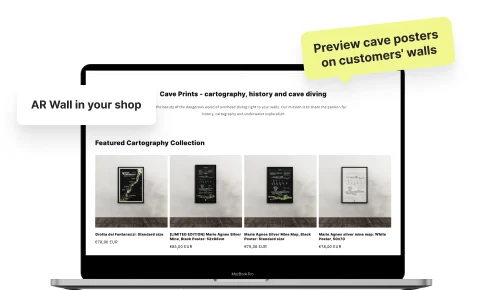
Why AR for art
## Reasons to augment your art sales
A picture tends to be the piece that catches the eye in a room. Before buying one, people want to be sure it will look right. So let them check for themselves.
### Interact
Set your shop apart from competitors and bridge the gap between online and in person, for customers who want a more interactive, personal way to shop.
### Visualise
Take away the doubt about size, colour and how the artwork looks in the room. It shows customers you care about getting it right for them.
### Streamline
Save customers a trip to a gallery, or ordering several pieces to find the one that fits. The decision gets made on the spot.
### Web only
AR Wall works in the phone's own browser. Nothing to download, no extension to install: tap See in AR and the picture is on the wall.
Pricing
## Plans that fit your scale
Simple monthly pricing, set by the number of products. A product is one picture, however many sizes it comes in. Pay yearly and save up to 15%.
### $25 / month
Up to 50 products.
Get started
### $50 / month
Up to 200 products.
Get started
### $95 / month
Up to 500 products.
Get started
### $120 / month
Up to 2,000 products.
Get started
## Every plan includes
White label, fully integrated with your shopA fixed price, set by how many products you haveNo monthly limit on previewsThe exact size of every format you sellFrame selection
New business
## Just opened a poster shop?
You probably have plenty of designs, and want to keep costs down until the shop gets traction. The new business plan charges only for how often your customers use the AR preview. The number of products does not matter.
$38 / month
Up to 500 AR previews
Every feature of the standard plans, priced by previews instead of products.
## Questions shops ask
What counts as a product?
Each picture you sell, whether a photograph, poster or painting, is one product, however many sizes it comes in. A shop with 50 poster designs in 10 sizes each is on the 50-product plan.
Do my customers need to install an app?
No. AR Wall runs in the phone's browser. The customer taps See in AR on your product page and places the picture on the wall.
Will the picture show at its real size?
Yes. The preview uses the exact dimensions of each format you sell, with the frame the customer chooses.
Can I try it first?
Yes. Every plan starts with a 14-day free trial, and you can cancel at any time.
Brands that trusted us with AR

What customers say
“
Augmented Reality is a very helpful tool for our customers all over the world. AR-range delivered us an AR solution integrated with our product configurator, so our partners can demonstrate how the custom recliner will look in the theater room. All these software services at a reasonable price.
Bobby Bala
President and CEO, Elite Home Theater Seating
## Show every picture on your customers’ walls
Tell us about your shop and your catalogue. We will set up a 14-day free trial on your own products.
**1M** variants from one source
**Same day** price changes live in the shop
**No-code** configurators the client runs

================================================================================
Page: Labs, Tools, experiments and things we learn | Ar-range
URL: https://ar-range.app/labs/
================================================================================
Skip to content
[ Labs](https://ar-range.app/labs/)
Experiments About Labs [Ar-range.app](https://ar-range.app/)
The experimental side of Ar-range
# A place for the _what if._
Small tools, open experiments and ideas we wanted to try. Made by the people building Ar-range.
Take a look around
## On the workbench
Tools to explore
Duo PreviewA different point of view
[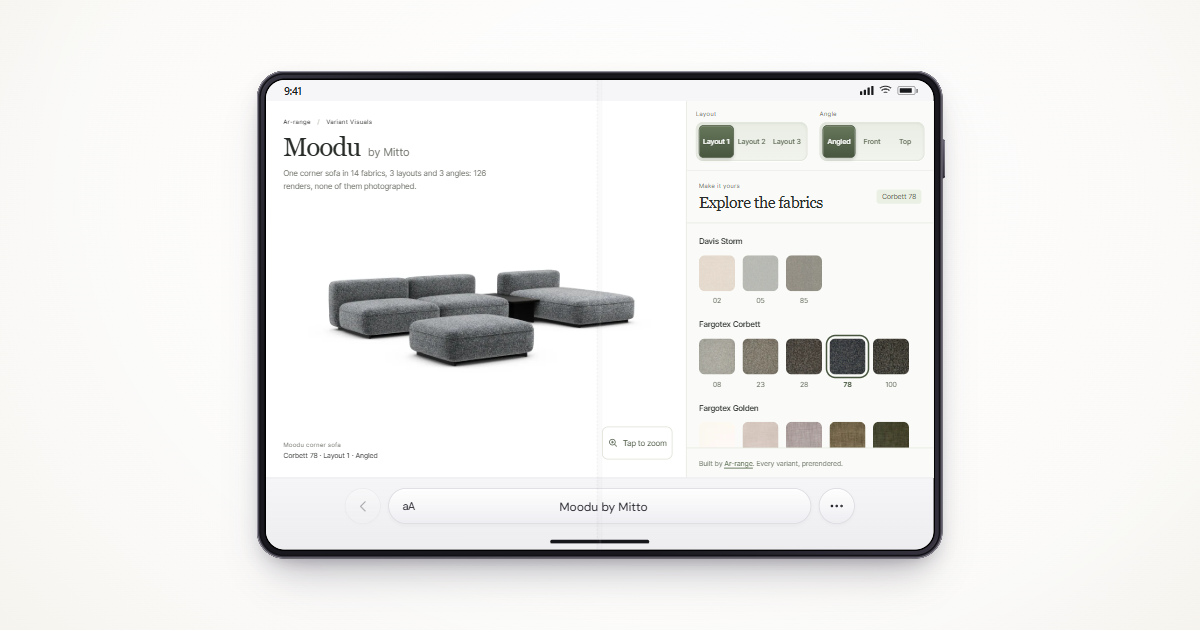](https://duo.ar-range.app/)
Browser toolResponsive design
### Duo Preview
Your website.
A screen that changes.
Preview a website at estimated iPhone Duo sizes. Fold and unfold the frame, and see how the layout responds.
[Open Duo Preview](https://duo.ar-range.app/) Read the notes
Free to use. Runs in your browser.
From the experiment
### A change of screen. A useful question.
#### What happens to the choices?
The preview keeps the embedded page loaded as the frame changes. You can check whether a website preserves its selections when the viewport resizes.
#### What the preview can tell you
It is a layout check in your current browser. The sizes are estimates, and some websites block embedding. Testing on the actual device still matters.
Why we make these
## Room to try something different.
Our everyday work is helping people see and choose products. Labs gives us a place to explore the questions around that work, with small experiments you can try for yourself.
Each one comes with a little context: what we tried, what it shows and where its limits are.
[Explore Variant Visuals](https://ar-range.app/products/variant-visuals/?utm_source=ar-range-labs&utm_medium=referral&utm_campaign=labs-index)
Built by [Ar-range](https://ar-range.app/products/variant-visuals/?utm_source=ar-range-labs&utm_medium=referral&utm_campaign=labs-index)
Always exploring.
[Back to Ar-range](https://ar-range.app/)
================================================================================
Page: Meet us | Ar-range
URL: https://ar-range.app/meet-us/
================================================================================
Who we are
# A small team that makes furniture look like itself
Ar-range is a studio and a platform in one. We build the rendering pipeline that turns a single 3D model into every variant a catalogue needs, and we run it for the brands who would rather sell than manage a render farm.
## [Marcin Stempniewicz](https://ar-range.app/meet-us/marcin/)
CEO and co-founder, Ar-range
CEO and co-founder of Ar-range, where he builds the rendering and configurator pipeline that turns one 3D model into every variant a furniture catalogue needs: 2.2 million bed visuals for MyBed.pl came out of it. Outside the studio he documents flooded mines, caves and wrecks as 3D models through the Submerged Foundation.
[Profile and 14 posts →](https://ar-range.app/meet-us/marcin/) [LinkedIn](https://www.linkedin.com/in/marcin-stempniewicz/)
## [Łukasz Krakowiak](https://ar-range.app/meet-us/lukasz/)
Head of European Sales, Ar-range
Head of European Sales at Ar-range, where he helps product brands turn complex, customisable offerings into clean buying experiences: translating scattered catalogues and endless options into modular systems that both customers and the teams behind them can navigate. Outside Ar-range he co-owns Mani Concept, a beauty and interior design company.
[Profile and 20 posts →](https://ar-range.app/meet-us/lukasz/) [LinkedIn](https://www.linkedin.com/in/%C5%82ukasz-krakowiak-245499187/)
## [Jason Ross](https://ar-range.app/meet-us/jason/)
Head of North America Sales, Ar-range
Head of North America sales at Ar-range, where he helps manufacturers move to online product personalisation without losing control of their catalogue. Three decades at the intersection of creative technology and business strategy: he founded TSM Studio, growing a recording facility into a digital agency serving Fortune 500 brands, and launched Voiced.us around voice interfaces years before they were mainstream. His argument about configurators is that they are not for showing more, but for showing the right things better. He is based in Orlando, Florida.
[Profile →](https://ar-range.app/meet-us/jason/) [LinkedIn](https://www.linkedin.com/in/sunwut/)
## Talk to a person, not a form
Send us one model and the range it belongs to. You will get an honest answer about what the pipeline can do with it, including when the answer is that it is not worth it.
Talk to our team
## If they can't see it, they won't buy it. Let's show them.
Leave your details and we arrange a free consultation with the people who have spent years helping brands sell customised products. You bring the catalogue and the questions. We bring what has worked, what has not, and what it would take for you.
**1M** variants from one source
**Same day** price changes live in the shop
**No-code** configurators the client runs

================================================================================
Page: Privacy policy | Ar-range
URL: https://ar-range.app/privacy-policy/
================================================================================
Legal
# Privacy policy
How Big Banda Sp. z o. o., the administrator of ar-range.app, handles personal data and cookies.
## At a glance
**Who we are**
BIG BANDA Sp. z o. o. (Ar-range), ul. Józefa Chociszewskiego 21/4, 60-255 Poznań, Poland, is the administrator of your data.
**How to reach us**
By email at [privacy@ar-range.app](mailto:privacy@ar-range.app), or by post to the address above.
**What we use it for**
Answering your enquiry, preparing and performing a contract, running and measuring the website, and handling complaints. Marketing only with your consent.
**How long we keep it**
As long as we provide services and claims may arise, and no longer than 6 years after the end of the year our services ended.
**Outside the EU**
As a rule, no. Google services, and MailChimp if you sign up for the newsletter, may store data on servers in the USA.
**Your rights**
Access, correction, erasure, restriction, objection and portability. We answer within one month, extendable by two for complex requests.
A summary for convenience. The policy below is the binding text.
**Contents** § 1General information § 2Personal data § 3Cookies and other tools
## § 1. General information
1. This document (hereinafter referred to as the "Policy") sets out the principles of Privacy Policy and "Cookies" on the ar-range.app website (hereinafter referred to as the "Web Service") available at https://ar-range.app.
2. The Administrator of the Web Service is BIG BANDA Spółka z ograniczoną odpowiedzialnością (limited liability company under Polish law) with its registered office in Poznań (60-255) at ul. Józefa Chociszewskiego 21/4, entered in the register of entrepreneurs kept by the District Court Poznań - Nowe Miasto and Wilda in Poznań VIII Economic Department of the National Court Register under number 0000794853, holding NIP number 7792507533, REGON number 383883787 (hereinafter referred to as the "Administrator").
3. Words used with a capital letter shall have the meaning given to them in this Policy.
4. Personal data collected by the Administrator shall be processed in accordance with the provisions of Regulation (EU) 2016/679 of the European Parliament and of the Council of 27.04.2016 on the protection of natural persons with regard to the processing of personal data and on the free movement of such data and repealing Directive 95/46/EC (General Data Protection Regulation) (Official Journal of the EU L 119, p. 1; hereinafter referred to as "GDPR").
5. The Administrator shall make a special effort to protect the privacy and information provided to it and concerning the Web Service. The Administrator shall exercise due diligence in selecting and applying appropriate technical measures, including those of a programmatic and organizational nature, to ensure the protection of the processed data, in particular securing the data against their access to unauthorized persons, disclosure, loss and destruction, unauthorized modification, as well as against their processing in violation of applicable laws.
## § 2. Personal data
1. The administrator of your personal data is: BIG BANDA Spółka z ograniczoną odpowiedzialnością (limited liability company under Polish law) with its registered office in Poznań (60-255) at ul. Józefa Chociszewskiego 21/4, entered in the register of entrepreneurs kept by the District Court Poznań - Nowe Miasto and Wilda in Poznań VIII Economic Department of the National Court Register under number 0000794853, holding NIP number 7792507533, REGON number 383883787.
2. You can contact the Administrator Regarding your personal data by:
1. e-mail: [privacy@ar-range.app](mailto:privacy@ar-range.app),
2. post.
3. The Administrator processes your personal data for the following purposes and scope:
1. to take action prior to entering into a contract at your request expressed through the registration form, in which you have provided us with your personal data for the purpose of entering into a contract for the provision of electronic services and for the purpose of performing the contract for the provision of electronic services and additional contracts related to it (e.g. additional technical support); in this case we process your personal data provided in the registration form,
2. if you give a consent, in order for the Administrator to use, on its own behalf or on behalf of others, current and future telecommunications terminal equipment and automatic calling systems for direct marketing purposes (and in particular to send you newsletters and other interesting content); in this case, we process your personal data provided in the consent form,
3. in order to allow you to browse the Web Service, we process personal data regarding your activity on the Web Service, i.e. data regarding your device session, operating system, browser, location and unique ID, IP address,
4. in order to provide statistics on the use of the various functionalities available on the Web Service, to facilitate the use of the Web Service and to ensure the IT security of the Web Service, we process personal data regarding your activity on the Web Service, i.e. your location, IP address, device ID, data regarding your browser and operating system,
5. for the purpose of handling complaints, claims and requests, and responding to customer inquiries, we process the personal data you provide in complaints, claims and requests, or to respond to inquiries in any other form.
4. The Administrator processes the following categories of relevant personal data:
1. contact data,
2. data about your activity on the Web Service,
3. data on complaints, claims and requests.
5. The provision of the required personal data by you is voluntary but is a condition for the provision of services by the Administrator through the Web Service and the possibility for you to use the Web Service.
6. Personal data will be processed for the period necessary to provide services to you, in particular to enter into a contract, as well as for the period in which your claims against the Administrator may arise, but no longer than for 6 years counting from the end of the calendar year in which the Administrator stopped providing services to you.
7. Personal data will be erased in the following cases:
1. when you request their erasure or withdraw the consent you have given,
2. upon learning that the stored data is outdated or inaccurate,
3. in other cases, described in the Terms of service create.ar-range.app.
8. We store the data of persons browsing the Web Service for a period corresponding to the life cycle of cookies stored on your devices or until you delete them on your device.
9. We may transfer your personal data to the following categories of recipients:
1. state authorities, e.g. the Prosecutor's Office, the Police, the President of the Personal Data Protection Office (Prezes UODO), if they request us to do so,
2. providers of services we use to run the Web Service (in particular, payment operators, companies providing IT services to us, companies providing accounting services to us, companies providing legal assistance to us).
10. Under the GDPR, you have the right to:
1. request access to your personal data,
2. request rectification of your personal data,
3. request the erasure of your personal data,
4. request the restriction of the processing of your personal data,
5. object to the processing of your personal data,
6. request the portability of personal data.
11. The Administrator shall, without undue delay - and in any case within one month of receipt of the request - provide you with information on the actions taken in connection with your request. If necessary, the one-month period may be extended for another two months due to the complexity of the request or the number of requests.
12. In any case, the Administrator shall inform you of such extension within one month of receipt of the request, stating the reasons for the delay.
13. You have the right to obtain information from the Administrator as to whether your personal data is being processed.
14. If the Administrator processes your personal data, you have the right to:
1. access to your personal data,
2. obtain information about the purposes of processing, the categories of personal data processed, the recipients or categories of recipients of such data, the intended period of storage of your data or the criteria for determining this period, your rights under the GDPR and your right to lodge a complaint with a supervisory authority, the source of such data, automated decision-making, including profiling, and the safeguards applied in connection with the transfer of such data outside the European Union,
3. obtain a copy of your personal data.
15. If your personal data is inaccurate, you have the right to request that the Administrator promptly rectify your personal data.
16. You also have the right to request the Administrator to complete your personal data.
17. You have the right to request the Administrator to erase your personal data when:
1. your personal data is no longer necessary for the purposes for which it was collected or otherwise processed,
2. you have withdrawn specific consent, to the extent that your personal data was processed based on your consent,
3. your personal data was processed unlawfully,
4. you have objected to the processing of your personal data for direct marketing purposes, including profiling, to the extent that the processing of your personal data is related to direct marketing,
5. you have objected to the processing of your personal data in connection with processing necessary for the performance of a task carried out in the public interest or processing necessary for the purposes of legitimate interests pursued by the Administrator or a third party.
18. Despite your request for erasure of your personal data, the Administrator may continue to process your data for the purpose of establishing, asserting or defending claims of which you will be informed.
19. You have the right to request restriction of the processing of your personal data when:
1. you question the accuracy of your personal data - the Administrator will restrict the processing of your personal data for a period of time that allows you to verify the accuracy of the data,
2. when the processing of your data is unlawful, and instead of deleting your personal data you request the processing of your personal data to be restricted,
3. your personal data is no longer needed for the purposes of processing, but it is needed to establish, assert or defend your claims,
4. when you have objected to the processing of your personal data - until it is determined whether the legitimate interests on the part of the Administrator override the grounds stated in your objection.
20. You have the right at any time to object to the processing of your personal data, including profiling, in connection with:
1. processing necessary for the performance of a task carried out in the public interest or processing necessary for the purposes of legitimate interests pursued by the Administrator or a third party,
2. processing for direct marketing purposes.
21. You have the right to receive your personal data from the Administrator in a structured, commonly used machine-readable format and send it to another administrator.
22. You may withdraw the consent you have given for the processing of your personal data at any time.
23. Withdrawal of consent to process your personal data shall not affect the lawfulness of processing carried out based on your consent before its withdrawal.
24. Your personal data will not be subject to automated decision-making and profiling as referred to in Article 22 (1) and (4) of the GDPR.
25. As a rule, your personal data will not be transferred to a third country or international organization within the meaning of the GDPR. However, due to the use of Google's services, Microsoft's Clarity service and the MailChimp system (if you agree to receive newsletters), your data may be transferred to the United States of America in connection with its storage on American servers. The transfer of data is carried out on the basis of appropriate safeguards, i.e. the recipient's certification under the EU-U.S. Data Privacy Framework or the signing of so-called standard contractual clauses with these entities, which, in accordance with the Commission Decision of February 5, 2010 on standard contractual clauses for the transfer of personal data to processors established in third countries under Directive 95/46/EC of the European Parliament and of the Council, ensure an adequate level of protection for the transferred data.
26. If you believe that the processing of your personal data violates the GDPR, you have the right to lodge a complaint with a supervisory authority, in particular in the Member State of your habitual residence, your place of work or the place where the alleged violation was committed.
27. In Poland, the supervisory authority under the GDPR is the President of the Personal Data Protection Office (Prezes UODO).
28. In order to execute your rights, you may submit your request by letter to the Administrator's address or by email to: [privacy@ar-range.app](mailto:privacy@ar-range.app).
## § 3. Cookies and other tools
1. As part of the Web Service, the Administrator uses cookies. As part of the newsletter, the Administrator also uses the MailChimp system.
2. Cookies are IT data, in particular text files, which are stored on the final device of a website User and are intended for the use of the website. Cookies usually contain the name of the website from which they come, the time they are stored on the end device and a unique number.
3. The Administrator is the entity placing cookies on the Web Service User's terminal equipment and accessing them.
4. Cookies are used in particular for the following purposes:
1. creation of statistics that help to understand how users use the website, which allows improving its structure and content,
2. determining the user's profile in order to display materials matched to the user.
5. The website uses two main types of cookies: "session" (session cookies) and "persistent" (persistent cookies). "Session" cookies are temporary files that are stored on the user's terminal device until the user logs out, leaves the website or shuts down the software (web browser). "Persistent" cookies are stored on the user's end device for the time specified in the parameters of the cookies or until they are deleted by the user.
6. Web browsing software (web browser) usually allows the storage of cookies on the user's terminal device by default. Users of the site can change their settings in this regard. The web browser makes it possible to delete cookies. It is also possible to automatically block cookies. For details, please refer to the help or documentation of your web browser.
7. Restrictions on the use of cookies may affect certain functionalities available on the website.
8. We use external cookies from entities with which we cooperate, such as Google, Microsoft or Facebook. Since the operation of some cookies from external partners may be different than presented in this Policy, please refer to the information on these cookies available on the websites of our partners:
1. Google: [https://www.google.pl/intl/pl/policies/technologies/cookies/](https://www.google.pl/intl/pl/policies/technologies/cookies/),
2. Microsoft: [https://www.microsoft.com/privacy/privacystatement](https://www.microsoft.com/privacy/privacystatement),
3. Facebook: [http://www.facebook.com/help/cookies](http://www.facebook.com/help/cookies).
9. We use Microsoft Clarity to understand how visitors use the Web Service through behavioural metrics, heatmaps and session replays, so that we can improve its structure and content. Clarity records page views, clicks, scrolling and mouse movement; text typed into form fields is masked and is never recorded. Clarity runs only after you accept the "Analytics" category in the cookie banner, and stops and removes its cookies if you withdraw that consent. It sets the first-party cookies __clck_ and __clsk_ (a pseudonymous visitor identifier and the current session) and the third-party cookies _CLID_, _ANONCHK_, _MR_, _MUID_ and _SM_ on Microsoft domains. The data is processed by Microsoft Corporation under the Microsoft Privacy Statement linked above.
10. MailChimp is a marketing automation platform that allows to create, send and analyze marketing campaigns, including serving newsletters. Detailed rules on the use of the system and processing of personal data and other information are available at [https://mailchimp.com/legal/](https://mailchimp.com/legal/).
We change this Policy from time to time. However, we would like to emphasize that your rights under this Policy will not be restricted without your express consent.
## If they can't see it, they won't buy it. Let's show them.
Leave your details and we arrange a free consultation with the people who have spent years helping brands sell customised products. You bring the catalogue and the questions. We bring what has worked, what has not, and what it would take for you.
**1M** variants from one source
**Same day** price changes live in the shop
**No-code** configurators the client runs

================================================================================
Page: Jason Ross, Head of North America Sales | Ar-range
URL: https://ar-range.app/meet-us/jason/
================================================================================

Head of North America Sales, Ar-range
# Jason Ross
Head of North America sales at Ar-range, where he helps manufacturers move to online product personalisation without losing control of their catalogue. Three decades at the intersection of creative technology and business strategy: he founded TSM Studio, growing a recording facility into a digital agency serving Fortune 500 brands, and launched Voiced.us around voice interfaces years before they were mainstream. His argument about configurators is that they are not for showing more, but for showing the right things better. He is based in Orlando, Florida.
[LinkedIn](https://www.linkedin.com/in/sunwut/) [mycommunitysync.com](https://mycommunitysync.com/authors/jason-ross)
- Product configurators
- Digital transformation
- Sales strategy
- Product personalisation
- Modular product systems
## Talk to Jason
Leave your details in the form below and Jason sets up a call. We look at your sales pipeline and how you show products online today, and flag what is worth fixing on the spot. If there is a fit for us to help, you will hear how.
**You walk away with a set of suggestions, and at worst, an honest opinion from someone with no reason to tell you your setup is fine.**
Talk to Jason
## If they can't see it, they won't buy it. Let's show them.
Leave your details and we arrange a free consultation with the people who have spent years helping brands sell customised products. You bring the catalogue and the questions. We bring what has worked, what has not, and what it would take for you.
**1M** variants from one source
**Same day** price changes live in the shop
**No-code** configurators the client runs

================================================================================
Page: Łukasz Krakowiak, Head of European Sales | Ar-range
URL: https://ar-range.app/meet-us/lukasz/
================================================================================

Head of European Sales, Ar-range
# Łukasz Krakowiak
Head of European Sales at Ar-range, where he helps product brands turn complex, customisable offerings into clean buying experiences: translating scattered catalogues and endless options into modular systems that both customers and the teams behind them can navigate. Outside Ar-range he co-owns Mani Concept, a beauty and interior design company.
[LinkedIn](https://www.linkedin.com/in/%C5%82ukasz-krakowiak-245499187/)
- Product configurators
- Modular product systems
- Furniture e-commerce
- Product customisation
- B2B sales
## Written by Łukasz
 Guide
[Replacing](https://ar-range.app/blog-posts/category/replacing/) 21 February 2026
### [Why the simplest software is the best base for a complex configurator](https://ar-range.app/blog-posts/from-simple-to-complex-why-simplest-software-solutions-are-the-best-basis-for-complex-configurators/)
Vendors rent a licensed rendering engine, wrap it in an interface and call it proprietary innovation. Why a cleaner, open foundation outperforms it, and what the ownership paradox really costs.
5 min read
[Diagnosing](https://ar-range.app/blog-posts/category/diagnosing/) 26 January 2026
### [When a furniture product configurator helps, and when it does not](https://ar-range.app/blog-posts/when-a-furniture-product-configurator-helps-and-when-it-doesnt/)
Explore how furniture product configurators can offer a competitive edge in sales by reducing visualization friction and streamlining decision-making processes. Learn when these tools are effectively implemented for repeatable logic, defined options, and high visual uncertainty, and understand scenarios when they might add unnecessary complexity. This article provides insights into aligning configurator technology with pricing and manufacturing logic, ensuring effective application and tangible benefits.
5 min read

[Implementing](https://ar-range.app/blog-posts/category/implementing/) 24 January 2026
### [Can I build a product configurator without having 3D models?](https://ar-range.app/blog-posts/can-i-build-a-product-configurator-without-having-3d-models-ad21b/)
Yes, a configurator can run on photos, 2D layers or AI images instead of 3D models. It holds while the catalogue is small and the rules are simple. Past that point the pictures stop agreeing with each other, and the checking costs more than the models would have.
5 min read
[Implementing](https://ar-range.app/blog-posts/category/implementing/) 11 January 2026
### [What is the downside of Shopify?](https://ar-range.app/blog-posts/what-is-the-downside-of-shopify/)
Learn how Shopify's product variant model struggles with complex furniture catalogs, causing performance issues and operational challenges. Explore alternative solutions like parametric configurators to manage product logic outside Shopify, improving system stability and scalability for customizable furniture brands.
3 min read

[Costs](https://ar-range.app/blog-posts/category/costs/) 5 January 2026
### [How much does the cheapest vendor cost?](https://ar-range.app/blog-posts/how-much-does-the-cheapest-vendor-cost/)
Discover the hidden costs of low-cost 3D furniture configurators and explore the true value of comprehensive integration. Learn how proper integration links design, sales, and production, reducing manual effort and increasing efficiency. Understand the impact on online, showroom, and backend environments and evaluate configurators beyond price, focusing on integration, user experience, scalability, and maintenance. Gain insights on how to optimize your workflow and improve ROI with a robust 3D configurator system.
4 min read

[Showroom](https://ar-range.app/blog-posts/category/showroom/) 10 November 2025
### [Post-visit follow-ups that don't feel like spam](https://ar-range.app/blog-posts/post-visit-follow-ups-that-dont-feel-like-spam/)
Learn effective strategies for improving furniture showroom sales by transforming post-visit follow-ups into engaging, personalized experiences. Discover how using visuals, augmented reality, and tailored communication can bridge the gap between customer curiosity and commitment, reducing showroom bounce rates and enhancing conversion rates.
5 min read
[Diagnosing](https://ar-range.app/blog-posts/category/diagnosing/) 3 November 2025
### [Do lifestyle images outperform studio shots for customizable furniture?](https://ar-range.app/blog-posts/why-lifestyle-images-outperform-silo-shots-for-configurable-goods/)
Discover how lifestyle product images and automated 3D rendering enhance B2C furniture sales by evoking emotions and aiding decision-making. Learn why combining visual storytelling with AI and AR technologies can improve engagement, boost conversion rates, and streamline production processes. Explore strategies for balancing aspirational imagery with detailed product options to create a seamless buyer's journey in furniture e-commerce.
5 min read

31 October 2025
### [What is Augmented Reality and when NOT to use it?](https://ar-range.app/blog-posts/what-is-augmented-reality/)
Discover how Augmented Reality (AR) transforms e-commerce by enhancing product visualization, especially in furniture retail. Learn about the strategic use of AR to solve buying challenges related to space and scale, and how integrating AR with 3D configurators can drive customer engagement and sales. The article explains the importance of unified systems, avoids common AR pitfalls, and provides actionable insights for deploying AR effectively in your online business.
5 min read

[Configurators](https://ar-range.app/blog-posts/category/configurators/) 30 October 2025
### [What is a parametric configurator?](https://ar-range.app/blog-posts/what-is-a-parametric-configurator/)
Explore how parametric configurators revolutionize modern retail by integrating real-time CAD design, product pricing calculation, and ERP systems. Discover their impact on customer engagement, order accuracy, and production efficiency, turning digital tools into powerful automation hubs. Learn practical steps for implementation and maximize personalization potential in your sales strategy.
5 min read
[Costs](https://ar-range.app/blog-posts/category/costs/) 28 October 2025
### [360s that load fast: how many images per 360 do you need?](https://ar-range.app/blog-posts/360s-that-load-fast-how-many-images-per-360-do-you-need/)
Discover the balance of 360 product renders - from image count for smooth, realistic views to strategic rendering for optimal load times and costs. Learn best practices, industry standards, and decision-making frameworks that elevate e-commerce experiences while aligning with business goals. Explore techniques like hybrid rendering and A/B testing to enhance customer satisfaction and conversions.
5 min read

[Comparisons](https://ar-range.app/blog-posts/category/comparisons/) 27 October 2025
### [How to choose the right configurator for a furniture brand](https://ar-range.app/blog-posts/how-to-choose-a-right-configurator-for-a-furniture-brand/)
Discover the world of furniture configurators, digital tools that allow customers to customize and visualize furnishings before purchase. Learn about the different types, including 3D, modular, and parametric configurators, their technological integration, and strategic roles in sales processes. Understand how these tools enhance ecommerce operations by improving customer engagement, conversion rates, and product personalization while integrating with existing systems like ERP, CRM, and PIM. Explore key considerations and avoid pitfalls when choosing a configurator to streamline the buying process in a hybrid online-offline commerce landscape.
5 min read

[Showroom](https://ar-range.app/blog-posts/category/showroom/) 23 October 2025
### [Showroom continuity: opening the customer's saved configuration in store](https://ar-range.app/blog-posts/showroom-continuity-opening-the-customers-saved-config-in-store/)
This article explores the concept of furniture conversion, detailing how to create a seamless transition between online configuration and showroom experiences. It highlights the importance of integrating digital tools such as interactive configurators, augmented reality, and centralized data systems to enhance customer engagement, reduce errors, and achieve higher conversion rates. Practical steps for retailers include mapping customer journeys, implementing configurators, and training staff to create a connected and consistent shopping experience. Learn how these strategies foster emotional investment and trust in the purchasing process.
6 min read

[Costs](https://ar-range.app/blog-posts/category/costs/) 22 October 2025
### [How many images per PDP?](https://ar-range.app/blog-posts/how-many-images-per-pdp/)
Discover the crucial role of product images in e-commerce, especially for high-ticket furniture items. Learn how high-quality, strategic visuals build customer trust, enhance engagement, and drive conversions. Explore the optimal image count, types of images needed, and the impact of interactive visuals like 360-degree views and augmented reality. Understand how automation can simplify image management and support product customization. Avoid common pitfalls by balancing configurator use with compelling imagery, ensuring variant coverage, and continually updating your product display strategy to meet evolving customer expectations.
5 min read

[Costs](https://ar-range.app/blog-posts/category/costs/) 6 October 2025
### [How much does a product configurator cost?](https://ar-range.app/blog-posts/how-much-does-a-product-configurator-cost-in-2026/)
If your business needs a product configurator in 2026, how much should you actually budget? What are the critical factors, from product complexity to AR visualization and system integration, that will affect your price? How does utilizing automation revolutionize the cost structure, making sophisticated 3D and AR experiences accessible while ensuring a definitive return on investment by reducing returns and shortening?
2 min read

[Visuals](https://ar-range.app/blog-posts/category/visuals/) 29 September 2025
### [Photoreal close-ups that sell fabrics](https://ar-range.app/blog-posts/photoreal-closeups-that-sell-fabrics/)
This article delves into the importance of fabric closeups in e-commerce, highlighting photorealistic visuals, prerendered variant imagery, and automated mass rendering for enhanced online shopping experiences. Learn how these strategies improve customer trust, decrease return rates, and increase conversions, bridging the gap between digital impressions and physical purchases. Explore the balance between online visuals and in-store swatches, ensuring your e-commerce strategy effectively showcases customizable furniture.
4 min read

[Diagnosing](https://ar-range.app/blog-posts/category/diagnosing/) 30 April 2025
### [Why B2B habits fail in B2C furniture: buying a vision not a SKU](https://ar-range.app/blog-posts/why-b2b-habits-fail-in-b2c-furniture-buying-a-vision-not-a-sku-0f0c8/)
Explore the transition from B2B to B2C in furniture retail, focusing on emotional engagement, personalization as brand values, and the customer journey. Learn how to effectively integrate digital tools like AR and configurators at each consumer phase to move from selling SKUs to selling visions, blending digital and physical experiences for successful B2C storytelling.
6 min read

[Configurators](https://ar-range.app/blog-posts/category/configurators/) 18 October 2023
### [What is a product configurator? How it works, the types, and examples](https://ar-range.app/blog-posts/what-is-a-product-configurator-how-it-works-types-examples-benefits/)
A product configurator lets a buyer choose size, fabric and options, see the result and the price, and order it. What one is, how it works, the kinds that exist, and examples from furniture brands.
4 min read

[Implementing](https://ar-range.app/blog-posts/category/implementing/) 30 January 2023
### [Product configurator in WordPress: what works and what to expect](https://ar-range.app/blog-posts/product-configurator-in-wordpress/)
Yes, a product configurator runs on WordPress, and there are two ways to do it. Which one you need depends on how many options you sell and whether the buyer has to see them. Where WooCommerce stops, what the configurator adds, and how the two hand the order to each other.
4 min read

[Configurators](https://ar-range.app/blog-posts/category/configurators/) 8 January 2023
### [3D configurator for the sale of custom products](https://ar-range.app/blog-posts/3d-configurator-for-the-sale-of-custom-products/)
Selling a product that is made to order is harder than selling one off the shelf. A 3D configurator takes the hard part, showing the buyer their exact version and its price, and does it before anyone has to write an email.
2 min read

[Implementing](https://ar-range.app/blog-posts/category/implementing/) 5 October 2022
### [How to use augmented reality as an advantage in selling your products?](https://ar-range.app/blog-posts/how-to-use-augmented-reality-as-an-advantage-in-selling-your-products/)
The plain explainer: what augmented reality does on a phone, what it cannot do, web AR against an app, which phones support it, and what it costs once you have a 3D model. For whether it will pay off for your products, read the newer post it links to.
3 min read
## Talk to Łukasz
Leave your details in the form below and Łukasz sets up a call. We look at your sales pipeline and how you show products online today, and flag what is worth fixing on the spot. If there is a fit for us to help, you will hear how.
**You walk away with a set of suggestions, and at worst, an honest opinion from someone with no reason to tell you your setup is fine.**
Talk to Łukasz
## If they can't see it, they won't buy it. Let's show them.
Leave your details and we arrange a free consultation with the people who have spent years helping brands sell customised products. You bring the catalogue and the questions. We bring what has worked, what has not, and what it would take for you.
**1M** variants from one source
**Same day** price changes live in the shop
**No-code** configurators the client runs

================================================================================
Page: Marcin Stempniewicz, CEO and co-founder | Ar-range
URL: https://ar-range.app/meet-us/marcin/
================================================================================

CEO and co-founder, Ar-range
# Marcin Stempniewicz
CEO and co-founder of Ar-range, where he builds the rendering and configurator pipeline that turns one 3D model into every variant a furniture catalogue needs: 2.2 million bed visuals for MyBed.pl came out of it. Outside the studio he documents flooded mines, caves and wrecks as 3D models through the Submerged Foundation.
[LinkedIn](https://www.linkedin.com/in/marcin-stempniewicz/) [facebook.com](https://www.facebook.com/marcin.stempniewicz/) [submergedfoundation.org](https://submergedfoundation.org/) [u3da.pl](https://www.u3da.pl/agents/marcin-stempniewicz-9c7155ec-1eb8-4180-84a6-891dfeb32155) [mycommunitysync.com](https://mycommunitysync.com/authors/marcin-stempniewicz)
- 3D product visualisation
- Product configurators
- PBR materials
- Photogrammetry
- Furniture e-commerce
- Product data management
- Bulk 3D rendering at scale
- Enterprise furniture systems
- AI search systems
## What he does at Ar-range
Marcin co-founded Ar-range to solve a problem furniture brands keep paying for: a catalogue with thousands of fabric and finish combinations, and no way to show all of them. He designs the pipeline that scans a physical swatch, rebuilds it as a physically accurate material, renders every variant from a single 3D model, and feeds the results into configurators, Content Hub and AI search. For MyBed.pl that meant [2.2 million bed visuals and 120 configurators](https://ar-range.app/case-studies/mybed/), one per bed model, and a search that finds [one of 542 fabrics from a plain sentence](https://ar-range.app/case-studies/mybed-ai-search/).
He is also the person a prospect talks to first. Before a project starts he looks at how the brand sells today, in the showroom and online, and says what is worth fixing. In February 2025 he gave the ["New technologies in the furniture industry" lecture at Meble Polska](https://ar-range.app/blog-posts/ar-range-at-meble-polska-2025---new-technologies-in-the-furniture-industry/) in Poznań, on which of 3D configurators, AR and AI move sales and which only deepen existing problems.
> A configurator is worth as much as your understanding of what the buyer expects from it. Never more.
## The same craft, underwater
The scan-to-model discipline came from somewhere else. Marcin is a TDI Full Cave and technical wreck diver, and the founder of the [Submerged Foundation](https://submergedfoundation.org/), which documents flooded mines, caves and wrecks as explorable 3D models. Its flagship project, the Maria Concordia magnesite mine, is a four-level labyrinth with a 40-metre shaft, reconstructed from hundreds of thousands of photographs over hundreds of underwater hours, with support from the XDEEP Exploration Support Program.
He founded the [Underwater 3D Academy](https://www.u3da.pl/) to teach divers and marine archaeologists how to turn a scan into a model people can read, and has presented that work at Hidden Earth in the UK, the NSS Convention in the United States, Baltictech and Dive Expo Belgium. He lives in Poznań, Poland.
## Written by Marcin

[Costs](https://ar-range.app/blog-posts/category/costs/) 30 September 2026
### [What would it cost to rebuild Ar-range’s furniture configurator platform?](https://ar-range.app/blog-posts/what-it-would-cost-to-rebuild-ar-range-today/)
Ar-range was built over seven years, one catalogue at a time. What would the same platform cost as a one-off project today, and what should a manufacturer ask before building its own?
6 min read

[Replacing](https://ar-range.app/blog-posts/category/replacing/) 17 September 2026
### [Two bed brands bought the ready-made configurator. Both came back. Here is what 'ready' meant.](https://ar-range.app/blog-posts/two-bed-brands-and-the-ready-made-configurator/)
Two bed brands chose the ready-made 3D configurator: finished software, own interface, upload the models and go. Both came back, one after two years and one after three. What 'ready' meant on the product page, and what carried over.
7 min read

[AI](https://ar-range.app/blog-posts/category/ai/) 16 September 2026
### [Can customers find a fabric by describing it? What it takes to answer yes.](https://ar-range.app/blog-posts/can-customers-find-a-fabric-by-describing-it/)
A showroom salesperson turns 'soft, autumn colours, survives two cats' into three fabrics. Your website turns it into a filter. What it takes to put that conversation online: structured fabric data, the looks-like and feels-like knowledge, and the words your buyers actually use.
8 min read

[Diagnosing](https://ar-range.app/blog-posts/category/diagnosing/) 15 September 2026
### [You bought a 3D configurator. Your sales went down. Here's what actually happened.](https://ar-range.app/blog-posts/why-your-3d-configurator-didnt-increase-sales/)
A 3D configurator went live, looked good, and sales didn't move. Usually for three reasons: an unreliable button, a renderer that cannot show the fabric, and five hundred choices with no guidance. What we saw at MyBed, and what we built instead.
8 min read

[Diagnosing](https://ar-range.app/blog-posts/category/diagnosing/) 12 September 2026
### [Does previewing a product in 3D actually reduce returns?](https://ar-range.app/blog-posts/does-3d-preview-actually-reduce-returns/)
"3D preview reduces returns" is on almost every configurator vendor's homepage and behind almost none of their case studies. Here is what the claim would take to prove, and the cost we can actually point to instead.
6 min read

11 September 2026
### [3D configurator or variant visuals: which one does your catalogue need?](https://ar-range.app/blog-posts/difference-between-a-3d-configurator-and-variant-visuals/)
A 3D configurator and prerendered variant visuals answer different questions. The configurator is for products whose shape changes with the buyer's choices: modular sofas, wardrobes, outdoor kitchens. Variant visuals are for products whose shape is settled and whose finish is the choice: a bed in 542 fabrics. This piece sets out which one belongs where, what each costs you in performance and production, and how the two work together on one catalogue.
4 min read
[Diagnosing](https://ar-range.app/blog-posts/category/diagnosing/) 9 December 2025
### [Selling the idea of a product, instead of planks and fabric](https://ar-range.app/blog-posts/how-to-use-digital-transformation-to-sell-the-idea-of-product-instead-of-planks-and-fabric/)
Discover why selling furniture is increasingly challenging and how to counter these obstacles with engaging digital tools. Learn why emphasizing emotions over materials boosts sales, how digital configurators enhance customer experience, and why visual continuity is key to preserving excitement post-showroom visit. Explore strategies for successful B2C transitions and maintaining strong furniture margins by selling ideas, not just products.
7 min read

[Diagnosing](https://ar-range.app/blog-posts/category/diagnosing/) 15 October 2025
### [Furniture, emotion and conversion: what goes on in the buyer's mind](https://ar-range.app/blog-posts/furniture-emotion-and-conversion-inside-the-customers-mind-in-2025/)
Explore pitfalls and opportunities of entering B2C or DTC sales in the furniture industry, especially for brands transitioning from B2B operations. It explores why many such ventures fail, not because of missing technology like configurators, but due to misunderstanding the emotional and non-linear nature of consumer decision-making.
17 min read

[Configurators](https://ar-range.app/blog-posts/category/configurators/) 8 September 2025
### [What is parametric design?](https://ar-range.app/blog-posts/what-is-parametric-design/)
This article answers the big questions: How does parametric design work, why is it different from traditional modeling, and what does it mean for industries like furniture, fashion, and urban planning? You’ll learn its principles, the tools behind it, and how brands use configurators to turn complex, customizable products into seamless customer experiences.
5 min read

[Configurators](https://ar-range.app/blog-posts/category/configurators/) 29 August 2025
### [Selling modular sofas with a 3D sofa configurator](https://ar-range.app/blog-posts/selling-modular-sofas-with-3d-sofa-configurators/)
How do presets vs. blank-slate tools impact conversions? What ROI can you expect in 2025 from AR, CPQ, and cloud renders? This guide answers the tough questions every sofa brand faces when moving from fabric binders to 3D configuration.
8 min read

[Visuals](https://ar-range.app/blog-posts/category/visuals/) 26 August 2025
### [5 ways to make furniture renders stand out with automation and AI](https://ar-range.app/blog-posts/5-ways-for-your-furniture-renders-to-stand-out-using-automation-and-ai/)
Turn furniture renderings into a growth engine, not just pretty pictures. Learn how leading brands use automation, AI, and configurators to cut costs, boost conversions, and generate endless marketing assets - from lifestyle scenes to AR models - without drowning in complexity.
4 min read

[Configurators](https://ar-range.app/blog-posts/category/configurators/) 7 August 2025
### [Parametric configurator explained: faster quotes, fewer errors](https://ar-range.app/blog-posts/parametric-configurator-explained-faster-quotes-smarter-sales-fewer-errors/)
Discover what a parametric configurator is, how it works, and why it’s changing the way custom products are sold. See how it turns complex, customizable furniture into a seamless buyer experience - with real-time visuals, instant pricing, and logic your production team can trust.
8 min read

[Diagnosing](https://ar-range.app/blog-posts/category/diagnosing/) 3 March 2025
### [Ar-range at Meble Polska 2025: new technologies in the furniture industry](https://ar-range.app/blog-posts/ar-range-at-meble-polska-2025---new-technologies-in-the-furniture-industry/)
Marcin's talk at Meble Polska 2025 asked when a configurator actually pays off and when it only hides a process problem. The three questions the audience asked, answered, and what we saw on the fair floor.
3 min read

[Diagnosing](https://ar-range.app/blog-posts/category/diagnosing/) 5 December 2022
### [Use of augmented reality in furniture e-commerce: where it sells and where nobody taps it](https://ar-range.app/blog-posts/use-of-augmented-reality-in-furniture-e-commerce/)
Most furniture shoppers never open AR. Independent research says so and our own installs said the same. Where AR still earns its place, and what to build first instead.
9 min read
## Talk to Marcin
Leave your details in the form below and Marcin sets up a call. We look at your sales pipeline and how you show products online today, and flag what is worth fixing on the spot. If there is a fit for us to help, you will hear how.
**You walk away with a set of suggestions, and at worst, an honest opinion from someone with no reason to tell you your setup is fine.**
Talk to Marcin
## If they can't see it, they won't buy it. Let's show them.
Leave your details and we arrange a free consultation with the people who have spent years helping brands sell customised products. You bring the catalogue and the questions. We bring what has worked, what has not, and what it would take for you.
**1M** variants from one source
**Same day** price changes live in the shop
**No-code** configurators the client runs
