Case study · MyBed AI Search

542 fabrics, found by one plain sentence.

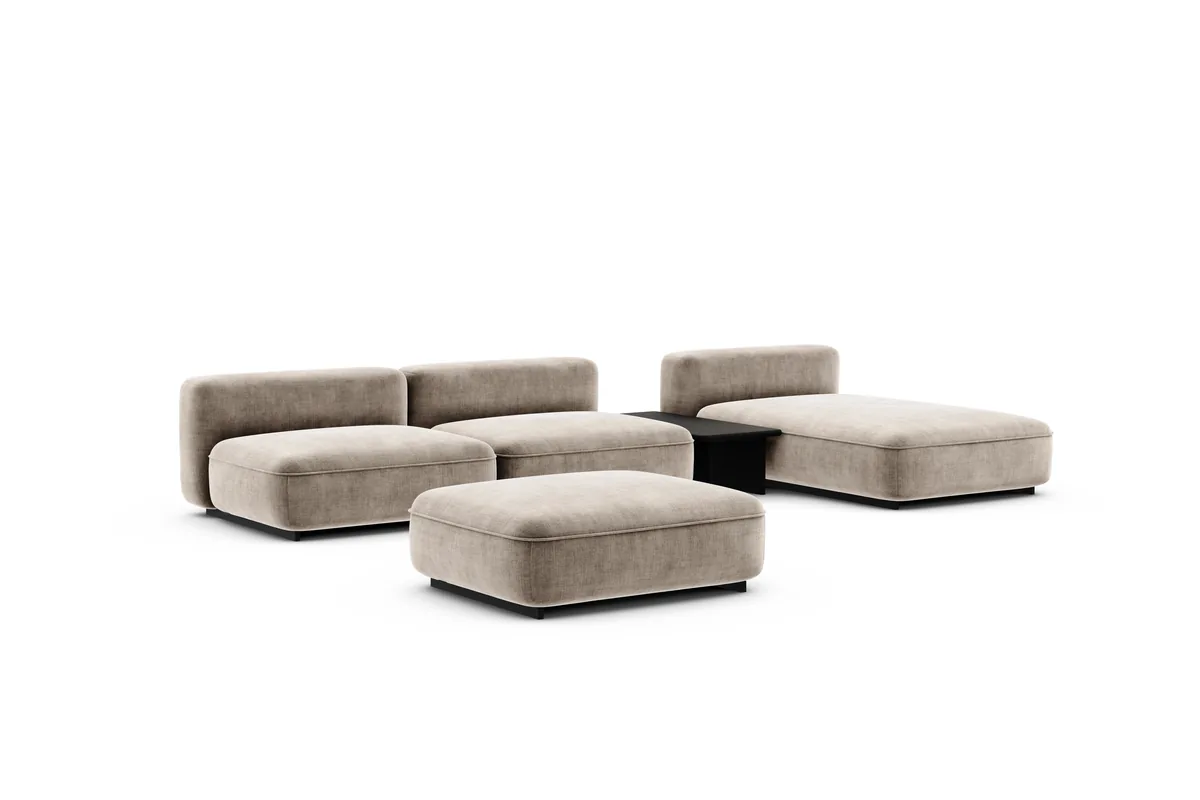
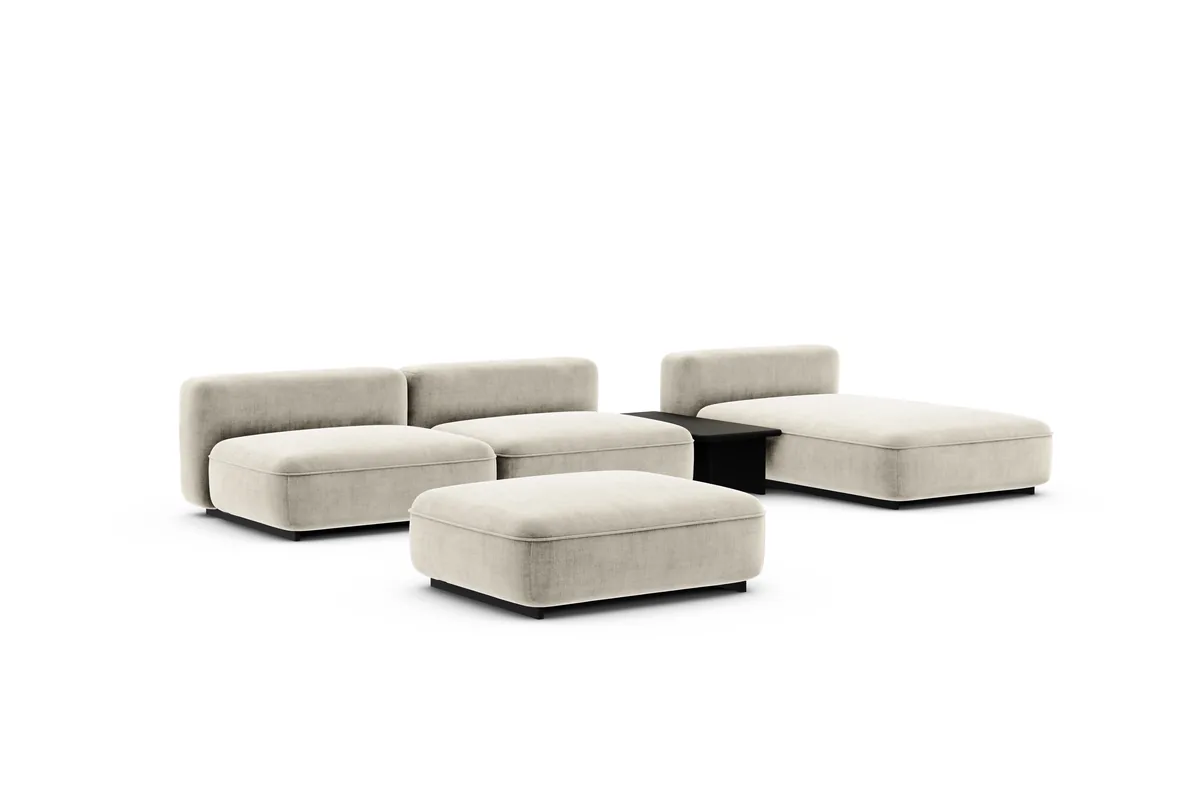
Ar-range built MyBed.pl a semantic fabric search. Shoppers describe what they picture, “looks like jeans” or “an elegant fabric that hides stains”, and semantic search answers in under 10 seconds with the right fabrics from 542 across 21 collections, then shows the bed in that exact fabric from 2.2 million prerendered visuals.


MyBed semantic fabric search
In production today

What changed in search

542
fabrics across 21 collections, found in plain language, no collection names to know
<10 s
to answer, scoring around 50 fabric parameters, technical and abstract
2.2M
prerendered visuals the result renders from
The challenge

The words a shopper uses are not the words in the catalogue.

MyBed sells beds in 542 fabrics across 21 collections. Nobody shopping for a bed knows those collection names, and nobody wants to open 21 of them. They know what they picture: something soft and grey, a fabric that will survive a dog, one that looks like linen.

A filter list has no box for any of that. It offers colour groups and collection names, so the shopper either learns the vocabulary of the catalogue or gives up. Most give up, and the store pays for that traffic twice.

21
Collections nobody wants to open one by one

Every collection has its own names and its own logic. The buyer has a sentence.

The solution

Read the sentence, then let plain code do the ranking.

1

The model reads, it does not choose.

The AI turns the sentence into a structured plan: what must be true, what would be nice, which colour family, what the fabric is for. It never touches the catalogue, so it cannot invent a product that does not exist.

2

Plain code scores the catalogue.

Deterministic scoring runs that plan against around 50 parameters per fabric, technical ones like weave and rub count, and abstract ones like cosy or contract-grade. Every result can be traced to the points that put it there.

3

An answer in under ten seconds.

The shopper types in Polish, the way they would say it to a salesperson, and the matching fabrics come back in under ten seconds, in their own words rather than in collection codes.

4

The bed, in that exact fabric.

Each result shows the bed in the fabric it names, pulled from the 2.2 million prerendered visuals we built for the catalogue. The find is shown on the product, not on a swatch square.

Case study · MyBed
“

Our shoppers stopped scrolling and started describing. They type what they picture, and the right fabrics come up.

MyBed.pl
MyBed.pl
Bed manufacturer · semantic fabric search
Challenge

542 fabrics across 21 collections. Polish shoppers describe colour and feel their own way (“autumn leaves”, “looks like linen”), and a filter UI had no box for any of it.

Solution / Result
  • Search understands colour, feel and use, not just keywords: “looks like jeans” works even though no fabric is denim.
  • Answers in under 10 seconds, scored on around 50 parameters, technical and abstract.
  • A back-office panel shows the most searched phrases and the fabrics returned, so MyBed’s own team can tune the fabric tags.
  • The bed appears in the exact fabric the buyer described.
Talk to our team →
Semantic search

Questions we get about search this size

Do buyers need to know collection names?
No. They describe colour, feel and use in their own words; the search maps that to the right fabrics.
Who keeps the results good?
MyBed's own team tunes the fabric tags on the same record that feeds the store, and watches results improve.
How fast is it?
Under 10 seconds per query. Each fabric is scored on around 50 parameters, some technical, some abstract.
Does it understand vague descriptions?
Yes. “Looks like jeans” returns fabrics with that look, even though none of them is denim. That is the difference between semantic search and a keyword filter.

A catalog too big for a filter UI?

Tell us how many fabrics and collections you carry. We'll tell you straight whether semantic search in your buyers' own words is worth wiring into your store.

1Mvariants from one source
Same dayprice changes live in the shop
No-codeconfigurators the client runs
No demo booking, no sales sequence. We reply by email and take it from there.