They trusted us





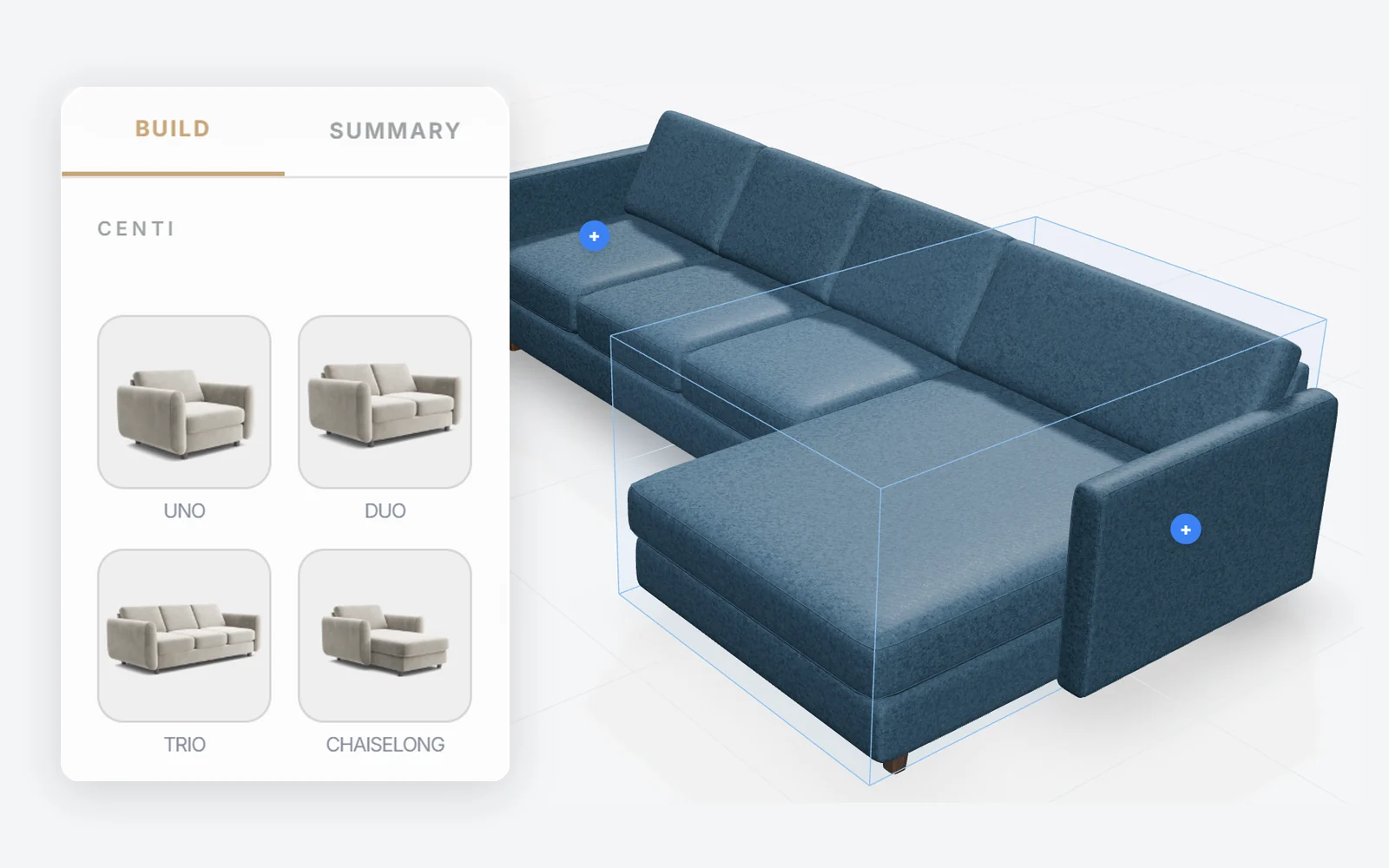
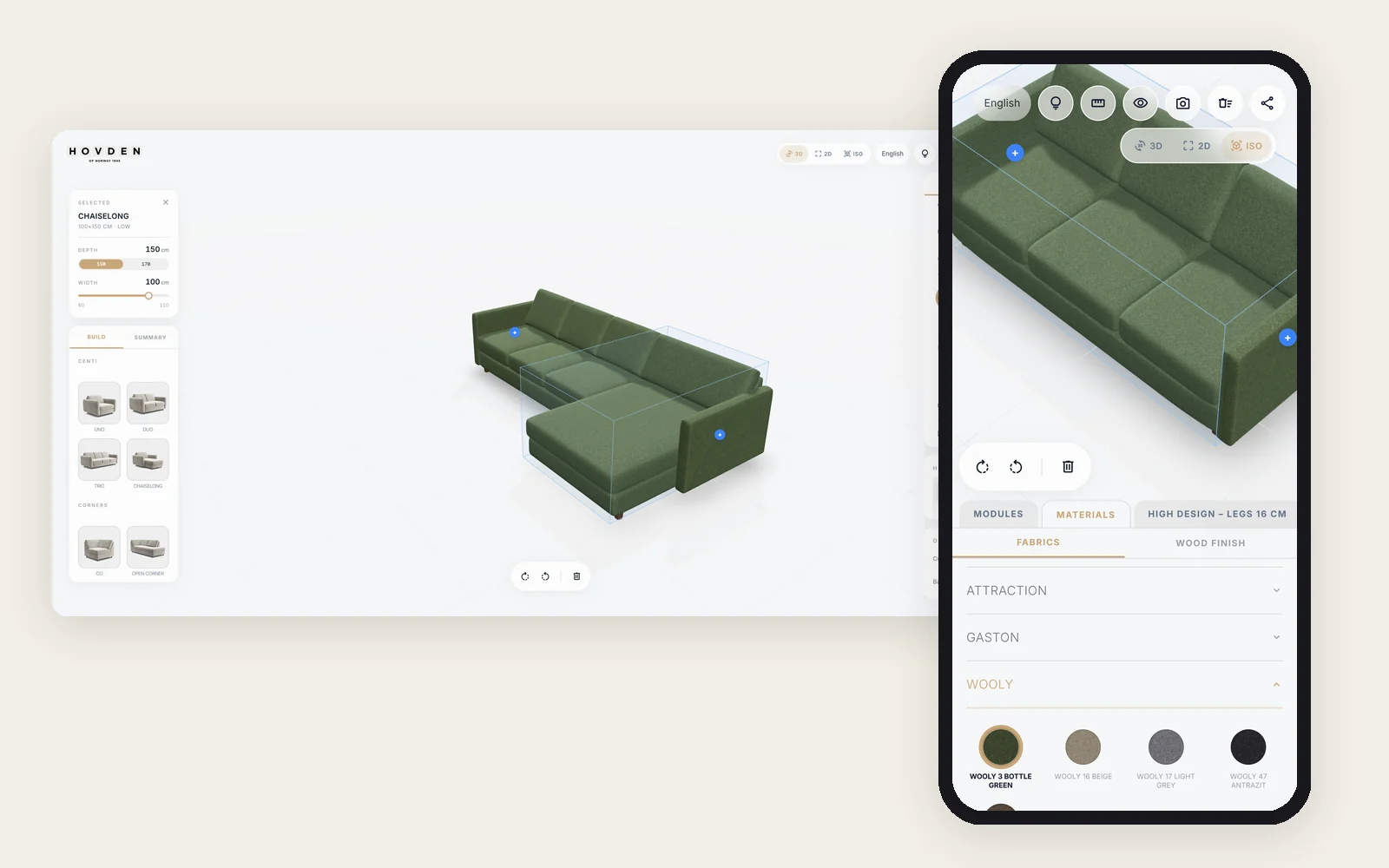
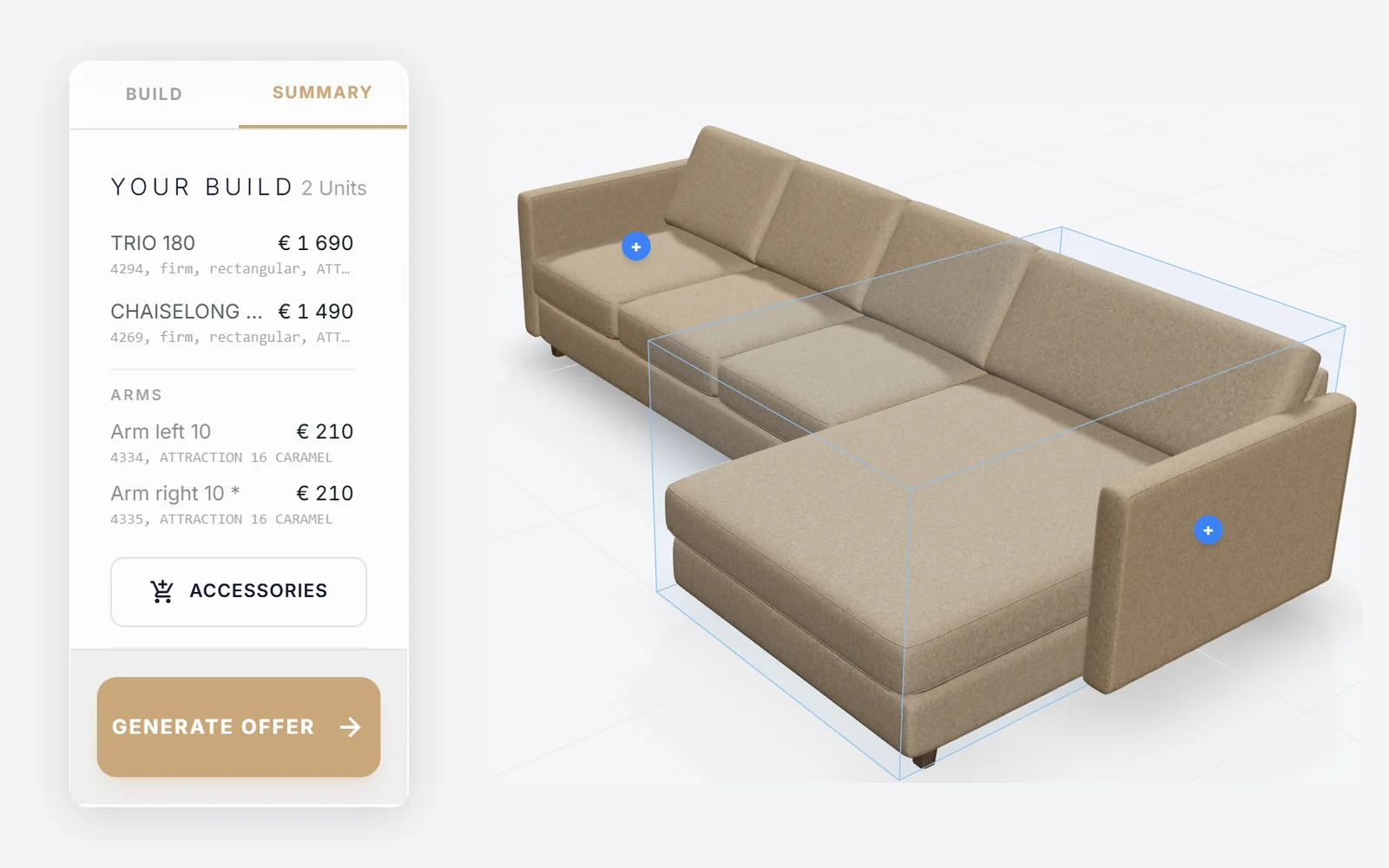
The buyer drags modules together, the rules decide what fits, and the piece they build leaves as a priced, manufacturable order, on the showroom screen or online.
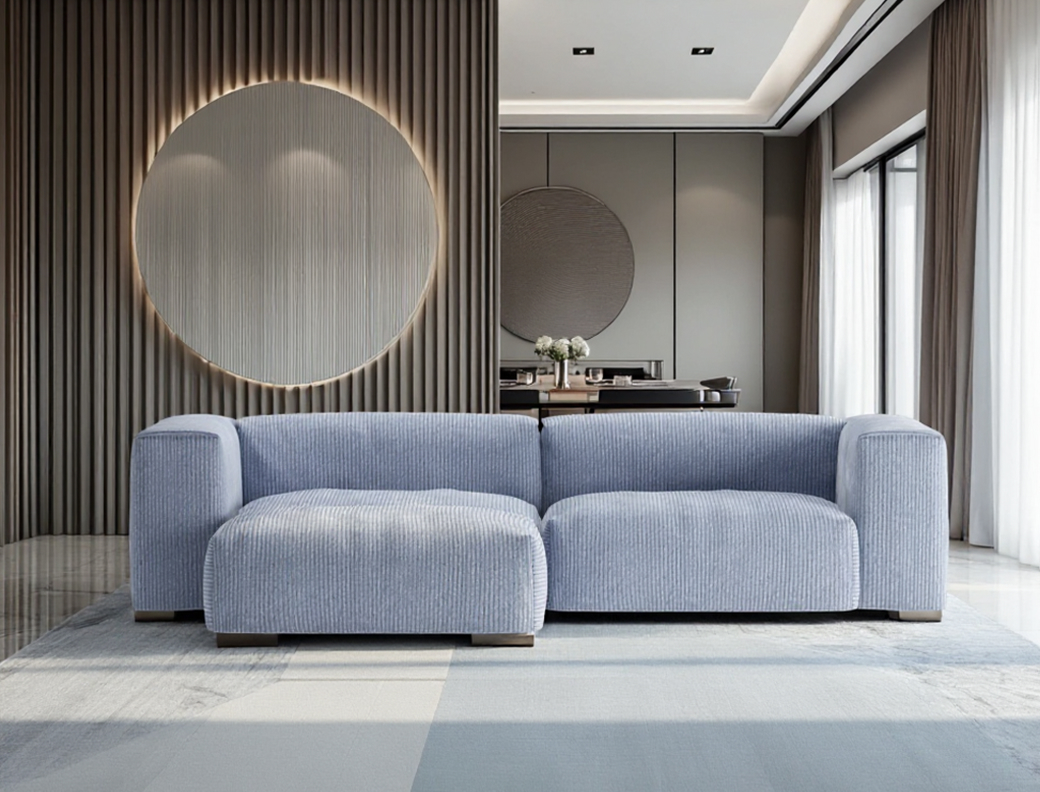
Most buyers meet your sofa on Pinterest or Instagram, then check your site. A product page with a few layouts already visualised serves the buyer who wants one as it is, and shows everyone else that the sofa can be made their way.
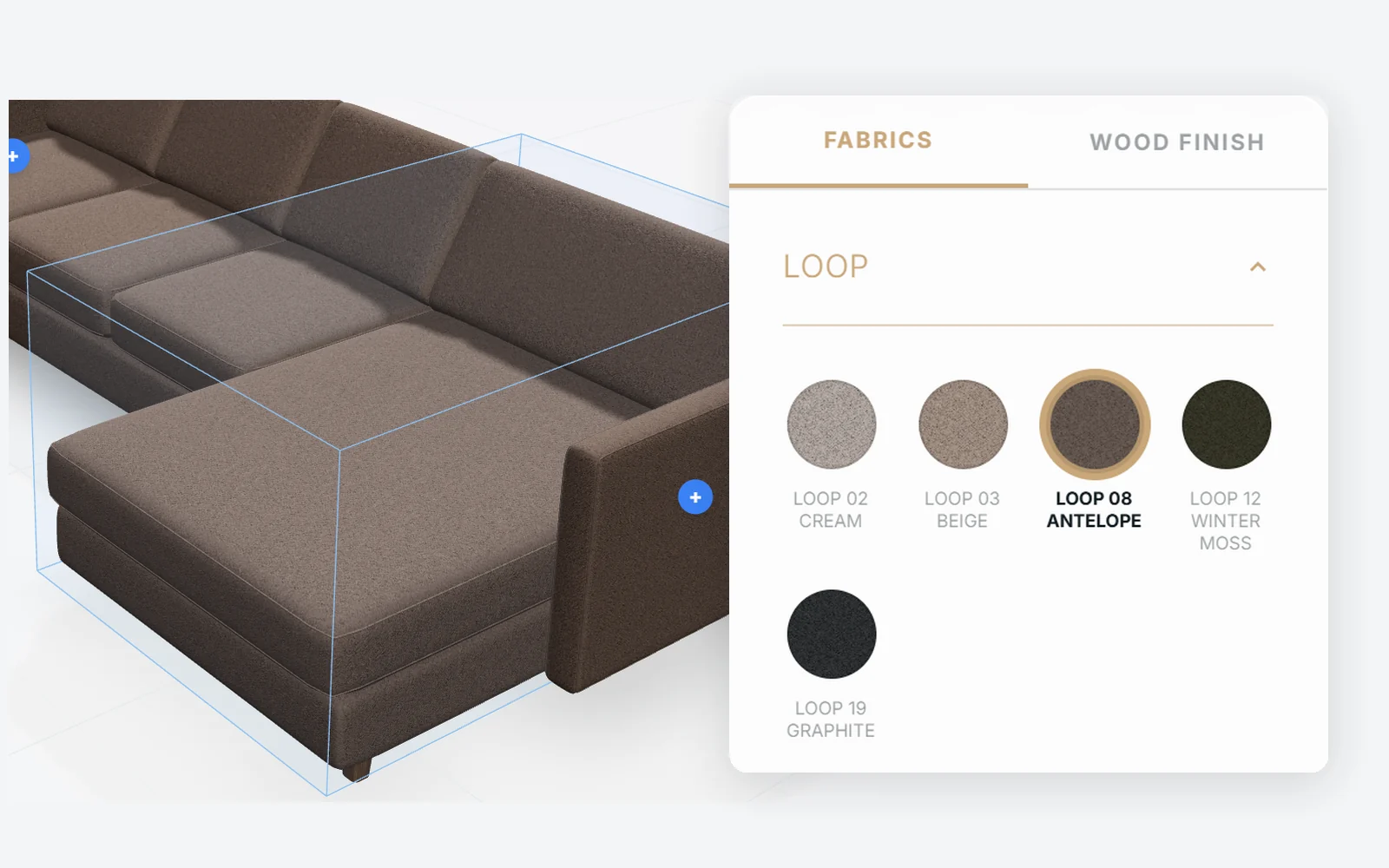
The full configurator opens for the buyer ready to put in the effort: every module, every fabric, the rules deciding what fits. In the showroom a sales rep drives it beside them, with the real sofa and the swatches within reach, so it can go deeper still.
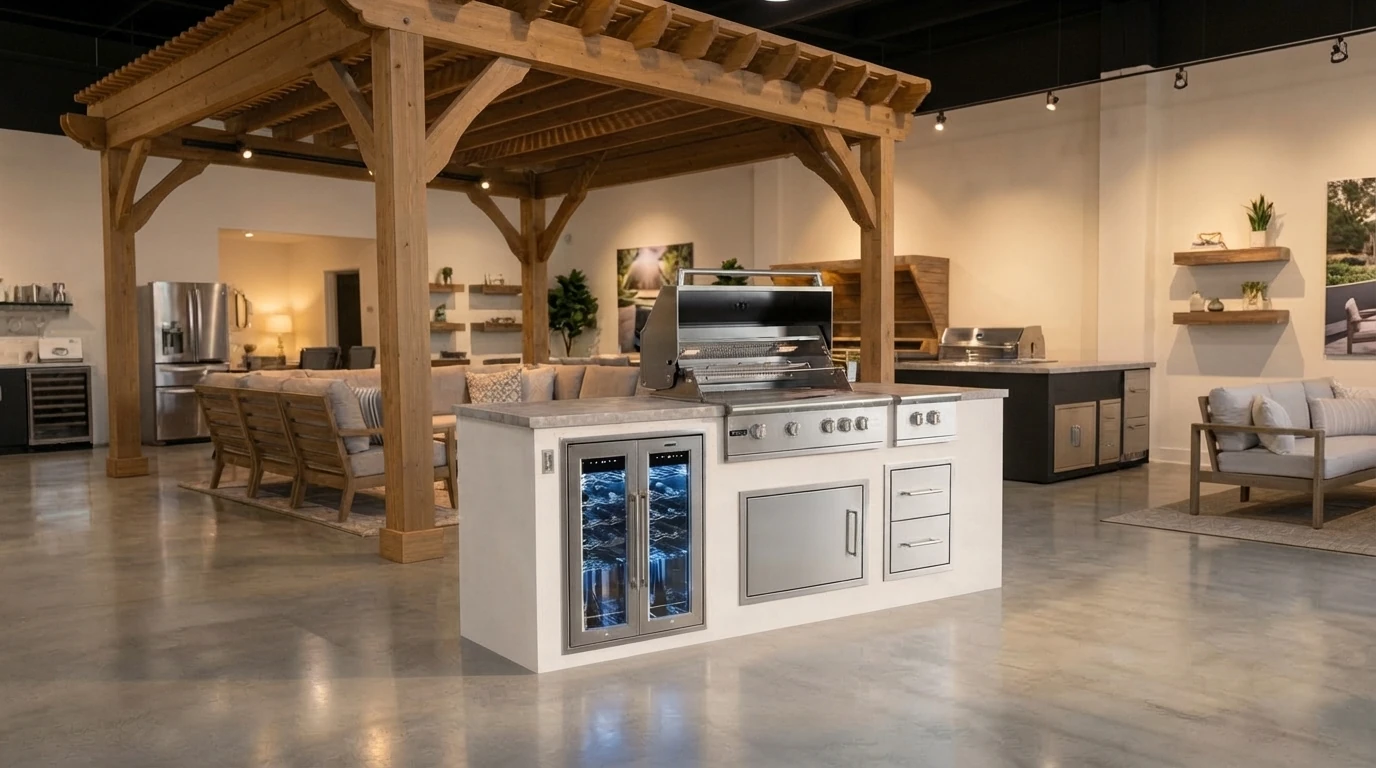
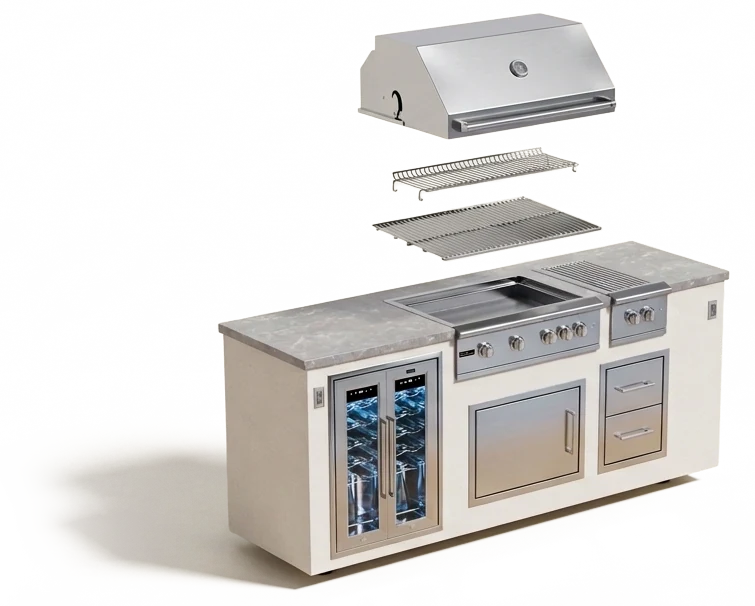
Paradise Grills' outdoor kitchens, configured module by module in 40+ US showrooms since April 2024, every build priced as it is made.
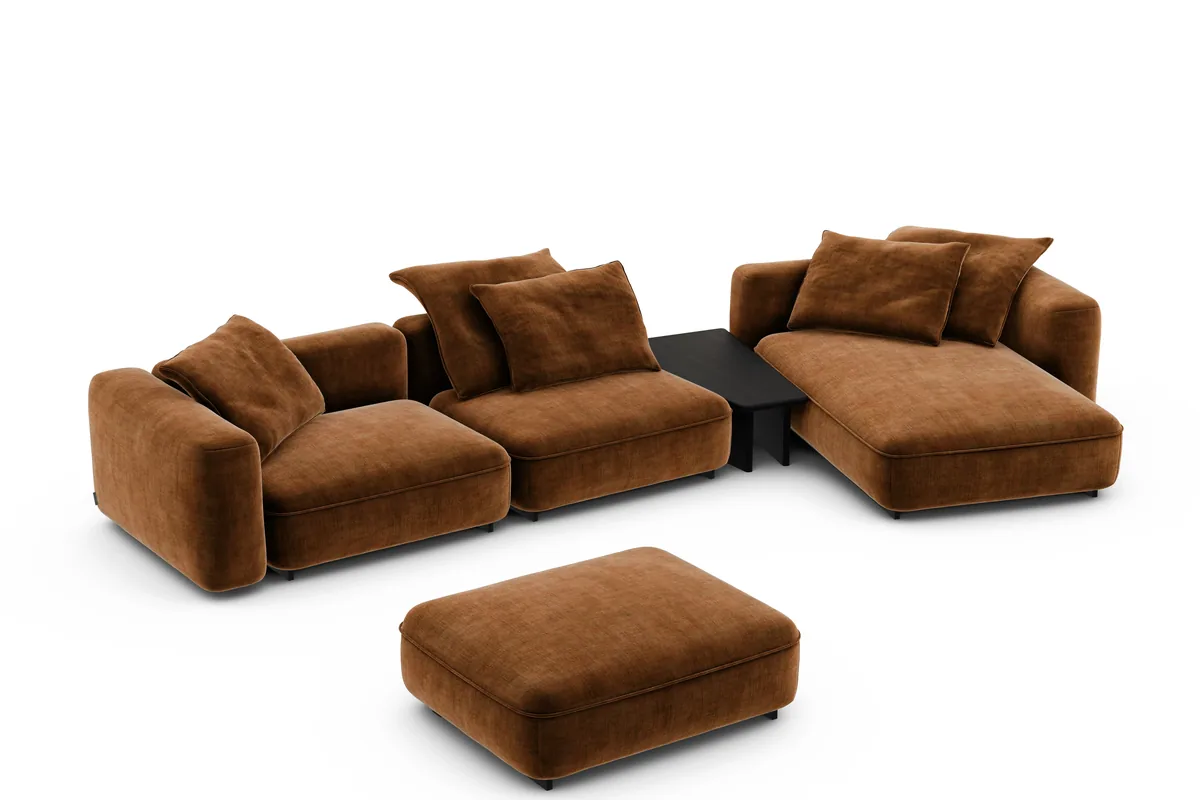
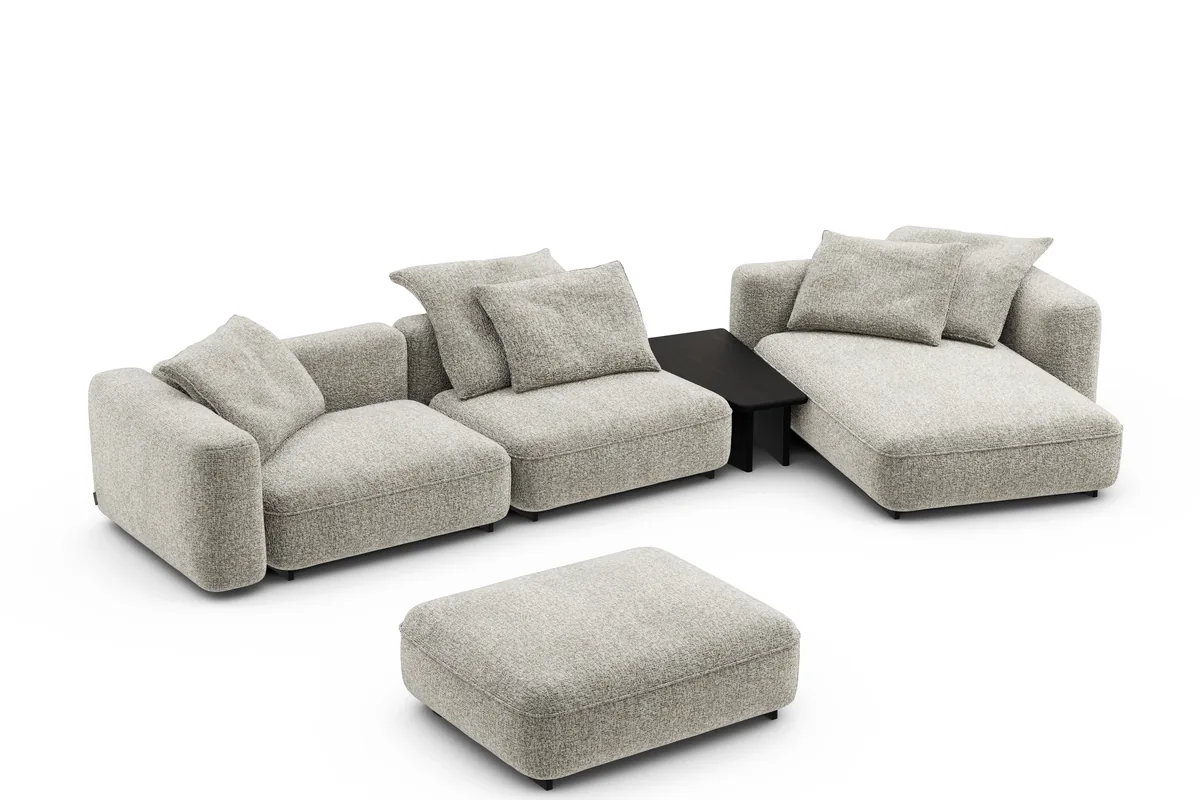
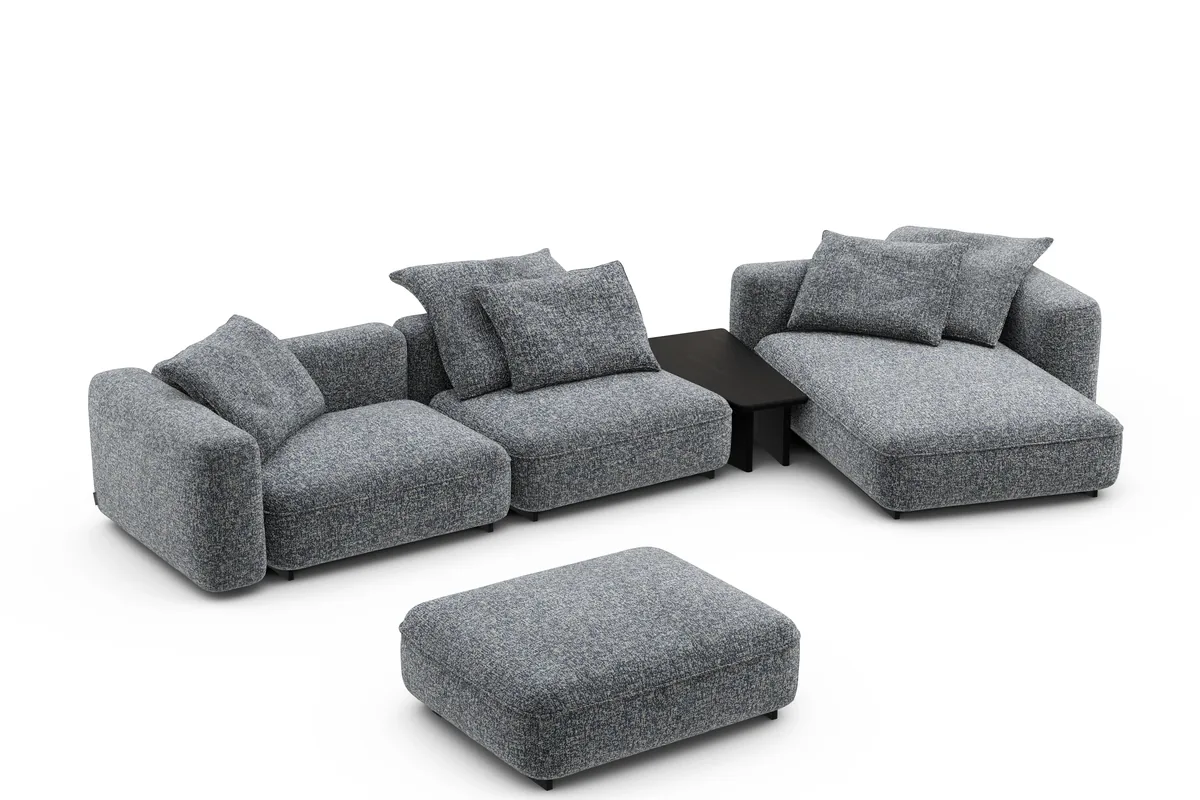
Pick a fabric, a layout, an angle. Every combination is prerendered and served like an ordinary photo, no render engine on the page, no waiting.
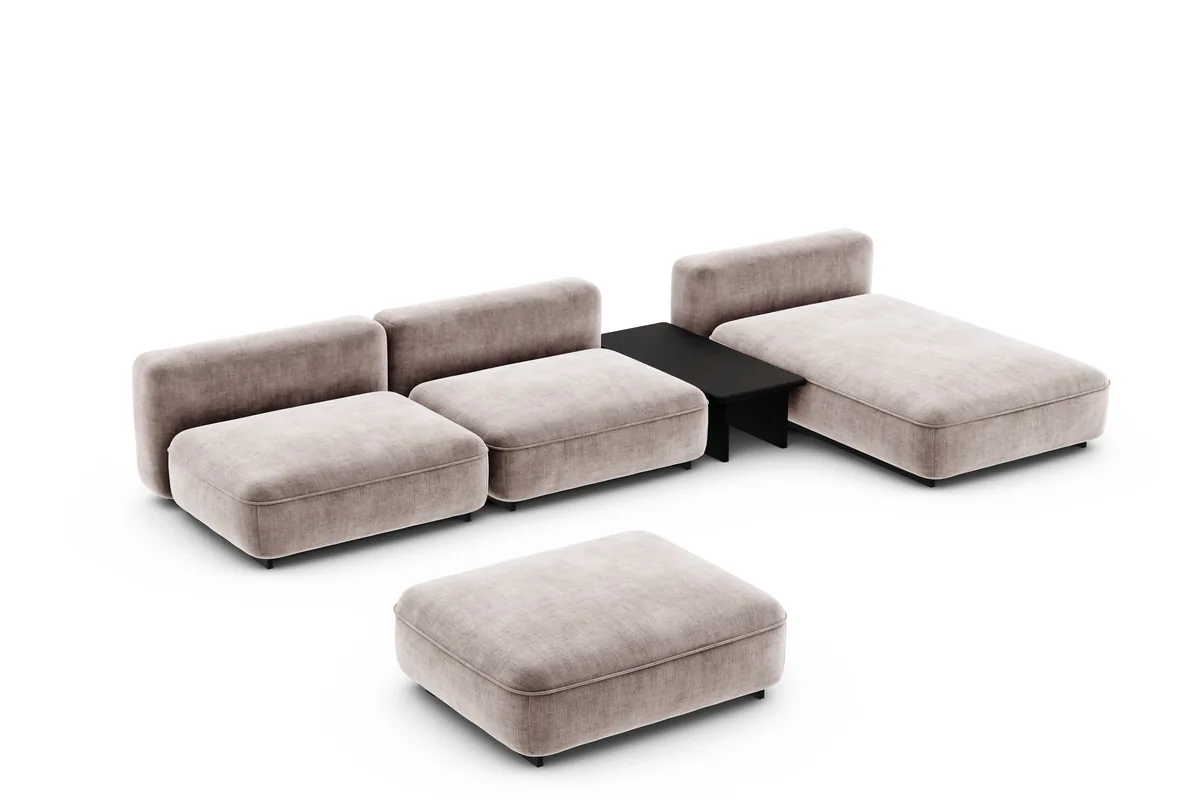
Same light, same angle, whole catalog. A coverage grid proves every variant is there before you launch. Hover the sofa to zoom in.
Every furniture sale climbs a ladder. First the inspirational shot that stops the scroll. Then the product page, where a handful of clean prerendered variants do the work: fast, always prerendered, never a 3D engine. Then, only if the product justifies it, the configurator: the deep build, on the showroom floor or at the very end of the online path. Ar-range builds the whole ladder. This product is the top rung. Put it where it pays, not everywhere.
See where it fits in your funnel →A configurator multiplies the demand you have already built. Size it to each stage: a few visualised options for the first look, the full build for the buyer who puts in the effort, and the deepest version on the showroom floor.
Every stage gets the tool it can use.
I am currently very satisfied with the service provided by Ar-range and cannot think of any areas that require improvement.
Digitize a complex custom-sales process across 40+ showrooms: order, agreement, payment and fulfillment in one flow.
From the blog
A few words on the kind of change we mean: not just a digital tool, but how you think about personalizing a product and what that is worth to your sales.