Blog · Selling in the room, not only online

Showroom

The showroom sale usually ends with a quote the customer carries home on paper, and the configuration they built online rarely follows them into the store. These posts are about closing in the room: a point of sale that quotes a custom piece in minutes, a saved configuration that opens on the showroom screen, and the follow-up that does not read as spam.

About
Showroom SuiteModular Configurator
Proof
Paradise Grills: 30 min → 5 min to close

Questions this category answers

Start here

Showroom Continuity: Opening the Customer's Saved Config In-Store

Showroom continuity: opening the customer's saved configuration in store

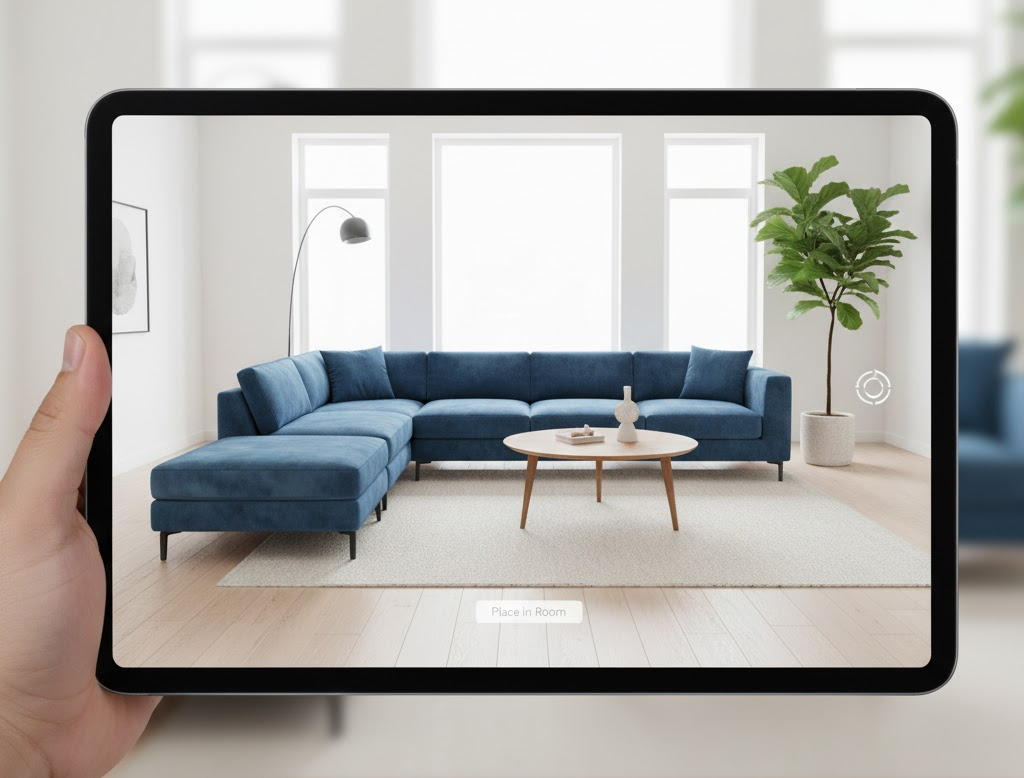
This article explores the concept of furniture conversion, detailing how to create a seamless transition between online configuration and showroom experiences. It highlights the importance of integrating digital tools such as interactive configurators, augmented reality, and centralized data systems to enhance customer engagement, reduce errors, and achieve higher conversion rates. Practical steps for retailers include mapping customer journeys, implementing configurators, and training staff to create a connected and consistent shopping experience. Learn how these strategies foster emotional investment and trust in the purchasing process.

5 min read

More in showroom

Post-visit follow-ups that don't feel like spam

Post-visit follow-ups that don't feel like spam

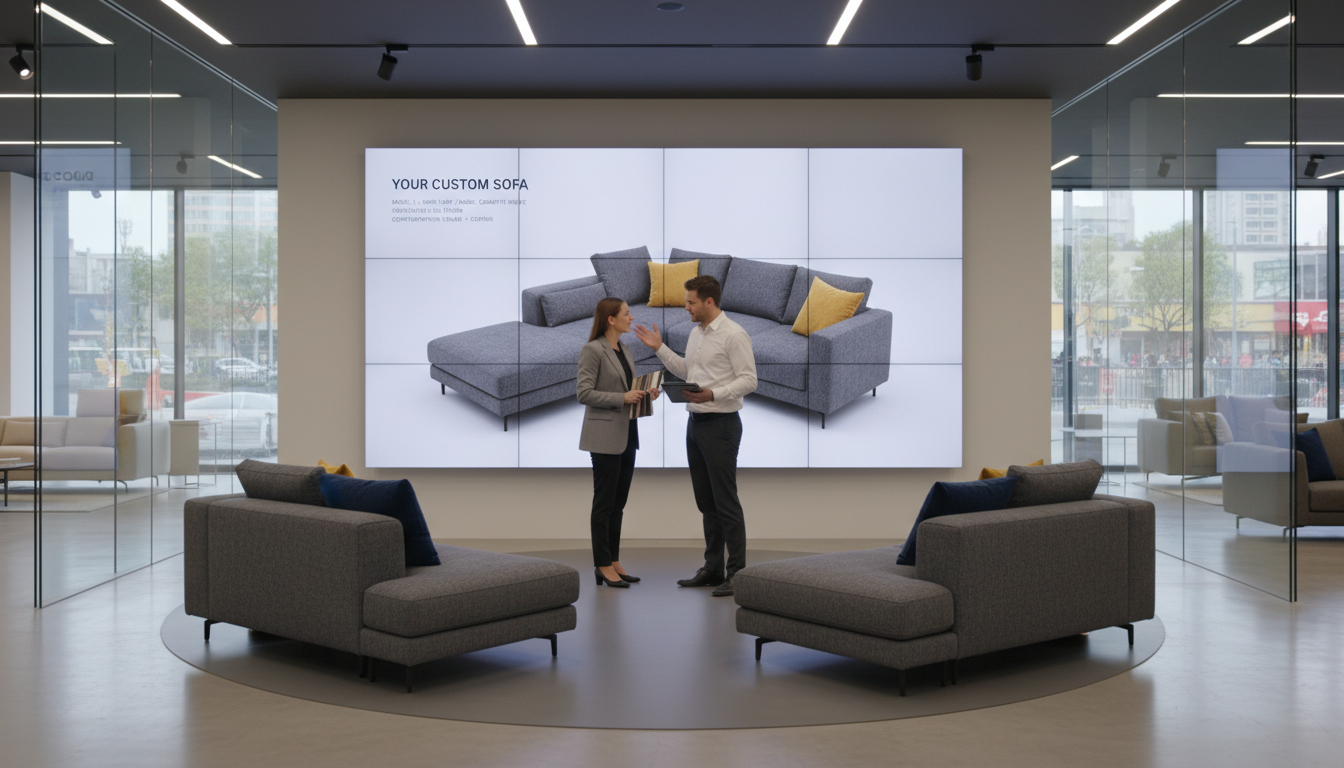
Learn effective strategies for improving furniture showroom sales by transforming post-visit follow-ups into engaging, personalized experiences. Discover how using visuals, augmented reality, and tailored communication can bridge the gap between customer curiosity and commitment, reducing showroom bounce rates and enhancing conversion rates.

5 min read
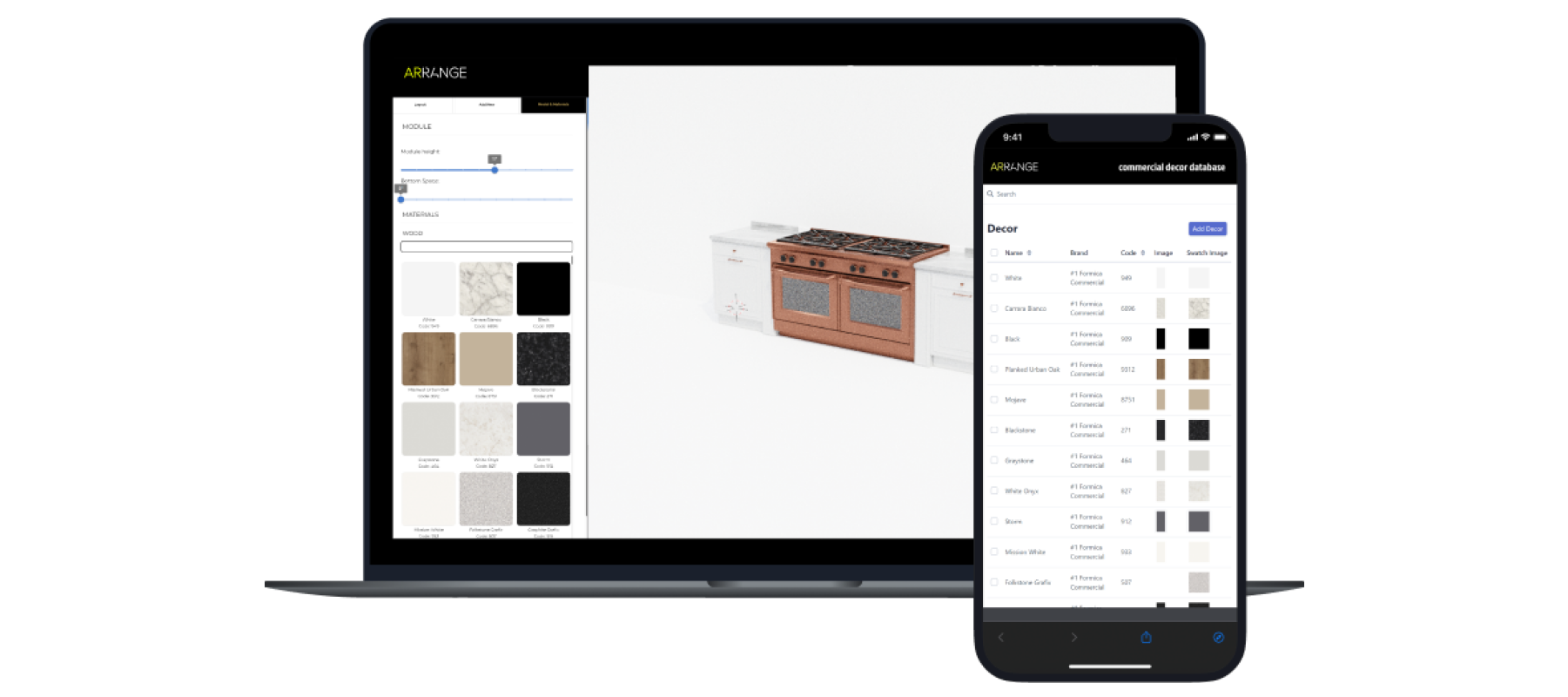
A laptop and a smartphone displaying a product customization interface for a kitchen range. The laptop screen shows various material options and a 3D model of a stove, while the smartphone screen shows a decor database with different material options and corresponding images

How to give a customer several options for a custom piece, fast

Designing a bespoke closet, kitchen, or storage system can be a complex and time-consuming process, often involving numerous revisions and extensive back-and-forth. However, by streamlining quotation processes and leveraging innovative tools like 3D configurators, you can enhance efficiency while still providing a tailored, engaging customer experience.

1 min read
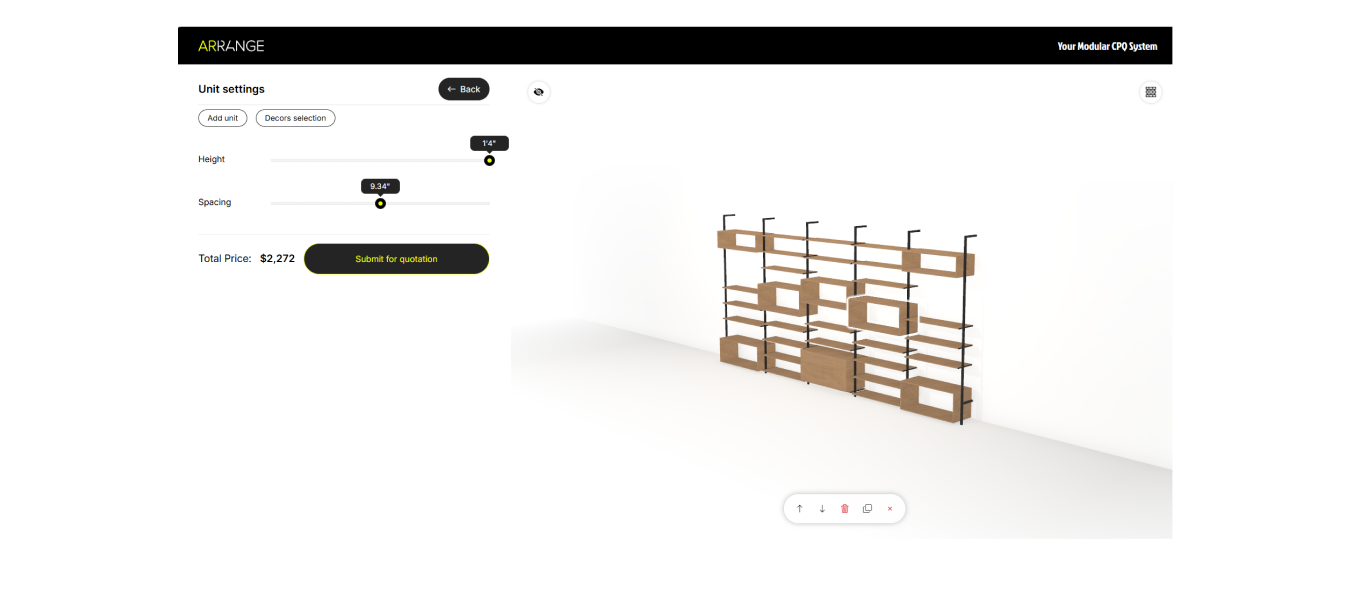
The image shows a design interface of a parametric configurator for a modular shelving system. On the left, there are controls for adjusting the dimensions, including total width, number of sections, section widths, and height. On the right, a 3D model displays the shelving unit with its measurements. The shelving system features wooden shelves and cabinets supported by a metal frame

Prequalify leads with an instant ballpark estimate online

When a new customer approaches with a project request, it often feels like starting with a blank canvas. Gathering detailed requirements and providing accurate quotes can be time-consuming, resulting in significant investment without guaranteed returns. To address these challenges and improve conversion rates, Ar-range has developed a universal parametric configurator that simplifies the quoting process for kitchen cabinets, closets, and shelving systems.

3 min read

If they can't see it, they won't buy it. Let's show them.

Leave your details and we arrange a free consultation with the people who have spent years helping brands sell customised products. You bring the catalogue and the questions. We bring what has worked, what has not, and what it would take for you.

1Mvariants from one source
Same dayprice changes live in the shop
No-codeconfigurators the client runs
No demo booking, no sales sequence. We reply by email and take it from there.