Understanding the ‘Post-Visit Follow-Up’ Problem
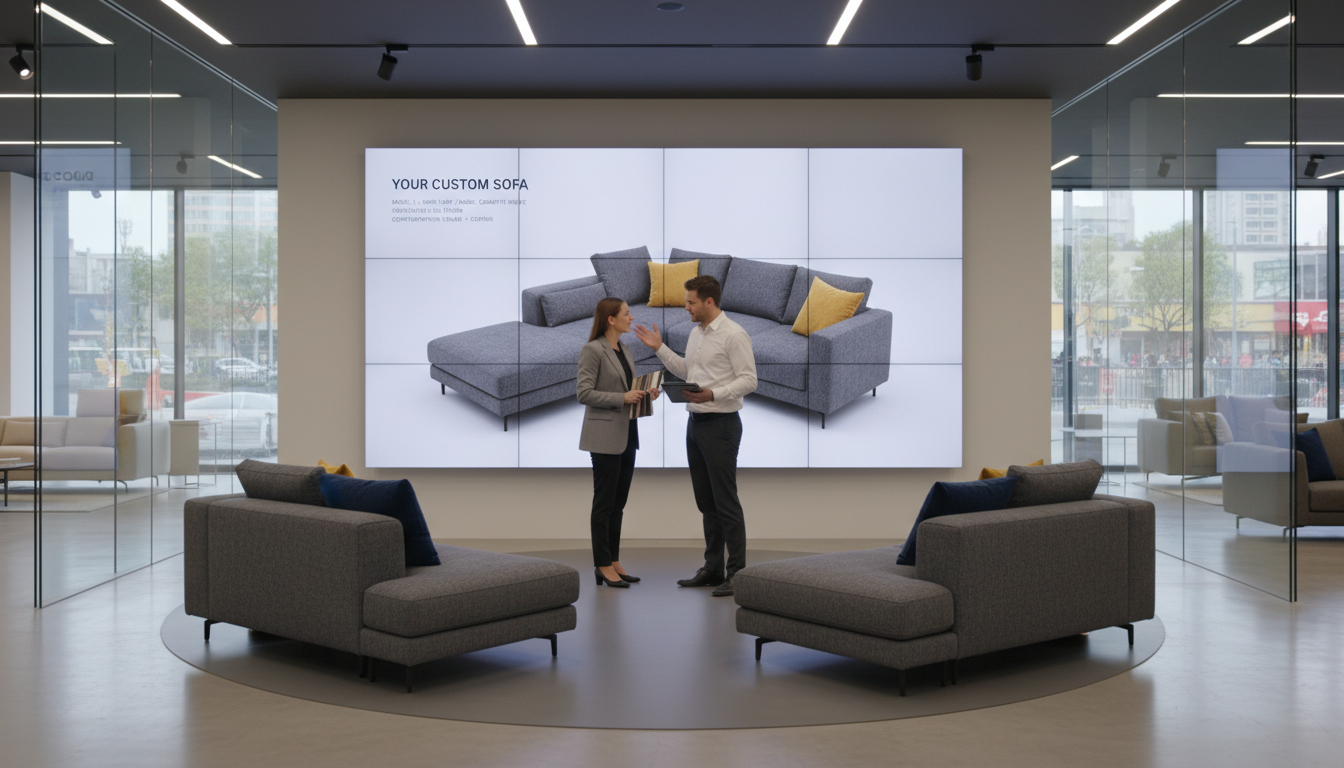
Walk into any furniture showroom and you’ll see it happen: people wander around, touch fabrics, ask for a quote, and leave. They’re polite. They say, “We’re just looking.” Then they disappear. For every customer who buys on the spot, a dozen walk out still undecided. It’s the showroom version of ecommerce cart abandonment, only with more smiles and fewer ‘Add to Cart’ buttons.
When we talk about Furniture Showroom sales, the tricky part isn’t always bringing people in - it’s bringing them back. Most sales teams follow up with a generic “Just checking if you’re still interested” email. Customers ignore it because it feels like spam. What’s missing is relevance and emotion. Your follow-up should be a continuation of the showroom story, not a cold call.
I’ve seen showrooms transform their close rates simply by rethinking how they follow up. The trick Make the customer feel like their experience continues after the visit.
Why Showroom Visitors Disappear
If you run a furniture showroom, you already know how this plays out. Customers leave with a quote sheet and a head full of doubts. They don’t know if the sofa fits their living room. They aren’t sure if the fabric they picked works in daylight. So they go home, open Pinterest, and drift away to cheaper online options.
It’s the same psychological pattern as ecommerce cart abandonment. Online, the cart is left behind. In-store, it’s the quote. The difference is that ecommerce retailers have learned how to re-engage those shoppers with emails, reminders, and visuals. Showrooms, in many cases, have not.
Most brands don’t lose customers because they’re too expensive. They lose them because they didn’t give enough clarity to make a confident decision. That’s the gap compelling follow-ups can close.
Using Visuals and AR To Keep the Emotion Alive
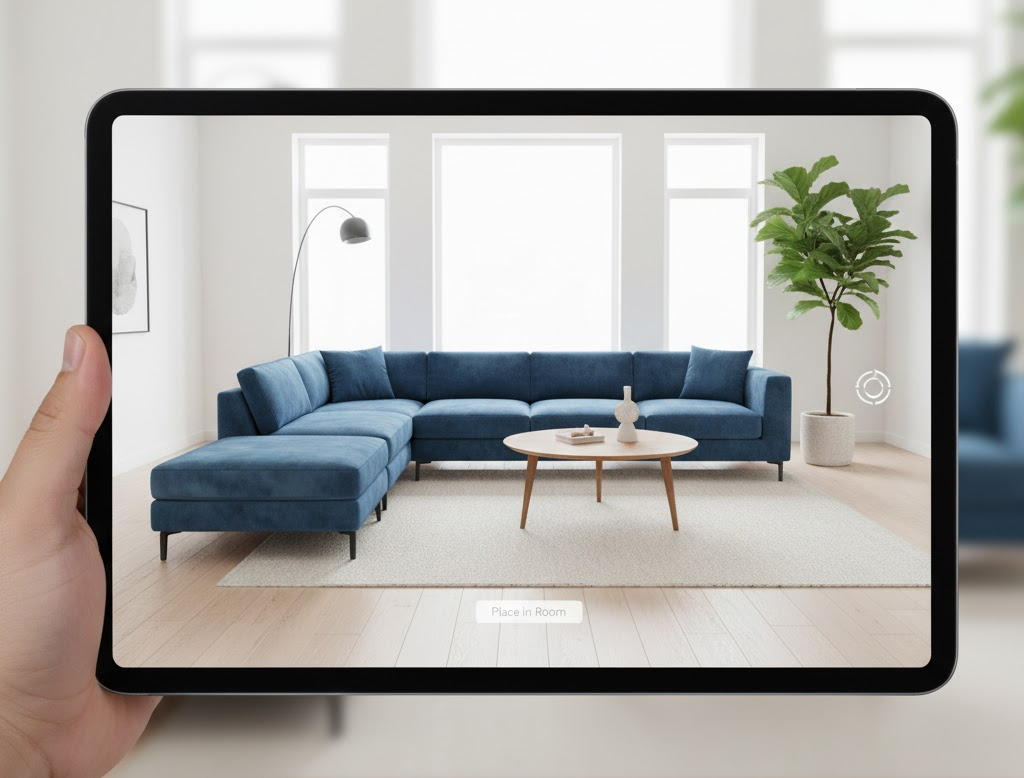
This is where technology earns its seat at the table. After the visit, what if your email followups included a photorealistic visual of the sofa in the exact fabric the client selected What if they could click a link and see that sofa in their living room through an Augmented Reality Viewer That’s no longer far-fetched. It’s today’s expectation.
These visuals don’t just help customers remember what they saw - they help them feel what they imagined. In our work with Paradise Grills, this kind of visualization changed the game. Their system automatically generates AR views so customers can see their outdoor kitchen right in their backyard. That level of personalization erases doubts and keeps the emotional spark alive. The same approach works for living rooms, bedrooms, and offices. If visitors leave your showroom empty-handed, the follow-up email should bring the product back to life for them - virtually.
Practical Follow-Up Strategies
Now, let’s get tactical. Here are ways to make follow-ups that work without feeling spammy:
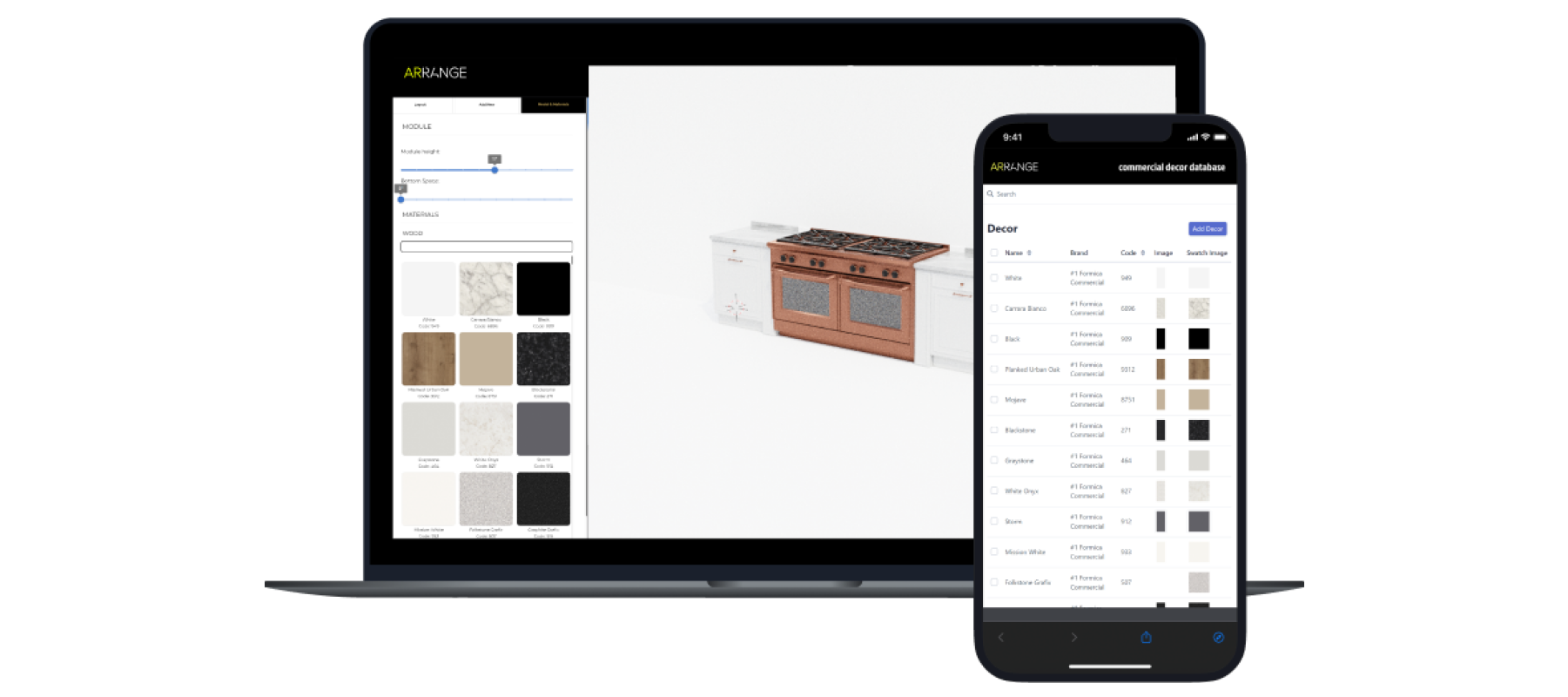
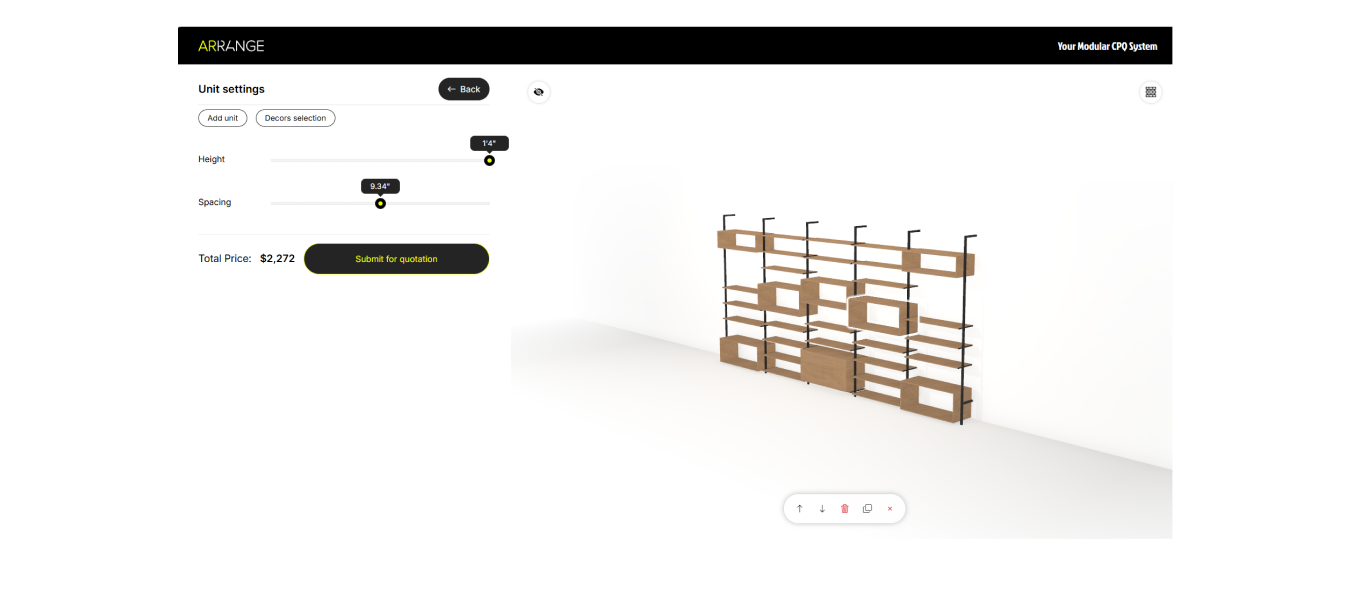
- Send a complete visual summary - Instead of a quote, send a personalized presentation: photoreal images, a 360-degree model, details on fabric and finishes, and that optional AR link. This recap becomes your digital salesperson.
- Suggest complementary options - If a customer loved navy velvet but wasn’t sure, show related fabrics or matching pieces in your next message. Build curiosity, not pressure.
- Address price doubts upfront - Many visitors end up price-shopping online. If you can match prices or offer value perks, say it clearly. Don’t assume they know. Transparency builds trust.
- Use smart CRM automation - Log each visitor’s choices. Automate reminders that feel human. Example: “We noticed you liked the Oslo sectional - would you like to see it in another color in your space?” (See more on this synergy in Sales Strategy: Turning Your Furniture Showroom Into a Smart Selling Engine).
- Share success stories - Customer testimonials, case studies, or visuals can nudge confidence. “Here’s how another customer used this configuration in their apartment” works far better than “Are you still interested?”
- Keep timing and tone natural - Spacing follow-ups matters. Send the first one within 24 hours, the next after a few days, and the final within a week or two. Keep it conversational, not corporate.
A post-visit campaign built around visuals, human tone, and timing converts doubters into buyers. I’ve seen it firsthand.
Reducing Showroom Bounce Rates
All this effort targets one thing: turning curiosity into commitment. The moment someone leaves your showroom is not the end of the conversation - it’s the midpoint of the TOFU-MOFU-BOFU funnel model. In that middle stage, your content must educate and reassure. By the time the buyer is ready to decide (the BOFU stage), your follow-up should provide the confidence they need - clarity, visuals, and action steps. (Read more about how this helps you sell furniture with emotions).
Every store can boost Furniture Showroom sales by tracking which follow-up format works best. Try A/B testing email subject lines, lengths, and visual content. Measure what leads to replies, clicks, or in-store visits. Lower perplexity copy - meaning clear and specific messages - often outperforms more verbose ones, especially near purchase stages. (You can learn more about balancing clarity and conversion in How to Convert ‘I’m Just Browsing’ into ‘I’m Ready to Buy’ with Follow-Ups).
Finally, keep listening. Customer feedback after the purchase is gold. It tells you which parts of the experience eased their doubts and which raised new ones. Then you improve again.
Follow-ups are not about pushing. They’re about proving - showing, not telling, that your furniture fits their home and their life. When done right, they feel less like marketing and more like service. And that’s the kind of sales mindset that turns browsers into buyers.