So, how can you increase conversion rates
There are a variety of ways. Not all of those might apply to your business, but picking at least 3 might be something you want to consider.
Charge for Consultations:
Instead of spending 7-8 hours on free quotes, consider charging a small consultation fee. This helps filter out casual inquiries and signals that your time and expertise are valuable. You can always apply that fee toward the project if they move forward.
Simplify the Customer Journey:
While having a configurator is useful, make sure it provides a guided experience. Too many options can overwhelm customers. Highlight popular or best-selling designs and guide them through the process, making it easy for them to make decisions without feeling overloaded.
Offer Tiered Pricing:
Provide multiple pricing options, basic, mid-range, and premium. This gives potential clients flexibility and helps them see the value in upgrading, rather than feeling they’re forced into an all-or-nothing decision. People often choose the middle option when presented with tiers.
Leverage Social Proof:
Showcase completed projects with testimonials, photos, or even video walkthroughs. Real-life examples help build trust and show prospects what they can expect. People are more likely to invest when they see proof of the value you’re offering.
Follow Up Thoughtfully:
After delivering a quote, don’t leave it there. Follow up with a strategic email sequence that reminds them of your unique value and any time-sensitive offers. Stay in touch without being overly pushy, just keep yourself top of mind.
Educate Your Clients:
Customers may not know the intricacies of cabinetry, but educating them about materials, craftsmanship, and the long-term benefits of custom cabinets helps them understand the value you provide. This can justify higher price points and build confidence in their decision.
Use a CRM System:
Keep track of your leads with a customer relationship management (CRM) tool. This helps you stay organized, follow up at the right time, and manage your client relationships efficiently, so no potential customer falls through the cracks.
Offer Financing Options:
For many customers, cabinetry is a big investment. Offering flexible financing options can help ease the burden of upfront costs and make your services more accessible. This also helps overcome potential price objections.
Referral Programs:
Word-of-mouth referrals are powerful. Encourage satisfied clients to refer others by offering incentives such as discounts or bonuses for successful referrals. Happy customers can be your best advocates, and a referral program gives them extra motivation to spread the word.
Prequalify leads:
That’s a tricky one. Judging which customers are, in your opinion, ‘likely’ to buy is not only morally questionable, it just doesn’t work. Take car dealerships, for instance. A 20-year-old looking at a new Porsche might come back tomorrow with his parents. A guy in a torn jacket and rubber boots may turn out to be the owner of a 100-hectare farm. And so on.
Universal parametric configurator
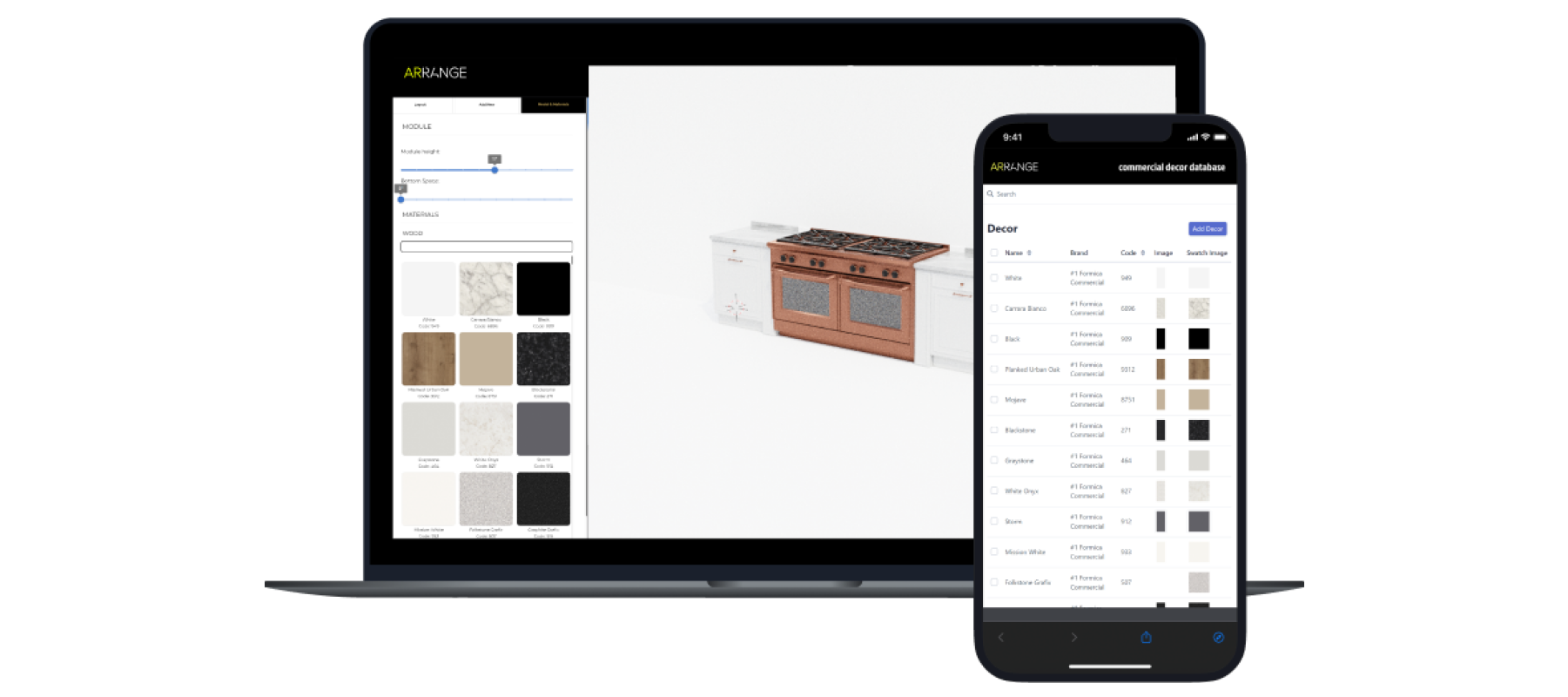
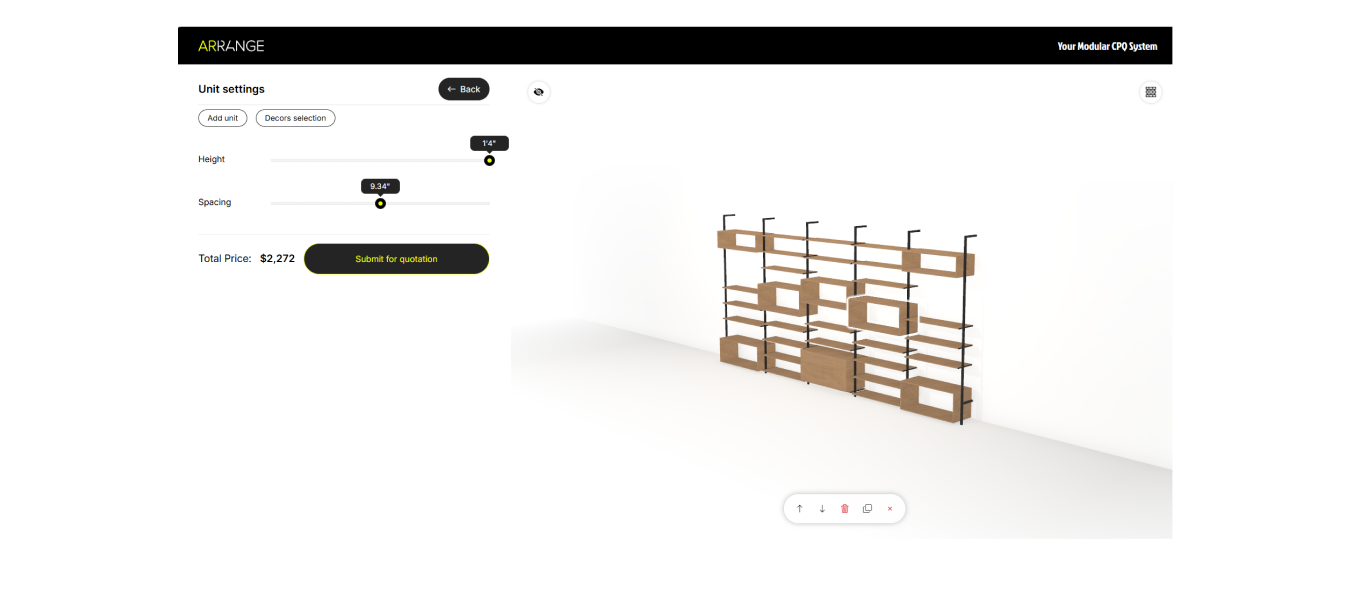
The fairest way to filter out tire-kickers is to provide a preliminary offer in advance, before engaging in time-consuming conversations and negotiations. That’s one of the reasons Ar-range has come up with an easy-to-use, universal parametric configurato r that can easily handle quotes for kitchen cabinets, closets, and shelving systems.
Within a few days, you can set up your very own branded online builder with your own module designs and pricing rules. Customers will be able to quickly draft their own configuration, send the request summary, and, what’s important, instantly get a ballpark figure of the overall cost, allowing them to decide whether they want to pursue the project with you or look elsewhere. It’s a win-win situation. Customers know exactly where they stand in terms of pricing and can experiment on their own. Meanwhile, you save a considerable amount of time while being able to provide up to 30 times more preliminary quotes.