Three years ago I lost two deals to the same argument.
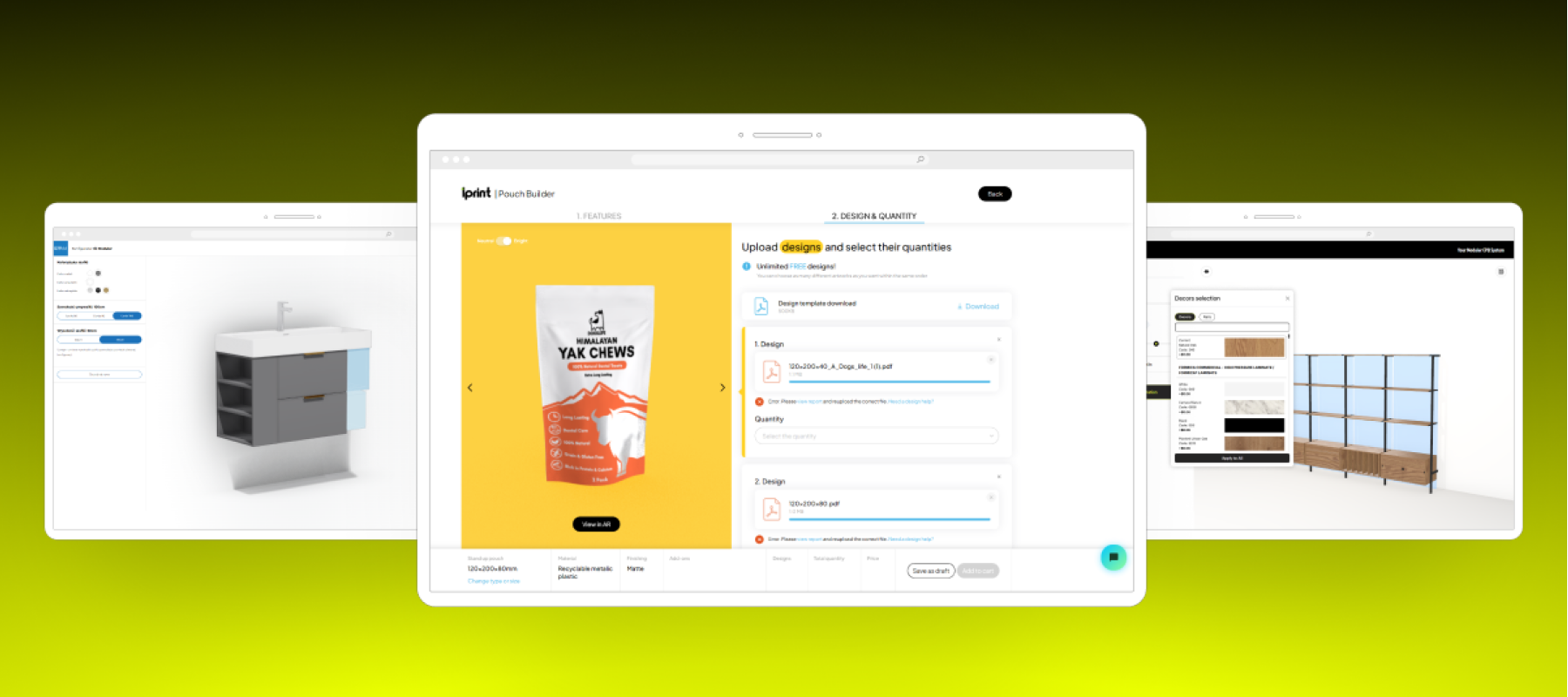
Both were bed brands selling upholstered furniture online, with the kind of catalogue that makes a configurator tempting: dozens of models, hundreds of fabrics, legs, headboards, sizes. Both had talked to us. Both chose another provider, and for a reason that was hard to argue with at the time. Their configurator was ready. It had its own interface, its own 3D engine, its own hosted page. You uploaded your models and it went live. We were offering a project. They were offered a product.
One came back after two years. The other came back after three, and we signed the contract this month.
This is the story of those three years, told from the inside, because it is the most common story in upholstered ecommerce and almost nobody tells it in public.
Why the ready-made tool looked right
Be fair to the decision. Three years ago a finished configurator with a real-time 3D engine was an honest promise. The demo was beautiful. The vendor had other furniture brands as references. The interface existed, the cart connection existed, and the implementation was measured in weeks. Against that, we were describing a render pipeline, a product page that would be rebuilt around the images, and a timeline in months.
If you had asked me then which one carried less risk, I would have struggled to make the case. “Ready to go” is a strong argument when the alternative is “let us build it”.
What “ready” meant on the product page
Here is what it meant for the person buying a bed. Four scenes, all of them from the two stores as they were.
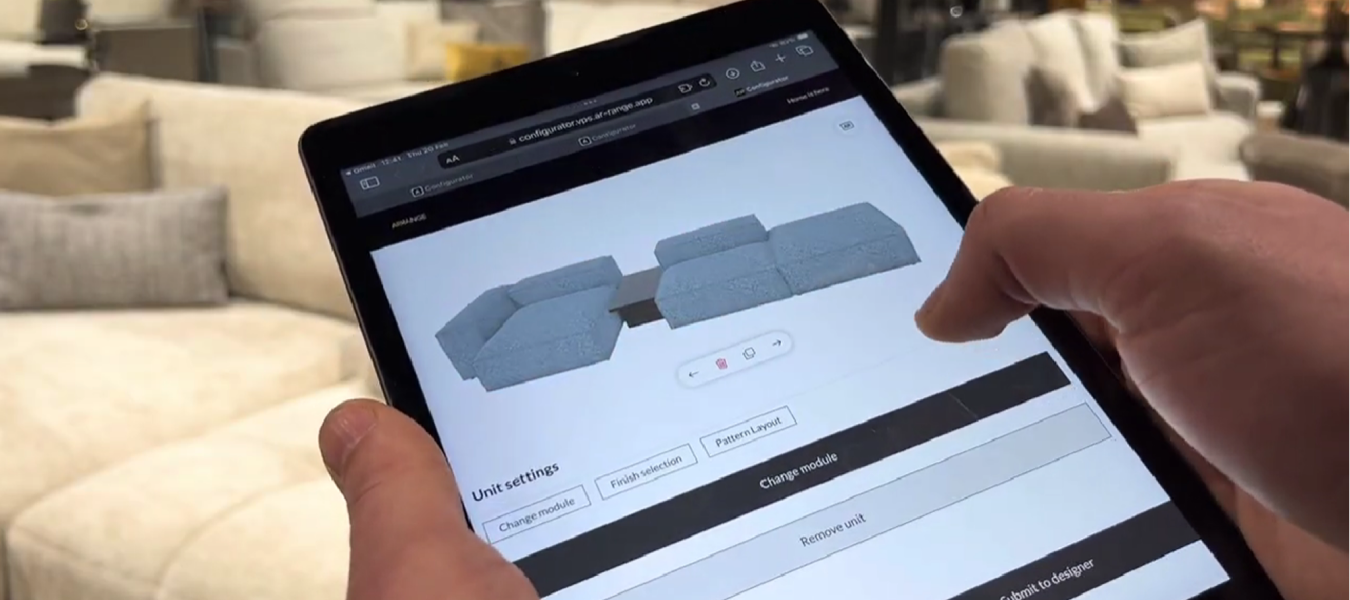
The tool sat apart from the store. It had its own page, its own look, its own way of showing a product. The shopper arrived from a product page they trusted and landed somewhere that felt like another company’s website, because it was. The basket, the price and the delivery time lived on one side of that wall and the configurator on the other.
The shopper played designer. Every choice was open and none of it was guided. Hundreds of fabrics in a grid, legs, headboards, sizes, all at once, with no answer to the only question that matters, which is “which one”. A showroom salesperson narrows to three. The tool handed over the whole wall.
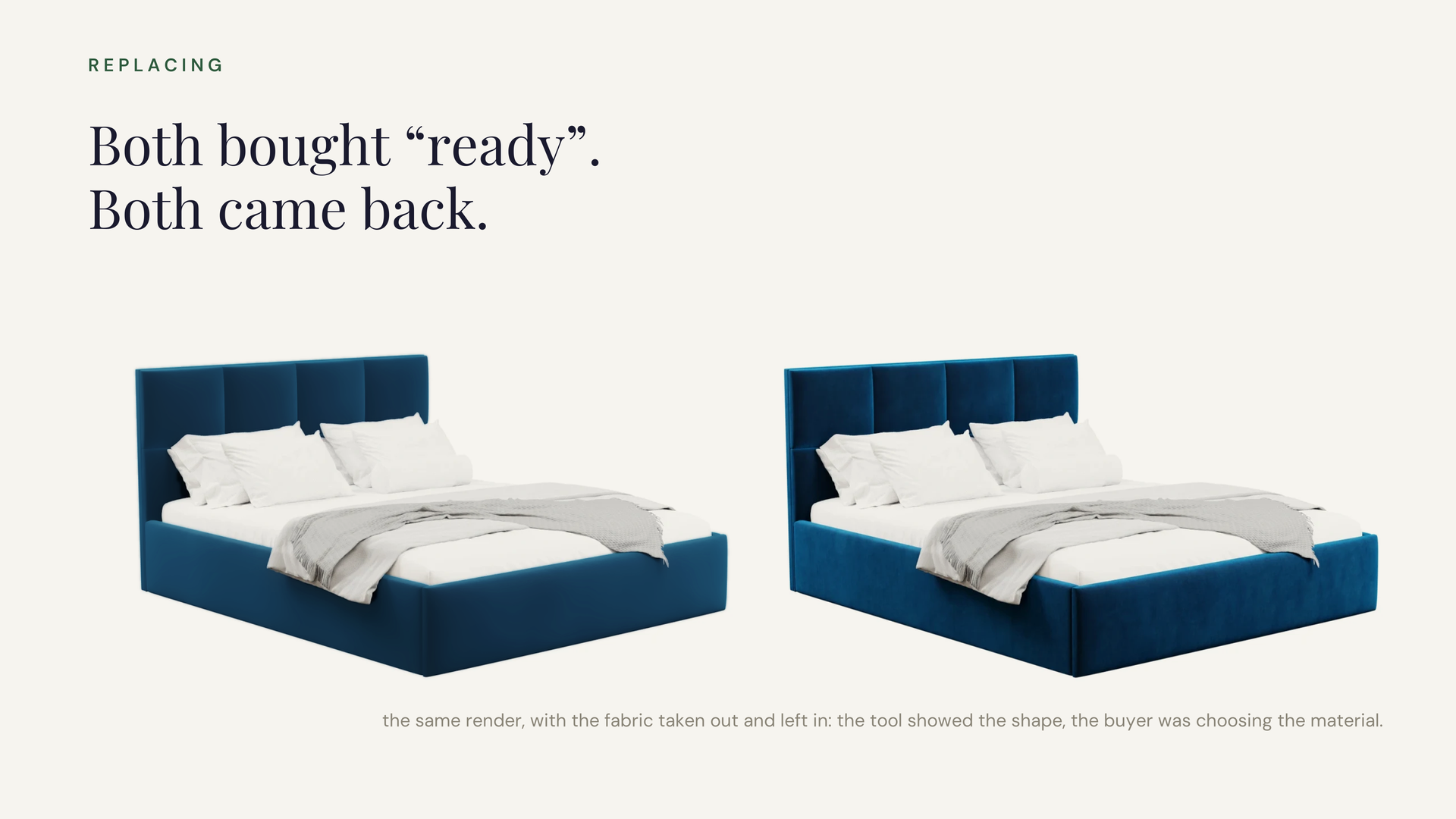
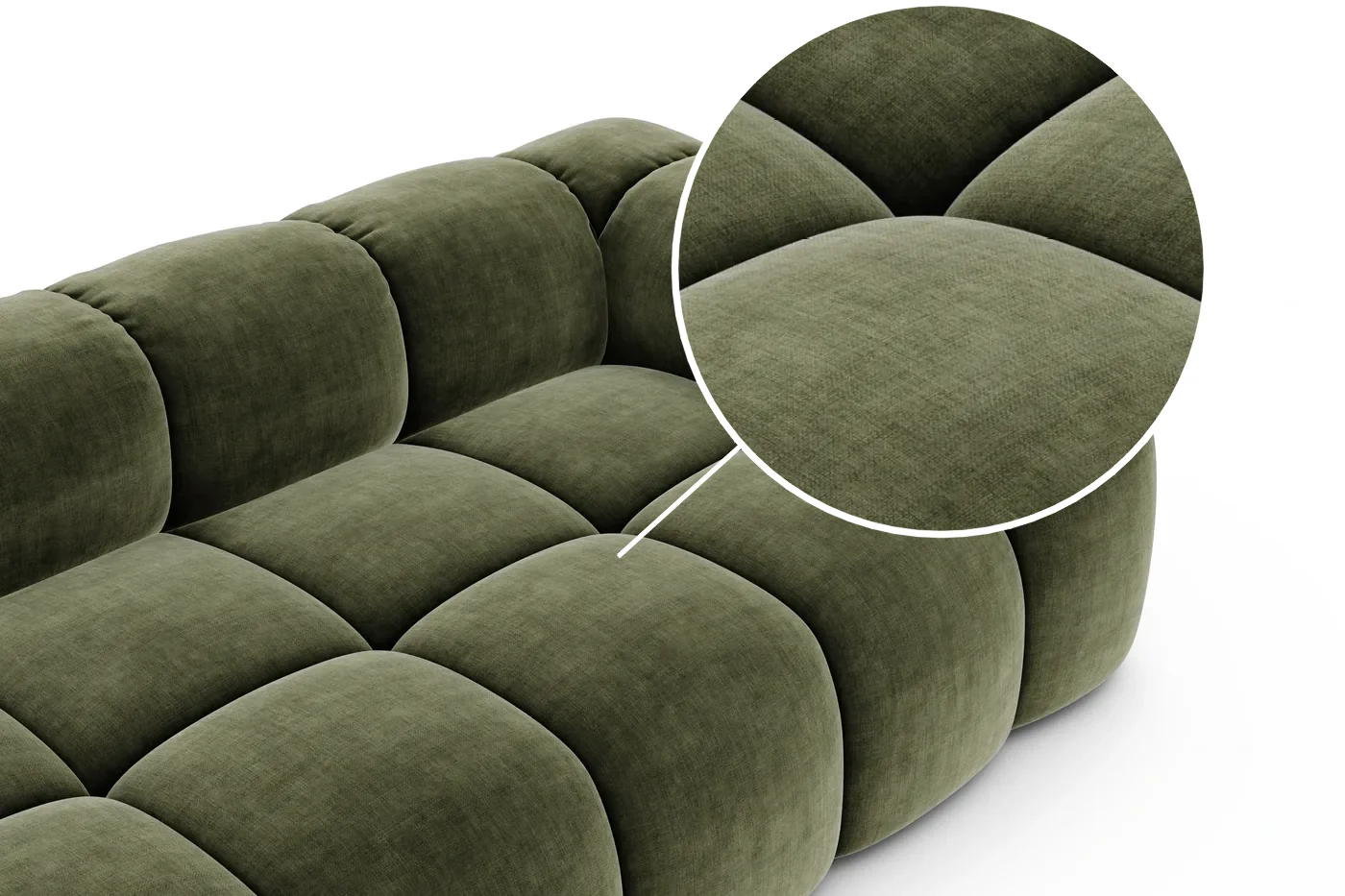
The picture stopped selling the fabric. A real-time 3D engine renders what it can render in a fraction of a second on a phone. It cannot do chenille, bouclé, or a velvet pile that catches the light, and those are the fabrics that sell an upholstered bed. So the fabric that was doing the persuading in the showroom looked flat online, and the shopper ordered swatches to find out what it really looked like, or left.
Nobody knew where “Configure” went. On a product page, a button that says “Configure” can open a separate 3D tool, or it can scroll to a section further down the same page. The shopper never knows which until they press it, and the two feel completely different. That uncertainty is small and it is on the most important button on the page.
And underneath all four: the tool measured itself, in its own dashboard, disconnected from the store’s analytics. You could see traffic reach the product page. What happened inside the configurator was a separate set of numbers that did not line up with anything else, so nobody could say what the tool was doing to the sale.
None of this was a bug. The software worked exactly as sold. “Ready to go” described the software, and nobody had asked whether the sale was ready.
The two returns
One of them came back after two years. The tool was live, the catalogue had grown, and sales had not followed. I have written about what that looked like from their side, and about the prerendered variant images and the rebuilt product page that replaced it.
The second brand came back after three, and the way it happened is worth a line. I write regularly about why the configurator industry sells what it sells, and I am not gentle about it. Its owner read those posts for three years without reacting to one. Then he wrote. If you are a founder wondering whether to say the uncomfortable thing in public, that is my evidence that the right people are reading.
What carried over
The fear in every replacement is that the previous investment is lost. Most of it was not.
The 3D models carried over. They were the real asset the brands had paid for, and they became the input to the render pipeline. Two things had to be done to them.

Some needed correcting. They had been optimised for real-time 3D, which means simplified until a phone could draw them sixty times a second, and the simplification had taken details with it: seams, piping, the fold where the fabric meets the frame. At full render quality those details are the picture. The models were rebuilt where the detail was gone.
Some had to be made from nothing. Over the years each brand had introduced new products and had not put them into the configurator, because the return on the tool did not justify the modelling cost. Read that again, because it is the quietest sign that a configurator is failing: the brand stops feeding it. Those products were modelled for the first time during the switch.
The fabrics did not carry over, because there was nothing to carry. In the old tool each fabric was a texture, an image wrapped onto the model, and that was all the tool knew about it. No composition, no rub count, no weight, nothing a shopper could search by or a product page could show. That work was never done, because a ready-made configurator does not need it: it only needs the picture. So building the fabric records, one per fabric with the same fields on every record, was the first job of the switch, and it is the same job I described yesterday as the foundation of any fabric search. It should have been done three years earlier. Nothing in the tool had asked for it.
A note on the showroom
Everything above applies to upholstered furniture sold online. I would change my tune entirely for a showroom.
At Hovden, a showroom brand, we built a real-time configurator a salesperson drives on a screen with the customer beside them, and there it was the right tool. In a showroom the fabric is on the wall, the salesperson does the narrowing, and the real-time engine is drawing on a large screen with a person explaining it. Almost every problem in the four scenes above disappears, because the shopper is never alone with the tool.
So if you sell through showrooms, this is the wrong post for you, and the ready-made tool may be right.
How the online and the showroom tools divide the work for a bed brand is on our upholstered bed configurator page.
The sentence for the third owner
I know someone reading this is about to sign the deal the two brands signed three years ago, for the same reason they did. Here is the one thing I would say across the table.
“Ready to go” describes the software. Ask the vendor to show you what the shopper does on your product page after they press the button, and count how many decisions they are left to make alone. That number is whether the sale is ready, and it is the only number that mattered in the end.
Ar-range replaces configurators for upholstered furniture brands selling online, and keeps the models you already paid for. If you are two years into a tool that has not moved the sales line, we are happy to look at it with you and tell you what would carry over.