
The true cost of 3D furniture configurator integration
Whenever someone asks me, “How much does the cheapest 3D furniture configurator cost?”, I counter with “How much does your most expensive problem cost you and how can we fix that?”. The cheapest price label tells you almost nothing about the real expense. The real cost arrives later - in rework, maintenance, disconnected systems, and delayed deals.
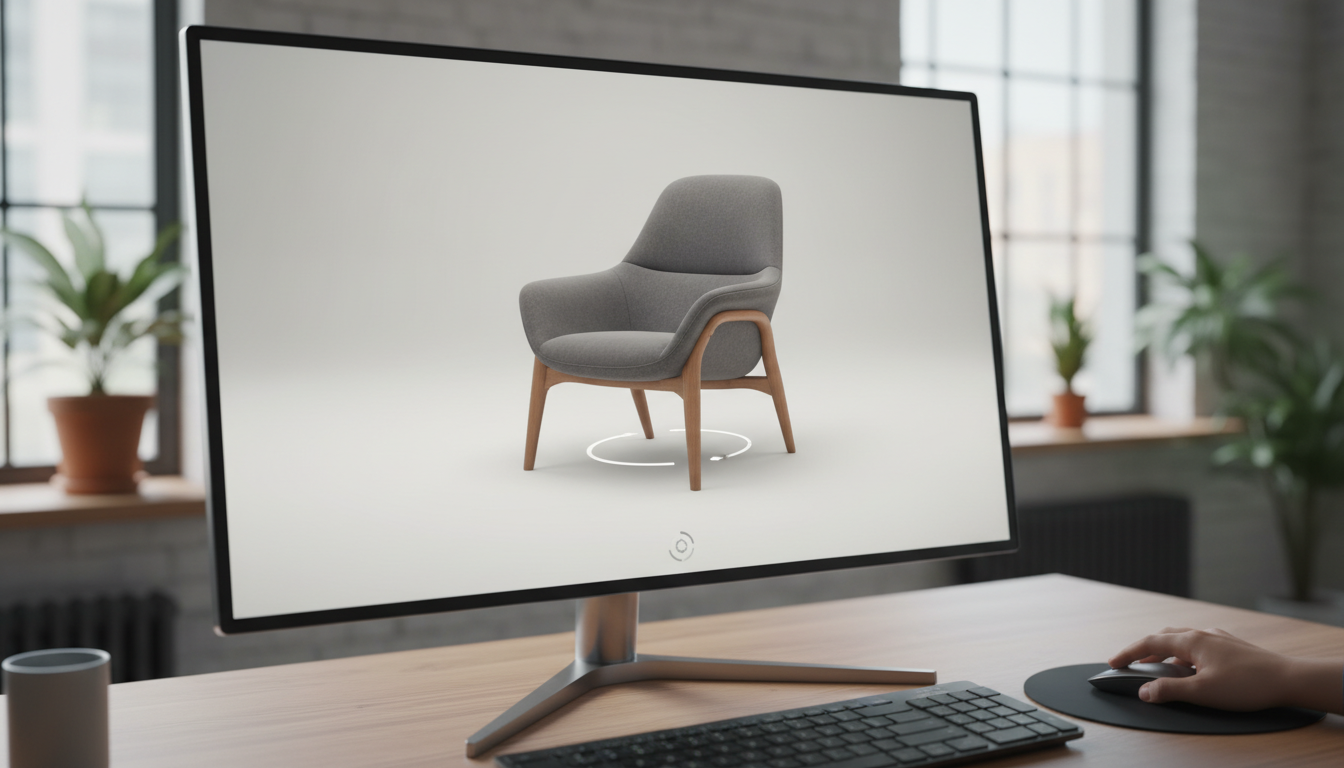
Most cheap configurators stop at visuals. They show a nice chair spinning online, but they don’t sync with your quoting engine, your ERP, or your showroom setup. They look inexpensive, but what you buy is a façade. I’ve watched brands sink more hours into ‘making do’ than they saved on the license price.
The right question isn’t how cheap, but how complete the configurator is. A full 3D furniture configurator integration doesn’t just look good. It connects design, sales, and production in one continuous line.
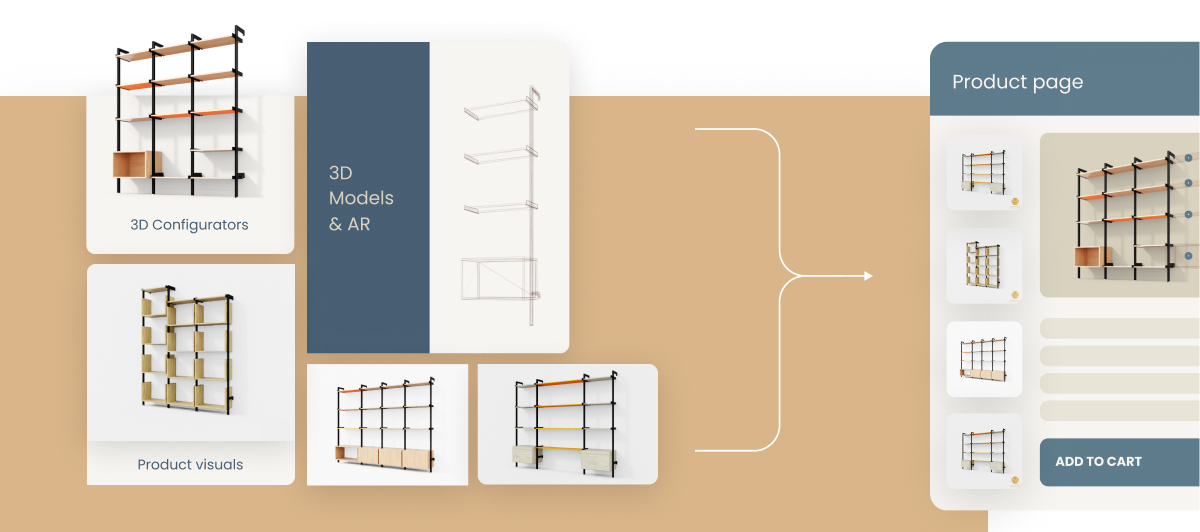
You can see how a proper integration works in our 3D Configurator Integration Strategy, where logic, data, and visuals move together instead of being glued on later.
The hidden costs behind low-cost configurators
Low-cost configurators often look fine in a demo, but once they land in real workflows, hidden costs surface. Here’s what usually happens:
- Maintenance costs: frequent patches, missing asset updates, poor reliability.
- Scalability limits: a few products work; a full catalog breaks it.
- Workflow traps: no quoting link, no price logic, sales reps typing quotes by hand.
- Integration gaps: no ERP or CRM sync, making staff repeat data entry.
- Longer sales cycles: customers wait for follow-ups instead of buying on the spot.
I’ve seen furniture brands lose entire weeks because the configurator couldn’t calculate prices correctly, forcing manual checks before sending offers. Cheap configurators shift effort from machine to human hands.
Our internal data confirms what the TCO framework and deployment types for product configurators also show - the upfront license is one line item, but the total cost of ownership (TCO) includes implementation, modeling, integration, training, and inefficiency. When these elements are weak or separate, total cost escalates over time.
Understanding configurator types and their impact on business success
Furniture companies usually operate three environments: online, showroom, and back office. Each benefits differently from 3D configurators.
Online configurators increase conversions, because customers can design furniture from home. But without full integration, the purchase stalls when a sales team must re-enter the specs.
Showroom configurators support assisted sales. They create trust when clients see real-time adjustments on big screens. Still, cheap versions often miss the connection between what’s decided in the showroom and what enters the ERP system.
Fully integrated configurators close the gap between display and production. They update BOMs, prices, and logistics automatically. That’s the moment when a configurator replaces manual quoting, not just decorates a website.
Cheap configurators rarely survive that shift. They lack data maturity. They leave gaps that humans must fill. The Typical cost ranges by tier for 3D configurators report illustrates this three-tier reality well - entry solutions run cheap but cap functionality, mid-tier brings rule engines and connectors, while custom high-tier builds unlock deep integration and reuse value.
Key factors beyond price: what to consider when choosing a configurator
Whenever I evaluate a configurator vendor, I look past price sheets. The key factors are:
- Integration: does it connect with ERP, CRM, and e-commerce properly
- User experience: can both buyers and staff use it intuitively
- Scalability: will it handle portfolio growth without full rework
- Maintenance: who updates rules or assets when the portfolio changes
Integration is usually the breaking point. Brands who pick configurators without deep backend links face “manual drag”. They have nice 3D models but broken process flow. That’s when people start building Excel bridges, and sales momentum vanishes.
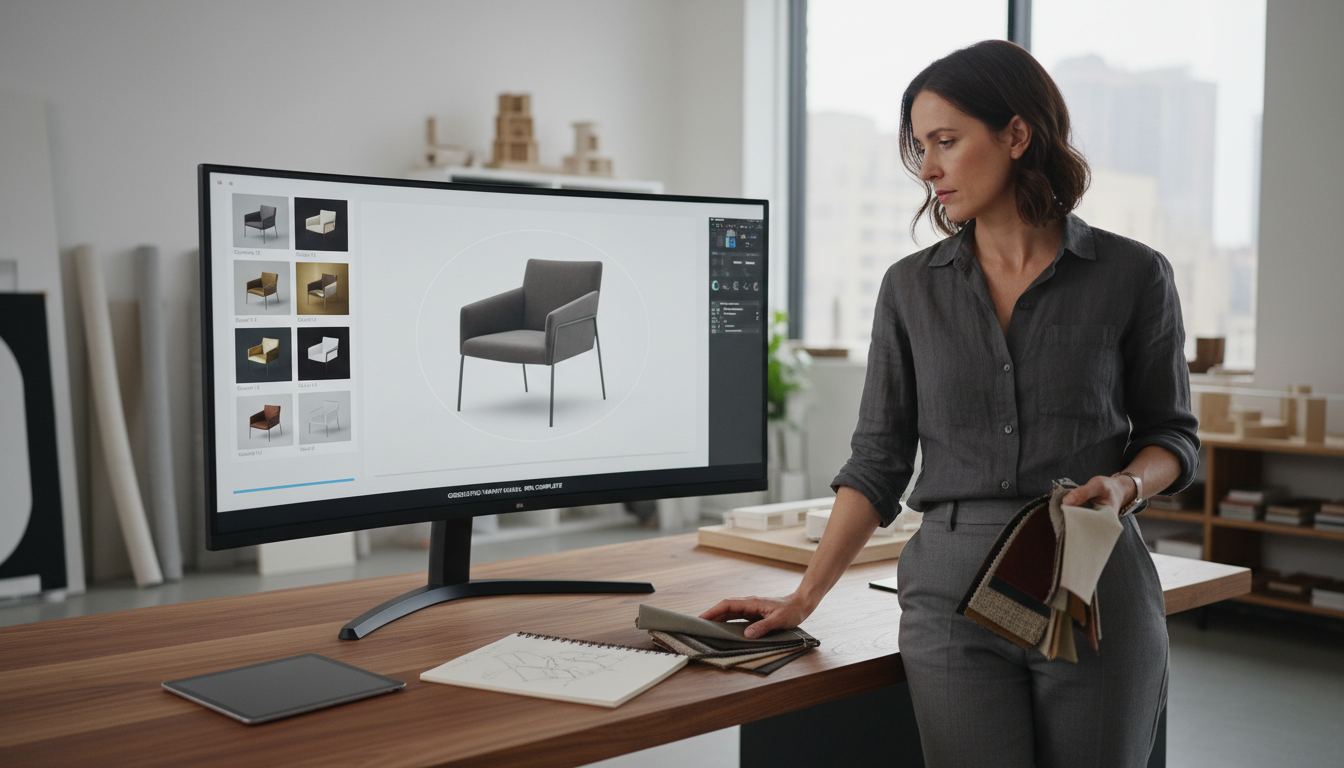
At Ar-range we built our Custom 3D Product Configurator around these pain points. It takes care of heavy parts - data logic, pricing, and live integrations - so the sales team doesn’t need to double-handle a single variant.
Scalability often looks like an abstract metric. But it simply means this: how much work does it take to add your next ten products In cheap setups, that’s another full round of modeling and coding. In a robust system, it’s hours, not weeks.
For deeper reasoning, see Why Configurator The Real Business Benefits of a 3D Configurator. It reveals how good configurators reduce quoting friction and improve decision speed. Those outcomes define real ROI.
Rethinking cost and value in configurator selection
At the end of the day, cost isn’t the price on the invoice. It’s the total energy your company spends to make a sale. Every manual quote, mispriced item, or wrong specification feeds the hidden bill.
Value arrives when the configurator replaces those leaks. When customers can self-serve online, when sales teams quote instantly, when production runs without translation errors. That’s 3D furniture configurator integration at work.
Here’s what I ask clients before any vendor decision:
- What tasks will this configurator truly remove from your workflow
- Who still needs to fill in gaps if you pick the cheapest one
- How many days of delay, correction, or confusion will that add each month
The answer often flips the decision. The lowest license quote might look good today, but it’s a slow debt that grows quietly. The better question isn’t Who’s cheapest? It’s What still leaks time and margin if we go cheap?
If you start there, the math becomes clear, and the choice takes care of itself.