Key Factors Influencing Product Configurator Costs
1. Product Complexity
Configurator development costs correlate strongly with the complexity of your product. Factors include:
- Number of components, variants, and customization options
- Logic-based dependencies (e.g., compatibility rules, nested selections)
More complex configurations require additional development time and testing, increasing costs.
2. Visualization Type
The level of visualization sophistication affects pricing significantly:
- 2D visualizers: Cost-effective but less engaging
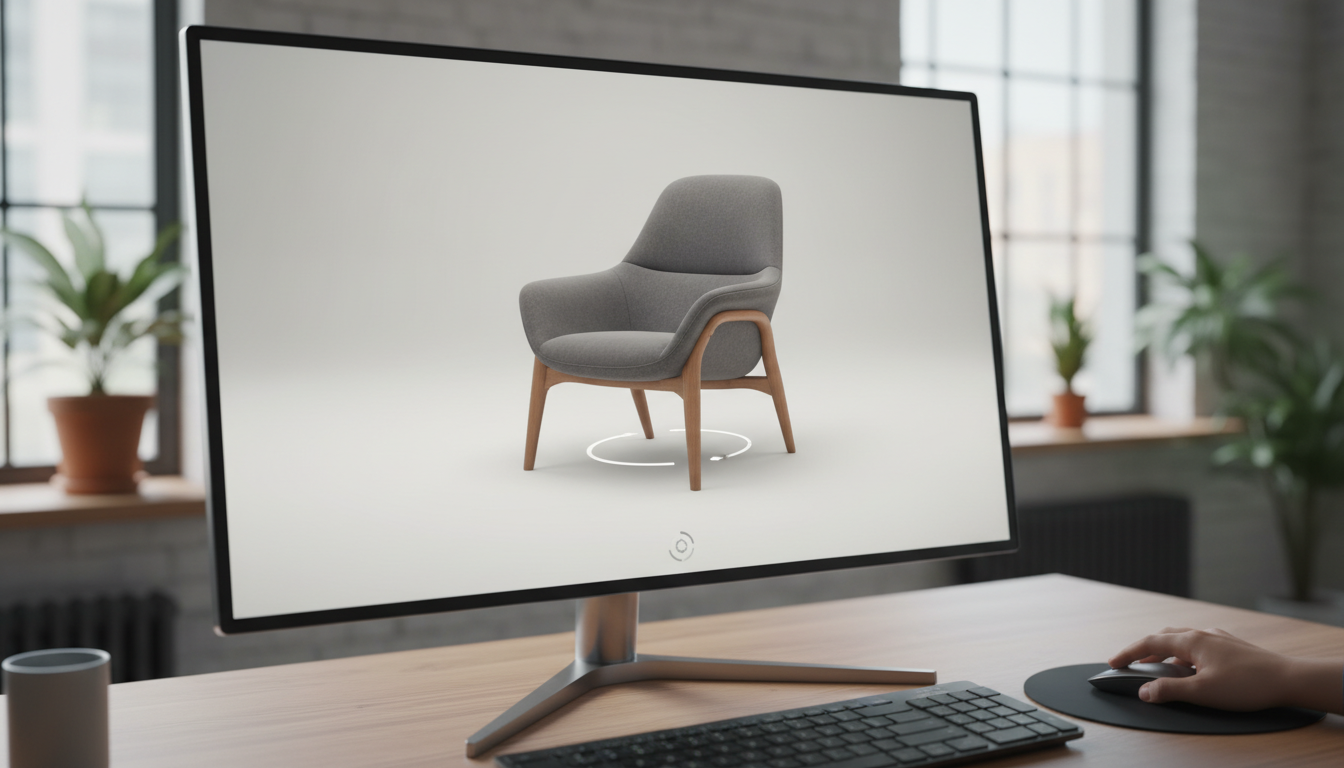
- 3D configurators: Interactive and immersive, offering enhanced user engagement
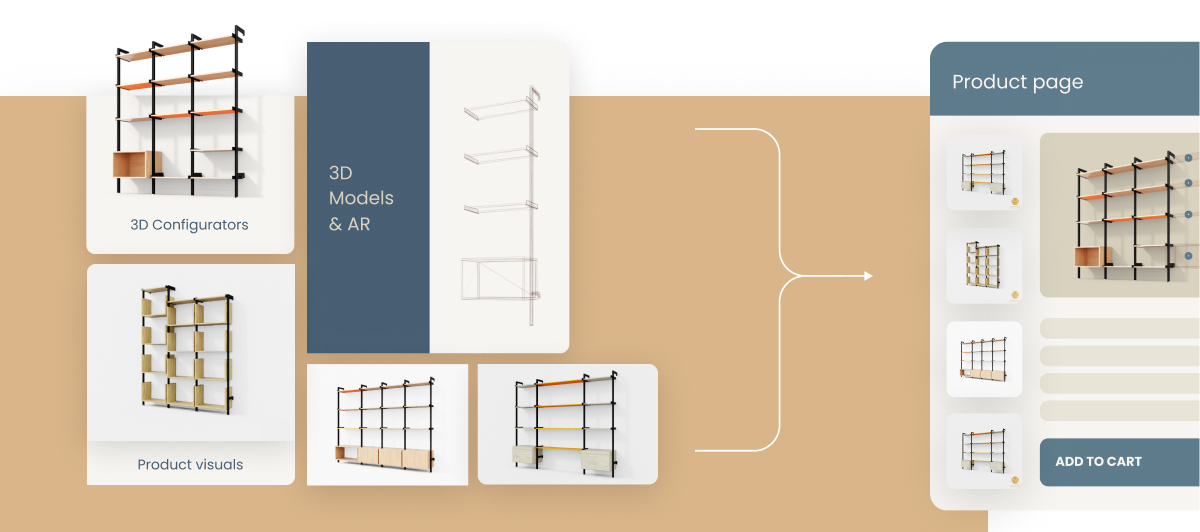
- 3D + AR solutions: Cutting-edge, delivering real-world context through augmented reality, but with higher development and hosting expenses
3. User Interaction Features
Basic interfaces with simple dropdowns or color pickers are less costly. Advanced features such as:
- Real-time pricing updates
- Animated previews
- Save/share functionality increase complexity and cost.
4. Integration Requirements
Integrating your configurator with e-commerce platforms (Shopify, Magento), ERP, CRM, or analytics systems enhances functionality but adds development effort and cost.
5. Volume of Variants and Content
Managing a small product range versus thousands of configurations requires different technical approaches. Automation tools can reduce manual content creation costs for large variant sets.
6. Hosting and Performance
Ensuring fast load times and seamless performance across devices, including mobile, may require cloud hosting solutions, adding to ongoing expenses.
7. Maintenance and Scalability
A scalable configurator that supports easy updates and new product launches reduces long-term costs compared to rebuilding from scratch.
Typical Pricing Tiers for Product Configurators
For most medium-sized businesses, the Professional tier balances cost and capabilities, delivering strong ROI.
The Role of Automation in Reducing Costs
Automation platforms such as AR‑Range transform configurator development by:
- Auto-generating high-quality visuals directly from 3D files
- Delivering interactive 3D and AR experiences without requiring app downloads
- Scaling effortlessly to thousands of product variants
- Offering usage-based pricing models to optimize costs
These efficiencies reduce manual labor and accelerate time-to-market.
Hidden Costs and Risks to Consider
When budgeting for a configurator, watch out for:
- Low-quality 3D assets causing poor user experience
- Unscoped or overly complex product logic leading to development delays
- Missing integration with existing business systems
- Slow load times impacting conversion rates
- Insufficient vendor support causing project overruns
Partnering with AR‑Range ensures performance-optimized delivery, expert support, and scalable automation.
Is Investing in a Product Configurator Worth It
Absolutely. The benefits extend beyond direct sales increases to:
- Higher conversion rates through interactive, personalized shopping experiences
- Reduced product returns via accurate visualization
- Shorter sales cycles and less manual quoting
- Future-proofing your digital presence with AR technology
Summary: how much does a product configurator cost in 2026
The cost of a product configurator depends largely on factors like product complexity, feature set, visualization type, and integrations. Here’s a quick overview:
- Basic configurators usually start at €3,000–5,000, ideal for simple products with minimal customization.
- Professional solutions fall between €7,000 and €18,000, offering 3D models, AR functionality, and moderate configuration logic, perfect for most mid-sized businesses.
- Enterprise-level configurators begin at €20,000+, providing advanced features such as photorealistic renders, complex nested logic, and deep system integrations.
Leveraging automation platforms like AR‑Range can dramatically reduce development time and costs by automating 3D content creation and delivering scalable AR experiences. This makes sophisticated configurators more accessible and cost-effective than ever.
Investing in a well-designed product configurator not only enhances customer experience but also accelerates sales, reduces returns, and delivers strong ROI.