What is an online configurator
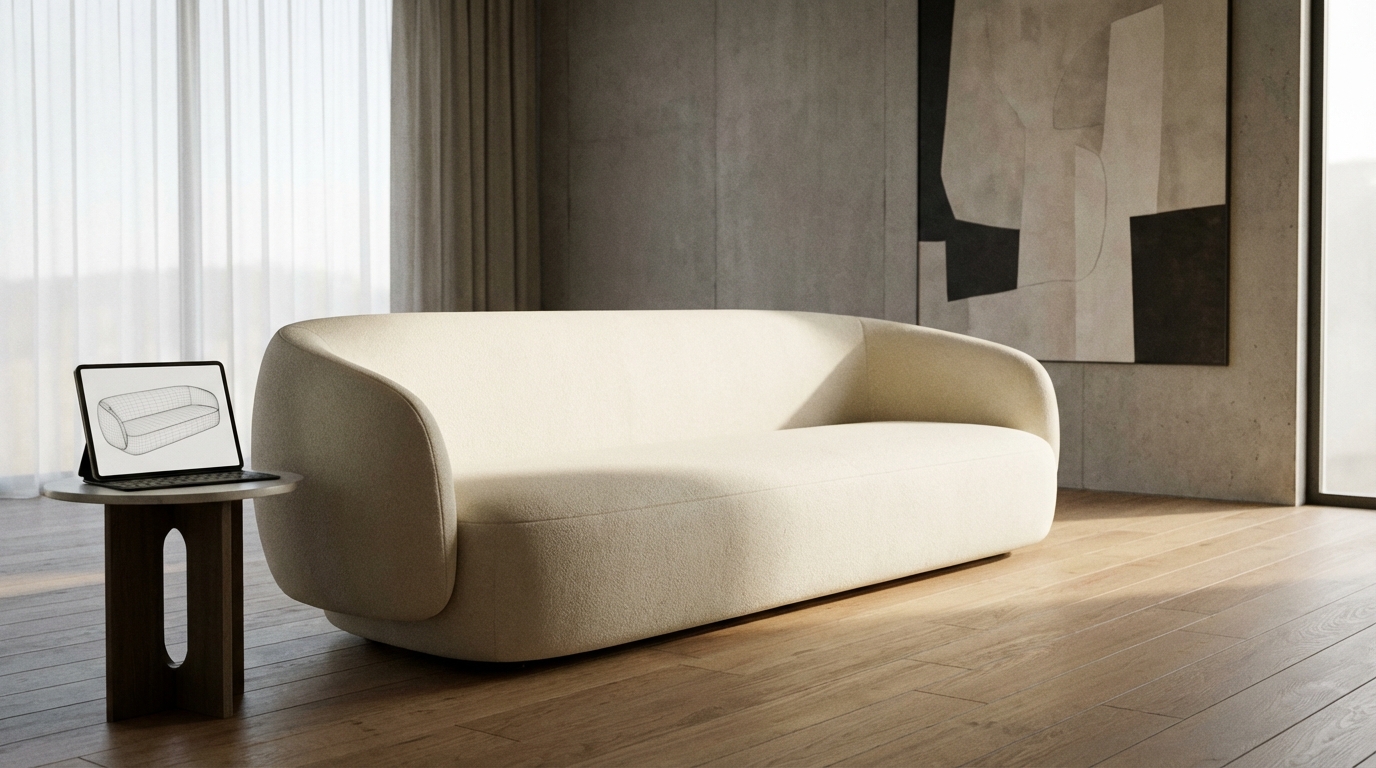
A product configurator is a digital tool that allows customers to tailor products to their preferences, simplifying and speeding up the purchasing decision process. Such tools, which enable product personalization and display various options along with pricing or initial offers, are becoming increasingly popular in online sales, particularly in industries like automotive, sports, furniture, construction, and electronics.
Types of configurators
Product configurators vary depending on their purpose. These can include 3D visualizers that show the product model in minute detail from every angle, simple 2D configurators based on pre-rendered images, or parametric configurators that allow for modifying the size and quantity of components, such asIKEA’s PAX series configurator. The functionalities and technology used to build configurators depend on factors like the type of product, customer, and purchase journey. After designing a product variant, customers can seamlessly proceed to purchase, receive a preliminary offer, or send a request to the sales team with their chosen specifications.
Product configurator for WordPress, Shopify, PrestaShop, and other platforms
For businesses operating on ready-made e-commerce solutions, a critical step before implementing a configurator is to preliminarily verify several issues:
- Compatibility with the e-commerce platform: Integration of both tools is crucial, so it’s necessary to check the technical requirements of the e-commerce platform in terms of technology.
- Real-time data synchronization: Ensuring accurate pricing and product availability requires data synchronization between the configurator and the e-commerce system.
- Configurator update methods: Explore the possibilities of managing the configurator’s content from the store’s level. While this option might require custom settings, it’s worth considering to allow the team to independently and conveniently make changes, such as adding new materials, dimensions, or accessories.
- Utilization of data: Consider how data from the configurator can be used to analyze customer preferences and behaviors, which can help in developing marketing strategies and product development.
- Consistency in UI and UX: It’s important that the interface and user experience of the configurator are consistent with the overall design of the e-commerce website.
Other integrations to consider when creating a product configurator
- Integration with a POS (Point of Sale) system: If you use a POS system, it’s advisable to plan the integration of the configurator with this system so that both the POS and e-commerce platform can accurately record orders from the configurator without any issues.
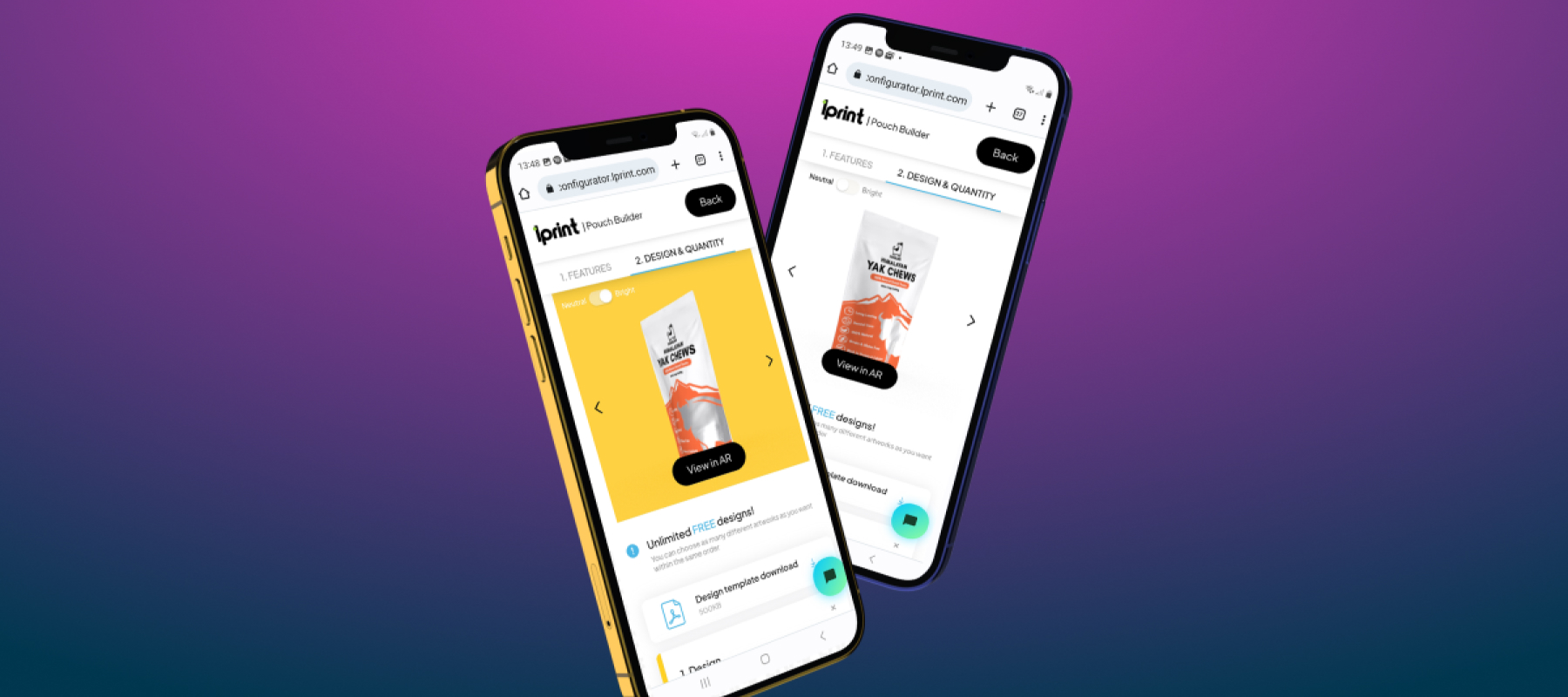
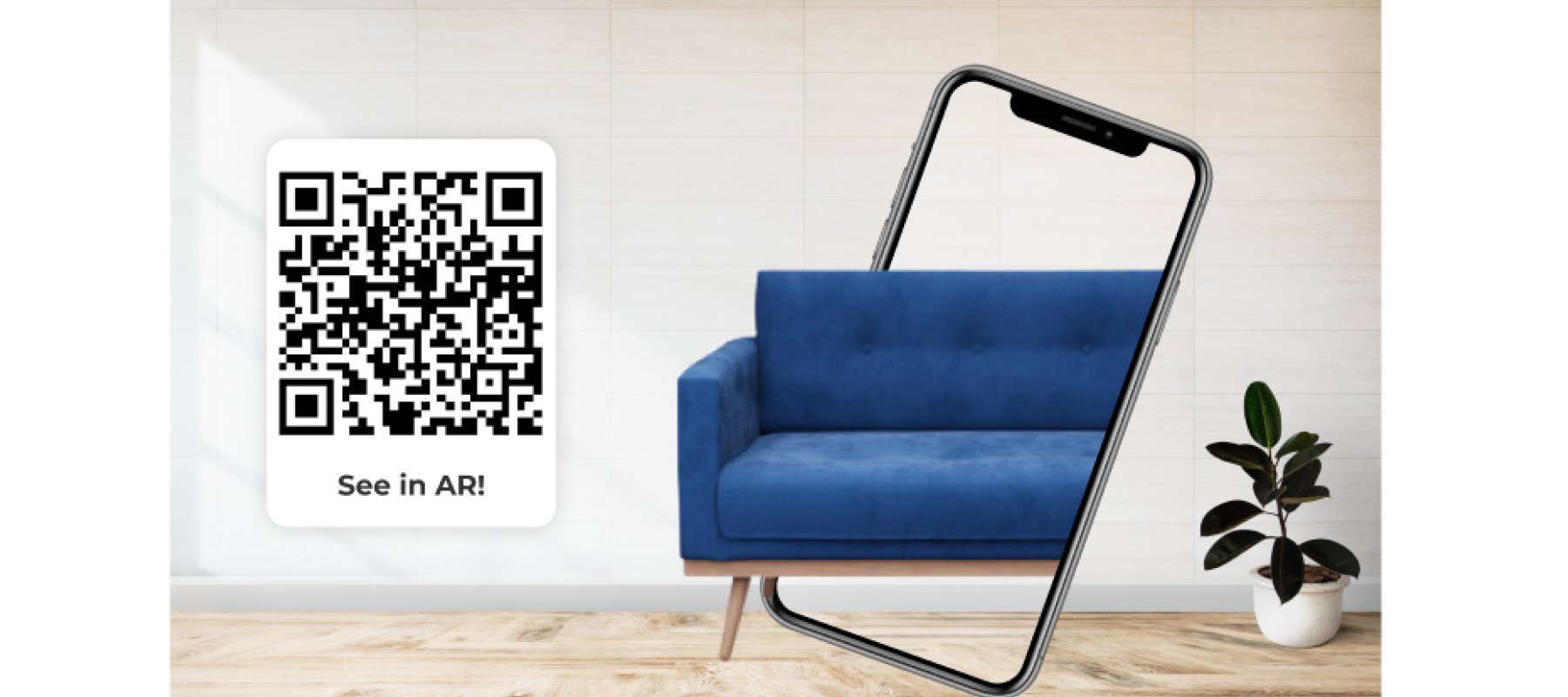
- AR Functionality: Integrating the configurator with an augmented reality (AR) tool allows customers to visualize products in their own space before making a purchase. This functionality increases user engagement and helps them make informed purchasing decisions.
- Integration with ERP and CRM Systems: Automating the flow of order information through integration with ERP (Enterprise Resource Planning) and CRM (Customer Relationship Management) systems streamlines order and production management, eliminating the need for manual data entry.
- Traffic analysis in the configurator: Data on traffic within the configurator can provide valuable insights into customer preferences and behaviors. Therefore, it’s important to integrate the configurator with tools for measuring and analyzing user experiences, such as Hotjar, to better understand their needs and optimize the sales process.
Examples of configurators Integrated with e-commerce platforms
Configurators are widely used across various industries, showcasing the versatility and advanced capabilities of product personalization. Here are three examples of companies from different sectors that have successfully integrated configurators with e-commerce platforms, basing their sales strategies on these integrations:
Tukas
- Industry: Renewable Energy Storage
- E-commerce Platform: PrestaShop
Tukas E.V. developed a product called HR Bank, a stationary bike used for energy storage. A key feature of this product is its complete customization, allowing users to choose the type of batteries, colors, materials, and accessories. To enable online sales, the Arrange team developed and implemented an interactive 3D configurator integrated with a PrestaShop-based store. Thisconfigurator allows users to customize the product while offering dynamic visualization, real-time pricing from the store, and the option to add the configured product to the cart.
Additional integration features with PrestaShop include:
- Managing the display of selected elements and their variants in the configurator, such as the frame, and assigning them to subcategories like wood, leather, and paint. Each subcategory has individual textures, and colors can be added by entering a HEX code.
- The ability to generate and add a screenshot of the final product visualization to the cart.
- Easy modification of the default configuration, allowing for quick adjustments to the offering based on current market needs.
Paradise Grills
- Industry: Outdoor Kitchen Islands, Bars, and Grilling Accessories
- E-commerce Platform: WordPress / WooCommerce
Paradise Grills, the largest American manufacturer of outdoor kitchens, has long been a leader in offering a variety of kitchen islands, pergolas, and grilling accessories, as well as other outdoor recreational products. Traditionally, their sales relied on an extensive network of over 40 showrooms. Both showroom staff and online customers used a 3D configurator to customize kitchen islands, bars, and accessories to individual needs. After launching their online store, integrating the POS system with the 3D configurator became crucial for visualizing and pricing personalized products. The Arrange team implemented the integration, creating a communication system based on QR codes, enabling seamless data synchronization across different sales channels.
Exclusive Spaces
- Industry: Furniture
- E-commerce Platform: Shopify
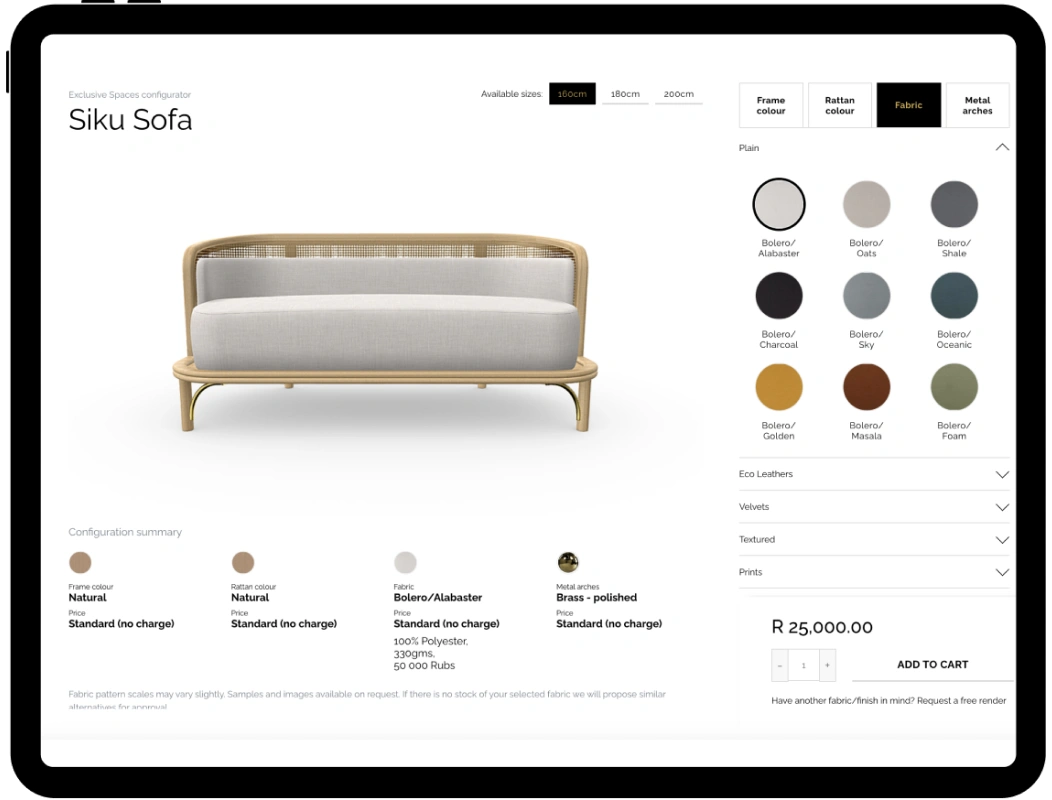
Exclusive Spaces is a team of designers specializing in creating furniture, interiors, and decorations. Their clients include both B2B partners and end consumers who shop through an e-commerce site built on Shopify. The brand’s main strengths are quality and flexibility in adapting products to individual interiors. With a wide range of materials and finishes available, Exclusive Spaces offers products in thousands of variants. To fully leverage this potential, the company needed an interactive tool that would enable high-quality visualization of all possible configurations in real-time and allow for purchase. The Arrange team created a 3D configurator that opens as a pop-up on individual product pages (PDP). The integration with Shopify allowed the configurator to be placed on product pages and enabled adding selected variants, such as size, frame, backrest, metal arches, and upholstery material, to the cart.
Conclusion
Integrating a product configurator with an e-commerce platform enhances both customer experience and the operational efficiency of the company. Properly planning the integration of the configurator with other digital tools your team already uses will help streamline the sales process of personalized products. This allows customers to better customize products to their needs while providing the company with a tool that simplifies order and production management, leading to increased customer satisfaction and operational effectiveness.