Introduction
Imagine a design that can change its shape with a simple slider, instantly adapting to new rules and conditions. This is the power of parametric design. Moving beyond traditional, fixed geometries, parametric design is a revolutionary approach that defines the relationships and rules of a design, allowing for dynamic adaptation and infinite variation. This article will explore the concept of parametric design, its core principles, the tools used to create it, and its transformative impact across various industries.
Defining Parametric Design
Parametric design is a digital modeling process and a subset of computational design that works on a series of algorithms to modify the shape of model geometry. Unlike traditional design, which is manual and fixed, a parametric model’s form is a result of defined relationships and parameters, not a static object. This dynamic nature is why it is often referred to as feature-based or history-based modeling, as the model incorporates attributes for the real-world behavior of the object and can be changed by adjusting its underlying “history” of rules.
The Foundational Principles
The power of parametric design is built on three foundational principles:
- Parameters: These are the variables that control the design. A parameter can be anything from a simple dimension like length or width to a more complex variable like an angle, material type, or even an environmental factor like sun exposure. By changing these inputs, the designer can influence the output of the model.
- Algorithms and Rules: At the heart of a parametric model are the logical relationships and constraints that connect the parameters. These rules dictate how the design responds to changes. For a designer, this means engaging in algorithmic thinking, building a complete, sequential, and logical process rather than just seeking a final result.
- Iteration and Optimization: Because a single change can cascade through the entire model, parametric design allows for the quick and efficient exploration of a wide range of design variations. Designers can rapidly test dozens of possibilities to find an optimal solution that best meets a set of criteria, such as structural integrity or material efficiency.
Key Tools and Software
Designers use a variety of tools to create parametric models, from visual interfaces to custom scripting. Visual programming interfaces like Grasshopper for Rhino and Dynamo for Revit are popular because they allow designers to build complex algorithms using a node-based interface, eliminating the need to write code. For more advanced or customized workflows, designers can use scripting languages like Python to create generative scripts from scratch.
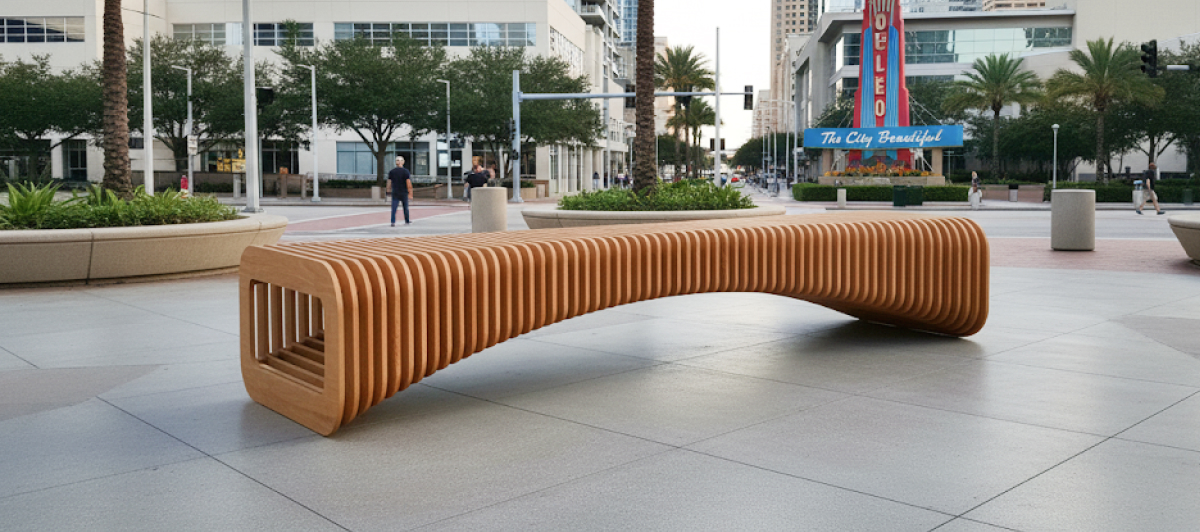
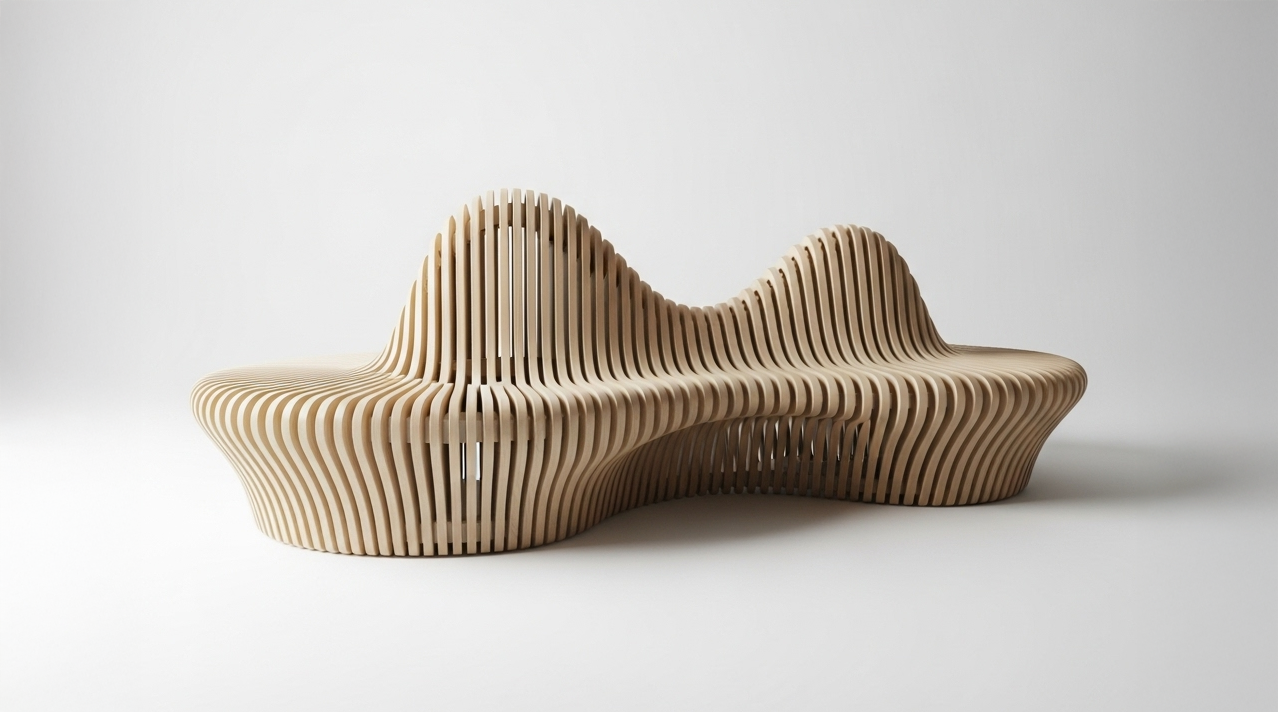 Example of a parametrically designed public bench
Advantages of Parametric Design
The benefits of parametric design have made it a highly sought-after skill across a range of creative and technical fields.
- Complex Geometries and Biomimicry: Parametric design’s ability to create intricate, curvy, and non-standard forms has enabled designers to study nature for organic forms and create unique, biomimetic designs. Landmark examples in architecture, such as the Heydar Aliyev Centre and the Louvre Abu Dhabi, showcase the fluid and complex shapes made possible by this technology. The use of parametric design is not limited to buildings; it has been used to create products from small items like jewelry to large ones like bridges and automobiles.
- Accuracy and Efficiency: Parametric software can perform design modifications with a high degree of accuracy and minimal human input, significantly reducing human error. A single change in a dimension can modify the subsequent dimensions and possibly the entire model simultaneously, saving a tremendous amount of time compared to manual design.
- Time Efficiency: By automating repetitive tasks through algorithms, parametric design makes the entire workflow more efficient. Any part of the model can be stored with its attributes and re-inserted into other sections, saving both time and the effort of manual rework.
- Synergy with Manufacturing: Parametric models have a stable integration with digital fabrication and manufacturing processes, such as 3D printing and CNC milling. This synergy decreases production time while producing a final product with a high degree of accuracy.
Applications and Customization
Parametric design has a wide range of applications, but one of its most transformative impacts is in consumer-facing customization.
- Architecture and Construction: Parametric design is used to create complex, non-standard building facades and to optimize structural efficiency and material usage.
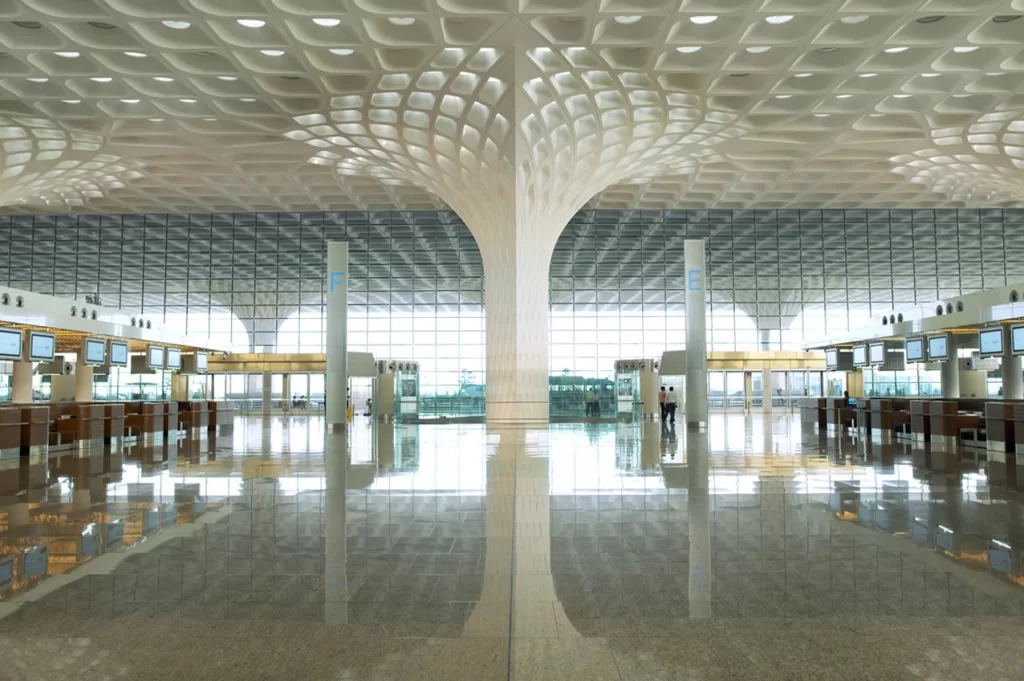 Example of parametric interiot design (source: thearchitectsdiary.com)
- Fashion Design: In fashion, parametric design can be used to generate unique patterns and forms for clothing or even create adaptive clothing that responds to the wearer’s body.
- Urban Planning: Parametric design is also used to model responsive city layouts based on environmental or social data, optimizing traffic flow and urban density.
Product Design and the Sales Process
Parametric design is the key to creating mass-customizable products, allowing brands to offer personalized items at scale. To bring this power to the end consumer, an easy-to-use, online parametric configurator is required. This tool is more than just a customizer; it’s a complete sales system.
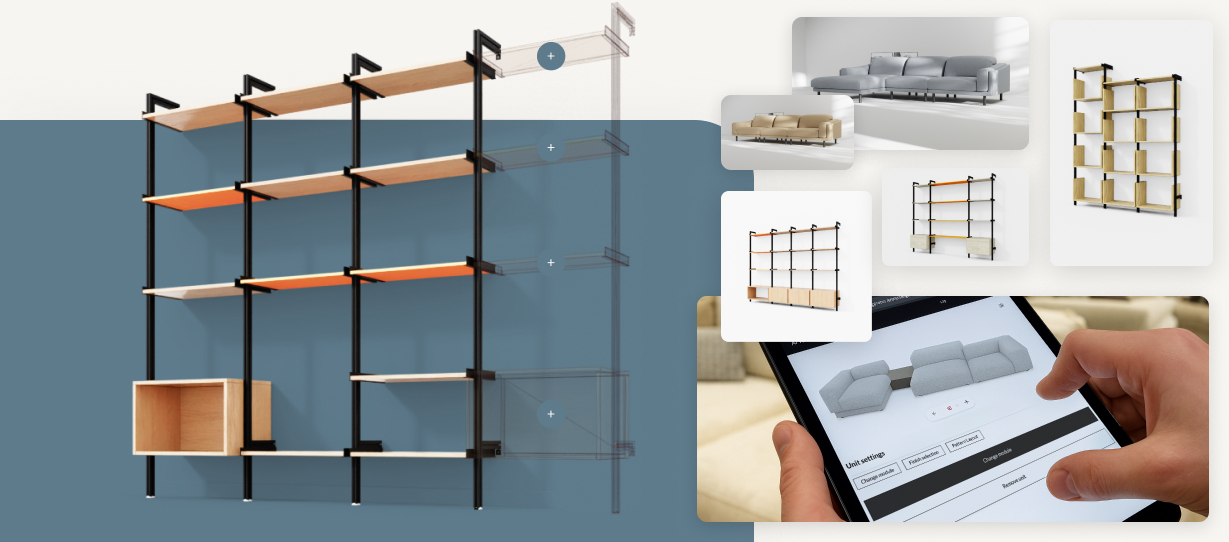
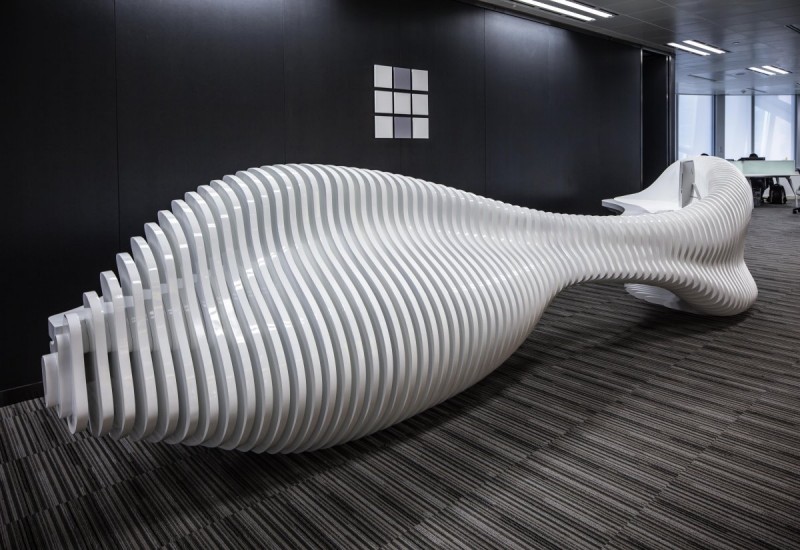 Parametric furniture by HWCD (source: h-w-c-d.com)
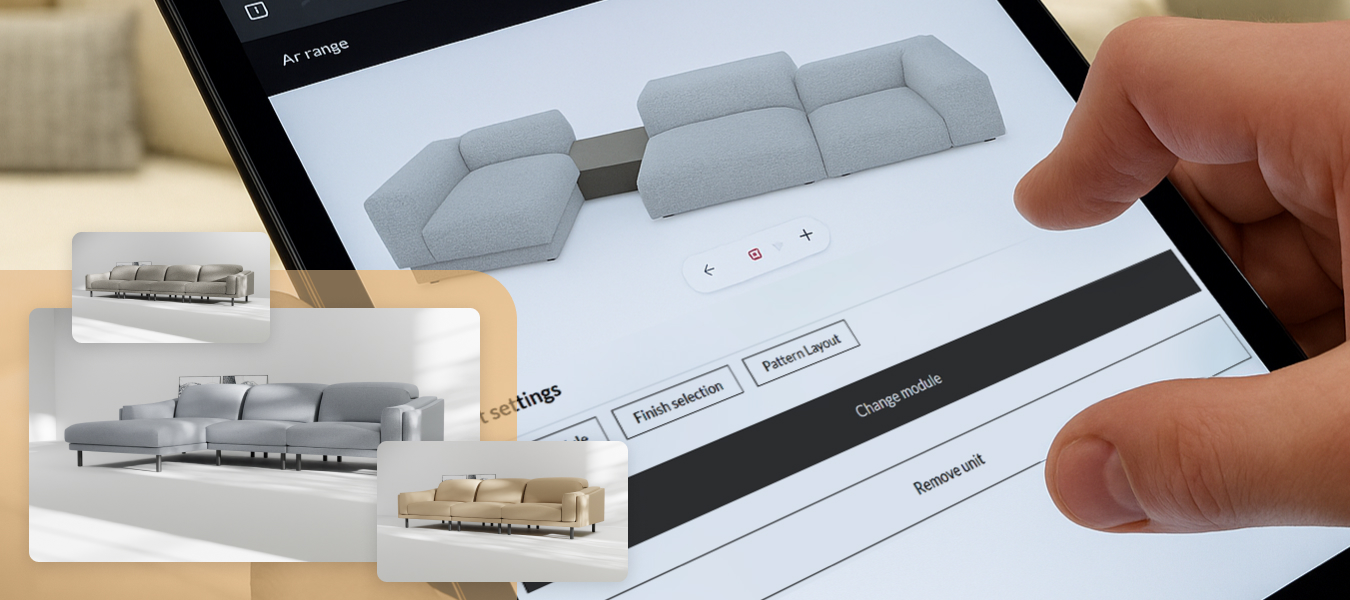
- The Parametric Product Configurator: The online configurator is the crucial tool that transfers the power of parametric design to the end customer. As customers interact with the tool and change parameters, the configurator acts as a CPQ (Configure, Price, Quote) system, providing dynamic, real-time pricing and updating the total cost instantly.
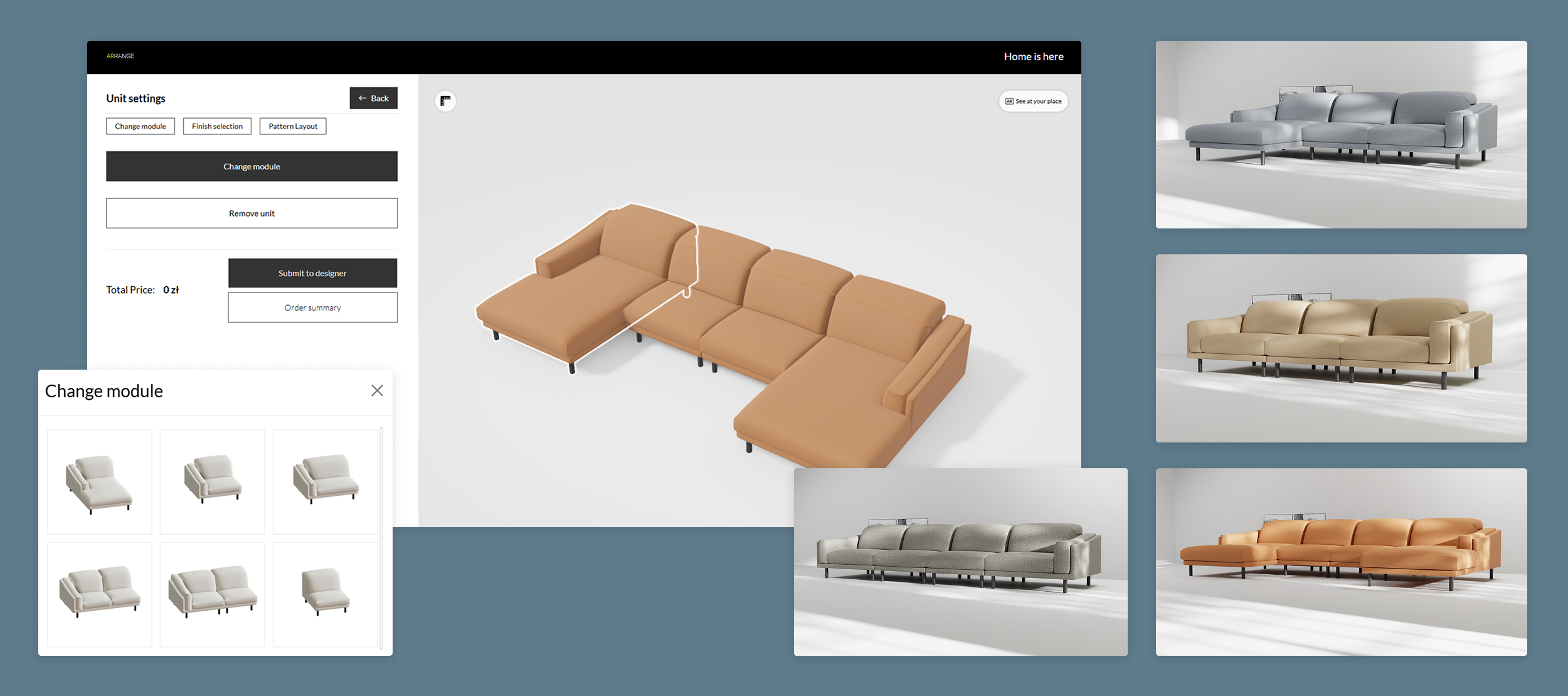
- Advanced configurators, such as the one from Ar-range, can generate stunning photorealistic renders on the fly in the cloud, often in a matter of seconds. This gives the customer a stunning, print-quality image of their unique design.
- Most critically, the system can automatically generate a summary document or email for the customer’s offer. It integrates directly with the manufacturing process by generating production-ready files (e.g., CAD, CAM, or CNC files) from the customer’s final design, which streamlines the entire workflow.
Limitations and Challenges
Despite its advantages, parametric design presents certain challenges.
- Steep Learning Curve: Parametric software can be daunting to learn and master. It requires a complete upskilling as the approach is mathematical and systemic, unlike more intuitive direct modeling software like SketchUp.
- Limited Intuition and Flexibility: Parametric software is less intuitive because a change in one parameter can affect the entire model in a greater way than expected. This requires considerable planning and attention to detail. Users have less control over free-form, direct design modifications.
Conclusion
In summary, parametric design is a powerful, algorithmic approach that moves beyond fixed forms to create dynamic, responsive, and optimized designs. It is a tool that allows designers to solve complex problems and create innovative, beautiful products. From architecture to product customization, parametric design isn’t just a new tool; it’s a new way of thinking that is shaping the future of design in every field.