Understanding Augmented Reality in E-Commerce
Augmented Reality, or AR, is the technology that overlays digital objects onto the real world through a smartphone, tablet, or headset. In simple terms, it’s like taking a piece of your online store and placing it right on your living room floor. You can move around it, see it to scale, and imagine how it fits into your space. In e-commerce, this tool has changed how people shop, especially for products that depend on seeing size and shape in context.
But here’s the truth I’ve learned after years in this industry: showing a product in AR is not a value on its own. The magic happens only when you use AR strategically - to solve a real buying problem. If a single photo or a spinning 3D model answers the customer’s question, there’s no point adding AR just for the sake of novelty.
The real advantage comes when AR helps buyers visualize scale, space, or unique shapes that are impossible to understand from a flat image. That’s when AR turns from a gimmick into a decision-making tool.
The Challenges of Using AR in Furniture Retail
Many furniture brands rushed into AR in the early 2020s, thinking it would instantly lift their sales. They created AR views for everything, from chairs to cushions, expecting customers to buy faster. But the data - and the reality - proved it doesn’t work like that.
I’ve seen companies launch AR for fabric-focused furniture, expecting miracles. But fabric intricacies, light play, or texture are better shown through high-quality automated visuals or digital material libraries, not through AR. Where AR shines is with products that depend on understanding shape and scale.
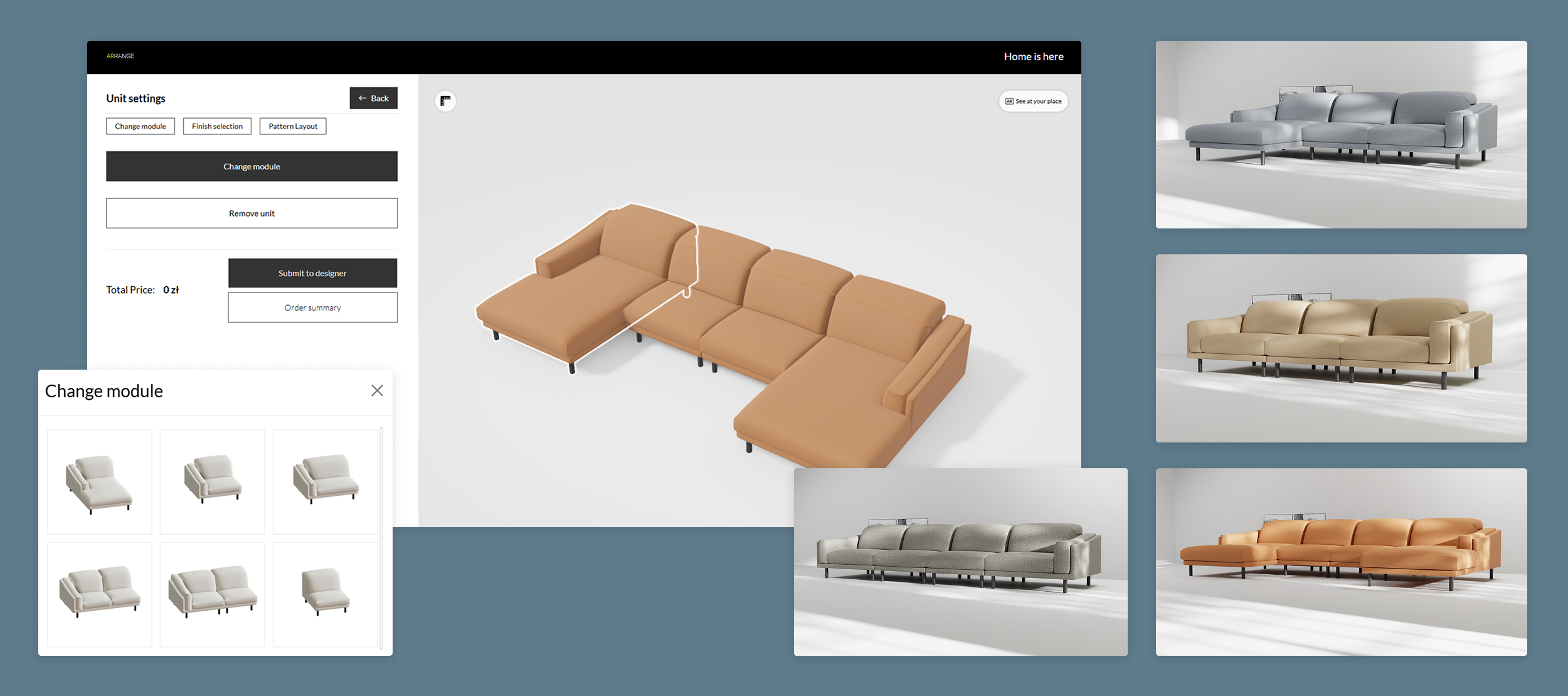
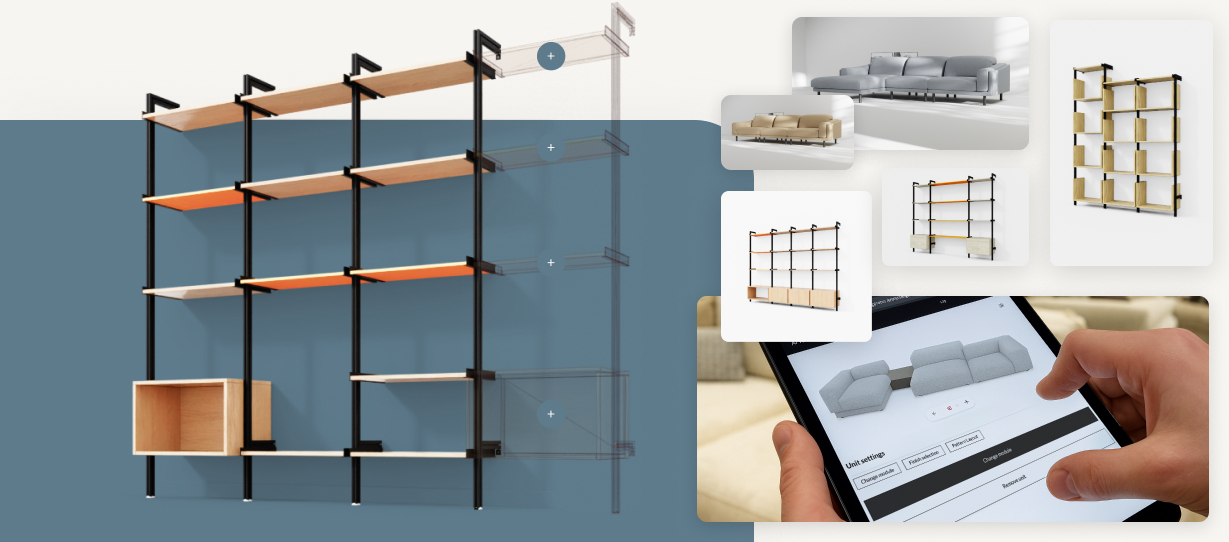
Think about modular sofas, large bookcases, or outdoor kitchens. These are hard to imagine based on photos alone. AR shows you how your space will actually look and feel when occupied by that product.
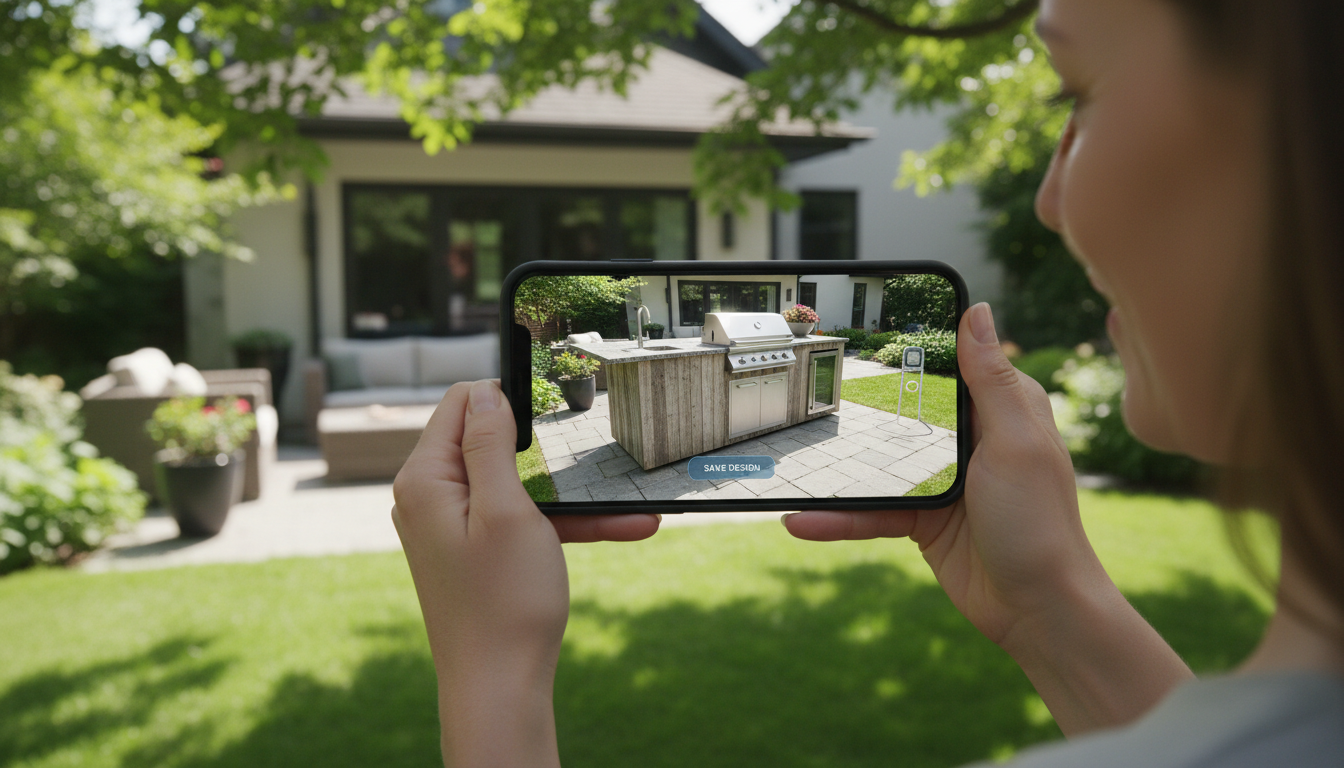
A great example of smart use is the Paradise Grills AR integration for configurator. Customers there can build their dream outdoor kitchen and then preview it 1:1 in their own backyard. This is AR at its best - used to confirm scale, fit, and overall layout before a big purchase.
So, next time you think of launching AR, ask yourself one question: “What does this help the customer decide?” If the answer isn’t clear, AR will only add friction, not value.
The Role of Unified Systems with AR
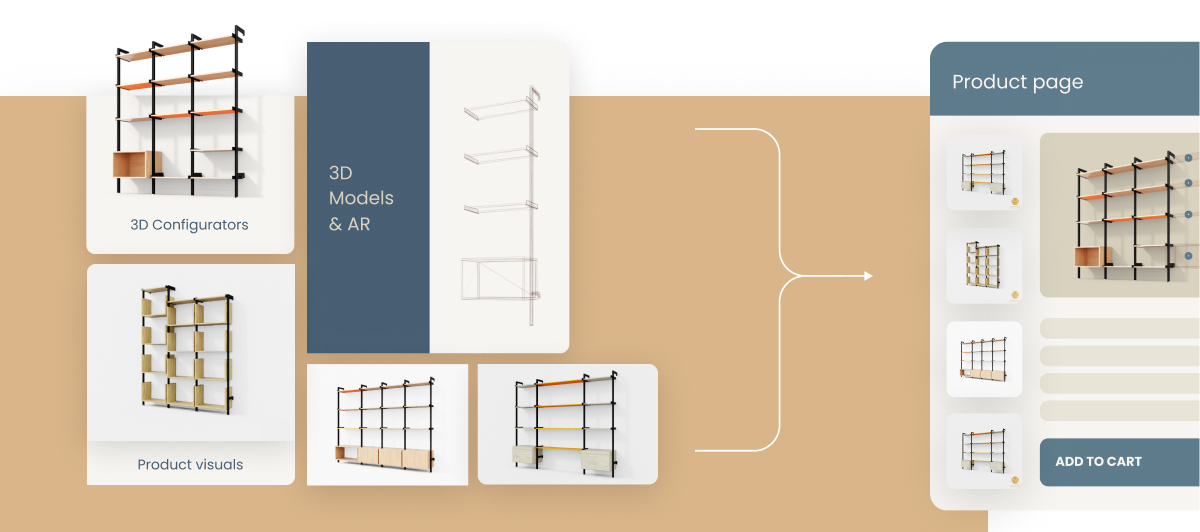
The smartest retailers I work with don’t think of AR as a standalone toy. They see it as part of a unified ecosystem that includes configurators, sales tools, and e-commerce platforms. When AR integrates with your 3D configurator, it becomes part of a seamless buying flow instead of a disconnected experience.
At Ar-range, we embed features like AR directly inside our parametric and modular configurators. This lets users configure, visualize, and then project their customized product into their room, all within one system. That’s how you bridge the online-offline gap effectively.
Our own Augmented Reality Viewer was designed with this philosophy in mind. Customers shouldn’t have to download a separate app or go through complex steps just to see furniture in their space. The process should feel natural, part of a single journey from inspiration to purchase.
Unified systems also mean that your visuals, AR models, pricing, and configurations come from the same source. No inconsistencies, no broken data flows. That’s what keeps the buying experience trustworthy.
Harnessing AR for Better Customer Engagement and Sales
When done right, AR e-commerce drives measurable results. Studies and market data confirm that in some cases, AR is reported to boost conversion rates by up to 189%. But when you take a look at the case studies present under the link provided, you’ll notice that each of them was backed by a specific marketing strategy.
Here are some practical ways brands use AR to improve the customer journey:
- Better visualization of complex products. Buyers can see large or modular pieces in their actual space before ordering.
- Higher engagement rates. Customers spend more time interacting with products that let them imagine ownership.
- Reduced returns. When customers see real proportions and configurations, the chance of post-sale disappointment drops.
- Greater confidence in big-ticket purchases. Seeing is believing, especially for outdoor kitchens, sculptural items, or other space-heavy furniture.
The combination of AR and configurators doesn’t just make shopping fun - it reduces uncertainty. That emotional shift is often what closes the sale.
Actionable Insights and Common Pitfalls in AR Deployment
Most guides focus on technology. I prefer to focus on purpose. Because if we don’t define what problem AR is meant to solve, the tool becomes noise.
So, here’s what multiple AR implementation (for furniture businesses, mostly) taught us at Ar-range:
- Use AR for decisions that depend on space, scale, and layout.
- Avoid AR when your product’s value lies in fabric, color, or texture detail - use photorealistic visuals for that.
- Always link your AR viewer with a configurator. Detached AR models have low conversions.
- Keep your visuals consistent across AR, 3D, and photography for trust and clarity.
I’ve seen brands forget this part entirely, ending up with great AR demos but poor sales results. The goal isn’t to wow your audience with technology; it’s to make buying easier.
For teams designing personalization experiences, I recommend reading our article on Personalization Strategy for Furniture Configurators. Or, if you face bridging the online vs offline gap in your process (you sell both online and through showrooms), check out Showroom Continuity: Opening the Customer’s Saved Config In-Store.
Both articles address how the configurators must adapt to different buyer profiles and how AR plays into that personalization journey.
To sum it up: AR is not a magic switch for conversions. Use it when it solves a real challenge - like showing scale or unique forms - and make sure it’s part of a unified flow with your product configurator. Get that formula right, and AR turns into one of the most powerful sales tools in modern e-commerce.