The B2B to B2C transition in furniture retail
For many B2B furniture makers, moving into B2C furniture feels like switching from chess to poker. In B2B, success comes from logic, specs, and precise configurations. But when the buyer is a homeowner, logic takes a back seat. People don’t buy a SKU - they buy a vision of how their life could look. And that vision is painted by emotion, mood, and story.
I’ve seen manufacturers struggle with this shift. They come from a world where deals are made on spreadsheets and purchase orders. When they move to B2C, they realize customers don’t care about the part numbers. They care about how it feels to sit on that sofa on a Sunday morning, or how a dining table fits into their family’s rituals. That’s the real product they’re buying.
The big mindset change is that personalization and visualization aren’t tech tools - they’re expressions of brand values. If your brand stands for individuality or craftsmanship, that spirit needs to live in every touchpoint, not just in a hidden ‘Configurator’ tab.
The root challenges of moving to B2C marketing
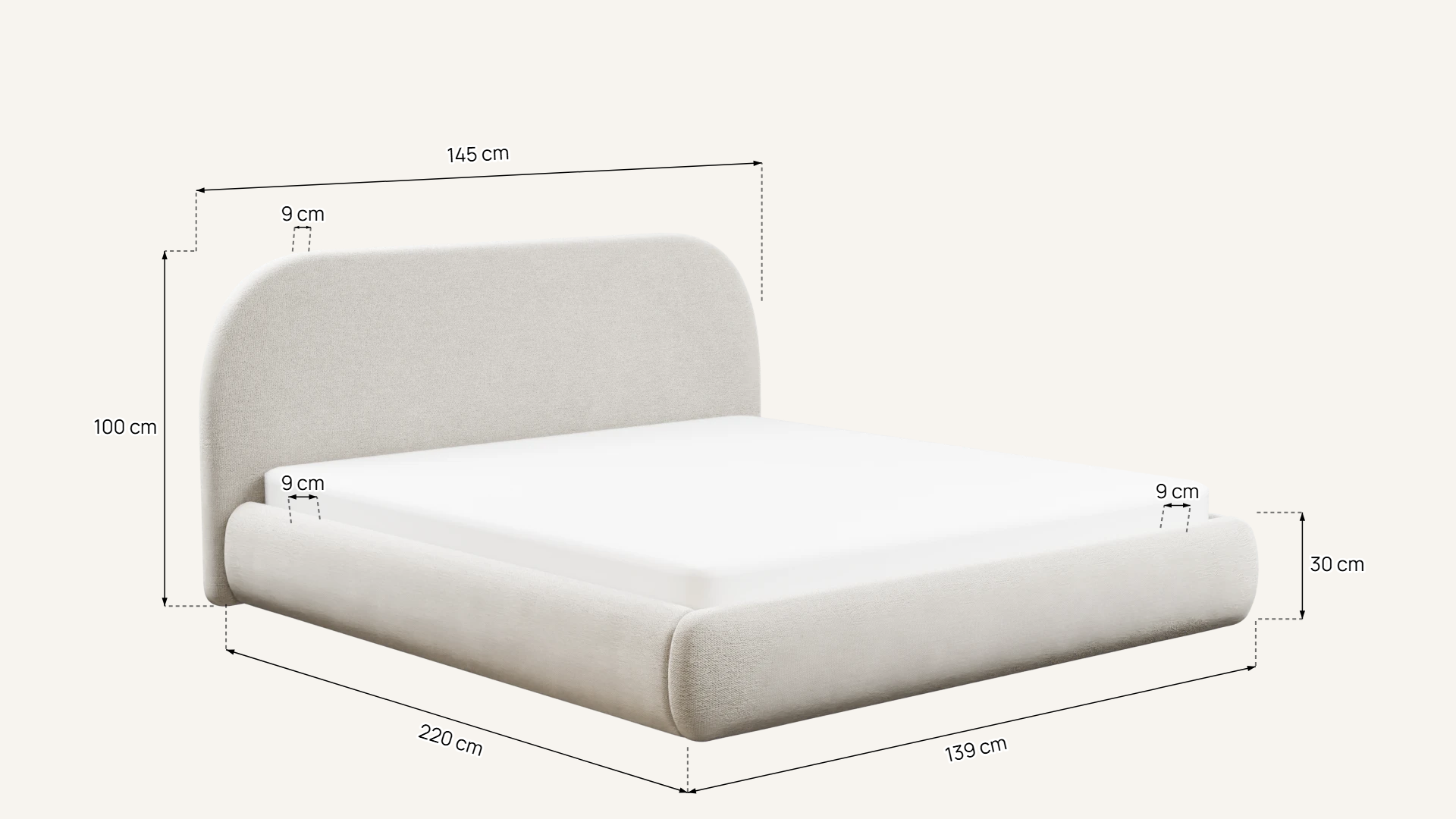
B2B companies often carry their business logic straight into their B2C websites. The result is usually too functional, too technical, and too product-centric. The focus is on dimensions, specs, and price - while the consumer is still dreaming.
When I walk through these sites, I often see misplaced effort. Tons of variations, options, dropdowns. The belief is: the more options, the better. In reality, that’s paralysis. In B2C furniture, more isn’t more - clarity is. The buyer wants reassurance, not a spreadsheet of possibilities.
Personalization, then, should emerge from a strong branding strategy. Instead of showing every possible fabric, show three interiors with distinct moods. Invite the customer to identify with one. That choice sets the foundation for emotional connection - and only then should detailed customization be introduced.
Most guides say “offer powerful configurators early.” But in practice, that’s exactly when customers drop out. They’re not ready yet. They’re exploring who they are, not what they want.
Emotional engagement and personalization as core values
Personalization is about identity before it is about a configurator. In successful B2C furniture brands it is part of the brand story, and the tools follow from that.
Imagine your website like a conversation. The pages, visuals, and product gallery all speak in the same voice. If your ‘core value’ is living well in small spaces, everything - from AR previews to product imagery - should whisper that message. This is where visual presentation and customization meet.
The three levels of personalisation
We work with three levels of personalisation. Each belongs to a different stage of the customer journey, summarised in the section after this one. Most B2B brands go straight to the third level, the configurator, before the first two have built any trust.
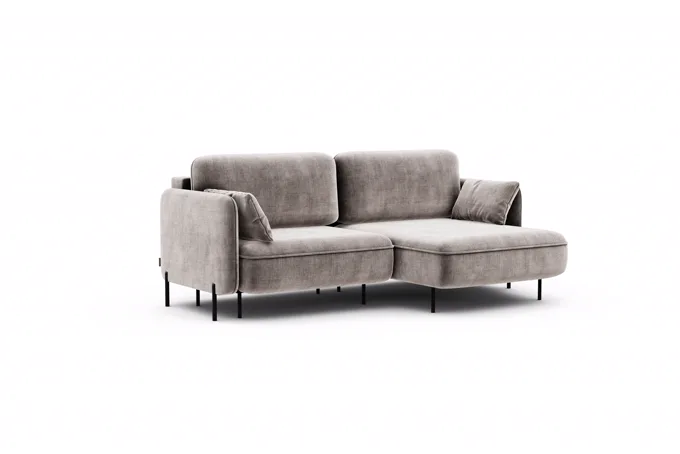
Level one: proof that you personalise. A limited set of variants, shown on the product page itself. The customer is still exploring, and the goal is to prove that the piece can be made theirs. What it takes: clear UX directly on the product page, true-to-life visuals of each variant, and a choice small enough that nobody has to think hard. This is the exploration stage.
Level two: every variant, for the customer willing to do the thinking. The first level extended. Some customers want the whole range and are ready to take on the burden of deciding. The goal is to guide them to the few outcomes that suit them, out of millions of combinations. What it takes: an extended product page, or a configurator page similar enough to one; photoreal visuals of every variant; UX designed to guide rather than overwhelm; enough information to explain why this particular piece is right or wrong for this person, and basic rules about what goes with what, both served from a product content hub; and an AI assistant that turns what a person says, “looks like denim”, into product attributes. MyBed’s fabric search is this level at work. This is the consideration stage.
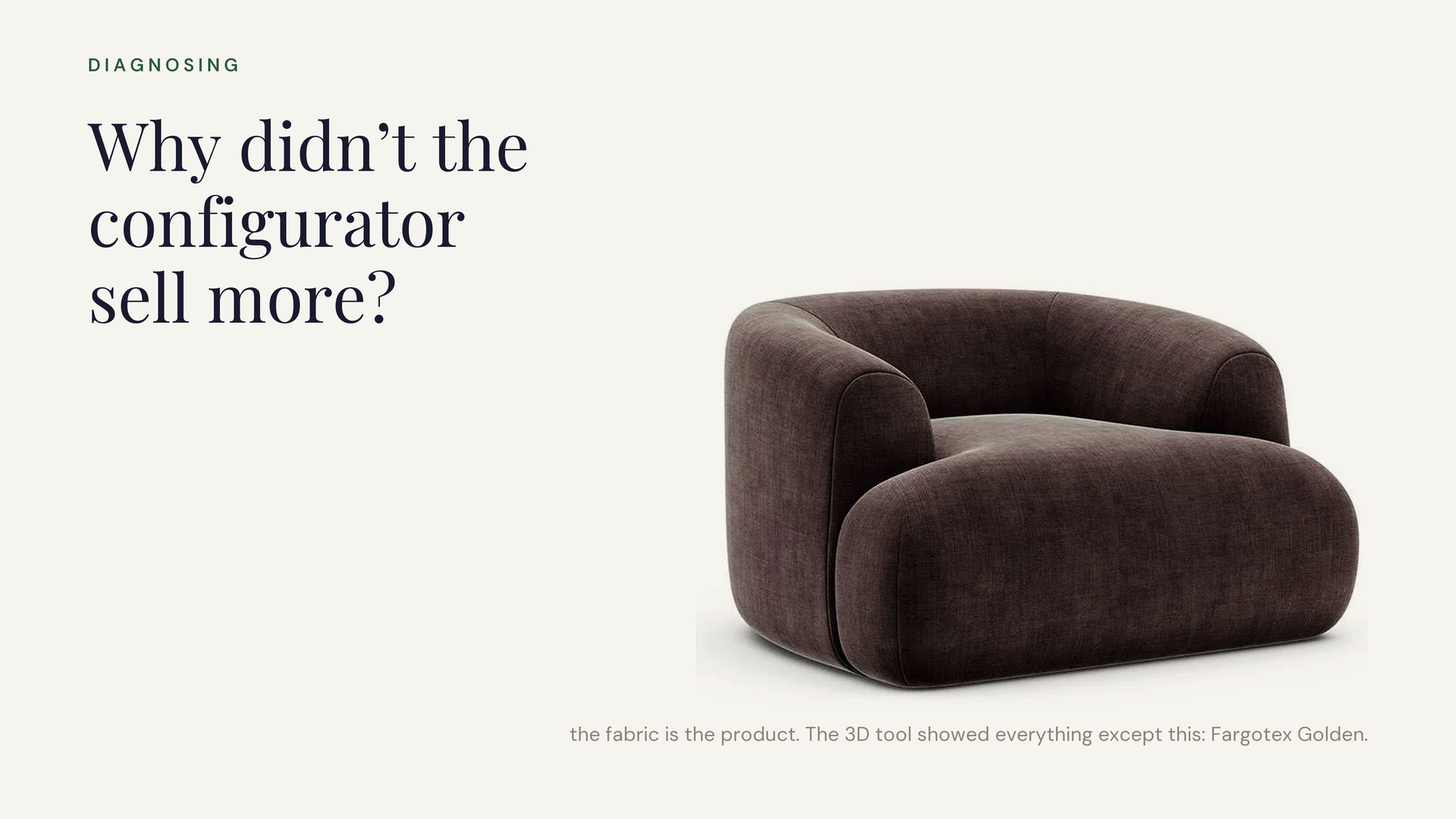
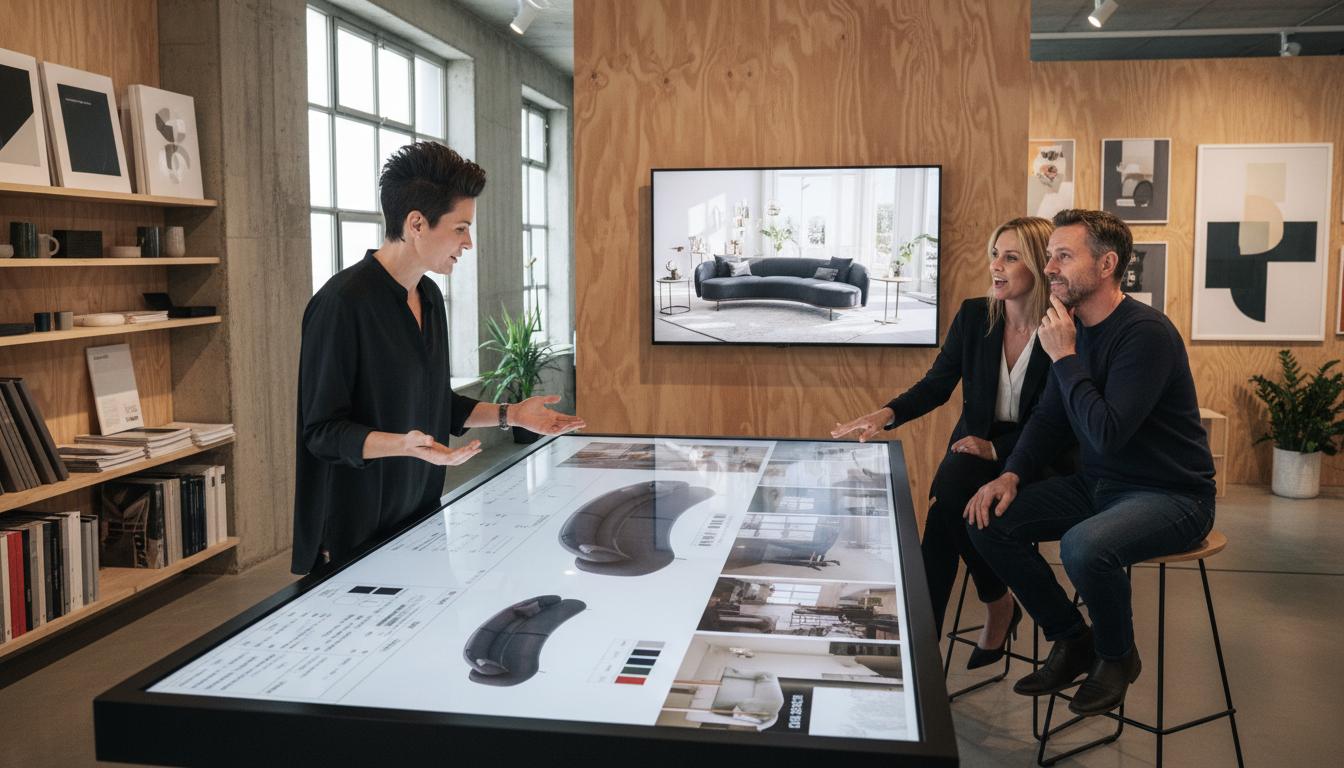
Level three: full personalisation, the customer wearing the designer’s hat. Every dimension, module and finish open. Unless a brand chooses this consciously, it belongs in one of two places. In the showroom, as guided selling: the sales rep drives the configurator and the showroom experience covers what a 3D view cannot, the feel of the fabric and the size of the piece in a real room. Paradise Grills sells its outdoor kitchens this way. Or online, as a pre-qualifier and a reason to visit: the customer learns roughly what their configuration costs, and comes to the showroom to see it. This is the decision stage. What happens after that visit, when the excitement fades on the way home, is a problem of its own, and we wrote about it in How customers perceive your product value.
Who this is for. Brands that sell their own furniture through their own store, their own showrooms, or both, with a product that comes in variants: upholstered beds and sofas, modular systems, outdoor kitchens, made-to-order pieces. A large marketplace runs a different process and a different economics of the product page, and these levels do not map onto it one to one.
How the visuals themselves differ by their role in the journey is a post of its own: 3D configurator or variant visuals: which one does your catalogue need?
The journey the three levels sit on
The levels above only make sense against the customer journey, so here is the short version. The full walk-through, with touchpoints and the scenarios where a sale is lost between them, is in Furniture, Emotion, and Conversion: Inside the Customer’s Mind in 2025.
The journey is not linear. It loops and repeats, and any stage can happen online, in a showroom or both. Still, four stages come round in every sale:
- Inspiration. The dreaming phase. Lifestyle scenes and the brand story do the work, and the goal is to be remembered when the person is ready. No level of personalisation belongs here yet.
- Exploration. Taste gets refined into a shortlist. This is where level one earns its place: a few variants on the product page, true to life, proving the piece can be theirs.
- Consideration. Desire gets checked against facts: the fabric in hand, the size in the room, the price. Level two lives here, every variant with the guidance to choose one, and a swatch that matches what was saved online.
- Decision. The exact variant, priced and confirmed, in the store or with a rep on a shared screen. Level three, where a brand runs it, belongs to this stage and to the showroom.
The job at every stage is to help the buyer find their right variant among the millions. Done that way, personalisation feels like help rather than a burden.
The pitfalls, and what B2C success takes
Many furniture brands trip at the same spots. They build a technical configurator before defining their emotional promise. Or they design stunning visuals that don’t connect to showroom reality. Or worse - they treat personalization as a checkbox feature instead of a guiding principle.
When shifting to B2C, you can’t separate technology from story. They move together, and one strengthens the other.
To summarize, successful B2C furniture marketing counts on:
- Selling a vision, not a SKU.
- Seamlessly blending digital and physical experiences.
- Using AR, swatches, and guided configurators at the right journey stage.
- Defining personalization as a brand value, not a widget.
When emotional consistency replaces product complexity, something interesting happens. Customers stop comparing specs - they start imagining themselves living your story. And that’s when they decide to buy.
If you’re serious about moving from B2B logic to B2C storytelling, start with introspection. Ask: what life vision are we really selling Once that’s clear, every visual, tool, and interaction falls into place.