Updated September 2026. This is the short version. For the full explanation of what a configurator is, the kinds that exist and examples from furniture brands, read What is a product configurator?
The problem with selling custom products
A product that is made to order cannot be photographed in every version. A sofa in 300 fabrics, a bed in 20 sizes, a kitchen island with a dozen modules: the buyer has to imagine the one they want, then ask you whether it exists and what it costs. Every one of those questions is an email, a call, or a visit. Many buyers never send the first one.
What a 3D configurator does about it
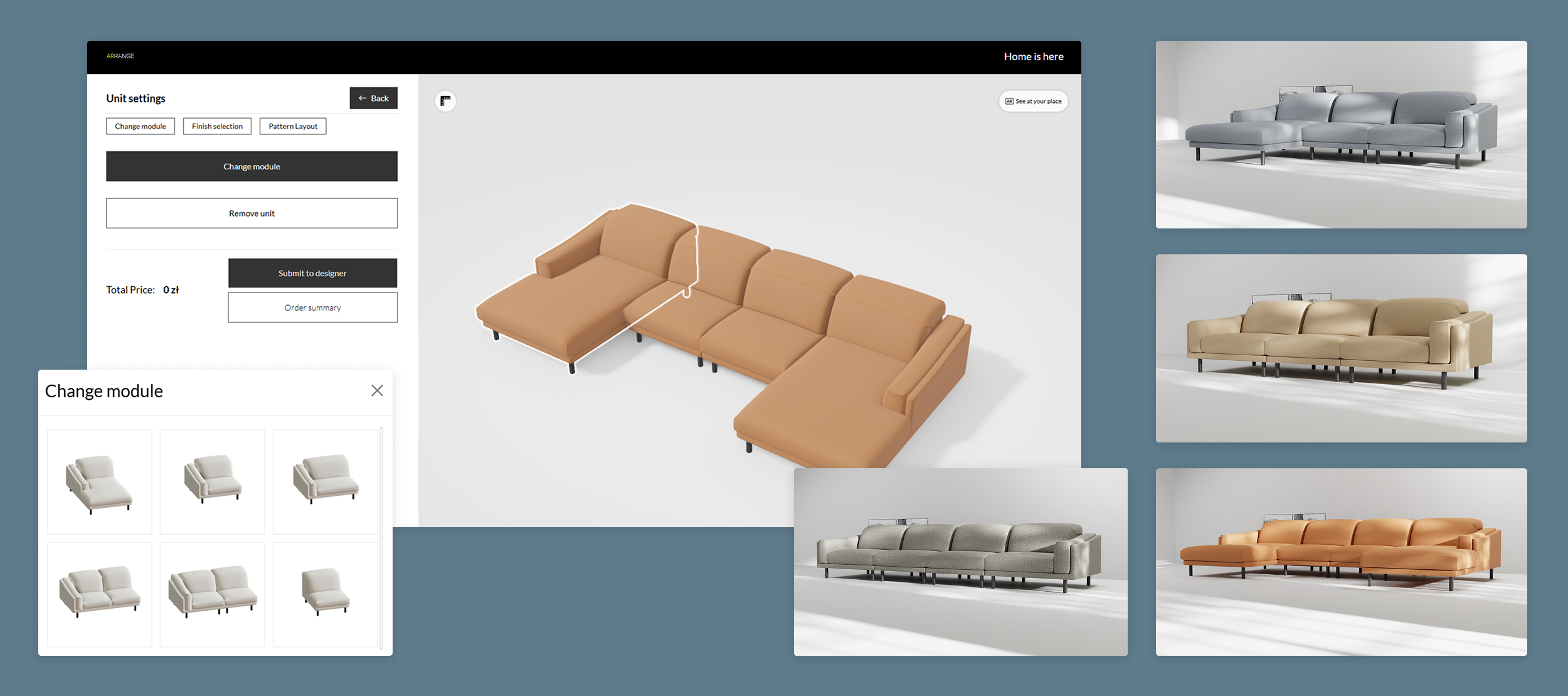
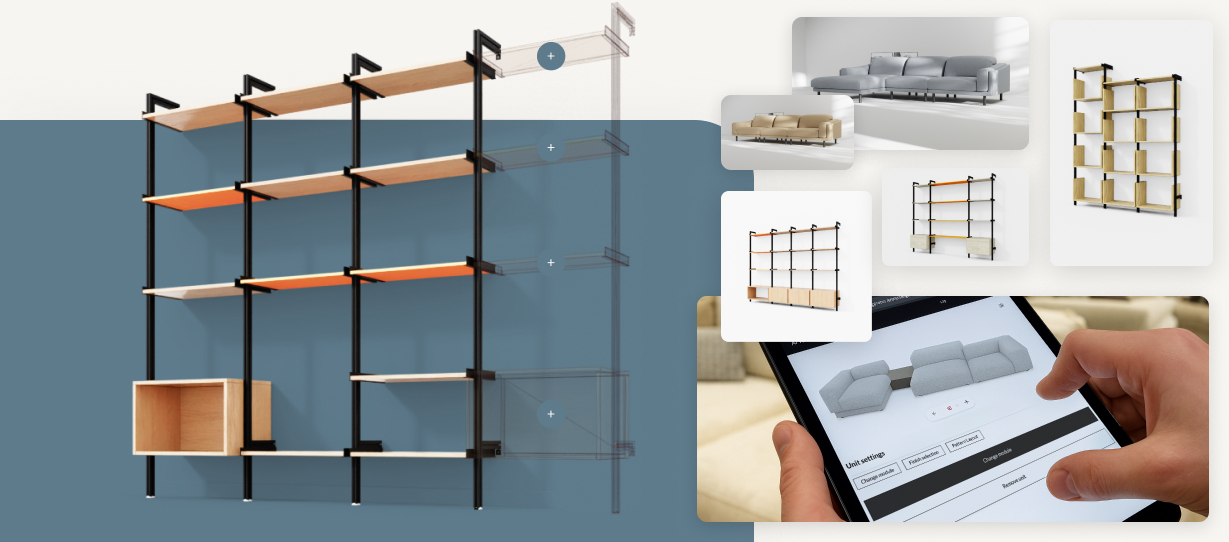
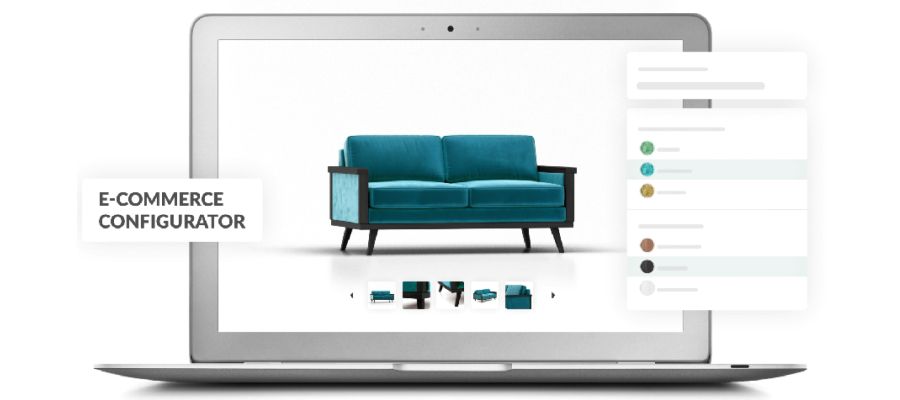
A 3D configurator lets the buyer choose the material, colour, size and extras and watch the product change as they choose. The price updates with it. When they are happy, the tool takes them to the cart, a quote, or a summary a salesperson can pick up. Three things happen as a result:
- The buyer sees their product before they buy it. That is the part that used to need an email and a wait.
- The order arrives correct. Only valid combinations can be chosen, so the workshop gets a specification it can build.
- The sale can happen without you. Online, at night, in another country. Or with you, in the showroom, where a salesperson builds it together with the customer.
What decides the cost
The software is not the expensive part. The cost follows three things: whether you already have good 3D models, how many products and options have to be covered, and what the configurator has to connect to (your shop, your pricing, your production). A brand with clean models and a tidy catalogue pays much less than one starting from photographs. We explain the arithmetic in the Costs category, and what you need to have ready in Implementing.
Where to see one working
Bathroom brand BLU runs an online configurator for cabinet sets: countertop, sink, cabinet heights, colours and handles, with a running price. Paradise Grills uses one in the showroom for custom outdoor kitchens: the salesperson builds the island with the customer on a tablet, and an order that used to take thirty minutes of paper now takes about five.
Is it worth it for you
It is worth it when your products share a structure and differ in options, and when your buyers hesitate or ask the same questions again and again. It is not worth it when every piece is a one-off with nothing repeatable, or when a few photographs already answer everything. If you are not sure, this post walks through the checks.